Comment choisir le meilleur accumulateur de froid en gel pour fruits de mer
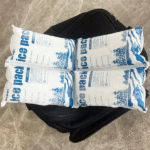
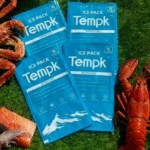
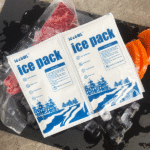
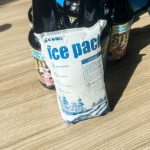
Choisir le meilleur distributeur de fruits de mer à accumulateur de froid en gel devient plus facile lorsque vous arrêtez de le traiter comme une marchandise et commencez à correspondre à l'objectif thermique, discipline d'exécution, et la capacité des fournisseurs dans un seul cadre. Les acheteurs de fruits de mer ont besoin d’un froid fort et stable, mais ils doivent aussi éviter l’excès d’eau libre, étiquettes endommagées, et des paquets qui se déplacent dans une boîte humide. Il faut également penser à la transformation et à la distribution des produits de la mer., où le style de manipulation, exposition ambiante, et la pratique en entrepôt peut changer le résultat bien plus que ne le suggère une brochure générique.. Les directives de la FDA sur les fruits de mer sont construites autour du HACCP, obliger les transformateurs à identifier les dangers et à les contrôler systématiquement. La règle de transport sanitaire de la FSMA cible également les défauts de transport tels qu'une réfrigération inappropriée., alors que les directives alimentaires générales de la FDA indiquent toujours une réfrigération égale ou inférieure à 4 C et congélation à ou en dessous -18 C. Ce guide transforme cette complexité en décisions en langage simple afin que vous puissiez comparer les offres, valider la voie de droite, et créer un programme qui fonctionne pour les distributeurs de fruits de mer frais, exploitants de conchyliculture, processeurs, et des marques de produits de la mer tournées vers l'exportation.
Cet article vous aidera à répondre:
Comment définir la bonne fenêtre de température, taille du paquet, et placement avant de demander un devis.
Quel matériau, validation, et les signaux d’offre distinguent une offre forte d’une offre risquée.
Comment qualifier un distributeur de produits de la mer sans perdre de temps sur des échantillons faibles ou des allégations vagues.
Quel emballage, conditionnement, et les choix de placement réduisent les fuites, excursions, et déchets évitables.
Quoi 2026 les changements de marché et de politique ont un impact sur les coûts, documentation, et durabilité.
Quelle est la façon la plus claire de choisir un distributeur de fruits de mer à accumulateur de froid en gel?
La première décision est toujours la fenêtre de température. Les acheteurs choisissent souvent d'abord l'accumulateur de gel froid et ne pensent qu'après coup au temps d'exposition., isolation, placement des paquets, masse de charge utile, et fréquence d'ouverture. Cette séquence crée un risque. Un pack qui fonctionne sur un itinéraire peut échouer sur un autre si le temps d'arrêt, modèle de chargement, ou changements de profil ambiant. L'approche la plus sûre est simple: commencer par la sensibilité du produit, puis tracez la voie, puis dimensionner le plan de refroidissement. Cette ordonnance évite un nombre surprenant d'exceptions évitables.
La méthode d'achat la plus efficace utilise une séquence simple: définir la cible thermique, comprendre l'itinéraire, spécifier la géométrie et le matériau du pack, puis comparez la capacité du fournisseur. Cela vous évite d'acheter un pack techniquement bon qui ne rentre pas dans la voie. Cela vous aide également à arrêter de discuter du prix unitaire avant de savoir si la conception est réellement correcte..
Cadre décisionnel
| Zone de décision | Que définir | Que vérifier | Pourquoi ça vous aide |
|---|---|---|---|
| Fenêtre de température | Sensibilité de la charge utile et portée autorisée | Exposition réelle des voies et plan d'enregistrement | Vous adaptez le liquide de refroidissement au vrai risque. |
| Format du paquet | Poids, forme, et concept de placement | Flexibilité du film, scellés, et remplir la tolérance | Vous améliorez la cohérence et réduisez les dommages évitables. |
| Validation | Profils été et hiver ou équivalents | Limites d'acceptation et positions des enregistreurs | Vous achetez contre preuve, Pas de supposition. |
| Capacité du fournisseur | Plan d'actionnariat, personnalisation, et documentation | Rapidité de réponse et traçabilité | Vous réduisez les surprises opérationnelles. |
| Durabilité | Données matérielles, réutilisation, et logique du gaspillage | Si cela fonctionne sans nuire aux performances | Vous alignez les coûts, politique, et les attentes des clients. |
Quels détails techniques comptent le plus une fois que le premier échantillon semble bon?
La plupart des formats froids à base de gel sont des systèmes lourds en eau contenus dans un réseau polymère.. Dans de nombreux modèles, le réseau limite le ballottement, stabilise le remplissage, et réduit les dégâts en cas de crevaison. C’est important car deux packs ayant la même taille extérieure peuvent se comporter très différemment lors de leur utilisation.. On peut dégager du froid rapidement et créer un risque de gel local. Un autre pourrait le libérer plus uniformément et protéger la charge utile plus longtemps.. Pour les acheteurs d’accumulateurs de gel froid, la leçon pratique est cette forme, taux de remplissage, et la méthode de conditionnement comptent presque autant que le poids brut imprimé sur la fiche technique.
Le choix du film est tout aussi important que le choix du gel. Une pochette, envelopper, insérer, ou le sac doit résister à la pression d'empilage, contact de bord, cycles de refroidissement répétés, et la friction liée au déplacement dans des boîtes en carton ondulé ou des bacs réutilisables. Un film plus épais n’est pas automatiquement meilleur. La bonne structure équilibre la résistance à la perforation, intégrité du joint, flexibilité après conditionnement, et un transfert de chaleur efficace. En opérations réelles, les joints faibles échouent généralement avant le milieu du film. C'est pourquoi les acheteurs prudents s'interrogent sur la largeur du joint., test d'étanchéité, tolérance de remplissage, et contrôle dimensionnel au lieu de supposer que tous les produits de la même classe d'épaisseur sont égaux.
La validation doit refléter la réalité. Cela signifie conditionner l'accumulateur de gel froid de la manière dont votre équipe le fera réellement., charger l'expéditeur avec la charge utile réelle ou un équivalent testé, placer les bûcherons là où le risque est le plus élevé, et exécuter plus d'un profil ambiant. Une courbe de laboratoire propre est utile, mais ce n'est pas la même chose qu'un résultat d'itinéraire. Demandez comment les performances changent en fonction du temps de transit, ouvertures de boîtes, densité de charge utile, ou changement de placement du pack. Les meilleurs fournisseurs vous aident à comprendre la marge, pas seulement le meilleur résultat.
Si vous vous souvenez d'une règle technique, souviens-toi de ça: le temps d'attente n'est pas toute l'histoire. Un pack peut avoir suffisamment d'énergie de réserve et néanmoins se comporter mal en raison d'un mauvais modèle de contact., film fragile, remplissage incohérent, ou une méthode de conditionnement que l'entrepôt ne peut pas répéter de manière cohérente.
Comment la conformité et les règles régionales modifient-elles la liste restreinte?
La réglementation modifie la liste restreinte car le contrôle documenté fait partie de la gestion des risques. Les directives de la FDA sur les fruits de mer sont construites autour du HACCP, obliger les transformateurs à identifier les dangers et à les contrôler systématiquement. La règle de transport sanitaire de la FSMA cible également les défauts de transport tels qu'une réfrigération inappropriée., alors que les directives alimentaires générales de la FDA indiquent toujours une réfrigération égale ou inférieure à 4 C et congélation à ou en dessous -18 C. Cela signifie un fournisseur avec des instructions claires, de meilleurs enregistrements, et la logique spécifique à un itinéraire est souvent le choix le moins risqué, même si le prix unitaire n'est pas le plus bas de la page..
La durabilité passe du langage marketing au critère d’approvisionnement en 2026. Les acheteurs se demandent désormais si le format est réutilisable, combien de plastique il contient, si une version plus légère peut faire le même travail, et à quoi ressemblera la gestion en fin de vie. Une réponse sensée en matière de durabilité ne signifie pas choisir le pack le plus fin ou le moins cher. Cela signifie réduire le poids évitable, réduire les déchets à usage unique lorsque cela est possible, et en utilisant des choix de matériaux documentés adaptés à la voie. La croissance de la chaîne du froid et les attentes plus strictes en matière de sécurité des produits de la mer poussent les distributeurs vers des produits plus validés., accumulateurs spécifiques à l'application au lieu d'accumulateurs génériques packs de gel.
Qu'est-ce qu'un plus fort 2026 ressemble à la fiche de score du fournisseur?
Pour les programmes de distribution, la cohérence compte plus qu’une bonne affaire ponctuelle. Vous avez besoin d'une qualité stable, MOQ réalistes, planification claire des stocks, et un réapprovisionnement prévisible. Cela est particulièrement vrai lorsque l'accumulateur de gel froid affecte également les coûts de transport., volume de stockage, coût d'élimination, ou exposition fiscale. Un partenaire d'approvisionnement plus solide vous aide à simplifier le décompte des SKU, standardiser les règles d'itinéraire, réduire les achats d'urgence, et empêcher les exceptions spécifiques au compte de prendre en charge l'opération.
Les opérateurs de fruits de mer en 2026 veulent des accumulateurs plus propres qui maintiennent un environnement proche de zéro pour le poisson frais, films plus résistants qui survivent aux conditions humides, et des systèmes d'emballage adaptés à la fois à la vitesse d'emballage de l'usine et à la présentation au détail. Les questions de durabilité se posent également parce que les acheteurs ne veulent pas de gains de performance qui génèrent des réactions négatives en matière d'élimination.. La croissance de la chaîne du froid et les attentes plus strictes en matière de sécurité des produits de la mer poussent les distributeurs vers des produits plus validés., accumulateurs spécifiques à l'application au lieu de packs de gel génériques.
Tableau de bord pratique des fournisseurs
| Point de contrôle | Que demander | À quoi ressemble le bien | Pourquoi ça compte |
|---|---|---|---|
| Ajustement de la température | Pour quelle plage de température cette conception est-elle validée? | La réponse fait référence à une portée réelle et à un type de voie réel. | Vous évitez d'acheter un pack solide mais erroné. |
| Contrôle de production | Comment le poids de remplissage et la qualité du joint sont-ils contrôlés? | Tolérance documentée et contrôles de qualité de routine. | Vous réduisez les variations d’un lot à l’autre. |
| Assistance à la validation | Pouvez-vous afficher des profils d'été et d'hiver ou des profils chauds et froids? | Oui, avec une méthode de test claire et des conseils pratiques de conditionnement. | Vous obtenez des preuves qui s'appliquent à votre itinéraire. |
| Résilience de l’offre | Où sont détenus les stocks et que se passe-t-il pendant les pics? | Stratégie de stock nommé et engagements de délais réalistes. | Vous évitez de vous bousculer lors des pics de demande. |
| Stratégie matérielle | Que pouvez-vous documenter sur le cinéma, plastique, réutilisation, ou élimination? | Clair, informations matérielles spécifiques. | Vous soutenez la revue des achats et de la durabilité. |
Plan d'action que vous pouvez utiliser immédiatement
Cartographiez vos caisses de poisson frais et vos voies de distribution de coquillages par temps d'exposition et risque ambiant.
Outils de décision utiles
Vérifiez les détails avant de choisir l'emballage
Ces outils rapides peuvent vous aider à comparer le risque d'itinéraire, besoins de dimensionnement, choix de liquide de refroidissement, et les détails de l'emballage avant de demander un devis.
Référence du matériau isolant
Comparez les choix de matériaux d'isolation pour différents besoins d'emballage de la chaîne du froid.
Comparez les matériauxOutil d’évaluation du risque d’itinéraire
Examinez les conditions des pistes avant de sélectionner l'emballage en fonction des exigences opérationnelles réelles..
Vérifier le risque d’itinéraireSélecteur d’emballage
Comparez les options d'emballage isotherme par produit, itinéraire, et besoin de température.
Trouver un emballageRéduisez la conversation à un ensemble plus restreint de formats candidats d’accumulateurs de froid en gel qui correspondent réellement à ces voies..
Demandez des données de validation et des détails sur les matériaux comparables à chaque fournisseur sérieux.
Exécutez un pilote contrôlé avec la charge utile réelle ou un équivalent testé avant de passer à l'échelle.
Aperçu du cas: Un distributeur de fruits de mer a standardisé un ensemble plus petit de tailles d'accumulateurs de gel froid en fonction des familles d'itinéraires réelles, au lieu de deviner client par client.. Cela réduit la complexité de l'emballage, cohérence améliorée des arrivées, et réduction du suremballage d'urgence lorsque les conditions ambiantes sont devenues plus difficiles.
Une dernière discipline utile consiste à maintenir les commentaires post-lancement liés aux données d'itinéraire.. Quand un envoi réussit ou échoue, enregistrer la voie, conditions ambiantes, nombre de packs, placement des paquets, et toute révision de l'emballage afin que la prochaine décision soit basée sur des preuves plutôt que sur la mémoire. Cette habitude est particulièrement précieuse pour les distributeurs de fruits de mer frais, exploitants de conchyliculture, processeurs, et des marques de produits de la mer tournées vers l'exportation, parce que les programmes de chaîne du froid semblent souvent stables jusqu'à une saison, un nouvel itinéraire, ou un changement dans la gamme de produits expose une hypothèse faible. Une simple boucle de rétroaction rend le prochain cycle de packaging plus précis.
La durabilité passe du langage marketing au critère d’approvisionnement en 2026. Les acheteurs se demandent désormais si le format est réutilisable, combien de plastique il contient, si une version plus légère peut faire le même travail, et à quoi ressemblera la gestion en fin de vie. Une réponse sensée en matière de durabilité ne signifie pas choisir le pack le plus fin ou le moins cher. Cela signifie réduire le poids évitable, réduire les déchets à usage unique lorsque cela est possible, et en utilisant des choix de matériaux documentés adaptés à la voie. La croissance de la chaîne du froid et les attentes plus strictes en matière de sécurité des produits de la mer poussent les distributeurs vers des produits plus validés., accumulateurs spécifiques à l'application au lieu de packs de gel génériques.
Pour les programmes de distribution, la cohérence compte plus qu’une bonne affaire ponctuelle. Vous avez besoin d'une qualité stable, MOQ réalistes, planification claire des stocks, et un réapprovisionnement prévisible. Cela est particulièrement vrai lorsque l'accumulateur de gel froid affecte également les coûts de transport., volume de stockage, coût d'élimination, ou exposition fiscale. Un partenaire d'approvisionnement plus solide vous aide à simplifier le décompte des SKU, standardiser les règles d'itinéraire, réduire les achats d'urgence, et empêcher les exceptions spécifiques au compte de prendre en charge l'opération.
Une dernière discipline utile consiste à maintenir les commentaires post-lancement liés aux données d'itinéraire.. Quand un envoi réussit ou échoue, enregistrer la voie, conditions ambiantes, nombre de packs, placement des paquets, et toute révision de l'emballage afin que la prochaine décision soit basée sur des preuves plutôt que sur la mémoire. Cette habitude est particulièrement précieuse pour les distributeurs de fruits de mer frais, exploitants de conchyliculture, processeurs, et des marques de produits de la mer tournées vers l'exportation, parce que les programmes de chaîne du froid semblent souvent stables jusqu'à une saison, un nouvel itinéraire, ou un changement dans la gamme de produits expose une hypothèse faible. Une simple boucle de rétroaction rend le prochain cycle de packaging plus précis.
Questions fréquemment posées
Pourquoi l'eau gratuite est-elle un tel problème dans les boîtes de fruits de mer?
Parce qu'une trop grande quantité d'eau peut endommager les étiquettes, affaiblir les matériaux ondulés, affecter la présentation, et créer des plaintes de manipulation même lorsque le produit reste suffisamment froid.
Que devraient tester en premier les distributeurs de produits de la mer?
Tester la résistance à la perforation, intégrité du joint, et stabilité du pack dans des conditions humides. Les environnements pour les fruits de mer sont plus rudes et plus humides que ne le supposent de nombreux tests de la chaîne du froid des produits secs.
Quel est le lien entre HACCP et la sélection des accumulateurs?
L'emballage peut soutenir les objectifs HACCP lorsque la méthode de contrôle de la température est prévisible et que le processus de manipulation est clairement défini.. Le plan de l'accumulateur doit correspondre à la logique de contrôle des risques.
Un accumulateur peut-il gérer à la fois des fruits de mer frais et surgelés ??
Habituellement pas. La manutention des produits frais presque nuls et les lignes de produits surgelés nécessitent une logique de température différente et souvent des systèmes d'emballage différents..
Qu'est-ce qui change dans 2026 achat de fruits de mer sous chaîne du froid?
Les acheteurs veulent une plus grande durabilité dans des conditions humides, présentation plus propre, et moins de plaintes relatives à l'élimination sans renoncer aux performances.
Résumé et recommandation
La meilleure décision en matière d’accumulateur de gel froid est rarement celle avec la masse froide la plus élevée ou le prix d’article le plus bas. C'est celui qui correspond à l'itinéraire, protège la charge utile, prend en charge des règles de fonctionnement claires, et vous donne une documentation que vous pouvez réellement utiliser. Si vous définissez d'abord l'objectif de température, valider la voie honnêtement, et noter les fournisseurs sur plus que le prix, vous prendrez une meilleure décision à long terme.
Votre prochaine étape devrait être simple: présélectionnez les itinéraires qui comptent le plus, demander des informations techniques et de fourniture comparables, et exécuter un pilote contrôlé. Cette approche vous fournit rapidement des preuves et maintient les achats, opérations, et QA alignés.
À propos du Tempk
Et Tempk, nous nous concentrons sur la pratique emballage chaîne du froid pour la nourriture, Soins de santé, et autres besoins de distribution sensibles à la température. Nous travaillons sur une formulation de gel stable, joints fiables, dimensionnement personnalisé, et une prise en charge de la validation basée sur l'itinéraire afin que les acheteurs puissent faire correspondre le pack à la voie au lieu de deviner.
Si vous avez besoin d'aide pour comparer les formats, affiner le placement du pack, ou construire un plan pilote plus simple, nous pouvons vous aider à transformer les données d'itinéraire en une décision d'emballage plus claire.