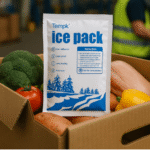
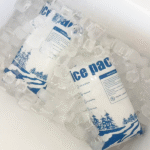
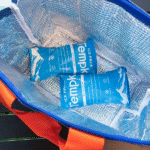
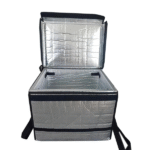
Les marques de livraison de nourriture et de kits repas ont besoin d'emballages qui protègent la sécurité alimentaire, qualité du produit, et l'expérience client tout au long du parcours de livraison. UN 24-48 l'emballage d'une heure n'est pas seulement une boîte avec packs de gel. C'est un système contrôlé qui commence avec les aliments pré-réfrigérés, utilise une isolation et un liquide de refroidissement appropriés, explique le retard du dernier kilomètre, et arrive avec un emballage propre, étiquettes lisibles, et température acceptable du produit.
Cet article explique comment concevoir un emballage pratique pour la chaîne du froid pour les repas réfrigérés., kits de repas, produits d'épicerie, laitier, desserts, sauces, et autres aliments sensibles à la température. Il utilise des références officielles en matière de sécurité alimentaire et d'emballage lorsque cela est possible et sépare les paramètres basés sur la source des décisions de conception qui nécessitent des tests..
Commencez par l’objectif de température des aliments
Les directives de la FDA en matière de sécurité alimentaire indiquent que les aliments froids doivent être conservés à 40°F / 4° C ou en dessous, et que les aliments périssables ne doivent pas rester dans la « zone de danger » de 40°F à 140°F pendant plus de 2 heures, ou plus que 1 heure si la température est supérieure à 90°F. Ceci est une référence en matière de sécurité alimentaire, pas un protocole complet de validation d'expédition, mais cela aide à définir l'objectif de la chaîne du froid pour la livraison de produits alimentaires réfrigérés.
Pour les aliments surgelés, Les directives de manipulation sûre de la FDA font référence au stockage au congélateur à 0°F / -18° C ou en dessous. Cela signifie qu'un emballage de kit de repas réfrigérés et un emballage de repas surgelés ne doivent pas être conçus de la même manière..
Tableau de planification des températures et des produits
| Catégorie de produit | Objectif de conception pratique | Risque principal | Implication de l'emballage |
|---|---|---|---|
| Plats préparés réfrigérés | Garder au froid, généralement à ou en dessous de 40°F / 4°C pour la sécurité alimentaire. | Réchauffement pendant le séjour du dernier kilomètre, fuite de sauce, déformation du plateau. | Packs de gel, doublure isolée ou boîte en mousse, couche absorbante, conception de carton épurée. |
| Produits laitiers et protéines fraîches | Forte protection contre le froid, éviter les abus de température. | Risque de sécurité alimentaire et fuite de purge. | Masse de liquide de refroidissement plus élevée, séparation des produits, matériau absorbant, flux de travail d'emballage rapide. |
| Produits et salades | Gardez au frais mais évitez les dommages causés par le gel. | Congélation par contact direct avec un pack de gel, dommages causés par l'humidité. | Couche tampon, contrôle du débit d'air, éviter tout contact direct avec du liquide de refroidissement gelé. |
| Desserts au chocolat et à la boulangerie | Empêcher la fusion ou la déformation; souvent pas aussi froid que les aliments surgelés. | Adoucissement thermique, condensation, dommages à l'apparence. | Utiliser une doublure isolée, packs de gel avec séparation, déballage propre. |
| Plats préparés surgelés | Maintenir les conditions d'arrivée gelées. | Décongélation, refrection, manipulation de glace carbonique si utilisée. | Forte isolation, stratégie de refroidissement gelé, éventuellement de la neige carbonique selon l'itinéraire. |
| Kits repas avec ingrédients mélangés | Différents éléments peuvent avoir une sensibilité différente. | Les protéines ont besoin d’une protection plus froide, les produits peuvent geler. | Zones séparées, séparateurs, regroupement d'ingrédients, SOP d'emballage clair. |
Construisez le pack de l’intérieur vers l’extérieur
Un emballage de livraison de nourriture doit être conçu à partir de la charge utile vers l'extérieur.
Commencez par la nourriture elle-même. Emballez les aliments à la bonne température de départ. Les packs de gel doivent protéger le produit pendant le transport, ne pas refroidir les aliments chauds après une mauvaise manipulation en entrepôt. Définissez ensuite la disposition des produits. Conservez les plateaux fragiles, sauces, et produire loin des points de pression et des surfaces directement gelées. Ajoutez un séparateur ou un tampon là où le risque de gel existe.
Choisissez ensuite le liquide de refroidissement. FedEx décrit les gels réfrigérants pour les produits qui doivent rester entre 34°F / 1°C et 50°F / 10°C. Les packs de gel sont donc un choix courant pour les aliments réfrigérés et les kits repas.. Pour les aliments surgelés, glace carbonique ou un autre emballage congelé peut être nécessaire.
Choisissez enfin l’isolation. UN doublure de boîte peut convenir aux repas de commerce électronique où la marque souhaite un stockage à plat et un volume d'expédition inférieur. Un expéditeur EPS peut améliorer l’isolation et la rigidité pour les itinéraires plus longs. Un réutilisable Boîte EPP peut fonctionner pour les boucles de livraison locales ou les programmes consignés.
Couches d'emballage recommandées
| Couche | Fonction | Notes de conception |
|---|---|---|
| Carton extérieur | Protège l'envoi et porte les étiquettes. | Utiliser suffisamment de résistance pour la compression des colis et l'exposition à l'humidité. |
| Doublure isolée ou expéditeur en mousse | Réduit le gain de chaleur pendant le transport. | Choisissez en fonction du temps de maintien, espace de stockage, coût, et objectifs de durabilité. |
| Doublure en plastique | Protège le carton de la condensation, fuites, et purge du produit. | FedEx recommande des doublures en plastique pour les envois périssables. |
| Couche absorbante | Capture la condensation ou les fuites. | Particulièrement utile pour les fruits de mer, viande, laitier, et produits humides. |
| Packs de gel ou liquide de refroidissement | Absorbe la chaleur et prolonge le temps de maintien au froid. | Congeler ou conditionner selon les instructions d'emballage. |
| Chambre de produit | Garde les aliments organisés et prévient les dommages. | Utilisez des séparateurs ou des manchons si nécessaire. |
| Instruction d'emballage | Contrôle la répétabilité de l’entrepôt. | Inclure la commande de pack, emplacement du liquide de refroidissement, et heure de fermeture. |
| Réception des instructions | Aide le client à évaluer l'état du produit. | Inclure « réfrigérer immédiatement » et des conseils sur l'élimination des compresses froides. |
Concevoir pour 24 heures vs 48 heures
Une conception de 24 heures peut souvent utiliser une isolation plus légère et moins de liquide de refroidissement qu'une conception de 48 heures., mais la différence n'est pas linéaire. Un colis sous 48 heures peut transiter par plusieurs hubs, véhicules plus chauds, temps de séjour plus long, et incertitude relative aux livraisons résidentielles. Un colis retardé de 24 heures peut se comporter comme un envoi de 36 heures. Une expédition le vendredi peut devenir un problème le week-end en cas de panne du service.
Pour la livraison de nourriture en entreprise, l'objectif de conception doit inclure le temps de service plus une marge de retard. Une marque de kit repas expédiée en été peut nécessiter différentes versions d'emballage pour les saisons chaudes et douces.. Un itinéraire de livraison local le jour même peut nécessiter un sac isotherme et des emballages réutilisables plutôt qu'un expéditeur de colis en mousse.
Outils de décision utiles
Vérifiez les détails avant de choisir l'emballage
Ces outils rapides peuvent vous aider à comparer le risque d'itinéraire, besoins de dimensionnement, choix de liquide de refroidissement, et les détails de l'emballage avant de demander un devis.
Référence du matériau isolant
Comparez les choix de matériaux d'isolation pour différents besoins d'emballage de la chaîne du froid.
Comparez les matériauxLiquide de refroidissement & Référence PCM
Comparez les options de liquide de refroidissement et de PCM lorsqu'un itinéraire nécessite une prise en charge supplémentaire de la température.
Comparez les optionsCalculateur de banquise
Estimation de la quantité de pain de glace pour les expéditions réfrigérées et planification pratique des itinéraires.
Estimer les packs de glaceAcheminer les facteurs de risque pour les kits repas et la livraison de nourriture
| Facteur de risque | Comment cela affecte le paquet | Atténuation |
|---|---|---|
| Chaleur estivale du dernier kilomètre | Augmente le gain de chaleur à l’approche de la livraison. | Plus d'isolation, masse de liquide de refroidissement plus élevée, délais de livraison plus courts, dépistage des risques liés à l'itinéraire. |
| Séjour au seuil de la porte | Le produit peut rester assis après la livraison. | Ajouter une marge de sécurité et des instructions client. |
| Retard du week-end | 24-la conception de l'heure peut échouer si elle est retardée. | Évitez les jours d'expédition à haut risque ou concevez pour un temps de rétention plus long. |
| Ingrédients mélangés | Protéine, produire, et les sauces ont des besoins différents. | Séparez les zones froides et utilisez des séparateurs. |
| Condensation | Les cartons mouillés endommagent les étiquettes et l’expérience client. | Doublure en plastique, couche absorbante, packs étanches. |
| Surgélation | Les packs de gel congelés peuvent endommager les produits ou les sauces. | Couche tampon, PCM, conditionnement plus chaud, ou placement indirect. |
Approche de validation
Pour un nouveau programme, commencer par une conception de bureau utilisant la masse du produit, température cible, durée de l'itinéraire, et format d'isolation. Créez ensuite un échantillon d'emballage et enregistrez la température du produit et de l'air ambiant à l'aide d'enregistreurs de données.. Si l'envoi est à volume élevé ou national, test contre les profils chauds et froids. ISTA 7E fournit des profils de transport thermique développés à partir de données réelles sur la chaleur et le froid et peut prendre en charge des tests plus structurés..
La validation doit documenter la température de chargement du produit, conditionnement du liquide de refroidissement, séquence de paquets, emplacement de l'enregistreur de données, profil ambiant, et conditions d'arrivée. Si la boîte ne passe que lorsqu'elle est emballée par un seul expert, la conception peut échouer en production. La conception finale doit être suffisamment simple pour que le personnel de l'entrepôt puisse la répéter pendant les périodes de pointe..
Durabilité et expérience client
Les marques de livraison de nourriture doivent également penser au-delà de la température d’arrivée. Les clients se plaignent quand packs de glace fuir, les cartons arrivent mouillés, l'élimination du gel prête à confusion, ou trop packs froids accumuler à la maison. Un emballage bien conçu doit inclure des instructions d'élimination ou de réutilisation, liquide de refroidissement de bonne taille, doublures propres, et un emballage qui ne semble pas excessif.
Les systèmes réutilisables peuvent fonctionner pour une livraison locale en boucle fermée. Packs de glace à injection d'eau peut réduire le fret entrant et le volume de stockage avant l’hydratation. Les doublures recyclables peuvent soutenir les objectifs de développement durable, mais ils ont encore besoin de tests thermiques. Ne remplacez pas un emballage en mousse validé par une doublure plus légère sans tester à nouveau l'emballage..
FAQ
Un kit repas peut-il rester froid pendant 48 heures avec des packs de gel?
Cela dépend de la charge utile, isolation, itinéraire, température de départ, masse de pack de gel, et exposition ambiante. Les packs de gel sont couramment utilisés pour les envois réfrigérés, mais une conception de 48 heures doit être testée dans des conditions réalistes.
Les packs de gel du kit repas doivent-ils toucher la nourriture?
Pas toujours. Le contact direct peut être utile pour certains produits réfrigérés mais peut congeler les produits., sauces, ou des aliments délicats. Utiliser des tampons ou des séparateurs lorsqu'un risque de gel existe.
Quelle est la principale différence entre l'expédition de repas réfrigérés et surgelés?
Les repas réfrigérés sont conçus pour rester froids mais pas congelés. Les repas surgelés doivent rester congelés et peuvent nécessiter une isolation plus forte, PCM congelé, ou de la neige carbonique selon l'itinéraire.
Comment les marques peuvent-elles réduire les cartons humides?
Utilisez des packs de gel résistants aux fuites, doublures en plastique, matériau absorbant, meilleur placement du liquide de refroidissement, et une conception en carton qui éloigne les étiquettes des surfaces humides.
Dernier point à retenir
UN 24-48 le kit de repas d'une heure ou l'emballage de livraison de nourriture doit être conçu autour de la sécurité alimentaire, route réalité, sensibilité au produit, et expérience client. Commencez par les références de température FDA, choisissez un système de refroidissement et d'isolation adapté à l'itinéraire, inclure le contrôle de l’humidité, et validez le package complet avant de le mettre à l'échelle.