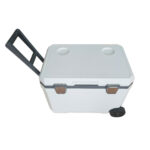
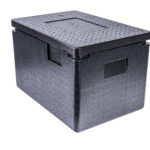
De nombreuses marques de produits surgelés souhaitent expédier sans glace carbonique parce que la glace sèche ajoute de la complexité à la manipulation, règles du transporteur, formation à la sécurité, et les préoccupations des clients. Dans certains cas, L'expédition congelée sans glace carbonique est possible. Dans d'autres cas, la neige carbonique reste la source de froid la plus pratique pour maintenir des conditions d'arrivée gelées sur des itinéraires longs ou à haut risque.
La décision ne doit pas être basée uniquement sur la préférence. Cela doit être basé sur le type de produit, condition d'arrivée requise, masse de charge utile, temps de transit, isolation, exposition ambiante, règles du transporteur, et données de validation.
Ce que « surgelé » signifie pour la conception d’emballages
Les directives de manipulation sécuritaire des aliments de la FDA font référence au stockage au congélateur à 0 °F / -18° C ou en dessous. Il s'agit d'un point de référence utile pour les programmes d'aliments surgelés car il sépare les emballages surgelés des emballages réfrigérés.. Les systèmes de packs de gel réfrigérés peuvent garder les aliments au froid, mais ils ne gardent pas toujours le produit surgelé.
La glace carbonique est beaucoup plus froide que la glace ordinaire packs de gel. L'USGS déclare que la neige carbonique est du dioxyde de carbone solide et se sublime à -78,5°C. / -109.3°F. Ce froid extrême explique pourquoi la neige carbonique peut protéger les produits surgelés, mais c'est aussi pourquoi il doit être manipulé avec précaution et tenu à l'écart des produits qui pourraient être endommagés par contact direct..
Options sans glace carbonique pour l’expédition de produits surgelés
| Option | Où ça peut marcher | Principale limite | Que tester |
|---|---|---|---|
| Expéditeur isolé haute performance avec packs de gel congelés | Itinéraires courts gelés, charges utiles gelées denses, exposition ambiante légère. | Peut ne pas résister aux conditions de gel réelles sur les longs itinéraires chauds. | Température du produit à cœur et signes de décongélation/recongélation. |
| Emballage PCM eutectique ou congelé | Produits surgelés nécessitant un comportement thermique plus contrôlé que les packs de gel standards. | Nécessite une sélection et un conditionnement corrects de changement de phase. | État du PCM, température du produit, et l'exposition de l'itinéraire. |
| Expéditeur en mousse EPS avec briques de glace | Livraison surgelée locale ou régionale où l'itinéraire est contrôlé. | Le poids et l'espace de stockage peuvent être élevés. | Tenir le temps, résistance à l'écrasement, et condition de réception du client. |
| Boucle de refroidissement réutilisable en EPP | Épicerie en boucle fermée, fruit de mer, ou livraison de repas surgelés. | Nécessite une logistique de retour et un processus de nettoyage. | Durabilité de réutilisation, nettoyage, et répétabilité thermique. |
| Gel hybride + système de doublure isolée | Produits qui doivent rester très froids mais pas nécessairement surgelés. | Ne convient pas si un « surgelé dur » est requis à l’arrivée. | Critères d’acceptation des produits et marge de sécurité alimentaire. |
Un système sans glace carbonique est plus susceptible de fonctionner lorsque l'itinéraire est court, la charge utile est dense et entièrement gelée, l'isolation est solide, le carton a peu d'espace libre, l'envoi évite les retards du week-end, et la condition d'arrivée requise permet un ramollissement partiel. Il est moins probable que cela fonctionne pour la crème glacée, longs trajets de colis en été, ou des produits qui doivent arriver surgelés.
Quand la glace carbonique est encore nécessaire
La glace carbonique est souvent encore nécessaire lorsque le produit doit rester congelé pendant un long transport, exposition ambiante chaude, ou conditions incertaines du dernier kilomètre. Ceci est également pertinent lorsque le produit a une faible masse thermique, fond rapidement, ou a des exigences d'apparence strictes telles que la crème glacée, desserts congelés, et fruits de mer de première qualité.
FedEx identifie la neige carbonique comme réfrigérant sec pour les articles congelés et déclare que la neige carbonique libère du dioxyde de carbone, le colis ne doit donc pas être fermé hermétiquement. Les directives UPS pour l'expédition de produits alimentaires et périssables recommandent également de conserver le contenu séparé de la neige carbonique et d'utiliser un récipient en mousse EPS à l'intérieur d'une boîte en carton ondulé..
Règles officielles sur la glace carbonique à connaître avant de citer
| Exigence | Règle basée sur la source | Pourquoi ça compte |
|---|---|---|
| Ventilation | La PHMSA déclare que les emballages de glace carbonique doivent permettre la libération de gaz pour empêcher l'accumulation de pression.. La FAA stipule également que les emballages ne doivent pas être hermétiques et doivent permettre une ventilation.. | Empêche la rupture de l'emballage due à la pression du gaz CO2. |
| Marquage | La PHMSA déclare que les colis doivent indiquer le nom d'expédition et le numéro d'identification appropriés, tels que « Glace carbonique ».,»Un1845, et masse nette le cas échéant. | Prend en charge la gestion des transporteurs et la communication réglementaire. |
| Limite aérienne des passagers | Listes d'orientation FAA PackSafe 2.5 kg / 5.5 lb ou moins par colis et par passager pour la glace carbonique utilisée pour emballer des denrées périssables. | Important pour les scénarios de bagages des passagers; les règles relatives au fret commercial peuvent différer selon le transporteur et la réglementation. |
| Séparation des produits | UPS recommande de conserver le contenu séparé de la glace carbonique. | Réduit le surgel et les dommages par contact. |
| Emballage extérieur | UPS recommande la mousse EPS à l'intérieur du carton ondulé pour les envois de produits alimentaires/périssables. | Combine l'isolation avec la protection du carton d'expédition. |
Pour les expéditions professionnelles, toujours confirmer les règles de glace carbonique spécifiques au transporteur, réglementations du pays, documentation, et exigences de formation avant l'expédition. Cet article n'est pas une certification d'expédition de marchandises dangereuses.
Comment évaluer si vous pouvez éviter la glace carbonique
Commencez par définir la condition d’arrivée requise. Le produit doit-il arriver surgelé, en dessous de -18 ° C, partiellement gelé, ou simplement froid et sûr? Ensuite, évaluez l'itinéraire. Une livraison locale surgelée contrôlée 24h/24 n'est pas la même chose qu'un acheminement de colis 48h traversant des régions chaudes en été.
Outils de décision utiles
Vérifiez les détails avant de choisir l'emballage
Ces outils rapides peuvent vous aider à comparer le risque d'itinéraire, besoins de dimensionnement, choix de liquide de refroidissement, et les détails de l'emballage avant de demander un devis.
Générateur de liste de contrôle de conformité
Créer une liste de contrôle pratique pour l'examen des emballages, expédition, et documentation.
Construire une liste de contrôleLiquide de refroidissement & Référence PCM
Comparez les options de liquide de refroidissement et de PCM lorsqu'un itinéraire nécessite une prise en charge supplémentaire de la température.
Comparez les optionsRésistance aux chutes du matériau isolant
Examinez la résistance aux chutes et les facteurs de manipulation avant de choisir des matériaux d'isolation..
Vérifier la résistanceEnsuite, évaluer la masse du produit. Un envoi dense de fruits de mer surgelés peut mieux conserver la température qu'une petite boîte de pâtisseries surgelées légères.. Évaluez également la sensibilité du produit. La crème glacée nécessite généralement un contrôle de congélation plus strict que de nombreux plateaux-repas surgelés, car les changements de texture sont évidents..
Enfin, tester les alternatives. Comparez une conception de gel congelé ou PCM sans glace carbonique à une conception de glace carbonique utilisant la même charge utile, carton, positions des enregistreurs de données, et profil d'itinéraire. Le résultat doit être jugé en fonction de la température et de la qualité du produit., pas seulement par le fait que la boîte soit encore « froide ».
Conception d'emballage pour une expédition congelée sans glace carbonique
| Élément de conception | Considération recommandée |
|---|---|
| Précongélation du produit | Charger le produit à partir d'un état de congélation stable, pas d'un état partiellement gelé. |
| Isolation | Utiliser une isolation suffisante; les doublures minces peuvent ne pas protéger les aliments surgelés sur les longs trajets. |
| Type de liquide de refroidissement | Pensez aux packs de gel congelés, briques de glace, ou packs PCM selon la cible et l'itinéraire. |
| Espace de tête | Réduisez l’espace d’air inutile à l’intérieur du carton. |
| Contrôle de l'humidité | Utiliser des doublures et un matériau absorbant en cas de décongélation, condensation, ou une purge est possible. |
| Choix de transport | Utilisez des services plus rapides et évitez les jours d'expédition qui créent des retards le week-end. |
| Validation | Utilisez des enregistreurs de données et définissez ce que signifie « arrivée gelée acceptable ». |
Analyses de rentabilisation dans lesquelles une conception sans glace carbonique peut améliorer les opérations
Les systèmes sans glace carbonique peuvent réduire la complexité des manipulations dangereuses, améliorer l'expérience client, simplifier le stockage en entrepôt, et éviter les pénuries de neige carbonique pendant les hautes saisons. Ils peuvent également faciliter les expéditions de produits alimentaires de marque privée, car l'emballage peut nécessiter moins de communications sur les dangers..
Cependant, les économies de coûts ne sont pas automatiques. Une conception sans glace carbonique peut nécessiter plus d'isolation, des packs de gel congelés plus grands, cartons plus lourds, ou un service d'expédition plus rapide. Le coût total au débarquement doit inclure l'emballage, gel du liquide de refroidissement, travail, poids du fret, niveau de service du transporteur, perte de produit, et réclamations clients.
FAQ
Les aliments surgelés peuvent-ils être expédiés sans glace carbonique?
Parfois. Cela dépend du produit, temps de parcours, isolation, masse de charge utile, température de départ, exposition ambiante, et condition d'arrivée acceptable. Les systèmes sans glace carbonique doivent être testés avant le lancement.
Pourquoi la glace carbonique est-elle réglementée?
La glace sèche sublimait le dioxyde de carbone. Les colis doivent permettre au gaz de s'évacuer et peuvent nécessiter un marquage et une documentation spécifiques en fonction du type d'expédition et du transporteur..
La glace carbonique est-elle toujours meilleure pour les aliments surgelés?
Non. La glace carbonique est très froide et peut surgeler ou endommager certains produits.. Cela peut également créer des problèmes de traitement avec les clients.. Il est utile lorsqu'une véritable protection contre le gel est requise et que l'emballage est conçu correctement.
Quel est le plus grand risque lors du remplacement de la neige carbonique?
Le plus grand risque est de supposer que « encore froid » signifie « encore congelé ». Utiliser les données de température des produits et les contrôles de qualité pour définir le succès.
Dernier point à retenir
L'expédition de produits surgelés sans glace carbonique est possible pour certains produits et itinéraires., mais cela devrait être prouvé par des tests d'emballage. La glace sèche est toujours nécessaire lorsque le produit doit rester congelé pendant une longue période., chaud, ou transit incertain. La bonne décision compare la température du produit, risque d'itinéraire, règles du transporteur, expérience client, et coût total d'exploitation.