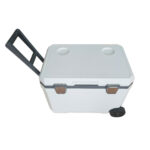
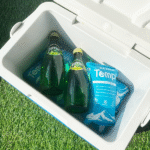
Transport longue distance de glacière industrielle: Cadre décisionnel des fournisseurs
La manière la plus fiable d'évaluer glacière industrielle le transport longue distance consiste à relier le devis du fournisseur à un mode d'expédition réel. La boîte doit correspondre au produit, le liquide de refroidissement, l'itinéraire, l'équipe de manutention, et le justificatif demandé à la livraison. Pour le transport régional ou transfrontalier sous chaîne du froid où les emballages passifs sont confrontés à de multiples expositions ambiantes, la mauvaise décision est rarement causée par une fonctionnalité manquante. Il s'agit généralement de l'achat d'une boîte avant que l'acheteur n'ait défini comment l'envoi sera réellement emballé., déplacé, surveillé, et reçu.
Ce cadre transforme une large demande de produit en un processus pratique d'évaluation des fournisseurs..
Ce que l'acheteur achète réellement
Un acheteur n’achète pas seulement une glacière. L'acheteur achète un espace interne utilisable, comportement d'isolation, fiabilité de fermeture, commodité de manipulation, aspect pratique du nettoyage, cohérence des fournisseurs, et un chemin vers des expéditions reproductibles. Le conteneur physique est important, mais ce n'est que la partie visible de la décision.
Une boîte isolée passive ralentit le transfert de chaleur. Il ne peut pas choisir le bon liquide de refroidissement, se conditionner, éviter tout retard, ou documenter l'historique de la température. Ces fonctions proviennent du système d'emballage complet et du mode opératoire. Cette distinction est particulièrement importante pour le domaine médical, pharmaceutique, essai clinique, et logistique laitière, où l'état et la preuve du produit comptent autant que le contenant.
Un caisson isolé passif ne crée pas de conformité en soi. Il doit être associé au bon liquide de refroidissement, charge utile, durée de l'itinéraire, exposition ambiante, procédure de manipulation, et plan de surveillance.
La meilleure discussion avec un fournisseur commence donc par un briefing sur l'itinéraire. Un brief utile nomme la catégorie de produit, condition cible, Taille de la charge utile, durée prévue, points de transfert probables, exposition ambiante attendue, besoin de surveillance, et si la boîte revient pour être réutilisée. Les fournisseurs peuvent alors répondre avec une configuration pratique au lieu d'une réponse générale du catalogue.
La table de décision que les équipes d'approvisionnement devraient utiliser
| Couche de décision | Que définir | Risque si ignoré |
|---|---|---|
| Exigence du produit | Plage de température, sensibilité, critères de réception, et preuve requise | La boîte peut être choisie pour le mauvais état du produit |
| Réalité de l'itinéraire | Durée, exposition ambiante, transferts, mise en scène, et tolérance aux retards | Un échantillon d'essai peut ne pas représenter des expéditions réelles |
| Charge utile et capacité | Espace interne utilisable après liquide de refroidissement, séparateurs, et disposition des cartons | Les litres bruts peuvent produire une fausse comparaison d'achat |
| Méthode d'emballage | Type de liquide de refroidissement, conditionnement, ordre de chargement, remplissage de vide, et placement de l'enregistreur | Le personnel peut répéter l'envoi de manière incohérente |
| Contrôle des fournisseurs | Matériel, dimensions, pièces de fermeture, approbation de l'échantillon, et avis de changement de production | Les commandes groupées peuvent différer de l'échantillon approuvé |
| Logique des coûts | Prix unitaire, volume de fret, travail, réutilisation, dommage, retours, et besoins en matière de tests | Le devis le plus bas peut entraîner des coûts d’exploitation plus élevés |
Cette table est volontairement opérationnelle. Cela évite de traiter le prix, volume, ou matériau sous forme de spécifications isolées. Une citation n'a de sens que lorsque ces couches sont visibles.
Pour un premier échantillon, le tableau peut être utilisé comme liste de contrôle de demande. Pour un achat répété, cela peut devenir une liste de contrôle de contrôle des changements. Si un fournisseur change de matière, fermeture, dimensions intérieures, ou carton d'emballage, l'acheteur peut voir quelle couche de décision peut être affectée.
La capacité et la taille doivent être traduites en espace d'emballage
La bonne taille est celle qui correspond à la charge utile, liquide de refroidissement, et procédé de manipulation sans espace vide ou compression inutile. La capacité dans les catalogues des fournisseurs peut faire référence au volume interne brut, taille extérieure, ou une étiquette de famille de produits. Les acheteurs doivent demander comment la capacité indiquée a été mesurée et combien d'espace reste après l'ajout du liquide de refroidissement et des séparateurs..
L’espace utilisable est souvent le problème caché lors de l’achat de glacières. Les cartons de produits ont besoin d'espace. Le liquide de refroidissement a besoin d'espace. Les séparateurs peuvent avoir besoin d'espace pour éviter les chocs thermiques ou les contacts directs.. Un enregistreur peut avoir besoin d'une position définie. Le personnel peut avoir besoin de suffisamment d'espace pour fermer le couvercle sans comprimer les cartons ni déplacer le liquide de refroidissement..
C'est pourquoi les acheteurs devraient demander des dimensions internes et un diagramme de chargement plutôt que de se fier uniquement au libellé de la capacité.. Si le fournisseur propose un 20 litre, 25 litre, 30 litre, ou une boîte plus grande, demandez si cela signifie le volume brut, classe nominale de produit, ou espace utilisable après emballage. Une petite boîte peut être efficace pour une charge utile dense. Il peut être médiocre pour les emballages volumineux ou une configuration gourmande en liquide de refroidissement.
Pour des achats axés sur les prix, la capacité affecte également le coût du fret. Un prix unitaire inférieur peut être compensé par des dimensions extérieures inefficaces, mauvaise nidification, cartons supplémentaires, ou des besoins plus importants en liquide de refroidissement. La bonne comparaison des coûts inclut le package rempli, pas seulement la boîte vide.
Questions des fournisseurs qui comptent vraiment
Demandez aux fournisseurs de répondre à des questions qui relient la conception du produit à l'itinéraire d'utilisation. Quelle structure d'isolation est utilisée? Comment sont mesurées les dimensions internes? Quels composants de fermeture sont utilisés? La boîte peut-elle être nettoyée entre les voyages? Quel liquide de refroidissement est attendu? Le fournisseur peut-il fournir une suggestion d'emballage? Quelles données de test ou échantillons de contrôle sont disponibles? Comment le fournisseur contrôlera-t-il les changements entre l'échantillon et la production?
Pour usage pharmaceutique ou essai clinique, ajouter des questions sur la documentation. Quelles informations sur le produit peuvent être fournies pour l'examen de la qualité? Les conditions de test sont-elles clairement décrites? Le fournisseur fait-il la distinction entre les informations générales sur le produit et la qualification spécifique à un itinéraire? Peuvent-ils soutenir une discussion sur la surveillance et la réception des inspections sans prétendre à une conformité universelle?
Pour la nourriture, laitier, ou livraison du dernier kilomètre, poser des questions sur le flux de travail. Le personnel peut-il se charger rapidement? Les poignées sont-elles confortables? Le couvercle se ferme-t-il bien après des ouvertures répétées? La surface supporte-t-elle le nettoyage? Les étiquettes peuvent-elles rester lisibles? La boîte peut-elle être empilée ou retournée efficacement? Ce ne sont pas des détails mineurs alors que le parcours se répète tous les jours.
Comment comparer les prix sans se tromper
Prix usine, prix fabricant, prix fournisseur, et glacière le coût peut signifier différentes choses. Un devis ne peut inclure que la case vide. Un autre peut inclure du liquide de refroidissement, carton d'emballage, logo, frais d'échantillonnage, ou du fret. Un tiers peut utiliser un matériau moins cher ou une fermeture différente de celle de l'échantillon..
Séparez le devis en éléments de décision. Le prix unitaire est un article. Le volume du fret en est un autre. Durée de vie prévue, si une réutilisation est prévue, est un autre. Le nettoyage et la main d'œuvre de retour font également partie du coût. Il en va de même pour les marchandises endommagées, temps de réemballage, liquide de refroidissement supplémentaire, expéditions tests, et des exemples de révisions. Un prix qui semble élevé peut être raisonnable si la boîte est durable, plus facile à emballer, et cohérent dans les commandes répétées. Un prix qui semble bas peut quand même convenir pour un itinéraire simple, mais seulement si la spécification est claire.
Ne demandez pas uniquement aux fournisseurs le prix le plus bas. Demandez le prix le plus transparent attaché au cahier des charges le plus clair. Cela donne à votre équipe la possibilité de décider où économiser de l'argent et où ne pas prendre de risques..
Quand une box passive ne suffit pas
Un caisson isolé passif peut ne pas suffire lorsque le trajet est trop long, l'exposition ambiante est trop sévère, le produit est très sensible, le processus de réception est lent, ou l'exigence de documentation est stricte. Dans ces cas, les acheteurs peuvent avoir besoin d’une stratégie de refroidissement différente, une structure d'isolation plus performante, un actif récipient à température contrôlée, un plan de surveillance plus robuste, ou qualification spécifique à l'itinéraire.
La décision doit être prise avant les expéditions vivantes. Si le produit ne supporte pas le gel, éviter tout contact direct avec le liquide de refroidissement qui pourrait créer des points froids. Si le produit ne supporte pas le réchauffement, examiner les points d'arrêt et le temps de préparation. Si la documentation affecte les décisions de libération, impliquer l’équipe qualité avant que la spécification du fournisseur ne soit approuvée.
Outils de décision utiles
Vérifiez les détails avant de choisir l'emballage
Ces outils rapides peuvent vous aider à comparer le risque d'itinéraire, besoins de dimensionnement, choix de liquide de refroidissement, et les détails de l'emballage avant de demander un devis.
Résistance aux chutes du matériau isolant
Examinez la résistance aux chutes et les facteurs de manipulation avant de choisir des matériaux d'isolation..
Vérifier la résistanceGénérateur de liste de contrôle
Créer une liste de contrôle pratique pour l'examen des emballages, expédition, et documentation.
Construire une liste de contrôleLiquide de refroidissement & Référence PCM
Comparez les options de liquide de refroidissement et de PCM lorsqu'un itinéraire nécessite une prise en charge supplémentaire de la température.
Comparez les optionsUn fournisseur qui explique ouvertement ces limites est précieux. Un fournisseur qui affirme qu'une boîte convient à chaque médicament, chaque produit alimentaire, et chaque itinéraire crée un risque pour l'acheteur.
Exemple pratique: approbation de l'échantillon avant la mise à l'échelle
Une équipe d'approvisionnement demande le transport longue distance de glacières industrielles pour un programme d'expédition répété. L'échantillon arrive et semble solide. Au lieu de l'approuver immédiatement, l'équipe l'emballe avec les cartons de produits réels ou des substituts réalistes, ajoute le liquide de refroidissement prévu, ferme le couvercle, vérifie le placement des étiquettes, et parcourt les étapes de chargement et de réception.
Au cours de cet examen, ils découvrent que l'espace du liquide de refroidissement réduit la charge utile utilisable, l'équipe de réception souhaite une zone d'étiquette plus claire, et la boîte a besoin d'un processus de nettoyage si elle doit être réutilisée. Aucun de ces résultats ne signifie que l'échantillon a échoué. Ils signifient que l'échantillon a produit des informations utiles avant que l'acheteur ne s'engage à passer une commande groupée..
Un bon fournisseur peut ajuster la recommandation ou clarifier les limites. Un fournisseur faible ne peut que répéter que la boîte est isolée. La différence devient importante lorsque la commande passe de l'échantillon à la production.
Notes supplémentaires de l'acheteur avant approbation
Pour le transport régional ou transfrontalier sous chaîne du froid où les emballages passifs sont confrontés à de multiples expositions ambiantes, une petite inadéquation dans le flux de travail peut devenir un problème de température. L'emballeur peut laisser le couvercle ouvert pendant la recherche d'inserts, le coursier peut organiser les expéditions près d'une porte chaude, ou le destinataire peut retarder l'inspection parce que les étiquettes ne sont pas claires. Ces problèmes ne sont pas résolus par l’isolation seule. Ils sont résolus par une conception de boîte, instruction d'emballage, et spécifications du fournisseur qui reconnaissent l'itinéraire complet.
La question pratique de l'acheteur n'est pas de savoir si une glacière industrielle est bonne en général.. La meilleure question est de savoir si la configuration proposée est bonne pour votre charge utile., votre plage d'acceptation de température, votre équipe opérationnelle, et l'incertitude de votre itinéraire. Un fournisseur qui peut discuter honnêtement de ces limites est généralement plus utile qu'un fournisseur qui répète simplement une affirmation du catalogue..
Si le mot-clé inclut une capacité, type de fournisseur, prix, ou cas d'utilisation de livraison, traitez-le comme un signal d'approvisionnement plutôt que comme une simple expression de recherche. Il vous indique ce qui doit être clarifié avant de commander: taille interne, espace de charge utile utilisable, structure d'isolation, conception de fermeture, processus de nettoyage, preuve d'emballage, et comment le premier échantillon sera comparé aux unités de production.
Ne laissez pas le nom du produit faire trop de travail. Une box dite médicale, commercial, industriel, ou la chaîne du froid ne peut encore être qu'un élément d'un système d'emballage plus vaste. L'acheteur doit encore définir la charge utile, plage de température, durée de l'itinéraire, exposition ambiante, étapes de manipulation, configuration du liquide de refroidissement, chargement de la carte, et preuve nécessaire à la réception. C'est la différence entre acheter un conteneur et créer une méthode d'expédition reproductible.
L'équipe de réception doit faire partie du cahier des charges, pas seulement l'équipe d'achat. Si le personnel d'accueil ouvre le couvercle, enlever le liquide de refroidissement, inspecter le produit, scanner les étiquettes, et enregistrer les données de l'enregistreur dans un ordre spécifique, le packout devrait prendre en charge cette commande. Une boîte techniquement performante peut toujours échouer sur le plan opérationnel lorsqu'elle est difficile à charger, difficile à nettoyer, difficile à étiqueter, ou déroutant pour le personnel non spécialisé.
Les conversations sur les prix deviennent plus utiles lorsque vous séparez le prix unitaire du coût de l'itinéraire. Un devis inférieur peut sembler attrayant jusqu'à ce qu'il nécessite un liquide de refroidissement supplémentaire, volume de fret plus élevé, plus de remplacement des dommages, temps d'emballage plus long, ou des exemples de révisions répétées. Une boîte plus chère peut encore s’avérer pratique lorsqu’elle réduit les erreurs de manipulation, prend en charge les boucles de retour, ou correspond aux mêmes spécifications lors de commandes répétées.
Les preuves du fournisseur doivent être spécifiques. Demandez si les performances indiquées sont basées sur le même type de liquide de refroidissement, masse de charge utile, profil ambiant, méthode de conditionnement, et les critères d'acceptation que vous envisagez d'utiliser. Si la réponse n'est pas claire, traiter l'allégation comme point de départ pour les tests, pas comme approbation pour les expéditions vivantes.
FAQ
Comment puis-je savoir si le transport longue distance de glacières industrielles convient à mon itinéraire?
Commencez par les exigences du produit, durée de l'itinéraire, exposition ambiante, Taille de la charge utile, méthode de refroidissement, et recevoir des chèques. Si ceux-ci ne sont pas définis, aucun fournisseur ne peut honnêtement confirmer l'ajustement. Utilisez le premier échantillon pour tester le chargement, manutention, et les besoins en matière de documentation avant de prendre une décision d'achat répétée.
Quelle est la différence entre le volume brut et l'espace de charge utile utilisable?
Le volume brut décrit un espace interne vide ou une classe de capacité. L'espace de charge utile utilisable est ce qui reste après le liquide de refroidissement, séparateurs, cartons de produits, remplissage de vide, et le dégagement du couvercle sont inclus. Pour les expéditions sensibles à la température, l'espace de charge utile utilisable est généralement le nombre le plus important.
La même boîte peut-elle être utilisée pour la logistique pharmaceutique et alimentaire?
Parfois, mais il ne faut pas supposer. Pharma, clinique, laitier, et les itinéraires alimentaires peuvent avoir des conditions d'hygiène différentes, documentation, température, et exigences de réception. La même boîte physique pourrait être envisagée pour différentes utilisations, mais le paquet, processus de nettoyage, besoin de surveillance, et le chemin d'approbation peut changer.
Que dois-je demander avant de comparer les prix des fabricants?
Demandez ce qui est inclus dans le devis, comment la capacité est mesurée, quel matériau et quelles spécifications de fermeture sont utilisés, si l'échantillon correspond à la production, et si le liquide de refroidissement ou les accessoires d'emballage sont inclus. Comparez ensuite le coût total de l'itinéraire plutôt que le prix unitaire de la boîte vide..
Une glacière médicale garantit-elle la conformité?
Non. Une étiquette médicale ou pharmaceutique ne crée pas de conformité en soi. Les décisions liées à la conformité dépendent du produit, itinéraire, exigences de qualité, règles locales, processus de manipulation, documentation, et toute qualification ou suivi requis. Les acheteurs doivent vérifier ces articles auprès de leur équipe qualité ou logistique interne..
Conclusion
Une décision forte concernant le transport longue distance de glacières industrielles vient du traitement du produit dans le cadre d'un système d'itinéraires.. Définir le besoin du produit, charge utile utilisable, configuration du liquide de refroidissement, gestion du flux de travail, preuve du fournisseur, et la logique des coûts avant d'approuver les échantillons ou de commander en gros.
Le bon fournisseur devrait vous aider à clarifier les limites, ne les cache pas. Quand le devis est lié à un vrai packout et à une vraie voie, votre équipe peut comparer les prix, qualité, et prendre des risques avec plus de confiance.
À propos du Tempk
Tempk prend en charge emballage chaîne du froid sélection pour les acheteurs comparant glacières médicales, sacs isolés, packs de glace en gel, doublures, Boîtes EPP, Options VIP, et emballage d'expédition associé. Lorsque votre équipe évalue le transport longue distance de glacières industrielles, Tempk peut aider à encadrer la discussion autour de la charge utile, itinéraire, plage de température, sélection du liquide de refroidissement, et les exigences de devis plutôt que de se fier uniquement au nom du produit.
Utilisez votre prochaine demande pour définir l'itinéraire, charge utile, plage de température, et les preuves du fournisseur dont vous avez besoin; Tempk peut aider à traduire cela en une recommandation d'emballage plus claire.