Maintenir la fraîcheur des aliments, les produits pharmaceutiques et biotechnologiques ne consistent pas seulement à acheter une glacière :il s'agit d'investir dans le bon glacière industrielle. Ces conteneurs lourds, parfois appelés glacières ou boîtes d'expédition isolées, sont l’épine dorsale de la logistique moderne de la chaîne du froid. En tant qu'acheteur en gros, vous devez comprendre les matériaux, technologies et tendances du marché qui façonneront vos décisions en 2026. Dans ce guide, vous découvrirez pourquoi glacières industrielles matière, comment comparer des matériaux comme le polystyrène expansé (PSE), polyuréthane (Unité centrale), polypropylène expansé (EPP) et panneaux isolés sous vide (VIP), et ce que les données de marché et les innovations signifient pour votre entreprise. Pour ancrer nos idées, nous citons des sources faisant autorité et mettons en évidence les tendances de l'industrie étayées par des recherches récentes.
Cet article répond:
Qu'est-ce qu'une glacière industrielle et pourquoi le choix des matériaux est-il important? – Comprendre comment la mousse de polystyrène et les minuscules bulles d’air de la mousse de polystyrène empêchent le transfert de chaleur, pourquoi les boîtes en polyuréthane conservent les marchandises entre +2°C et +8°C jusqu'à cinq jours, et comment la structure à cellules fermées du EPP offre une durabilité supérieure.
Comment le EPP haute densité et Loges VIP surpassent les refroidisseurs traditionnels? – Comparer les propriétés thermiques, avantages en matière de réutilisation et de durabilité, y compris la plage de fonctionnement de l’EPP de –40 °C à +110 Panneaux °C et VIP’ 7 jusqu'à 10 jours d'autonomie pour les expéditions longue distance.
What do market trends reveal about industrial ice boxes and chaîne du froid logistics? – Explorez la croissance projetée du marché des glacières à partir de l’USD 2.217 milliards en 2024 en USD 3.138 milliards 2032, le dollar 1.5 milliards de prévisions du marché des boîtes de stockage de glace pour 2033 and the chaîne du froid logistics market expanding from USD 496.8 milliards en 2026 en USD 1.36 mille milliards par 2034.
Quelles innovations technologiques et tendances réglementaires façonneront Emballage de la chaîne du froid dans 2026? – En savoir plus sur l’automatisation, microréalisation et durabilité, y compris l'optimisation des itinéraires basée sur l'IA et la traçabilité de la blockchain, des matériaux économes en énergie qui réduisent la consommation d'énergie de 20 à 30 %, et comment la pénurie de glace carbonique incite R&D vers des alternatives.
Comment les acheteurs en gros peuvent-ils sélectionner, utiliser et entretenir des glacières industrielles? – Retrouvez des conseils pratiques pour choisir la capacité, assurer la conformité, intégrer des capteurs IoT et concevoir des programmes de retour qui réduisent les déchets.
Qu'est-ce qu'une glacière industrielle et pourquoi est-ce important?
Définir les glacières industrielles
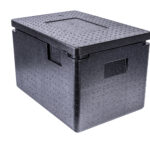
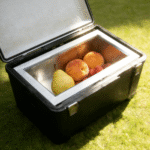
Un glacière industrielle est plus qu'une glacière de camping. C'est un rigide, conteneur isotherme conçu pour maintenir des plages de température spécifiques pendant le stockage et le transport. À la base, l'isolation emprisonne l'air pour ralentir le flux de chaleur. Par exemple, Mousse de polystyrène (polystyrène élargi) les boîtes contiennent de minuscules bulles d'air qui empêchent la chaleur de circuler à travers le matériau. Ces boîtes sont couramment utilisées pour nourriture, produits chimiques, produits pharmaceutiques et vaccins.
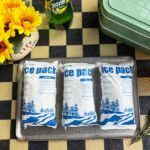
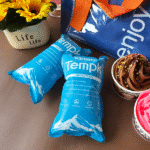
Les glacières modernes peuvent combiner des matériaux isolants avec réfrigérants comme packs de gel ou de la neige carbonique pour maintenir les conditions froides. Ils existent en différentes capacités : des plus petites 5 Boîtes L pour envois d'échantillons à 600 Bacs à poissons en L – et sont conçus pour un usage répété, Empilage efficace et surveillance de la température. Une bonne glacière industrielle protégera les produits des impacts physiques, scelle l’air ambiant et permet une manipulation efficace.
Pourquoi les matériaux isolants sont importants
Choisir les bonnes influences matérielles performances thermiques, durabilité, poids et coût. Vous trouverez ci-dessous une comparaison de haut niveau des technologies d'isolation courantes.:
| Matériel d'isolation | Conductivité thermique (indicatif) | Autonomie/maintien de la température | Durabilité & réutilisabilité | Avantages pratiques |
| Polystyrène élargi (PSE) | ≈ 25 mW/m·K | Jusqu'à 2 à 3 jours avec des packs de gel | Fragile, à usage unique; léger; peu coûteux | Largement disponible; bon pour les voyages courts mais pas durable |
| Polyuréthane (Unité centrale) | 20–25 mW/m·K | Jusqu'à 5 jours entre +2 °C et +8 °C | Mousse rigide; réutilisabilité modérée; plus lourd | Excellente efficacité isolante; largement utilisé dans les expéditions de vaccins |
| Polypropylène expansé (EPP) | Varie (mousse à cellules fermées) | Fonctionne de –40 °C à +110 °C; hautement réutilisable | Résistant aux chocs; peut être réutilisé des centaines de fois | Densité personnalisable; recyclable; léger mais résistant |
| Panneaux isolés sous vide (VIP) | 3–7 mW/m·K | Autonomie 7 à 10 jours avec la même source de froid | Sensible à la perforation; souvent enveloppé dans un boîtier de protection | Idéal pour les expéditions longue distance; une épaisseur de paroi réduite donne plus de volume utilisable |
PSE et PU sont rentables et faciles à approvisionner mais produisent des déchets. EPP et VIP les boîtes coûtent plus cher au départ mais durent plus longtemps et réduisent le coût total de possession. Pour les grossistes, investir dans des boîtes réutilisables permet d'économiser de l'argent après seulement quelques cycles et soutient les objectifs de développement durable.
Avantages clés pour les acheteurs en gros
Les glacières industrielles offrent des avantages tangibles qui vont au-delà du simple fait de « garder les choses au frais »:
Intégrité du produit: Les boîtes d'expédition isolées maintiennent des températures constantes, empêcher la décongélation ou la détérioration. Ceci est vital lors de l’expédition de fruits de mer, viande, vaccins ou produits biologiques.
Conception légère: La densité de la mousse de polystyrène de 1 à 2 lb par pied cube rend même les grandes boîtes étonnamment légères, Réduire les frais d'expédition.
Réutilisabilité & durabilité: De nombreuses boîtes sont fabriquées à partir de matériaux recyclables et peuvent être réutilisées des centaines de fois. Les conteneurs réutilisables réduisent les déchets et aident les entreprises à respecter leurs engagements en matière de développement durable.
Durabilité: Mousse moulée, l'extérieur en plastique robuste et les couvercles renforcés résistent à l'écrasement et aux chocs, protéger les marchandises de valeur.
Tailles polyvalentes: Les glacières industrielles sont disponibles dans des tailles allant des conteneurs portatifs aux palettes. La possibilité de choisir les bonnes dimensions minimise l'espace mort.
Hébergement des réfrigérants: Des boîtes correctement conçues peuvent facilement accueillir des packs de gel, glace carbonique ou matériaux à changement de phase.
Scénario pratique
Vraie cas: Pendant les campagnes de vaccination contre le COVID19, les prestataires de soins de santé ont remplacé les glacières jetables en EPS par réutilisable Boîtes EPP avec des packs de gel. Les caissons EPP absorbent les chocs de manipulation, maintenu les températures cibles et éliminé des milliers de contenants à usage unique. Cela a réduit les déchets et réduit les coûts après seulement quelques cycles de distribution..
Comparaison des matériaux et des technologies d'isolation
Comment les boîtes EPP haute densité surpassent-elles les glacières traditionnelles?
EPP haute densité (Polypropylène expansé) boîtes ont gagné en popularité pour leur résilience et leur efficacité thermique. Chaque boîte EPP est moulée à partir de billes de polypropylène dans un réseau de minuscules cellules fermées qui emprisonnent l'air.. Contrairement à la mousse de polystyrène fragile, L'EPP reprend sa forme après plusieurs compressions et peut être réutilisé des centaines de fois.
Propriétés physiques et thermiques
Les paramètres physiques clés sont personnalisables, permettant aux acheteurs d'adapter les performances d'isolation à leurs produits:
| Propriété | Gamme typique | Ce que cela signifie pour vous |
| Densité | 15–100 kg/m³ (personnalisé jusqu'à 260 kg/m³) | Des densités plus élevées offrent une plus grande résistance et une plus grande isolation mais augmentent le poids; choisissez des densités moyennes pour les produits plus légers et les expéditions longue distance |
| Absorption d'énergie | 20-40 kj/m | Mesure la capacité de la mousse à absorber les chocs; protège les flacons en verre et les appareils électroniques délicats lors de l'exportation |
| Résistance à la compression | 0.3–2,5 MPa | Détermine la capacité portante pour l’empilage et la palettisation |
| Température de fonctionnement | –40 °C à +110 °C | Convient aux vaccins congelés, livraison de fruits de mer réfrigérés et de repas chauds |
| Absorption d'eau | < 0.3 % | La surface non poreuse résiste à l'humidité, prévenir la moisissure et maintenir l’isolation |
| Réutilisabilité | Des centaines de cycles | Répartit les coûts sur de nombreuses expéditions et soutient la durabilité |
Au-delà de ces mesures physiques, Les boîtes EPP sont entièrement recyclables. Les programmes de retour permettent aux entreprises de récupérer les cartons usagés, nettoyez-les et remodelez la mousse en nouveaux produits. Parce qu'une seule boîte EPP peut remplacer des centaines de glacières jetables, les volumes de décharges chutent considérablement. L'empreinte carbone diminue également en raison de la réduction de l'énergie de fabrication, et les coûts sont amortis après seulement quelques cycles.
Applications sectorielles
Les boîtes EPP haute densité servent plusieurs secteurs:
Pharmaceutique et biotechnologie: Ils maintiennent des plages de température étroites (2–8 ° C) pour les vaccins et les produits biologiques, respecter les bonnes pratiques de distribution (PIB) lignes directrices.
Alimentation et restauration: Les boîtes en EPP gardent les repas chauds ou les aliments surgelés froids tout en restant légères pour une manipulation facile.
Commerce électronique et épicerie: Les boîtes EPP personnalisées s'adaptent précisément aux produits, maximiser l’espace et attirer les consommateurs soucieux de l’environnement.
Plein air et loisirs: Les glacières légères gardent les aliments et les boissons au frais pendant des heures et sont appréciées des campeurs et des pêcheurs..
Logistique industrielle: Le fardage et les plateaux réutilisables protègent les instruments de précision et l'électronique.
Conseils pratiques pour choisir les boîtes EPP
Faire correspondre la densité à la charge utile: Utiliser des densités plus élevées (40–60 kg/m³) pour les expéditions lourdes ou longue distance et les densités moyennes pour les marchandises plus légères.
Utilisez des packs de refroidissement appropriés: Associez les boîtes EPP avec des matériaux à changement de phase ou des packs de gel adaptés à la plage de température souhaitée.
Assurer des fermetures sécurisées: Les couvercles avec joints minimisent les fuites d'air.
Quitter l'espace aérien: Le suremballage peut créer des points chauds; permettre la circulation autour du contenu.
Mettre en œuvre des programmes de retour: Inciter les clients à retourner les cartons via les systèmes de consigne.
Pourquoi des panneaux isolés sous vide (VIP) représente l'avenir
Panneaux isolés sous vide (VIP) offrent les performances thermiques les plus élevées parmi les matériaux de refroidissement passifs. Les matériaux isolants traditionnels comme le polyuréthane ou le polystyrène ont des conductivités thermiques d'environ 20 à 25 mW/m·K., permettant une autonomie de trois à cinq jours avec des packs de gel. Panneaux VIP, en revanche, avoir des conductivités entre 3 et 7 mW/m·K. Cela signifie qu'une loge VIP peut maintenir les températures requises pendant sept à dix jours avec la même source de froid – deux à trois fois plus longtemps que les matériaux conventionnels.
La technologie VIP fonctionne en éliminant le transfert de chaleur gazeux. Le matériau central est une mousse à cellules ouvertes ou une matrice de silice enfermée dans un film multicouche polymère-aluminium qui empêche l'air et l'humidité de pénétrer. ,mW/mK for a vacuum of » >. L'élimination de l'air du noyau réduit considérablement la conductivité thermique. Au cours de la dernière décennie, la qualité des matériaux de base et des films barrières s'est améliorée, permettant des parois plus fines et des performances stables.
Les boîtes VIP sont idéales pour les expéditions pharmaceutiques longue distance, opérations de pêche à distance ou livraisons de produits alimentaires de qualité supérieure où une autonomie étendue est essentielle. L'épaisseur de paroi réduite libère plus d'espace interne, ce qui est particulièrement utile lors de l’expédition de produits volumineux. Cependant, Les panneaux VIP sont sensibles à la perforation et nécessitent souvent des boîtiers de protection. Les acheteurs devraient envisager des conceptions hybrides combinant un noyau VIP avec une coque extérieure en EPP ou en PU pour plus de durabilité et de facilité de manipulation..
Aperçu du marché: Global Industrial Ice Box and chaîne du froid Trends
Tailles du marché du stockage de glace et des glacières
Les données du marché mettent en évidence la demande croissante de glacières industrielles et de produits associés:
Boîtes de stockage de glace: Le marché mondial des boîtes de stockage de glace devrait atteindre USD 1.5 milliards 2033, croître à un taux de croissance annuel composé (TCAC) de 5.8% depuis 2025 à 2033. Les facteurs déterminants incluent la demande croissante de stockage de vaccins et de produits pharmaceutiques., croissance de l’industrie agroalimentaire et progrès technologiques dans les matériaux. L'analyse régionale montre que l'Amérique du Nord est en tête grâce à une infrastructure de soins de santé robuste; L'Europe met l'accent sur les matériaux durables et respectueux de l'environnement; et l'Asie-Pacifique devrait connaître la croissance la plus élevée grâce à une industrialisation rapide et à l'expansion des secteurs de l'alimentation et des boissons.. Boîtes en plastique dominer parce qu’ils sont légers et rentables.
Marché des glacières: Le marché des glacières était valorisé à USD 2.217 milliards en 2024 et devrait atteindre USD 3.138 milliards 2032, présentant un TCAC de 5.2%. Les glacières sont des conteneurs isothermes conçus pour conserver les articles sensibles à la température.; ils sont utilisés dans les loisirs de plein air, chaîne du froid logistics and food delivery. La croissance du marché est tirée par une participation croissante au camping et aux activités de plein air, expansion of chaîne du froid logistics and advances in insulation technology such as vacuuminsulated panels and phasechange materials. L'Amérique du Nord domine avec un 60% partager; des entreprises leaders comme Igloo, Coleman, YETI et Rubbermaid contrôlent 40% du chiffre d'affaires mondial.
Marché de la logistique de la chaîne du froid: Le marché mondial de la logistique de la chaîne du froid a atteint USD 436.30 milliards en 2025 et devrait augmenter jusqu'à USD 496.80 milliards en 2026, avec une prévision de USD 1.359 mille milliards par 2034—un TCAC de 13.46%. Les points forts incluent la région Asie-Pacifique affichant le TCAC le plus élevé (~14,3%), et le segment des produits laitiers et des desserts glacés représente la plus grande part du chiffre d'affaires..
Ces données soulignent une solide analyse de rentabilisation en faveur d’un investissement en gros dans les glacières industrielles.. As chaîne du froid logistics grows, tout comme le besoin de fiabilité, conteneurs réutilisables et efficaces.
Facteurs et défis du marché des glacières
Les facteurs clés qui façonnent le marché des glacières comprennent:
Boom des loisirs de plein air: Les ventes de solutions de refroidissement portables ont augmenté d'environ 18% annuellement alors que les consommateurs donnent la priorité au camping, pêche et autres activités de loisirs.
Expansion de la chaîne du froid: Croissance de la logistique pharmaceutique, la livraison de nourriture et le commerce électronique stimulent la demande de glacières fiables et de grande capacité.
Avancées de la technologie d’isolation: Les fabricants investissent dans des panneaux isolés sous vide et des matériaux à changement de phase qui maintiennent le contenu au froid jusqu'à cinq jours.. Ces innovations permettent de proposer des modèles haut de gamme offrant des primes de prix de 30 à 40 %.
Passer à la réutilisabilité: Les préoccupations environnementales et les économies de coûts accélèrent le passage des glacières jetables aux glacières réutilisables, boîtes de haute qualité.
Volatilité des coûts des matériaux: Les prix fluctuants des plastiques et polymères rotomoulés ont fait augmenter les coûts de production de 12 à 15 % ces dernières années..
Variations saisonnières de la demande: À propos 65% des ventes de glacières ont lieu entre mai et août, nécessitant une gestion minutieuse des stocks.
Concurrence des glacières électriques: Les glacières électriques portables et les véhicules équipés de réfrigération offrent un contrôle précis de la température mais des coûts plus élevés, limiter leur adoption.
Opportunités dans la logistique pharmaceutique: Les unités spécialisées qui maintiennent des températures de 2 à 8 °C pour le transport des vaccins présentent un USD 1.2 milliards d'opportunités pour les fabricants de glacières. Les refroidisseurs compatibles IoT pour la surveillance de la température en temps réel créent des catégories haut de gamme en croissance à 25% annuellement.
Graphique: Croissance projetée du marché des glacières
Vous trouverez ci-dessous un graphique linéaire simple illustrant la croissance projetée du marché des glacières.. Les données sont basées sur les valeurs marchandes mentionnées ci-dessus et interpolées pour les années intermédiaires.
Chiffre: Prévisions du marché mondial des glacières de 2024 à 2032 affichant une croissance constante par rapport au dollar américain 2.217 milliards en 2024 en USD 3.138 milliards en 2032.
How Technological Innovations Are Transforming chaîne du froid Packaging
Technological change is redefining how industrial ice boxes and chaîne du froid logistics operate. Innovations en automatisation, IoT, l’efficacité énergétique et l’infrastructure numérique améliorent la fiabilité tout en réduisant les coûts.
Tendances en matière d'automatisation et de micro-exécution
Automation révolutionne les installations de stockage frigorifique. Dans 2026, les principaux développements comprennent Robots mobiles autonomes (RAM), Stockage automatisé & Systèmes de récupération (AS/RS) pour environnements à température contrôlée, Gestion des stocks pilotée par l'IA et systèmes de prélèvement robotisés. Ces technologies répondent aux pénuries de main-d'œuvre dans les environnements froids et améliorent l'efficacité opérationnelle.
La montée centres de micro-exécution remodèle la conception des installations. L’épicerie en ligne devrait prendre le dessus 21.5% du total des États-Unis. ventes d'épicerie par 2025. Pour soutenir cette demande, les détaillants construisent des bâtiments plus petits, installations stratégiquement situées à proximité des centres de population. 2026 les implications incluent des zones multi-températures dans des empreintes compactes et des installations hybrides servant à la fois les marchés B2B et directs aux consommateurs. Ces centres intègrent souvent des capacités de tri automatisé et de clickandcollect, raccourcir les délais de livraison du dernier kilomètre.
Extension de capacité reste un défi. Les analystes estiment que les États-Unis auront besoin d'un supplément un milliard de pieds carrés d'espace d'entrepôt d'ici 2025, avec autant que 50,000 nouveaux entrepôts plus de six ans. La taille des entrepôts augmente, dépassement 100,000 mètres carrés en moyenne. Les installations frigorifiques spécialement conçues et les opportunités de modernisation offrent de nouvelles perspectives immobilières aux grossistes.
Outils de décision utiles
Vérifiez les détails avant de choisir l'emballage
Ces outils rapides peuvent vous aider à comparer le risque d'itinéraire, besoins de dimensionnement, choix de liquide de refroidissement, et les détails de l'emballage avant de demander un devis.
Calculateur d’accumulateurs de froid
Estimation de la quantité de pain de glace pour les expéditions réfrigérées et planification pratique des itinéraires.
Estimer les packs de glaceCalculateur de glace carbonique
Estimer les besoins en glace carbonique pour les envois congelés ou ultra-froids avant l'emballage.
Estimation de la neige carboniqueOutil d’évaluation du risque d’itinéraire
Examinez les conditions des pistes avant de sélectionner l'emballage en fonction des exigences opérationnelles réelles..
Vérifier le risque d’itinéraireEfficacité énergétique et durabilité
La prise de conscience croissante des coûts énergétiques et des réglementations environnementales incite conception économe en énergie. 2026 devrait voir l'adoption de technologies d'isolation avancées qui réduisent la consommation d'énergie de 20–30 %, réfrigérants naturels remplacer les systèmes traditionnels et intégration d'énergie solaire ou renouvelable. Les systèmes de gestion intelligente des bâtiments optimisent le contrôle de la température tout en réduisant les mouvements de porte, preventing heat gain and maintaining chaîne du froid compliance.
Les boîtes EPP et les panneaux VIP contribuent à la durabilité en réduisant les déchets et la consommation d'énergie. La mousse EPP est entièrement recyclable, et les programmes de retour ferment la boucle. La technologie VIP permet des parois plus fines, augmentation du volume utilisable et diminution du coût de transport par unité de produit.
Innovations numériques et traçabilité
Optimisation des itinéraires grâce à l'IA améliore l'efficacité de la livraison en analysant les modèles de trafic et la météo pour ajuster les itinéraires en temps réel. Chaîne de blocs fournit des enregistrements immuables des parcours des produits, améliorer la traçabilité et la confiance des consommateurs. Capteurs IoT surveiller la température, humidité et localisation en temps réel, permettant des actions correctives immédiates en cas d'écarts. Ces technologies sont de plus en plus intégrées dans les smart conteneurs maritimes et emballage.
Le 2026 le guide sur la logistique réfrigérée du commerce électronique souligne que les capteurs et enregistreurs de données IoT enregistrent la température, exposition à l'humidité et à la lumière tandis que la blockchain crée des enregistrements immuables. Les solutions d'emballage intelligentes avec capteurs de température et indicateurs de fraîcheur deviennent courantes. Les marques de commerce électronique adoptent emballage de réalité augmentée et des doublures écologiques pour améliorer l'expérience client et la durabilité.
Alternatives à la glace carbonique
La glace carbonique est un agent de refroidissement incontournable en raison de sa température ultra-froide., longue durée de vie et capacité à sublimer (passer directement du solide au gaz sans laisser de résidu liquide). Il est également relativement abordable par unité de puissance de refroidissement. Cependant, les problèmes d’approvisionnement en dioxyde de carbone ont créé une pénurie, et on craint une pénurie potentielle de 2026. Les fournisseurs d’emballages redoublent d’efforts en recherche et développement pour créer des solutions alternatives.
Les alternatives incluent packs de gel, matériaux à changement de phase (PCMS), glacières réutilisables alimentées par batterie et expéditeurs isolés sous vide. Les liquides de refroidissement à base de sel à usage unique peuvent être 15 à 20 fois plus chers que la neige carbonique, mais les PCM réutilisables peuvent réduire les coûts au fil du temps. Des entreprises comme Peli BioThermal et Artyc lancent des glacières réutilisables fonctionnant sur batterie pour réduire la dépendance à la neige carbonique. Ces innovations sont particulièrement pertinentes pour les expéditions pharmaceutiques qui nécessitent des températures glaciales..
Logistique de commerce électronique réfrigérée: S'adapter aux attentes des consommateurs
Le commerce électronique a définitivement modifié le comportement des consommateurs. Les acheteurs attendent la même rapidité et la même fraîcheur pour les denrées périssables que pour les produits électroniques.. Selon Tempk 2026 guide, chaîne du froid packaging market value was USD 34.08 milliards en 2025, devrait croître jusqu'à USD 38.37 milliards en 2026. L’augmentation des volumes observée pendant la pandémie ne s’est pas atténuée. En fait, les États-Unis. a besoin d'un milliard de pieds carrés supplémentaires d'entrepôt frigorifique d'ici 2025 et jusqu'à 50,000 de nouveaux entrepôts d’ici six ans.
Les ventes d'épicerie en ligne devraient représenter 21.5 % du total des États-Unis. ventes d'épicerie par 2025, et les entreprises de commerce électronique pourraient représenter 25 % de nouveaux leasings logistiques en 2026. La part des biens vendus en ligne dans le monde grimpe vers 20 %. Such growth demands more efficient chaîne du froid networks with microfulfilment hubs near consumers, zones multitempératures et opérations hybrides B2B/B2C.
Solutions d'emballage pour le commerce électronique
Le guide Tempk présente diverses solutions d'emballage, résumé ici:
| Solution d'emballage | Principales caractéristiques | Produits adaptés | Ce que cela signifie pour vous |
| Conteneurs isolés & boîtes | Caisses rigides ou pliables avec panneaux en mousse ou VIP; haute résistance thermique | Viande, fruit de mer, laitier | Excellente protection mais augmente le poids du colis; les options réutilisables réduisent les déchets |
| Packs froids & inserts en gel | Les packs réfrigérants maintiennent la température pendant le transport | Produits frais, plats cuisinés | Emplacement flexible; léger; doit être dimensionné avec soin pour éviter un refroidissement excessif |
| Expéditeurs de palettes à température contrôlée | Grandes unités isolées avec réfrigérants intégrés | Produits pharmaceutiques en vrac, vaccins, gros envois de nourriture | Convient aux envois de grande valeur; Les matériaux en polyuréthane ou EPS prolongent la protection |
| Emballage intelligent | Capteurs IoT, Étiquettes RFID et indicateurs de fraîcheur | Denrées périssables de grande valeur, aliments santé | Permet la surveillance et la traçabilité en temps réel; augmente le coût unitaire |
| Options écologiques | Conteneurs réutilisables, isolation recyclable et réfrigérants biosourcés | Des marques axées sur la durabilité | S'aligne sur les valeurs du consommateur; peut avoir un coût initial plus élevé |
Optimising your chaîne du froid
Practical steps for improving chaîne du froid performance include:
Évaluer la sensibilité du produit. Définir des plages de température pour chaque SKU et utiliser des capteurs IoT pour surveiller les conditions.
Redimensionnez votre emballage. Choisissez des cartons adaptés au volume du produit et minimisez les espaces morts.
Investissez dans des outils de visibilité. La blockchain ou d'autres solutions de traçabilité aident à surveiller les expéditions de bout en bout.
Former le personnel et alterner les équipes. Les environnements froids nécessitent des opérations de prélèvement/emballage rapides; les changements de rotation réduisent la fatigue.
Ressources de refroidissement sécurisées. Établir des relations avec les fournisseurs de glace carbonique et de liquide de refroidissement et prévoir l'utilisation pour éviter les pénuries.
Planifier les retours. Fournir des kits de retour avec des compresses froides et des directives pour minimiser les déchets et préserver l'intégrité du produit..
Étude de cas: Une entreprise de kits repas destinés directement aux consommateurs, aux prises avec la détérioration, a adopté des boîtes isothermes intelligentes dotées de capteurs de température intégrés et s'est tournée vers un réseau régional de micro-traitement.. Les capteurs alertaient les équipes lorsque les cartons étaient exposés trop longtemps, et le réseau a raccourci les temps de transit. Les taux de détérioration ont diminué 40%, et la satisfaction des clients a augmenté.
Choisir le bon fournisseur de glacières industrielles
La sélection d'un fournisseur va au-delà de la comparaison des prix. Considérez les facteurs suivants:
Qualité des matériaux et certification: Vérifier que les boîtes répondent aux bonnes pratiques de distribution (PIB) lignes directrices et normes de sécurité alimentaire pertinentes. Look for labels like CertiCold Pharma or BRC that certify chaîne du froid equipment.
Gamme de capacités et modularité: Choisissez des fournisseurs qui proposent plusieurs tailles et systèmes modulaires compatibles avec vos opérations logistiques. Tailles standards (Par exemple, 600×400mm) permettre l'intégration avec des entrepôts automatisés.
Performance d'isolation: Demandez des données sur la conductivité thermique, autonomie et plages de températures de fonctionnement. Les boîtiers EPP et VIP haute densité offrent des performances supérieures.
Réutilisabilité et durabilité: Évaluer les programmes de retour, options de recyclage et empreinte environnementale. Les conteneurs réutilisables réduisent les déchets et répartissent les coûts sur de nombreuses expéditions.
Systèmes de refroidissement intégrés: Certaines boîtes sont équipées d'éléments de refroidissement intégrés dans le couvercle et de panneaux d'isolation sous vide.. D'autres proposent des conceptions empilables compatibles avec les palettes et l'automatisation.
Suivi et traçabilité: Envisagez les fournisseurs proposant des options pour les puces RFID, codes-barres ou appareils IoT pour une surveillance en temps réel.
Service et assistance: Rechercher de la documentation technique, instructions de nettoyage et formation du fournisseur. Une solide infrastructure de retour et de recyclage indique la fiabilité.
Considérations en matière de sécurité et de conformité
Les glacières industrielles utilisées pour l'alimentation et la pharmacie doivent être conformes aux normes réglementaires telles que Bonne pratique de distribution (PIB) et Certifications SQF/BRC. Assurez-vous que les matériaux sont de qualité alimentaire, non toxique et facile à nettoyer. Pour les envois de soins de santé, maintenir un contrôle strict de la température et une documentation pour répondre aux exigences de conformité.
Les expéditions de glace carbonique nécessitent des précautions supplémentaires: une bonne ventilation, équipement de protection et formation pour éviter les brûlures par le froid. Confirmez que l'emballage est conçu pour la plage de température prévue : neige carbonique pour les envois congelés ou packs de gel pour les produits réfrigérés..
2026 Tendances et perspectives d'avenir
As chaîne du froid logistics continues to expand, les glacières industrielles vont évoluer. Les tendances suivantes façonneront 2026 et au-delà:
Opportunités émergentes dans le domaine des emballages intelligents et écologiques
Conteneurs maritimes intelligents: Léger, des conteneurs isothermes équipés de capteurs IoT surveillent la température, humidité et localisation en temps réel. Ces conteneurs permettent une action corrective immédiate lorsque des écarts se produisent.
Intégration de la blockchain et de l'IA: La blockchain offre une traçabilité immuable, tandis que l'IA optimise les itinéraires et prédit les besoins de maintenance. Les fonctionnalités de maintenance prédictive dans les installations de stockage frigorifique évitent les pannes d’équipement et garantissent l’efficacité.
Réfrigération à énergie solaire: Dans les zones où l'électricité n'est pas fiable, solarpowered chaîne du froid solutions reduce food waste and improve food security.
Matériaux écologiques: Des matériaux innovants comme le EPP haute densité, les matériaux biodégradables à changement de phase et l'isolation recyclable soutiennent les objectifs de durabilité.
Glacières réutilisables alimentées par batterie: Fonctionne sur batterie, les glacières réutilisables permettent aux expéditeurs de « dire adieu à la neige carbonique », offrant un contrôle précis de la température et réduisant la dépendance aux chaînes d’approvisionnement en CO₂.
Moteurs du marché et économiques
Croissance du commerce mondial: International trade is expanding the chaîne du froid. Research estimates the global chaîne du froid market will rise from USD 228.3 milliards en 2024 en USD 372.0 milliards 2029 à un TCAC de 10.3%. Des programmes comme l’initiative britannique d’exportation de produits laitiers (valeur supérieure à USD 2.47 milliard) et les exportations américaines de produits de boulangerie (USD 4.21 milliards en 2022) illustrate how crossborder trade drives demand for chaîne du froid solutions.
Urbanisation et restauration rapide: Moyennes de consommation de produits laitiers en Inde 427 g par personne et par jour (au-dessus de la moyenne mondiale de 305 g). Combiné avec l’urbanisation et une croissance QSR de 20 à 25 % par an, this drives demand for reliable chaîne du froid logistics in Asia.
Pénurie de main d’œuvre et automatisation: Recruter des travailleurs pour des environnements inférieurs à zéro est un défi. L'automatisation atténue les contraintes de main-d'œuvre tout en améliorant le débit.
Attentes des consommateurs et commerce électronique: Les consommateurs attendent de la commodité, variété et transparence. Les emballages dotés de capteurs de température et de conceptions personnalisées améliorent l'expérience client.
Défis potentiels
Pénuries d’approvisionnement: Les problèmes d’approvisionnement en CO₂ peuvent entraîner des pénuries de neige carbonique dans 2026. Les entreprises devraient diversifier leurs stratégies de refroidissement et investir dans des alternatives.
Complexité réglementaire: Des réglementations plus strictes en matière de sécurité alimentaire et pharmaceutique nécessitent une traçabilité et une documentation améliorées.
Impacts du changement climatique: La hausse des températures augmente les charges de refroidissement et les coûts énergétiques, rendre l’isolation économe en énergie cruciale.
Pressions sur les coûts: La volatilité des prix des matières premières et les variations saisonnières de la demande peuvent réduire les marges.. Les contrats à long terme et les chaînes d'approvisionnement flexibles atténuent ces risques.
Questions fréquemment posées (FAQ)
De quelle taille de glacière industrielle ai-je besoin pour exporter des produits de la mer?
Choisissez une boîte qui correspond au volume de votre produit avec un minimum d'espace vide. Pour les gros envois de poisson, un 600 La case L peut convenir; les expéditions de taille moyenne utilisent souvent des cartons de 100 à 300 L. Laissez toujours un peu d'espace pour les réfrigérants et la circulation de l'air.
Les glacières industrielles sont-elles recyclables?
Oui. Polypropylène expansé (EPP) les boîtes sont entièrement recyclables et peuvent être transformées en nouveaux produits. Les programmes de retour aident à boucler la boucle et à réduire les déchets.
Combien de temps une glacière VIP peut-elle maintenir la température?
Les panneaux isolés sous vide ont une conductivité thermique de 3 à 7 mW/m·K et offrent une autonomie de sept à dix jours avec la même source froide. Cette performance est deux à trois fois supérieure aux caissons en polyuréthane ou en polystyrène.
Quelles réglementations s'appliquent aux glacières industrielles pour produits pharmaceutiques?
Les emballages sous chaîne du froid pour les produits pharmaceutiques doivent être conformes aux bonnes pratiques de distribution (PIB) lignes directrices et, dans certaines régions, Normes de sécurité alimentaire SQF ou BRC. Recherchez les étiquettes de certification comme CertiCold Pharma lors de la sélection des boîtes.
Les glacières réutilisables alimentées par batterie sont-elles meilleures que la neige carbonique?
Les refroidisseurs alimentés par batterie assurent un contrôle précis de la température et réduisent la dépendance à l'égard de l'approvisionnement en CO₂. Cependant, ils nécessitent une infrastructure de recharge et ont des coûts initiaux plus élevés. La glace carbonique est abordable et ultra froide, mais les pénuries d’approvisionnement et les préoccupations réglementaires encouragent l’adoption d’alternatives.
Comment puis-je réduire les frais d'expédition avec des glacières industrielles?
Utilisez des matériaux légers (comme EPS ou EPP), redimensionnez votre emballage pour minimiser l'espace mort, et choisissez des boîtes réutilisables qui répartissent les coûts sur plusieurs cycles. Intégrez les boîtes aux centres de micro-exécution pour raccourcir les distances du dernier kilomètre.
Résumé et recommandations
Les glacières industrielles sont essential tools for modern chaîne du froid logistics. Ils protègent les produits sensibles à la température, réduire les déchets et soutenir la durabilité. Les principaux points à retenir comprennent:
Le choix des matériaux est important: Comprendre les différences entre EPS, Unité centrale, EPP et VIP vous aident à sélectionner la bonne case pour votre candidature. Les boîtes EPP et VIP offrent une isolation et une réutilisation supérieures.
La croissance du marché est forte: Le marché des glacières devrait croître à partir du dollar américain 2.217 milliards en 2024 en USD 3.138 milliards 2032, while the broader chaîne du froid logistics market could reach USD 1.359 mille milliards par 2034.
La technologie stimule l’efficacité: Automation, IA, IoT and blockchain are transforming chaîne du froid operations. Les conteneurs intelligents et les refroidisseurs alimentés par batterie offrent un contrôle précis et une surveillance en temps réel.
La durabilité n’est pas négociable: Les boîtes réutilisables et les matériaux respectueux de l'environnement réduisent l'impact environnemental et séduisent les consommateurs..
Planifier les défis d’approvisionnement: Diversifier les stratégies de refroidissement pour atténuer les pénuries de glace carbonique et investir dans des technologies économes en énergie pour gérer la hausse des coûts énergétiques.
Prochaines étapes réalisables
Auditez vos besoins en chaîne du froid: Évaluer les plages de température, volumes d’expédition et exigences réglementaires pour vos produits.
Engager les fournisseurs: Demander des données sur les performances d'isolation, certifications et programmes de développement durable. Explorez des options personnalisées telles que des panneaux VIP ou des couvercles de refroidissement intégrés.
Investissez dans l’IoT et la traçabilité: Adoptez des capteurs de température et des technologies blockchain ou similaires pour surveiller les expéditions et renforcer la confiance des clients..
Concevoir des programmes de retour: Mettre en œuvre des incitations pour que les clients retournent les cartons, permettant la réutilisation et le recyclage.
Rester informé: Gardez un œil sur les tendances du secteur telles que l'automatisation, micro-exécution et mises à jour réglementaires. Adaptez vos stratégies aux conditions changeantes du marché et aux avancées technologiques.
À propos du Tempk
Tempk est un spécialiste de l'emballage sous chaîne du froid engagé dans l'innovation, qualité et durabilité. Nos équipes de recherche et développement conçoivent des glacières et des solutions d'isolation réutilisables qui répondent aux normes pharmaceutiques et alimentaires les plus strictes.. Depuis boîtes EPP haute densité à conteneurs VIP avancés, nous concevons des produits qui maintiennent l'intégrité de la température, réduire les déchets et optimiser la logistique. We continually invest in new materials and technologies—such as IoT monitoring and ecofriendly refrigerants—to help our customers stay ahead of evolving chaîne du froid demands.
Appel à l'action
Prêt à optimiser vos opérations de chaîne du froid? Contactez Tempk dès aujourd'hui pour discuter de solutions de glacières industrielles personnalisées, request samples or consult with our experts on the latest chaîne du froid innovations.