Boîte isolée pour échantillons de diagnostic: Comment choisir une solution fiable
La bonne boîte isotherme pour les échantillons de diagnostic est celle qui correspond au risque produit, pas simplement celui qui correspond au produit. Une décision d'achat sûre relie les conditions de température requises, Taille de la charge utile, plan réfrigérant, exposition par voie, méthode de traitement et preuves du fournisseur avant de passer une commande groupée.
Pour les laboratoires de diagnostic, sites de collecte, hôpitaux, et réseaux de messagerie, cela signifie que vous devez évaluer la boîte en tant que composant passif du système de chaîne du froid. L'isolation, liquide de refroidissement, emballage intérieur, fermeture, étiquettes, La position de l'enregistreur de données et les instructions d'emballage doivent toutes fonctionner ensemble. Le but n’est pas une revendication dramatique; c'est une protection reproductible que vos opérations et vos équipes qualité peuvent comprendre.
Une définition pratique pour les acheteurs
Une définition utile d'une boîte isotherme pour les échantillons de diagnostic n'est pas simplement un conteneur isotherme.. Il s'agit d'un composant d'emballage passif utilisé pour maintenir l'état requis d'un produit spécifique via un itinéraire spécifique.. L'isolation ralentit le transfert de chaleur. Le réfrigérant ou la masse thermique aide à maintenir la condition souhaitée. Le packout contrôle la façon dont ces éléments touchent la charge utile. La procédure opérationnelle rend la conception reproductible.
Cette définition protège les acheteurs de deux erreurs courantes. La première consiste à acheter uniquement par dimension extérieure. La deuxième consiste à traiter la déclaration générale d'un fournisseur comme une approbation d'itinéraire.. Une boîte peut être appropriée pour une charge utile et faible pour une autre. Il peut convenir à un itinéraire local court, mais nécessite un plan de carton ou de liquide de refroidissement différent pour l'expédition de marchandises.. Il peut s'adapter à un produit mais ne laisse aucun espace pour les étiquettes, absorbants ou surveillance.
Traduire le risque produit en architecture de boîte
Le produit doit piloter l'architecture. Ambiance spécifique à l'échantillon, réfrigéré, ou conditions de gel définies par la méthode d'essai, limites de stabilité, protocole de collecte, et la réception des instructions du laboratoire doit être confirmée avant les dimensions, le matériel et le prix sont comparés. Considérez ensuite la vulnérabilité physique du produit: Est-ce mouillé, fragile, stérile, biologique, dangereux, congelé, sensible au froid, produisant des odeurs, critique pour l'étiquette ou valeur élevée? Chaque réponse change l'emballage intérieur.
Un3373 étiquetage erroné, fuite, manque de matériau absorbant, mauvais contact du liquide de refroidissement, retards de remise par courrier, et le rejet des échantillons à la réception sont le genre de problèmes qui transforment un simple devis en un problème de qualité.. La boîte peut avoir besoin d'une barrière contre l'humidité, matériau absorbant, un carton extérieur rigide, séparateurs, un panneau d'étiquettes, un élément d'inviolabilité ou une méthode spécifique de séparation du liquide de refroidissement. Il peut également avoir besoin d'un enregistreur de données de température, mais l'enregistreur enregistre les conditions; cela ne protège pas le produit. La protection vient de l'emballage et du processus.
Pour les achats, la solution pratique consiste à rédiger une petite note de décision avant d'envoyer des dessins. Inclure les dimensions de la charge utile, masse du produit, unités par boîte, durée de l'itinéraire, exposition ambiante attendue, critères d'acceptation de la température, étiquettes spéciales, besoins de nettoyage, et si l'envoi est à sens unique ou réutilisable. Ce dossier aide l'usine à recommander une boîte qui reflète l'utilisation réelle au lieu d'un article générique du catalogue..
Que vérifier avant de commander
| Que vérifier | Pourquoi c'est important pour cet envoi | Meilleure question d'acheteur |
|---|---|---|
| Que vérifier | Pourquoi c'est important pour cet envoi | Meilleure question d'acheteur |
| Exigence de produit et d'itinéraire | ambiance spécifique à l'échantillon, réfrigéré, ou conditions de gel définies par la méthode d'essai, limites de stabilité, protocole de collecte, et recevoir des instructions de laboratoire | Quelle condition le produit doit-il remplir à la réception, et qui approuve cette limite? |
| Disposition des emballages | L'isolation et le liquide de refroidissement ne fonctionnent que lorsque la disposition interne est reproductible | Le fournisseur peut-il fournir un dessin ou une séquence d'emballage pour l'échantillon? |
| Contrôle des matériaux et des dimensions | Les unités en vrac doivent correspondre à l'échantillon approuvé | Comment sont les matériaux, dimensions, inserts et fermeture contrôlés pendant la production? |
| Documentation et étiquettes | classification des échantillons de diagnostic, Règles de la catégorie B, le cas échéant, principes du triple emballage, Marquage UN3373, entraînement, et les exigences de transport locales | Quelles étiquettes, enregistrements, le placement de l'enregistreur de données ou les contrôles du transporteur doivent être planifiés? |
| Preuve derrière les allégations | Les allégations de temps de maintien ou de température dépendent des conditions de test | Quelle charge utile, le profil ambiant et les critères d'acceptation soutiennent les performances déclarées? |
| Ajustement opérationnel | Les équipes d'entrepôt et de messagerie doivent utiliser la conception correctement | Le personnel peut-il le préparer rapidement sans improviser sous la pression habituelle? |
Cette table de vérification est volontairement pratique. Il ne demande pas au fournisseur de promettre des performances universelles. Il demande si la box proposée peut être connectée à votre produit, itinéraire et processus d'exploitation. C'est la différence entre acheter un emballage isotherme et approuver un emballage reproductible sous la chaîne du froid..
Usine, OEM, Les rôles de grossiste et de fabricant ne sont pas les mêmes
Termes de recherche tels que usine, OEM, le grossiste et le fabricant se ressemblent souvent, mais ils signalent des besoins différents des acheteurs. Un acheteur axé sur l'usine peut se soucier de la cohérence de la production, résistance du carton et prix de gros. Un acheteur OEM peut avoir besoin d'une taille personnalisée, étiquetage privé, inserts ou composants d'emballage spéciaux. Un acheteur en gros peut se soucier du stock standard, fourniture répétée et spécifications claires. Un acheteur axé sur le fabricant peut poser des questions plus approfondies sur le contrôle des matériaux et les enregistrements de qualité..
Pour le mot-clé boîte isotherme pour échantillons de diagnostic, la voie d'approvisionnement la plus sûre est d'être explicite sur le rôle dont vous avez besoin. Si vous souhaitez des cartons standards, demander les tailles disponibles et les listes de composants. Si vous avez besoin d'une solution OEM, poser des questions sur les dessins, outillage, étiquetage, approbation des échantillons et contrôle des modifications. Si vous qualifiez un fabricant de produits sensibles, demander comment la version de production restera cohérente avec l'échantillon approuvé. Si vous exportez, ajouter tôt les contraintes de transporteur et de destination.
Le fournisseur ne doit pas être évalué uniquement sur sa volonté de personnaliser. Une bonne personnalisation protège l’expédition et le processus d’achat. Une mauvaise personnalisation crée une boîte qui semble unique mais qui manque d'espace utilisable, clarté de l'emballage, testabilité ou stabilité de la production.
Scénario typique: De l'exigence à l'emballage
Un réseau de diagnostic collecte des échantillons dans les cliniques et les envoie à un laboratoire central. L'emballage doit aider le personnel à emballer correctement à chaque fois, même lorsque le volume de collecte change au cours de la journée. Un processus d'approvisionnement solide commencerait par confirmer l'état requis du produit et les critères de réception.. L'acheteur listerait alors la charge utile, itinéraire prévu, points de transfert et contraintes de manutention. Le fournisseur proposerait une structure de caisson et un plan de réfrigérant, et les deux parties examineraient si les étiquettes, absorbant, inserts, Les étapes de placement et de fermeture de l'enregistreur de données sont réalisables.
La prochaine étape serait un exemple d'examen du pack.. L'acheteur doit physiquement emballer la boîte avec des produits réalistes, liquide de refroidissement et accessoires, pas seulement inspecter le conteneur vide. Si la boîte est difficile à fermer, laisse les étiquettes cachées, crée un contact direct avec le liquide de refroidissement, ou cela prend trop de temps au personnel pour faire ses valises, le problème devrait être résolu avant la production en vrac. Si une réclamation thermique est importante, demander quelles preuves le soutiennent et si une voie plus approfondie ou une évaluation en laboratoire est nécessaire.
Contrôles opérationnels après le bon de commande
Un bon de commande ne termine pas la décision concernant la chaîne du froid. Il démarre la phase de fonctionnement. Les équipes d'entrepôt doivent recevoir une inspection pour les emballages entrants, un moyen d'identifier les lots de composants, conditions de stockage claires pour les réfrigérants, et un contrôle de mainlevée avant le départ des expéditions. Si la boîte est réutilisable, le personnel a également besoin d'être nettoyé, séchage, procédures d'inspection des dommages et de suivi des retours.
Outils de décision utiles
Vérifiez les détails avant de choisir l'emballage
Ces outils rapides peuvent vous aider à comparer le risque d'itinéraire, besoins de dimensionnement, choix de liquide de refroidissement, et les détails de l'emballage avant de demander un devis.
Liquide de refroidissement & Référence PCM
Comparez les options de liquide de refroidissement et de PCM lorsqu'un itinéraire nécessite une prise en charge supplémentaire de la température.
Comparez les optionsVérificateur de risque d'itinéraire
Examinez les conditions des pistes avant de sélectionner l'emballage en fonction des exigences opérationnelles réelles..
Vérifier le risque d'itinéraireDoublure de boîte & Dimensionnement des couvertures de palettes
Vérifiez la logique de dimensionnement du revêtement de boîte et du couvercle de palette pour les projets d'emballage isotherme.
Dimensionnement estiméLa gestion des exceptions doit être définie avant que le premier problème ne survienne. Que se passe-t-il si le liquide de refroidissement n'a pas été entièrement conditionné? Qui approuve la mainlevée de l'expédition si une boîte est endommagée? Comment les récepteurs signaleront-ils les alarmes de température, cartons humides, étiquettes manquantes ou fermetures cassées? Pour les biens réglementés ou de grande valeur, l'absence de processus d'exception peut devenir un problème plus grave que le défaut de la boîte elle-même.
Le contrôle des changements est tout aussi important. Un fournisseur peut vouloir ajuster le matériel, style de carton, ajustement du couvercle, épaisseur du revêtement ou conception de l'insert. Certains changements peuvent être inoffensifs; d'autres peuvent altérer les performances thermiques ou opérationnelles. Les acheteurs doivent exiger une notification et un examen pour les modifications affectant les dimensions., emballage, matériels, clôture ou preuve. Cela protège l'état agréé.
Quand une boîte isotherme ne suffit pas
Une boîte isotherme ne peut pas résoudre tous les risques liés à la chaîne du froid. Une boîte extérieure isolée ne supprime pas la nécessité d'une classification correcte des échantillons, triple emballage le cas échéant, et du personnel d'emballage formé. Il ne peut pas non plus remplacer la classification des produits, qualification de laboratoire ou de voie, personnel d'emballage formé, surveillance calibrée de la température si nécessaire, ou procédures de réception. Lorsque le produit est très sensible, réglementé, valeur élevée ou acheminé dans des conditions incertaines, traiter la boîte comme une partie d’un plan de contrôle plus large.
L'avertissement n'a pas pour but de décourager les emballages passifs. Les systèmes passifs sont très utiles car ils sont flexibles, évolutif et souvent plus facile à déployer que les conteneurs actifs. Le but est d'éviter de trop réclamer. La bonne question n’est pas de savoir si la box est impressionnante seule, mais si l'ensemble de l'emballage peut protéger ce produit par cette voie avec des preuves et une manipulation reproductible.
Du devis à la production approuvée
Le meilleur moment pour contrôler les risques est avant la première commande importante. Un devis doit décrire plus que la taille et le prix; il devrait indiquer clairement quels composants sont inclus, ce que l'acheteur doit fournir, quelles hypothèses se cachent derrière toute déclaration de performance, et que se passera-t-il si un composant doit changer.
Pour les laboratoires de diagnostic, sites de collecte, hôpitaux, et réseaux de messagerie, le dossier d'approbation doit connecter la boîte choisie à une charge utile spécifique, itinéraire et processus d'emballage. Si une future expédition utilise un produit différent, itinéraire plus long, réfrigérant différent, changement de carton ou nouvelle méthode de manipulation, l'ancienne approbation ne doit pas être appliquée aveuglément. L'équipe doit examiner ce qui a changé et décider si un nouvel échantillon, un test ou une approbation de qualité est nécessaire.
Cette approche aide les deux parties. Le fournisseur reçoit des exigences plus claires et moins de plaintes ambiguës. L'acheteur obtient un colis plus facile à commander, continuez à vous entraîner et à enquêter si quelque chose ne va pas. Au lieu de vous fier à une déclaration de vente, la décision d'achat devient un processus d'emballage contrôlé.
À propos du tempk
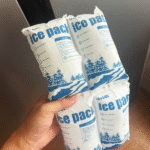
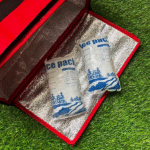
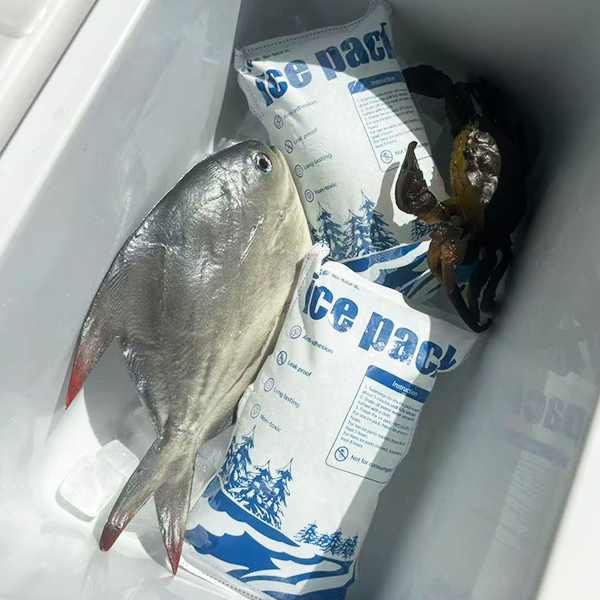
Tempk est le emballage chaîne du froid contexte de marque utilisé pour cet article. Les informations publiques Tempk décrivent les produits d'emballage de la chaîne du froid tels que packs de glace en gel, des blocs de glace remplis d'eau, hydrater les packs de glace carbonique, briques de glace pour congélateur, sacs à lunch isolés, sacs à dos isolés à emporter, Boîtes isolées EPP, Réfrigérateurs médicaux VPU, doublures de boîtes isolées, couvertures de palettes isolées, et matériaux d'emballage à température contrôlée associés. Pour les acheteurs évaluant une boîte isolée pour les échantillons de diagnostic, Tempk peut prendre en charge les discussions autour du format de boîte, doublures, packs de gel, briques de glace, couvertures de palettes et détails de l'emballage OEM. Le point de départ pratique est de partager le type de produit, charge utile, condition cible, contraintes d'acheminement et d'emballage, Ainsi, la recommandation d'emballage peut être liée à l'expédition plutôt que présentée comme une réponse universelle..
Conclusion
Une boîte isolée fiable pour les échantillons de diagnostic est choisie sur la base de preuves, ajustement et répétabilité. Définir l'état du produit, tracer l'itinéraire, vérifier l'espace de charge utile utilisable, revoir le colis, vérifier les contrôles des fournisseurs et maintenir un langage de conformité spécifique au produit et à la voie. Si l'envoi est sensible, demander de la documentation et planifier une évaluation plus approfondie avant la mise à l'échelle. Partagez votre itinéraire, exigences de charge utile et de température avec Tempk pour discuter d'une option d'emballage pratique pour votre prochain envoi.
FAQ
Une boîte isotherme pour échantillons de diagnostic peut-elle garantir une plage de température fixe?
Non. La box ralentit le transfert de chaleur, mais le résultat réel de la température dépend du réfrigérant, charge utile, conditionnement, itinéraire, exposition ambiante, fermeture et manutention. Traitez toute réclamation relative à une plage fixe ou à un temps de maintien comme quelque chose qui doit être vérifié par rapport à votre produit et à votre itinéraire., pas comme une caractéristique universelle de la boîte vide.
Quelles informations dois-je envoyer avant de demander un devis?
Envoyer le type de produit, condition requise, Taille de la charge utile, nombre d'unités par boîte, temps de transit, mode d'expédition, exposition ambiante attendue, besoins en étiquettes, besoins en matière de documentation et toute restriction de votre équipe qualité ou sécurité. Pour les laboratoires de diagnostic, sites de collecte, hôpitaux, et réseaux de messagerie, inclure le point de transfert le plus risqué que vous connaissez déjà.
Dois-je choisir EPS, PPE ou doublure isolée?
Le bon matériau dépend de l'itinéraire, manutention, espace de stockage, plan de réutilisation, sensibilité du produit et exigences en matière d'élimination. Le PSE est souvent utilisé pour l’isolation moulée légère, Le PPE peut répondre à des besoins de manipulation réutilisables ou plus solides, et les doublures peuvent réduire l'espace de stockage. Le choix final doit être confirmé par les besoins en matière de conditionnement et d'itinéraire..
Ai-je besoin d'un enregistreur de données de température à l'intérieur de la boîte?
Un enregistreur est utile lorsque vous avez besoin de preuves des conditions d'expédition, mais cela ne protège pas le produit. Si une surveillance est requise, définir l'emplacement du capteur, intervalle de journalisation, seuils d'alarme, processus de récupération et qui examine les exceptions. Placez l'enregistreur là où il représente le risque de charge utile, pas directement contre un pack de liquide de refroidissement.
Comment comparer deux fournisseurs?
Comparez l'espace de charge utile utilisable, contrôle des matériaux, dessins d'emballage, cohérence de l'échantillon à la production, notification de changement, preuves derrière les allégations, résistance du carton, support à l'étiquetage et qualité de la communication. Un prix inférieur n'est pas une meilleure valeur si le colis est plus difficile à emballer., plus faible sur l'itinéraire ou non étayé par une documentation claire.
Une boîte isotherme remplace-t-elle le triple emballage des échantillons?
Non. Si un échantillon est soumis aux règles de transport de spécimens ou de matières infectieuses, le primaire requis, les principes des emballages secondaires et extérieurs doivent toujours être respectés. La boîte isolée peut servir ou supporter la couche externe, mais classement, matériau absorbant, contrôle des fuites, la notation et la formation restent des responsabilités distinctes.