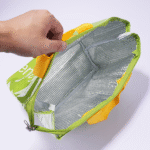
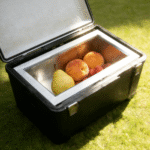
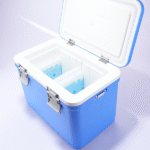
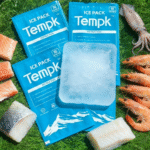
Le cryoprécipité est un composant sanguin congelé avec une petite taille de charge utile et une sensibilité de documentation élevée.. Le plan de conditionnement doit préserver l'état congelé, protéger les petits contenants de la casse ou de l’abrasion, garder les étiquettes lisibles, et fournir des preuves de réception. Une boîte de courrier qui fonctionne pour les aliments surgelés ordinaires ne suffit pas à moins qu'elle n'ait été validée avec la charge réelle des composants., masse de liquide de refroidissement, durée de l'itinéraire, et recevoir des chèques.
Données de planification du transport congelées par cryoprécipitation
| Plage de températures typique | La planification des cryoprécipités congelés est généralement -18 C ou moins avant de décongeler; utilisez l'étiquette du composant et les SOP pour une manipulation exacte. |
|---|---|
| Humidité et condensation | Protéger les étiquettes et les surfaces des cartons du gel, condensation, et marques de contact avec la neige carbonique pendant le transport congelé. |
| Pré-refroidissement | Précongeler la charge utile et préconditionner l'expéditeur congelé ou l'emballage de glace carbonique avant le chargement. |
| Pression d'emballage | Protégez les petites unités congelées des contenants fissurés, plis pointus, et contact dur sous de la neige carbonique ou un liquide de refroidissement épais. |
| Emplacement du liquide de refroidissement | Utilisez de la neige carbonique ou du liquide de refroidissement gelé uniquement avec une ventilation conforme, séparation, et une disposition qui évite l'abrasion des conteneurs. |
| Durée du transport | Utiliser des itinéraires surgelés qualifiés avec preuve de maintien en température et contrôles des risques de dégel à la réception. |
| Pertes communes | Dégeler les preuves, sacs ou conteneurs cassés, étiquettes illisibles, contact excessif avec la glace carbonique, données d'enregistreur manquantes, et recevoir des litiges. |
| Ajustement de l'emballage Tempk | Expéditeur isolé congelé, glace carbonique ou PCM congelé, couche de séparation, manchon de produit, doublure absorbante, sceau d'inviolabilité, et enregistrement de l'enregistreur. |
Pourquoi le cryoprécipité a besoin de son propre emballage congelé
Les unités de cryoprécipité peuvent être petites, et les petites charges utiles gelées peuvent se réchauffer rapidement au bord d'un expéditeur. Ils peuvent également être endommagés par un contact violent avec glace carbonique, paquets congelés mal placés, ou un espace vide qui permet le mouvement. Le paquet doit contenir la charge utile en toute sécurité, séparez-le des surfaces de liquide de refroidissement agressives, et rendre les preuves de décongélation faciles à examiner à la réception.
Pour le transport congelé, Tempk ferait appel à un expéditeur congelé qualifié, un manchon ou un séparateur de produit, une disposition de glace carbonique ou de PCM congelé adaptée à la voie, et un enregistreur placé près du bord chaud attendu. Les itinéraires de glace carbonique nécessitent également une ventilation conforme, étiquetage, et manutention selon le mode de transport de l’expéditeur et les règles locales. Les chèques de réception doivent inclure un enregistrement de la température, dégeler les preuves, état du conteneur, lisibilité de l'étiquette, et temps de parcours.
Outils de décision utiles
Vérifiez les détails avant de choisir l'emballage
Ces outils rapides peuvent vous aider à comparer le risque d'itinéraire, besoins de dimensionnement, choix de liquide de refroidissement, et les détails de l'emballage avant de demander un devis.
Vérificateur de risque d'itinéraire
Examinez les conditions des pistes avant de sélectionner l'emballage en fonction des exigences opérationnelles réelles..
Vérifier le risque d'itinéraireCalculateur de glace carbonique
Estimer les besoins en glace carbonique pour les envois congelés ou ultra-froids avant l'emballage.
Estimation de la neige carboniqueLiquide de refroidissement & Référence PCM
Comparez les options de liquide de refroidissement et de PCM lorsqu'un itinéraire nécessite une prise en charge supplémentaire de la température.
Comparez les optionsApproche Tempk recommandée
Commencez par les SOP du centre de transfusion ou de l’hôpital, il ne s'agit pas d'une règle générique sur les colis gelés. Confirmer la plage autorisée, durée de l'itinéraire, allocation de glace carbonique, exigences en matière de documentation, et critères d'acceptation. Valider avec le nombre d'unités réel, pochette intérieure, expéditeur externe, masse de liquide de refroidissement, profils d'ambiance été et hiver, et un transfert réaliste en direct.
Les normes de la FDA sur les produits sanguins eCFR incluent les exigences relatives au traitement du plasma congelé et des cryoprécipités et des références à -18 Conditions C ou plus froides pour les composants congelés concernés. L'emballage Tempk doit être utilisé pour prendre en charge le transport validé, examen de la chaîne de traçabilité, et recevoir des décisions dans le cadre du processus de l’établissement agréé.