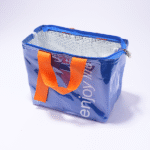
Insulated Box Industrial Packaging for Practical Cold-Chain Procurement
Un fiable boîte isotherme for industrial packaging should help you control the practical risks that appear after the purchase order: erreurs d'emballage, exposition des voies, ajustement de la charge utile, et des preuves faibles lorsqu'une expédition est remise en question. Le bon choix n’est pas la boîte la plus chère ou le liner le plus léger; it is the packaging system that fits industrial samples, temperature-sensitive parts, produits chimiques, food ingredients, composants médicaux, and mixed B2B freight, la plage requise, l'itinéraire, et les besoins en matière de documentation de l'acheteur sans faire de réclamations que le fournisseur ne peut pas soutenir.
Un cahier des charges clair protège également la relation fournisseur. Si votre demande indique uniquement une boîte isotherme, différents fournisseurs peuvent proposer différentes structures, volumes utilisables, doublures, fermetures, et hypothèses sur le liquide de refroidissement. A better inquiry describes the product-specific temperature and physical handling limits confirmed by engineering or quality teams, l'itinéraire, la charge utile, et les points de manutention qui doivent être contrôlés.
Les expéditions de produits chimiques nécessitent que le fournisseur et l'expéditeur confirment la fiche de données de sécurité., classification des dangers, endiguement, compatibilité, étiquetage, et règles de transport applicables. Une boîte isotherme n'est pas automatiquement un emballage approuvé pour les matières dangereuses. ISTA 7E est utilisé comme référence pour les thermiques emballage de transport dans les systèmes de livraison de colis, mais un profil standard n'est pas la même chose qu'une qualification spécifique à une voie. Les réclamations de temps d'attente doivent être vérifiées par rapport à la charge utile, profil ambiant, emballage, et critères d'acceptation. La règle de transport sanitaire de la FDA se concentre sur la prévention des risques liés à la sécurité alimentaire pendant le transport, y compris une mauvaise réfrigération, nettoyage inadéquat du véhicule, et protection insuffisante des aliments. Pour la nourriture, les choix d’emballage doivent être liés au pré-refroidissement, exposition par voie, hygiène, et recevoir des chèques plutôt que d'être traités comme une garantie autonome.
Define the job before comparing insulated box for industrial packaging suppliers
Le processus de sélection le plus strict commence avant les devis des fournisseurs. Définir ce que le colis doit protéger, ce qu'il faut prouver, et à quelle réalité il sera confronté. For industrial samples, temperature-sensitive parts, produits chimiques, food ingredients, composants médicaux, and mixed B2B freight, the key failure modes include rough handling, dégâts d'empilement, heat exposure on docks, poor fit between box and payload, and unclear supplier change control. Ces risques sont pratiques, donc la spécification devrait également être pratique: plage cible, temps de transit, exposition de transfert, Taille de la charge utile, besoins en liquide de refroidissement ou en doublure, et processus de réception.
Un fournisseur peut vous aider à affiner ces détails, mais l'acheteur ne doit pas sous-traiter la totalité du besoin. Si le fournisseur ne connaît pas l'itinéraire, sensibilité au produit, et critères d'acceptation, la recommandation sera basée sur des hypothèses. Un bon langage de passation des marchés réduit ces hypothèses et rend les discussions ultérieures sur les performances plus équitables pour les deux parties..
Séparez la boîte, le paquet, et les preuves
La boîte n'est qu'une partie du résultat. Le pack comprend la présentation du produit, liquide de refroidissement ou PCM, doublure, remplissage de vide, fermeture, étiquettes, et tout dispositif de surveillance. Les preuves incluent des données de test, instructions d'emballage, essais en couloir, recevoir des enregistrements, et examen de la qualité. Quand ces trois parties sont séparées, les acheteurs peuvent voir exactement ce qui a été prouvé et ce qui doit encore être vérifié.
Cette distinction évite de trop réclamer. Un caisson isotherme peut convenir pour une voie après examen, mais il n'est pas automatiquement qualifié pour chaque itinéraire. Un enregistreur de données peut documenter une excursion, mais cela ne peut pas en empêcher un. Un matériau durable peut réduire les déchets, mais il faut quand même protéger le produit. Des limites claires rendent l'achat final plus défendable.
Faire correspondre la configuration au modèle d'expédition
| Point de contrôle des achats | Comment l'utiliser | Ce qu'il ne faut pas supposer |
|---|---|---|
| Ajustement du produit | Commencez par la gamme de produits, sensibilité, et critères d'acceptation | Ne présumez pas qu’une boîte isotherme convient à chaque produit présent sur l’allée |
| Ajustement de l'itinéraire | Comparez le packout avec le chargement réel, mise en scène, et comportement de livraison | N'assimilez pas un profil de laboratoire favorable à toutes les routes de terrain |
| Ajustement du matériau | Isolation équilibrée, force, nettoyage, élimination, et options de retour | Ne remplacez pas les données de performance par une réclamation importante |
| Ajustement de la documentation | Demandez les instructions d'emballage et les dossiers de test ou de qualification disponibles | Ne considérez pas le langage marketing comme une preuve de conformité |
| Ajustement à grande échelle | Vérifier la cohérence de l'échantillon à la production et la notification de changement de fournisseur | N'approuvez pas un échantillon sans savoir ce qui se passe lors de la production en vrac |
Utilisez ce tableau comme outil de sélection, ne remplace pas un essai d'emballage. Le but est de rendre visibles les hypothèses afin que l'achat, entrepôt, logistique, et les équipes qualité peuvent discuter des mêmes faits avant d'approuver des échantillons ou des commandes groupées.
Des questions qui révèlent la maturité des fournisseurs
La maturité du fournisseur apparaît dans les questions posées par le fournisseur. Un fournisseur sérieux voudra connaître la gamme de produits, dimensions de la charge utile, durée de la voie, exposition ambiante, processus d'emballage, et si une surveillance est nécessaire. Un fournisseur faible ne peut demander que la taille de la boîte et la quantité commandée. Cela ne veut pas dire que le produit est mauvais, mais cela signifie que l'acheteur doit travailler plus dur pour définir le risque.
Demandez comment les unités d'échantillonnage se comparent aux unités de production. Demander si les substitutions de matériaux nécessitent une notification. Demandez ce qui se passe si une doublure, panneau de mousse, ou modifications de fermeture. Demandez si le fournisseur peut fournir des instructions d'emballage que le personnel de l'entrepôt peut suivre sans assistance technique.. Pour les commandes groupées, ces détails comptent souvent plus que de petites différences de prix unitaire.
Là où le langage de la conformité doit rester prudent
Les expéditions sous chaîne du froid et réglementées peuvent impliquer les exigences des clients, règles de transport, procédures qualité, ou des conseils spécifiques au marché. L'emballage peut répondre à ces exigences, mais il ne doit pas être décrit comme universellement conforme sans preuve. Pour le fret médical, L'étiquetage IATA et la documentation sur la température peuvent s'appliquer en fonction de la manière dont la cargaison est réservée et traitée.. Pour la nourriture, les attentes sanitaires en matière de transport peuvent impliquer la réfrigération, nettoyage, et protection contre la contamination. Pour les produits chimiques, L'examen des FDS et la classification des dangers sont essentiels.
La formulation la plus sûre est opérationnelle: vérifier la gamme de produits, vérifier l'emballage, vérifier le profil de test, et vérifier les besoins en documentation avec l'équipe qualité ou logistique. Ce langage est moins dramatique qu’une promesse générale de conformité, mais c'est beaucoup plus utile pour de vrais achats.
Un exemple pratique: passer de l'approbation des échantillons aux commandes de routine
Imagine a buyer approves a sample box for component samples. L'échantillon semble bon, le produit arrive dans un état acceptable, et le prix unitaire est réalisable. Le risque apparaît plus tard, lorsque l'entrepôt commence les commandes de routine et que les emballeurs interprètent la disposition différemment. Une personne place du liquide de refroidissement dessus, un autre le place sur les côtés, et un troisième ajoute des documents de manière à laisser un espace dans le couvercle..
La solution n’est pas forcément une autre boîte. Cela peut être un diagramme d'emballage plus clair, contrôle du liquide de refroidissement préconditionné, une liste de contrôle de réception, et un accord du fournisseur selon lequel les matériaux de production correspondront à l'échantillon approuvé. C’est là que l’approvisionnement en emballages matures devient un contrôle qualité opérationnel plutôt qu’un simple achat..
Outils de décision utiles
Vérifiez les détails avant de choisir l'emballage
Ces outils rapides peuvent vous aider à comparer le risque d'itinéraire, besoins de dimensionnement, choix de liquide de refroidissement, et les détails de l'emballage avant de demander un devis.
Calculateur de banquise
Estimation de la quantité de pain de glace pour les expéditions réfrigérées et planification pratique des itinéraires.
Estimer les packs de glaceVérificateur de risque d'itinéraire
Examinez les conditions des pistes avant de sélectionner l'emballage en fonction des exigences opérationnelles réelles..
Vérifier le risque d'itinéraireRésistance aux chutes du matériau isolant
Examinez la résistance aux chutes et les facteurs de manipulation avant de choisir des matériaux d'isolation..
Vérifier la résistanceDétails qui décident si l’achat évolue proprement
L'approbation d'un échantillon n'est utile que lorsqu'elle ressemble à un travail de routine. Si l'ordre de fabrication utilise un carton différent, coupe de doublure, densité de la mousse, fermeture, taille du liquide de refroidissement, zone d'étiquette, ou séquence d'emballage, l'échantillon approuvé peut ne plus représenter le produit expédié. Demandez au fournisseur comment les modifications sont communiquées et comment vous pouvez identifier la version approuvée sur l'inventaire entrant..
La formation en entrepôt devrait faire partie de l'achat. La meilleure instruction est suffisamment simple pour que le nouveau personnel puisse la suivre pendant un quart de travail chargé.: produit de condition préalable, préparer le liquide de refroidissement, placer la charge utile, placer du liquide de refroidissement, ferme la boîte, appliquer des étiquettes, temps record, et passer à l'expédition. Si l'emballage nécessite un jugement qu'un seul ingénieur comprend, c'est trop fragile pour l'échelle.
Les équipes qui reçoivent ont également besoin de critères clairs. Ils devraient savoir s'il faut inspecter un enregistreur, vérifier l'état de l'emballage, enregistrer l'heure d'arrivée, dégâts photographiques, ou mettre un envoi en quarantaine pour examen qualité. L'emballage n'est pas terminé lorsque le coursier le récupère; c'est terminé lorsque le récepteur peut prendre une décision en toute confiance.
FAQ
Is an insulated box for industrial packaging enough to control temperature by itself?
Non. La boîte isolée ralentit le transfert de chaleur, mais il nécessite normalement le bon préconditionnement du produit, liquide de refroidissement ou PCM, disposition de l'emballage, méthode de fermeture, et processus de manipulation. Pour les expéditions à plus haut risque, les acheteurs doivent également décider si une surveillance de la température est nécessaire. Traitez la boîte comme faisant partie d'un système plutôt que comme une garantie autonome.
Que dois-je demander à un fournisseur avant de commander des échantillons?
Demandez les dimensions internes et externes, espace de charge utile utilisable, structure matérielle, méthode de fermeture, options de liquide de refroidissement compatibles, instructions d'emballage, preuves d'essai disponibles, et contrôles de l'échantillon à la production. Décrivez également votre itinéraire et votre gamme de produits. Un fournisseur peut donner une meilleure recommandation lorsque le cas d'utilisation est clair.
Puis-je me fier aux réclamations de durée de détention publiées?
Les allégations publiées sur le temps de maintien ne sont utiles que lorsque les conditions de test sont claires. Vérifiez la charge utile, quantité de liquide de refroidissement, profil ambiant, chargement du produit, limites d'acceptation, et si le résultat provient d'un profil de laboratoire ou d'un essai réel en piste. Si les conditions ne ressemblent pas à votre envoi, traiter la réclamation comme point de départ, pas une preuve.
Comment comparer une boîte réutilisable avec un expéditeur jetable?
Comparez plus que le coût unitaire. Pensez à la logistique de retour, nettoyage, taux de perte, espace d'entrepôt, cube de fret, risque produit, et combien de fois la voie se répète. UN boîte réutilisable peut être attractif sur les itinéraires en boucle fermée, tandis que les systèmes jetables ou recyclables peuvent mieux s'adapter aux expéditions unidirectionnelles d'exportation ou de commerce électronique..
Quand dois-je utiliser la surveillance des envois alimentaires ou congelés?
Utiliser la surveillance lorsque la valeur du produit, incertitude de l'itinéraire, exigence du récepteur, ou le risque de rejet rend la preuve de la température importante. La surveillance peut également aider à comparer les options de conditionnement lors des essais. Cela ne remplace pas une bonne réfrigération, pré-refroidissement, ou discipline d'emballage.
Conclusion
The best insulated box for industrial packaging is the one that fits the product, itinéraire, emballage, besoins en matière de documentation, et l'équipe d'exploitation. Il doit protéger l’envoi sans cacher l’incertitude derrière des affirmations générales..
Une autre habitude d’achat utile consiste à séparer les conditions indispensables des préférences.. Les incontournables incluent la gamme de produits, ajustement de la charge utile, intégrité de la fermeture, exposition par voie, et toute documentation requise. Les préférences incluent l'efficacité du stockage, poids du matériau inférieur, couleur, zone d'impression, ou une voie d'élimination spécifique. Quand les deux se mélangent, les équipes peuvent rejeter un emballage thermiquement adapté pour des raisons esthétiques ou accepter un emballage faible parce qu'il semble pratique.
Les acheteurs doivent également conserver une simple trace de la raison pour laquelle un forfait a été sélectionné.. Le disque n'a pas besoin d'être long. Il peut indiquer le type de produit, hypothèse de voie, version emballée, preuves du fournisseur examinées, et toutes les limites acceptées par l'équipe. Cet enregistrement est utile lorsqu'une expédition fait l'objet d'une enquête des mois plus tard ou lorsqu'un nouveau responsable des achats hérite du projet..
La comparaison des coûts doit inclure les coûts indirects. Une boîte moins chère peut augmenter le temps de travail, utilisation du liquide de refroidissement, dommage, reconditionnement, appels au service client, ou plaintes relatives à l'élimination. Un forfait plus cher peut être justifié sur un itinéraire où la valeur du produit, risque de rejet, ou la présentation de la marque est élevée. La bonne vision des coûts dépend de l’ensemble de l’envoi, pas seulement la ligne de facture pour l'emballage.
Utiliser les discussions avec les fournisseurs pour vérifier la gamme, itinéraire, preuve, et processus de mise à l'échelle. Une fois ces points clairs, la décision d'achat devient plus facile à défendre et à répéter.
À propos du Tempk
Tempk aide les acheteurs à évaluer emballage isolé pour industriel sensible à la température, laboratoire, et expéditions B2B. Nous nous concentrons sur l'ajustement de l'emballage, support thermique, manutention, et la nécessité de vérifier les détails de sécurité ou de compatibilité avant utilisation. Pour les applications liées aux produits chimiques, nous encourageons les acheteurs à consulter les exigences SDS, emballage intérieur, endiguement, et règles de transport applicables parallèlement à la conception de la boîte isotherme.