Achat de boîtes isothermes: Comment acheter correctement?
Dernière mise à jour: Janvier 6, 2026
L'achat de boîtes isothermes est la façon dont vous « achetez un résultat de température," pas seulement une boîte. Vous choisissez ce qui se passe en cas de retard, pics de chaleur, et une manipulation brutale. Une référence utile est volontairement dure: Utilisation des spécifications des boîtes froides de l'OMS +43°C et exiger 48–96 heures de vie froide pour le transport des vaccins, ce qui rappelle qu'il faut concevoir pour la chaleur la plus défavorable. Si vous expédiez également de la nourriture, souviens-toi des enjeux: Estimations de l'USDA 30–40% des États-Unis. l'approvisionnement alimentaire est gaspillé, et la détérioration évitable fait partie de cette histoire.
Cet article vous aidera à répondre:
Comment construire un liste de contrôle pour l'achat de boîtes isothermes que les achats et les opérations font confiance?
Quelles spécifications comptent le plus pour un fournisseur de boîtes d'expédition isolées évaluation?
Comment valider les performances avec un Style ISTA expéditeur thermique plan de qualification?
Comment calculez-vous coût total de possession de la boîte isotherme réutilisable sans deviner?
Quels changements dans 2026 achat de boîtes isothermes façonnent les attentes des acheteurs?
Que devrait inclure l'achat de boîtes isothermes dès le premier jour?
Bien achat de boîtes isothermes comprend quatre choses: le conteneur, le liquide de refroidissement, les étapes de rangement, et la preuve que ça marche. Si vous achetez uniquement de l'épaisseur de mousse, vous perdrez toujours de l'argent à cause d'un emballage incohérent. Vous risquez également des lacunes en matière de conformité si vous ne pouvez pas montrer le contrôle.
Pour les produits réglementés, cet état d'esprit correspond à la façon dont pensent les auditeurs. Les orientations de l'UE en matière de PIB prévoient que la distribution sensible à la température utilise des processus contrôlés et des approches qualifiées, y compris la surveillance et la documentation si nécessaire. EUR-Lex Traitez votre choix d'emballage comme un système que vous pouvez expliquer, répéter, et défendre.
Un champ d'application simple pour l'achat de boîtes isothermes (la « vue système »)
| Élément d'approvisionnement | Ce que vous définissez | Ce que vous collectionnez | Ce que cela signifie pour vous |
|---|---|---|---|
| Profil de voie | Temps + pire saison + retards | Hypothèses du profil | Arrête les décisions « en laboratoire uniquement » |
| Objectif de température | Gamme + règle d'excursion | Critères de réussite/échec | Rend les décisions défendables |
| SOP d'emballage | Placement + fermeture + timing | Photos + liste de contrôle | Réduit les erreurs d’entrepôt |
| Contrôles des fournisseurs | Tolérances + QC + changer de contrôle | Preuve de lot/lot | Réduit la dérive au fil du temps |
Un dossier d'approvisionnement en boîtes isothermes d'une page (copier / coller)
Type de produit et niveau de valeur:
Plage cible de température (exemple: 2–8 ° C / congelé):
Temps de maintien nécessaire (ajouter un tampon de retard):
Ambiance du pire des cas (hypothèses été/hiver):
Mode d'expédition: colis / palette / dernier kilomètre:
Taille et poids de la charge utile (et fragilité):
Type de liquide de refroidissement: gel / PCM / glace carbonique (Si utilisé):
Contraintes de rangement (vitesse de travail, limites de mise en scène):
Besoins de conformité (traçabilité, dossier d'audit):
Objectif de durabilité (cycles de réutilisation ou recyclabilité):
Volume prévu et mois de haute saison:
Conseils pratiques et recommandations
Si vous ne connaissez pas les délais: utilisez « promesse du transporteur » + 12 heures » comme tampon par défaut.
Si vous expédiez du DTC: ajoutez une étape d'exposition « porche » à votre hypothèse de voie.
Si vous expédiez des SKU mixtes: standardiser un emballage par classe de couloir, pas par produit.
Exemple concret: Une équipe de produits surgelés a mis fin aux échecs de l'été après avoir ajouté une exigence de « délai de 10 heures » aux spécifications d'approvisionnement en boîtes isothermes.
Comment définir les spécifications d'approvisionnement en boîtes isothermes auxquelles les fournisseurs ne peuvent pas échapper?
Ton achat de boîtes isothermes la spécification doit décrire les résultats en termes mesurables. « Tient 72 heures » n’a de sens que si vous indiquez le profil ambiant et la règle de réussite/échec. Le moyen le plus rapide de réduire le risque d'échec est de rédiger une spécification qui impose des cotations comparables..
Décidez également de ce que vous ferez lorsque vous le ferez pas vérifier la température. Les directives de l'USP préviennent que s'il est qualifié emballage thermique est utilisé sans méthode de vérification, vous avez besoin d'un plan de gestion des risques liés au transport. usp.org En anglais simple: soit mesurer, ou avoir un plan de risque documenté.
Liste de contrôle pour l'approvisionnement en boîtes isothermes pour votre demande de prix (copier / coller)
Plage de température: ___ à ___ °C
Tenir le temps: ___ heures (inclure un tampon de retard)
Ambiance du pire des cas: profil d'été + profil d'hiver
Charge utile: dimensions ___ / poids ___ / notes de fragilité
Type d'expéditeur: à usage unique / réutilisable / hybride
Type de liquide de refroidissement: gel / PCM / glace carbonique (Si utilisé)
Règles d'emballage: carte de placement + étapes de fermeture + limite de mise en scène
Règle de réussite/échec: (exemple: "aucune lecture en dehors de la plage")
Preuve requise: résumé du test + photos de préparation + dessin/spécification
Contrôles des fournisseurs: tolérances + marquage des lots + avis de contrôle des modifications
Des éléments spéciaux qui évitent les surprises coûteuses
| Article de spécification | Un moyen simple de le définir | Piège courant | Ce que cela signifie pour vous |
|---|---|---|---|
| Tenir le temps | Temps de passage + tampon de retard | En supposant « du jour au lendemain » | Moins de pannes saisonnières |
| Profil ambiant | Chaud + scénarios froids | Test uniquement la température ambiante | Des décisions fondées sur la réalité |
| SOP d'emballage | Carte + mesures + des photos | Emballage « de bon sens » | Formation plus rapide, moins d'erreurs |
| Préconditionnement | Temp + règles de temps | Chargement de packs de gel chauds | Évite les pics de température précoces |
Conseils pratiques et recommandations
Utilisez des « tableaux de réponses incontournables » afin que les fournisseurs ne puissent pas cacher les différences dans les pièces jointes.
Définir les excursions à l'avance afin que les litiges ne commencent pas après le déploiement.
Rédiger les critères d'acceptation avant la révision des prix pour réduire les préjugés.
Exemple concret: Un expéditeur de produits biologiques a réduit le temps de qualification en utilisant un profil d'été standard pour toutes les offres.
Quels matériaux fonctionnent le mieux pour l'achat de boîtes isothermes en 2026?
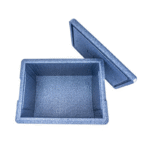
Pour achat de boîtes isothermes, le choix des matériaux n'est pas un concours de popularité. C'est un métier d'isolant, durabilité, efficacité du cube, et simplicité opérationnelle. La plupart des acheteurs comparent quatre familles: PSE, EPP, Mousse PU, et systèmes basés sur VIP.
Pense comme ça: si le fret est pénible, l'efficacité du cube compte. Si les dommages sont douloureux, la durabilité compte. Si le risque de température est douloureux, l'isolation et le contrôle des processus sont les plus importants.
EPS contre EPP contre PU contre VIP (comparaison conviviale pour l'acheteur)
| Option | Force typique | Compromis typique | La meilleure solution pour vous |
|---|---|---|---|
| PSE | Faible coût unitaire, commun | Peut craquer, déchets à sens unique | Voies courtes, expédition aller simple |
| EPP | Difficile, réutilisable, résistant à l'impact | Coût initial plus élevé | Réutiliser les boucles, manipulation brutale |
| Mousse PU | Forte isolation dans les constructions rigides | Empreinte en vrac et de stockage | Voies plus longues nécessitant de la stabilité |
| Systèmes VIP | Très haute isolation en parois minces | Coût plus élevé, nécessite une manipulation prudente | Charges utiles de grande valeur, limites serrées des cubes |
Outil de décision: choisissez une « classe de risque de voie » dans 90 secondes
Donnez chaque facteur 0–2 points (0 = faible, 2 = élevé).
Tenir le temps: sous 24h (0) / 24-48h (1) / 48-96h (2)
Risque ambiant: bénin (0) / saisonnier (1) / chaleur/froid extrême (2)
Sensibilité du produit: tolérant (0) / modéré (1) / strict (2)
Risque opérationnel: équipe formée (0) / mixte (1) / chiffre d'affaires élevé (2)
Interprétation des partitions:
0–3: Isolation standard + simple paquet de gel-sortir peut suffire.
4–6: Améliorez l'isolation et envisagez le PCM pour stabiliser votre bracelet.
7–8: Envisagez des solutions de classe VIP et des contrôles SOP plus stricts.
Conseils pratiques et recommandations
Si les cartons se cassent souvent: privilégier la durabilité au prix unitaire.
Si le poids volumétrique domine: d'abord à la bonne taille, alors pensez à VIP.
Si vous expédiez des climats mixtes: garder deux paquets (Été / hiver), pas un.
Exemple concret: Une marque de kits repas a réduit les réexpéditions en standardisant les boîtes de bonne taille et un modèle d'emballage reproductible.
Comment qualifier les boîtes isothermes avant la mise en ligne de l'approvisionnement en boîtes isothermes?
Les tests sont l'endroit où achat de boîtes isothermes devient défendable. Vous n'avez pas besoin d'un laboratoire géant pour démarrer. Vous avez besoin d'un plan reproductible, profils réalistes, et enregistrement de la température.
ISTA 7D est largement référencé comme procédure de test de performance thermique qui évalue les effets de l'exposition à la température externe sur les produits emballés.. Smithers Utilisez une réflexion de « style ISTA » même si vous n'achetez pas un rapport formel complet. La valeur est la méthode: profils, répétabilité, et règles de réussite/échec.
Que signifie « test thermique ISTA 7D » en anglais simple
Cela signifie que votre carton emballé subit des cycles de température qui imitent le stress réel du transport.. Vous surveillez les températures intérieures et voyez si votre charge utile reste à portée. Cela vous aide à répondre à la vraie question: "Est-ce que cela survivra aux retards de l'été?»
Plan de qualification des expéditeurs thermiques (copier / coller)
Définir la plage cible et l'excursion maximale autorisée.
Définir le temps de voie et ajouter un tampon de retard.
Choisissez un mannequin de charge utile standard (même masse à chaque test).
Verrouiller un modèle d'emballage (placement du liquide de refroidissement + étapes de fermeture).
Courir 3 essais par scénario avec des bûcherons:
Outils de décision utiles
Vérifiez les détails avant de choisir l'emballage
Ces outils rapides peuvent vous aider à comparer le risque d'itinéraire, besoins de dimensionnement, choix de liquide de refroidissement, et les détails de l'emballage avant de demander un devis.
01Estimation de la banquiseCalculateur d’accumulateurs de froid
Estimation de la quantité de pain de glace pour les expéditions réfrigérées et planification pratique des itinéraires.
Estimer les packs de glace02Guide du matérielRéférence du matériau isolant
Comparez les choix de matériaux d'isolation pour différents besoins d'emballage de la chaîne du froid.
Comparez les matériaux03Gérer le risqueRésistance aux chutes du matériau isolant
Examinez la résistance aux chutes et les facteurs de manipulation avant de choisir des matériaux d'isolation..
Vérifier la résistanceun dans le noyau de charge utile
un espace aérien dans la boîte
Teste au moins: profil chaud, profil froid, et étape de retard.
Documenter les résultats + emballage final avec des photos et une liste de contrôle d'une page.
Re-qualifier lors de la boîte, fournisseur, voie, charge utile, ou changement de liquide de refroidissement.
Scénarios à inclure
| Scénario | Ce qu'il simule | Ce que tu apprends | Ce que cela signifie pour vous |
|---|---|---|---|
| Journée chaude | Chargement d'été + dernier kilomètre | Risque de température maximale | Empêche la fonte et la détérioration |
| Retard | Encombrement des dépôts | Stabilité dans le temps | Réduit les pannes « aléatoires » |
| Manutention | Gouttes/empilement | Résilience structurelle | Moins de réclamations pour dommages |
Conseils pratiques et recommandations
Exécutez un « test de mauvais emballage »: placez-en un pack de liquide de refroidissement tort volontairement.
Utiliser des photos pour la formation: les photos battent le texte dans des entrepôts très fréquentés.
Ajouter une discipline d'étalonnage: si vous comptez sur la surveillance, tenir des registres.
Pour les expéditions d'air, rappelez-vous également les questions de documentation. Les réglementations de contrôle de la température de l'IATA mettent l'accent sur l'utilisation d'exigences d'emballage et de documentation à jour pour réduire les pertes pour Produits sensibles à la température.
Exemple concret: Un expéditeur pharmaceutique a découvert une faiblesse de fermeture seulement après avoir ajouté une étape de retard de 8 heures. Le réparer tôt a empêché les excursions répétées.
Comment réaliser un audit de fournisseur de boîtes isothermes qui évite toute dérive de qualité?
Un fournisseur qui peut « faire un échantillon » n’est pas la même chose qu’un fournisseur qui peut le répéter dans chaque lot. Achat de boîtes isothermes échoue lorsque les dimensions dérivent, changements de densité de mousse, ou les fermetures varient.
Si vous opérez selon des attentes de type PIB, les contrôles et la documentation de vos fournisseurs doivent être faciles à auditer et cohérents. EUR-Lex Ce n'est pas de la paperasse en soi. C'est ainsi que vous évitez les changements silencieux qui nuisent aux performances.
Liste de contrôle d'audit des fournisseurs de boîtes isothermes
Changer le contrôle: Qu'est-ce qui déclenche un changement de matériau ou d'outillage, et comment êtes-vous averti?
Dimensions critiques: Quelles tolérances sont mesurées par lot (ajustement du couvercle, épaisseur de paroi, placement des panneaux)?
Traçabilité des lots: Peuvent-ils lier les produits finis aux lots de matières premières?
Dossiers CQ: Documentent-ils les arrivées, en cours, et inspection finale?
Actions correctives: Comment enquêtent-ils et préviennent-ils les défauts répétés ??
Tableau de bord des fournisseurs pour l'approvisionnement en boîtes isothermes (100 points)
| Zone de score | Que vérifier | Points | À quoi ressemble le « bien » |
|---|---|---|---|
| Performance thermique | Données de test + taux de réussite | 25 | Profils clairs et données brutes |
| Contrôle de fabrication | QC + traçabilité | 20 | Marquage et enregistrements des lots |
| Contrôle dimensionnel | Tolérances + ajuster | 15 | Joint et ajustement du couvercle reproductibles |
| Prise en charge du pack-out | AMADOUER + atouts de formation | 15 | Guide visuel, étapes faciles |
| Capacité et délai | Stabilité de la haute saison | 15 | Tampons et plans de sauvegarde |
| Comportement de contrôle du changement | Discipline de notification | 10 | Processus écrit et délais |
Conseils pratiques et recommandations
Demandez une « histoire de mauvais lot » et comment ils l'ont réparé. Des réponses honnêtes réduisent les risques.
Exiger des échantillons de production (pas des prototypes) avant d'approuver.
Qualifier deux fournisseurs lorsque cela est possible: un primaire, une sauvegarde.
Exemple concret: Un distributeur a isolé un lot défectueux quelques heures après avoir exigé les codes de lot sur les expéditeurs isolés.
Comment fixer le prix de l'achat de boîtes isothermes en utilisant le coût total de possession?
Le prix unitaire est le chiffre le plus fort et souvent le moins utile. Achat de boîtes isothermes les coûts incluent également le fret, travail, masse de liquide de refroidissement, détérioration, et revient. Si vous les ignorez, vous achèterez des coffrets « cheap » qui deviennent chers.
Tableau du coût total de possession (vue simple)
| Inducteur de coûts | Que mesurer | Coût caché typique | Ce que cela signifie pour vous |
|---|---|---|---|
| Fret | Poids volumétrique | Les cartons surdimensionnés gonflent les tarifs | Coûts d'expédition inférieurs lorsqu'ils sont de bonne taille |
| Liquide de refroidissement | $ par expédition | La surutilisation ajoute du poids et des dépenses | Des températures plus stables avec moins de masse |
| Travail | Secondes par emballage | Lignes lentes et plus d'erreurs | Débit plus élevé |
| Réclamations | Taux de dégâts/excursions | Réexpéditions + remboursement | Protège la marge et la marque |
| Les géants marchent | Taux de retour + nettoyage | Détection et fret inversé | Coût réel par voyage |
Mini outil d'équilibre: réutilisable vs jetable (rapide)
Répondre Oui / En partie / Non.
Pouvez-vous récupérer les conteneurs >60% du temps?
Le conteneur survivra-t-il >10 tourne dans votre réalité de gestion?
Votre taux actuel de détérioration/dommages/excursion est-il ? >1%?
Interprétation:
Surtout Non: optimiser d'abord les allers simples, se concentrer sur le bon dimensionnement et les SOP.
Mixte:** exécuter un projet pilote hybride sur les voies principales.
Surtout Oui: L’achat de boîtes isothermes réutilisables rapportera probablement.
Conseils pratiques et recommandations
Suivre le « coût par livraison réussie »,» pas de coût par boîte.
Modéliser les échecs de l’été comme une ligne de coûts, pas une exception.
Si le transport aérien: L’optimisation du poids dimensionnel est souvent le principal levier.
Exemple concret: Une équipe payée 15% plus par expéditeur mais perte de moitié, réduire les coûts totaux alors que les réexpéditions se sont effondrées.
Comment l'achat de boîtes isothermes peut-il soutenir la durabilité sans risque plus élevé?
Les gains en matière de développement durable sont plus rapides lorsque vous réduisez les pertes de produits et le suremballage.. Quand vous évitez la détérioration, l'impact dépasse souvent les petits échanges matériels. Pour les expéditeurs de produits alimentaires, c'est important parce que les États-Unis. le gaspillage alimentaire est estimé à 30–40% de l'approvisionnement alimentaire.
Dans achat de boîtes isothermes, la durabilité vient généralement d’un bon dimensionnement, réduction de la masse du liquide de refroidissement, et réutiliser là où les boucles de retour ont du sens. Cela vient également de moins de SKU et de moins de livraisons échouées.
Auto-vérifiez: votre approvisionnement en boîtes isothermes est-il durable et écurie?
Donnez-vous 1 indiquer pour chaque « oui ».
Suivez-vous les taux d'excursion et de détérioration par voie et par saison?
Dimensionnez-vous les boîtes pour réduire le poids volumétrique?
Organisez-vous des pack-outs d'été et d'hiver (pas une installation toute l'année)?
Mesurez-vous la masse de liquide de refroidissement par expédition et l'optimisez-vous avec des tests?
Avez-vous un projet pilote de réutilisation où les retours sont prévisibles?
Mettez-vous au rebut les boîtes réutilisables endommagées avec une règle claire?
Guide de notation
0–2: commencez par la validation des voies et le bon dimensionnement.
3–4: ajouter des emballages saisonniers et une optimisation du liquide de refroidissement.
5–6: étendre les rapports sur la réutilisation et le cycle de vie.
Exemple concret: Un distributeur régional a réduit sa consommation de liquide de refroidissement pendant les mois doux en standardisant les emballages saisonniers..
2026 dernières tendances en matière d'approvisionnement en boîtes isothermes que vous devriez planifier
Dans 2026, les acheteurs passent des « boîtes d’achat » à « l’achat de performances vérifiées ». Cela ressemble beaucoup Vaccin chaîne du froid discipline. Les approches d’achat de glacières pour vaccins de l’OMS et de l’UNICEF mettent l’accent sur des exigences de performance standardisées et des modalités d’achat contrôlées.. Extranet de l'OMS+1
Attendez-vous également à des attentes plus fortes en matière de documentation pour le transport et la manutention.. Dans la logistique aérienne, L'IATA incite les acheteurs à utiliser les exigences et la documentation actuelles en matière d'emballage pour réduire les pertes lors des expéditions sensibles à la température..
Derniers développements en un coup d'œil
Plus de qualifications basées sur les couloirs: moins de colis, chacun lié à un vrai profil de voie.
Plus de surveillance dans les pilotes: les enregistreurs sont utilisés pour trouver des modèles, pas blâmer.
Plus de responsabilité des fournisseurs: des tolérances plus strictes et un contrôle des modifications plus clair.
Plus d’accent sur la « simplicité opérationnelle »: des emballages qu'un nouveau travailleur peut suivre rapidement.
Une vision du marché sur laquelle vous pouvez agir
Si votre emballage nécessite des « travailleurs parfaits »," cela échouera à grande échelle. Les programmes gagnants d’approvisionnement en boîtes isothermes conçus pour les humains normaux: photos claires, étapes courtes, et tampons intégrés.
Questions courantes sur l'achat de boîtes isothermes
Q1: Qu'est-ce que l'achat de boîtes isothermes en une phrase?
L'achat de boîtes isothermes précise, qualification, achat, et contrôler les expéditeurs isolés afin que vos produits restent à portée sur les voies réelles.
Q2: Quel est le moyen le plus rapide de réduire le risque d'échec?
Écrivez une spécification claire, verrouiller une SOP d'emballage, puis exécutez un test de profil à chaud plus une étape de retard.
Q3: Les boîtes plus épaisses fonctionnent-elles toujours mieux?
Non. Qualité de fermeture, ajuster, et le placement du liquide de refroidissement peut battre une épaisseur supplémentaire avec une mauvaise étanchéité.
Q4: Quelles preuves de test dois-je demander en premier?
Demandez des tests de profil thermique simulés par voie (été et hiver) et photos d'emballage, aligné sur votre règle de réussite/échec. ISTA 7D est couramment référencé pour l'évaluation de l'exposition thermique. Smithers
Q5: Combien de fournisseurs dois-je qualifier?
Lorsque cela est possible, qualifier au moins deux fournisseurs afin que les perturbations de la haute saison n'interrompent pas les expéditions.
Q6: Quelle documentation est la plus importante pour les expéditions aériennes?
Les exigences en matière d’emballage et la discipline en matière de documentation sont importantes dès le début, parce que les erreurs coûtent cher à corriger plus tard.
Résumé et recommandations
L’achat de boîtes isothermes fonctionne lorsque vous le traitez comme un programme de performance. Commencez par la réalité de la voie, puis écrivez une spécification que les fournisseurs ne peuvent pas esquiver. Validez avec des tests simulés sur voie et un court pilote, et documentez un emballage que votre équipe peut répéter. Auditer les fournisseurs pour le contrôle des changements et la cohérence dimensionnelle afin que les performances ne dérivent pas. Enfin, modéliser le coût total de possession afin que vous achetiez le coût le plus bas par livraison réussie, pas le prix unitaire le plus bas.
Étapes suivantes (un plan simple sur 7 jours)
Rédigez un dossier d'approvisionnement en boîtes isothermes d'une page pour votre voie supérieure.
Présélectionnez 2 à 3 fournisseurs et envoyez le tableau des appels d'offres à réponse obligatoire.
Courir 3 tests de profil à chaud et incluent une étape de retard.
Créez une SOP d'une page avec des photos et des règles de timing.
Pilotez 20 à 50 expéditions réelles avec surveillance, puis gelez la spécification.
À propos du Tempk
Et Tempk, we help chaîne du froid teams build packaging systems that perform in real lanes. Nous nous concentrons sur les résultats pratiques: protection contre la température stable, emballages rapides, et la documentation qui soutient les audits. Nous soutenons les programmes d'expédition isothermes jetables et réutilisables., y compris des conseils sur l'appariement des liquides de refroidissement et la planification de la qualification.
CTA: Partagez votre plage de température cible, temps de couloir, et taille de charge utile. Nous vous recommanderons une approche globale et un plan de qualification simple que vous pourrez valider avec des enregistreurs de température..