Mis à jour le: Peut 26, 2026
Fabricant de caisses en plastique isolées pour l'exportation de produits chimiques: Comment choisir avec moins de risques
L'expression isolée fabricant de caisses en plastique pour l'exportation de produits chimiques, cela ressemble à une recherche de fournisseurs, mais c'est vraiment une question de contrôle des risques. Avant prix ou couleur, les acheteurs doivent savoir si la conception isolée prend en charge le flux de travail réel d'exportation de produits chimiques: chargement, mise en scène, transport, recevoir, lavage, et réutiliser. Si ces détails ne sont pas définis, un conteneur qui semble approprié dans un catalogue peut créer des retards et des problèmes de qualité après la première expédition.
Réponse pratique
UN fabricant de caisses en plastique isolées pour l'exportation de produits chimiques est adapté lorsque le conteneur proposé et le processus du fournisseur prennent en charge la charge utile, itinéraire, processus de retour, méthode de nettoyage, et attentes en matière de documentation pour l'exportation de produits chimiques. Elle ne doit pas être approuvée uniquement parce que la fonctionnalité semble pertinente. L'achat le plus sûr est celui soutenu par des tests d'échantillons, réponses claires des fournisseurs, et une vue réaliste de l'endroit où le conteneur s'arrête et où commence le processus d'exploitation.
La véritable décision d'achat derrière cette recherche
Pour les programmes d’exportation ou d’importation, le parcours comprend un temps d'attente administrative. Examen des douanes, contrôles de documents, cales d'inspection, et les heures limites du transporteur peuvent modifier la durée pendant laquelle le produit reste en dehors du stockage idéal.. Le conteneur ne peut pas éliminer ce risque à lui seul, mais cela peut rendre le processus plus facile à inspecter, séparer, réétiqueter, et récupérer lorsqu'une expédition est retardée.
Le choix d'un conteneur doit commencer par la voie. Carte où la charge utile est remplie, où il attend, qui le touche, comment il est chargé, et où le destinataire prend une décision d'acceptation. Cela transforme une vague demande de produit en un ensemble de conditions opératoires. Pour l'exportation de produits chimiques, les moments importants sont souvent les passations de pouvoir: une palette se trouve sur un quai, un employé trie les retours, un transporteur change de véhicule, ou un récepteur ouvre une charge avant de la déplacer vers un stockage contrôlé.
L'itinéraire détermine également le profil d'abus. Un entrepôt propre a besoin de priorités différentes de celles d'une cale mouillée, une piscine à rendement mixte, ou une voie d'exportation transfrontalière. Avant de demander un devis, lister le pire jour ordinaire plutôt que le meilleur jour possible. Cela signifie la plus longue attente, l'ascenseur le plus difficile, le sol le plus humide, la palette la plus encombrée, et le manutentionnaire le moins expérimenté qui utilisera quand même correctement le conteneur.
La décision finale du fournisseur doit être rédigée sous forme d'hypothèse d'exploitation.: ce conteneur transportera cette charge utile, dans cet itinéraire, selon ces règles de nettoyage, avec ces étiquettes, géré par ces personnes, et accepté au titre de ces chèques de réception. Quand l'hypothèse est écrite, les lacunes deviennent visibles. Si l'on s'attend à ce que le conteneur fasse plus que ce que sa conception permet, changer la conception, le processus, ou l'attente avant de passer une commande groupée.
Ajuster le conteneur à la charge utile, Itinéraire, et flux de retour
Dans cette application, le conteneur doit aider les équipes à préparer les exportations de produits chimiques afin que le conteneur de manutention favorise la protection et l'organisation sans remplacer l'emballage de marchandises dangereuses ou la documentation d'exportation requise.. Une caisse rigide ou isolée peut réduire les dommages de manutention, mais cela ne détermine pas la classe de danger, Exigences d'emballage de l'ONU, ou acceptation par la compagnie aérienne.
Un acheteur doit également réfléchir à la manière dont les travailleurs se comportent sous la pression du temps.. Si un conteneur est difficile à ouvrir, se bloque à vide, ou nécessite un mouvement de pliage précis, les gens trouveront des raccourcis. Les raccourcis deviennent des risques de qualité. Une conception pratique doit être facile à utiliser correctement pendant le quart de travail le plus chargé, pas seulement lors d'un examen d'échantillons dans une salle de réunion.
La valeur pratique d'une conception isolée est qu'elle résout un problème opérationnel sans en créer un autre.. Dans cette application, il devrait permettre un gain de chaleur réduit pendant la mise en scène, meilleure protection lors des transferts, et une planification d'emballage plus prévisible lorsqu'elle est associée au bon liquide de refroidissement. Ces avantages n'apparaissent que lorsque le flanc, jante, base, fermeture, et les zones d'étiquette correspondent à la charge utile réelle. Un conteneur qui convient parfaitement à un itinéraire peut s’avérer délicat sur un autre si la méthode de manutention change.
N'évaluez pas isolé comme un mot sur une fiche technique. Demandez comment fonctionne la géométrie. Une jante peut aider à la stabilité mais réduire l'espace utilisable. Un évent peut améliorer la circulation de l'air mais exposer le produit à la poussière ou à l'eau. Un sceau peut protéger les étiquettes mais emprisonner la condensation. Un mur pliable peut réduire le volume de retour mais ajouter des zones de charnières qui nécessitent une inspection. La bonne réponse dépend de la charge utile et de la routine de nettoyage.
Les principales caractéristiques vérifiées pour cette recherche sont l'ajustement du couvercle., continuité de l'isolation dans les coins, compatibilité du liquide de refroidissement, espace de charge utile utilisable après l'ajout de doublures ou de packs, preuves de test pour l'itinéraire prévu. Ce ne sont pas des détails décoratifs. Ils affectent la vitesse de chargement, confiance en matière de nettoyage, comportement des palettes, approbation de l'échantillon, et si le conteneur peut être utilisé à plusieurs reprises sans créer de points de défaillance cachés.
Que vérifier avant d'approuver un échantillon
Un examen pratique de l'acheteur devrait traduire la longue phrase en questions mesurables. Le tableau ci-dessous maintient la discussion sur pied sans inventer des chiffres de performance universels. Utilisez-la comme exemple de liste de contrôle d'approbation et adaptez-la à votre système qualité interne..
| Point de contrôle de l'acheteur | Que confirmer | Pourquoi ça compte |
|---|---|---|
| Ajustement de la charge utile | Confirmez si la caisse en plastique convient aux fûts de produits chimiques scellés, bouteilles, réactifs de laboratoire, additifs spéciaux, échantillons sensibles à la température, et des cartons prêts à l'exportation sans écrasement, espace libre excessif, ou un levage difficile. | L'ajustement du produit évite les dommages et le chargement lent. |
| Ajustement des fonctionnalités | Vérifier l'ajustement du couvercle, continuité de l'isolation dans les coins, compatibilité du liquide de refroidissement. | La conception isolée devrait résoudre un véritable problème de flux de travail, pas seulement ajouter une fonctionnalité de catalogue. |
| Nettoyage et réutilisation | Définir le lavage, séchage, inspection, ségrégation, et les règles de retraite. | Les emballages réutilisables deviennent risqués lorsque la boucle de retour n’est pas maîtrisée. |
| Limite de la documentation | Identifier si la nourriture, chimique, médical, biotechnologie, fruit de mer, exporter, ou des enregistrements de température sont requis. | Un contenant en plastique supporte les enregistrements mais ne les remplace pas. |
| Préparation du fournisseur | Demandez des échantillons, dimensions, informations importantes, approche de contrôle du changement, et cohérence des commandes groupées. | La discipline des fournisseurs fait partie de la performance du produit. |
Le tableau est délibérément structuré autour de la vérification plutôt que des promesses.. C’est important car le même conteneur peut être performant sur un itinéraire et mauvais sur un autre.. Une fois qu'un fournisseur répond à ces questions, l'acheteur peut décider si un modèle standard suffit ou si des dimensions personnalisées, inserts, étiquetage, isolation, ou une autre famille de packaging est nécessaire.
Une liste restreinte pratique comporte trois niveaux. D'abord, supprimer les fournisseurs qui ne peuvent pas expliquer les dimensions de base, informations importantes, et des contrôles d'échantillons. Deuxième, tester des échantillons par rapport à votre itinéraire de manipulation réel. Troisième, examiner la documentation et la stabilité commerciale avant la mise à l'échelle. Cette séquence évite un problème courant: approuver un bel échantillon et découvrir plus tard que les unités de production, documents, ou les délais de livraison ne prennent pas en charge le programme.
Quand la caisse en plastique ne suffit pas
La compatibilité doit être vérifiée par rapport au produit réel. Les emballages alimentaires nécessitent un examen approprié de leur utilisation prévue. Les programmes chimiques nécessitent un examen des FDS et de la compatibilité des matériaux. Les programmes de laboratoire et de biotechnologie nécessitent une ségrégation et un examen du système qualité. Les flux de travail des fruits de mer et de la viande nécessitent des contrôles d'hygiène et de manipulation humide. Une revendication de conteneur universel n'est suffisante pour aucun de ces environnements.
Pour les marchandises réglementées ou sensibles à la sécurité, les documents comptent. Les acheteurs peuvent avoir besoin d'informations FDS, examen du contact alimentaire, procédures de transport sanitaire, Dossiers HACCP, règles de libération de qualité, enregistrements de température, ou documentation du marché de destination en fonction du produit. Le conteneur devrait faciliter l'application de ces contrôles: étiquettes claires, séparation de lot visible, surfaces propres, fermetures prévisibles, et charges stables.
Les exportateurs devraient consulter la FDS, exigences du marché de destination, classe de danger, compatibilité des emballages, étiquetage, et mode de transport avant d'approuver un système de conteneurs. C'est pourquoi une conversation avec un fournisseur doit séparer les fonctionnalités des conteneurs de la responsabilité réglementaire.. UN boîte en plastique peut soutenir un processus documenté, mais cela ne prouve pas que le produit, voie, ou les exigences du destinataire sont satisfaites.
Le conteneur peut prendre en charge le contrôle de la température en réduisant l'exposition directe, organiser le liquide de refroidissement, empêchant l'isolation écrasée, ou améliorer l'inspection à la réception. Cela peut également créer des problèmes s’il emprisonne l’air chaud, bloque le flux d'air, concentre le liquide de refroidissement contre les articles sensibles au gel, ou rend les enregistreurs de température difficiles à récupérer. Le meilleur emballage n'est pas le plus froid; c'est celui qui correspond aux exigences du produit.
Si l'envoi est sensible à la température, demander les conditions de fonctionnement derrière toute déclaration de performance. Un temps de maintien indiqué a peu de valeur sans le profil ambiant, masse de charge utile, disposition de l'emballage, type de liquide de refroidissement, critères d'acceptation, et si le test reflète l'itinéraire. Pour l'industrie pharmaceutique, laboratoire, biotechnologie, fruit de mer, viande, ou programmes de boissons fraîches, l'équipe qualité doit approuver la plage de température et les preuves nécessaires.
Les directives officielles et les procédures qualité internes doivent être utilisées comme conditions limites plutôt que comme allégations marketing.. Les exigences varient selon le produit, itinéraire, mode de transport, et le marché, l'acheteur doit donc vérifier les règles spécifiques avant de transformer une fonctionnalité de conteneur en déclaration de conformité.
Outils de décision utiles
Vérifiez les détails avant de choisir l'emballage
Ces outils rapides peuvent vous aider à comparer le risque d'itinéraire, besoins de dimensionnement, choix de liquide de refroidissement, et les détails de l'emballage avant de demander un devis.
Référence du matériau isolant
Comparez les choix de matériaux d'isolation pour différents besoins d'emballage de la chaîne du froid.
Comparez les matériauxCalculateur de glace carbonique
Estimer les besoins en glace carbonique pour les envois congelés ou ultra-froids avant l'emballage.
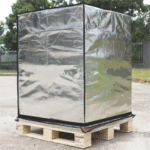
Estimation de la neige carboniqueDoublure de boîte & Dimensionnement des couvertures de palettes
Vérifiez la logique de dimensionnement du revêtement de boîte et du couvercle de palette pour les projets d'emballage isotherme.
Dimensionnement estiméExamen des fournisseurs pour les commandes groupées ou personnalisées
Pour les commandes groupées ou personnalisées, la cohérence de l’échantillon à la production est importante. Un prototype peut être réalisé avec soin, alors que la production de masse dépend de la maîtrise des outillages, consistance de la résine, temps de refroidissement, tolérance dimensionnelle, et inspection finale. Les acheteurs doivent conserver un échantillon approuvé, définir les dimensions critiques, positions des étiquettes de photographie, et convenir de la manière dont les substitutions ou les modifications de conception seront communiquées avant la production.
Délai de mise en œuvre, Quantité minimale de commande, et la personnalisation doit être discutée comme des risques opérationnels, pas seulement des conditions commerciales. Une commande urgente qui change de résine, colorant, conception de charnière, ajustement du couvercle, ou l'épaisseur de la paroi peut créer un récipient différent de celui de l'échantillon. Lorsque le conteneur supporte une démarche qualité ou export, le contrôle du changement fait partie de la discipline des achats.
Un fournisseur doit pouvoir discuter de plus que le prix unitaire. Demander des informations matérielles, dimensions, volume utilisable, attentes de tolérance, exemple de politique, choix de couleurs, détails de fermeture, conseils de nettoyage, options d'étiquetage, méthode d'emballage, et comment les unités de production sont vérifiées par rapport aux échantillons approuvés. Si le produit sera utilisé à plusieurs reprises, demander comment les points d'usure sont inspectés et quels dommages devraient mettre une unité hors service.
L'article final le plus sûr pour un acheteur n'est pas celui qui dit qu'un conteneur spécifique est toujours le meilleur.. C'est celui qui montre où le produit s'intègre et où le processus doit supporter le risque restant.. Pour la chaîne du froid et la logistique sensible, cette distinction protège l'acheteur de la surachat, sous-spécification, ou demander à un récipient en plastique pour résoudre des problèmes nécessitant une conception d'emballage, surveillance, ou contrôle d'itinéraire.
Avant d'agréer un fabricant, demander au fournisseur de confirmer l'utilisation prévue, déclaration matérielle, dessin ou feuille de cotes, méthode d'emballage pour la livraison, délai de livraison de l'échantillon, délai de production, Points de contrôle CQ, et comment les unités non conformes sont traitées. Pour l'exportation de produits chimiques, ajouter des questions spécifiques à l'application concernant les exportateurs qui devraient consulter les FDS, exigences du marché de destination, classe de danger, compatibilité des emballages, étiquetage, et mode de transport avant d'approuver un système de conteneurs.
Exemple pratique: Créer un flux de travail d'exportation de produits chimiques plus sûr
Par exemple, un acheteur devra peut-être déplacer des fûts de produits chimiques scellés, bouteilles, réactifs de laboratoire, additifs spéciaux, échantillons sensibles à la température, et des cartons prêts à l'exportation via un entrepôt, une remise de transport, et une inspection du récepteur. L'équipe définit d'abord le poids de la charge utile, forme du carton, sensibilité à la température, méthode de nettoyage, exigences en matière d'étiquetage, et boucle de retour. Ce n'est qu'alors qu'il compare les fonctionnalités du conteneur. Dans cette séquence, la conception isolée devient un outil pour résoudre un problème connu plutôt qu'une préférence d'achat générique.
Imaginez un acheteur comparant deux échantillons. L'un a des murs plus épais et un prix plus élevé; l'autre s'emboîte mieux et économise de l'espace de retour. L'échantillon le moins cher peut être meilleur si la logistique vide domine le coût. L'échantillon le plus solide peut être meilleur en cas de réclamation pour dommages, manipulation brutale, ou le cumul des exportations constitue le principal risque. La bonne décision n’est pas le prix unitaire le plus bas; c'est l'option qui réduit la friction totale de fonctionnement.
Un scénario typique commence par une plainte relative à la qualité: les marchandises arrivent mouillées, les étiquettes sont illisibles, les conteneurs sont difficiles à nettoyer, ou les piles de palettes penchent pendant la mise en scène. L'équipe d'approvisionnement pourrait être tentée de changer de fournisseur immédiatement. Une meilleure première étape consiste à documenter le point de défaillance. Si le problème est de la condensation, une boîte étanche scellée peut aggraver la situation. Si le problème est le flux d'air, une conception ventilée peut aider. Si le problème est le temps d'arrêt, La planification de l'isolation et du liquide de refroidissement peut être plus importante que la forme du conteneur.
L'exemple montre pourquoi une spécification de conteneur ne doit pas être isolée de la liste de contrôle de réception. Si l'équipe ne peut pas décrire comment le chargement est inspecté, comment les unités réutilisables sont nettoyées, et quelles preuves soutiennent une décision en matière de température ou de sécurité, le fournisseur ne peut pas résoudre le problème seul.
Notes d'approvisionnement pour les projets groupés ou personnalisés
Les achats groupés doivent définir ce qui ne peut pas changer. Pour un fabricant de caisses isothermes en plastique pour l'exportation de produits chimiques, qui peut inclure des dimensions externes, espace interne utilisable, conception du couvercle, comportement d'imbrication ou d'empilement, couleur, zone d'étiquette, famille de matériaux, et nombre d'emballages par carton ou palette. Lorsque ces éléments sont traités comme des préférences plutôt que comme des exigences contrôlées, une nouvelle commande peut s'éloigner lentement de l'échantillon approuvé.
Les projets personnalisés doivent commencer par un dessin ou une exigence écrite, pas seulement une photo. Si la caisse en plastique doit s'adapter à une palette particulière, étagère, chambre réfrigérée, route pour camions, ou étape d'inspection, écrire ces contraintes dans la demande de prix. Si la conception implique une isolation, évents, joints, charnières, ou drainage spécial, confirmer comment ces éléments sont inspectés après la production.
Pour l'exportation de produits chimiques, la décision commerciale doit inclure des règles de retour et de retraite. Les conteneurs réutilisables nécessitent une méthode pour compter les actifs, séparer les retours sales, identifier les unités endommagées, et décider quand retirer une unité du service. Sans cette discipline, l'acheteur peut économiser sur les emballages jetables mais perdre le contrôle de la qualité et de la traçabilité.
Un devis final doit identifier ce qui est inclus et ce qui ne l'est pas. Le conteneur ne peut pas contenir de liquide de refroidissement, doublures, bûcherons de données, couvertures de palettes, étiquettes, documents d'exportation, ou qualification d'itinéraire, sauf si ces éléments font spécifiquement partie de la commande. Un champ d'application clair protège à la fois l'acheteur et le fournisseur contre tout malentendu ultérieur..
FAQ
Dois-je choisir une taille personnalisée ou un modèle standard?
Les modèles standards sont généralement plus faciles à échantillonner, réorganiser, et remplacer. Le dimensionnement personnalisé est logique lorsque la charge utile, empreinte de palette, manutention automatisée, disposition du liquide de refroidissement, ou les exigences de marque ne peuvent pas être résolues avec une option standard. Avant de personnaliser, confirmer les dimensions critiques et la manière dont les changements seront contrôlés pendant la production.
Que dois-je demander à un fabricant avant de commander des échantillons?
Demandez les dimensions, volume utilisable, informations importantes, guidage de charge, détails de fermeture, recommandations de nettoyage, options d'étiquetage, contrôles de l'échantillon à la production, et tout document spécifique à l'application. Si le produit est un aliment, chimique, médical, biotechnologie, fruit de mer, ou sensible à la température, ajouter des questions sur la compatibilité, documentation, et des preuves de test qui correspondent à l'itinéraire prévu.
Quelle documentation est importante pour les envois sensibles?
La documentation dépend de la cargaison. Les programmes alimentaires peuvent avoir besoin de registres de contact avec les aliments et de nettoyage. Les programmes chimiques peuvent nécessiter un examen des FDS et des marchandises dangereuses. Médical, laboratoire, et les expéditions biotechnologiques peuvent nécessiter une plage de température, surveillance, et les enregistrements du système qualité. Les programmes de fruits de mer et de viande peuvent nécessiter des mesures d'hygiène, HACCP, inspection, ou documentation relative au marché d'exportation.
Comment comparer le prix unitaire avec le coût total d'exploitation?
Regardez au-delà du prix du conteneur. Inclure les frais de retour, marchandises endommagées, temps de nettoyage, étiquettes perdues, stabilité des palettes, vitesse du travailleur, espace de stockage, et charges rejetées. Une unité plus chère peut être moins chère en pratique si elle réduit les échecs de manipulation. Une unité moins coûteuse peut convenir lorsque l’itinéraire est simple et que le risque est faible.
Une caisse en plastique isolée est-elle suffisante pour l'exportation de produits chimiques?
Pas tout seul. Il peut prendre en charge la manipulation, protection, efficacité de retour, flux d'air, isolation, ou contrôle de l'humidité selon la conception, mais le processus complet nécessite encore une définition de la charge utile, règles de nettoyage, recevoir des chèques, et tout contrôle de température ou de documentation requis. Pour les produits réglementés, l'équipe qualité ou conformité doit confirmer les exigences finales.
Conclusion
Un fabricant de caisses en plastique isolées pour l'exportation de produits chimiques ne doit être choisi qu'après le parcours, charge utile, routine de nettoyage, preuve du fournisseur, et les limites de la documentation sont claires. La conception isolée peut ajouter une réelle valeur ajoutée à l'exportation de produits chimiques, surtout lorsqu'il permet un gain de chaleur réduit lors de la mise en scène, meilleure protection lors des transferts, Planification d'emballage plus prévisible lorsqu'elle est associée au bon liquide de refroidissement. Cela ne remplace pas les exigences spécifiques au produit, planification de la température, FDS ou examen de la sécurité alimentaire, ou des décisions de libération de qualité. La meilleure étape suivante consiste à rédiger une courte spécification de cas d'utilisation., tester des échantillons dans des conditions réelles de manipulation, et confirmer quelles preuves sont requises avant de commander en gros.
À propos du Tempk
Fournitures temporaires emballage chaîne du froid produits et aide à la planification pour la livraison de nourriture, expédition d'échantillons pharmaceutiques et de laboratoire, fruits de mer et exportation surgelés, et programmes de fret palettisés. Lorsqu'un acheteur envisage un fabricant de caisses en plastique isolées pour l'exportation de produits chimiques, notre rôle est d'aider à clarifier la partie chaîne du froid de la décision: isolation, fluide de refroidissement, exposition par voie, protection de palette, exemple d'examen, et exigences en matière d'emballage en vrac ou personnalisé. Cela maintient le débat sur les conteneurs connecté aux conditions réelles d’expédition.
Partagez votre itinéraire d'exportation de produits chimiques, charge utile, conditions de stockage, et les exigences en vrac ou personnalisées avec Tempk afin que la discussion puisse passer d'une caisse en plastique générique à une recommandation d'emballage pratique.