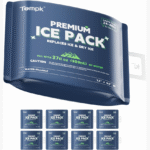
Sélection de boîtes isothermes pour une expédition fiable sous la chaîne du froid
Une boîte isotherme doit être sélectionnée à partir de l'envoi vers l'arrière. Commencez par l'état du produit, exposition par voie, Taille de la charge utile, plan de refroidissement, et processus de réception, puis décidez quel format de boîte peut prendre en charge ce travail. Le contenant compte, mais ce n'est qu'une partie d'un système de contrôle passif de la température. Si vous achetez le coffret avant de définir le parcours, vous pourriez vous retrouver avec un emballage qui semble solide mais qui ne peut pas supporter le risque réel de la chaîne du froid.
La décision d’achat la plus solide est fondée sur des preuves. Il sépare ce que la boîte peut faire, ce que doit faire le liquide de refroidissement, ce que l'enregistreur enregistre, et ce que l'opérateur doit faire pendant l'emballage et la réception. C'est la différence entre acheter un conteneur et mettre en place un processus d'expédition fiable..
Décidez du niveau de contrôle dont l’envoi a réellement besoin
Tous les envois utilisant une boîte isotherme ne nécessitent pas le même niveau de contrôle.. Un itinéraire local de livraison de repas peut nécessiter un tampon de température, hygiène, empilabilité, et nettoyage facile. Un colis de fruits de mer réfrigérés peut nécessiter une protection thermique plus forte, contrôle des fuites, et un emballage aller simple testé. Un envoi de produits pharmaceutiques ou de diagnostic peut également nécessiter un historique de température documenté., critères d'acceptation définis, et examen de la qualité.
La première étape consiste à classer le besoin d'expédition. Essayez-vous de réduire les variations de température lors de courtes manipulations, maintenir un état réfrigéré ou congelé grâce à un itinéraire de colis, protéger un produit sensible au gel, ou soutenir une procédure de distribution réglementée? Ce sont des métiers différents. Une boîte de livraison réutilisable, un expéditeur isotherme à usage unique, une glacière à vaccins, un système passif qualifié, et un conteneur actif ne sont pas interchangeables simplement parce qu'ils impliquent tous une isolation.
Une boîte isolée ralentit le transfert de chaleur. Il ne crée pas de froid tout seul, prouver la conformité par lui-même, ou rendre chaque produit sûr pour chaque itinéraire. Si les marchandises démarrent dans un mauvais état, si le liquide de refroidissement n'est pas préparé correctement, ou si le destinataire laisse l'envoi non ouvert, la boîte peut préserver une défaillance de processus au lieu d'en empêcher une.
Construire la spécification à partir du produit, itinéraire, et charge utile
Une spécification utile commence par les exigences du produit. Confirmer la condition acceptable auprès du propriétaire du produit, étiquette, données de stabilité, ou procédure qualité. Certains produits nécessitent une réfrigération. Certains ont besoin de conditions gelées. Certains ne doivent pas geler. Certains sont acceptables à température ambiante contrôlée. Ne pas utiliser une seule hypothèse concernant la chaîne du froid pour tous les produits.
Suivant, tracer l'itinéraire. Inclure le temps d'emballage, temps d'attente avant le retrait, transit par transporteur, centres de tri, points de transbordement, contrôles douaniers ou de sécurité, livraison du dernier kilomètre, et le temps avant que le destinataire n'ouvre le colis. Si vous expédiez via un réseau de colis, vous ne pouvez pas contrôler chaque transfert. Si vous exploitez une route locale en boucle fermée, vous avez peut-être plus de contrôle, mais vous avez toujours besoin de discipline de conduite et de discipline.
La charge utile est la troisième ancre. Les dimensions internes ne sont pas les mêmes que l'espace de charge utile utilisable. L'espace utilisable est ce qui reste après isolation, liquide de refroidissement, séparateurs, matériaux absorbants, protection du produit, étiquettes, et les dispositifs de surveillance sont inclus. Si le produit doit être vertical, séparé du liquide de refroidissement, ou protégé de la condensation, l'espace utilisable devient plus petit.
C'est là que commencent de nombreuses erreurs d'achat. Les acheteurs comparent les dimensions extérieures et le prix, puis découvrez lors de l'emballage d'essai que le produit, liquide de refroidissement, et le bûcheron ne peuvent pas s'assembler sans improvisation. La meilleure méthode consiste à tester l'emballage prévu avec les dimensions réelles du produit avant d'approuver la boîte..
Choisissez le format de la boîte après avoir compris le modèle de fonctionnement
À usage unique expéditeurs isolés peut être pratique pour les envois de colis à sens unique, surtout lorsque les destinataires sont inconnus ou que la logistique de retour n'est pas réaliste. Ils doivent toujours être examinés pour leur résistance aux dommages, résistance du carton extérieur, voie d'élimination, et conditions d'emballage testées.
Réutilisable boîtes isolées peut bien fonctionner sur des itinéraires répétés où la boîte peut être retournée, nettoyé, inspecté, et redéployé. Ils peuvent convenir à la livraison d'épicerie, distribution de repas, prélèvement d'échantillons médicaux, réseaux de laboratoire, et logistique en agence. Leur succès dépend du taux de retour, contrôle des pertes, procédures de nettoyage, et règles de contrôle. Une boîte réutilisable sans système de retour n'est pas un programme de réutilisation; c'est juste un forfait aller simple plus cher.
Systèmes de panneaux haute performance, y compris les modèles de panneaux isolés sous vide, peut aider là où l’efficacité de la charge utile et la résistance thermique sont importantes. Ils nécessitent également une manipulation soigneuse et une inspection des dommages.. Les systèmes isolés à base de fibre ou de papier peuvent soutenir les objectifs d'élimination ou de durabilité dans certaines opérations, mais l'humidité, compression, et les preuves d'itinéraire doivent être vérifiées.
Le choix du matériau doit être lié au mode de défaillance. Si des cartons sont écrasés dans des fourgons, l'empilement et la résistance des murs sont importants. Si les cartons sont réutilisés, le nettoyage et l'usure de la fermeture sont importants. Si les cartons sont expédiés par colis, matière d'emballage extérieur et de protection des coins. Si le produit est réglementé, documentation et questions d'emballage reproductibles.
Demandez des preuves qui décrivent les conditions derrière la performance
Les allégations de performance ne sont utiles que lorsque vous pouvez voir les conditions qui les sous-tendent. Une déclaration concernant le temps de maintien ou la protection contre la température doit être appuyée par des détails.: profil ambiant, charge utile, condition de départ du produit, type de liquide de refroidissement, état du liquide de refroidissement, disposition de l'emballage, Placement de l'enregistrement, critères d'acceptation, et si la configuration testée correspond à la case citée.
Les références de l'industrie peuvent aider à structurer la conversation. Les tests de transport thermique et les normes de processus ISTA peuvent être pertinents pour conteneurs d'expédition isolés, mais un profil de test doit être comparé au parcours de l'acheteur. La boîte à outils du CDC sur le stockage et la manipulation des vaccins met l'accent sur la surveillance de la température et la manipulation correcte pour les programmes de vaccination.. Les ressources de l'OMS et de l'UNICEF distinguent les glacières, porte-vaccins, et d'autres conteneurs isolés utilisé avec packs de liquide de refroidissement. Les ressources de contrôle de la température de l'IATA sont utiles pour la gestion du temps du fret aérien- et expéditions sensibles à la température. Ces références ne font pas d’un boîtier une solution universelle, mais ils aident les acheteurs à poser des questions plus précises.
| Réclamation ou document | Ce qu'il devrait vous dire | Attention à l'acheteur |
|---|---|---|
| Déclaration de temps de maintien | Durée dans des conditions de test définies | Ne l'utilisez que si le profil ambiant, charge utile, et le liquide de refroidissement correspondent suffisamment à votre envoi |
| Instruction d'emballage | Méthode d'assemblage exacte pour le produit, liquide de refroidissement, séparateurs, et enregistreur | Si le personnel doit deviner, les performances peuvent ne pas être reproductibles |
| Enregistrement de température | Que s'est-il passé lors d'un essai ou d'une expédition | L'emplacement de l'enregistreur doit refléter le risque du produit, pas seulement la température des murs ou du liquide de refroidissement |
| Spécification matérielle | Type d'isolation et détails de construction | Le nom du matériau à lui seul ne prouve pas les performances de l'itinéraire |
| Processus de contrôle des modifications des fournisseurs | Quelle est la matière, couvercle, carton, ou les changements de liquide de refroidissement sont communiqués | De petits changements peuvent affecter l'ajustement, fermeture, et comportement thermique |
Utilisez ce tableau lors de l'examen des fournisseurs et de l'approbation interne. Cela rend la conversation pratique. Vous ne demandez pas un langage impressionnant; tu demandes des conditions, limites, et répétabilité.
Concevoir l'emballage avec autant de soin que la boîte
Le packout est la véritable version fonctionnelle de la boîte isotherme. Il décide où se trouve le produit, où se trouve le liquide de refroidissement, comment le flux d'air ou l'espace vide est géré, comment la condensation est contrôlée, où est placé l'enregistreur, et comment le couvercle se ferme. Un coffre-fort peut échouer avec un emballage faible. Une boîte raisonnable peut fonctionner correctement lorsque l'emballage est discipliné et adapté à l'itinéraire..
La sélection du liquide de refroidissement nécessite un soin particulier. Packs de gel, Matériaux à changement de phase, glace carbonique, et les autres réfrigérants se comportent différemment. Un liquide de refroidissement adapté aux aliments réfrigérés peut ne pas convenir à un médicament sensible au gel.. La glace carbonique peut être utile pour certaines expéditions congelées, mais cela peut entraîner des exigences supplémentaires en matière de transport et de sécurité et ne convient pas à chaque produit ou boîte..
La protection des produits fait partie de la conception des emballages. Ne laissez pas les objets fragiles bouger. Ne laissez pas les étiquettes devenir illisibles. Ne placez pas un enregistreur là où il enregistrera uniquement la température du liquide de refroidissement. Ne concevez pas un emballage qui ne fonctionne que lorsqu'un employé expérimenté l'assemble lentement.. Si l'équipe de l'entrepôt ne peut pas le répéter pendant un quart de travail chargé, la conception n'est pas opérationnellement prête.
Par exemple, un réseau de laboratoires peut avoir besoin d'une boîte isolée pour le transfert d'échantillons régionaux. L'équipe technique peut approuver la taille interne, mais l'essai d'emballage révèle que les conteneurs secondaires, matériau absorbant, liquide de refroidissement, et l'enregistreur laisse moins d'espace utilisable que prévu. La solution peut être un format interne différent, une disposition révisée du liquide de refroidissement, ou une taille de boîte différente. La leçon est simple: tester tout le pack, pas la boîte vide.
Outils de décision utiles
Vérifiez les détails avant de choisir l'emballage
Ces outils rapides peuvent vous aider à comparer le risque d'itinéraire, besoins de dimensionnement, choix de liquide de refroidissement, et les détails de l'emballage avant de demander un devis.
Référence du matériau isolant
Comparez les choix de matériaux d'isolation pour différents besoins d'emballage de la chaîne du froid.
Comparez les matériauxRésistance aux chutes du matériau isolant
Examinez la résistance aux chutes et les facteurs de manipulation avant de choisir des matériaux d'isolation..
Vérifier la résistanceGénérateur de liste de contrôle de conformité
Créer une liste de contrôle pratique pour l'examen des emballages, expédition, et documentation.
Construire une liste de contrôleCréez un processus de réception avant le départ du premier envoi
De nombreux problèmes de chaîne du froid apparaissent après la livraison, pas pendant la sélection des cases. Le récepteur peut ne pas savoir où se trouve l'enregistreur, à quelle vitesse ouvrir la boîte, ce que signifie l'alarme, ou quand mettre le produit en quarantaine. Si le produit est sensible ou réglementé, les instructions de réception doivent faire partie du plan d’expédition.
Définir qui vérifie l'état du colis, qui récupère l'enregistreur, qui examine le relevé de température, et que se passe-t-il si l'envoi semble chaud, endommagé, retardé, ou hors de portée. Une boîte ne peut pas prendre de décision de disposition. Cette décision appartient à la procédure qualité ou au propriétaire du produit.
Pour les expéditions de nourriture, la réception peut se concentrer sur l'état du produit, fuite, odeur, intégrité du colis, et délai après la livraison. Pour les expéditions diagnostiques et pharmaceutiques, la réception peut également inclure des données de température, étiquettes, étapes de la chaîne de traçabilité, et documentation. Les exigences varient selon le produit et le marché, le processus doit donc être approuvé par l'équipe responsable avant le déploiement.
Le processus de réception nourrit également l’amélioration. Si les enregistreurs affichent une exposition répétée à un certain point de transfert, la solution peut être la planification d'itinéraire, contrôle de mise en scène, un niveau de service différent, ou un emballage plus solide. Sans recevoir de données, les acheteurs peuvent continuer à changer de boîte sans trouver la véritable cause.
Questions des fournisseurs qui évitent des erreurs de mise à l'échelle coûteuses
Avant les achats groupés, poser au fournisseur des questions qui relient la conception du produit au contrôle de la production. Quelles sont les dimensions internes et externes? Quel est l'espace de charge utile utilisable avec le liquide de refroidissement recommandé? Quel matériau est utilisé, et quels changements déclencheraient une notification à l'acheteur? Comment nettoyer la boîte, inspecté, stocké, et retiré s'il est réutilisable?
Demandez si l'échantillon correspond aux unités de production. Un échantillon peut être réalisé avec soin, tandis que la production en vrac introduit des variations. Confirmer l'ajustement du couvercle, tension de fermeture, consistance du mur, ajustement du carton, placement des accessoires, et emplacement de l'étiquette. Si le fournisseur propose une personnalisation, demander comment les modifications personnalisées affectent les preuves thermiques. Une position différente du logo peut ne pas avoir d'importance, mais un couvercle différent, doublure, profil de mur, ou la disposition du liquide de refroidissement peut.
Demandez quelle documentation est disponible. En fonction du produit et du niveau de risque, vous aurez peut-être besoin d'instructions d'emballage, informations importantes, rapports de tests, enregistrements d'étalonnage pour les enregistreurs, ou une revue du profil ambiant. Ne demandez pas de vague promesse que la box est conforme. Demandez comment l'emballage prend en charge votre processus d'expédition spécifique.
Enfin, demander comment le fournisseur gère les plaintes et les changements. Si un envoi échoue, Le fournisseur peut-il aider à déterminer si le problème était dû à l'emballage, manutention, exposition par voie, condition de départ du produit, ou boîte endommagée? Si le matériau change, vous sera-t-il informé avant la production? Ces questions comptent plus qu’une brochure soignée.
La durabilité doit suivre la fiabilité, pas le remplacer
La durabilité fait désormais partie de nombreuses décisions en matière d'emballage, mais il ne faut pas le réduire à une seule étiquette. Les emballages réutilisables peuvent réduire les déchets lors d'itinéraires répétés, mais cela dépend de la logistique du retour, nettoyage, inspection, et contrôle des pertes. Une solution recyclable ou à base de fibres peut soutenir les objectifs d'élimination, mais il a encore besoin de preuves de route et de résistance à l'humidité. Un expéditeur performant peut réduire les pertes de produits, mais cela peut ajouter des coûts ou une complexité de gestion.
La boîte isotherme la plus responsable est celle qui protège le produit de manière fiable dans le cadre de l'opération réelle tout en répondant aux déchets de l'acheteur., retour, et contraintes de coûts. Un envoi rejeté gaspille du produit, travail, fret, conditionnement, et la confiance du client. La fiabilité fait partie de la durabilité car la défaillance d'un produit a sa propre empreinte.
Lors de l’évaluation des options réduisant les déchets, posez les mêmes questions que vous poseriez pour n'importe quelle boîte. Quel produit est protégé? Quel itinéraire est utilisé? Quelles preuves soutiennent la performance? Que se passe-t-il après utilisation? Qui nettoie ou élimine l'emballage? Comment le matériel endommagé est-il mis hors service? Si ces réponses sont claires, les objectifs de durabilité deviennent pratiques plutôt que décoratifs.
FAQ
Quel est le but principal d'une boîte isotherme?
L'objectif principal est de ralentir le transfert de chaleur entre l'espace du produit et l'environnement extérieur.. Il aide à amortir les changements de température pendant le transport ou le stockage, mais il ne crée pas de réfrigération par lui-même. Pour expédition sous chaîne du froid, la boîte a généralement besoin du bon liquide de refroidissement, emballage, condition de départ du produit, plan d'itinéraire, et processus de réception.
Comment savoir si une boîte isotherme convient à mon produit?
Commencez par les exigences du produit, puis comparez l'itinéraire, charge utile, liquide de refroidissement, et des preuves. Demandez si la boîte a été testée avec un emballage similaire à votre envoi. Confirmer l'espace interne utilisable, placement du liquide de refroidissement, stratégie d'enregistrement, et procédure de réception. Pour les produits réglementés, impliquer l’équipe qualité avant approbation.
Une boîte isolée plus épaisse est-elle toujours meilleure?
Pas toujours. Une isolation plus épaisse peut réduire le transfert de chaleur, mais cela peut réduire l'espace de charge utile utilisable, augmenter la taille du fret, ou créer des problèmes de manipulation. Ajustement du couvercle, conception d'emballage, placement du liquide de refroidissement, état matériel, et l'exposition de l'itinéraire peut avoir autant d'importance que l'épaisseur de la paroi. Les acheteurs doivent évaluer le système complet plutôt qu'une seule dimension.
Puis-je utiliser une boîte isotherme pour tous les envois sous chaîne du froid?
Habituellement, c'est risqué. Différents produits ont des besoins de température différents, tailles de charge utile, sensibilité au gel, durée de l'itinéraire, et les exigences de documentation. Une boîte peut couvrir une famille d’envois similaires, surtout sur un itinéraire contrôlé, mais les acheteurs ne doivent pas supposer un ajustement universel sans tests et examen de la qualité.
Que dois-je vérifier avant de passer une commande groupée?
Vérifier la cohérence de l'échantillon à la production, espace de charge utile utilisable, instructions d'emballage, compatibilité du liquide de refroidissement, base de test, processus de contrôle des changements, exigences de nettoyage ou d’élimination, et flux de travail de réception. Si une durée de représentation est indiquée, confirmer le profil ambiant, charge utile, état du liquide de refroidissement, Placement de l'enregistrement, et les critères d'acceptation derrière cette déclaration.
Conclusion
La sélection fiable de boîtes isothermes commence dès l’expédition, pas le catalogue. Définir l'état du produit, itinéraire, charge utile, plan de refroidissement, emballage, besoin de surveillance, et processus de réception avant de comparer les styles de boîtes. Demandez ensuite aux fournisseurs des preuves décrivant les conditions derrière les allégations de performance..
La boîte est importante, mais ce n'est pas la chaîne du froid complète. Un système pratique combine le bon conteneur, liquide de refroidissement correct, emballage reproductible, connaissance de l'itinéraire, surveillance si nécessaire, et une décision de réception claire. Cette approche réduit le risque produit, prend en charge l'examen de la qualité, et aide les acheteurs à éviter des erreurs coûteuses lors du passage de l'échantillon à la production.
À propos du Tempk
Tempk répond aux besoins d'emballage à contrôle de température dans les applications professionnelles et personnelles, y compris emballage isolé pour les scénarios de chaîne du froid et de livraison. Pour les projets de boîtes isolées, nous aidons les acheteurs à traduire les détails de l'expédition en choix d'emballage pratiques: état du produit, Taille de la charge utile, ajustement du liquide de refroidissement, exposition par voie, méthode de manipulation, et attentes en matière de documentation. Tout objectif de performance spécifique doit être examiné par rapport au conditionnement et à l'itinéraire prévus afin que la recommandation soit fondée sur des conditions d'exploitation réelles..
Partagez votre itinéraire, charge utile, condition cible, et flux de travail d'emballage avec Tempk pour comparer les options de boîtes isothermes avant de s'engager dans une commande groupée.