Pack de glace carbonique du fabricant pour l'expédition médicale: Un cadre de sourcing prêt pour l'itinéraire
Le bon fabricant paquet de glace sec pour l'expédition médicale, ce n'est pas la feuille avec la revendication de durée la plus audacieuse. C'est le composant qui correspond à une charge utile définie, forfait isolé, itinéraire, processus opérationnel, et décision d'acceptation, avec des preuves qui restent valables à l’échelle de la production. Les acheteurs doivent séparer les feuilles d’hydratation du dioxyde de carbone solide, protéger contre le réchauffement et le refroidissement excessif, et approuver le système complet plutôt que le liquide de refroidissement isolément.
Ce cadre est conçu pour une équipe de logistique pharmaceutique, laboratoire de diagnostic, groupe de fournitures cliniques, distributeur de soins de santé, ou ingénieur packaging qui doit passer du terme de recherche à l'achat contrôlé. Il combine l'adéquation du produit, conception thermique, qualité des matériaux, gouvernance des fournisseurs, qualification, opérations, et coût total livré. Le résultat est une spécification et un package qui peuvent être défendus, enseigné, répété, et amélioré.
Définir le produit, Décision, et itinéraire
Une bonne décision d’approvisionnement sépare trois questions qui sont souvent mélangées: quelle condition requiert la charge utile, quel moyen de refroidissement peut supporter cette condition, et quelles preuves prouvent que le colis assemblé est sur l'itinéraire prévu. Commencer par un nom de produit inverse cette logique. Commencer par la charge utile et les critères de décision rend la comparaison des fournisseurs utile.
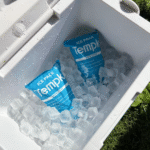
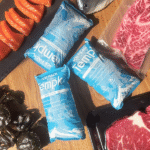
Un sac de glace carbonique hydratant est une feuille de cellules activées par l'eau qui est congelée avant utilisation.. Il peut fournir un large, refroidissement flexible autour du transport médical, mais cela reste une composante du système d'expédition. Il ne doit pas être traité comme du dioxyde de carbone solide, comme un expéditeur qualifié par lui-même, ou comme preuve d'une durée universelle. L'objectif est de protéger l'état étiqueté ou défini par le protocole sans congeler un produit réfrigéré., confondre le liquide de refroidissement à base d'eau avec le dioxyde de carbone solide, ou traiter un composant comme un système d'expédition qualifié.
La sélection finale doit relier la composition, comportement thermique, intégrité matérielle, isolation, géométrie de la charge utile, conditionnement, exposition par voie, surveillance, et contrôle d'exploitation. Quand le dioxyde de carbone solide réel est proposé, ses exigences distinctes en matière de sécurité et de transport entrent dans le plan. Lorsqu'une feuille à l'eau est proposée, classer et approuver ce produit à partir de sa propre documentation.
L'expédition médicale commence par l'exigence du produit ou de l'échantillon. Certains matériaux doivent rester réfrigérés, certains doivent rester congelés, certains peuvent tolérer une température ambiante contrôlée, et certains nécessitent du dioxyde de carbone solide. Une feuille d'hydrate activée par l'eau peut prendre en charge certains emballages, mais son nom commercial ne détermine pas son adéquation. Le fabricant doit travailler dans le cadre d'un plan de qualification qui définit la charge utile, itinéraire, isolation, conditionnement, surveillance, documentation, et critères d'acceptation.
Rédigez une exigence d'expédition d'une page avant de contacter les fournisseurs. Inclure l'identité et l'état du produit, paquet principal, dimensions et masse de la charge utile, température d'expédition, limites d'acceptation supérieure et inférieure, itinéraire et transferts, exposition saisonnière, isolation, processus de réception, décision de surveillance, volume prévu, et les exigences applicables en matière de qualité ou de marché. Marquer les inconnues pour le pilote.
Séparer les limites de sécurité des produits des préférences de qualité et des limites de dommages à l'emballage. Ils peuvent conduire à différentes positions et actions du capteur. Le destinataire doit savoir quelle observation ou quel ensemble de données déclenche l'acceptation, prise, enquête, ou disposition. Une conception thermique ne peut pas être optimisée tant que la règle de décision n'est pas claire.
Choisissez le bon milieu de stabilisation de la température
Comparer les technologies par rapport aux exigences. Les feuilles d'hydratation offrent un stockage de pré-activation à plat, couverture d'une large surface, et géométrie de cellule flexible. Packs de gel peut être plus facile à déployer dans certaines parcelles réfrigérées. Le PCM peut être sélectionné autour d'une condition de changement de phase plus étroite. Le dioxyde de carbone solide permet des utilisations appropriées dans les produits surgelés, mais fait l'objet de contrôles distincts en matière de manipulation et de transport.. Des équipements actifs peuvent être justifiés sur les voies complexes à haut risque.
Dans le cadre du transport médical, Les cas de produits et de routes doivent encore être segmentés. Le tableau montre pourquoi on ne peut pas supposer qu'un seul SKU de catalogue répond à tous les cas..
| Cas de produit ou de route | Exposition principale ou échec | Réponse de conception utile | Hypothèse à éviter |
|---|---|---|---|
| Médicament ou produit biologique réfrigéré | Excursion chaude et gel accidentel | Suivez les conditions de stockage étiquetées et utilisez un emballage qualifié de protection contre le gel | Ne jamais déduire la pertinence d’une allégation médicale générique |
| Échantillon diagnostique | Protocole, stabilité, fuite, et exigences en matière de chaîne de traçabilité | Utiliser les instructions du laboratoire ou de l'autorité pour cet échantillon | La classification et l'emballage des échantillons peuvent ajouter des exigences distinctes |
| Matériel de recherche congelé | Décongélation, point final incertain, et de longs transferts | Vérifiez si le liquide de refroidissement à base d'eau, PCM, ou du dioxyde de carbone solide est approprié | Les trois technologies ne sont pas interchangeables |
| Kit de fournitures cliniques | Composants mixtes, petite masse thermique, et documentation | Mappez chaque composant et utilisez un assemblage contrôlé | Un capteur central peut manquer le gel des bords |
Choisissez la technologie la plus simple qui crée un, marge démontrée sans introduire un côté froid plus grand, humidité, manutention, ou risque de non-conformité. Si deux options semblent viables, comparez-les via la même charge utile, profil, règle d'acceptation, et limite du coût total.
Ingénieur Protection Contre Le Gel et Marge Thermique
Construire l'architecture de l'extérieur vers l'intérieur: carton extérieur ou contenant réutilisable, isolation, doublure ou contrôle de vapeur si nécessaire, emplacement du liquide de refroidissement, tampon, support de charge utile, paquets de produits, gestion de l'espace de tête, positions des capteurs, fermeture, et étiquettes. Chaque couche devrait avoir un travail. Supprimer ou déplacer une couche après qualification est une modification de conception, ce n'est pas une préférence d'emballage inoffensive.
L’analyse des itinéraires doit explicitement remettre en question l’hypothèse selon laquelle chaque produit médical utilise une gamme réfrigérée commune, placer du liquide de refroidissement gelé contre des flacons ou des appareils sensibles au gel, utiliser une boîte non qualifiée car le liquide de refroidissement porte une étiquette médicale, copier le temps de maintien d'un composant dans une procédure de routage, et ignorer les règles relatives aux marchandises dangereuses pour les spécimens ou le dioxyde de carbone solide réel. Utiliser des alternatives telles que des packs de gel conditionnés pour les envois réfrigérés sensibles au gel, matériaux à changement de phase sélectionnés autour d'une gamme de produits définie, dioxyde de carbone solide pour des produits surgelés appropriés et un transport conforme, et actif conteneurs à température contrôlée pour les voies à haut risque ou longues et complexes où ils résolvent l'exposition plus directement. Par exemple, un meilleur contrôle du véhicule peut être plus efficace sur un itinéraire dense, tandis qu'un réseau de colis peut nécessiter une protection passive plus forte au niveau des murs et des transferts.
Les considérations techniques spécifiques à l'application incluent les directives de l'OMS concernant le liquide de refroidissement, isolation, disposition de la charge utile, et les emballages auxiliaires en tant que parties du conteneur passif qui doivent être qualifiées ensemble., Une feuille d'hydrate utilise de l'eau gelée retenue dans une structure cellulaire absorbante; son comportement thermique diffère fondamentalement de celui du dioxyde de carbone solide à environ moins 79 degrés Celsius., La surface peut améliorer l’interception de la chaleur mais augmente également le risque de gel à proximité des petits flacons, seringues, réactifs, ou des appareils., Précision de l'enregistreur, placement, intervalle, état d'étalonnage, et la récupération des données doit correspondre au processus de risque et de décision, pas seulement le périphérique disponible., et ISTA 7E peut fournir des profils thermiques de colis, tandis que les critères de qualification et d'acceptation des produits spécifiques à chaque voie restent nécessaires. Convertissez chaque considération matérielle en une fonction de dessin, contrôle des fournisseurs, étape opératoire, inspection, ou variable de protocole. Sinon cela reste une observation qui ne peut protéger les expéditions de routine.
Approuver le fabricant sur preuve
Utiliser des portes de décision pour comparer les fabricants. Cela empêche les achats d'attribuer un prix unitaire avant la composition., preuve, contrôle de production, et l'échelle ont été revues.
| Porte de décision | Condition de réussite | Panneau d'avertissement |
|---|---|---|
| Ajustement de l'application | Le fournisseur pose des questions sur l'expédition médicale, charge utile, itinéraire, isolation, et limites d'acceptation | Un nombre de paquets est proposé uniquement à partir d'un mot clé ou de la taille du carton. |
| Spécification | Dimensions, matériels, activation, tolérances, et l'utilisation prévue sont écrites | L'échantillon est traité comme la spécification complète |
| Preuve | Les conditions de test et les limites du système sont divulguées | Les revendications des composants sont présentées comme des performances d'emballage universelles |
| Contrôle de qualité | Traçabilité des lots, inspection, non-conformité, et la notification de changement sont définies | La substitution est autorisée sans avis de l'acheteur |
| Échelle | Capacité, emballage en carton, hypothèses de délais, et la planification des périodes de pointe sont discutées | Seule la production mensuelle nominale est discutée |
| Soutien | Des échantillons représentatifs de la production et un plan d'essai d'itinéraire sont disponibles | L'acheteur est invité à sauter le pilote |
Après l'écran initial, demander des échantillons représentatifs de la production et une spécification écrite. Vérifier les tolérances proposées par le fabricant, méthodes d'essai, identification du lot, gestion des non-conformités, échantillons conservés, réponse à la plainte, et délai de préavis en cas de changement. Définir à qui appartient l'outillage, œuvres d'art, et approbation de modèles de cellules ou d'emballages personnalisés.
Les conditions commerciales doivent rendre les hypothèses visibles. Confirmer l'unité de cotation, état sec ou activé, quantité de cartons, palettisation, commande minimum, base de délai, statut de l'échantillon, terme de fret, documentation, et une capacité maximale sans transformer aucun chiffre non vérifié en promesse de performance. Comparez les coûts au débarquement et d'exploitation dans le même périmètre.
Qualifier, Moniteur, et documenter le système
La qualification commence par un protocole approuvé et se termine par un rapport contrôlé, dessin, spécification, et instruction de travail. Testez la charge utile prévue ou un substitut justifié, véritable isolation et liquide de refroidissement, conditionnement défini, variante d'assemblage, un profil ambiant représentatif ou basé sur le risque, durée appropriée, et des critères d'acceptation préalablement convenus. Inclure l’inspection physique et le comportement de réception.
Outils de décision utiles
Vérifiez les détails avant de choisir l'emballage
Ces outils rapides peuvent vous aider à comparer le risque d'itinéraire, besoins de dimensionnement, choix de liquide de refroidissement, et les détails de l'emballage avant de demander un devis.
Doublure de boîte & Dimensionnement des couvertures de palettes
Vérifiez la logique de dimensionnement du revêtement de boîte et du couvercle de palette pour les projets d'emballage isotherme.
Dimensionnement estiméSélecteur d’emballage
Comparez les options d'emballage isotherme par produit, itinéraire, et besoin de température.
Trouver un emballageLiquide de refroidissement & Référence PCM
Comparez les options de liquide de refroidissement et de PCM lorsqu'un itinéraire nécessite une prise en charge supplémentaire de la température.
Comparez les optionsPlacez les enregistreurs dans les endroits à risque de chaleur et de froid attendus. Une carte centrale uniquement peut manquer la chaleur des murs et les contacts gelés. Définir la précision, état d'étalonnage, intervalle, synchronisation, logique de démarrage et d'arrêt, propriété des données, et traitement des anomalies. Répétez le test suffisamment pour comprendre la variation du système plutôt que de sélectionner une analyse favorable.
Opérationnaliser ces contrôles: Rédiger des instructions de conditionnement avec une hydratation définie, évacuation, gel, mise en scène, et libérer les chèques., Utilisez des barrières et des supports de charge utile qui empêchent le contact direct là où le gel est inacceptable., Contrôler l'assemblage à travers des schémas, compte, orientation, emplacement de l'enregistreur, fermeture, étiquettes, et le calendrier d'expédition., Définir le transfert, recevoir, examen des données, évaluation de l'excursion, et les responsabilités en matière d'élimination des produits., et Appliquer le contrôle des changements lorsque le liquide de refroidissement, isolation, charge utile, enregistreur, itinéraire, transporteur, ou changements de site d'exploitation. La formation doit inclure la prévention des mauvais composants, contrôles de statut de gel, rejet de feuille endommagée, sélection de variantes d'itinéraire, et escalade des écarts. Observez les opérateurs réels pendant le lancement; l'ambiguïté n'apparaît souvent qu'à la vitesse de production.
Appliquer également les limites des revendications pertinentes. Les directives BPD de l'UE prévoient que les médicaments soient transportés dans les conditions de stockage décrites sur les informations sur l'emballage., Les directives de l'OMS recommandent la qualification des conteneurs passifs avec tous les emballages auxiliaires, y compris les médias stabilisants de température sélectionnés., et Pour le transport aérien, Le dioxyde de carbone solide réel est UN1845 et les règles actuelles de l'IATA concernent la ventilation., marquage, étiquetage, masse nette, et documentation; une feuille à base d'eau nécessite une classification à partir de sa propre composition. Lorsque le produit, charge utile, liquide de refroidissement, isolation, conditionnement, itinéraire, transporteur, saison, site, enregistreur, ou modifications matérielles du fournisseur, laissez l'équipe qualité déterminer si l'examen des documents, test de confirmation, ou une requalification est nécessaire.
Optimiser uniquement grâce à un changement contrôlé
Calculer le coût par expédition réussie, pas de prix par feuille sèche. Inclure le fret entrant et le cube, stockage, eau d'hydratation, travail, drainage, énergie et capacité du congélateur, supports, tampons, isolation, temps de montage, surveillance, rejette, fuite, produit endommagé, service client, élimination, retours, et le coût d'une livraison échouée ou retardée. Indiquer quels éléments sont mesurés et lesquels sont des hypothèses.
Un emballage plus petit ou plus léger n'est pas préférable s'il réduit la marge thermique ou augmente le risque de destruction du produit..
Le stockage plat de pré-activation peut réduire le cube entrant, tandis que l'énergie du congélateur, eau, film à usage unique, logistique inversée, surveillance, et les produits médicaux rejetés doivent être comptés.
La réutilisation nécessite un nettoyage contrôlé, inspection, traçabilité, limites de cycle étayées par des preuves, et un processus de retour de qualité approuvée.
Optimiser par étapes contrôlées. Supprimer l'espace libre excessif, améliorer l'ajustement de l'isolation, ajuster le placement du liquide de refroidissement, créer des variantes saisonnières qualifiées, simplifier les mouvements de l'opérateur, ou améliorer le timing de réception avant de réduire la marge thermique sans preuve. Suivre l'acceptation du produit, excursions, dommage, plaintes, perte de paquet, travail, et énergie par famille de parcours.
Un programme stable ne signifie pas une conception figée. Cela signifie que des changements sont proposés avec une raison, évalué par rapport aux limites du système, testé si nécessaire, approuvé, documenté, qualifié, et tracé. Cette discipline permet d'améliorer les coûts et la durabilité sans transformer le réseau de distribution en direct en une expérience incontrôlée..
Questions fréquemment posées
Un sac de glace carbonique hydratant peut-il expédier tous les produits médicaux?
Non. L'adéquation dépend des exigences du produit ou de l'échantillon, sensibilité au gel, charge utile, itinéraire, isolation, conditionnement, et preuves de qualification. Certaines expéditions nécessitent des packs de gel, un PCM spécifique, dioxyde de carbone solide réel, ou un conteneur actif.
Un nom de banquise est-il suffisant pour appliquer les règles UN1845?
Non. UN1845 fait référence au dioxyde de carbone, solide. Confirmer la composition du liquide de refroidissement. Si du dioxyde de carbone solide est utilisé pour le transport aérien, Exigences actuelles du transporteur et de l'IATA en matière de ventilation, marques, étiquettes, masse, et la documentation doit être suivie.
Que signifie qualifier le système complet?
La qualification évalue l'expéditeur assemblé, isolation, liquide de refroidissement, charge utile, arrangement, conditionnement, fermeture, capteurs, profil ambiant, durée, et critères d'acceptation. Un test de composant ou la durée du générique ne prouve pas que l'envoi médical restera dans son état requis.
Where should temperature loggers be placed?
Le placement doit être justifié par une carte thermique et la décision que les données soutiendront. Inclure les emplacements à risque de chaleur et de froid attendus, le cas échéant. Précision de l'enregistreur, étalonnage, intervalle d'enregistrement, méthode de démarrage, télécharger, et le bilan des excursions doit être défini dans le protocole.
Quand un emballage doit-il être requalifié?
Une équipe qualité doit évaluer les modifications apportées au produit, charge utile, liquide de refroidissement, isolation, dimensions, conditionnement, enregistreur, itinéraire, transporteur, saison, site d'exploitation, matériel du fournisseur, ou processus de fabrication. Le résultat peut être un examen des documents, test de confirmation, ou requalification complète.
Approuver un système contrôlé, Il ne s'agit pas d'une réclamation isolée
Le meilleur résultat de sourcing relie six décisions: l'exigence de charge utile, technologie de refroidissement, architecture des packs, contrôles du fabricant, preuve de qualification, et processus opérationnel. S'il manque un lien, l'acheteur s'appuie sur une hypothèse qui peut échouer à grande échelle ou sur un itinéraire différent.
Pour le transport médical, la prochaine étape pratique consiste à documenter le produit, itinéraire, charge utile, isolation, conditions d'expédition et de réception, exposition saisonnière, et les besoins en preuves. Utilisez ce brief pour comparer des échantillons de production et concevoir un essai. Ensuite seulement, gelez les spécifications commerciales et le plan de déploiement.
À propos du tempk
Tempk fournit des feuilles de cellules activées par l'eau et des produits associés emballage chaîne du froid soutien à la nourriture, fruit de mer, échantillons médicaux, et autres envois sensibles à la température. Pour le transport médical, Tempk peut examiner la charge utile et acheminer les entrées, proposer des formats de feuilles et de cellules, discuter du matériel et des options d’impression, et préparer des échantillons pour les essais d'emballage. La configuration d'expédition finale doit être approuvée à partir des exigences du client en matière de produits et des preuves sur le système isolé complet., avec des contrôles de production et de changement alignés avant la mise à l'échelle.
Envoyez à Tempk votre brief d'expédition médicale et l'échelle de commande prévue pour discuter des options de feuilles de liquide de refroidissement, géométrie de cellule personnalisée, échantillons de production, et un examen des emballages basé sur l'itinéraire.