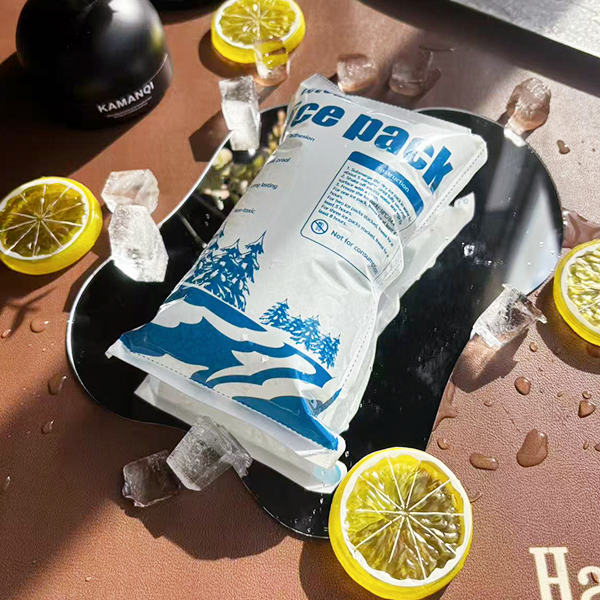
Pack de glace carbonique du fabricant pour l'expédition de produits alimentaires: Un cadre de sourcing prêt pour l'itinéraire
Le bon fabricant paquet de glace sec pour l'expédition de produits alimentaires, ce n'est pas la feuille avec l'allégation de durée la plus audacieuse. C'est le composant qui correspond à une charge utile définie, forfait isolé, itinéraire, processus opérationnel, et décision d'acceptation, avec des preuves qui restent valables à l’échelle de la production. Les acheteurs doivent séparer les feuilles d’hydratation du dioxyde de carbone solide, protéger contre le réchauffement et le refroidissement excessif, et approuver le système complet plutôt que le liquide de refroidissement isolément.
Ce framework est conçu pour une marque alimentaire, producteur de repas, expéditeur de commerce électronique, distributeur, ou ingénieur packaging qui doit passer du terme de recherche à l'achat contrôlé. Il combine l'adéquation du produit, conception thermique, qualité des matériaux, gouvernance des fournisseurs, qualification, opérations, et coût total livré. Le résultat est une spécification et un package qui peuvent être défendus, enseigné, répété, et amélioré.
Écrivez d'abord les exigences en matière de produit et d'itinéraire
Une bonne décision d’approvisionnement sépare trois questions qui sont souvent mélangées: quelle condition requiert la charge utile, quel moyen de refroidissement peut supporter cette condition, et quelles preuves prouvent que le colis assemblé est sur l'itinéraire prévu. Commencer par un nom de produit inverse cette logique. Commencer par la charge utile et les critères de décision rend la comparaison des fournisseurs utile.
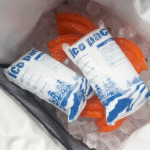
Un sac de glace carbonique hydratant est une feuille de cellules activées par l'eau qui est congelée avant utilisation.. Il peut fournir un large, refroidissement flexible autour des aliments, mais cela reste une composante du système d'expédition. Il ne doit pas être traité comme du dioxyde de carbone solide, comme un expéditeur qualifié par lui-même, ou comme preuve d'une durée universelle. L'objectif est de maintenir le produit dans les conditions de sécurité ou de qualité requises sur un itinéraire pouvant inclure des quais., centres de tri, véhicules, et livraison sans surveillance.
La sélection finale doit relier la composition, comportement thermique, intégrité matérielle, isolation, géométrie de la charge utile, conditionnement, exposition par voie, surveillance, et contrôle d'exploitation. Quand le dioxyde de carbone solide réel est proposé, ses exigences distinctes en matière de sécurité et de transport entrent dans le plan. Lorsqu'une feuille à l'eau est proposée, classer et approuver ce produit à partir de sa propre documentation.
Le transport des aliments n’est pas un simple problème thermique. Une entrée glacée, un repas prêt-à-manger frais, un produit de boulangerie avec une garniture sensible à la chaleur, et un produit de longue conservation peut voyager dans des cartons extérieurs identiques tout en nécessitant des contrôles complètement différents. La conversation avec le fabricant doit commencer par le danger du produit, spécification du produit, itinéraire, et géométrie de la charge utile. Ce n'est qu'alors qu'une feuille de liquide de refroidissement activée par l'eau peut être dimensionnée et positionnée dans le cadre d'un emballage isolé défendable..
Rédigez une exigence d'expédition d'une page avant de contacter les fournisseurs. Inclure l'identité et l'état du produit, paquet principal, dimensions et masse de la charge utile, température d'expédition, limites d'acceptation supérieure et inférieure, itinéraire et transferts, exposition saisonnière, isolation, processus de réception, décision de surveillance, volume prévu, et les exigences applicables en matière de qualité ou de marché. Marquer les inconnues pour le pilote.
Séparer les limites de sécurité des produits des préférences de qualité et des limites de dommages à l'emballage. Ils peuvent conduire à différentes positions et actions du capteur. Le destinataire doit savoir quelle observation ou quel ensemble de données déclenche l'acceptation, prise, enquête, ou disposition. Une conception thermique ne peut pas être optimisée tant que la règle de décision n'est pas claire.
Sélectionnez une stratégie de refroidissement, Pas un nom de produit
Comparer les technologies par rapport aux exigences. Les feuilles d'hydratation offrent un stockage de pré-activation à plat, couverture d'une large surface, et géométrie de cellule flexible. Packs de gel peut être plus facile à déployer dans certaines parcelles réfrigérées. Le PCM peut être sélectionné autour d'une condition de changement de phase plus étroite. Le dioxyde de carbone solide permet des utilisations appropriées dans les produits surgelés, mais fait l'objet de contrôles distincts en matière de manipulation et de transport.. Des équipements actifs peuvent être justifiés sur les voies complexes à haut risque.
Dans la nourriture, Les cas de produits et de routes doivent encore être segmentés. Le tableau montre pourquoi on ne peut pas supposer qu'un seul SKU de catalogue répond à tous les cas..
| Cas de produit ou de route | Exposition principale ou échec | Réponse de conception utile | Hypothèse à éviter |
|---|---|---|---|
| Plats préparés réfrigérés | Sécurité microbienne, intégrité du joint, et des délais de transfert courts | Utiliser la plage de transport définie du produit et une disposition du liquide de refroidissement tamponné | Ne présumez pas que le sac le plus froid est le sac le plus sûr. |
| Aliments surgelés | Dégel dans les coins, longue attente, et isolation insuffisante | Évaluer un emballage gelé sous le profil d'itinéraire complet | Une feuille à base d'eau n'est pas équivalente au dioxyde de carbone solide |
| Produits de boulangerie et de confiserie | Déformation thermique, migration des graisses, et condensation | Cibler la protection de la qualité et le contrôle de l'humidité | Un refroidissement profond peut créer un nouveau problème de qualité |
| Kits repas et commandes mixtes | Différents ingrédients partagent une parcelle | Séparé, tampon, ou repenser l'assortiment autour du composant le plus sensible | Une température moyenne peut masquer le risque au niveau du SKU |
Choisissez la technologie la plus simple qui crée un, marge démontrée sans introduire un côté froid plus grand, humidité, manutention, ou risque de non-conformité. Si deux options semblent viables, comparez-les via la même charge utile, profil, règle d'acceptation, et limite du coût total.
Construisez le pack autour de la géométrie et de l’exposition
Construire l'architecture de l'extérieur vers l'intérieur: carton extérieur ou contenant réutilisable, isolation, doublure ou contrôle de vapeur si nécessaire, emplacement du liquide de refroidissement, tampon, support de charge utile, paquets de produits, gestion de l'espace de tête, positions des capteurs, fermeture, et étiquettes. Chaque couche devrait avoir un travail. Supprimer ou déplacer une couche après qualification est une modification de conception, ce n'est pas une préférence d'emballage inoffensive.
L'analyse des itinéraires devrait explicitement remettre en question la sélection du liquide de refroidissement à partir d'une étiquette alimentaire générique au lieu d'une analyse des dangers du produit., tester une boîte vide plutôt que la charge utile et l'espace libre réels, placer chaque capteur au centre tout en ignorant les coins chauds et les points de contact froids, permettant à l'hydratation et au chargement du congélateur de varier selon les quarts de travail, et en supposant que le transporteur assurera le contrôle de la température, sauf si cela est réellement spécifié et convenu. Utiliser des alternatives telles qu'une isolation sans liquide de refroidissement pour les produits stables sur des routes douces, packs de gel réfrigérés pour les produits qui ne doivent pas geler, un matériau à changement de phase choisi pour une condition cible étroite, and solid carbon dioxide for products that truly require deep-frozen transport and a compliant vented package where they solve the exposure more directly. Par exemple, un meilleur contrôle du véhicule peut être plus efficace sur un itinéraire dense, tandis qu'un réseau de colis peut nécessiter une protection passive plus forte au niveau des murs et des transferts.
Application-specific technical considerations include The heat load combines conduction through the insulation, air exchange at openings, radiation, warm packaging components, and the thermal mass of the food., Frozen water in a hydrate sheet absorbs energy as it warms and changes phase, but the useful duration depends on conditioning, masse, placement, isolation, and ambient exposure., Cell geometry helps a sheet wrap around a payload and intercept heat over a broad area, while seams and film must tolerate repeated bending and frozen handling., The coldest measured point can be as important as the warmest point when chilled food can be damaged by freezing., and Food-contact suitability, contrôle des fuites, odeur, propreté, et la traçabilité sont des problèmes d'approvisionnement même lorsque la feuille ne touche que l'emballage secondaire. Convertissez chaque considération matérielle en une fonction de dessin, contrôle des fournisseurs, étape opératoire, inspection, ou variable de protocole. Sinon cela reste une observation qui ne peut protéger les expéditions de routine.
Fabricants présélectionnés avec preuves
Utiliser des portes de décision pour comparer les fabricants. Cela empêche les achats d'attribuer un prix unitaire avant la composition., preuve, contrôle de production, et l'échelle ont été revues.
| Porte de décision | Condition de réussite | Panneau d'avertissement |
|---|---|---|
| Ajustement de l'application | Le fournisseur pose des questions sur la nourriture, charge utile, itinéraire, isolation, et limites d'acceptation | Un nombre de paquets est proposé uniquement à partir d'un mot clé ou de la taille du carton. |
| Spécification | Dimensions, matériels, activation, tolérances, et l'utilisation prévue sont écrites | L'échantillon est traité comme la spécification complète |
| Preuve | Les conditions de test et les limites du système sont divulguées | Les revendications des composants sont présentées comme des performances d'emballage universelles |
| Contrôle de qualité | Traçabilité des lots, inspection, non-conformité, et la notification de changement sont définies | La substitution est autorisée sans avis de l'acheteur |
| Échelle | Capacité, emballage en carton, hypothèses de délais, et la planification des périodes de pointe sont discutées | Seule la production mensuelle nominale est discutée |
| Soutien | Des échantillons représentatifs de la production et un plan d'essai d'itinéraire sont disponibles | L'acheteur est invité à sauter le pilote |
Après l'écran initial, demander des échantillons représentatifs de la production et une spécification écrite. Vérifier les tolérances proposées par le fabricant, méthodes d'essai, identification du lot, gestion des non-conformités, échantillons conservés, réponse à la plainte, et délai de préavis en cas de changement. Définir à qui appartient l'outillage, œuvres d'art, et approbation de modèles de cellules ou d'emballages personnalisés.
Les conditions commerciales doivent rendre les hypothèses visibles. Confirmer l'unité de cotation, état sec ou activé, quantité de cartons, palettisation, commande minimum, base de délai, statut de l'échantillon, terme de fret, documentation, et une capacité maximale sans transformer aucun chiffre non vérifié en promesse de performance. Comparez les coûts au débarquement et d'exploitation dans le même périmètre.
Qualifier, Document, et contrôler le conditionnement
La qualification commence par un protocole approuvé et se termine par un rapport contrôlé, dessin, spécification, et instruction de travail. Testez la charge utile prévue ou un substitut justifié, véritable isolation et liquide de refroidissement, conditionnement défini, variante d'assemblage, un profil ambiant représentatif ou basé sur le risque, durée appropriée, et des critères d'acceptation préalablement convenus. Inclure l’inspection physique et le comportement de réception.
Outils de décision utiles
Vérifiez les détails avant de choisir l'emballage
Ces outils rapides peuvent vous aider à comparer le risque d'itinéraire, besoins de dimensionnement, choix de liquide de refroidissement, et les détails de l'emballage avant de demander un devis.
Calculateur de glace carbonique
Estimer les besoins en glace carbonique pour les envois congelés ou ultra-froids avant l'emballage.
Estimation de la neige carboniqueOutil d’évaluation du risque d’itinéraire
Examinez les conditions des pistes avant de sélectionner l'emballage en fonction des exigences opérationnelles réelles..
Vérifier le risque d’itinéraireRéférence du matériau isolant
Comparez les choix de matériaux d'isolation pour différents besoins d'emballage de la chaîne du froid.
Comparez les matériauxPlacez les enregistreurs dans les endroits à risque de chaleur et de froid attendus. Une carte centrale uniquement peut manquer la chaleur des murs et les contacts gelés. Définir la précision, état d'étalonnage, intervalle, synchronisation, logique de démarrage et d'arrêt, propriété des données, et traitement des anomalies. Répétez le test suffisamment pour comprendre la variation du système plutôt que de sélectionner une analyse favorable.
Opérationnaliser ces contrôles: Définir qui hydrate, drains, gèle, compte, et libère les feuilles., Confirmer la capacité du congélateur au volume d'expédition maximal, y compris la récupération après l'ouverture des portes., Utilisez des contrôles visuels ou documentés afin que les feuilles partiellement gelées n'entrent pas dans un emballage validé., Protéger les aliments et les étiquettes de l'humidité libre, bords tranchants et gelés, et le liquide de refroidissement en mouvement., et Inclure les instructions du récepteur lors de la réfrigération immédiate, gel, ou une inspection est nécessaire. La formation doit inclure la prévention des mauvais composants, contrôles de statut de gel, rejet de feuille endommagée, sélection de variantes d'itinéraire, et escalade des écarts. Observez les opérateurs réels pendant le lancement; l'ambiguïté n'apparaît souvent qu'à la vitesse de production.
Appliquer également les limites des revendications pertinentes. Aux États-Unis, la règle relative au transport sanitaire de la FDA traite de pratiques telles qu'une réfrigération adéquate., équipement nettoyable, et protection contre la contamination, mais les responsabilités dépendent du fonctionnement et des accords entre les parties., A shipper and carrier may use an agreed mechanism to demonstrate temperature control for food that requires it; the practical method should match the product risk and records needed., and Carrier and destination rules should be checked separately if actual solid carbon dioxide is used. A water-activated sheet should be classified from its real composition rather than its marketing name. Lorsque le produit, charge utile, liquide de refroidissement, isolation, conditionnement, itinéraire, transporteur, saison, site, enregistreur, ou modifications matérielles du fournisseur, laissez l'équipe qualité déterminer si l'examen des documents, test de confirmation, ou une requalification est nécessaire.
Use Total Delivered Cost to Guide Optimization
Calculer le coût par expédition réussie, pas de prix par feuille sèche. Inclure le fret entrant et le cube, stockage, eau d'hydratation, travail, drainage, énergie et capacité du congélateur, supports, tampons, isolation, temps de montage, surveillance, rejette, fuite, produit endommagé, service client, élimination, retours, et le coût d'une livraison échouée ou retardée. Indiquer quels éléments sont mesurés et lesquels sont des hypothèses.
Flat storage before hydration can reduce warehouse and inbound transport cube.
The calculation should also include water, énergie du congélateur, damaged-product avoidance, carton and liner mass, disposal routes, and any return movement.
A route-specific seasonal packout can avoid automatic overpacking, provided the change is controlled and supported by evidence.
Optimiser par étapes contrôlées. Supprimer l'espace libre excessif, améliorer l'ajustement de l'isolation, ajuster le placement du liquide de refroidissement, créer des variantes saisonnières qualifiées, simplifier les mouvements de l'opérateur, ou améliorer le timing de réception avant de réduire la marge thermique sans preuve. Suivre l'acceptation du produit, excursions, dommage, plaintes, perte de paquet, travail, et énergie par famille de parcours.
Un programme stable ne signifie pas une conception figée. Cela signifie que des changements sont proposés avec une raison, évalué par rapport aux limites du système, testé si nécessaire, approuvé, documenté, qualifié, et tracé. Cette discipline permet d'améliorer les coûts et la durabilité sans transformer le réseau de distribution en direct en une expérience incontrôlée..
Questions fréquemment posées
What is a hydration dry ice pack for food shipping?
It is a water-activated cell sheet that is soaked, congelé, and used as a coolant inside an insulated packout. It may be sold under a dry ice pack name, but it is not necessarily solid carbon dioxide. Confirm the composition and intended use before planning performance or transport classification.
Can one packout work for every food product?
Habituellement pas. Food safety hazards, sensibilité au gel, géométrie du paquet, masse thermique, durée de l'itinéraire, et les conditions d'accueil varient considérablement. A system that works for a frozen meal may overcool a chilled sauce or provide unnecessary complexity for a stable bakery product.
How is hold time confirmed?
Hold time should be demonstrated with the proposed payload, isolation, conditionnement du liquide de refroidissement, disposition des paquets, profil ambiant, carte des capteurs, et critères d'acceptation. A duration printed on a component page is not a substitute for evidence on the assembled shipping system.
What should a manufacturer sample review include?
Dimensions de l'examen, absorption d'eau, résistance aux fuites, résistance des coutures, odeur, manutention, comportement de congélation, identification du lot, and fit inside the intended carton or liner. Then test the assembled parcel under a representative or justified worst-case profile.
Does a dry ice product name trigger air-shipping rules?
The applicable rules depend on the actual material. Solid carbon dioxide used as refrigerant is treated as dry ice and has packaging, marquage, étiquetage, and documentation requirements for air transport. A different coolant should be evaluated from its composition and carrier requirements.
Approuver un système contrôlé, Il ne s'agit pas d'une réclamation isolée
Le meilleur résultat de sourcing relie six décisions: l'exigence de charge utile, technologie de refroidissement, architecture des packs, contrôles du fabricant, preuve de qualification, et processus opérationnel. S'il manque un lien, l'acheteur s'appuie sur une hypothèse qui peut échouer à grande échelle ou sur un itinéraire différent.
Pour la nourriture, la prochaine étape pratique consiste à documenter le produit, itinéraire, charge utile, isolation, conditions d'expédition et de réception, exposition saisonnière, et les besoins en preuves. Utilisez ce brief pour comparer des échantillons de production et concevoir un essai. Ensuite seulement, gelez les spécifications commerciales et le plan de déploiement.
À propos du tempk
Tempk fournit des feuilles de cellules activées par l'eau et des produits associés emballage chaîne du froid soutien à la nourriture, fruit de mer, échantillons médicaux, et autres envois sensibles à la température. Pour la nourriture, Tempk peut examiner la charge utile et acheminer les entrées, proposer des formats de feuilles et de cellules, discuter du matériel et des options d’impression, et préparer des échantillons pour les essais d'emballage. La configuration d'expédition finale doit être approuvée à partir des exigences du client en matière de produits et des preuves sur le système isolé complet., avec des contrôles de production et de changement alignés avant la mise à l'échelle.
Send Tempk your food shipment brief and expected order scale to discuss coolant-sheet options, géométrie de cellule personnalisée, échantillons de production, et un examen des emballages basé sur l'itinéraire.