Prévenir les excursions de température: Un cadre pratique pour le contrôle des expéditions
prevent temperature excursions should give a clear answer to one practical question: Cette configuration d'emballage exacte peut-elle protéger ce produit dans les conditions d'itinéraire et de manipulation que vous avez l'intention d'utiliser? La réponse dépend des exigences, discipline d'emballage, essai thermique, données de l'enregistreur, et examen de l'assurance qualité. Ce cadre optimisé se concentre sur les étapes qui réduisent la fausse confiance avant qu'une expédition ne quitte l'installation et réduisent l'incertitude lors de l'examen des données après la livraison..
La décision derrière le document
Chaque sérieux emballage chaîne du froid la discussion finit par aboutir à une décision sur le risque acceptable. Le document, rapport, liste de contrôle, ou SOP n'est utile que s'il aide l'équipe à déterminer si la configuration sélectionnée est adaptée à l'expédition. For prevent temperature excursions, cela signifie l'exigence du produit, conditions d'itinéraire, méthode d'emballage, plan de surveillance, et le processus d'examen doivent être décrits ensemble. S'il manque une pièce, la décision peut paraître formelle tout en restant fragile.
Le cadre doit être suffisamment simple pour que les opérations puissent l'utiliser et suffisamment détaillé pour que l'assurance qualité puisse le défendre.. Il devrait éviter les allégations générales, mais il ne faut pas qu'il devienne si prudent que personne ne puisse agir. L’objectif est une voie de libération contrôlée: ce qui peut être expédié, dans quelles conditions, utiliser quels matériaux, par quelle procédure, et avec quelles preuves.
This is why the strongest version of temperature excursion prevention, chaîne du froid deviation connects technical and operational evidence. Le colis peut avoir un résultat de laboratoire, mais l'entrepôt a besoin d'un emballage reproductible. L'itinéraire peut avoir un temps de transit prévu, mais l'assurance qualité doit comprendre le risque en direct. L'enregistreur peut enregistrer un profil propre, mais le réviseur de version doit savoir où il a été placé et pourquoi.
Cartographier les exigences avant de demander un emballage
Commencez par des exigences qui ne dépendent d’aucun fournisseur. Définir la plage de température du produit, sensibilité au produit, plage de charge utile, tailles de commande attendues, processus d'origine, processus de réception, et besoins en documentation. Si le produit est réglementé, impliquer l'assurance qualité avant la sélection des fournisseurs. Si la voie est nouvelle, impliquer la logistique avant les tests d'emballage. Si le produit est sensible au gel, évitez de concevoir uniquement pour une protection chaude.
La carte des exigences doit également indiquer ce qui est inconnu. Peut-être que le temps de séjour des douanes est imprévisible. Peut-être que le destinataire ne peut pas toujours inspecter le même jour. Peut-être que la taille de la charge utile varie considérablement. Ces incertitudes n’empêchent pas les progrès; ils disent à l'équipe où est la marge, surveillance, ou des preuves supplémentaires peuvent être nécessaires. Un système d'emballage adapté à une voie stable peut nécessiter des modifications pour un système instable..
Pour les équipes QA, responsables logistiques, personnel d'entrepôt, et acheteurs de la chaîne du froid, la cartographie des exigences est également un moyen de gérer l’alignement interne. Les achats peuvent demander des devis pertinents, L'assurance qualité peut définir des preuves d'approbation, les opérations peuvent préparer l'instruction de travail, et la logistique peut signaler les risques liés à l'itinéraire avant que le colis ne soit emballé. Le résultat est moins de surprises en fin de parcours.
Construisez le test autour de la gestion de la réalité
Un test doit tester le même système qui sera utilisé dans le travail de routine: exigences du produit, sélection d'emballage, cold source conditioning, contrôle de mise en scène, plan d'itinéraire, Placement de l'enregistrement, manutention du transporteur, inspection de réception, et réponse à la déviation. Cela semble évident, pourtant, de nombreux programmes faibles échouent parce que le test est plus soigné que les opérations réelles. Le test peut utiliser un conditionnement idéal, expédition immédiate, ou une charge utile plus facile à emballer que les commandes réelles. Si ces conditions ne se reproduisent pas, le rapport ne devrait pas être la seule base de publication.
La gestion de la réalité inclut des étapes humaines. Combien de temps les packs peuvent-ils rester hors conditionnement avant utilisation? Où est mis en scène le produit? Que se passe-t-il lorsque le transporteur arrive en avance ou en retard? Quel côté du colis est tourné vers le haut? Comment le couvercle est-il scellé? Comment l'enregistreur est-il activé et protégé du contact direct avec une source froide? Ces détails doivent être testés ou contrôlés car les expéditions de routine en dépendent.
Le meilleur plan de test inclut généralement une raison pour le profil sélectionné. Un profil thermique standard, données historiques sur les voies, ou un profil de voie saisonnier peut être utile lorsque la justification est claire. Un profil ne doit pas être choisi uniquement parce qu’il est pratique ou familier. Si une voie comporte une exposition exceptionnelle, l'équipe doit décider si le test doit représenter les conditions attendues, conditions difficiles, ou les deux.
Tableau des preuves: ce que chaque enregistrement peut et ne peut pas prouver
| Type de preuve | Ce qu'il peut soutenir | Ce qu'il ne peut pas prouver seul |
|---|---|---|
| Fiche technique du fournisseur | Matériels, utilisation prévue, tailles disponibles, notes de manipulation, et options de conception. | Il ne peut pas prouver les performances de votre itinéraire à moins qu'il ne soit lié à des preuves de test. |
| Rapport de test thermique | Performance d'une configuration définie dans des conditions de test définies. | Il ne peut pas garantir chaque charge utile, saison, variation de l'opérateur, ou retard d'itinéraire. |
| SOP d'emballage | Répétabilité de routine lorsque les opérateurs suivent les étapes approuvées. | Il ne peut pas corriger une configuration non qualifiée ou un mauvais conditionnement de la source froide.. |
| Rapport de l'enregistreur | Exposition enregistrée à l'emplacement du capteur lors d'un envoi ou d'un test. | Il ne peut pas protéger le produit ni représenter automatiquement les emplacements non surveillés.. |
| Examen des risques liés à l'itinéraire | Points d'arrêt, transferts, contraintes de service, et les besoins d'urgence. | Il ne peut pas remplacer les tests sur les emballages lorsque le risque produit nécessite des preuves matérielles.. |
Le tableau garde les attentes réalistes. Cela aide également les équipes à éviter d'attribuer trop d'autorité à un enregistrement.. Un programme défendable de chaîne du froid est construit en combinant les enregistrements, pas en étirant un seul document au-delà de sa portée.
Utiliser les données de l'enregistreur pour améliorer le processus
Les données des enregistreurs doivent alimenter l'apprentissage, pas seulement publier des décisions. Si plusieurs expéditions se réchauffent vers la fin d'un itinéraire, l'itinéraire peut nécessiter une réception plus rapide ou un profil saisonnier plus fort. Si des alarmes de froid apparaissent à proximité des points de contact du liquide de refroidissement, l'emballage peut nécessiter une séparation ou un conditionnement différent. Si les données sont propres mais que des questions sur le produit demeurent, l'emplacement de l'enregistreur est peut-être trop abrité. Chaque modèle peut améliorer le programme d'emballage.
Pour rendre cet apprentissage possible, l'emplacement de l'enregistreur doit être documenté. Le rapport doit indiquer si l'enregistreur a surveillé le centre de produits, risque de bord, zone du couvercle, ou un autre emplacement défini. L'état de l'étalonnage et les paramètres d'alarme doivent être examinés par rapport au niveau de risque de l'expédition.. Pour les produits de grande valeur ou sensibles, plusieurs bûcherons peuvent être considérés pendant la qualification, tandis que les expéditions de routine peuvent utiliser un plan de surveillance plus petit approuvé par l'AQ.
L’examen des données doit également être effectué en temps opportun. Un colis peut arriver à portée et rester chez le destinataire avant l'inspection. Un enregistreur peut être téléchargé après un certain délai et créer une incertitude quant au moment où l'exposition s'est produite.. Les procédures de réception doivent définir qui récupère l'enregistreur, lorsque les données sont examinées, qu'est-ce qui constitue une alarme, et comment les écarts sont augmentés.
Des contrôles d’approvisionnement qui réduisent les retouches
Les achats peuvent accélérer un projet en posant moins de questions génériques et des questions plus précises. Demandez au fournisseur quelle configuration exacte a été testée. Demandez si la capacité indiquée correspond au volume interne brut ou à l'espace de charge utile utilisable après le liquide de refroidissement et les diviseurs.. Demandez si l'échantillon utilise les mêmes matériaux que les unités de production. Demandez quels changements nécessiteraient un nouveau test ou un examen d'assurance qualité.. Demandez quelle documentation peut être fournie sans liens externes ni réclamations non étayées.
Pour ce sujet, les contrôles les plus importants de l'acheteur sont: where excursions most often start; pre-pack staging and pickup timing; alarm thresholds and review process; carrier handling instructions; and corrective action ownership. Traitez chacun comme un point de décision. Si la réponse est ferme et documentée, le projet peut avancer. Si la réponse est incertaine, écrivez-le dans l'examen des risques au lieu de l'enfouir dans le dossier d'achat.
Outils de décision utiles
Vérifiez les détails avant de choisir l'emballage
Ces outils rapides peuvent vous aider à comparer le risque d'itinéraire, besoins de dimensionnement, choix de liquide de refroidissement, et les détails de l'emballage avant de demander un devis.
Sélecteur d'emballage
Comparez les options d'emballage isotherme par produit, itinéraire, et besoin de température.
Trouver un emballageRéférence du matériau isolant
Comparez les choix de matériaux d'isolation pour différents besoins d'emballage de la chaîne du froid.
Comparez les matériauxGénérateur de liste de contrôle de conformité
Créer une liste de contrôle pratique pour l'examen des emballages, expédition, et documentation.
Construire une liste de contrôleLes achats doivent également s’aligner sur les opérations avant la mise à l’échelle. Un emballage d'échantillon difficile à reproduire peut ne pas survivre à la pression quotidienne de l'entrepôt.. Une option d'emballage qui dépend d'un conditionnement précis peut nécessiter une capacité d'équipement et des contrôles échelonnés.. Une option réutilisable peut nécessiter un nettoyage, inspection, logistique de retour, et pièces de rechange. Le prix unitaire le plus bas est rarement le risque le plus faible si la configuration ne peut pas être contrôlée.
Quand les preuves actuelles ne suffisent pas
Un examen supplémentaire peut être nécessaire lorsque la gamme de produits change, l'itinéraire change, la saison change, le matériel d'emballage changements, la quantité de liquide de refroidissement change, ou le processus de l'opérateur change. Aucune de ces modifications ne signifie automatiquement que le package échoue. Ils signifient que les preuves précédentes doivent être comparées à la nouvelle condition. Le contrôle des changements est le pont entre les preuves utiles et les opérations de routine.
Une bonne revue des changements commence par le risque décrit dans cette rubrique: teams focus on the shipment box but overlook the room where packout occurs, the time the package waits before pickup, or the receiver delay after delivery. Si le changement affecte ce risque, l'équipe pourrait avoir besoin d'un nouvel essai, une justification documentée, une SOP ajustée, ou plus de surveillance. Si le changement est mineur et clairement en dehors de la fonction thermique, il peut être traité via le contrôle normal des documents. La clé est de décider délibérément.
C’est aussi le point où la sur-réclamation fait le plus de dégâts. Une équipe qui affirme qu'un package est validé pour tout peut ne pas avoir de déclencheur clair pour l'examen.. Une équipe qui définit la configuration validée et ses limites peut s'adapter sans perdre le contrôle.
Contrôles de terrain qui maintiennent la décision utilisable
Une décision contrôlée est plus facile à maintenir lorsque l'équipe de terrain sait quels détails sont flexibles et lesquels sont fixes.. In prevent temperature excursions, les détails fixes incluent généralement la plage de température du produit, séquence d'emballage, état de la source froide, Placement de l'enregistrement, hypothèse d'itinéraire, et règle d'acceptation. Les détails flexibles peuvent inclure des étiquettes extérieures, aides à la manutention secondaires, ou des détails de planification qui n'affectent pas les performances thermiques. La différence doit être documentée plutôt que laissée en mémoire.
La formation doit être construite autour des points où les erreurs sont les plus probables. Les opérateurs doivent savoir à quoi ressemble une source de froid correctement conditionnée, où le produit peut et ne peut pas toucher le liquide de refroidissement, combien de temps les matériaux peuvent attendre avant d'être emballés, et que faire lorsqu'un composant n'est pas disponible. L'assurance qualité a besoin d'un enregistrement montrant que le processus approuvé a été suivi.. La logistique doit savoir quand un événement d'itinéraire devient un déclencheur de déviation.
Le contrôle final sur le terrain est l'examen. Un programme qui ne lit jamais les tendances de son enregistreur, rapports d'exceptions, ou recevoir des notes répétera le même point faible. Un bref examen périodique peut révéler si un itinéraire, saison, étape de l'opérateur, ou le composant d’emballage crée la plupart des risques. Cet examen transforme la validation d'un fichier unique en un contrôle vivant.
Les contrôles de réception ferment la boucle
L'envoi n'est pas terminé lorsque le transporteur le marque comme livré. For prevent temperature excursions, l'équipe de réception a besoin d'instructions qui correspondent au niveau de risque du produit et du couloir. Ces instructions peuvent inclure la vérification de l'état du colis, localiser et arrêter l'enregistreur, télécharger ou conserver des données, confirmer si l'envoi est arrivé dans le délai prévu, et signaler toute alarme ou tout dommage visible avant la sortie du produit.
Une étape de réception protège également la conversation entre le fournisseur et l'expéditeur. Si le colis a été ouvert tardivement, stocké dans une zone non planifiée, ou séparé de l'enregistrement de l'enregistreur, l'enquête devient plus difficile. Un simple dossier de réception peut indiquer si le problème s'est probablement produit pendant le transport., après la livraison, ou lors du déballage. Cette distinction est importante pour les mesures correctives car chaque cause a un propriétaire différent.
Le processus de réception doit être rédigé dans un langage simple. Il doit indiquer au personnel quoi faire lorsque les données semblent normales., que faire lorsqu'une alarme apparaît, et que faire lorsque des données sont manquantes. Il ne faut pas laisser la décision à la personne la plus occupée sur le quai.. Lorsque les contrôles de réception sont clairs, les preuves d'emballage restent utiles jusqu'à l'élimination.
Questions fréquemment posées
What makes prevent temperature excursions defensible?
Cela devient défendable lorsque les preuves correspondent à l’envoi réel. L'exigence du produit, charge utile, emballage, profil ambiant, risque d'itinéraire, plan d'exploitation forestière, et les critères d'acceptation doivent être visibles. Une décision défendable explique également les limites et identifie les changements qui nécessiteraient un examen..
Ce qui doit être vérifié avant de passer d'un échantillon à des expéditions de routine?
Vérifier que l'échantillon utilise les mêmes matériaux que la production, le conditionnement est facile à répéter pour les opérateurs, un équipement de conditionnement de source froide est disponible, les hypothèses d'itinéraire s'appliquent toujours, et le SOP correspond à la configuration testée. Confirmez également qui examine les données de l'enregistreur et les écarts après la livraison..
Quand des tests supplémentaires sont-ils nécessaires?
Des tests supplémentaires peuvent être nécessaires lorsque la gamme de produits, charge utile, matériel d'emballage, configuration du liquide de refroidissement, exposition saisonnière, itinéraire, ou gérer les changements de processus d'une manière qui pourrait affecter les performances thermiques. La décision doit être basée sur les risques et documentée par l'assurance qualité ou le propriétaire du produit responsable..
Comment les achats peuvent-ils éviter les devis faibles?
Les achats peuvent éviter les devis faibles en fournissant une gamme de produits, charge utile, itinéraire, attentes en matière de durée, format d'emballage, besoins de surveillance, et les exigences en matière de documentation avant de demander un prix. Les devis basés sur des exigences incomplètes peuvent paraître rapides mais conduisent souvent à des échantillons inadaptés, preuves manquantes, ou retravailler.
Conclusion
The strongest prevent temperature excursions framework connects requirement, itinéraire, emballage, preuve, surveillance, et changer de contrôle. Il évite les affirmations universelles et transforme les détails incertains en points de vérification. Quand chaque enregistrement est utilisé pour ce qu’il peut réellement prouver, l'équipe peut approuver les expéditions avec plus de confiance et enquêter sur les écarts avec moins de confusion.
À propos du Tempk
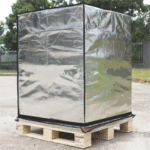
À propos du Tempk: Tempk aide les acheteurs qui ont besoin d'options d'emballage pratiques pour la chaîne du froid et de décisions d'emballage plus claires. Nos discussions sur l'emballage peuvent inclure boîtes isolées, sacs isolés, planification des sources de froid, et protection au niveau des palettes, mais le point de départ est toujours l'exigence d'expédition. Nous aidons les équipes à traduire la gamme de produits, itinéraire, charge utile, et les besoins en documentation dans un dossier d'emballage plus utile avant que les échantillons ou les commandes courantes ne soient pris en compte.