How to Shortlist Refrigerated Bag Silver-Coated Manufacturer Suppliers Without Guesswork
A good shortlist for a refrigerated bag silver-coated manufacturer starts with one question: quel travail le sac doit-il effectuer après avoir quitté le fournisseur? La réponse pourrait impliquer la livraison de nourriture, promotions au détail, colis de commerce électronique réfrigérés, remise de la pharmacie, ou revente par distributeur. Chaque utilisation change le bon liner, isolation, fermeture, méthode d'impression, et emballage en carton. Ce guide final combine les achats, matériel, et orienter la réflexion vers un processus de décision plus propre pour les acheteurs B2B.
Une manière plus propre de présélectionner les fournisseurs
Une commande B2B doit suivre un chemin contrôlé de l'échantillon à la production. D'abord, définir le cas d'utilisation en langage clair: ce qui entre dans le sac, à quel point il fait froid ou chaud, combien de temps il est traité, à quelle fréquence il est ouvert, et si l'utilisateur final conservera, retour, faire le ménage, ou jetez-le. Ce n'est qu'après que vous devriez discuter de la couleur, logo, style de poignée, ou quantité de carton. Cet ordre de décision évite qu’un bel échantillon ne devienne un outil opérationnel faible.
Pour la sélection du fabricant, the supplier conversation should include material engineering, qualité de la doublure, construction de couture, contrôle des œuvres d'art, et documentation des tests. Demandez si le fournisseur peut documenter la pile de matériaux, répéter la structure approuvée en production, et séparer les options cosmétiques des changements fonctionnels. Un changement de doublure, mousse, fermeture éclair, ou la méthode de couture peut changer la façon dont le sac se comporte même lorsque la forme extérieure est la même. Ceci est particulièrement important lorsque la première commande est un essai et que les commandes ultérieures prendront en charge un itinéraire ou un programme de vente au détail plus large..
N'approuvez pas un échantillon uniquement en le photographiant. Mettez la charge utile prévue à l’intérieur, ferme-le, portez-le comme le personnel le portera, et nettoyez-le de la même manière que les utilisateurs le feront. Vérifiez si la fermeture éclair attrape la doublure, les poignées se tordent, le sac s'effondre dans le produit, ou la condensation s'accumule dans un coin. S'il s'agit d'un sac à dos ou d'un sac de courrier, le confort de chargement et les ouvertures répétées comptent autant que la liste du matériel. S'il s'agit d'une pochette ou d'un courrier, le comportement du joint et l’ajustement du carton deviennent plus importants.
For refrigerated bag silver-coated manufacturer, la liste restreinte ne doit pas être construite uniquement à partir des colonnes de prix. Donnez à chaque fournisseur le même brief d’utilisation et demandez-lui de répondre aux mêmes questions pratiques. Si un fournisseur est moins cher mais ne peut pas expliquer les changements importants, emballage, doublure, ou contrôle de production, les économies peuvent disparaître lors des sinistres, retours, ou récommandes.
Traduire les mots relatifs aux produits en faits opérationnels
The most useful way to compare silver-coated insulated bag options is to separate the visible shell from the thermal layer and the liner. La coque résiste à l'abrasion, apparence de la marque, impression, et contact avec la pluie ou l'intérieur du véhicule. La couche isolante ralentit le mouvement de la chaleur mais ne peut pas créer de refroidissement à elle seule.. La doublure gère l'humidité, nettoyage, odeur, et contact avec des marchandises emballées. Quand un fournisseur décrit uniquement le tissu extérieur, il faut encore se demander ce qu'il y a à l'intérieur du mur et comment les bords sont finis.
Les acheteurs demandent souvent un sac plus épais car l'épaisseur semble mesurable. L’épaisseur compte, mais ce n'est pas toute la réponse. Une couche de mousse volumineuse avec des coutures de mauvaise qualité peut rapidement perdre de l'air froid lorsque le couvercle est ouvert encore et encore.. Une structure plus fine mais mieux conçue peut être plus facile à plier, faire le ménage, paquet, et porter. For refrigerated bag silver-coated manufacturer, the practical review should include silver film durability, laminate adhesion, heat reflection, comportement de condensation, qualité des coutures, and customer-facing appearance. Ces détails déterminent si l'échantillon approuvé survivra à l'itinéraire prévu..
Doublures argentées réfléchissantes, stratifiés d'aluminium, Doublures de style PEVA, Doublures de style PVC, et les doublures en tissu créent toutes des compromis différents. Une surface réfléchissante peut donner un aspect professionnel à la chaîne du froid et réduire l'exposition à la chaleur rayonnante lorsqu'elle est utilisée correctement, mais cela dépend toujours de la fermeture, plan de refroidissement, température de la charge utile, et temps de traitement. Pour contact alimentaire ou à usage médical, les acheteurs devraient demander des déclarations de matériaux et des conseils de nettoyage plutôt que de supposer qu'un revêtement brillant est automatiquement conforme.
Le mot isolé peut aussi créer de la confusion. Cela signifie que le sac résiste au transfert de chaleur; cela ne prouve pas un temps de maintien fixe dans toutes les conditions ambiantes. Si l'envoi concerne des aliments réfrigérés, médicaments, vaccins, ou échantillons, la plage de température requise doit provenir du propriétaire du produit ou de l'équipe qualité. Le sac, liquide de refroidissement, carton, et le processus de transfert doivent ensuite être vérifiés ensemble. Cette distinction empêche les acheteurs de traiter un transporteur promotionnel comme un système de transport validé..
Construire la spécification autour du risque
| Étape de présélection | Décision à prendre | Preuve ou action à demander |
|---|---|---|
| Définir le travail | Livraison, promotion, revente, transport d'échantillons, ou protection secondaire | Rédigez un briefing sur l'itinéraire et la charge utile avant de demander le prix. |
| Choisissez la structure | Sac à dos, fourre-tout, poche, courrier, ou sous forme de glacière douce | Comparez l'ajustement réel de la charge utile, pas seulement les dimensions du catalogue. |
| Vérifier le langage thermique | Isolé, glacé, réfrigéré, étanche, ou qualifié | Demandez ce que signifient les mots dans le devis du fournisseur. |
| Approuver l'échantillon | Matériel, fermeture, imprimer, doublure, odeur, nettoyage, et emballage | Testez-le avec une manipulation réelle avant l'approbation de la production. |
| Échellez soigneusement | Cohérence des lots, emballage en carton, contrôle des œuvres d'art, et plan d'inspection | Verrouillez la spécification approuvée et confirmez toute modification. |
| Examiner le risque | Produits réglementés, besoins en contact avec les aliments, humidité, et plaintes | Intégrez la qualité ou les opérations dans la décision d’achat dès le début. |
Le but de cette liste de contrôle n'est pas de compliquer le produit. Il s'agit d'empêcher des mots peu clairs de motiver l'achat. Lorsqu'un acheteur sait quelles allégations nécessitent des preuves et quels détails ne sont que cosmétiques, la comparaison des devis devient plus rapide et plus fiable.
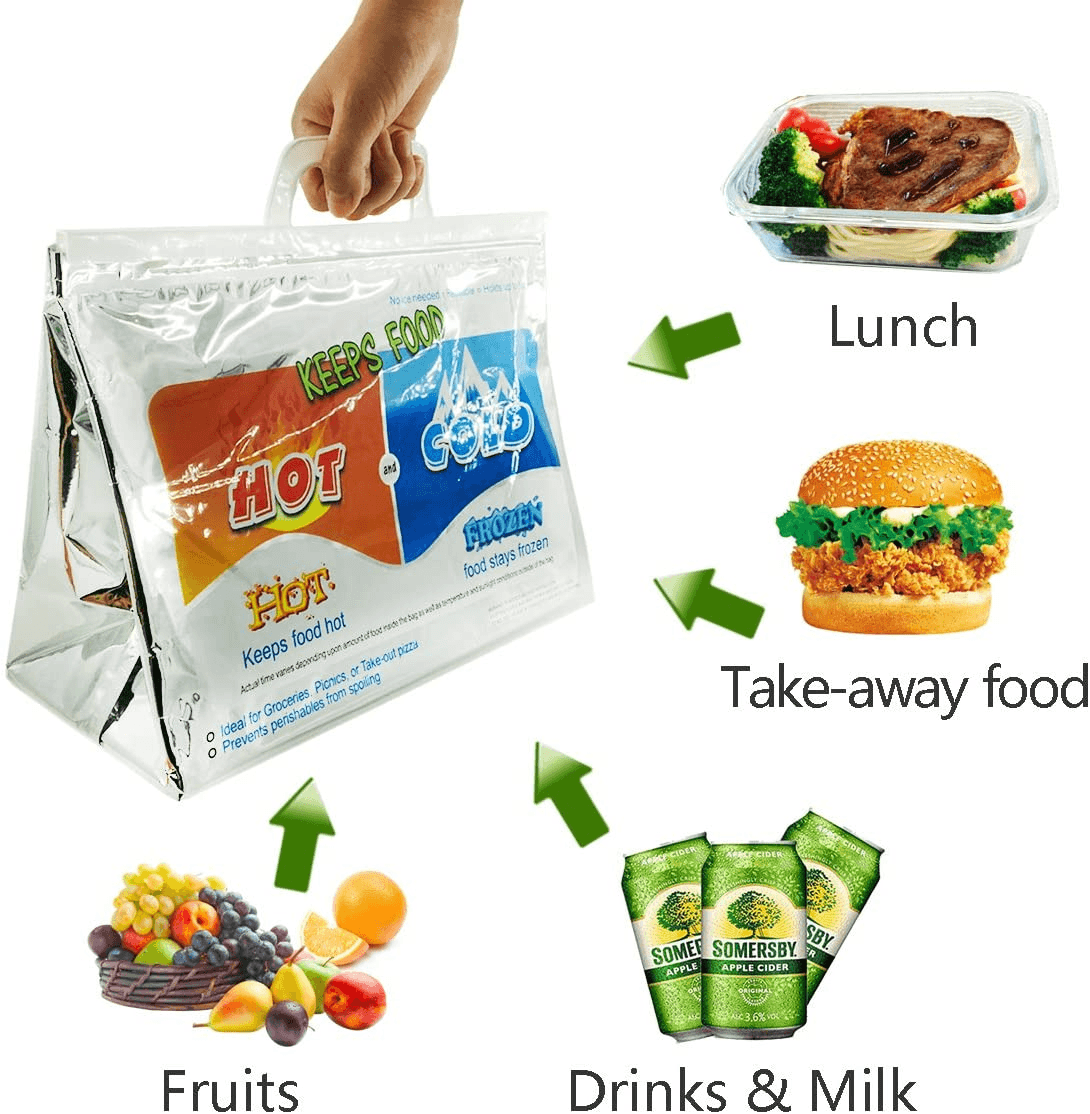
Le plus grand risque d'achat est de traiter tous les produits à isolation souple comme interchangeables.. Un sac style pique-nique, un sac à dos de livraison de nourriture, une enveloppe étanche, et un sac à provisions promotionnel peuvent tous contenir une isolation, mais leurs points faibles sont différents. Le sac de pique-nique peut se concentrer sur l'apparence au détail. Le sac à dos de livraison peut nécessiter un accès rapide et un confort de conduite. L'expéditeur peut avoir besoin de la durabilité du colis et de l'intégrité de la fermeture. Le sac promotionnel peut nécessiter un faible coût et une image de marque forte. Un cas d'utilisation clair maintient la spécification honnête.
Un autre risque est d'accepter une réclamation de temps de rétention sans les conditions de test.. Une réclamation utile devrait expliquer la charge utile, température de départ, disposition du liquide de refroidissement, profil ambiant, fréquence d'ouverture, et limite d'acceptation. Sans ces conditions, un numéro de temps d'attente peut décrire uniquement une démonstration contrôlée. Les acheteurs doivent demander le résumé du test lorsque l’exposition à la température est critique. Si le fournisseur ne peut pas en fournir un, rédiger la réclamation comme une hypothèse et la vérifier avant un déploiement à grande échelle.
De l'échantillon approuvé à la commande reproductible
Dans les opérations quotidiennes, le sac interagit avec les gens plus qu'avec les spécifications. Les conducteurs peuvent l'ouvrir à chaque arrêt. Le personnel du magasin peut le surcharger car les parois latérales fléchissent. Les clients peuvent juger la marque en fonction de la propreté du revêtement à la remise.. Les équipes de l'entrepôt peuvent empiler les cartons de manière à comprimer l'isolation souple avant que les sacs n'atteignent l'itinéraire.. Ces événements de manipulation ordinaires expliquent souvent pourquoi un échantillon techniquement acceptable déçoit sur le terrain..
L'itinéraire doit guider la forme. Une pochette isotherme plate convient aux petits objets, échantillons, et colis légers, mais il ne protège peut-être pas les grandes boîtes de repas. Un sac à dos carré peut organiser les livraisons, mais peut être trop grand pour être utilisé comme cadeau promotionnel.. Un sac de courses pliable réduit les coûts de stockage mais peut perdre sa structure lorsqu'il est chargé de bouteilles ou de produits d'épicerie lourds. Un expéditeur de type étanche peut améliorer la confiance des colis, mais peut ne pas convenir à un nettoyage répété.. La forme correcte est celle que les utilisateurs peuvent utiliser sans improviser.
Outils de décision utiles
Vérifiez les détails avant de choisir l'emballage
Ces outils rapides peuvent vous aider à comparer le risque d'itinéraire, besoins de dimensionnement, choix de liquide de refroidissement, et les détails de l'emballage avant de demander un devis.
Résistance aux chutes du matériau isolant
Examinez la résistance aux chutes et les facteurs de manipulation avant de choisir des matériaux d'isolation..
Vérifier la résistanceSélecteur d'emballage
Comparez les options d'emballage isotherme par produit, itinéraire, et besoin de température.
Trouver un emballageVérificateur de risque d'itinéraire
Examinez les conditions des pistes avant de sélectionner l'emballage en fonction des exigences opérationnelles réelles..
Vérifier le risque d'itinéraireUn scénario typique: a buyer wants a silver-coated insulated bag for food delivery, ramassage d'épicerie, échantillons, vente au détail promotionnelle, remise de produits pharmaceutiques légers, et expéditions de commerce électronique isolées. Le premier échantillon semble acceptable car la couleur et le logo sont corrects. Lors d'un essai de parcours, le personnel remarque qu'une exposition à une température ambiante chaude se produit dans la zone de chargement, pas à l'intérieur du véhicule, et le sac est ouvert plus souvent que prévu. La solution peut être une fermeture différente, un processus de charge utile pré-refroidi, une meilleure poche pour sac de glace, ou une deuxième taille de sac plutôt que de simplement choisir une couche isolante plus épaisse.
Pour les marchés B2B mondiaux, l'équipe d'achat doit également penser au remplacement et au nettoyage. Un sac peu coûteux mais difficile à essuyer peut créer un problème d'hygiène. Un sac qui semble haut de gamme mais qui ne peut pas être emboîté ou plié peut augmenter les coûts de stockage. Un sac à dos de coursier qui offre des performances thermiques mais provoque une fatigue des épaules peut être rejeté par les coureurs.. Une spécification pratique équilibre le support thermique, manipulation humaine, et frottement total de fonctionnement.
La répétabilité est la différence entre un exemple de projet et un véritable programme de sourcing. Tenir un registre du matériel approuvé, taille, doublure, fermeture, imprimer des illustrations, méthode d'emballage, et tous tests ou hypothèses. Demandez au fournisseur de vous avertir avant de changer de composants. Ceci est particulièrement important pour le distributeur, de marque, et les commandes critiques pour l'itinéraire.
Notes de l'acheteur pour la comparaison finale
Les décisions en matière de durabilité doivent être liées à l’utilisation réelle, pas seulement aux étiquettes de matériaux. A reusable silver-coated insulated bag can reduce disposable packaging in a repeated route, mais seulement si le sac est durable, nettoyable, et vaut la peine d'y retourner. Un courrier léger jetable ou semi-jetable peut être approprié pour le commerce électronique à sens unique s'il protège le produit et évite un volume excessif.. La question la moins visible est de savoir combien d'expéditions ont échoué, retours, ou des remplacements qu'une mauvaise spécification peut créer.
Les équipes d'approvisionnement doivent se demander si la conception prend en charge le cycle de vie prévu. La doublure peut-elle être essuyée sans se décoller? La méthode d'impression survit-elle au nettoyage? Les sacs endommagés peuvent-ils être séparés du stock actif? Les cartons sont-ils suffisamment solides pour l'expédition à l'exportation? Le sac arrive-t-il à plat, plié, ou en forme, et comment cela affecte-t-il l'espace de l'entrepôt? Ces questions ne sont pas des slogans environnementaux; ils décident de la quantité de gaspillage et des coûts générés par le programme après son lancement.
Pour les commandes de marque ou promotionnelles, il y a un autre problème de durabilité: les destinataires réutiliseront-ils réellement le sac? Un sac de courses isotherme bon marché qui semble faible peut être rapidement jeté même s'il utilise moins de matériau.. Un design mieux équilibré peut coûter plus cher par unité mais garder la marque visible plus longtemps. Pour les flottes opérationnelles, le taux de remplacement et le temps de nettoyage comptent souvent plus que la déclaration relative au matériau imprimée sur une étiquette. Les acheteurs doivent tester le comportement des utilisateurs qu'ils souhaitent encourager.
The strongest refrigerated bag silver-coated manufacturer proposal is usually the one that explains limitations clearly. Un fournisseur qui affirme que chaque sac convient à chaque produit sensible à la température crée un risque. Un fournisseur qui demande un itinéraire, charge utile, liquide de refroidissement, nettoyage, et la documentation vous aide à éviter de suracheter, sous-spécification, ou choisir un sac pour la mauvaise raison.
FAQ
What is the first step in shortlisting refrigerated bag silver-coated manufacturer suppliers?
Définir le travail que le sac doit effectuer. Notez le type de produit, itinéraire, charge utile, méthode de manipulation, attente de nettoyage, besoin de marque, et si une preuve de température est requise. Une fois que c'est clair, la comparaison des fournisseurs devient plus objective car chaque échantillon est jugé par rapport aux mêmes exigences opérationnelles.
Quelles réclamations dois-je traiter avec attention?
Traiter un temps de maintien fixe, étanche, qualité alimentaire, pharmaceutique approprié, et les réclamations pour poids lourds avec soin, à moins que le fournisseur n'explique la méthode de test, base matérielle, ou l'utilisation prévue. Ces mots peuvent être utiles, mais ils ont besoin de contexte. Un acheteur prudent demande ce qui a été testé, avec quelle charge utile, et dans quelles conditions.
Comment savoir si un échantillon peut devenir un ordre de fabrication?
Demander au fournisseur de verrouiller la pile de matériaux, dimensions, doublure, fermeture, œuvres d'art, et méthode d'emballage après approbation. Demander une confirmation si un composant change avant la production. Un échantillon n'est utile que lorsqu'il représente la même structure qui sera produite et livrée.
La marque ou l’isolation doivent-elles primer ??
Pour un sac chaîne du froid opérationnel, l'isolation et la convivialité doivent primer. Pour la vente au détail promotionnelle, la marque peut avoir plus de poids, mais le sac doit quand même être suffisamment fiable pour être réutilisé. Dans la plupart des commandes B2B, le meilleur résultat vient de la définition d'abord de la base fonctionnelle, puis de l'application du branding sans l'affaiblir.
Tempk peut-il recommander une option appropriée sans données de test exactes?
Tempk peut discuter des instructions pratiques en fonction de l'itinéraire, charge utile, plage de température, taille, et les besoins en matière de marque. Cependant, toute allégation de température critique doit être vérifiée par rapport aux conditions réelles d'emballage et aux exigences de qualité. L'objectif est de restreindre la bonne famille de produits avant de confirmer les détails au moyen d'échantillons et de documentation..
Conclusion
Shortlisting refrigerated bag silver-coated manufacturer suppliers is easier when you separate function, apparence, attentes thermiques, et risque opérationnel. Demandez des preuves lorsque les allégations affectent la qualité, et évitez de traiter un sac isotherme souple comme un système universel de chaîne du froid. La meilleure discussion avec un fournisseur est spécifique: produit, itinéraire, charge utile, doublure, fermeture, contrôle des échantillons, et répétabilité de la production.
À propos du Tempk
Tempk fournit emballage chaîne du froid options, y compris isolé sacs thermiques, sacs à dos plus frais, packs de glace en gel, packs de glace sec, doublures isolées, Boîtes EPP, couvertures de palettes, et matériel connexe. For sourcing projects around refrigerated bag silver-coated manufacturer, nous aidons les acheteurs à formuler les bonnes questions avant de prélever des échantillons: ce que contient le sac, comment c'est géré, quel support thermique est réaliste, comment il devrait être marqué, et ce qui doit rester cohérent en production.
Before finalizing refrigerated bag silver-coated manufacturer, demander à Tempk de revoir votre itinéraire, charge utile, préférence de doublure, besoins de fermeture, et plan de marque. Un brief plus clair conduit généralement à un meilleur échantillon et à moins de surprises de production.