Un cadre pratique pour choisir une entreprise de caisses en plastique ondulé à température contrôlée pour la conception de vaccins
Un projet de caisse échoue lorsqu'une équipe achète une fonctionnalité tandis qu'une autre équipe hérite des conséquences. Un carton ondulé caisse en plastique n'est pas un expéditeur de vaccins en soi. Le transport des vaccins nécessite des instructions de température spécifiques au produit, isolation et réfrigérant appropriés, protection contre le gel le cas échéant, surveillance, contrôles de manipulation, et qualification pour l'itinéraire prévu. Le cadre ci-dessous combine le design, approvisionnement, validation, et contrôles opérationnels dans un seul chemin de décision.
Créer la limite de décision avant la liste restreinte
Écrivez le travail de la caisse en plastique ondulé à température contrôlée en une phrase: protéger et organiser les cartons de vaccins, diluants, fournitures auxiliaires, moniteurs de température, et des emballages secondaires protégés lors de leur déplacement dans un entrepôt réfrigéré, conditionnement du réfrigérant, emballage, expédition, transfert aérien ou terrestre, livraison, examen de la température, décision de quarantaine si nécessaire, et retour des composants. Ensuite, écrivez ce qu'il ne faut pas supposer faire. Selon l'itinéraire, cela peut inclure la stérilité, agrément contact alimentaire, confinement des fuites, emballage de marchandises dangereuses, ou contrôle de la température. Cette frontière à deux lignes empêche le projet de rassembler des attentes incompatibles sous un seul nom de produit..
Classer les conséquences crédibles du développement d'un système de transport passif de vaccins utilisant une caisse extérieure en plastique ondulé, isolation, réfrigérant conditionné, et surveillance. Tenez compte des dommages au produit, contamination, empilement instable, accident du travail, traçabilité manquante, réception retardée, randonnée thermale, rejet d'itinéraire, et perte de l'actif réutilisable. La conséquence la plus grave n'est pas toujours l'événement le plus fréquent. Un cahier des charges pratique privilégie la combinaison de la gravité, probabilité, et la détectabilité plutôt que la fonctionnalité la plus simple à citer.
Fixez des lignes rouges avant de comparer les fournisseurs. Une ligne rouge peut être une durée thermique non prise en charge, pas de traçabilité matérielle, un joint non nettoyable, aucun avis de changement de production, une pile à charge mixte instable, ou un design qui ne peut pas être retourné économiquement. Les lignes rouges accélèrent la présélection car elles séparent l'incertitude disqualifiante des fonctionnalités qui peuvent être optimisées ultérieurement.. L'examen des fournisseurs doit définir comment la notification des changements reste contrôlée après la mise à l'échelle..
Preuve de vérification de la caisse en plastique ondulé à température contrôlée destinée à la production
La caisse en plastique ondulé à température contrôlée doit être décrite par fonction, pas par des adjectifs. Ses fonctions vérifiées peuvent inclure le transport, empilement, emboîtable ou pliable, résister à une manipulation définie, étiquettes de support, accepter les inserts, et présentation des surfaces à nettoyer. Des allégations telles que l'étanchéité, médical, qualité alimentaire, pharmaceutique, thermique, ou à température contrôlée nécessitent des définitions et des preuves supplémentaires. Le terme ne doit jamais impliquer une approbation de système plus large que ce que le fournisseur peut démontrer..
Pour les programmes de vaccination, commencer par les instructions de stockage et de transport approuvées par le fabricant. Une température comprise entre 2 °C et 8 °C est courante pour de nombreux vaccins réfrigérés, mais ce n'est pas universel, et l'exposition au gel peut être dommageable pour certains produits. OMS, CDC, PIB, et les documents IATA peuvent guider le cadre de qualité et de traitement; le pack proposé a encore besoin de produit- et évaluation spécifique à la voie. Utiliser l'essai d'ouverture et de transfert lorsqu'il représente l'itinéraire prévu, charger, et mode de défaillance.
Utiliser les normes comme outils dans le plan de preuves. Compression, empilement, vibration, baisse, et les profils thermiques peuvent rendre les résultats des fournisseurs comparables lorsque l'échantillon, charge utile, conditionnement, et les critères d'acceptation sont les mêmes. Un nom standard sur une brochure ne suffit pas, et un résultat réussi ne garantit pas un itinéraire différent. L'équipe qualité ou d'ingénierie de l'acheteur doit décider de la manière dont le test prend en charge l'utilisation prévue.. Le rapport doit relier la répétabilité de l'emballage à une règle d'acceptation écrite.
Une spécification qui relie les avantages aux effets secondaires
Construire la spécification en cinq blocs: charge utile, géométrie, environnement, opération, et des preuves. La charge utile couvre les dimensions, poids, fragilité, contact, et sensibilité à la température. La géométrie couvre l'espace utilisable, fermeture, empiler, manutention, et interfaces. L'environnement couvre le temps, température, humidité, produits chimiques, et UV. L'opération couvre l'emballage, transport, nettoyage, retour, et la retraite. Les preuves couvrent les dessins, déclarations, essais, inspection, et changer de contrôle. Reliez l’exigence à la preuve d’inviolabilité et à une charge utile représentative.
Traduisez la discussion sur la conception en fonctionnalités qui comptent ici: rigidité de la coque extérieure, bords scellés, rétention de panneaux isolés, support flacon-carton, preuve d'inviolabilité, et accès aux documents et aux enregistreurs. Pour chaque fonctionnalité, enregistrer le bénéfice attendu et un effet secondaire possible. Un évent peut améliorer la circulation de l'air mais réduire le confinement. Un cône peut améliorer l’imbrication mais réduire le volume. Un joint peut contrôler les infiltrations mais ajoute un nettoyage et un remplacement. Un insert isolé peut améliorer les performances thermiques mais réduire la charge utile et compliquer le chargement. La spécification contrôlée doit également rendre visible la traçabilité des lots de liquide de refroidissement.
Gardez les questions matérielles tout aussi spécifiques: construction en tôle ondulée, matériau isolant, Boîtier PCM ou gel-pack, doublure nettoyable, comportement au froid, et durabilité de l'impression et des étiquettes. Demandez la preuve du produit fini qui correspond à l'allégation. Un nom de résine prend en charge l'identification du matériau; ça ne prouve pas une prise en main, charnière, souder, joint de bord, étiquette, ou couvercle assemblé. De même, un dessin dimensionnel prend en charge l'ajustement; il n'établit pas la durée de vie de la pile, fuite, nettoyabilité, ou un profil de température. Appliquer l'exigence au développement réel d'un système de transport passif de vaccins utilisant une caisse extérieure en plastique ondulé, isolation, réfrigérant conditionné, et suivi du flux de travail.
| Grille | Question d'approbation | Sortie minimale | Propriétaire |
|---|---|---|---|
| 1. Cas d'utilisation | Quel travail et quelle limite sont définis? | Exigences approuvées | Opérations et qualité |
| 2. Conception | L'échantillon s'adapte-t-il et gère-t-il la charge utile? | Examen des dessins et des échantillons | Ingénierie |
| 3. Preuve | Les réclamations sont-elles liées aux conditions de test? | Rapports et documents importants | Qualité |
| 4. Pilote | Est-ce que ça marche dans la boucle réelle? | Dossier pilote et liste des problèmes ouverts | Opérations |
| 5. Production | La production correspond-elle à l'échantillon approuvé? | Plan d'inspection et contrôle des changements | Approvisionnement et fournisseur |
| 6. Cycle de vie | Comment se passe le nettoyage, réparation, perte, et retraite contrôlée? | SOP et mesures de la flotte | Propriétaire du programme |
Traitez chaque porte pour le développement d'un système de transport passif de vaccins à l'aide d'une caisse extérieure en plastique ondulé, isolation, réfrigérant conditionné, et le suivi comme enregistrement de décision. Progrès seulement lorsque le propriétaire, preuve, et les risques non résolus sont visibles pour l'équipe interfonctionnelle.
Quand l'itinéraire nécessite plus qu'une caisse de manutention
Décidez d’abord si le contrôle de la température fait partie du projet de caisse. Si le véhicule ou la salle offre déjà un contrôle fiable et que la charge utile est protégée à chaque transfert, la caisse peut avoir besoin uniquement d'un flux d'air et d'une compatibilité mécanique. S'il existe des lacunes, une doublure isolée, glacière, couverture de palette, pack de gel conditionné, Pack PCM, système de glace carbonique, ou une solution active peut être nécessaire. La réponse doit suivre les spécifications du produit et le risque de voie. Gardez le résultat traçable grâce à la traçabilité des lots de liquide de refroidissement.
Si une protection passive est requise, définir la gamme de vaccins définie par le fabricant, sensibilité au gel, conditionnement du réfrigérant, configuration de la charge utile, profils ambiants chauds et froids, et placement de l'enregistreur et examen des alarmes avant de sélectionner les composants. La conception doit tenir compte de la température de démarrage de la charge utile, espace vide, ponts d'isolation, conditionnement du liquide de refroidissement, séparation des produits, exposition ambiante, et ouverture. Tout changement dans ces variables peut altérer les performances. La configuration testée par un fournisseur n'est utile que lorsque le pack proposé est véritablement comparable. Utiliser les chutes et les vibrations si elles représentent le risque opérationnel prévu.
La qualification et la surveillance de routine répondent à des objectifs différents. Les tests de développement déterminent si un emballage contrôlé peut répondre aux critères d'acceptation dans le cadre d'un profil défini.. La surveillance des itinéraires vérifie ce qui s'est passé pendant l'utilisation. Un enregistreur peut prendre en charge la libération ou l'enquête, mais il ne peut pas compenser un manque pack de liquide de refroidissement, une charge utile chaleureuse, un couvercle ouvert, ou un itinéraire non qualifié. Les instructions de réception doivent relier les données à un processus de décision clair. Appliquer le point à la caisse en plastique ondulé à température contrôlée approuvée dans le cadre du développement d'un système de transport passif de vaccins utilisant une caisse extérieure en plastique ondulé, isolation, réfrigérant conditionné, et surveillance.
Modes de défaillance importants dans le développement d'un système de transport passif de vaccins utilisant une caisse extérieure en plastique ondulé, Isolation, Réfrigérant conditionné, et surveillance
Présélectionner l'entreprise en fonction de la qualité de ses preuves. Demander un dessin approuvé, déclaration matérielle, rapport sur la dimension critique, échantillon d'intention de production, rapports d'essais pertinents, instructions de nettoyage ou d'emballage, identification du lot, et les termes de contrôle des changements. Pour cette application, examiner également le protocole et le rapport de qualification, instructions d'emballage, contrôle des matériaux et des dessins, traçabilité des lots de liquide de refroidissement, notification de changement, et accompagnement à la formation. Les documents doivent identifier la configuration et les conditions, ne pas simplement répéter une allégation marketing. L'examen doit inclure explicitement le risque répertorié: considérer la température de 2°C à 8°C comme universelle pour chaque vaccin.
Utiliser une hiérarchie de preuves. Une déclaration verbale est la plus faible. Une fiche technique générique est préférable mais peut ne pas correspondre à l'assemblage. Un test fournisseur sur la configuration proposée est plus fort. Un rapport de laboratoire indépendant ou accrédité peut renforcer la confiance lorsque la méthode et l'échantillon sont pertinents. La preuve pratique la plus élevée est un pilote contrôlé sur la route de l'acheteur, soutenu par des unités de production traçables et un plan d’inspection continue. Convertir le mode d'échec « placer des packs congelés à côté de cartons sensibles au gel » en un élément de vérification détenu.
Challenger directement les modes de défaillance: considérer la température de 2°C à 8°C comme universelle pour chaque vaccin, placer les emballages congelés à côté des cartons sensibles au gel, utiliser un enregistreur comme s'il empêchait les excursions, changer la charge utile sans réévaluation, et en supposant qu'un test ISTA garantit chaque voie. Demandez quelle caractéristique de conception empêche chaque événement, comment cette fonctionnalité a été testée, et comment les contrôles de production le préservent. Si le fournisseur ne peut pas répondre, convertir l'incertitude en un test sur échantillon ou supprimer l'allégation de la spécification. Cela maintient la négociation commerciale liée au risque plutôt qu'au nombre de fonctionnalités. Pour le développement d'un système de transport passif de vaccins utilisant une caisse extérieure en plastique ondulé, isolation, réfrigérant conditionné, et surveillance, décider quel contrôle gère le mode de défaillance « en utilisant un enregistreur comme s'il empêchait les excursions ».
Outils de décision utiles
Vérifiez les détails avant de choisir l'emballage
Ces outils rapides peuvent vous aider à comparer le risque d'itinéraire, besoins de dimensionnement, choix de liquide de refroidissement, et les détails de l'emballage avant de demander un devis.
Calculateur de glace carbonique
Estimer les besoins en glace carbonique pour les envois congelés ou ultra-froids avant l'emballage.
Estimation de la neige carboniqueSélecteur d'emballage
Comparez les options d'emballage isotherme par produit, itinéraire, et besoin de température.
Trouver un emballageVérificateur de risque d'itinéraire
Examinez les conditions des pistes avant de sélectionner l'emballage en fonction des exigences opérationnelles réelles..
Vérifier le risque d'itinéraireDe l’échantillon au service contrôlé
Utilisez quatre portes d'approbation. La première porte est en bon état: les charges utiles, ferme, décharge, et reste identifiable. La deuxième porte est un test contrôlé: mécanique, nettoyage, fuite, ou les essais thermiques répondent aux risques définis. La porte trois est un pilote opérationnel: le personnel normal utilise les unités d'intention de production tout au long de la boucle. La porte quatre est la version de production: l'inspection à l'arrivée et le contrôle des modifications montrent que les unités mises à l'échelle correspondent à la conception approuvée. L'examen de la flotte devrait montrer comment l'inspection des composants affecte le coût et la fiabilité.
Le dossier du pilote doit inclure des exceptions, pas seulement des moyennes. Notez les charges les plus lourdes et les plus légères, ouvertures difficiles, retours humides, transferts retardés, piles mixtes, accessoires manquants, dommage, relaver, et toute excursion de température. Des exceptions révèlent une marge de conception et des lacunes en matière de formation. Un programme qui enregistre uniquement les voyages réussis peut exploiter une faiblesse cachée. Avant la mise à l'échelle, attribuer la propriété pour une réutilisation contrôlée.
Après le lancement, gérer le conteneur comme un atout. Attribuer des identifiants le cas échéant, enregistrer les raisons des dommages, composants réparables séparés, définir l'état de lavage et d'inspection, maintenir un stock de remplacement, et retirer les unités dangereuses. Examiner les données sur le terrain avant d'approuver les modifications de fournisseur ou de composant. Le contrôle du cycle de vie est l'étape qui transforme une idée réutilisable en un programme fiable. Utiliser les enregistrements de terrain pour vérifier si la mise hors service documentée soutient l'analyse de rentabilisation.
Transformez les panneaux d’avertissement en éléments de révision
Première hypothèse: le volume indiqué est égal à l'espace de charge utile. Ce ne sera peut-être pas le cas après la réduction, couvercles, séparateurs, isolation, et liquide de refroidissement. Deuxième hypothèse: un nom de matériau prouve la performance. Cela ne prouve pas la géométrie finie. Troisième hypothèse: une évaluation de la pile couvre chaque durée et chaque température. Cela peut venir d'un autre test. Chaque hypothèse doit être remplacée par un dessin, échantillon, et condition de test pertinente. La discussion avec le fournisseur doit relier le mode de défaillance « en supposant qu'un test ISTA garantit chaque voie » à une fonctionnalité., test, et disposition.
Hypothèse quatre: un format réutilisable est automatiquement durable. La distance de retour, perte, nettoyage, réparation, et le parcours de retraite déterminent le résultat. Cinquième hypothèse: une étiquette thermique prouve le contrôle de la température. Le système complet, conditions de départ, profil ambiant, emballage, et la discipline opérationnelle déterminent le résultat. Ces hypothèses sont coûteuses car elles échouent généralement après l'achat de l'outillage ou de la flotte.. L'examen doit inclure explicitement le risque répertorié: considérer la température de 2°C à 8°C comme universelle pour chaque vaccin.
Les signes avant-coureurs spécifiques au projet considèrent que les températures de 2°C à 8°C sont universelles pour chaque vaccin., placer les emballages congelés à côté des cartons sensibles au gel, utiliser un enregistreur comme s'il empêchait les excursions, changer la charge utile sans réévaluation, et en supposant qu'un test ISTA garantit chaque voie. Mettez-les sur la liste de contrôle d'examen des échantillons. Une équipe interfonctionnelle est plus susceptible de les détecter car les opérations, qualité, ingénierie, sanitaire, et la logistique voient différentes parties du risque. La liste de contrôle doit être courte, possédé, et lié à une disposition: accepter, réviser, test, quarantaine, ou rejeter. Convertir le mode d'échec « placer des packs congelés à côté de cartons sensibles au gel » en un élément de vérification détenu.
Preuve de vérification de la caisse en plastique ondulé à température contrôlée destinée à la production
Un atelier transversal pour le développement d'un système de transport passif de vaccins utilisant une caisse extérieure en plastique ondulé, isolation, réfrigérant conditionné, et la surveillance peut être effectuée autour d'un échantillon destiné à la production. Placer la charge utile représentative, étiquettes, fardage, composants thermiques si nécessaire, et outils de manipulation sur la table. Demander aux opérations de l'emballer, logistique pour le déplacer et l'empiler, qualité pour inspecter les preuves, et assainissement pour le nettoyer et le sécher. Enregistrez où le processus dépend du jugement ou d’une solution de contournement.
Puis simulez un écart crédible: une remise retardée, charge partielle, retour humide, impact du froid, couvercle manquant, ou inspection inattendue. L'équipe doit décider si la conception contient l'événement, si la condition est détectable, et quelle instruction suit. Cet exercice expose souvent une exigence plus utile qu’une autre allégation générique de durabilité. Pour cette caisse en plastique ondulé à température contrôlée, garder les conditions d'ouverture et de remise de l'essai traçables jusqu'à l'échantillon approuvé.
Fermer l'atelier avec des actions nommées, points de dessin révisés, essais, propriétaires, et dates d'acceptation. Le fournisseur reçoit une liste contrôlée plutôt que des commentaires contradictoires de différents services. Quand le prochain échantillon arrive, la même équipe peut vérifier les changements et décider si la conception est prête pour un projet pilote d'itinéraire. La matrice de vérification doit indiquer qui examine le résultat de la répétabilité de l'emballage..
Questions fréquemment posées
Quel est le premier document à préparer avant de contacter une entreprise de caisses en plastique ondulé à température contrôlée pour la conception d'un vaccin?
Préparer un dossier d'utilisation concis couvrant la charge utile, dimensions utilisables, charge maximale, itinéraire, exposition environnementale, manutention, nettoyage, retour, identification, et toute exigence de température. Ajouter les allégations qui doivent être étayées et les conditions qui disqualifieraient une conception. Cela donne aux fournisseurs une base commune de devis. Pour le développement d'un système de transport passif de vaccins utilisant une caisse extérieure en plastique ondulé, isolation, réfrigérant conditionné, et surveillance, vérifier la gamme de vaccins définie par le fabricant dans la configuration testée.
Comment séparer une exigence de caisse d'une exigence de chaîne du froid?
Attribuer la manutention mécanique, empilement, fermeture, hygiène, et identification à la caisse. Attribuer l'isolation, réfrigérant, refroidissement actif, emballage, préconditionnement, surveillance, et qualification thermique du système de contrôle de température. Ils doivent s'interfacer correctement, mais l'un ne doit pas être utilisé comme preuve de l'autre. Pour ce projet de conception de vaccin, confirmer la réponse sur un échantillon d'intention de production plutôt que de supposer l'équivalence du catalogue.
Quelle preuve du fournisseur devrait avoir le plus de poids?
Donnez plus de poids aux dessins spécifiques à la configuration, documents importants, échantillons destinés à la production, rapports de tests avec conditions complètes, et un itinéraire pilote réussi qu'aux brochures génériques. Des tests indépendants peuvent renforcer la confiance lorsque la méthode et l'échantillon sont pertinents. Le contrôle des changements est essentiel pour que les preuves restent liées à la production. Pour ce projet, garder le contrôle des matériaux et des dessins traçable jusqu'à l'échantillon approuvé.
Combien d'échantillons sont nécessaires avant l'achat d'une flotte?
Il n'y a pas de numéro universel. Utilisez suffisamment d'échantillons pour vérifier l'ajustement, variation de production, manutention, nettoyage, et les modes de défaillance crédibles. Un projet pilote devrait inclure des unités d'intention de production et des opérateurs normaux. Le plan d'échantillonnage doit être basé sur les risques et approuvé par l'ingénierie ou la qualité plutôt que choisi uniquement pour des raisons de commodité.. Baser la décision sur la répétabilité de l'emballage selon l'itinéraire et la charge prévus.
Que devrait-il se passer après la mise en service du conteneur?
Identification du contrôle, état de nettoyage, inspection, réparation, remplacement d'accessoires, codage des dommages, perte, et la retraite. Examiner périodiquement les données de terrain et les changements de fournisseurs. L'emballage réutilisable reste fiable uniquement lorsque le système d'exploitation conserve l'état et la configuration initialement approuvés.. Pour ce projet de conception de vaccin, confirmer la réponse sur un échantillon d'intention de production plutôt que de supposer l'équivalence du catalogue.
Décision finale
Sélectionnez une entreprise de caisses en plastique ondulé à température contrôlée pour la conception de vaccins via une séquence contrôlée: définir le poste et les lignes rouges, vérifier la géométrie utilisable et les preuves matérielles, décider si un contrôle thermique est nécessaire, tester les modes de défaillance pertinents, piloter la boucle opérationnelle complète, et préserver la conception approuvée grâce à l'inspection et au contrôle des modifications. Gardez chaque réclamation liée à ses conditions et à son propriétaire.
À propos du tempk
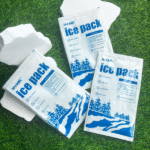
Fournitures temporaires emballage chaîne du froid composants tels que packs de gel, briques de glace, Packs PCM, doublures et sacs isolés, EPP et autres boîtes isothermes, boîtes d'expédition à froid, et couvertures thermiques de palettes. Ici, l'accent pratique est de soutenir les emballages de vaccins et de produits pharmaceutiques avec des packs de gel, Packs PCM, boîtes isolées, Solutions VIP et EPP, doublures, et composants de surveillance de la température. Exigences spécifiques au produit, qualification d'itinéraire, et l'examen de la qualité du client restent la base de toute sélection finale.
Demander un examen pratique
Pour une revue intégrée des conteneurs et de la chaîne du froid, partager les instructions de stockage du fabricant du vaccin, charge utile, itinéraire, risques ambiants, et les attentes en matière de qualification pour discuter d'une conception de système appropriée.