If you are comparing suppliers for stackable plastic containers for pharmaceutical transport, the first job is to define what problem the container must solve in pharmaceutical transport. Most buyers are trying to protect the product, réduire la friction de manipulation, and create a packaging format that is easier to reuse and control at scale. Those goals are realistic, but only when the container is matched to the route, la charge utile, and the day-to-day workflow.
The most useful buying distinction is simple: a stackable plastic tote can be an excellent outer handling container, but it is not automatically sufficient for temperature-sensitive pharma shipments without the right insulated insert or qualified shipper inside the process. A reusable plastic container may be the right outer handling format, a useful short-term temperature buffer, or part of a more complete packaging system. It becomes a poor choice only when buyers expect it to do more than the design can actually support. The rest of the decision should flow from that boundary.
What the Container Should Do in Real Operations
A good stackable plastic container should make daily handling easier before it makes a presentation slide look impressive. It should fit the actual route, support a stable load, and give operators a repeatable way to prepare, se déplacer, recevoir, and reuse the package. Dans de nombreux programmes, the biggest gains come from fewer damaged loads, flux de travail plus propres, and better space use rather than from one dramatic specification.
That is also why buyers should compare full operating fit. Nettoyage, séchage, étiquetage, gestion des retours, and sample-to-production consistency matter just as much as the headline material. When the package works in the whole loop, it starts to reduce cost and risk. When it works only in the catalog, it becomes a source of exceptions.
Set the Performance Boundary Before You Compare Quotes
A lot of wasted procurement time comes from asking one container to do three different jobs. Start by defining whether the package is primarily a reusable handling format, a short-term temperature buffer, or part of a fuller insulated shipping system. That single clarification removes much of the confusion from supplier comparison.
Once the boundary is clear, the rest of the evaluation becomes more practical. You can compare structure, nettoyabilité, comportement de fermeture, thermal support, ajustement de l'itinéraire, and return logistics without mixing unlike products into the same shortlist.
How to Read the Design Instead of the Sales Sheet
Good container selection starts by reading the design honestly. Pharma transport totes are commonly evaluated in HDPE or PP depending on the expected load, wash-down frequency, and whether the container needs rigid stack performance or lighter handling weight. Buyers should then look at the whole system interface: comportement du couvercle, load transfer, nettoyage de la réalité, contrôle des étiquettes, and how the package is expected to be used every day.
Style de couvercle, tamper-evident seal options, latch repeatability, and hinge consistency matter because receiving teams often rely on quick visual checks before product release into the next process step. Surfaces lisses, limited dirt traps, and easy wiping or washing are more important than decorative features in regulated logistics environments. Barcode plates, RFID windows, serialized labels, and dedicated areas for route or product identification can determine whether the tote becomes a real logistics tool or just another box. Autrement dit, the right container is rarely the one with the boldest headline claim. It is the one whose details match the actual work.
The Criteria That Usually Decide the Outcome
Most buying decisions become easier once the evaluation moves away from vague quality language and into a few practical variables.
- Load path through the rim and base: True stackability is about where the load travels when multiple totes are stacked, not about whether the walls look thick.
- Footprint discipline: The best tote size is the one that fits pallets, shelves, convoyeurs, and pick faces already used in the network.
- Lid security: A loose lid undermines chain-of-custody and handling discipline even if the tote body itself is strong.
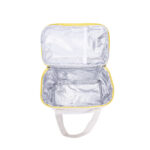
- Insert compatibility: For chilled or controlled-room lanes, the outer stackable tote may need to fit insulated liners, PCM sets, or data logger pockets.
- Wash and turnaround reality: Reusable transport only works when the tote can be cleaned, séché, re-labeled, and turned quickly enough for the shipping cadence.
- Ergonomic handling: Pharma operations still involve manual lifting, decanting, and verification steps, so handle comfort and tote weight matter.
Keep the Factual Boundary Clear
One of the best ways to avoid bad packaging decisions is to keep the factual boundary honest. A supplier may offer useful data on structure, nettoyage, or thermal behavior, but the final decision still has to reflect your route, produit, processus de réception, and control requirements. That is why buyers should ask what the data proves, what it does not prove, and what additional trial or qualification work may still be needed.
Think in Terms of Program Cost, Not Unit Cost
An inexpensive container can still be costly if it breaks stacks, complicates cleaning, wastes cube, or creates relabeling work. A more expensive container can still be the better choice if it survives longer, supports a cleaner process, and reduces daily friction across multiple sites.
The practical comparison is therefore program cost: purchase price, durée de vie, efficacité de retour, effort de nettoyage, pièces de rechange, and any effect on product loss or handling speed. That wider lens usually leads to a better supplier conversation.
A Practical Supplier Checklist
If you only keep one section from this guide, keep this one. It helps turn a vague sourcing project into a decision with visible criteria.
- Map the actual transport flow: Warehouse to hospital, manufacturing to distribution center, and clinic returns all create different design priorities.
- Request full usable dimensions: The product pack, fardage, insérer, or tray often determines success more than published gross volume.
- Review stack test conditions: Ask how stack performance was measured and whether the conditions resemble your payload, durée, and pallet pattern.
- Check label and seal integration: The tote should support the site’s scanning, preuve d'inviolabilité, and receiving control without awkward workarounds.
- Confirm temperature-sensitive workflows: If the lane includes chilled product, define whether the tote is only an outer shell or part of a qualified insulated system.
- Ask about change control and repeatability: Small tooling or resin changes can create fit problems across lids, inserts, and automated equipment.
- Pilot across more than one site: A tote that works in a clean central warehouse may fail in clinic receiving or returns processing.
- Discuss service expectations: Large networks may need kitting support, pièces de rechange, or staged deliveries rather than one bulk shipment.
Where the Right Design Creates Real Value
The best way to test whether a container choice makes sense is to place it inside a real scenario rather than discuss it as a generic packaging type.
- Distribution center to hospital pharmacy: Stackable totes can create cleaner pallet builds and clearer route segregation for routine replenishment.
- Clinical site supply and return: They can also improve handling consistency for study materials, ancillary items, and controlled site returns when traceability matters.
- Internal plant and campus transport: Within larger pharma or biotech sites, stackable containers often help standardize movement between production, QA, quarantaine, and finished-goods areas.
Test the Whole Workflow, Not Just the Container
The strongest way to validate a supplier is to test the whole workflow. Include loading, empilement, recevoir, nettoyage, gestion des retours, and any temperature or traceability steps that belong to the package. This reveals whether the product works in your operation instead of only in a catalog environment.
It also helps buyers separate a strong sample from a strong long-term supply program. A good supplier should be able to discuss pilot scope, répétabilité de la production, changer de contrôle, and how the packaging will be supported after the first order ships.
What Usually Goes Wrong
Most buying mistakes sound small at the start and become expensive only after the first rollout.
- Choosing a tote by outside appearance without understanding where the stack load travels.
- Overlooking how label zones, preuve d'inviolabilité, and receiving checks affect daily usability.
- Using a single tote geometry across lanes that have very different route and temperature risks.
- Assuming a stackable outer container is enough for any chilled shipment.
Sustainability Only Counts When the Program Works
Reusable packaging is attractive for good reason, but the real test is operational. Pharma transport programs are moving toward more standardized reusable handling formats that support visibility and easier pallet control. Tote selection is becoming more connected to route design, site processes, and scan-based tracking instead of being treated as a simple packaging commodity. Reusable systems gain traction when buyers can control turnaround, nettoyage, and change management rather than just the initial purchase. A container that comes back reliably, stays in specification, and prevents product loss can create meaningful value. A package that is reusable in theory but awkward to wash, retour, or redeploy usually does not.
A Final Integration Check
Avant de passer une commande importante, compare the candidate container against the real workflow one more time: chargement, transport, reçu, inspection, nettoyage, retour, and any temperature or traceability requirements. That quick integration check often catches issues that would otherwise appear only after rollout.
It also forces suppliers to show whether they understand the application beyond the sales stage. The better they can translate the design into day-to-day use, the more dependable the program is likely to be.
FAQ
Do stackable pharma totes need to be insulated? Only when the product and lane require temperature protection. Many pharma shipments use reusable totes only as protective outer handling containers.
Ce qui compte le plus, wall thickness or stack design? Stack design and load path usually matter more than simple wall thickness as a buying shortcut.
Should buyers test at multiple sites? Oui. Receiving and return conditions often reveal problems that are not visible in a warehouse-only trial.
A Practical Bottom Line
The most useful way to buy in this category is to define the operating role, compare the few variables that really change performance, and shortlist suppliers who can answer practical questions clearly. That approach helps you choose a container that supports the whole workflow rather than creating new exceptions.
À propos du tempk
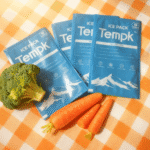
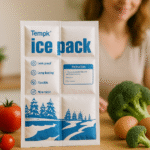
We focus on temperature-controlled packaging for pharmaceutical and food cold chains. Public information on Tempk highlights products such as insulated boxes, couvertures de palettes, and coolant packs, together with packaging support that helps buyers match solutions to route duration and product sensitivity. This subject overlaps with Tempk’s work in pharmaceutical temperature-controlled packaging because many pharma buyers need stackable outer handling plus an insulated inner solution that suits route duration and payload sensitivity. When the job requires more than a standard reusable container, that system view matters.
Prochaine étape
Si vous comparez les options maintenant, commencez par votre véritable itinéraire, produit, et méthode de manipulation. Then ask suppliers to propose a container around those conditions rather than around a generic size or marketing claim.