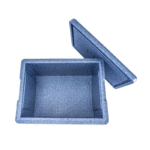
Un plan axé sur les fleurs pour un fournisseur de pack de glace carbonique pour la livraison de fleurs
Choisir un fournisseur paquet de glace sec pour la livraison de fleurs, il faut produire un plan opérationnel, pas seulement un bon de commande. Le "paquet de glace sec" dans cette discussion se trouve une feuille de liquide de refroidissement d'hydratation: il arrive sec, absorbe l'eau, et est congelé avant utilisation. Ce n'est pas du dioxyde de carbone solide. Sa valeur dépend de ce qui se passe autour de lui. Les fleurs doivent partir dans un état convenable, le liquide de refroidissement doit être préparé de manière cohérente, l'isolation et la séparation doivent gérer la chaleur sans geler les tissus, et le transfert du dernier kilomètre doit être contrôlé. Le cadre suivant passe de l'identité du produit à l'acheminement des preuves, puis à l'exécution quotidienne..
Porte 1: Définir ce qui doit arriver
Commencez par le destinataire. Décrire les fleurs acceptables dans des termes que les opérations peuvent observer. La température peut faire partie des spécifications, mais la qualité à l'arrivée inclut aussi l'hydratation, aspect des pétales, force de la tige, comportement d'ouverture, propreté, humidité, odeur, et sans écrasement.
Construire l'exigence autour de l'assortiment réel. Un bouquet de roses standard, un arrangement saisonnier mixte, et une conception tropicale peut nécessiter une manipulation différente. Même au sein d’un même type de fleur, cultivar, maturité, prétraitement, stockage préalable, et la durée de l'itinéraire influence la tolérance. L'équipe qualité doit identifier les éléments les plus vulnérables d'un arrangement mixte et décider s'ils peuvent voyager ensemble..
C’est là que les recommandations universelles en matière de liquide de refroidissement s’effondrent. Un vendeur peut décrire une feuille et fournir des conseils de manipulation, mais ne peut pas déduire les conditions de sécurité pour un mélange de fleurs sans nom. Donnez aux fournisseurs une exigence structurée:
- espèces de fleurs ou assortiment commercial;
- méthode de manipulation humide ou sèche;
- condition de départ et processus de prérefroidissement;
- orientation de l'emballage et protection physique;
- conditions d'itinéraire et de retard prévues;
- critères de qualité d'arrivée acceptables;
- attentes en matière de température ou de surveillance définies par vos spécialistes;
- processus de traitement et de récupération du destinataire.
Si ces entrées sont inconnues, résolvez-les avant de demander combien de feuilles commander.
Porte deux: Confirmez le liquide de refroidissement que vous achetez
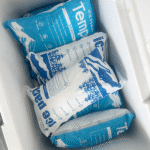
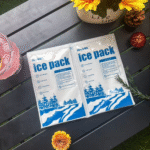
Les documents d'approvisionnement doivent utiliser une description de produit sans ambiguïté. Une feuille d'hydratation contient une structure absorbante et nécessite une activation et une congélation de l'eau. UN paquet de gel est fourni avec un liquide de refroidissement confiné. Un pack à changement de phase utilise une formulation sélectionnée. Le dioxyde de carbone solide est un matériau différent présentant des dangers et des contrôles de transport distincts..
Le mot "sec" peut décrire l'état fourni de la feuille d'hydratation, pas sa température d'utilisation ou son identité chimique. Demander un devis expliquant la construction et la séquence de travaux. Il doit soutenir la formation sans s'appuyer sur la terminologie marketing.
Au minimum, confirmer:
- dimensions sèches et disposition des cellules;
- méthode d'activation et source d'eau acceptable;
- instructions de drainage et de manipulation;
- orientation du congélateur et conseils de stockage;
- emplacements de coupe autorisés, le cas échéant;
- signes de dommages ou préparation incomplète;
- identification du lot;
- instructions d’élimination prévue ou de réutilisation contrôlée;
- processus de notification de changement.
Gardez cette définition de produit cohérente tout au long des achats, recevoir, instructions de travail en entrepôt, dossiers d'emballage, et informations sur le destinataire. Une identité correcte empêche l'application de procédures de glace carbonique solide à une feuille à base d'eau et empêche que la feuille soit présentée de manière erronée aux transporteurs ou aux clients..
Porte trois: Chaleur de la carte, Temps, et manipulation
Un itinéraire est une séquence d'expositions, pas une ligne entre deux adresses. Parcourez une commande normale.
Les fleurs partent rangement froid et entrez dans l'assemblée. Ils attendent une sortie de qualité. Un ouvrier emballe l'arrangement et ajoute une feuille gelée. Les files d'attente fermées pour l'expédition des colis. Un chauffeur le charge dans un véhicule qui peut déjà contenir des retours chauds ou d'autres marchandises. Les portes s'ouvrent à plusieurs reprises. Le colis est transporté jusqu'à un bâtiment, peut-être à cause du soleil ou de la pluie, et remis à la réception. Le destinataire l'ouvre plus tard.
Pour chaque étape, durée de la note, contrôle environnemental, orientation du paquet, et personne responsable. Marquez les points où le colis est ouvert, où le refroidissement peut être perdu, et où un retard est plausible. Identifiez également les sources d'éthylène à proximité telles que les produits en cours de maturation ou la combustion.. Une feuille de liquide de refroidissement ne peut pas compenser l'exposition à l'éthylène.
Regroupez ensuite les itinéraires avec des modèles similaires. Un parcours réfrigéré direct peut nécessiter une solution différente de celle d'un couloir de colis tiers. Le regroupement d'itinéraires vous permet de valider un ensemble gérable de colis sans prétendre que chaque livraison est identique.
| Question d'itinéraire | Pourquoi ça change le pack | Des preuves à recueillir |
|---|---|---|
| Les fleurs sont-elles entièrement prérefroidies? | La charge utile chaude consomme tôt la capacité du liquide de refroidissement | Condition de départ et observation de la fermeture du pack |
| Combien de temps dure la mise en scène incontrôlée? | La chaleur pénètre avant le début du mouvement du véhicule | Horodatage et examen du lieu de préparation |
| L'air du véhicule atteint-il le colis? | La position du carton et les ouvertures de porte créent une exposition différente | Charger la carte et l'observation de l'itinéraire |
| La feuille peut-elle bouger? | Le changement de vitesse peut provoquer un contact froid ou un écrasement | Positionnement après acheminement et inspection du colis |
| La livraison sans surveillance est-elle autorisée? | L'exposition au pas de la porte peut dominer l'itinéraire | Événement de livraison et timing du destinataire |
| Les fleurs sont-elles mélangées à des sources d'éthylène? | Le refroidissement n'empêche pas les blessures liées au gaz | Examen du stockage et de la séparation des véhicules |
Le tableau oriente les tests vers des inconnues opérationnelles. Il permet également de séparer les échecs de packaging des échecs de planification ou de transfert., donc une action corrective s'attaque à la vraie cause.
Porte quatre: Conception autour des pannes à chaud et à froid
Emballage thermique pour les fleurs, il y a deux bords. Un refroidissement insuffisant peut accélérer la détérioration et la perte d'eau. Un refroidissement local excessif peut endommager les pétales ou les tiges. L’objectif est une distribution adaptée, pas la lecture la plus basse.
Placez le drap là où il peut absorber la chaleur entrante sans reposer sur un tissu délicat.. Utilisez un séparateur, manche, fonction de rétention, ou espace aérien contrôlé selon les besoins. N'oubliez pas qu'une barrière plus épaisse peut réduire le contact avec le froid mais également réduire le refroidissement.. Testez le compromis.
Examinez le colis en trois dimensions. Les longs cartons de fleurs peuvent développer une extrémité chaude loin du liquide de refroidissement. Une feuille placée dessus peut se déplacer lorsqu'un conducteur transporte la boîte verticalement. Un arrangement bien rempli peut bloquer la circulation de l’air et transmettre le poids de la feuille aux capitules. Un carton sous-rempli peut permettre au bouquet et au liquide de refroidissement d'entrer en collision.
L'humidité a besoin de son propre chemin. L’eau de condensation ou de dégel ne doit pas s’accumuler sur les fleurs, affaiblir le matériau ondulé, détacher les étiquettes, ou rendre le déballage compliqué. Les doublures et les éléments absorbants peuvent aider dans certaines conceptions, mais ils peuvent également emprisonner l'humidité ou modifier le flux de chaleur.
Surveiller les extrêmes probables pendant le développement. Un capteur à côté du liquide de refroidissement est un contrôle du point froid, pas de preuve pour le reste des fleurs. Inclure des zones chaudes plausibles à proximité des fermetures ou des extrémités éloignées. Associez la température à l’inspection des fleurs après une période de récupération appropriée, car certaines blessures sont plus faciles à voir après le déballage.
Porte cinq: Prouvez le flux de travail, Pas seulement le prototype
Les premiers prototypes sont souvent préparés avec soin par une petite équipe technique. Les commandes quotidiennes sont préparées sous la pression des horaires par différentes équipes. L'essai devrait à terme inclure des opérateurs normaux et des équipements normaux.
Hydratation
Traduire les conseils des fournisseurs en une méthode locale. Définir la zone de préparation propre, gestion de l'eau, chargement des feuilles, drainage, acceptation de l'activation, et critères de rejet. Observer les variations entre les opérateurs et les lots. Si la procédure dépend du jugement personnel, créer une norme visuelle claire ou un autre contrôle approprié.
Gel
Déterminez comment les feuilles seront disposées afin que le flux d'air du congélateur ne soit pas bloqué. Examiner la charge thermique créée par l'activation par lots, surtout pendant les pics. Établissez une règle de libération basée sur vos équipements et les preuves de votre processus. N'assimilez pas la résidence au congélateur à la préparation sans confirmation.
Emballage
Utiliser une nomenclature contrôlée et une image d'emballage. Vérifier le séparateur, emplacement de la feuille, orientation des bouquets, fermeture isolante, et étiqueter. Enregistrez le lot de liquide de refroidissement et la version du pack pour lesquels la traçabilité est nécessaire.
Outils de décision utiles
Vérifiez les détails avant de choisir l'emballage
Ces outils rapides peuvent vous aider à comparer le risque d'itinéraire, besoins de dimensionnement, choix de liquide de refroidissement, et les détails de l'emballage avant de demander un devis.
Vérificateur de risque d'itinéraire
Examinez les conditions des pistes avant de sélectionner l'emballage en fonction des exigences opérationnelles réelles..
Vérifier le risque d'itinéraireCalculateur de glace carbonique
Estimer les besoins en glace carbonique pour les envois congelés ou ultra-froids avant l'emballage.
Estimation de la neige carboniqueRésistance aux chutes du matériau isolant
Examinez la résistance aux chutes et les facteurs de manipulation avant de choisir des matériaux d'isolation..
Vérifier la résistanceExpédition et livraison
Protéger les colis fermés des mises en scène inutiles. Donner aux pilotes le chargement, orientation, et règles de livraison sans surveillance. Capturer les retards ou les substitutions. Un conducteur ne doit pas improviser la quantité ou le placement des feuilles à moins qu'une procédure révisée ne l'autorise..
Réception
Dites aux destinataires de déballer rapidement et de retirer soigneusement la feuille. Définir quel retour d'information sur les conditions est utile et où une exception doit être signalée. Pour les livraisons professionnelles, identifier à qui appartient le transfert après les panneaux de réception.
Un packout est prêt à évoluer uniquement lorsque ce flux de travail de bout en bout est reproductible.
Porte Six: Évaluer le fournisseur derrière l'échantillon
Les exemples de réponses, "Cet élément peut-il être considéré?" L'examen du fournisseur demande, "Cette spécification peut-elle rester contrôlée?"
Comparez les fournisseurs sur les preuves et la communication, pas des adjectifs. Demandez les conditions derrière toute déclaration de durée ou de performance. La description complète du test doit identifier l'isolation, charge utile, préparation des feuilles, quantité, placement, exposition ambiante, emplacements des capteurs, et critères d'acceptation. Si ces conditions diffèrent de votre livraison, traiter le rapport comme un arrière-plan plutôt que comme une approbation de route.
Vérifier la cohérence entre les échantillons et la production. Convenez des caractéristiques critiques telles que les dimensions, disposition des cellules, intégrité des coutures, comportement d'activation, et construction extérieure. Demandez comment les lots sont identifiés et comment les changements seront communiqués. Établir un contrôle à réception adapté au risque.
Discutez de l'investigation d'un problème avant qu'un problème ne survienne. Déterminer quels enregistrements, photographies, échantillons, et le calendrier dont le fournisseur aurait besoin. Clarifier la propriété de la réponse. Un processus de plainte discipliné est plus utile qu'une large promesse de "assurance qualité."
La comparaison commerciale doit inclure les effets opérationnels:
- espace de stockage pour feuilles sèches et congelées;
- travail d'hydratation et manipulation de l'eau;
- capacité du congélateur et chargement de pointe;
- séparateurs, doublures, et isolation;
- traitement des rebuts et des feuilles endommagées;
- poids du colis et temps d'emballage;
- dommages aux fleurs et livraison de remplacement;
- retour, nettoyage, ou élimination le cas échéant.
Ce point de vue peut changer quelle cotation est véritablement économique.
Porte sept: Contrôlez les changements et tirez les leçons des livraisons
Une fois libéré, le pack doit être propriétaire. Définir qui peut modifier le mélange de fleurs, feuille, quantité, séparateur, isolation, carton, famille d'itinéraires, ou recevoir une instruction. De petites substitutions peuvent modifier la répartition de la température ou le comportement mécanique.
La propriété devrait s’étendre aux changements temporaires. Demande de pointe, entretien du congélateur, véhicules de remplacement, et les pénuries de fournisseurs peuvent inciter les équipes à improviser. Créer un chemin de déviation qui identifie qui évalue le risque, quels contrôles temporaires sont requis, et si une confirmation représentative est nécessaire avant que le substitut soit largement utilisé. Enregistrez le début et la fin de l'écart afin que la méthode temporaire ne devienne pas une norme non documentée. Cela permet de conserver une flexibilité opérationnelle sans perdre les preuves derrière le pack publié..
Définir également les conditions de retrait d'un packout. Blessures répétées par contact direct, incapacité à préparer les feuilles de manière cohérente, variation inexpliquée du fournisseur, ou un changement d'itinéraire en dehors du profil évalué peut justifier un arrêt temporaire plutôt qu'un autre ajustement informel. Identifier qui peut interrompre l'utilisation et quelles preuves sont nécessaires pour la libération. Un arrêt contrôlé protège les fleurs et donne à l'enquête une limite nette. Quand le pack revient, enregistrer si le remède a modifié le composant, préparation, placement, processus de véhicule, ou recevoir des instructions afin que les futures révisions comprennent pourquoi la version actuelle diffère.
Suivre un ensemble limité d’indicateurs qui mènent à l’action. Les exemples incluent les rejets d’hydratation, problèmes de libération du congélateur, écarts d'emballage, mise en scène chaleureuse, destinataires manqués, mouvement de la feuille, condensation, blessure aux pétales, flétrissement, et livraison de remplacement. Lier les tendances au type de fleur, itinéraire, saison, version emballée, et lot du fournisseur lorsque cela est possible.
Lorsqu'un problème apparaît, résister à l'envie d'ajouter du liquide de refroidissement immédiatement. Utiliser le symptôme pour former une hypothèse de cause:
- des fleurs chaudes sur la face cachée peuvent indiquer une distribution insuffisante, faiblesse de l'isolation, ou un retard;
- des marques de froid près de la feuille peuvent indiquer un contact ou un refroidissement local excessif;
- un flétrissement à une température acceptable peut indiquer une mauvaise hydratation ou une mauvaise gestion de l’humidité;
- des pétales mouillés peuvent indiquer un échec du contrôle de la condensation;
- l'écrasement peut provenir du mouvement de la feuille ou d'un mauvais support structurel;
- la chute des pétales ou des feuilles peut nécessiter un examen de l'éthylène.
Les actions correctives peuvent ensuite être ciblées et retestées. Cette boucle d'apprentissage permet à un colis de livraison de rester utile à mesure que les itinéraires et les assortiments évoluent..
Questions fréquemment posées
Que doit savoir un fournisseur avant de recommander une feuille?
Fournir des espèces ou des assortiments de fleurs, condition de départ, emballage et isolation, séquence d'itinéraire, exposition ambiante probable, exceptions de livraison, protection physique, et recevoir les attentes. Le fournisseur doit également savoir si les fleurs sont expédiées humides ou sèches et où les matériaux congelés peuvent être conservés en toute sécurité..
Une feuille activée par l'eau peut-elle remplacer un véhicule frigorifique?
Il ne doit pas être traité comme un remplacement automatique. Un pack isolé passif et un véhicule conditionné gèrent différentes parties du problème thermique. Tout changement de méthode de transport nécessite une évaluation spécifique à l'itinéraire avec des fleurs et une manutention représentatives.
Comment comparer les performances des feuilles entre les fournisseurs?
Comparez les constructions équivalentes et les conditions de test. Revoir la méthode d’hydratation, masse gelée ou consistance d'activation, emballage complet, profil ambiant, charge utile, placement, points de surveillance, et critères d'acceptation. Une durée de titre sans ces conditions n'est pas une comparaison équitable.
Quel est le moyen le plus sûr d'éviter tout contact avec le gel?
Il n'existe pas de séparateur universel. Utilisez une couche ou un espace conçu qui retient la feuille et protège les fleurs, puis testez à la fois l'emplacement froid le plus proche et l'emplacement chaud éloigné. La protection mécanique et le comportement en cas de condensation doivent être examinés en même temps.
Quand un emballage doit-il être réévalué ??
Revoyez-le lors de l'assortiment de fleurs, matériel du fournisseur, dimensions de la feuille, quantité de liquide de refroidissement, carton, isolation, séparateur, itinéraire, véhicule, mise en scène, saison, ou recevoir des modifications de processus d'une manière qui pourrait affecter les performances. Votre processus qualité doit définir les modifications qui déclenchent une révision ou un nouveau test de la documentation..
Conclusion
Un plan de livraison florale fiable passe sept portes: condition d'arrivée, identité du liquide de refroidissement, carte d'itinéraire, emballage équilibré, flux de travail reproductible, contrôle des fournisseurs, et gestion du changement. Aucun ne peut être remplacé par un générique "longue durée" réclamer. Confirmez que le produit est une feuille congelée activée par l'eau, protéger les fleurs du froid direct et de l'humidité, défier le dernier kilomètre, et garder la configuration testée stable. C'est la base pratique pour choisir et utiliser un pack de glace carbonique d'un fournisseur pour la livraison de fleurs..
À propos du tempk
Pour les demandes de livraison de fleurs, Tempk discute des feuilles de refroidissement activées par l'eau avec emballage chaîne du froid acheteurs dans le cadre d’un itinéraire et d’un conditionnement définis. Nous pouvons vous aider à clarifier le format du produit, flux de préparation, placement des feuilles, et informations sur le fournisseur nécessaires pour un essai floral représentatif. Nous maintenons la discussion liée à l'assortiment de fleurs de l'acheteur, isolation, modèle de livraison, et des critères de réception car ces conditions déterminent si une configuration est appropriée. L'acceptation finale doit provenir de l'examen de la qualité et du fonctionnement de l'acheteur..
Envoyez à Tempk votre carte d'itinéraire, mélange de fleurs, détails du carton et de l'isolation, et les problèmes actuels pour planifier une évaluation ciblée de l'échantillon à la livraison.