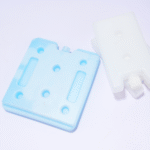
Pack de glace carbonique du fabricant pour la livraison de produits pharmaceutiques: Du besoin à l’approvisionnement contrôlé
Sélection d'un fabricant paquet de glace sec pour la livraison pharmaceutique est une décision de cycle de vie. Le produit considéré ici est une feuille alvéolaire sèche, hydratée avec de l'eau et congelée avant utilisation.. Ce n'est pas du dioxyde de carbone solide. Il fournit un refroidissement stocké uniquement lorsqu'il est intégré à un expéditeur isolé avec une charge utile définie, séparateur, méthode de préparation, itinéraire, et mode d'emploi.
Les exigences pharmaceutiques exactes régissent la conception. Une gamme réfrigérée commune ne peut pas être étendue à tous les médicaments, et un emballage congelé n'est pas automatiquement adapté à un produit sensible au gel. Commencez par les informations sur le produit approuvé et terminez par les preuves du système complet..
Définir les limites des preuves avant de rechercher
Les équipes d'approvisionnement peuvent éviter la plupart des confusions en attribuant un rôle clair à chaque partie..
Le Product Owner définit les conditions requises, informations sur la stabilité, décisions d'excursion, et approbation de la qualité. L’ingénierie packaging conçoit et qualifie l’emballage complet. Les opérations le préparent et l’assemblent. La logistique gère le parcours et les transferts. Le fabricant contrôle les spécifications de la feuille d'hydratation et fournit les informations pertinentes sur les composants..
Aucun composant seul n'est "conforme aux normes pharmaceutiques." Une feuille peut répondre à une spécification convenue. Un packout peut être qualifié pour des conditions définies. Un itinéraire peut être surveillé et contrôlé. La conformité dépend du produit applicable, activité, organisation, et les exigences du marché.
L'heure de l'OMS- et le cadre pharmaceutique sensible à la température soutient cette vision basée sur les risques. La qualité du produit est protégée par des conditions de stockage et de transport définies, systèmes adaptés, procédures, surveillance, qualification, et revoir.
Définir le produit et le mouvement
Préparer un brief technique concis:
- Médecine exacte, forme posologique, et présentation
- Conditions de stockage et de transport approuvées
- Geler, chaleur, lumière, humidité, ou manipulation de la sensibilité, le cas échéant
- Autorité d'évaluation des excursions
- Charges utiles minimales et maximales
- Chargeur isotherme à l'étude
- Origine, destination, et stockage intermédiaire
- Étapes du parcours, transferts, saisons, et du retard
- Surveillance et flux de données
- Réception et quarantaine
- Modèle d'achat et de préparation prévu
Pour les opérations de portefeuille, regrouper les produits uniquement lorsque le propriétaire du produit justifie les conditions partagées et les hypothèses de conditionnement. Une taille de carton similaire ne prouve pas l’équivalence thermique ou de stabilité.
Indiquez clairement si "paquet de glace sec" désigne une feuille activée par l'eau. Le CO2 solide réel est un réfrigérant différent du gaz, sécurité, et contrôles des transports. Il n'a sa place que dans les systèmes spécifiques au produit conçus à cet effet.
Gardez les deux catégories de réfrigérants distinctes dans les données de base et le stockage. Noms des fournisseurs, descriptions des articles, documents de sécurité, instructions d'emballage, et les emplacements des entrepôts ne doivent pas permettre qu'une feuille d'hydratation soit prélevée sous forme de CO2 ou vice versa. Le personnel qui manipule du CO2 solide réel a besoin du processus de sécurité et de transport applicable.; le personnel préparant les draps d'hydratation a besoin d'eau, gel, et contrôles d'emballage. Les formulations commerciales partagées ne devraient jamais faire échouer ces parcours de formation.
Filtrer le fabricant dans deux États
L'acheteur reçoit un composant sec mais utilise un composant hydraté, composant congelé. Les deux États ont leur place dans l'évaluation des fournisseurs.
| Zone de révision | Question à l'état sec | Question à l'état préparé | Limite des preuves |
|---|---|---|---|
| Identité | Le produit est-il étiqueté comme une feuille d'hydratation? | L'eau gelée est-elle le liquide de refroidissement de travail? | N’établit pas l’adéquation pharmaceutique |
| Géométrie | Que sont les dimensions et la disposition des cellules? | Qu'est-ce que la forme hydratée, épaisseur, et flexibilité? | L'ajustement doit être vérifié dans l'emballage final |
| Intégrité | Comment les films et les sceaux sont-ils inspectés? | Comment tolèrent-ils la congélation et la manipulation? | Aucune durée de vie universelle ne doit être supposée |
| Préparation | Quelles instructions d'activation et de stockage s'appliquent? | Comment sont contrôlés la congélation et le conditionnement? | Le processus client doit être vérifié |
| Données thermiques | Quelles informations sur les composants sont disponibles? | Quel assemblage complet a été testé? | Les résultats s'appliquent uniquement aux conditions divulguées |
| Production | Comment les lots et les changements sont-ils contrôlés? | Le matériel commercial correspond-il à l’échantillon? | Le client approuve les modifications via l'examen des risques |
La matrice permet de distinguer un composant contrôlé d'un système qualifié. Cela révèle également les lacunes dès le début, avant que la négociation commerciale ne crée une pression pour approuver un échantillon.
Concevoir le chemin du flux de chaleur
L'eau gelée absorbe la chaleur entrante lorsqu'elle se réchauffe et fond. L’isolation ralentit l’entrée de chaleur de l’extérieur. Masse de charge utile, air intérieur, séparateurs, et le contact détermine où cette chaleur se déplace.
Pour un médicament sensible au gel, une feuille touchant un carton peut créer un froid local. Un capteur d’air central peut ne pas le détecter. Les options de contrôle incluent un séparateur spécifié, position de feuille fixe, conditionnement du liquide de refroidissement, matériau alternatif à changement de phase, et configurations séparées pour les charges utiles extrêmes.
Le séparateur fait partie de la conception thermique. Sa matière, épaisseur, humidité, compression, et la couverture est importante. Il en va de même pour le remplissage des vides, carton extérieur, fermeture, et support enregistreur. Conservez-les dans la nomenclature et le dessin.
La protection du côté chaud nécessite la même attention. La chaleur peut pénétrer par les couvercles, coutures, et ouvertures, et une charge utile chargée trop chaude peut consommer de la capacité disponible. La conception doit équilibrer les deux limites de l'itinéraire défini.
Ne choisissez pas le pire des cas par intuition
La charge minimale peut être sévère en cas de gel. La charge maximale peut être importante pour le réchauffement ou la circulation de l'air. L'été peut entraîner une entrée de chaleur; l'hiver peut combiner une température ambiante froide et un liquide de refroidissement gelé. Le développement devrait étudier ces possibilités, et le protocole devrait tester les cas justifiés par le risque.
Faire de la préparation une étape de production contrôlée
L'hydratation transforme la feuille sèche en sa forme fonctionnelle. Cela signifie que le site d'expédition influence la masse du liquide de refroidissement, épaisseur, et comportement au gel.
Écrire un processus qui contrôle:
1. Lot de composants lancés
2. Conteneur d'hydratation et disposition des lots
3. Accès et gestion de l’eau
4. Drainage
5. Grille de congélateur et modèle de chargement
6. Identité du lot et état des stocks préparés
7. Vérification de l'état requis
8. Conditionnement le cas échéant
9. Manipulation incontrôlée maximale avant la fermeture du pack
10. Ségrégation des feuilles endommagées
Vérifier le processus au volume maximal. Les réservoirs d'hydratation ou les congélateurs bondés peuvent modifier la préparation. Un site de sauvegarde peut utiliser différents racks, équipement, ou du personnel et nécessite un transfert contrôlé.
L’hygiène et la gestion de l’humidité sont importantes. Définir le nettoyage, intervention en cas de déversement, manipulation de matériaux humides, et protection des étiquettes et des composants ondulés. Si un sac de confinement supplémentaire est introduit, traitez-le comme un changement de pack car cela peut altérer le transfert de chaleur.
Développer, Qualifier, et transférer le système complet
Les essais de développement comparent les composants et exposent les risques. Utilisez-les pour affiner les séparateurs, placement du liquide de refroidissement, variantes de charge utile, et emplacements des capteurs. Ce ne sont pas des preuves définitives.
La qualification formelle commence par des critères d'acceptation approuvés. Le protocole identifie la nomenclature exacte, charge utile ou simulant justifié, condition de départ, préparation du liquide de refroidissement, profil ambiant, durée, carte des capteurs, répétitions, et les écarts. L'instrumentation doit être adaptée et prise en charge par le processus d'étalonnage de l'organisation.
Hypothèses de test des capteurs. Placez-les à proximité des zones de contact froid prévues, voies d'entrée probablement chaudes, et régions de charge utile représentatives. Identifiez si chaque point mesure l’air, surface, ou réponse simulée.
Outils de décision utiles
Vérifiez les détails avant de choisir l'emballage
Ces outils rapides peuvent vous aider à comparer le risque d'itinéraire, besoins de dimensionnement, choix de liquide de refroidissement, et les détails de l'emballage avant de demander un devis.
Calculateur de banquise
Estimation de la quantité de pain de glace pour les expéditions réfrigérées et planification pratique des itinéraires.
Estimer les packs de glaceRésistance aux chutes du matériau isolant
Examinez la résistance aux chutes et les facteurs de manipulation avant de choisir des matériaux d'isolation..
Vérifier la résistanceLiquide de refroidissement & Référence PCM
Comparez les options de liquide de refroidissement et de PCM lorsqu'un itinéraire nécessite une prise en charge supplémentaire de la température.
Comparez les optionsLes informations sur l'itinéraire éclairent le défi. Cartographier la salle de conditionnement, quai, véhicules, moyeux, séjour transfrontalier le cas échéant, dernier mile, et recevoir. Envisagez des retards et des changements de garde crédibles. Les profils historiques sont des preuves utiles mais pas des promesses.
Une qualification opérationnelle ou un essai d'expédition contrôlée confirme que le personnel de routine peut reproduire la méthode et que les interfaces transporteur et réception fonctionnent. Le rapport final doit indiquer les instructions d'emballage approuvées.. Les ajustements techniques non écrits ne doivent pas devenir des exigences cachées.
Transférez la conception qualifiée dans les données de base et la formation
Un rapport de qualification ne contrôle pas à lui seul les travaux courants. Convertissez la conception approuvée en informations nécessaires à l'achat, inventaire, l'entrepôt, transport, et les systèmes de réception peuvent utiliser.
Donnez à chaque configuration un identifiant unique. Maintenir une nomenclature approuvée avec la feuille d'hydratation, isolation, séparateur, remplissage de vide, carton extérieur, les journaux sont conservés, et fermeture. Un dessin contrôlé ou une instruction visuelle doit montrer l'orientation et les zones où les feuilles ne peuvent pas se chevaucher ou entrer en contact avec la charge utile..
Les règles de sélection des emballages doivent tenir compte du produit, charge utile, saison, itinéraire, et niveau de service, le cas échéant. Si une commande ne correspond pas à un cas défini, le système devrait l'arrêter ou l'acheminer pour examen plutôt que d'encourager l'emballeur à improviser. La mise en scène des composants et le dégagement des lignes peuvent empêcher les matériaux des configurations adjacentes d'entrer dans la boîte..
La formation doit combiner la tâche avec sa raison thermique. Le personnel qui comprend qu'un séparateur différent modifie le flux de chaleur ou qu'un liquide de refroidissement supplémentaire peut créer un point froid est moins susceptible de procéder à des substitutions informelles.. Les contrôles de compétence peuvent utiliser des exemples de commandes, composants endommagés, une collection manquée, et un mauvais enregistreur pour tester les décisions.
Le dossier d'expédition doit contenir suffisamment d'informations pour reconstituer l'emballage selon le plan qualité du client.. En fonction du risque, qui peut inclure la configuration, cas de charge utile, lot de composants, lot de préparation, vérification de l'emballeur, surveiller l'identité, et heure de fermeture. Évitez de collecter des champs que personne ne vérifie; chaque enregistrement doit servir à la traçabilité, libérer, ou une enquête.
Observer l'emballage de routine après le lancement. Les solutions de contournement signalent souvent que la méthode officielle est lente, peu clair, ou physiquement difficile. Corriger le processus sous-jacent et mettre à jour les documents contrôlés via la gestion du changement plutôt que de laisser une procédure fantôme se développer.
Connectez la surveillance des expéditions à l’élimination
La qualification montre le comportement attendu du système; la surveillance fournit des preuves du voyage. Définir l'appareil, état d'étalonnage, configuration, échantillonnage, placement, démarrer et arrêter, association d'expédition, récupération, examen des alarmes, et traitement des dossiers.
La destination a besoin du lecteur, accéder, entraînement, et l'autorité requise par la procédure. Si l'examen n'est pas immédiat, définir comment les médicaments sont stockés et séparés. Conserver le dossier complet et les observations d'emballage après un événement.
Une alarme d'enregistreur ne décide pas de l'adéquation du produit. Le propriétaire autorisé examine les informations de stabilité spécifiques au produit, ampleur et durée de l'exposition, emplacement du capteur, état du colis, et les écarts. Le fabricant du liquide de refroidissement ne libère ni ne rejette le médicament.
Libérer la production en gros via les portes
Le volume commercial doit suivre l’approbation technique.
Grille 1: spécification
Approuver l'identité du produit, attributs secs, instructions de préparation, codage de lots, conditionnement, inspection, non-conformité, et les attentes en matière de notification de changement.
Grille 2: équivalence de l'échantillon
Enregistrez l'échantillon évalué et comparez le matériel commercial dans un environnement sec., hydraté, congelé, et états gérés. Résoudre les différences avant utilisation.
Grille 3: préparation du site
Vérifier l'espace d'hydratation, capacité du congélateur, contrôle des matières libérées, entraînement, enregistrements, dispositifs de surveillance, et contingence. Inclure la répartition en période de pointe.
Grille 4: lancement contrôlé
Observer les premiers envois et réceptions. Examiner la variation de la préparation, dommage, écarts, performances de l'itinéraire, et récupération de données.
Grille 5: examen en cours
Plaintes de tendance, fuite, hydratation incomplète, solutions de contournement du packer, excursions, changement d'itinéraire, et notifications des fournisseurs. Décider si une action corrective ou une requalification est nécessaire.
Ces portes alignent les achats sur le cycle de vie de la qualité et empêchent une commande importante de dépasser les preuves..
Gérer les modifications et les alternatives avant qu'elles ne soient nécessaires
Un changement dans le modèle cellulaire, film, coutures, structure absorbante, dimensions, processus de fabrication, ou les instructions peuvent affecter l'hydratation et le transfert de chaleur. Exiger une notification appropriée et évaluer l’impact.
Modifications de l'isolation, séparateur, charge utile, enregistreur, équipement de chantier, itinéraire, transporteur, et la destination compte aussi. Utiliser un processus basé sur les risques pour décider si l'examen des documents, test d'échantillon, étude d'ingénierie, ou une requalification est requise.
La résilience de l’offre vient d’alternatives qualifiées. Un deuxième fabricant ou emballage doit être évalué avant toute interruption. Gardez les composants et les instructions identifiables afin que le personnel ne les mélange pas.
Les procédures d'urgence devraient couvrir les pannes de congélateur, collecte manquée, feuille endommagée, mauvaise configuration de la charge utile, échec du moniteur, et fermeture de destination. Indiquer qui peut arrêter, réemballer, expédition, quarantaine, ou escalader.
Comparez le coût et la durabilité au niveau du système de livraison
Le prix de la feuille sèche ne représente qu'une seule ligne. Ajouter du travail d'hydratation, eau, utilisation du congélateur, supports, séparateurs, isolation, surveillance, entraînement, inspection, enregistrements, matériel endommagé, logistique inversée, et gestion des écarts.
Le transport et le stockage à sec peuvent réduire la masse d’eau entrante. La réutilisation peut réduire la consommation de matière sur des boucles fermées adaptées. Aucun des deux avantages n’est automatique. Évaluer l'énergie du congélateur, taux de retour, nettoyage, inspection, réhydratation, perte, dommage, et la retraite.
Suivre les indicateurs réels:
- Draps préparés mais non utilisés
- Rejets d’hydratation ou d’intégrité
- Dommages dus à l'étape de manutention
- Reconditionner les événements
- Retour et mise à la retraite là où la réutilisation s'applique
- Surveiller la récupération
- Excursions associées à des écarts d'emballage
La protection du produit pharmaceutique reste la première porte d’entrée en matière de durabilité. Les améliorations de processus doivent rester dans la limite qualifiée.
Questions fréquemment posées
Ce qui doit apparaître dans un devis du fabricant?
Demander une identité claire du produit, spécification sèche, instructions d'activation et de congélation, informations sur l'état préparé, contrôles d'intégrité, codage de lots, avis de changement, conditionnement, et conditions commerciales. Demandez le contexte de test complet derrière toute allégation de performance.
Une feuille d'hydratation peut-elle être qualifiée d'expéditeur pharmaceutique qualifié?
Non. C'est un composant du liquide de refroidissement. La qualification s'applique à un système complet défini dans des conditions indiquées. La feuille, isolation, charge utile, séparateur, préparation, profil ambiant, et la procédure fonctionnent ensemble.
Quand le contact direct est-il acceptable?
Uniquement lorsque les exigences spécifiques en matière de conception et de produit le soutiennent. Ne présumez pas de contact direct avec un médicament sensible au gel. Évaluer les points froids et préserver le placement et le séparateur testés.
Comment introduire un modèle de cellule personnalisé?
Traitez-le comme un nouveau composant. Examiner les dessins et les échantillons, évaluer l'hydratation, gel, ajuster, intégrité, et implications en matière de transfert de chaleur, puis déterminez les tests et l'approbation du pack nécessaires avant la mise à l'échelle.
Les directives de l'OMS approuvent-elles les produits de refroidissement individuels?
Les orientations de l'OMS fournissent des principes fondés sur les risques et des attentes techniques en matière de stockage et de transport.. Cela ne fait pas d’une feuille d’hydratation universellement approuvée. Les propriétaires de produits doivent appliquer les directives pertinentes et les exigences locales à leur système spécifique..
Conclusion: Acheter un État contrôlé, Pas un nom de produit
Un sac de glace carbonique hydratant ne devient utile qu'une fois que le composant du fabricant et le processus de préparation du client ont produit une feuille congelée cohérente.. Cette feuille doit alors se trouver à l'intérieur d'un, emballage qualifié pour une exigence pharmaceutique et un itinéraire précis.
Séparer le CO2 solide, conception pour les risques de chaleur et de froid, transférer la méthode dans les opérations de routine, et gouverner la production et les changements grâce à des preuves. Le résultat n’est pas un composant universellement conforme; il s'agit d'un système de livraison contrôlée avec une portée claire.
À propos du tempk
Tempk fournit des feuilles de refroidissement hydratantes et isolées emballage chaîne du froid options pour les clients professionnels. Nous pouvons revoir le format des composants, activation, gel, emplacement prévu, isolation, disposition de la charge utile, hypothèses d'itinéraire, et préparation du volume dans le cadre d'une discussion ciblée avec le fabricant. Les clients restent responsables des exigences du produit, qualification du système complet, surveillance, et approbation de la qualité.
CTA: Fournissez à Tempk l’état de votre produit, plage de charge utile, conception d'emballage, contour de la voie, et les limites de préparation du site pour planifier un examen contrôlé de l'échantillon à la production.