Gelato Smart Logistics à température contrôlée: Comment conserver les délices glacés parfaits 2025
La logistique intelligente des glaces à température contrôlée combine des technologies avancées de chaîne du froid et une gestion basée sur les données pour déplacer les glaces en toute sécurité de l'usine au congélateur.. Le maintien d’une température stable est essentiel pour la texture onctueuse de la glace car même de légers écarts peuvent provoquer de gros cristaux de glace. Innovations récentes, comme les capteurs compatibles IoT, analyses prédictives et réfrigération durable : vous aident à surveiller les conditions en temps réel et à réagir de manière proactive. Ce guide répond aux questions les plus urgentes sur la logistique moderne des glaces et vous montre comment logistique intelligente de glaces à température contrôlée peut protéger la qualité, réduisez les déchets et soutenez votre entreprise.
Quelles plages de température protègent les glaces tout au long de la production, transport et exposition?
Comment les capteurs IoT et l'IA améliorent-ils la visibilité, prévision et maintenance dans la logistique des glaces?
Quelles pratiques durables réduisent les émissions et la consommation d'énergie dans la chaîne du froid?
Quelles tendances du marché façonnent la logistique des glaces 2025 et au-delà?
Conseils pratiques pour mettre en œuvre une chaîne du froid des glaces basée sur les données et qui vous profite
Qu'est-ce que la logistique intelligente Gelato à température contrôlée?
Logistique intelligente des glaces à température contrôlée se référer au stockage spécialisé, processus de transport et de surveillance utilisés pour maintenir la glace dans des plages de température validées, de la production à la consommation. Contrairement aux desserts glacés standards, la glace contient moins de matière grasse et plus d'eau. À des températures de service d'environ 0 à 5 °F (–18 °C à –15 °C), environ 80-85 % de son eau reste gelée. Cet équilibre délicat confère à la glace sa sensation crémeuse caractéristique en bouche, mais signifie également de légers écarts de température forment rapidement de gros cristaux de glace et provoquent un grain. Le maintien d'une température constante préserve non seulement la texture et la saveur, mais prolonge également la durée de conservation et garantit le respect des cadres réglementaires tels que la loi sur la modernisation de la sécurité alimentaire. (FSMA) 204 et bonnes pratiques de distribution (PIB).
Pourquoi la précision de la température est importante
La glace est barattée lentement, incorporant peu d'air (envahi), sa structure est donc très sensible aux chocs thermiques. Lorsque la glace se réchauffe au-dessus de sa plage optimale puis se recongèle, les fins cristaux de glace fondent et se reforment en cristaux plus gros. Cela peut se produire lors du chargement et du déchargement, lorsque les portes du congélateur sont ouvertes, ou lorsque les armoires de vente au détail fluctuent. Selon les experts, un une excursion de température de deux heures peut gâcher un envoi congelé entier valant des centaines de milliers de dollars. Les agences de réglementation exigent des preuves documentées que les produits restent dans les plages validées à chaque étape de la chaîne du froid.. Donc, investir dans un équipement de refroidissement fiable, le suivi et la formation sont essentiels.
Plages de température clés pour Gelato Logistics
Le tableau suivant résume les plages de température recommandées à chaque étape de la chaîne du froid des glaces.. Rester dans ces plages préserve la texture, prolonge la durée de conservation et garantit la conformité légale. Pour référence, la glace traditionnelle nécessite des conditions plus froides; il est généralement durci entre –5 °F et –18 °F (–20 °C à –28 °C) et stocké à –18 °F dans des entrepôts frigorifiques, alors que la glace reste utilisable à des températures légèrement plus élevées.
| Étape de la chaîne du froid | Température recommandée | Raison | Ce que cela signifie pour vous |
| Durcissement & production | Congélation rapide grâce à un tunnel ventilé à ≈ 31 °F (–35 ° C) suivi d'un refroidissement ci-dessous 5 °F (–15 °C) | Empêche les gros cristaux de glace et scelle la texture crémeuse | Assurez-vous que l’équipement durcit rapidement la glace; les retards conduisent à la granulation |
| Sortie du fabricant | ≈ –5 °F (–20 ° C) | Permet le remplissage et l'emballage tout en minimisant la croissance des cristaux | Coordonner les horaires pour que la glace parte à la bonne température; surveiller les temps de transit |
| Transport vers l'entrepôt | Air ≤ 13 °F (–25 ° C); produit ≤ –4 °F (–20 ° C) | Maintient la glace en dessous de la température maximale autorisée pendant le transport | Utiliser des camions frigorifiques; vérifier les ouvertures des portes, cycles de dégivrage et charges thermiques ambiantes |
| Chambre froide (à court terme) | Maintenir –18 °F (–28 °C) avec des fluctuations ne dépassant pas ±3 °F | Ralentit la croissance des cristaux et préserve la texture | Calibrer régulièrement les unités de stockage; c'est l'épine dorsale du contrôle des stocks |
| Affichage au détail | –8 °F (–22 °C) et les paniers supérieurs ne dépassent pas –4 °F (–20 ° C) | Plus chaud qu'un stockage en profondeur pour faciliter la récupération et éviter les brûlures de congélation | Équilibrer qualité et expérience client; former le personnel à stocker correctement les congélateurs |
| Point de vente & consommation domestique | Idéalement 0 °F (–18 °C) ou ci-dessous | Maintient l’état congelé jusqu’au dernier kilomètre et dans les congélateurs des consommateurs | Utilisez un emballage isotherme et des instructions de manipulation claires; pensez à la glace carbonique ou aux packs de gel |
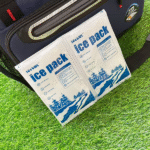
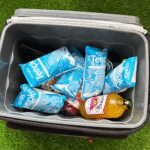
Rester dans ces plages nécessite des méthodes de refroidissement actives et passives. Systèmes actifs comme les camions frigorifiques, les chambres froides et les surgélateurs abaissent la température ambiante grâce à la réfrigération mécanique, ce qui les rend adaptés aux longues distances. Systèmes passifs utiliser de l'isolant, glace carbonique ou packs de gel pour maintenir la température sans énergie mécanique, utile pour la livraison du dernier kilomètre. De nombreux opérateurs utilisent une approche hybride (camions réfrigérés avec packs de gel) pour stabiliser la température et se conformer aux réglementations..
Méthodes de refroidissement actives ou passives
Refroidissement actif: Cette méthode s'appuie sur des groupes frigorifiques motorisés dans les camions, entrepôts et vitrines. Les automobiles réfrigérées et le fret aérien réfrigéré permettent le transport longue distance à travers les continents. Les systèmes actifs sont cruciaux pour les expéditions de grande valeur et le stockage prolongé, car ils maintiennent des températures basses constantes et peuvent être contrôlés à distance..
Refroidissement passif: Les systèmes passifs utilisent une isolation, glace carbonique, matériaux à changement de phase et packs de gel pour absorber la chaleur. Ils sont souvent utilisés pour les livraisons sur de courtes distances ou sur le dernier kilomètre où la réfrigération mécanique n'est pas pratique.. Par exemple, doublures isolées avec un 1:1 le rapport glace carbonique/pintes de glace peut maintenir des températures sûres pour des expéditions d'un à deux jours.
Solutions hybrides: La combinaison de la réfrigération active avec des médias de refroidissement passifs améliore la résilience. Les remorques réfrigérées peuvent être pré-refroidies et recouvertes de packs de gel pour protéger les produits sensibles pendant le chargement et le déchargement..
Règlements et conformité
Les États-Unis. Loi sur la modernisation de la sécurité alimentaire (FSMA) 204 la règle finale exige que les entreprises qui fabriquent, processus, emballer ou conserver les aliments sur la liste de traçabilité des aliments pour conserver les éléments de données clés et fournir des enregistrements à la FDA dans les délais 24 heures. Cette règle a été proposée pour application en juillet 2028, mais la mise en place d'une traçabilité numérique permet désormais de se protéger contre les rappels et les amendes. La Global Cold Chain Alliance recommande de spécifier des limites numériques de température supérieure et inférieure au lieu de descripteurs vagues comme « congelé ».. En documentant les plages exactes et en mettant en œuvre une surveillance en temps réel, vous pouvez démontrer votre conformité et réagir rapidement aux écarts.
Comment l’IoT et l’IA stimulent la logistique intelligente des glaces?
La logistique moderne des glaces n'est plus manuelle ou réactive. Internet des objets (IoT) capteurs embarqué dans des camions, les congélateurs et les zones d'entrepôt mesurent en permanence la température, humidité, choc et localisation. Algorithmes d'IA analyser ces données pour prédire les pannes d'équipement, optimiser les itinéraires et prévoir la demande. Ensemble, ces technologies transforment une chaîne du froid traditionnelle en une chaîne proactive, système piloté par les données. Ils soutiennent également la conformité en générant des enregistrements numériques et en permettant des alertes en temps réel lorsque les conditions s'écartent..
Surveillance continue et alertes
Appareils IoT placés dans des vitrines à glaces, les camions réfrigérés et les installations de stockage envoient des données en temps réel aux plateformes cloud. Les capteurs de température/humidité capturent la température de surface, humidité et chocs pendant le transport; les modules de localisation fournissent des positions GPS et des horodatages; des algorithmes de maintenance prédictive surveillent les performances des composants. Ces capteurs offrent plusieurs avantages:
Visibilité en temps réel: Les opérateurs peuvent consulter les données de température et d'humidité 24 heures sur 24 et intervenir avant que la détérioration ne se produise.. Si la température dérive en dehors de la plage de sécurité, des alertes automatisées permettent des actions correctives.
Traçabilité améliorée: Les modules GPS enregistrent les itinéraires d'expédition et les horodatages, améliorer la visibilité du dernier kilomètre et soutenir l’optimisation des itinéraires.
Conformité réglementaire: Les journaux de données IoT fournissent les preuves requises par les cadres FSMA et GDP.
Maintenance prédictive: Des algorithmes prédisent quand les composants de réfrigération pourraient tomber en panne, réduire les temps d'arrêt et prolonger la durée de vie des équipements.
Merchandising activé par l'IA: Armoires de congélation équipées d'une capture d'image et d'un suivi des niveaux de stock et de la présentation des produits par l'IA, améliorer les prévisions de demande et augmenter les ventes de 8 à 30 %.
Prévisions basées sur l'IA et optimisation des itinéraires
L’IA transforme la chaîne du froid d’un processus réactif à une stratégie proactive. L'analyse des données en temps réel donne aux opérateurs des informations prédictives et des alertes précoces afin qu'ils puissent agir avant que des problèmes ne surviennent. Par exemple, La chaîne d'approvisionnement en glaces d'Unilever exploite l'IA pour analyser les données météorologiques et les tendances de vente à travers le monde. 35 usines et 3 millions de congélateurs 60 pays. En Suède, L’IA a amélioré la précision des prévisions en 10 %. Données de 100,000 Les congélateurs activés par l'IA ont augmenté les commandes et les ventes au détail jusqu'à 30 %. Ces systèmes ajustent les volumes de production, réaffecter les stocks en cas de canicule et réduire le gaspillage de matières premières jusqu'à 10 %.
L’IA alimente également optimisation d'itinéraire. L'analyse prédictive peut prévoir quand un itinéraire particulier connaîtra des retards ou des écarts de température en raison de la météo ou du trafic.. Les répartiteurs réacheminent ensuite les expéditions ou pré-refroidissent l'équipement en conséquence.. Dans une chaîne du froid intelligente, les algorithmes équilibrent des facteurs tels que le temps de transit, consommation de carburant et performances de réfrigération pour fournir des glaces de manière efficace et durable.
Jumeaux numériques et simulation virtuelle
UN jumeau numérique est une réplique virtuelle d'un entrepôt, flotte de camions ou chaîne d'approvisionnement entière. En combinant les données de capteurs en temps réel avec un modèle virtuel, les entreprises peuvent simuler leurs opérations et identifier les goulots d'étranglement. Le marché des jumeaux numériques devrait croître de 30 à 40 % annuellement, atteindre 125 à 150 milliards de dollars d’ici 2032. Les avantages incluent:
Visibilité de bout en bout: Un jumeau numérique surveille les niveaux de stocks, itinéraires de transport et activités d'entrepôt en temps réel.
Analyse prédictive: Il permet des scénarios « et si » pour anticiper des perturbations telles que des conditions météorologiques extrêmes ou une panne d'équipement..
Collaboration: Parties prenantes, y compris les fournisseurs, fabricants et prestataires logistiques : accédez à des données partagées pour coordonner les actions.
Optimisation énergétique: Les simulations de jumeaux numériques ont aidé un producteur régional de crème glacée à réduire sa consommation d'énergie de 10 % et une diminution de la détérioration annuelle en 12 %.
En pratique, les jumeaux numériques s'intègrent aux prévisions basées sur l'IA. Par exemple, Unilever utilise l'IA pour analyser les données météorologiques et simuler des scénarios de production et de distribution sur les marchés. Cette intégration permet de maintenir les niveaux de service, optimiser les stocks et garantir des réponses agiles lorsque la demande augmente.
Tableau des technologies et avantages de l'IoT
| Technologie IoT | Données capturées | Bénéfice pour votre exploitation |
| Capteurs de température/humidité | Température superficielle, humidité, choc pendant le transport | Envoie des alertes lorsque la glace dérive en dehors des plages de sécurité et permet une intervention rapide |
| Emplacement & Modules GPS | Position en temps réel, horodatages et itinéraires d'expédition | Améliore la traçabilité et l’optimisation des itinéraires; prend en charge la visibilité du dernier kilomètre |
| Algorithmes de maintenance prédictive | Données de performances des composants et prévisions de défaillances | Réduit les temps d’arrêt imprévus et les coûts de service; prolonge la durée de vie de l'équipement |
| Capture d'images activée par l'IA | Niveaux de stocks et présentation des produits | Améliore les prévisions de la demande et le merchandising; augmente les ventes de 8 à 30 % |
| Surveillance ProAct™ & Portails cloud Connect+ | Données provenant des sites de vente au détail et des navires de transport | Fournit des informations globales et une vue globale de votre chaîne du froid; simplifie la conformité |
Vraie cas: Réfrigération sans diesel de Fife Creamery
La durabilité et la technologie vont souvent de pair. Crémerie Fife, un grossiste alimentaire écossais, a modernisé sa flotte avec des véhicules sans moteur, systèmes de réfrigération entraînés par compresseur et unités alimentées par un onduleur. Les résultats ont été spectaculaires: la consommation de carburant a diminué d'environ 200 000 litres par an, Les émissions de CO₂ ont diminué 1,929 tonnes métriques, et les économies annuelles ont atteint environ $427,280. Les nouvelles unités concernaient également 250 kg plus léger que les équivalents diesel, augmentation de la capacité de charge utile. Ce cas démontre comment l'adoption d'une technologie durable peut réduire les coûts, réduire les émissions et améliorer simultanément la capacité de livraison.
Pourquoi la durabilité est-elle cruciale dans Gelato Logistics?
La chaîne du froid est énergivore. Les camions frigorifiques dépendent fortement du diesel, et les gaz de réfrigération peuvent contribuer aux émissions de gaz à effet de serre. Alors que les préoccupations climatiques s’intensifient et que les consommateurs exigent des produits respectueux de l’environnement, la durabilité est devenue un élément essentiel de la logistique des glaces. Les technologies et matériaux verts réduisent non seulement l'impact environnemental, mais améliorent également l'efficacité et la perception de la marque..
Réfrigérants écologiques et efficacité énergétique
De nombreuses entreprises se tournent vers réfrigérants écologiques avec un faible potentiel de réchauffement climatique (PRP). Réfrigérants traditionnels tels que les hydrofluorocarbures (HFC) emprisonner la chaleur dans l'atmosphère; les alternatives comme l'ammoniac et le dioxyde de carbone sont moins nocives. Matériaux à changement de phase (PCMS) stocke et libère également de l'énergie thermique, maintenir des températures précises avec une consommation d’énergie réduite.
Les opérateurs de la chaîne du froid investissent également dans énergie renouvelable sources. Panneaux solaires, les éoliennes et les systèmes de freinage régénératifs peuvent alimenter des unités de réfrigération ou des entrepôts, réduire la dépendance aux combustibles fossiles. Les camions électriques et les véhicules hybrides réduisent encore la consommation de carburant et les émissions. Les améliorations des infrastructures, notamment une alimentation électrique fiable et des installations de stockage frigorifique améliorées, permettent de résoudre des problèmes tels qu'une réfrigération insuffisante et d'assurer un contrôle cohérent de la température..
Emballage durable et réduction des déchets
Les emballages à usage unique contribuent aux déchets et à la dégradation de l'environnement. La logistique durable des glaces adopte des matériaux d'emballage réutilisables ou recyclables, comme les boîtes isothermes biodégradables, packs de gel recyclables et housses de palettes réutilisables. Une gestion efficace des stocks et une surveillance en temps réel réduisent la détérioration et le gaspillage alimentaire. Selon Sensitech, utiliser l'analyse des données pour optimiser les itinéraires, réduire les délais de livraison et affiner les calendriers de production minimise les écarts de température et les déchets.
Facteurs réglementaires et consommateurs
Les consommateurs exigent de plus en plus de produits durables. Plus de la moitié des consommateurs mondiaux (55 %) préférez les aliments emballés avec des allégations de durabilité. Des pays comme le Brésil, Le Mexique et l’Inde affichent des niveaux de préférence encore plus élevés. Les investissements en capital-investissement orientent l’industrie vers des innovations technologiques et durables. Entre-temps, FSMA 204 et les réglementations mondiales imposent la traçabilité et la sécurité, pousser les entreprises à adopter des pratiques durables et transparentes.
Conseils pour une logistique durable des glaces
Adoptez des réfrigérants écologiques: Remplacer les réfrigérants à PRG élevé par des alternatives naturelles (ammoniac, Co₂) et utiliser des matériaux à changement de phase pour réduire la consommation d'énergie.
Utiliser des énergies renouvelables: Installer des panneaux solaires sur les entrepôts, exploiter le freinage par récupération et envisager des camions électriques ou hybrides pour réduire les émissions.
Réduire les déchets d’emballage: Mettre en œuvre des emballages réutilisables ou biodégradables et informer les clients sur leur élimination appropriée.
Optimiser la capacité et les itinéraires: Utilisez l'IA pour regrouper les chargements et réduire les kilomètres à vide; planifier les livraisons pendant les heures creuses pour minimiser la consommation de carburant.
S'engager dans des partenariats stratégiques: Collaborer avec des fournisseurs de technologie, les régulateurs et les organismes industriels pour accélérer l’adoption de pratiques durables.
Tendances du marché des glaces et opportunités commerciales en 2025
L'industrie de la glace est en plein essor. Globalement, le marché des glaces était évalué à $27.39 milliards en 2025 et devrait atteindre $45.50 milliards 2033. Aux États-Unis, le marché des glaces valait environ $3.58 milliards en 2024 et devrait atteindre $5.04 milliards 2033, représentant un taux de croissance annuel composé (TCAC) de 4.2 %. Cette croissance est tirée par la demande de desserts artisanaux et premium, recettes italiennes authentiques, et ingrédients naturels. Plus jeune, les consommateurs urbains et soucieux de leur santé préfèrent les glaces en raison de leur texture dense, saveurs authentiques et sophistication perçue. Les options de glaces à base de plantes et à teneur réduite en sucre gagnent également en popularité., le segment à base de plantes devrait se développer à un TCAC de 6.3 %.
Moteurs de croissance du marché
Authenticité et positionnement premium: Les consommateurs associent la glace au savoir-faire et à l’authenticité. Les glaces à base de produits laitiers ont dominé les États-Unis. marché avec un 87.2 % participer à 2024, reflétant une forte préférence pour les recettes traditionnelles.
Tendances en matière de santé et de bien-être: L’accent mis sur une gourmandise équilibrée a encouragé la demande de produits à faible teneur en sucre, glaces sans produits laitiers et végétaliennes. Environ 65 % des États-Unis. les consommateurs préfèrent les produits moins sucrés, inciter les producteurs à utiliser des édulcorants naturels et des ingrédients clean label.
Alternatives à base de plantes: Le segment des glaces à base de plantes devrait connaître une croissance plus rapide que l’ensemble du marché., motivé par une intolérance croissante au lactose, modes de vie végétaliens et préoccupations environnementales.
Boutiques de glaces et franchises: L'expansion des glaciers et des cafés franchisés dans les grandes villes augmente l'accessibilité et renforce la visibilité de la marque..
Innovation technologique: Congélateurs compatibles avec l'IA, les jumeaux numériques et l'analyse prédictive améliorent la prévision de la demande et l'efficacité opérationnelle. Les données en temps réel des armoires intelligentes augmentent les ventes de 8 à 30 %, illustrant le retour sur investissement.
Tendances émergentes à surveiller
Intégration de la blockchain et des contrats intelligents: La blockchain garantit la transparence, enregistrements immuables pour preuve de livraison, réduire les litiges et les coûts de traitement.
Pratiques logistiques durables: Adoption de réfrigérants écologiques, les camions électriques et les sources d’énergie renouvelables s’accélèrent.
Automatisation dans les entrepôts: L'automatisation répond aux pénuries de main-d'œuvre et améliore l'exécution des commandes. La moitié de tous les entrepôts devraient utiliser des robots mobiles autonomes au cours de la prochaine décennie.
Partenariats stratégiques: Collaboration entre prestataires logistiques, les entreprises technologiques et les régulateurs façonnent les écosystèmes intégrés de la chaîne du froid.
Suivi des investissements en temps réel: Les entreprises investissent dans des technologies de surveillance en temps réel pour maintenir des chaînes du froid ininterrompues et éviter le gaspillage de produits..
Adoption du jumeau numérique: Les simulations virtuelles aident à optimiser la consommation d’énergie, planifier des stratégies d’urgence et réduire la détérioration.
Implications commerciales
Pour les producteurs et distributeurs, ces tendances signifient qu’investir dans les technologies intelligentes et les pratiques durables n’est plus une option. Entreprises qui adoptent les prévisions basées sur l'IA, les jumeaux numériques et la réfrigération écologique obtiennent un avantage concurrentiel en réduisant les déchets, réduire les coûts et améliorer la satisfaction des clients. Les glaciers des boutiques devraient exploiter les données d'inventaire en temps réel pour réduire les ruptures de stock et maximiser les ventes.. Les fabricants peuvent se diversifier dans les formulations à base de plantes et à teneur réduite en sucre pour attirer les consommateurs soucieux de leur santé.. Les prestataires logistiques devraient former des partenariats stratégiques pour accéder aux technologies de pointe et partager les meilleures pratiques..
Conseils pratiques pour la mise en œuvre de la logistique intelligente des glaces
Spécifier des plages de température exactes: Documenter les limites de température supérieure et inférieure et la fréquence de surveillance pour chaque produit. Évitez les descripteurs vagues comme « gelé » : des plages précises réduisent l'ambiguïté.
Pré-refroidir rapidement: Utiliser un refroidissement sous vide ou des cellules de refroidissement rapide pour éliminer la chaleur après la production. Le refroidissement rapide arrête la croissance microbienne et verrouille la texture.
Utiliser un stockage à plusieurs températures: Les entrepôts modernes disposent souvent de zones de surgélation, gammes surgelées et réfrigérées. Placer la glace dans la zone appropriée pour préserver la qualité.
Sceller et pré-refroidir les véhicules: Camions réfrigérés pré-refroidis, charger rapidement et sceller les portes pour éviter les fluctuations de température.
Investissez dans des capteurs et l’enregistrement des données: La surveillance en temps réel réduit la détérioration et soutient la conformité réglementaire. Equiper les congélateurs, camions et entrepôts équipés de capteurs de température et d'humidité.
Former le personnel au choc thermique: Apprendre aux employés à limiter le temps que les produits passent à température ambiante et à éviter de laisser les portes des congélateurs ouvertes.
Surveiller les petits colis: Les pintes se réchauffent plus rapidement que les grands contenants; utiliser des enregistreurs de données pour suivre l'historique des températures et détecter les écarts le plus tôt possible.
Communiquer avec les partenaires détaillants: Fournir des lignes directrices sur les températures des vitrines, rotation des stocks et contrôles des équipements.
Choisissez un support de refroidissement approprié: Pour les livraisons du dernier kilomètre, utilisez des doublures isolées avec de la neige carbonique ou des packs de gel pour maintenir des températures sûres.
Tirer parti de l’analyse prédictive: Appliquer l'apprentissage automatique aux données historiques pour anticiper les pannes d'équipement ou les excursions de température.
Mettre en œuvre des jumeaux numériques: Simuler les opérations pour optimiser les itinéraires, consommation d'énergie et personnel.
Adopter une réfrigération durable: Envisagez des systèmes de réfrigération sans diesel comme ceux utilisés par Fife Creamery pour réduire la consommation de carburant et les émissions..
Cas du monde réel: Une laiterie de la campagne du Missouri a remplacé ses camions ouverts par des remorques réfrigérées équipées d'enregistreurs de données., Réduire la détérioration de 15 % et rencontrer la FSMA 204 exigences en matière de tenue de dossiers. Cet exemple montre comment de simples mises à niveau fournissent des résultats mesurables.
2025 Derniers développements et tendances
La chaîne du froid évolue rapidement. Voici quelques-uns des dernières avancées façonnant la logistique des glaces à température contrôlée en 2025:
Dernières avancées
Congélateurs compatibles avec l'IA: Unilever déploie des congélateurs compatibles avec l'IA dans 100,000 les armoires fournissent des informations sur les stocks en temps réel et augmentent les ventes de 8 à 30 %.
Adoption du jumeau numérique: De plus en plus d'entreprises créent des répliques numériques d'entrepôts et de flottes, permettant l'analyse de scénarios et l'optimisation énergétique.
Contrats intelligents et blockchain: L'intégration de la technologie blockchain dans la logistique de la chaîne du froid facilite la tenue de registres transparents et immuables pour la preuve de livraison..
Réfrigérants et PCM écologiques: L'adoption de réfrigérants naturels et de matériaux à changement de phase réduit l'impact environnemental et améliore l'efficacité thermique.
Automatisation et robotique: Les entrepôts déploient des robots mobiles autonomes et des systèmes automatisés de stockage et de récupération pour remédier aux pénuries de main-d'œuvre et améliorer la précision des commandes..
Partenariats stratégiques: Collaborations entre prestataires logistiques, entreprises technologiques et régulateurs (Par exemple, AR Racking avec la Global Cold Chain Alliance) promouvoir des chaînes du froid intégrées.
Des flottes durables: Des entreprises comme Fife Creamery adoptent la réfrigération sans moteur, réduire la consommation de carburant et les émissions.
Perspectives du marché
Le marché des glaces devrait connaître une croissance continue en raison de la demande croissante de desserts haut de gamme et d'options soucieuses de leur santé.. L’Asie-Pacifique devrait stimuler la croissance mondiale, avec le marché de la chaîne du froid qui devrait passer de $142.71 milliards en 2023 à $215.43 milliards 2028. L’Amérique latine est également à la croisée des chemins économiques, avec des opportunités d’expansion de la chaîne du froid malgré l’inflation et la hausse des taux d’intérêt. Pour capitaliser sur ces opportunités, les producteurs de glaces devraient investir dans des installations de production flexibles, outils numériques et logistique durable.
Questions fréquemment posées
À quelle température la glace doit-elle être conservée dans un présentoir de vente au détail?
Gelato est généralement affiché à –8 °F (–22 °C) avec les paniers supérieurs ne dépassant pas –4 °F (–20 ° C) pour garantir la ramassage tout en évitant les brûlures de congélation. Ce réglage plus chaud distingue la glace de la glace traditionnelle, qui est souvent conservé à –18 °F.
En quoi les glaces diffèrent-elles des glaces en termes d'exigences en matière de chaîne du froid ??
La glace contient moins de matière grasse et plus d'eau que la crème glacée, donc il gèle à une température légèrement plus élevée. La glace est généralement conservée et servie entre 0 et 5 °F. (–18 °C à –15 °C), alors que les glaces traditionnelles sont stockées à –18 °F dans les entrepôts et transportées à –13 °F. Même de légères variations de température peuvent ruiner la texture de la glace..
Quelles technologies améliorent la visibilité dans la logistique des glaces?
Les capteurs IoT mesurent la température, humidité et emplacement; L'IA analyse les données pour prédire les pannes et optimiser les itinéraires; les jumeaux numériques simulent les opérations pour la planification d'urgence.
La réfrigération durable peut-elle réduire les coûts?
Oui. L’adoption par Fife Creamery d’une réfrigération sans diesel a réduit la consommation de carburant d’environ 200,000 litres et émissions de CO₂ par 1,929 tonnes métriques tout en économisant environ $427,280 annuellement. Les systèmes durables améliorent souvent l’efficacité et la capacité de charge utile.
Quelles opportunités de marché existent pour les glaces à base de plantes?
Le segment des glaces à base de plantes devrait croître à un TCAC de 6.3 % depuis 2025 à 2033. Les consommateurs qui recherchent des produits sans produits laitiers, les desserts végétaliens et sans allergènes sont le moteur de cette croissance. Proposer des options à base de plantes peut attirer des clients soucieux de leur santé et de l'environnement..
Résumé et recommandations
La logistique intelligente des glaces à température contrôlée intègre un contrôle précis de la température, Surveillance de l'IoT, Analyses d'IA et pratiques durables pour protéger la qualité des produits et réduire les déchets. Il est essentiel de maintenir des températures allant de –35 °C pendant le durcissement à –18 °C pendant le stockage et –22 °C dans les vitrines.. Les capteurs IoT et l'IA offrent une visibilité en temps réel, maintenance prédictive et prévisions précises, tandis que les jumeaux numériques permettent la simulation et l’optimisation énergétique. Une réfrigération durable et des emballages respectueux de l'environnement réduisent les émissions et les coûts. Le marché des glaces connaît une croissance rapide, motivé par la demande de primes, desserts authentiques et végétaux. Investir dans les technologies intelligentes, des pratiques durables et des opérations basées sur les données vous aideront à rester compétitif sur ce marché dynamique.
Plan d'action
Évaluez votre chaîne du froid actuelle: Documenter les plages de température et surveiller les performances des équipements. Identifier les lacunes en matière de traçabilité et de conformité.
Implémenter des capteurs IoT: Equiper les camions, entrepôts et armoires avec capteurs pour collecter la température, données d'humidité et de localisation.
Adoptez les outils d’IA: Utiliser l'analyse prédictive pour faire des prévisions, optimisation des itinéraires et planification de la maintenance.
Développer un jumeau numérique: Créez un modèle virtuel de votre supply chain pour simuler des scénarios et optimiser les opérations.
Transition vers une réfrigération durable: Remplacez les réfrigérants à PRP élevé et envisagez des systèmes sans diesel.
Élargir les offres de produits: Explorez les glaces à base de plantes et à teneur réduite en sucre pour répondre aux préférences changeantes des consommateurs.
Formez votre équipe: Fournir une éducation sur le choc thermique, manipulation appropriée et prise de décision basée sur les données.
Collaborer avec des partenaires: Rejoignez des alliances industrielles et travaillez avec des fournisseurs de technologie pour partager des connaissances et des ressources..
Communiquer sur la durabilité: Mettez en valeur vos pratiques et certifications respectueuses de l’environnement pour attirer des consommateurs conscients.
Surveiller les performances: Utilisez des tableaux de bord et des analyses pour suivre les KPI, ajuster les stratégies et améliorer continuellement.
À propos du tempk
Tempk est spécialisé dans les solutions de chaîne du froid combinant des emballages réutilisables, boîtes isolées et capteurs intelligents. Nous offrons un contrôle précis de la température et une surveillance en temps réel pour les glaces, glace, produits pharmaceutiques et autres biens sensibles. Nos produits utilisent des réfrigérants écologiques, isolation à haute efficacité et connectivité IoT pour maintenir les marchandises dans des plages validées et réduire les déchets. Avec des décennies de R&Expérience D et certification Sedex, nous aidons nos clients à répondre aux exigences réglementaires et aux objectifs de développement durable. Que vous soyez une petite glaciere ou un producteur multinational, nous fournissons les outils dont vous avez besoin pour construire un environnement résilient, chaîne du froid économe en énergie.
Appel à l'action: Prêt à moderniser votre logistique de glaces? Contactez-nous aujourd'hui pour discuter de l'emballage intelligent, Des capteurs IoT et des solutions de chaîne du froid personnalisées qui protègent vos produits et ravissent vos clients.