Exportation de revêtement de boîte thermique: Comment choisir le bon revêtement pour les envois réels
UN doublure de boîte thermique doit être choisi dans le cadre d’un emballage complet de la chaîne du froid, pas comme un achat de matériel autonome. Il s'agit d'un insert isolé conçu pour s'insérer à l'intérieur d'une boîte et ralentir le transfert de chaleur entre l'environnement extérieur et la charge utile.. La doublure peut réduire le transfert de chaleur à l'intérieur d'un carton, mais le résultat de l'envoi dépend de la boîte, charge utile, liquide de refroidissement, durée de l'itinéraire, exposition saisonnière, méthode de fermeture, et avec quelle cohérence les opérateurs l'emballent.
Les acheteurs à la recherche d’exportations de revêtements de boîtes thermiques souhaitent généralement une réponse commerciale., mais le chemin d'achat le plus sûr est technique d'abord et commercial ensuite. Définir ce que le liner doit faire, confirmer que l'échantillon correspond à l'expédition, testez l'emballage complet lorsque le risque de température est important, puis comparer les prix, Quantité minimale de commande, délai de mise en œuvre, et contrôles des fournisseurs.
Le rôle simple du revêtement
La doublure crée une barrière thermique passive à l'intérieur de l'emballage extérieur. Il ralentit le gain de chaleur dans les environnements chauds et peut aider à réduire les variations de température lors de la manipulation.. Selon construction, il peut utiliser de l'air emprisonné, film réfléchissant, couches de papier ou de fibres, mousse, films laminés, ou d'autres matériaux isolants. Son rôle est de protéger le temps, ne pas remplacer la réfrigération.
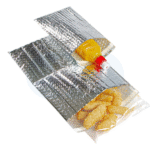
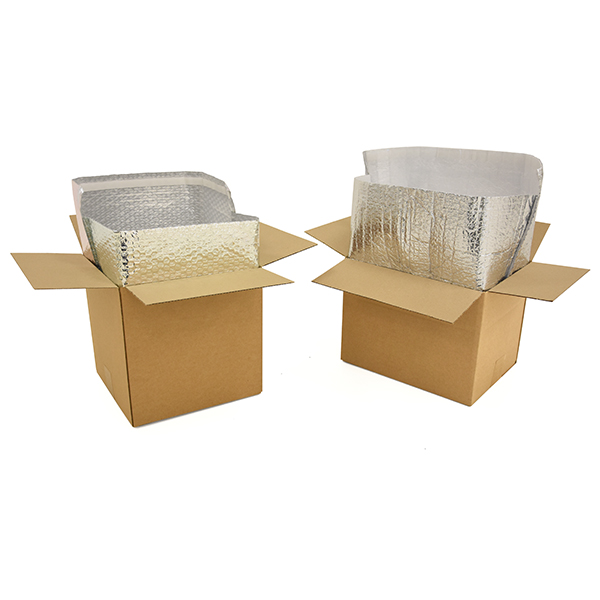
Il peut être réalisé avec du film à bulles, mousse, face au papier, feuille stratifiée, ou d'autres structures multicouches en fonction de l'équilibre des coûts cible, efficacité du cube, et protection. La question utile n’est pas de savoir si le revêtement est globalement bon.. La question utile est de savoir si c'est assez bon pour votre produit, carton, itinéraire, et processus opérationnel. Un paquebot qui fonctionne pour un itinéraire d'épicerie de deux heures peut ne pas convenir à un itinéraire de colis de deux jours ou à un envoi de soins de santé réglementé..
Commencez par le profil d'expédition
Une spécification pratique commence par la plage de température requise, temps de transit maximum, température de départ du produit, exposition ambiante, masse de charge utile, taille du carton, type de liquide de refroidissement, et processus de réception. Ces détails définissent la quantité de chaleur à laquelle l'emballage doit résister et la masse thermique dont l'emballage a besoin.. Sans ce profil, les devis des fournisseurs sont pour la plupart des suppositions.
Pour la nourriture, le profil peut être axé sur la fraîcheur, prévention de la fonte, expérience client, et contrôle des fuites. Pour les produits pharmaceutiques, biologique, vaccins, ou échantillons, le profil doit inclure des exigences de température documentées, risque de voie, stratégie d'enregistreur de données, inspection de réception, et approbation de qualité interne. Un paquebot général n’est pas automatiquement un expéditeur qualifié à température contrôlée.
Comparer le coût par utilisation, Pas uniquement par prix unitaire
Pour les achats à l'export, comparer la structure complète des coûts: taille du carton d'exportation, emballage compressé, étiquetage, documentation, cube de fret, norme d'inspection, et réorganiser la stabilité. Un prix unitaire inférieur peut encore être un mauvais choix si le revêtement réduit le volume utilisable., nécessite du liquide de refroidissement supplémentaire, navires de manière inefficace, ralentit la chaîne d'emballage, ou crée des taux de plaintes plus élevés. Le juste prix est le prix d’un envoi réussi, pas seulement le prix d'un paquebot.
Demander aux fournisseurs de citer le même dessin, structure matérielle, taille, style de fermeture, méthode d'emballage, et référence d'échantillon. Si deux devis utilisent des épaisseurs différentes ou des modèles de pliage différents, ils ne sont pas équivalents. Si un fournisseur inclut l’emballage pour l’exportation et qu’un autre ne le fait pas, la comparaison des prix est incomplète.
L'ajustement et le volume utilisable sont essentiels
De nombreux problèmes de doublure commencent par les dimensions. Les acheteurs fournissent souvent les dimensions extérieures du carton, mais la doublure doit s'adapter à l'espace interne du carton. Une fois le revêtement installé, il doit encore y avoir suffisamment de volume utilisable pour le produit, liquide de refroidissement, annuler le contrôle, et fermeture. Une épaisseur de revêtement trop importante peut réduire la charge utile. Une couverture trop faible peut créer des points faibles thermiques.
Les projets de taille personnalisée et OEM doivent utiliser un dessin qui montre la taille ouverte, taille pliée, disposition des panneaux, chevauchement de fermeture, et la tolérance. L'échantillon approuvé doit être emballé avec le produit réel avant la production. Si la doublure est comprimée sous vide, emballé à plat, imbriqué, ou préformé, l'acheteur doit tester son comportement sur la ligne d'emballage.
La performance thermique vient de l'emballage complet
Aucune doublure ne doit être jugée en dehors de son emballage. Le carton contrôle la protection structurelle. La doublure ralentit le transfert de chaleur. Packs de gel, briques de glace, packs de type glace carbonique, ou des matériaux à changement de phase fournissent un refroidissement ou une masse thermique. La fermeture maintient le système intact. L'opérateur suit les instructions. Lorsque l'un de ces éléments change, le résultat thermique peut changer.
Les données de test utiles doivent décrire le système réel: carton, doublure, charge utile, liquide de refroidissement, température de démarrage, profil ambiant, placement du capteur, et critères d'acceptation. Pour les itinéraires stricts ou réglementés, envisager un processus de qualification formel et impliquer l'emballage, logistique, et des équipes de qualité. Pour les itinéraires alimentaires ou d'épicerie à faible risque, un essai pratique contrôlé peut suffire, mais cela devrait quand même correspondre à une manipulation réelle.
Liste de contrôle des commandes d'exportation pour les acheteurs
Une évaluation approfondie des fournisseurs doit inclure des dimensions internes et externes, volume utilisable, épaisseur du revêtement, conception pliée, méthode de fermeture, couches de matériaux, masse de charge utile, compatibilité du liquide de refroidissement, et tolérance de l'échantillon à la production. Demandez si le fournisseur peut conserver la même construction, de l'échantillon à la production en série.. Demandez comment ils contrôlent la coupe, laminage, pliant, scellage, nombre d'emballages, et inspection finale. Demandez ce qui se passe si une couche de matériau, épaisseur, ou modification de la méthode d'emballage après approbation.
Pour le vrac, de gros, exporter, importer, OEM, ou commandes personnalisées, confirmer également MOQ, délai de mise en œuvre, synchronisation de l'échantillon, frais d'outillage ou d'installation, approbation des illustrations, le cas échéant, dimensions du carton principal, palettisation, étiquetage, et le plan d'inspection. Un fournisseur qui répond clairement à ces questions est plus facile à gérer qu'un fournisseur qui n'envoie qu'un prix bas..
Quand une doublure ne suffit pas
Il ne crée pas de réfrigération active. Les produits sensibles à la température nécessitent toujours un emballage défini, conditions de démarrage contrôlées, et des réfrigérants adaptés à l'itinéraire si nécessaire. Une doublure peut être insuffisante pour les longs temps de transit, conditions météorologiques extrêmes, très petites charges utiles avec une faible masse thermique, produits sensibles au gel, les expéditions qui attendent à l'extérieur, ou des itinéraires avec de mauvais contrôles de réception. Dans ces cas, l'acheteur peut avoir besoin d'un système plus épais, réfrigérant supplémentaire, un expéditeur qualifié, un service actif à température dirigée, ou une stratégie de voie différente.
Outils de décision utiles
Vérifiez les détails avant de choisir l'emballage
Ces outils rapides peuvent vous aider à comparer le risque d'itinéraire, besoins de dimensionnement, choix de liquide de refroidissement, et les détails de l'emballage avant de demander un devis.
Générateur de liste de contrôle
Créer une liste de contrôle pratique pour l'examen des emballages, expédition, et documentation.
Construire une liste de contrôleRésistance aux chutes du matériau isolant
Examinez la résistance aux chutes et les facteurs de manipulation avant de choisir des matériaux d'isolation..
Vérifier la résistanceRéférence du matériau isolant
Comparez les choix de matériaux d'isolation pour différents besoins d'emballage de la chaîne du froid.
Comparez les matériauxLes panneaux d’avertissement sont faciles à manquer. Si le produit arrive à la limite de sa plage de température, si les packs de gel sont entièrement dépensés à la livraison, si les clients signalent de la condensation ou des dommages, ou si les opérateurs doivent improviser lors du conditionnement, le programme de doublure devrait être revu. La protection contre la température doit être reproductible, ne dépend pas de la chance.
Durabilité et expérience client
La durabilité ne dépend pas seulement du nom du matériau. Potentiel de réutilisation, taux de dégâts, cube de fret, voie d'élimination, et le nombre d'expéditions échouées affectent tous le résultat environnemental réel. Pensez également à l’expérience client. Une doublure difficile à déplier, compliqué à éliminer, ou une séparation déroutante peut réduire la valeur d'une allégation de durabilité. Des instructions claires et des options réalistes d’élimination ou de retour sont importantes.
Pour les acheteurs B2B, la durabilité devrait également inclure l’efficacité des cubes, poids, taux de réutilisation, taux de dégâts, et perte de produit. Une doublure recyclable qui échoue souvent n'est pas un choix responsable. Une doublure réutilisable qui n'est jamais retournée peut ne pas offrir l'avantage escompté. Les équipes d'emballage doivent mesurer l'ensemble du système.
Une séquence d'achat pratique
D'abord, définir le profil d'expédition. Deuxième, choisissez une structure de doublure adaptée au risque de l'itinéraire et au carton. Troisième, demander des échantillons contrôlés et les emballer avec le vrai produit et le liquide de refroidissement. Quatrième, effectuer un test de température pratique ou formel. Cinquième, approuver un dessin et un échantillon retenu. Sixième, comparer les devis en utilisant la même spécification. Septième, inspecter le premier lot de production avant le déploiement complet.
Cette séquence protège à la fois les achats et les opérations. Cela empêche le prix de déterminer la décision avant que la doublure ne soit prouvée.. Cela donne également aux fournisseurs un objectif clair, ce qui améliore généralement la précision des devis et réduit les va-et-vient des révisions.
FAQ
Quelle est la spécification la plus importante pour un revêtement de boîte thermique?
Il n'existe pas de spécification unique. La combinaison la plus importante est l'ajustement interne, construction matérielle, méthode de fermeture, volume utilisable, compatibilité du liquide de refroidissement, et des performances éprouvées dans l'emballage prévu.
Le même revêtement peut-il être utilisé pour les produits alimentaires et pharmaceutiques?
Le même matériau peut être utilisé sur différents marchés, mais le processus d'approbation est différent. Les expéditions d’échantillons pharmaceutiques ou critiques nécessitent généralement une documentation plus solide, essai, et examen de la qualité.
Comment les acheteurs peuvent-ils éviter les devis peu fiables?
Fournir le même dessin, taille du carton, quantité, méthode d'emballage, attentes des tests, et des exigences de qualité à chaque fournisseur. Demandez des hypothèses par écrit avant de comparer les prix.
Notes de mise en œuvre pour les achats et les opérations
Un acheteur peut réduire les risques en transformant le revêtement de la boîte thermique en un article d'emballage contrôlé.. Donnez à la doublure un code de spécification, connectez-le aux tailles de carton approuvées, et définir quels produits et itinéraires peuvent l'utiliser. Cela empêche les opérateurs de remplacer une doublure d'apparence similaire lorsque la taille approuvée est en rupture de stock.. Cela donne également aux achats une base plus solide pour les réapprovisionnements, car l'achat est lié à un emballage contrôlé plutôt qu'à un nom de produit vague..
Un petit pilote peut révéler des problèmes avant une commande en volume. Emballez plusieurs commandes réelles, chronométrer les étapes d'emballage, inspecter l'ajustement de la doublure, noter la condensation, vérifier l'emplacement du liquide de refroidissement, et demandez à l'équipe de réception d'enregistrer l'état du colis. Cela ne remplace pas la qualification pour les marchandises à haut risque, mais cela aide l'acheteur à décider si le revêtement est pratique avant de s'engager dans la vente en gros, OEM, importer, exporter, ou quantités de production en vrac.
Le pilote doit inclure au moins une condition difficile, comme une charge utile plus importante, une charge utile plus petite, une période ambiante chaude, un temps de séjour plus long, ou un itinéraire avec plus de transferts que la normale. Le but est de savoir où la marge est mince. Un programme de doublure est plus solide lorsque l'acheteur sait non seulement quand il fonctionne, mais aussi quand il doit être mis à niveau vers un expéditeur plus puissant ou un plan de refroidissement différent.
Après approbation, conserver un enregistrement interne du dessin, fournisseur, description du matériau, date de l'échantillon, carton approuvé, plan de refroidissement, et toutes les notes de test. Si une future commande arrive avec un pli différent, sentir, surface, épaisseur, ou méthode d'emballage, l'équipe réceptrice peut le comparer avec le dossier avant de libérer le lot. Cette simple discipline est souvent suffisante pour empêcher une dérive silencieuse des spécifications dans les programmes d'achats répétés..
Comment maintenir le programme stable après le lancement
Une fois le liner utilisé quotidiennement, examiner les performances à intervalles réguliers. Regardez les plaintes, produits fondus ou réchauffés, cartons humides, doublures endommagées, retards d'emballage, et questions d'élimination des clients. Ces signaux apparaissent souvent avant une panne totale. Un examen peut montrer si le problème vient de la doublure, le liquide de refroidissement, le carton, l'itinéraire, la saison, ou la façon dont les opérateurs emballent la boîte.
Pour les commandes répétées, exiger du fournisseur qu'il confirme que le nouveau lot de production suit la construction approuvée. Ceci est particulièrement important lorsque les prix des matières premières changent ou lorsqu'un fournisseur propose une alternative moins chère.. Les économies de coûts ne sont utiles que lorsqu'elles ne modifient pas la marge thermique, ajuster, apparence, ou un comportement de manipulation qui a rendu l'échantillon d'origine acceptable.
À propos du Tempk
Conceptions et fournitures Tempk Emballage de la chaîne du froid pour la nourriture, pharmaceutique, et autres envois sensibles à la température. Notre gamme de produits cotés en bourse comprend packs de glace en gel, packs de type glace carbonique, briques de glace pour congélateur, sacs isolés, Boîtes isolées EPP, boîtes d'expédition à froid, glacières médicales, doublures de boîtes isolées, couvertures thermiques de palettes, et matériels associés à la chaîne du froid. Pour les projets de doublure de boîte thermique, nous nous concentrons sur l'ajustement pratique, compatibilité des emballages, et des détails de production reproductibles plutôt que de traiter une doublure comme un article unique.
Partagez la plage de température de votre produit, durée de l'itinéraire, taille du carton, poids de charge utile, et le modèle de commande attendu pour discuter d'une structure de revêtement appropriée ou d'un exemple de plan. Pour le vrac, OEM, exporter, ou exigences de taille personnalisée, demander une révision des spécifications avant de passer une commande de production.