Caisse réfrigérée VIP pour l'expédition du lait: Guide pratique de sélection
A VIP refrigerated box for milk shipping is worth considering when ordinary insulation leaves too little margin for the payload, itinéraire, ou gestion du risque. Cela ne remplace pas la planification d'itinéraire, sélection du liquide de refroidissement, surveillance de la température, ou revue de qualité. La bonne façon de l'acheter est de traiter la boîte comme une partie d'un système de contrôle passif de la température et de vérifier comment ce système se comporte avec votre envoi réel..
Commencez par le travail d'expédition, pas la description de la boîte
The phrase VIP refrigerated box for milk shipping describes a container category, mais cela ne définit pas le travail. Le travail est défini par la cargaison, la plage de température requise, la durée d'exposition, le volume de la charge utile, le nombre de transferts, et l'état dans lequel l'envoi sera accepté à réception. Pour du lait frais, échantillons de produits laitiers, commandes de produits laitiers haut de gamme, ingrédients réfrigérés, et expéditions de produits alimentaires réfrigérés en petits lots, ces variables peuvent différer fortement d'un itinéraire à l'autre. Un conteneur qui convient à une livraison planifiée courte peut ne pas convenir à un couloir de colis retardé ou à un itinéraire à températures mixtes..
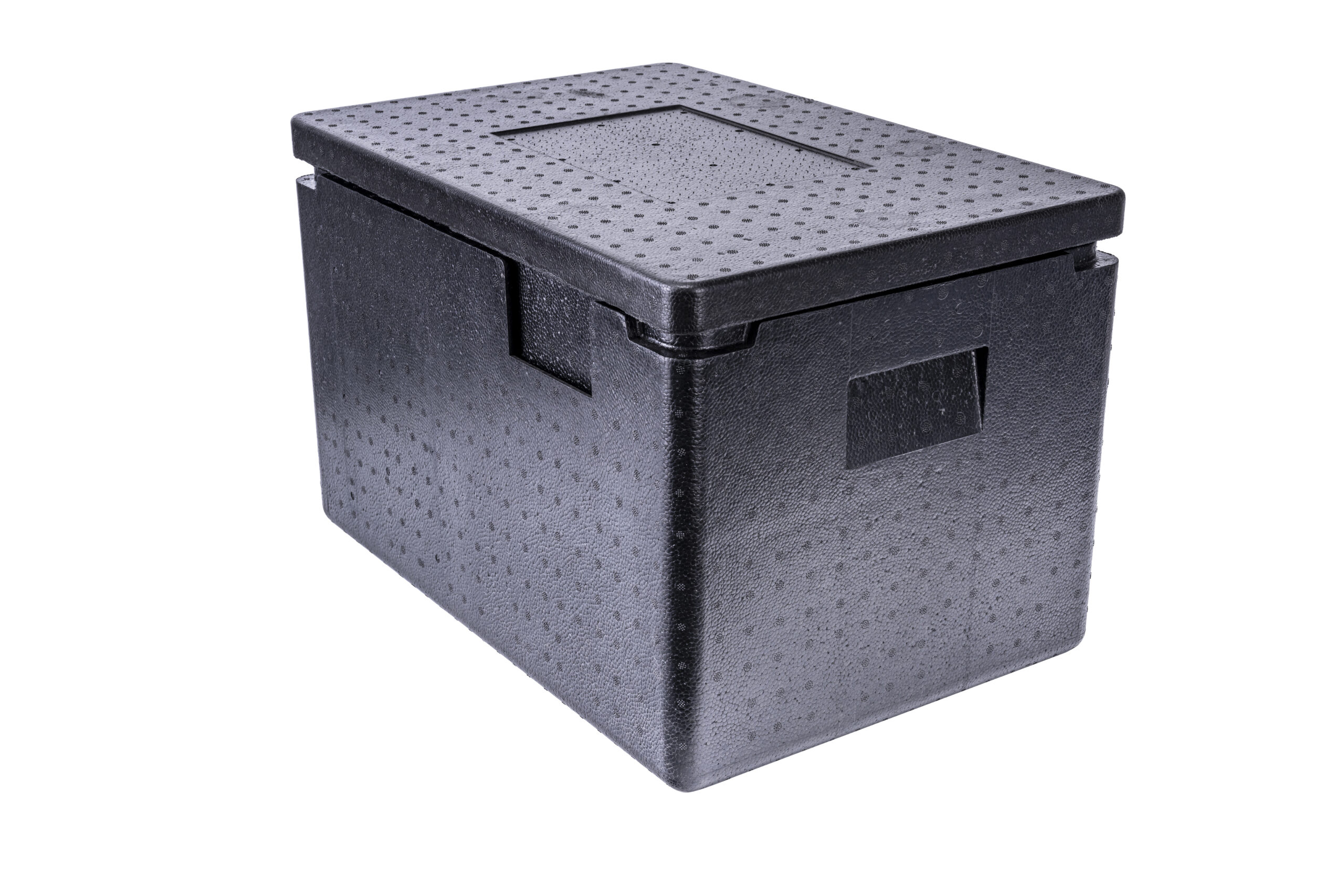
Un processus de sélection pratique commence par cinq informations: quelle est la charge utile, de combien d'espace interne utilisable il a besoin, quelle plage de température doit être protégée, combien de temps l'envoi peut rester en dehors du stockage contrôlé, et qui inspectera le colis à destination. Le terme réfrigéré doit également être interprété avec prudence. Dans de nombreuses recherches d'achat, cela désigne une caisse passive destinée aux charges utiles réfrigérées., il ne s'agit pas d'une unité alimentée qui refroidit activement le contenu.
Cette distinction est importante parce qu'un Boîte VIP ralentit le transfert de chaleur; il ne crée pas lui-même une température correcte. La source froide, la méthode de préconditionnement, la température de la charge utile avant l'emballage, la façon dont le couvercle est fermé, et la procédure de réception influencent toutes le résultat final. Si ces étapes ne sont pas contrôlées, une isolation plus élevée peut masquer des opérations faibles jusqu'à ce qu'un enregistrement de température ou un rejet de produit révèle le problème.
Là où l’isolation VIP est utile et là où elle ne l’est pas
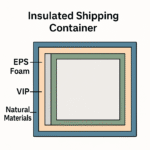
Les panneaux isolés sous vide sont utilisés car l'élimination d'une grande partie de l'air du noyau du panneau peut réduire le transfert de chaleur par convection à travers la couche isolante.. En pratique, le panneau n'est qu'une partie de la boîte. La chaleur peut encore pénétrer par le couvercle, coutures, coins, zones de verrouillage, panneaux endommagés, et échange d'air à l'ouverture de la boîte. C'est pourquoi le conteneur fini et l'emballage doivent être évalués ensemble..
Pour du lait frais, échantillons de produits laitiers, commandes de produits laitiers haut de gamme, ingrédients réfrigérés, et expéditions de produits alimentaires réfrigérés en petits lots, l'avantage est généralement une marge thermique supplémentaire dans un emballage plus petit ou plus léger, plus d'espace de charge utile utilisable que certains formats d'isolation encombrants, ou une meilleure protection pendant de courtes périodes d'exposition ambiante. Le risque est de considérer le label VIP comme une promesse. Les performances déclarées d'un fournisseur doivent être vérifiées par rapport aux conditions de test, hypothèses de charge utile, profil ambiant, configuration du liquide de refroidissement, et critères d'acceptation.
Les systèmes VIP nécessitent également une sensibilisation à la manipulation. Un panneau perforé ou écrasé peut perdre en performance. Une bordure mal protégée peut devenir un pont thermique. Un couvercle qui ne se ferme pas de la même manière à chaque fois peut créer des résultats incohérents. Ce ne sont pas des raisons pour éviter la technologie VIP; ce sont des raisons d'inclure une inspection, entraînement, et cohérence de l'échantillon à la production dans la décision d'achat.
L’état d’esprit le plus utile est de se demander ce que l’isolation résout. Dans ce sujet, the primary risk is confusing insulation with active refrigeration, poor pre-chilling, dommages causés par la condensation, rétention des odeurs, nettoyage difficile, insufficient gel pack conditioning, et réception tardive. Si la box ne réduit pas directement ces risques, un conteneur isotherme plus simple, un véhicule frigorifique, un conteneur actif, ou un emballage différent peut être plus approprié.
Quand ce type de conteneur n’est pas la bonne réponse
A VIP refrigerated box for milk shipping is not automatically the safest or most economical choice. It may be the wrong answer when long unrefrigerated lanes, quais de chargement chauds, open package staging, or milk shipped without product-specific food-safety review. Cela peut également être mal adapté si l'équipe a besoin d'une barrière stérile jetable., si le client refuse de retourner l'emballage, ou si la source froide nécessaire à la charge utile ne peut pas être manipulée en toute sécurité sur le trajet.
Cette vérification d'ajustement négatif est précieuse car elle empêche les achats excessifs. Certains envois n’ont besoin que d’une simple doublure isolée, un véhicule frigorifique, un couvercle de palette thermique, ou un changement dans la procédure de transfert. D'autres expéditions nécessitent un système d'expédition thermique qualifié avec des critères de surveillance et d'acceptation documentés.. Le conteneur doit être sélectionné une fois le risque défini, pas avant.
Les acheteurs doivent demander aux fournisseurs d'indiquer aussi clairement l'utilisation prévue que les avantages du produit.. Un fournisseur utile peut expliquer ce pour quoi la boîte est conçue, quelles hypothèses soutiennent sa performance, et quelles conditions nécessitent des tests supplémentaires. Ce type de définition de limites est souvent plus utile qu'une longue liste de fonctionnalités promotionnelles.
Les spécifications qui changent réellement la décision d'achat
A VIP refrigerated box for milk shipping can look technically strong and still fail in a real route if the packout does not match the payload. L'espace intérieur doit permettre au produit, liquide de refroidissement, séparateurs, documentation, et tout enregistreur de données à installer sans forcer le couvercle ni placer le produit contre un mur chaud. Les acheteurs devraient demander le volume utilisable, pas seulement les dimensions extérieures.
L'exposition par voie doit être divisée en éléments pratiques: pré-refroidissement, emballage, premier ramassage, transfert de véhicule, préparation d'entrepôt, manutention aérienne ou colis, tentative de livraison, et réception de l'inspection. De nombreuses excursions se produisent à ces interfaces car la responsabilité change de mains. La sélection de la case doit donc être liée à la cartographie de l'itinéraire, non seulement à une durée d'expédition nominale.
| Point de contrôle de l'acheteur | Que confirmer | Pourquoi cela affecte les performances |
|---|---|---|
| Sensibilité du fret | Limites de température et de manipulation spécifiques au produit | Empêche l'utilisation d'un seul emballage pour des produits incompatibles |
| Exposition de l'itinéraire | Temps prévu en dehors du stockage contrôlé et points de séjour probables | Détermine la marge thermique nécessaire au-delà du temps de transit normal |
| Ajustement de la charge utile | Volume utilisable après liquide de refroidissement, doublures, et diviseurs | Évite d'écraser la cargaison ou de réduire le flux d'air de refroidissement |
| Plan de refroidissement | Pack de gel, PCM, glace carbonique, ou autre source de froid le cas échéant | La box ralentit le gain de chaleur; le liquide de refroidissement fournit l'énergie thermique |
| Preuve | Rapport d'essai, exemple d'essai, ou des informations sur la qualification de voie | Réduit le recours aux allégations marketing |
Le tableau est délibérément présenté comme une vérification plutôt que comme une garantie de performance.. C'est le moyen le plus sûr de comparer les fournisseurs. Si un fournisseur peut expliquer les hypothèses derrière une réclamation, les acheteurs peuvent décider si ces hypothèses ressemblent à leur itinéraire. Si les hypothèses manquent, la réclamation doit être traitée comme un point de départ pour des questions, pas une base d'achat.
Pour les voies parcelles courtes, lab sample moves, local refrigerated delivery, and direct-to-consumer chilled dairy shipments, le processus de réception compte également. Une boîte bien construite peut perdre de la valeur si le destinataire la laisse fermée dans un endroit chaud, supprime l'enregistrement de température, ou renvoie le conteneur sans inspection. Inclure l'équipe de destination lors de la conception du colis.
La documentation transforme une boîte en un processus contrôlable
Pour les expéditions de nourriture, les décisions en matière d'emballage sont rarement jugées uniquement sur l'apparence. L'acheteur a généralement besoin d'une preuve que l'envoi a été correctement emballé., déplacé dans les conditions prévues, et reçu dans un état qui permet la libération ou l'acceptation. Les acheteurs de produits alimentaires devraient envisager des pratiques de transport hygiéniques, surfaces nettoyables, ségrégation, contrôle des fuites, et des pratiques de température qui empêchent les aliments de devenir dangereux ou inacceptables. Les produits biologiques nécessitent également une discipline de manipulation qui protège l'intégrité biologique et évite la contamination par des résidus non biologiques..
Un conteneur VIP passif peut prendre en charge ce processus, mais cela ne rend pas automatiquement l'envoi conforme, qualifié, ou acceptable pour chaque marché. La conformité dépend de la catégorie de produit, itinéraire, transporteur, procédures de l'expéditeur, Règlements locaux, et l'accord de qualité entre les parties. C'est pourquoi une formulation prudente est importante: la box peut convenir à un usage défini après examen, mais il ne faut pas le décrire comme universellement approuvé.
Les documents utiles peuvent inclure une fiche technique du produit, description du matériau, conseils de nettoyage, instruction d'emballage, instruction de préconditionnement, résumé du test, carte de placement des enregistreurs, liste de contrôle de réception, et un processus de signalement des excursions ou des dommages. Pour un échantillon alimentaire à faible risque, c'est peut-être simple. Pour les produits biologiques ou les vaccins, la charge de documentation est souvent beaucoup plus lourde et doit être revue par l'équipe qualité.
Outils de décision utiles
Vérifiez les détails avant de choisir l'emballage
Ces outils rapides peuvent vous aider à comparer le risque d'itinéraire, besoins de dimensionnement, choix de liquide de refroidissement, et les détails de l'emballage avant de demander un devis.
Sélecteur d'emballage
Comparez les options d'emballage isotherme par produit, itinéraire, et besoin de température.
Trouver un emballageCalculateur de banquise
Estimation de la quantité de pain de glace pour les expéditions réfrigérées et planification pratique des itinéraires.
Estimer les packs de glaceRésistance aux chutes du matériau isolant
Examinez la résistance aux chutes et les facteurs de manipulation avant de choisir des matériaux d'isolation..
Vérifier la résistanceL’objectif pratique n’est pas la paperasse en soi. It is to prevent disputes when confusing insulation with active refrigeration, poor pre-chilling, dommages causés par la condensation, rétention des odeurs, nettoyage difficile, insufficient gel pack conditioning, et réception tardive. Un processus clair indique à l'entrepôt, transporteur, récepteur, et l'équipe d'achat, ce qui doit se passer avant que la boîte soit considérée comme prête à être utilisée de manière répétée.
Que confirmer avant de passer de l'échantillon à la production
For food buyers comparing passive VIP shippers against refrigerated vehicles, sacs isolés, and single-use boîtes à mousse, la décision d'achat doit inclure des questions opérationnelles faciles à ignorer lors de la comparaison d'échantillons. Un échantillon qui semble solide sur un bureau peut se comporter différemment après des manipulations répétées par courrier., mise en scène en chambre froide, condensation, ou transport retour.
- Ask whether the supplier can explain the packout for fresh milk, échantillons de produits laitiers, commandes de produits laitiers haut de gamme, ingrédients réfrigérés, and small-batch refrigerated food shipments rather than only quote outside dimensions.
- Confirmer si les performances déclarées sont basées sur un profil de test spécifique, charge utile, quantité de liquide de refroidissement, et critère d'acceptation.
- Comparez l'espace interne utilisable avec la charge utile réelle après le liquide de refroidissement, séparateurs, et les dispositifs de surveillance sont inclus.
- Découvrez comment les couvercles, charnières, scellés, coins, et les poignées survivent à des manipulations répétées si le conteneur est réutilisé.
- Définir qui inspecte les conteneurs retournés et quels dommages nécessitent une réparation ou une mise hors service.
- Vérifiez si les unités de production correspondent à l'échantillon approuvé dans la structure d'isolation, conception de fermeture, matériel, et zone d'étiquetage.
Ces questions sont volontairement pratiques. Les acheteurs n’ont pas besoin que tous les fournisseurs fassent le même choix de conception. Ils ont besoin de suffisamment de clarté pour comparer les risques. Un conteneur légèrement plus lourd peut être acceptable s'il améliore la durabilité du retour. Une boîte plus compacte peut être préférable si le coût du transport est important, mais seulement si le liquide de refroidissement et la charge utile sont toujours adaptés sans compression. Une structure VIP premium peut être justifiée pour les marchandises de grande valeur, mais seulement si l'opération peut protéger les panneaux lors de leur réutilisation.
L'échantillon d'approbation doit également inclure une attente de contrôle des changements. Si le fournisseur modifie ultérieurement la disposition des panneaux, matériau de revêtement, style de verrouillage, insert en mousse, ou recommandation de liquide de refroidissement, l'acheteur doit le savoir avant la livraison des lots de production. Pour les envois réglementés ou de grande valeur, même de petits changements physiques peuvent nécessiter un examen.
Exemple pratique: comment un acheteur peut utiliser la liste de contrôle
Imagine a dairy QA team sending chilled milk samples to a regional lab while trying to avoid water leakage and odor carryover in reusable boxes. The team may begin by asking for a VIP refrigerated box for milk shipping, mais le nom du conteneur n'est que la première couche de la décision. Ils doivent décider de la quantité de produits à inclure dans chaque expédition., où le liquide de refroidissement sera positionné, comment la boîte sera préconditionnée, combien de temps il peut attendre lors du transfert, et quel registre le destinataire doit conserver.
Lors du premier examen de l'échantillon, l'équipe doit emballer le conteneur exactement comme il le serait en cours d'exploitation. Cela signifie utiliser la charge réelle du produit ou un équivalent thermique raisonnable, la configuration réelle du liquide de refroidissement, la même doublure ou séparateur, et le poste d'enregistreur de données prévu pour la production. Si une équipe de messagerie ou d'entrepôt s'occupera de l'envoi, ils doivent être inclus dans l'essai car le temps d'ouverture du couvercle et une manipulation brutale peuvent modifier les résultats.
La décision pourrait révéler des compromis. La boîte VIP peut mieux protéger la température qu'un expéditeur de mousse de base, mais il faudra peut-être des étiquettes de retour, espace de nettoyage, et un moyen de remplacer les composants usés. Un conteneur plus petit peut réduire les coûts de transport, mais s'il ne laisse aucune place au liquide de refroidissement ou crée une pression sur la charge utile, l'économie apparente est fausse. Le choix le plus judicieux est celui qui correspond à la fois aux preuves thermiques et au comportement de fonctionnement quotidien..
Erreurs générant un risque de chaîne du froid après la commande
Many failures connected with a VIP refrigerated box for milk shipping are not caused by the matériau isolant lui-même. Ils viennent de décisions prises autour de la boîte: emballage précipité, étiquetage faible, préconditionnement manquant, aucune propriété des retours, ou pas de plan de livraison retardée. Ce sont des risques gérables s’ils sont visibles tôt.
- Traiter un temps d'attente publié comme une promesse universelle au lieu de se demander quel profil ambiant, charge utile, et l'emballage ont été utilisés.
- Ignorer la température de la charge utile avant l'emballage. Un produit chaud placé dans une boîte passive peut consommer rapidement de la capacité thermique.
- En supposant qu'un enregistreur de données ou un tracker GPS protège la température. La surveillance fournit des preuves et des alertes; il ne remplace ni l'isolation ni le liquide de refroidissement.
- Utiliser une boîte réutilisable sans règle d'inspection de retour. Un panneau VIP endommagé ou un composant de couvercle manquant peut modifier les performances.
- Choisir les dimensions extérieures avant de vérifier l'espace utilisable. Le liquide de refroidissement et les séparateurs internes peuvent réduire considérablement l'espace de chargement.
- Laisser l'équipe de réception décider de l'acceptation de manière informelle. Les contrôles de réception doivent être définis avant que l'envoi ne quitte l'origine..
Le fil conducteur est l’hypothèse. Un acheteur suppose que la boîte couvrira l'incertitude de l'itinéraire, l'entrepôt suppose que le liquide de refroidissement a été conditionné correctement, le coursier suppose que le destinataire sera prêt, et le récepteur suppose que les données de l'enregistreur relèvent de la responsabilité de quelqu'un d'autre. Pour les voies parcelles courtes, lab sample moves, local refrigerated delivery, and direct-to-consumer chilled dairy shipments, chaque hypothèse doit être convertie en une étape simple, propriétaire, ou règle d'acceptation.
FAQ
Is a VIP refrigerated box for milk shipping the same as an active refrigerated container?
Non. Dans la plupart des contextes d’achat sous chaîne du froid, une loge VIP ou Conteneur maritime réfrigéré VIP est un emballage isolé passif. Il ralentit le transfert de chaleur et fonctionne avec une charge utile conditionnée, liquide de refroidissement, PCM, packs de gel, glace carbonique le cas échéant, ou un itinéraire contrôlé. Il ne refroidit pas activement comme un réfrigérateur électrique à moins qu'un système actif séparé ne soit spécifié..
Quelles informations dois-je donner à un fournisseur avant de demander un devis?
Partager le type de charge utile, plage de température requise, durée de l'expédition, exposition ambiante attendue, dimensions de la charge utile, transferts d'itinéraire, plan de réutilisation, et exigences de réception. Pour du lait frais, échantillons de produits laitiers, commandes de produits laitiers haut de gamme, ingrédients réfrigérés, et expéditions de produits alimentaires réfrigérés en petits lots, le fournisseur doit également comprendre si l'expédition présente un faible risque, lié à l'alimentation, liés aux soins de santé, ou soumis à un examen de qualité.
Un conteneur VIP peut-il garantir le respect de la chaîne du froid?
Aucun élément d’emballage ne peut garantir à lui seul la conformité. La conformité dépend des exigences du produit, procédures de l'expéditeur, manutention du transporteur, surveillance, documentation, et les règles locales. Un conteneur VIP peut faire partie d'une démarche conforme ou qualifiée lorsqu'il est sélectionné, testé, emballé, et utilisé dans des conditions définies.
Comment inspecter les loges VIP réutilisables?
Les boîtes retournées doivent être vérifiées pour les panneaux endommagés, coquilles fêlées, loquets cassés, doublures sales, étiquettes manquantes, odeur, zones humides, et les changements qui pourraient affecter la fermeture. Les règles d'inspection doivent être suffisamment simples pour que les équipes de l'entrepôt puissent les suivre, et toute unité endommagée doit être réparée, testé si besoin, ou retiré du service.
What matters most for milk shipping besides temperature?
Hygiène, contrôle des fuites, contrôle des odeurs, chargement rapide, surfaces nettoyables, and receiving inspection all matter. Milk and dairy residues can create practical reuse problems, so a reusable VIP box should include liners, instructions de nettoyage, and a process for retiring boxes that cannot be cleaned properly.
Conclusion
A VIP refrigerated box for milk shipping should be chosen as a shipment system, pas comme un objet autonome. Commencez par la charge utile, plage de température requise, exposition par voie, transferts, plan de refroidissement, et processus de réception. Comparez ensuite les fournisseurs par preuves, volume utilisable, clarté de l'emballage, et cohérence de l'échantillon à la production.
La décision la plus forte est généralement conservatrice: vérifier les allégations qui affectent la sécurité ou l'acceptation du produit, éviter les promesses universelles, et définir comment le conteneur sera emballé, surveillé, reçu, nettoyé, et réutilisé. Une meilleure boîte peut créer plus de marge thermique, mais seul un processus contrôlé transforme cette marge en performances fiables de la chaîne du froid.
À propos du Tempk
Tempk prend en charge emballage chaîne du froid discussions pour les acheteurs qui ont besoin d'une protection thermique passive pratique plutôt que d'un langage d'emballage générique. Pour ce sujet, our role is to help teams review passive insulated box and coolant selection for chilled dairy shipments that need practical temperature protection and clean handling. Nous pouvons discuter de la taille de la charge utile, exposition par voie, ajustement du liquide de refroidissement ou du PCM, manipulation réutilisable, et ce qui doit être vérifié avant qu'un échantillon ou une commande groupée ne soit approuvé. L’objectif n’est pas de prétendre qu’une boîte convient à chaque envoi., mais pour vous aider à affiner le conteneur et l'emballage qui correspondent à vos conditions réelles d'exploitation.
Partagez votre itinéraire, charge utile, plage de température cible, et réutiliser les attentes avec Tempk. We can help you compare whether a VIP refrigerated box for milk shipping is a sensible option or whether another passive packaging approach should be reviewed first.