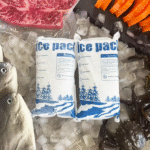
Usine de banquise par injection d'eau: 2026 Liste de contrôle?
UN Usine de blocs de glace par injection d'eau la décision est vraiment une décision à risque. Si les packs fuient, éclatement, ou arriver sous-rempli, tu perds du produit, temps, et faire confiance. Les packs d'eau s'étendent également d'environ 9% lors de la congélation, donc les joints faibles échouent rapidement. Quand c'est bien fait, un Usine de blocs de glace par injection d'eau vous donne des lots stables, refroidissement prévisible, et moins de réclamations « carton mouillé ».
Ce guide vous aidera:
Choisissez un Liste de contrôle de contrôle de qualité d'usine de pack de glace d'injection d'eau que les achats et l'assurance qualité peuvent partager
Vérifier Test d'étanchéité et de fuite en usine de blocs de glace par injection d'eau sans deviner
Définir Personnalisation d'usine de pack de glace par injection d'eau et marque privée des spécifications qui réduisent les erreurs
Vérifier capacité de l'usine de blocs de glace à injection d'eau et planification des délais pour la haute saison
Valider les performances pour 2–8 ° C et voies gelées à l'aide de tests répétables
Utilisez des outils de décision rapides pour présélectionner les fournisseurs en toute confiance
Que fabrique une usine de banquises à injection d'eau?
UN Usine de blocs de glace par injection d'eau produit des pochettes souples scellées remplies d'eau (ou mélanges à base d'eau). Les formats sont simples. Les modes de défaillance ne sont pas.
Formats de pack courants que vous pouvez vous procurer:
Packs d'oreillers (facile à poser à plat dans des cartons)
Paquets de briques (stabilité d'empilage pour des voies plus longues)
Feuilles multicellulaires (meilleure couverture, moins de déplacements)
Packs de bouchons réutilisables (boucles de retour, si tu as la démarche)
Considérez chaque paquet comme un petit batterie froide. La glace absorbe environ 334 kJ par kilogramme en fondant à 0°C. Ce « trempage énergétique » aide à stabiliser la température pendant le transport. Votre travail consiste à vous assurer que le « boîtier de la batterie » (film + joint) n'échoue jamais.
Usine de packs de glace par injection d'eau vs packs de gel: quels changements?
Deux packs peuvent paraître identiques et se comporter très différemment. L'eau est moins indulgente car l'expansion du gel met l'accent sur les joints et les coins..
| Domaine d'intervention de l'usine | Packs d'injection d'eau | Packs de gel | Ce que cela signifie pour vous |
|---|---|---|---|
| Contrainte d'expansion du gel | Plus haut | Moyen | Les packs d'eau nécessitent des joints plus solides et une conception de coin |
| Précision de remplissage | Critique | Important | Underfill = temps de maintien faible et résultats instables |
| Mode de défaillance | Couture fendue, micro-canaux | Couture fendue, ponction | Le contrôle des phoques devient votre #1 filtre de tamisage |
| Sensibilité du processus | Haut | Moyen | Une légère dérive de l'étanchéité apparaît lors des pannes hivernales |
Conseils pratiques que vous pouvez utiliser
Si des fuites se produisent après le gel: donner la priorité à la conception et à la cohérence des joints, pas de marque.
Si vous congelez en interne: alignez les spécifications du film et du joint sur la température et la manipulation de votre congélateur.
Si vous expédiez via le tri automatisé: donner la priorité à la résistance à la perforation et à l’emballage protecteur en carton.
Vrai exemple: Une marque a opté pour un fournisseur moins cher et a vu des « boîtes humides aléatoires ». La cause profonde était la présence de micro-canaux dans les joints qui n'apparaissaient qu'après l'expansion du gel.. Des contrôles étanches ont arrêté les fuites.
Liste de contrôle de contrôle de qualité en usine de pack de glace par injection d'eau
Un qualifié Usine de blocs de glace par injection d'eau devrait prouver trois choses: cohérence, durabilité, et évolutivité. Les échantillons sont faciles. La répétabilité est difficile.
À quoi ressemble le « bien » en production
Vous souhaitez un contrôle stable de:
Poids de remplissage (tolérance stricte, chèques enregistrés)
Largeur du joint + intégrité (mesuré, documenté, corrigé en dérive)
Épaisseur du film (stabilité des lots, dossiers d'inspection entrants)
Dimensions (pour que ton paquet ne dérive pas)
Traçabilité (codes de lot + enregistrements de lots)
| Capacité | Que demander | Signal fort | Ce que cela signifie pour vous |
|---|---|---|---|
| Contrôle de remplissage | Poids cible + tolérance | Contrôles en ligne + journaux | Durée de refroidissement prévisible |
| Contrôle des scellés | Largeur du joint + paramètres | Enregistré par équipe | Moins de fuites et d'éclatements |
| Traçabilité | Codes de lot + enregistrements | Journaux de lots disponibles | Analyse plus rapide des causes profondes |
| Durabilité | Baisse + compression + geler-dégeler | Preuves multicycles | Moins de pannes retardées |
| Protection de l'emballage | Doublures intérieures / séparateurs | Méthode de carton cohérente | Moins de dégâts avant de le recevoir |
Conseils et suggestions pratiques
Demandez une cartographie des processus: vous voulez voir où ont lieu les contrôles, pas des promesses.
Demandez-leur comment ils gèrent les retouches: les joints retravaillés peuvent créer des points faibles.
Renseignez-vous sur le contrôle des modifications: « Pas de changement de film sans préavis écrit » est une règle stricte.
Tests d'étanchéité et de fuite en usine de blocs de glace par injection d'eau (l'étape décisive)
Le scellement est le battement de cœur d'un Usine de blocs de glace par injection d'eau. La plupart des échecs sont dus à la dérive des phoques, contamination, pression inégale, ou géométrie faible.
Défauts de joint courants que vous devriez rechercher:
Couture fendue: faible énergie d’étanchéité ou mauvais alignement
Fuite de microcanal: petit chemin qui apparaît après la congélation
Déchirure de coin: concentration de stress lors de l'empilement et des chutes
Trous d'épingle: dommages au film, contamination, ou abrasion
| Problème de sceau | Cause probable | Un contrôle d'usine qui aide | Ce que cela signifie pour vous |
|---|---|---|---|
| Couture fendue | Faible énergie de scellement | Surveillance des paramètres | Moins de cartons humides |
| Micro-canal | Contamination | Processus propre + pression uniforme | Moins de « fuites mystérieuses » |
| Déchirure de coin | Coins pointus, film mince | Arrondi des coins + film plus fort | Meilleure gestion de la survie |
| Trous d'épingle | Abrasion / manutention | Film plus résistant + meilleur emballage | Taux de fuite réduit pendant le transport |
Conseils et suggestions pratiques
Exiger une spécification de joint: objectif de largeur de joint et plage acceptable.
Exiger des contrôles de gel: les sceaux doivent passer après gel, pas seulement à température ambiante.
Ajouter des tests de compression: les paquets empilés créent un réel stress dans les cartons.
Vrai exemple: Un distributeur de fruits de mer n'a constaté des fuites qu'en hiver. Les paquets ont gelé plus fort, élargi davantage, et coutures fragiles soulignées. Des joints légèrement plus larges ont éliminé le pic saisonnier.
Comment auditer une usine de packs de glace par injection d'eau en 2026
Vous n'avez pas besoin d'une visite parfaite. Vous avez besoin d'une preuve des systèmes et des enregistrements. Si l'usine ne peut pas expliquer la prévention, tu deviens leur laboratoire de test.
Le plan d'audit de 60 minutes (rapide mais efficace)
0–10 minutes: Film entrant
Identification du film et conditions de stockage
Dossiers d'inspection entrants
Quarantaine / zone de rejet
10–25 minutes: Remplissage + scellage
Contrôles de répétabilité de remplissage
Enregistrements de paramètres de scellement (temps, température, pression)
Outils de mesure calibrés
25–40 minutes: CQ en cours
Méthode de détection des fuites et fréquence d’échantillonnage
Approche de mesure de la résistance du joint
Flux de travail de gestion des défauts
40–55 minutes: Produits finis
Discipline de codage des lots
Méthode d'emballage en carton et modèle de palette
FIFO et conditions de stockage
55–60 minutes: Culture d’action corrective
Un exemple réel de défaut et le correctif
Processus de reconversion
Comment prévenir les récidives
Des questions qui révèlent de réelles capacités
"Montre-moi ton dernier tableau de surveillance des phoques.»
"Ce qui se produit lorsque les résultats du sceau dérivent?»
« Comment vas-tu arrêter un lot suspect de l'expédition?»
« Comment tester les packs après chutes et compression?»
Auto-évaluation interactive: Score d'ajustement du contrôle qualité en usine
Notez chaque élément 0–2 points (0 = aucune preuve, 2 = documenté et routinier):
Codage de lot sur chaque carton et lot
Inspection des films entrants avec enregistrements
Remplissez les contrôles de poids à intervalles définis
Dépistage des fuites avec des règles d'échantillonnage claires
Plage de mesure et d'acceptation de la largeur du joint
Outils de décision utiles
Vérifiez les détails avant de choisir l'emballage
Ces outils rapides peuvent vous aider à comparer le risque d'itinéraire, besoins de dimensionnement, choix de liquide de refroidissement, et les détails de l'emballage avant de demander un devis.
01Risque d'itinéraireVérificateur de risque d'itinéraire
Examinez les conditions des pistes avant de sélectionner l'emballage en fonction des exigences opérationnelles réelles..
Vérifier le risque d'itinéraire02Choix du packagingSélecteur d'emballage
Comparez les options d'emballage isotherme par produit, itinéraire, et besoin de température.
Trouver un emballage03Estimation de la banquiseCalculateur de banquise
Estimation de la quantité de pain de glace pour les expéditions réfrigérées et planification pratique des itinéraires.
Estimer les packs de glaceContrôles de durabilité au gel et au dégel (multicycle)
Gestion claire des retouches et des rejets
Règle écrite de notification de modification pour les matériaux
Guide de notation
13–16: candidat fort, prêt à évoluer
8–12: réalisable, mais le pilote doit être plus serré
0–7: risque élevé; exiger des mises à niveau ou changer de fournisseur
Personnalisation d'usine de glace par injection d'eau et marque privée
La personnalisation n'est utile que lorsqu'elle réduit les risques ou les coûts. Trop de SKU créent des erreurs de préparation et le chaos.
Options de personnalisation de grande valeur:
Taille du paquet adaptée à l'intérieur de votre expéditeur
Deux poids de remplissage (voies courtes ou longues)
Conceptions de feuilles multicellulaires pour une meilleure couverture
Améliorations du film pour les itinéraires de manutention difficiles
Code couleur pour le tri en couloir
Marque privée + placement clair du codage de lot
| Option personnalisée | Meilleur cas d'utilisation | Risque en cas de surutilisation | Ce que cela signifie pour vous |
|---|---|---|---|
| Feuille multicellulaire | Couverture uniforme | Plus de SKU | Refroidissement plus cohérent |
| Deux poids de remplissage | Correspondance des voies | Erreurs d'inventaire | Moins de suremballage |
| Film plus épais/plus résistant | Transporteurs bruts | Coût plus élevé | Moins de crevaisons |
| Codage couleur | Emballage plus rapide | Confusion si non géré | Moins d'erreurs d'emballage |
| Marque privée + code de lot | Besoins en matière d'audit | Encombrement si salissant | Traçabilité plus rapide |
Conseils et suggestions pratiques
Formats limites: 2–3 formats de pack couvrent la plupart des programmes.
Utiliser la couleur pour le flux de travail: une couleur par voie réduit les erreurs.
Plans d'emballage des documents: la personnalisation échoue lorsque les emballeurs improvisent.
Vrai exemple: Une marque d'épicerie avait six formats de conditionnement et des mauvais choix constants. Ils ont été coupés en deux tailles et ont amélioré l'isolation. Les erreurs ont disparu rapidement.
Capacité de l'usine de glace à injection d'eau et planification des délais
UN Usine de blocs de glace par injection d'eau peut avoir des échantillons parfaits et malgré tout échouer à grande échelle. Les packs tardifs déclenchent des remplacements précipités et des résultats instables.
Que vérifier:
Capacité mensuelle et capacité de pointe
Délai de livraison standard et délai de livraison le plus défavorable
Stabilité de l’approvisionnement en films et plans de sauvegarde
Options d'achat d'actions de sécurité
Processus d’aide à la planification et de prévision
Emballage protecteur qui évite les dommages avant l'arrivée
| Facteur de fiabilité | Que vérifier | Signal fort | Ce que cela signifie pour vous |
|---|---|---|---|
| Capacité | Limites de production hebdomadaires | Chiffres clairs | Moins de ruptures de stock |
| Délai de mise en œuvre | Historique à temps | Fenêtre stable | Plans d'emballage prévisibles |
| Source de sauvegarde | Alternatives cinématographiques | Plans documentés | Moins de risque de perturbation |
| Changer le contrôle | Politique de préavis écrit | Règle formelle | Moins de surprises |
| Conditionnement | Protection du transit | Méthode cohérente | Moins de fuites à réception |
Conseils et suggestions pratiques
Demandez des règles « pas de changement silencieux »: les changements de film et de sceau doivent être documentés.
Exiger un étiquetage des lots: cela accélère les enquêtes et la résolution des réclamations.
Inspecter les lots reçus: la détection précoce des défauts évite les dommages en aval.
Comment valider une usine de packs de glace à injection d'eau pour votre voie
La validation transforme les réclamations des fournisseurs en résultats reproductibles. Votre objectif est un packout que votre équipe peut exécuter tous les jours.
Un plan de validation pratique (simple, répétable)
Courir trois répétitions pour chaque profil:
Test de voie typique (conditions normales)
Chaud dans le pire des cas (température ambiante maximale + temps d'arrêt à la porte)
Le pire des cas, le froid (risque de gel excessif, conduite hivernale)
Emplacement de l'enregistreur (minimum deux enregistreurs):
Près de la zone centrale du produit
Près du coin chaud ou de la zone du couvercle
Si vous mesurez un seul point, tu manques la zone d'échec.
| Élément de validation | Bonne pratique | Pourquoi ça compte | Ce que cela signifie pour vous |
|---|---|---|---|
| Profil de voie | Comprend les temps de séjour | Correspond à la réalité | Moins de surprises |
| Répéter les courses | 3+ essais | Montre la variabilité | Une confiance à toute épreuve |
| Packs de photos | Toujours documenté | Arrête la « dérive du packer » | Des résultats stables |
Mini outil de décision: Correspondance voie-usine
Étape 1 — Temps de transit: 0- 24 heures / 24-48h / 48-72h / 72h +
Étape 2 — Intensité de manipulation: B2B à faible contact / colis de messagerie / tri automatisé
Étape 3 — Risque produit: ne doit pas geler / peut geler / doit rester gelé
Conseils de sortie
Si 48-72h + tri automatisé: donner la priorité à un film plus résistant et à un emballage en carton de protection.
Si ne doit pas geler: priorisez les règles de placement et les couches tampons dans votre SOP.
Si pics ambiants chauds: améliorer l'isolation avant d'ajouter de la masse au pack.
Vrai exemple: Une marque d'abonnement a réussi un test en laboratoire mais a échoué à domicile. L'ajout d'un temps d'arrêt à la validation a corrigé rapidement le paquetage.
Pannes courantes et comment la bonne usine de packs de glace à injection d'eau les évite
La plupart des défauts sont prévisibles. Le bon fournisseur les évite grâce au contrôle des processus, ne pas trier.
| Symptôme que vous voyez | Cause probable | Contrôle des fournisseurs | Ce que cela signifie pour vous |
|---|---|---|---|
| Fuites après congélation | Faiblesse du sceau | Surveillance des joints + geler les chèques | Moins de cartons humides |
| Les packs semblent « légers » | Sous-remplissage | Contrôles de poids en ligne | Temps de maintien prévisible |
| Éclats en transit | Trop de remplissage ou film faible | Contrôle de remplissage + film plus dur | Moins de remplacements |
| Échecs d'emballage aléatoires | Variation de lot | Traçabilité + changer de contrôle | Corrections plus rapides des causes profondes |
| Trous d'épingle dans les coins | Géométrie pointue | Coins arrondis | Meilleure survie en gouttes |
Conseils et suggestions pratiques
Définir l'échantillonnage d'acceptation: définir le nombre de paquets que vous inspectez par lot.
Inspectez d’abord les coutures et les coins: la plupart des échecs commencent là.
Magasinez intelligemment: la chaleur et la pression peuvent déformer les emballages avant de les congeler.
2026 tendances pour l'approvisionnement en usine de packs de glace par injection d'eau
Dans 2026, les acheteurs s’éloignent du « prix unitaire le plus bas » et se tournent vers coût total de l'échec. Cela signifie moins de fuites, une documentation plus claire, et un meilleur contrôle des changements.
Dernier aperçu des progrès
Plus d'inspection en ligne: les contrôles de poids et la surveillance des joints réduisent la variabilité.
Une meilleure « science des phoques »: moins de suppositions de l'opérateur, des points de consigne plus contrôlés.
Ensembles de SKU simplifiés: moins de tailles, des emballages plus reproductibles par voie.
Des attentes d’audit plus élevées: les détaillants et les acheteurs d'entreprise souhaitent une intégration plus rapide.
Plus de pression sur la recyclabilité: la pensée mono-matériau influence les choix et l'étiquetage des films.
Un aperçu du marché que vous pouvez utiliser
Les équipes achats mesurent de plus en plus la valeur des fournisseurs en fonction des résultats:
Moins de réclamations pour fuites
Moins d’excursions de température
Cycles d’actions correctives plus rapides
Livraison stable pendant la haute saison
Questions fréquemment posées
Q1: Quel est le plus grand risque lors du choix d'une usine de blocs de glace à injection d'eau?
Le plus grand risque réside dans la variabilité cachée des joints et du poids de remplissage.. Cela provoque des fuites et des temps de maintien imprévisibles. Exiger des spécifications de joint, remplir les tolérances, et les enregistrements de lots par écrit. Validez ensuite en répétant les essais en utilisant des conditions réelles de voie..
Q2: Comment savoir si les joints sont suffisamment solides?
Demandez des objectifs de largeur de joint, contrôles de la force du joint, et geler la validation. De nombreux joints semblent en bon état à température ambiante et échouent après congélation. Une usine fiable surveille le temps de scellage, température, et la pression, pas seulement l'apparence.
Q3: Dois-je choisir des packs bouchons réutilisables ou des packs thermoscellés?
Les emballages thermoscellés conviennent aux programmes à usage unique à grand volume. Les packs de bouchons réutilisables peuvent fonctionner dans les boucles de retour, mais il faut gérer le ménage, inspection, et discipline de serrage des bouchons. Choisissez en fonction des opérations, non seulement la préférence du produit.
Q4: Comment puis-je réduire les fuites sur les véritables voies de navigation?
Commencez par la consistance du joint, conception de coin, et emballage en carton de protection. Ensuite, alignez la ténacité du film sur l'intensité de la manipulation.. Formez également les emballeurs à éviter les objets pointus et le surempilage.. Les bons fournisseurs soutiennent les améliorations avec des changements documentés.
Q5: Combien de formats de pack dois-je exécuter?
La plupart des opérations réussissent avec deux ou trois formats. Un trop grand nombre de SKU augmente les erreurs de préparation et ralentit l'emballage. Standardiser d’abord, puis ajustez les performances avec le placement et l'isolation avant d'ajouter de nouvelles tailles de pack.
Q6: Que dois-je tester avant d'approuver une usine?
Exécutez au moins trois répétitions sur une voie avec la même carte d'expéditeur et de conditionnement. Inclure les pires conditions chaudes et les pires conditions froides. Utiliser deux emplacements d'enregistreur, et placement du pack de documents avec des photos pour éviter la dérive.
Q7: Pourquoi certains packs échouent-ils uniquement en hiver ou uniquement en été?
En hiver, les packs gèlent plus fort et se dilatent davantage, stressant les joints faibles. En été, la charge thermique augmente et les packs sous-remplis tombent en panne prématurément. Les pannes saisonnières signalent généralement un contrôle faible du processus, pas de « malchance ».
Q8: Une usine de blocs de glace par injection d'eau peut-elle aider à la conception des emballages?
Beaucoup peuvent offrir des conseils sur la forme et le placement des emballages.. Vous devez toujours valider avec votre propre profil de voie et vos SOP.. Les meilleurs résultats proviennent de la combinaison de la cohérence de l'usine et de la discipline de l'entrepôt..
Résumé et recommandations
UN Usine de blocs de glace par injection d'eau fait partie de votre système qualité de la chaîne du froid. Dans 2026, l'approche gagnante est simple: verrouiller les spécifications mesurables, vérifier les contrôles de scellage et de remplissage, traçabilité des exigences et contrôle des changements, et valider les performances à l'aide de tests basés sur les voies. Concentrez-vous sur la personnalisation, et réduisez les SKU afin que votre équipe puisse exécuter ses tâches de manière cohérente.
Plan d'action (CTA)
Définir une voie: température cible, durée, et les pires pics ambiants.
Rédigez une spécification d'une page: dimensions, tolérance de remplissage, film, largeur du joint.
Exiger une preuve: surveillance des joints, contrôles de poids, enregistrements de lots, avis de changement.
Exécuter un pilote: trois répétitions avec des enregistreurs et des cartes d'emballage de photos.
Échellez soigneusement: ajouter des voies uniquement après la répétition des résultats.
À propos du Tempk
Tempk soutient les équipes de la chaîne du froid avec des programmes d'emballage évolutifs. Nous vous aidons à définir les spécifications des packs, créer des SOP d'emballage reproductibles, et réduisez le risque de fuite en alignant le film, scellage, et manipulation dans des conditions réelles de voie. Notre objectif est la fiabilité: moins de cartons mouillés, moins de défaillances de température, et des opérations plus fluides à mesure que votre volume augmente.
Prochaine étape: Partagez la durée de votre voie, taille de l'expéditeur, et plage de température cible. Nous vous recommanderons une carte de pointage d'usine et un modèle de RFQ que vous pourrez utiliser immédiatement..