Pack de glace carbonique en gros pour l'expédition de produits pharmaceutiques: Un cadre d'approvisionnement axé sur les exigences
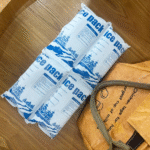
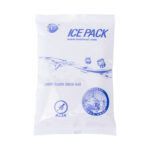
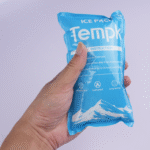
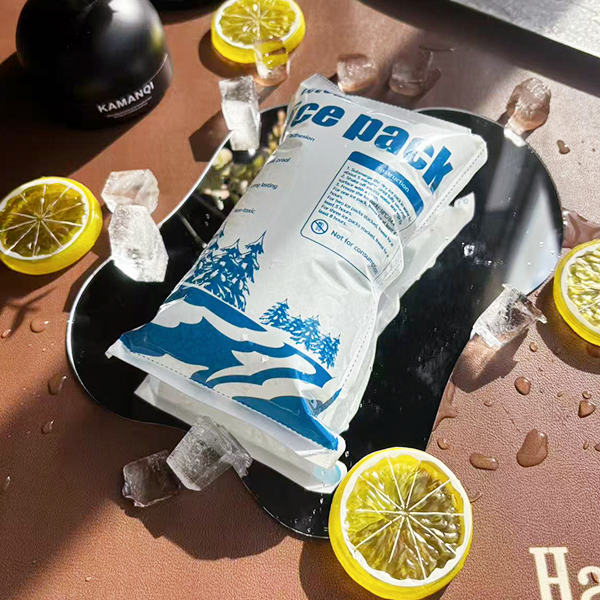
Acheter en gros paquet de glace sec pour l'expédition de produits pharmaceutiques n'est défendable qu'une fois que l'article est nommé correctement et que son rôle est correctement limité. Le sac de glace sèche d'hydratation de Tempk est une feuille activée par l'eau qui est congelée et utilisée comme liquide de refroidissement. Ce n'est pas du dioxyde de carbone solide, n'est pas de la neige carbonique UN1845, et ne peut pas hériter de la capacité de température de celui-ci ultra-froid réfrigérant. Ce n'est pas non plus un système d'expédition complet. Un programme d'approvisionnement solide relie la fiche exacte aux conditions approuvées d'un médicament, un emballage isolé testé, un processus de préparation reproductible, et approvisionnement maîtrisé.
Le premier livrable est une déclaration de décision
Avant l'arrivée des échantillons, l'équipe interfonctionnelle devrait être capable de compléter cette phrase:
Nous évaluons cette feuille de liquide de refroidissement hydratant en tant que composant d'un emballage passif pour une charge utile définie., voie de distribution, et exigence d'acceptation de la température.
Chaque phrase compte. "Un composant" empêche que la feuille soit traitée comme une feuille déjà expéditeur qualifié. "Charge utile définie" oblige l'équipe à s'adresser à la masse, dimensions, présentation, et sensibilité au gel. "Voie de distribution" apporte une mise en scène, transferts, retard, et l'exposition saisonnière dans le champ d'application. "Exigence d'acceptation" relie l'étude aux informations sur les produits autorisés et aux critères de qualité approuvés.
Si l'équipe commence plutôt par "Nous avons besoin de packs qui restent froids pendant trois jours," l'exigence est incomplète. Le froid peut signifier plusieurs conditions différentes; trois jours peuvent exclure l'emballage et la réception; et pas de défi ambiant, isolation, ou la charge utile a été nommée. Un fournisseur ne peut pas transformer cette phrase de manière responsable en un nombre de feuilles garanti..
La déclaration de décision permet également d'arrêter plus facilement une évaluation inappropriée. Une feuille congelée à base d'eau peut être candidate à certaines applications réfrigérées ou réfrigérées lorsqu'elle est conçue dans le bon emballage.. Il ne doit pas être présenté comme un substitut au dioxyde de carbone solide lorsque la charge utile nécessite un environnement ultra froid ou profondément gelé.. Pour un produit qui ne doit pas geler, le contact avec la feuille gelée et le conditionnement initial méritent une attention particulière. Ces limites peuvent faire gagner plus de temps qu'une autre série de devis.
Créez trois enregistrements avant d'approuver le volume
Un programme évolutif peut être organisé autour de trois enregistrements vivants plutôt que d'une pile de fiches techniques déconnectées.
Enregistrer 1: l'exigence d'expédition
Ce dossier appartient à l'expéditeur de produits pharmaceutiques. Il précise les limites de transport autorisées du produit, voie de stabilité ou d’excursion pertinente, configurations de charge utile, modes d'itinéraire, saisons, durée totale du processus, hypothèses de retard, suivi des attentes, et méthode de réception. La qualité doit approuver les critères d'acceptation; l'emballage et la logistique doivent les traduire en conditions de fonctionnement testables.
Utilisez des limites réalistes. Incluez les charges utiles de routine les plus petites et les plus grandes si les deux utilisent le packout. Décrire si le produit démarre dans des conditions contrôlées, si un colis peut attendre avant d'être récupéré, et lorsque le personnel d'accueil est disponible. Identifier l'exposition au froid ainsi que l'exposition à la chaleur. Une camionnette de livraison hivernale ou une aire de trafic d'avion peuvent faire face à un chargement différemment de la chaleur estivale..
Enregistrer 2: le dossier des composants
Ce dossier identifie la feuille d'hydratation exacte. Il peut inclure le fournisseur et le modèle, révision, disposition des cellules, dimensions sèches, méthode d'activation spécifique au produit, informations de construction appropriées à l’application, état de l'emballage, codage de lots, statut de réutilisation prévue, conseils d'inspection, et les pièces justificatives pertinentes.
Le dossier doit distinguer les caractéristiques des allégations. "Feuille de cellules activées par l'eau" est une description du composant. "Conserve les médicaments pendant une durée déterminée" est une affirmation sur les performances du système qui nécessite un contexte de test complet. "Pas de dioxyde de carbone solide" est une distinction matérielle. "Aucune exigence de transport ne s'applique" serait trop large car d'autres contenus et itinéraires pourraient être réglementés.
Le dossier doit également définir la notification de changement. Dimensions, couche externe, matériau absorbant, conception de couture, méthode de fabrication, et l'étiquetage peut influencer la préparation ou l'utilisation. Un changement n’est pas automatiquement nuisible, mais il ne doit pas arriver inaperçu une fois la feuille intégrée dans un emballage approuvé.
Enregistrer 3: la configuration d'exploitation qualifiée
Cet enregistrement relie l'exigence au composant. Il corrige le expéditeur isolé, quantité et position des feuilles, conditionnement, barrières et fardage, disposition de la charge utile, emplacement du moniteur, fermeture, étiquetage, et profil de test. Il contient l'étude thermique et les instructions d'emballage prêtes à l'entrepôt.. Les suppléants approuvés doivent être nommés; tout le reste est un changement.
Des références pertinentes peuvent aider à structurer les preuves. Conseils de l'OMS sur le temps- et les produits pharmaceutiques sensibles à la température abordent la qualification des conteneurs d'expédition, profilage d'itinéraire, et suivi des transports. Les orientations du PIB de l'UE prévoient que les conditions requises pour les produits soient maintenues pendant le transport. ISTA 7E fournit des profils thermiques pour les tests de colis de livraison de colis, et ASTM D3103 fournit une méthode d'évaluation des performances d'isolation thermique. Aucune de ces références ne transforme une fiche générique en un produit universellement conforme. La configuration et son utilisation prévue restent spécifiques.
Ce que prouve le fournisseur et ce que prouve le chargeur
La confusion sur la responsabilité est une source majeure de faibles affirmations. Le fournisseur est le mieux placé pour contrôler l’identité et la fabrication des composants. L'expéditeur est le mieux placé pour définir le produit pharmaceutique, itinéraire, emballage, et décision de qualité. Certaines preuves nécessitent une collaboration.
| Question | Contribution du fournisseur | Contribution des expéditeurs de produits pharmaceutiques | Sortie conjointe |
|---|---|---|---|
| Est-ce la feuille approuvée? | Modèle, révision, spécification, identité du lot | Contrôles de réception et de libération | Identité des composants traçable |
| Le personnel peut-il le préparer de manière cohérente? | Instructions exactes d’activation et de manipulation | Équipement de chantier, méthode de travail, entraînement, chèques | État préparé reproductible |
| Est-ce que ça correspond au paquet? | Informations sur les formats secs et préparés | Isolation, charge utile, barrières, fermeture | Emballage physique défini |
| Le système protège-t-il le produit? | Échantillons et données de composants pertinentes | Critères d'acceptation, protocole, essai, approbation de qualité | Configuration qualifiée |
| Peut fournir du tartre sans dérive? | Contrôles de production et notification des modifications | Supervision des fournisseurs et inspection à réception | Approvisionnement en gros contrôlé |
| La réutilisation ou l’élimination est-elle appropriée? | Utilisation prévue spécifique au modèle et informations sur le matériau | Hygiène, boucle de retour, règles locales en matière de déchets | Instruction de cycle de vie approuvée |
La colonne de droite ne peut pas être externalisée via un bon de commande. De même, l'expéditeur ne doit pas essayer de déduire les contrôles des matériaux ou des processus du fournisseur à partir de l'apparence. Une bonne relation commerciale explicite la frontière et partage les informations nécessaires à l’interface.
Évaluez la feuille dans l’ordre où les opérateurs la toucheront
La qualification des laboratoires peut échouer en utilisation courante si le développement ignore la préparation. Parcourez le composant de la réception à l'élimination.
Recevez-le sec. Vérifier le modèle, parcelle, quantité, état de l'emballage, et protection contre l'humidité indésirable. Comparez les attributs visibles ou dimensionnels critiques avec la spécification approuvée. Mettre en attente les substitutions inexpliquées ou les cartons endommagés.
Hydratez-le délibérément. Suivez les instructions exactes du modèle. Définir le conteneur d'activation, exposition à l'eau, manutention, aspect entièrement hydraté, gestion des eaux extérieures, et inspection des cellules incomplètes ou des fuites. Pendant le développement, la masse préparée peut être enregistrée pour comprendre la cohérence, mais les critères d'acceptation doivent être techniquement justifiés plutôt que copiés à partir d'une autre feuille.
Congelez-le comme une charge, pas comme échantillon individuel. Démonstration du rack réel, fourre-tout, espacement, taille du lot, et conditions de récupération du congélateur. Une grande pile peut cacher un conditionnement incomplet. Identifier l'inventaire préparé par statut, et empêchent les feuilles de geler ensemble d'une manière qui invite à une manipulation dommageable.
Mettez-le en scène dans une fenêtre contrôlée. Le processus thermique n'attend pas l'heure du coursier. Définir des règles de suppression, assemblée, contrôles de qualité, expédition, et que se passe-t-il lorsque la collecte est en retard. Si une feuille congelée est remise au congélateur après mise en scène, définir si et comment il peut être à nouveau publié.
Placez-le exactement. Les cellules flexibles peuvent couvrir efficacement les surfaces, mais cette liberté peut créer de la variation. Les illustrations doivent montrer l'orientation, plis, barrières, écarts de charge utile, et surveiller l'emplacement. Une surface de liquide de refroidissement gelée directement contre un emballage secondaire sensible au gel peut créer un risque local même lorsqu'un capteur d'air central semble acceptable.
Inspecter à la réception. Le destinataire doit connaître la fenêtre de livraison, contrôles requis, processus de récupération de données, et itinéraire de quarantaine. La glace restante est une observation utile mais ne constitue pas une preuve de l'acceptabilité du produit.. L'élimination doit suivre le processus approuvé de température et de stabilité..
Concevoir le test pour contester une décision
Une analyse de chambre est utile lorsqu'elle répond à une question pré-approuvée. "Voyez combien de temps il reste froid" n'est pas assez précis. Un protocole plus strict demande si la configuration proposée maintient des critères définis pour les extrêmes de charge utile déclarés sous un profil ambiant justifié., y compris une allocation de retard appropriée.
Documentez au moins les éléments suivants:
modèle de tôle exact et lot de production;
procédure d'activation et de conditionnement;
disposition et comptage des feuilles préparées;
modèle d'emballage isotherme et fermeture;
charge utile représentative ou simulateur approuvé;
cas de charge utile minimale ou maximale contesté;
toutes les conditions de départ;
Outils de décision utiles
Vérifiez les détails avant de choisir l'emballage
Ces outils rapides peuvent vous aider à comparer le risque d'itinéraire, besoins de dimensionnement, choix de liquide de refroidissement, et les détails de l'emballage avant de demander un devis.
Résistance aux chutes du matériau isolant
Examinez la résistance aux chutes et les facteurs de manipulation avant de choisir des matériaux d'isolation..
Vérifier la résistanceVérificateur de risque d'itinéraire
Examinez les conditions des pistes avant de sélectionner l'emballage en fonction des exigences opérationnelles réelles..
Vérifier le risque d'itinéraireRéférence du matériau isolant
Comparez les choix de matériaux d'isolation pour différents besoins d'emballage de la chaîne du froid.
Comparez les matériauxprofil ambiant et justification de son itinéraire;
type de capteur, état d'étalonnage, intervalle, et carte;
critères d'acceptation prédéfinis;
écarts par rapport au protocole;
données brutes, analyse, et conclusion.
L'étude devrait rechercher des températures extrêmes à la fois chaudes et froides.. Capteurs à proximité des surfaces faisant face au liquide de refroidissement, probables ponts thermiques, coins, et le centre de charge utile répond à différentes questions. Si le produit est sensible au gel, le simple fait d'afficher une température interne moyenne peut masquer un risque de dommages locaux.
Les profils standards peuvent améliorer la comparabilité. Les données sur les voies peuvent améliorer la pertinence. Les expéditions sur le terrain peuvent vérifier l'exécution. Ces types de preuves se complètent; aucun ne doit être décrit comme une garantie contre tout événement futur. L'équipe qualité doit décider dans quelle mesure la quantité de preuves est proportionnelle au risque du produit., variabilité de l'itinéraire, et les exigences régissant l'organisation.
Exemple pratique: la citation qui ne peut pas être comparée
Imaginez que l'approvisionnement reçoive trois offres de gros. Le fournisseur A propose un prix bas par feuille sèche. Le fournisseur B propose une feuille préparée plus épaisse et indique une longue durée de refroidissement. Le fournisseur C fournit une spécification claire du modèle et une méthode d'activation, mais ne fait aucune déclaration générale sur la durée..
D'abord, Le fournisseur B semble le plus fort. L'équipe demande la base du test et apprend que la durée provient d'un autre boîte isotherme avec une charge utile non spécifiée et une condition ambiante constante. Le fournisseur A ne peut pas confirmer si le film de production et le motif cellulaire correspondront à l'échantillon.. Le fournisseur C fournit des lots pour évaluation, documents composants, et une proposition de notification de changement, mais l'expéditeur doit réaliser sa propre étude d'emballage.
L'équipe ne sélectionne pas uniquement sur le langage marketing. Il crée la même configuration de test pour les échantillons techniquement adaptés et compare la cohérence de la préparation, intégrité des coutures, ajuster, risque de froid local, et résultats thermiques. Il estime également le travail d'hydratation, capacité du congélateur, inspection de réception, et contrôles potentiels de version personnalisée.
Cet exercice hypothétique peut toujours conduire à l'un des trois fournisseurs une fois les preuves manquantes résolues.. Le résultat important est que les achats convertissent des réclamations différentes en preuves et en coûts totaux de processus comparables.. Un fournisseur prudent n’est pas forcément moins compétent; parfois, il s'agit simplement d'indiquer la limite correcte du composant.
La mise à l’échelle est un transfert contrôlé
Le passage des cartons d'échantillons à l'approvisionnement en gros modifie l'environnement opérationnel. Plus de feuilles sont hydratées à la fois. Les charges du congélateur deviennent denses. Plusieurs lots sont stockés ensemble. De plus en plus d'opérateurs emballent sous la pression du temps. Un deuxième site peut utiliser un équipement différent. Le plan d’approbation devrait remettre en question ces effets d’échelle plutôt que de supposer que la méthode de laboratoire se développe de manière linéaire..
Mener un projet pilote représentatif de la production. Observer le débit de préparation, gestion de l'eau, séparation des feuilles, chargement du congélateur, mise en scène, temps de montage, modes d'erreur, et les déchets. Confirmez que le personnel de routine peut exécuter l'instruction sans encadrement verbal de l'ingénieur de développement.. Vérifiez que les étiquettes et les contrôles d'état restent lisibles lorsque les matériaux sont froids ou humides..
Connectez ensuite les commandes d'alimentation à l'état qualifié:
Achat par article exactement approuvé et révision.
Exiger une identité au niveau du lot et des documents convenus.
Inspecter le matériel entrant à l’aide d’attributs basés sur les risques.
Séparez les anciennes et les nouvelles révisions pendant les transitions.
Évaluer le fournisseur, emballage, charge utile, itinéraire, ou modifications du site avant utilisation.
Plaintes relatives aux composants de tendance et écarts de température pour les signaux.
Examiner le système périodiquement et après des événements opérationnels importants.
Ce cycle de vie n'a pas besoin d'être bureaucratique. Son objectif est d'éviter une dérive silencieuse entre la configuration adoptée et celle qui sera emballée des mois plus tard..
Faire de la durabilité une question de conception
Le format hydratation apporte une particularité logistique: les feuilles peuvent être maintenues sèches et plates avant l'activation. La réduction de l'impact environnemental dépend du système de référence et du reste du cycle de vie.. L'activation nécessite de l'eau et du gel. Plus de liquide de refroidissement peut augmenter le poids d'expédition ou la taille extérieure. La réutilisation peut nécessiter un transport de retour, inspection, nettoyage, et remplacement des pertes. La perte de produit due à une défaillance thermique peut dominer les petites différences d'emballage.
Définir une comparaison par réussite, livraison acceptée. Inclure le liquide de refroidissement, isolation, emballage extérieur, fret entrant, préparation, énergie du congélateur, dimensions et poids à l'aller, boucle de récupération, dommage, et fin de vie. Utiliser les informations sur les matériaux spécifiques au produit et les règles de destination des déchets. N'étiquetez pas l'ensemble du système comme étant recyclable, car une couche pourrait être recyclable., et ne l'étiquetez pas comme réutilisable à moins que la feuille exacte et la boucle de fonctionnement ne permettent une utilisation contrôlée et répétée..
Durabilité et qualité ne sont pas des objectifs opposés. Réduire le suremballage évitable, sélectionner une configuration efficace, prévenir la perte de produit, et la gestion d'une boucle de retour viable peut servir à la fois. Les preuves doivent rester aussi disciplinées que les affirmations thermiques.
FAQ
Quelle formulation doit apparaître sur la spécification d'achat?
Utiliser "feuille de liquide de refroidissement gelée activée par l'eau" avec le modèle exact du produit Tempk, révision, disposition des cellules, et autres attributs approuvés. Évitez de compter sur "paquet de glace sec" seul car il peut être confondu avec le dioxyde de carbone solide. Inclure les références au document de préparation, besoins en matière d'emballage et d'identification des lots, et les attentes en matière de notification de changement, le cas échéant.
Une feuille d'hydratation peut-elle être utilisée pour les produits étiquetés pour le transport réfrigéré?
Il peut être évalué comme composant de liquide de refroidissement, mais l'adéquation n'est pas établie par l'étiquette "réfrigéré" ou par la feuille seule. L'emballage isolé complet doit être conçu et testé pour les limites exactes autorisées du produit., sensibilité au gel, charge utile, durée, profil ambiant, et processus opérationnel.
La feuille nécessite-t-elle un étiquetage sur glace sèche pour marchandises dangereuses?
La feuille d'hydratation n'est pas du dioxyde de carbone solide ni de la neige carbonique UN1845., donc ces exigences particulières en matière de neige carbonique ne décrivent pas la feuille. Les exigences en matière de classification et de transport de l'envoi complet doivent encore être revues car le contenu pharmaceutique ou biologique, mode, et la destination peuvent introduire d'autres obligations.
Quel document fournisseur prouve la conformité pharmaceutique?
Aucun document ne prouve à lui seul qu'un envoi fini est conforme à toutes les exigences de distribution pharmaceutique.. Spécifications du fournisseur, informations importantes, enregistrements de lots, et les contrôles de changement prennent en charge l'assurance des composants. Qualification du pack complet, procédures opérationnelles, surveillance, enregistrements, et la surveillance de la qualité soutiennent l'utilisation pharmaceutique prévue.
Comment évaluer un temps de détention indiqué?
Demander le colis isotherme, nombre et conditionnement du liquide de refroidissement, charge utile, conditions de départ, profil ambiant, emplacements des capteurs, plage d'acceptation, et rapport de test. La durée n'a de sens que dans ce contexte. Si votre itinéraire ou votre configuration diffère, utiliser les informations comme contexte plutôt que comme garantie transférable.
Conclusion: approuver une chaîne de preuves
La décision la plus importante en gros n’est pas l’approbation d’une feuille isolément. C'est l'approbation d'une chaîne: exigence de produit correcte, identité exacte du liquide de refroidissement, conditionnement reproductible, emballage défini, preuves thermiques justifiées, exécution entraînée, approvisionnement traçable, et géré le changement.
Le sac de glace sèche d'hydratation de Tempk peut contribuer à un refroidissement flexible par eau gelée au sein de cette chaîne. Son nom ne doit jamais brouiller la distinction avec la neige carbonique ni impliquer une performance pharmaceutique universelle.. Lorsque chaque partie prouve la pièce qu'elle contrôle et que l'emballage commun est testé tel qu'utilisé, les achats en gros peuvent soutenir à la fois l’efficacité et la qualité.
À propos du tempk
Tempk fournit des feuilles de refroidissement hydratantes activées par l'eau à intégrer dans des emballages isolés de la chaîne du froid. Nous aidons les acheteurs à identifier le format exact de la feuille, comprendre l'activation spécifique au produit, et obtenir des informations sur les composants pour l'examen de l'ingénierie et de l'approvisionnement. Nous ne traitons pas une feuille de liquide de refroidissement en vrac comme un système d'expédition pharmaceutique qualifié et ne l'assimilons pas à de la neige carbonique solide.. Limites de vos produits, charge utile, itinéraire, isolation, et les contrôles opérationnels restent des éléments essentiels à la sélection et aux tests.
Envoyez à Tempk vos exigences d'emballage proposées et demandez des échantillons correspondants avant d'approuver le volume. Nous pouvons discuter de l'ajustement des composants et de la documentation pendant que vos équipes d'emballage et de qualité établissent les performances du système..