Liquide de gel réfrigérant en gros pour les marchandises périssables: Un guide plus complet pour les équipes d'approvisionnement et d'exploitation
Les acheteurs en gros choisissent généralement un gel réfrigérant liquide lorsqu'ils ont besoin d'un simple, résistant aux fuites, liquide de refroidissement évolutif pour les expéditions de produits périssables réfrigérés. Cela fonctionne bien dans les boîtes isolées, mais le pack n'est qu'une partie du système: longueur de l'itinéraire, isolation, quantité par paquet, et la température du chargement déterminent toujours si l'envoi arrive suffisamment froid.
La décision d’achat repose rarement uniquement sur la rétention au froid. Les équipes doivent aussi penser au travail, espace congélateur, ajustement du carton, recevoir des chèques, contrôle des dégâts, et si le liquide de refroidissement rend le pack-out plus facile ou plus difficile à répéter à grande échelle. Autrement dit, Le gel réfrigérant liquide pour le transport de marchandises périssables doit fonctionner de manière opérationnelle, pas seulement thermiquement.
Une décision forte commence par le contexte. Vous devez connaître la plage de température requise, la plus longue fenêtre de transit et de séjour réaliste, la sensibilité du produit, et la façon dont votre équipe assemblera réellement l'expéditeur. Une fois ces bases claires, il devient beaucoup plus facile de décider si ce format est la bonne réponse, si un réfrigérant différent est nécessaire, et quel type de support fournisseur est le plus important.
Ce que fait ce format de pack en pratique
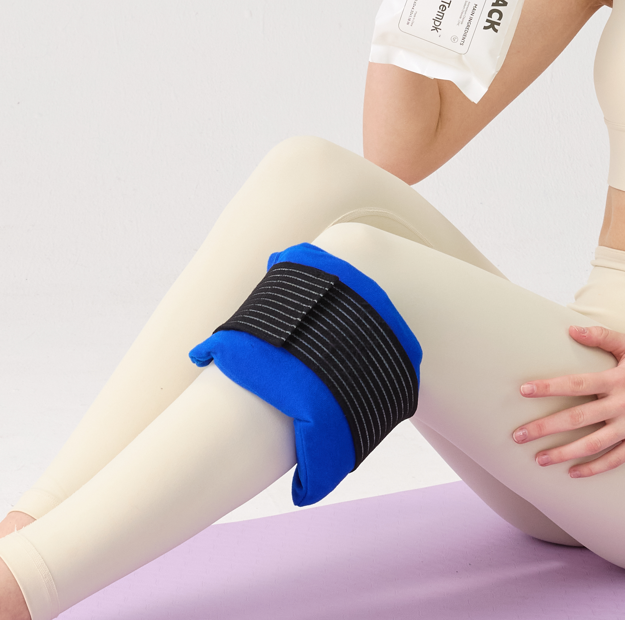
Un produit flexible à base d'eau pack de gel réfrigérant used inside insulated shippers to hold chilled conditions around food and other perishables. Selon le marché, les acheteurs peuvent l'appeler pack réfrigérant en gel, pochette de liquide de refroidissement, et pack de gel liquide. L'étiquette change, mais le travail de base est le même: le pack est préconditionné en congélateur ou en chambre froide, chargé autour de la charge utile, et utilisé avec une isolation pour ralentir le transfert de chaleur. Pour certains programmes, il s'agit d'un composant jetable ou à sens unique. Pour d’autres, cela fait partie d’une boucle réutilisable.
Le point le plus important est que ce format doit être traité comme un composant thermique, pas comme une garantie d'expédition complète. Il peut contribuer à la capacité de froid et à la stabilité de la température, mais ça ne remplace pas l'isolation, placement correct du paquet, planification d'itinéraire, ou recevoir des chèques. Cette distinction est importante dans tous les secteurs, de viande fraîche, fruit de mer, et produire pour des charges plus sensibles.
Dans chaîne du froid alimentaire, cela signifie adapter le liquide de refroidissement non seulement au produit, mais également à la façon dont l'expédition se déplace. Un itinéraire régional le jour même, une boucle fourre-tout isolée, et un trajet colis de deux jours ne demande pas la même chose au fluide frigorigène.
Comment fonctionne réellement ce format
Tous les réfrigérants passifs fonctionnent en absorbant la chaleur de l'environnement plus chaud qui les entoure.. Avec les systèmes de gel à base d'eau courants, une grande partie de l'effet protecteur provient de l'énergie nécessaire pour réchauffer et faire fondre le pack congelé. La structure en gel retient l'eau en place, ce qui rend le sac plus facile à manipuler que la glace en vrac., et dans de nombreuses conceptions, cela aide également l'emballage à rester en contact avec le mur de l'expéditeur ou autour du produit..
La performance ne dépend pas seulement du remplissage lui-même. Épaisseur du film ou de la coque, surface du paquet, température de départ, masse de charge utile, espace de tête, type d'isolation, et l'exposition extérieure, tout compte. Une fine pochette flexible peut bien envelopper un produit mais se réchauffer plus rapidement s'il n'y a pas suffisamment de masse réfrigérante totale. Une brique rigide peut mieux conserver sa structure et son placement, mais peut également créer un espace inutilisé si elle ne correspond pas à la géométrie du carton..
C'est également là que les acheteurs doivent distinguer les gels ordinaires à base d'eau des matériaux à changement de phase sélectionnés pour une plage de température plus étroite.. Le gel standard à base d'eau est souvent utile pour la protection contre le froid car il se comporte autour du point de congélation de l'eau.. Si une voie nécessite un contrôle plus strict au-dessus ou en dessous de ce point, un PCM différent, glace carbonique, ou un système actif peut être plus approprié. La bonne réponse dépend des exigences du produit, pas sur une préférence générique pour un type de réfrigérant.
Quand cela a du sens – et quand ce n’est pas le cas
Les cas d'utilisation les plus importants sont ceux où le format du liquide de refroidissement correspond au modèle d'exploitation.. Dans un programme de vente en gros structuré, Le gel réfrigérant liquide pour l'expédition de marchandises périssables peut être très efficace lorsque les expéditions suivent des modèles d'emballage reproductibles et lorsque le profil du produit est compris.. C'est pourquoi les acheteurs le considèrent souvent comme de la viande fraîche., fruit de mer, produire, plats cuisinés, et ingrédients de spécialité.
Ce n'est pas aussi fort dans toutes les situations. Là où les produits sont extrêmement sensibles au gel, extrêmement sensible à la chaleur, ou soumis à un long transit incontrôlé, le système d'emballage peut nécessiter des contrôles plus stricts que ce qu'une approche standard à base de gel peut offrir. De même, un format qui fonctionne parfaitement dans les bacs consignés peut s'avérer inefficace dans les cartons à usage unique, et un pack acceptable pour une distribution urbaine à courte distance peut ne pas survivre à un réseau de plusieurs jours avec une forte exposition au porche..
En pratique, la meilleure question n’est pas de savoir si le format est « bon » ou « mauvais ». La bonne question est de savoir s’il est adapté à votre itinéraire., votre charge utile, et votre discipline d'emballage. C’est le cadre qui empêche à la fois le surachat et la sous-protection..
Les avantages appréciés par les acheteurs et les limites qu'ils doivent respecter
La plupart des problèmes d'approvisionnement apparaissent lorsque les équipes se concentrent uniquement sur les aspects positifs.. Une vue équilibrée est plus utile car la même fonctionnalité qui aide un programme peut en nuire à un autre.. La flexibilité peut améliorer le contact mais ralentir la gestion de la ligne. Une brique rigide peut simplifier le placement mais réduire le volume de charge utile. La réutilisation peut réduire les coûts récurrents mais créer du travail d'inspection.
- Avantage: Les formats flexibles s'adaptent aux produits irréguliers et réduisent les vides dans les cartons isothermes.
- Avantage: Les packs de gel à base d'eau sont largement disponibles, réutilisable dans de nombreuses opérations, et familier aux équipes de l'entrepôt.
- Avantage: Par rapport à la glace meuble, les packs de gel scellés réduisent l'eau libre, désordre, et risque de contamination secondaire.
- Avantage: Ils s'adaptent bien au commerce électronique, livraison de repas, répartition régionale, et les stations d'emballage qui nécessitent un assemblage prévisible.
- Limite: Un pack de gel à lui seul ne garantit pas un résultat de température; il contribue uniquement à la capacité de refroidissement.
- Limite: Le gel standard à base d’eau se comporte généralement autour du point de congélation de l’eau, ce n'est donc pas la meilleure réponse pour chaque voie à température ambiante contrôlée ou surgelée.
- Limite: Films minces, joints faibles, ou des poids de remplissage incohérents peuvent nuire aux performances des programmes en vrac.
- Limite: La gestion de la condensation reste importante, en particulier avec les emballages en carton ondulé et les étiquettes sensibles à l'humidité.
Cette logique de compromis est ce qui sépare une décision d'achat d'une stratégie de contrôle de la température.. Les acheteurs qui comprennent les deux côtés standardisent généralement plus rapidement et gaspillent moins d'argent sur des projets pilotes qui ont échoué..
Comment choisir la bonne taille, format, et stratégie de pack
Le processus de sélection doit commencer par l'itinéraire et la charge utile, pas avec un catalogue de stock. Commencez par définir la plage de température cible, la durée réaliste la plus longue sans stockage contrôlé, la température de chargement du produit, et les dimensions intérieures réelles de l'expéditeur isolé. Sans ces bases, même un pack techniquement bon peut devenir un mauvais choix.
De là, les acheteurs comparent généralement la géométrie de l'emballage par rapport à la taille du carton et à la charge du produit, ténacité du film, résistance à la perforation, et la force du joint, temps de gel, flux de travail de conditionnement, et ergonomie du pack-out, efficacité du nombre de caisses et densité des palettes, et contrôle de l'humidité, ensachage secondaire, et lisibilité des étiquettes. Cela aide également à examiner le système d’emballage plus large.: combien d'espace de congélation est nécessaire pour le préconditionnement, si le paquet peut être compté et placé de manière cohérente, combien de boîte cube il consomme, et si le poids du colis qui en résulte a toujours un sens commercial.
Une liste restreinte utile comprend rarement plus de deux ou trois options. Au-delà de ce point, les équipes créent souvent une lassitude face aux comparaisons et perdent de vue les conditions de route qui déterminent réellement le succès.
Les tendances opérationnelles qui façonnent la demande des acheteurs
Dans toute la distribution sous chaîne du froid et sensible à la température, les acheteurs sont sous pression pour réduire la détérioration sans simplement jeter plus de liquide de refroidissement sur chaque boîte. Coût du transport, consommation d'énergie de l'entrepôt, travail, et l'élimination poussent les équipes d'approvisionnement vers des conceptions d'emballage plus faciles à standardiser et à dimensionner correctement..
Pour cette raison, la demande a évolué vers une segmentation plus claire des produits: packs flexibles pour géométrie irrégulière, briques rigides pour des dispositions reproductibles, et options PCM à température plus étroite lorsque les exigences du produit le justifient. La réutilisation attire également l’attention, mais pas comme une vertu autonome. Les acheteurs souhaitent la réutilisation uniquement lorsque cela fonctionne avec leur boucle de récupération réelle et ne crée pas de risque caché en termes de main d'œuvre ou de qualité..
Outils de décision utiles
Vérifiez les détails avant de choisir l'emballage
Ces outils rapides peuvent vous aider à comparer le risque d'itinéraire, besoins de dimensionnement, choix de liquide de refroidissement, et les détails de l'emballage avant de demander un devis.
Référence du matériau isolant
Comparez les choix de matériaux d'isolation pour différents besoins d'emballage de la chaîne du froid.
Comparez les matériauxCalculateur de glace carbonique
Estimer les besoins en glace carbonique pour les envois congelés ou ultra-froids avant l'emballage.
Estimation de la neige carboniqueRésistance aux chutes du matériau isolant
Examinez la résistance aux chutes et les facteurs de manipulation avant de choisir des matériaux d'isolation..
Vérifier la résistanceDans ce contexte, la durabilité n’est pas seulement une histoire de matériaux. C'est aussi une histoire de prévention des déchets. les formats de gel réutilisables peuvent réduire la glace à usage unique et l'élimination salissante des absorbants dans des boucles de livraison reproductibles, Un liquide de refroidissement de bonne taille réduit le poids du fret et la demande d'énergie du congélateur, et les acheteurs en gros préfèrent de plus en plus les emballages qui équilibrent la durabilité avec une élimination plus simple en aval.. Dans de nombreux programmes, l'amélioration environnementale la plus significative vient de la réduction simultanée des pertes de produits et du suremballage..
Les détails qui décident si la conception fonctionne
Un réfrigérant puissant peut toujours échouer dans un flux de travail faible. Les packs ont besoin de suffisamment de temps et d’un environnement approprié pour atteindre leur état de départ prévu avant utilisation.. La charge utile a souvent également besoin d'un pré-refroidissement. Si le produit entre dans l'expéditeur chaud, le réfrigérant est obligé de consacrer son énergie à corriger un problème d'emballage au lieu de protéger la voie.
Le placement compte tout autant. De nombreux échecs proviennent de problèmes simples tels qu'un excès d'espace vide., mauvaise protection supérieure, contact direct là où un séparateur aurait dû être utilisé, ou nombre de paquets incohérent entre les quarts de travail. C'est pourquoi les bonnes équipes opérationnelles rédigent le pack-out comme une séquence de construction reproductible plutôt que de laisser le placement à son jugement personnel..
Quand les acheteurs testent un nouveau format, ils doivent documenter l'ensemble du flux de travail, pas seulement les performances en matière de température. Il est temps de geler, facilité de comptage, demande de cubes de congélation, charge de travail, et la cohérence de la fermeture de la boîte affectent toutes la capacité de la conception à évoluer.
La différence entre une réclamation de catalogue et une configuration qualifiée
L'une des erreurs d'achat les plus courantes consiste à traiter les spécifications d'un réfrigérant comme s'il s'agissait d'une déclaration de conformité.. En réalité, le pack n'est qu'un élément d'un système d'emballage. Pour les programmes alimentaires, le système doit maintenir le produit dans des conditions de réception sûres. Pour les voies pharmaceutiques et médicales, les exigences varient selon le produit, itinéraire, et système qualité, et une qualification supplémentaire peut être nécessaire.
C'est pourquoi le développement thermique fait souvent référence à des approches de test reconnues telles que la norme ASTM D3103 pour les performances thermiques des emballages isolés., ASTM D4332 pour le conditionnement, et les procédures thermiques ISTA lorsque les entreprises comparent ou affinent les conceptions d'expédition passives. Ces normes ne prouvent pas automatiquement que votre voie est sécuritaire. Ce qu'ils fournissent, c'est un moyen structuré de comparer le comportement des emballages dans des conditions définies..
Pour des achats pratiques, la question à poser est simple: Quelles preuves avons-nous que ce réfrigérant exact, dans cet expéditeur précis, avec cette charge exacte, peut gérer notre voie réaliste? Cette question est bien plus utile que les affirmations générales sur le nombre d'heures pendant lesquelles un paquet peut rester froid dans l'abstrait..
Comment filtrer les fournisseurs avant l'approbation groupée
Lorsque le mot-clé inclut la vente en gros, fournisseur, ou intention du fabricant, c'est la section qui compte le plus. Les bonnes équipes d’approvisionnement ne se contentent pas de comparer un pack d’échantillons sur un banc. Ils demandent si le fournisseur peut reproduire les mêmes performances et le même ajustement physique après la première palette., la dixième palette, et l'inévitable saison du changement.
- Confirmer la tolérance exacte du poids de remplissage et la tolérance dimensionnelle, pas seulement la taille nominale.
- Demandez quel film extérieur est utilisé et si le fournisseur a une perforation, éclatement, ou supprimer des données.
- Examinez les performances du pack après des cycles répétés de gel-dégel si vous prévoyez de le réutiliser..
- Vérifiez si l'impression personnalisée, marque privée, code à barres, et l'identification du lot sont disponibles.
- Vérifier le pack de caisses, quantité de palette, délai de mise en œuvre, et si la demande saisonnière affecte l'allocation.
- Demander des échantillons de la même ligne de production qui serait utilisée pour les commandes groupées.
- Enfin, vérifier l'adéquation à l'itinéraire actuel, produit, et conditions de manipulation.
Le fournisseur le plus solide est généralement celui qui réduit l’incertitude. Cela peut signifier de meilleures tolérances, des conseils de conditionnement plus clairs, une traçabilité renforcée, ou une discussion plus honnête sur les domaines dans lesquels le pack n'est pas la bonne réponse.
Erreurs fréquentes lors de l'achat et de l'utilisation de ce format
La plupart des pannes ne sont pas des défauts matériels dramatiques. Il s'agit d'erreurs de processus ordinaires qui s'aggravent avec le temps.. Ce qui est utile à leur sujet, c'est qu'ils sont généralement réparables une fois qu'ils sont clairement nommés..
- un produit chaud chargé dans une boîte bien emballée peut toujours submerger le liquide de refroidissement
- Une congélation incorrecte ou un conditionnement incomplet réduit l'énergie de refroidissement disponible
- l'espace vide permet à l'air chaud de circuler et accélère l'augmentation de la température
- placer les paquets sur un seul côté crée souvent une protection inégale
- approuver une commande groupée après un test d'échantillon qui ne reflète pas l'expédition réelle
- se concentrer sur le coût unitaire tout en ignorant le poids de la boîte, cube de congélation, ou impact sur le travail
- en supposant qu'un poids nominal de liquide de refroidissement en dit assez sur les performances de l'itinéraire
- réutiliser les packs sans inspection dans un flux de travail qui nécessite réellement un contrôle
- modifier la géométrie du carton ou la disposition de la charge utile sans revérifier la conception thermique
- traiter la durabilité comme un sujet distinct au lieu de la lier à la détérioration, poids du fret, et logistique de récupération
- évaluer les fournisseurs uniquement sur la rapidité des devis plutôt que sur la continuité de l'approvisionnement et la qualité de la communication
Si une équipe peut éliminer ne serait-ce que deux ou trois de ces erreurs, cela améliore généralement les résultats plus rapidement que de passer à un produit plus cher.
FAQ
Le gel réfrigérant liquide peut-il remplacer l'isolation?
Non. Les packs de gel ralentissent le réchauffement uniquement lorsqu'ils sont associés à une boîte isotherme, doublure, ou fourre-tout.
Un pack de gel liquide est-il suffisant pour les aliments surgelés?
Souvent pas pour les itinéraires longs ou chauds. Les charges gelées peuvent nécessiter une isolation plus épaisse, PCM, ou de la neige carbonique selon le produit et le temps de transit.
Ce qui compte le plus dans l'achat en gros?
Cohérence. Un pack qui varie en taille, remplir le poids, ou la qualité du joint crée plus de problèmes qu'un prix unitaire légèrement moins cher.
La courte conclusion pour les acheteurs
La meilleure décision d'achat se résume généralement à l'ajustement. Le gel réfrigérant liquide pour le transport de marchandises périssables a du sens lorsque son comportement en température, forme, gestion du flux de travail, et le support du fournisseur correspondent à l'itinéraire et au produit réels. Cela devient un mauvais choix lorsque les équipes l’achètent comme produit générique et s’attendent à ce qu’il résolve à lui seul un problème d’emballage..
Comment Tempk prend en charge Expédition de chaîne de froid
Nous nous concentrons sur Emballage de la chaîne froide pour produits alimentaires et médicaux, avec des gammes de produits qui incluent packs de glace en gel, briques de glace, sacs isolés, isolation d'une boîte en carton, et autres matériaux de contrôle de la température. Pour les expéditions de produits alimentaires en gros, nous pouvons vous aider à aligner le format du liquide de refroidissement et l'emballage isotherme afin que l'emballage soit pratique pour les conditions de manipulation réelles plutôt que de simplement paraître bon sur le papier..
Prochaine étape
Si vous comparez les options de réfrigérants en vrac pour les denrées périssables, demandez une recommandation d'emballage en fonction de votre température cible, durée de l'expédition, et la taille du carton avant de vous engager sur le volume.