


How to Choose the Best Insulated Box Distributor for Biological Specimens in 2026
How to Choose the Best Insulated Box Distributor for Biological Specimens in 2026

Cold chain success usually fails or succeeds before the carrier even scans the parcel. An insulated box distributor for biological specimens matters because diagnostic samples, Spesimen Biologis, penyeka, serum, plasma, jaringan, and research samples can lose value fast when sample degradation or leakage happens. Ship according to specimen stability requirements, which may be ambient, didinginkan, beku, atau beku, and align packaging with classification and transport rules. WHO 2025 guidance for infectious substance transport keeps the focus on classification, tanda, pelabelan, dokumentasi, refrigerating method, and correct triple packaging. That is why experienced buyers compare the full ship system: product temperature, pendingin, geometri kotak, handling stress, and disposal path. This guide explains how to compare design, validasi, supplier fit, and sustainability without getting trapped by marketing language.
What this article will help you solve
• How insulated box distributor for biological specimens should be matched to route length, muatan, and biological specimen shipping box needs
• Bahan yang mana, sisipan, and refrigerants make UN3373 insulated shipper or similar formats more practical
• Tes apa, standar, and supplier evidence matter for triple packaging, klasifikasi, pelabelan, and specimen integrity
• Bagaimana cara mengurangi sampah, biaya pengiriman, and repacks while improving triple packaging cold box decisions
What makes the best insulated box distributor for biological specimens in 2026?
The first point to understand is this: When you ship diagnostic samples, Spesimen Biologis, penyeka, serum, plasma, jaringan, dan sampel penelitian, the box must protect product quality against time, penanganan, dan penyimpangan suhu. With insulated box distributor for biological specimens, you do not only risk delay. You risk unusable samples, rejected specimens, and lost diagnostic or research value. The right design buys you usable thermal time, better pack stability, and fewer receiving disputes. It also gives your team a repeatable packing method instead of a guess that changes by season.
That is why experienced teams start with the real lane, bukan foto katalog. They look at starting product temperature, parcel or pallet dwell time, delivery geography, and how the receiver will unload and inspect the shipment. For diagnostic samples, Spesimen Biologis, penyeka, serum, plasma, jaringan, dan sampel penelitian, the best design usually combines triple packaging compatibility, penempatan penyerap, and a pack-out that minimizes wasted air while keeping the product stable in transit. Bagi banyak pembeli, the big improvement comes from right-sizing and pack discipline rather than simply adding more insulation or more refrigerant.
How much hold time, struktur, and workflow fit do you need?
Hold time should be treated as a route-specific result, not a universal promise. A shipment that works for a 24-hour regional lane may fail on a 48-hour parcel route with hot depot exposure. WHO 2025 guidance for infectious substance transport keeps the focus on classification, tanda, pelabelan, dokumentasi, refrigerating method, and correct triple packaging. If you ask for one thing from a supplier, ask how the system performs under a realistic worst-case profile for your product.
| Shipment profile | Typical transit goal | Recommended packaging focus | Apa artinya bagimu |
| Routine diagnostic sample | 2-8° C. | triple pack + paket dingin | Helps preserve result quality on daily runs |
| Frozen reference specimen | beku atau beku | validated insulated shipper + dry ice where appropriate | Protects sample integrity on longer routes |
| Mixed collection network | varied | modular insulated kit | Makes staff training and pack consistency easier |
Tips praktis bisa langsung Anda gunakan
• Tip 1: Use preassembled kit logic so staff can follow the correct packaging order under time pressure.
• Tip 2: Use refrigerated cold packs for refrigerated specimens and dry ice only where the product and regulations allow.
• Tip 3: Use chain-of-custody labels and seal checks at dispatch and receipt.
Contoh: One common example is a multi-site diagnostic collection networks. When the team switched from a generic shipper to a route-matched design, pack consistency improved, receiving complaints dropped, and the operation gained a clearer seasonal packing rule.
How do you choose structure, pendingin, dan ukuran kotak?
The best insulated box distributor for biological specimens in 2026 is rarely the thickest or the most heavily marketed option. It is the design that matches product sensitivity, realitas rute, warehouse workflow, and post-delivery disposal. That means you should lock the target temperature band, longest likely transit profile, acceptable excursion window, and receiving process before you compare materials.
Once those factors are clear, the structure decision becomes much easier. You can size the cavity around the real product footprint, choose the refrigerant plan, and decide whether the outer format should prioritize stacking, parcel handling, or end-user unboxing. This is where many optimized programs win margin: by removing wasted air, extra filler, and unnecessary refrigerant.
Which design variables should you lock first?
The design variables to lock first are product starting condition, cavity geometry, refrigerant placement, closure integrity, and the work instructions your pack team will follow. When those five items are controlled, material selection becomes a sharper and more honest decision.
• Tentukan jalurnya: write down the real transit promise, not the ideal carrier promise.
• Tentukan muatannya: include product count, unit weight, and how much empty space remains after packing.
• Define the work method: use a repeatable sequence so insulated box distributor for biological specimens performs like the qualified design.
Bahan yang mana, tes, and standards matter most?
The material and test conversation should start with function. What thermal margin do you need? What handling damage do you expect? How easy does the box need to be to assemble and dispose of? Setelah jawaban-jawaban itu jelas, materials can be judged on whether they help the shipment succeed, not just whether they sound advanced.
For optimized programs, the most useful comparison includes thermal behavior, moisture stability, crush strength, dimensional efficiency, and end-of-life practicality. For diagnostic samples, Spesimen Biologis, penyeka, serum, plasma, jaringan, dan sampel penelitian, the best design usually combines triple packaging compatibility, penempatan penyerap, and a pack-out that minimizes wasted air while keeping the product stable in transit. When teams compare materials across those five factors, weak options usually reveal themselves quickly.
What validation approach gives buyers real confidence?
The validation approach matters just as much as the material choice. Lab data, simulated parcel profiles, and limited field trials should work together so you do not overtrust a design that only performs under perfect conditions.
How do you balance compliance, biaya, dan keberlanjutan?
In an optimized review, tests and standards are used to reduce uncertainty. That is why buyers often ask about CDC specimen packing and shipping guidance, SIAPA 2025 infectious substances transport guidance, Ini pi 650 / UN3373 concepts, and ASTM D3103 when they review packaging options. They help you understand whether a design is thermally capable, mechanically durable, and suitable for the compliance expectations around your product.
The most useful evidence stack is layered. Start with laboratory thermal data, add handling or distribution simulation, then confirm the design on real qualification lanes. That three-part approach reduces the risk of selecting a box that performs well in one environment but not in the network you actually use.
How do you avoid good-looking but weak packaging decisions?
Buyers gain real confidence when suppliers can explain assumptions, batas, and corrective options. That is more valuable than a single headline test number with no context.
What supplier checklist helps you avoid bad fits?
Balancing compliance, biaya, and sustainability is easier when you stop treating them as separate topics. A well-chosen insulated shipper can reduce excursion risk, cut dimensional freight, and simplify disposal at the same time. A poorly chosen one can make all three worse.
The strongest supplier checklist asks about route profile, kondisi produk, metode pengepakan, seasonal assumptions, disposal path, and documentation support in one conversation. That integrated view helps you avoid impressive-looking packaging that does not fit your actual operation.
Which questions reveal whether a supplier really understands your lane?
The best supplier questions are usually the simplest. What lane was this validated for? What happens in summer? What changes if my payload drops? What if I need easier disposal? Those questions reveal real expertise quickly.
Quick self-check before you buy
Before you approve any insulated box distributor for biological specimens design, run a short self-check. The goal is to catch mismatch early, before packaging reaches routine use. If your team can answer the questions below clearly, supplier conversations become faster and qualification work becomes more useful.
• Pertanyaan 1: What is the real maximum transit profile, including handoff and dwell time?
• Pertanyaan 2: What product condition enters the box at pack-out, and how consistent is that step?
• Pertanyaan 3: What disposal route will the receiver actually use after unpacking?
• Pertanyaan 4: What evidence would prove the packaging is fit for your hardest likely lane?
2026 developments and trends for insulated box distributor for biological specimens
Three developments are reshaping buyer expectations in 2026. Dalam kategori ini, labs want easier compliance training and fewer pack-out errors. Pada saat yang sama, specimen networks are using more parcel and mixed-mode transport. The result is that buyers increasingly want packaging that makes the correct assembly obvious to staff. ASTM D3103 is widely used to evaluate the thermal insulation performance of distribution packages for high-value and high-risk materials. Sebagai akibat, buyers are asking for better evidence, cerita materi yang lebih bersih, and packaging that stays workable for warehouse teams.
Perkembangan terbaru sekilas
• Perkembangan 1: Labs want easier compliance training and fewer pack-out errors.
• Perkembangan 2: Specimen networks are using more parcel and mixed-mode transport.
• Perkembangan 3: Buyers increasingly want packaging that makes the correct assembly obvious to staff.
There is also a stronger expectation that packaging should support operational resilience. That means better route testing, instruksi kerja yang lebih jelas, and faster redesign cycles when channels change. Kapitel Umum USP <1079> is still a useful practical reference when teams need a disciplined way to think about storage risk, jalur pelayaran, and temperature excursion control. Untuk tim pengadaan, pesannya jelas: choose designs that are easy to validate, mudah dijelaskan, and realistic for the markets you serve.
Pertanyaan yang sering diajukan
What should a biological specimen insulated box distributor provide?
The distributor should provide packaging that supports the right classification, kontrol suhu, absorbent use, ruang pelabelan, and repeatable assembly.
Why is triple packaging still so important?
Because it separates the sample, the leak-control layer, and the outer protective layer. That structure protects people, the specimen, and the shipment route.
Can one specimen shipper work for refrigerated and frozen samples?
Kadang-kadang, but only if the pack-out and refrigerant change and the design is validated for both conditions.
What causes specimen rejection during transport?
Common reasons include leakage, missing absorbent, tamasya suhu, wrong documentation, or a damaged outer package.
Ringkasan dan Langkah Selanjutnya
The main lesson is clear: the right insulated box is the one validated for your product, your lane, dan realitas penanganan Anda. For insulated box distributor for biological specimens, the most practical priorities are clear: menentukan rutenya, match the cavity to the payload, validate the pack-out, and choose materials that support both performance and disposal reality. If you keep those points in view, you are far more likely to reduce claims, menyusut, and avoidable freight waste.
The next step is to compare a few validated designs against your real shipment profile instead of comparing empty boxes by appearance alone. That approach usually saves more money over time. That process helps you move from a generic packaging purchase to a packaging system that supports quality, kepatuhan, dan kepercayaan pelanggan.
Tentang tempk
Dan Tempk, we focus on insulated packaging for temperature-sensitive shipping. We design box systems around product risk, panjang rute, metode pengepakan, dan menangani kenyataan, so you can choose a solution that is practical for cold chain use instead of just attractive on paper. We build projects around product condition, waktu tunggu target, risiko rute, and operational repeatability so you can choose a format that makes sense in the field.
If you are comparing insulated box distributor for biological specimens options now, a clear route brief and a sample qualification plan are the best next steps. They make supplier conversations faster, lebih teknis, dan lebih bermanfaat.
How to Choose the Best Eco-Friendly Insulated Box for Meat in 2026

When you ship sensitive product, insulation is only one part of the protection story. An eco-friendly insulated box for meat matters because raw meat, portioned cuts, ready-to-cook packs, and chilled protein shipments can lose value fast when temperature abuse above 40°F or purge leakage and odor happens. Keep chilled meat at or below 40°F / 4°C and design pack-outs so product stays out of the danger zone during the full shipping window. FAO reported in 2026 itu 526 juta ton makanan, tentang 12% of the global total, are lost or wasted because of insufficient refrigeration, which turns packaging quality into a waste-reduction decision, not just a freight decision. You are not only buying insulation thickness. Anda mengulur waktu, konsistensi, and fewer expensive surprises at destination. This guide explains how to compare design, validasi, supplier fit, and sustainability without getting trapped by marketing language.
What this article will help you solve
• How eco-friendly insulated box for meat should be matched to route length, muatan, and sustainable meat shipping box needs
• Bahan yang mana, sisipan, and refrigerants make recyclable insulated meat packaging or similar formats more practical
• Tes apa, standar, and supplier evidence matter for food safety expectations, cold holding discipline, and route validation
• Bagaimana cara mengurangi sampah, biaya pengiriman, and repacks while improving fiber-based cold chain box for meat decisions
What makes the best eco-friendly insulated box for meat in 2026?
Bagi sebagian besar pembeli, the decision becomes clearer when you look at the shipment as a whole. When you ship raw meat, portioned cuts, ready-to-cook packs, and chilled protein shipments, the box must protect product quality against time, penanganan, dan penyimpangan suhu. With eco-friendly insulated box for meat, you do not only risk a warm delivery. You risk food safety, membersihkan, bau, reduced shelf life, and a customer who never orders again. The right design buys you usable thermal time, better pack stability, and fewer receiving disputes. It also gives your team a repeatable packing method instead of a guess that changes by season.
That is why experienced teams start with the real lane, bukan foto katalog. They look at starting product temperature, parcel or pallet dwell time, delivery geography, and how the receiver will unload and inspect the shipment. For raw meat, portioned cuts, ready-to-cook packs, and chilled protein shipments, the best design usually combines recyclable outer fiberboard, moisture-managed liners, and a pack-out that minimizes wasted air while keeping the product stable in transit. Bagi banyak pembeli, the big improvement comes from right-sizing and pack discipline rather than simply adding more insulation or more refrigerant.
How much hold time, struktur, and workflow fit do you need?
Hold time should be treated as a route-specific result, not a universal promise. A shipment that works for a 24-hour regional lane may fail on a 48-hour parcel route with hot depot exposure. FAO reported in 2026 itu 526 juta ton makanan, tentang 12% of the global total, are lost or wasted because of insufficient refrigeration, which turns packaging quality into a waste-reduction decision, not just a freight decision. If you ask for one thing from a supplier, ask how the system performs under a realistic worst-case profile for your product.
| Shipment profile | Typical transit goal | Recommended packaging focus | Apa artinya bagimu |
| Local chilled meat route | 12-24 jam | fiberboard insulated box + Paket gel | Cuts plastic use while keeping short routes practical |
| Regional parcel shipment | 24-48 jam | high-density liner + right-sized refrigerant | Improves food safety margin on variable parcel lanes |
| Premium gift meat box | 48-72 jam | multi-layer pack-out + tamper-evident closure | Protects temperature and customer unboxing experience |
Tips praktis bisa langsung Anda gunakan
• Tip 1: Use a leak-resistant primary wrap before placing meat inside the insulated shipper.
• Tip 2: Use preconditioned gel packs matched to the real route duration, not the promised carrier window.
• Tip 3: Use a small air gap and divider board to reduce direct contact damage and improve pack stability.
Contoh: Consider a export carton consolidation for premium cuts. The biggest improvement usually does not come from adding more material. It comes from matching box size, refrigerant position, and handling instructions to the real route.
How do you choose structure, pendingin, dan ukuran kotak?
The best eco-friendly insulated box for meat in 2026 is rarely the thickest or the most heavily marketed option. It is the design that matches product sensitivity, realitas rute, warehouse workflow, and post-delivery disposal. That means you should lock the target temperature band, longest likely transit profile, acceptable excursion window, and receiving process before you compare materials.
Once those factors are clear, the structure decision becomes much easier. You can size the cavity around the real product footprint, choose the refrigerant plan, and decide whether the outer format should prioritize stacking, parcel handling, or end-user unboxing. This is where many optimized programs win margin: by removing wasted air, extra filler, and unnecessary refrigerant.
Which design variables should you lock first?
The design variables to lock first are product starting condition, cavity geometry, refrigerant placement, closure integrity, and the work instructions your pack team will follow. When those five items are controlled, material selection becomes a sharper and more honest decision.
• Tentukan jalurnya: write down the real transit promise, not the ideal carrier promise.
• Tentukan muatannya: include product count, unit weight, and how much empty space remains after packing.
• Define the work method: use a repeatable sequence so eco-friendly insulated box for meat performs like the qualified design.
Bahan yang mana, tes, and standards matter most?
The material and test conversation should start with function. What thermal margin do you need? What handling damage do you expect? How easy does the box need to be to assemble and dispose of? Setelah jawaban-jawaban itu jelas, materials can be judged on whether they help the shipment succeed, not just whether they sound advanced.
For optimized programs, the most useful comparison includes thermal behavior, moisture stability, crush strength, dimensional efficiency, and end-of-life practicality. For raw meat, portioned cuts, ready-to-cook packs, and chilled protein shipments, the best design usually combines recyclable outer fiberboard, moisture-managed liners, and a pack-out that minimizes wasted air while keeping the product stable in transit. When teams compare materials across those five factors, weak options usually reveal themselves quickly.
What validation approach gives buyers real confidence?
The validation approach matters just as much as the material choice. Lab data, simulated parcel profiles, and limited field trials should work together so you do not overtrust a design that only performs under perfect conditions.
How do you balance compliance, biaya, dan keberlanjutan?
In an optimized review, tests and standards are used to reduce uncertainty. That is why buyers often ask about USDA refrigeration guidance, FDA Food Code cold holding expectations, ASTM D3103 thermal testing, and ISTA 7E parcel thermal profiles when they review packaging options. They help you understand whether a design is thermally capable, mechanically durable, and suitable for the compliance expectations around your product.
The most useful evidence stack is layered. Start with laboratory thermal data, add handling or distribution simulation, then confirm the design on real qualification lanes. That three-part approach reduces the risk of selecting a box that performs well in one environment but not in the network you actually use.
How do you avoid good-looking but weak packaging decisions?
Buyers gain real confidence when suppliers can explain assumptions, batas, and corrective options. That is more valuable than a single headline test number with no context.
What supplier checklist helps you avoid bad fits?
Balancing compliance, biaya, and sustainability is easier when you stop treating them as separate topics. A well-chosen insulated shipper can reduce excursion risk, cut dimensional freight, and simplify disposal at the same time. A poorly chosen one can make all three worse.
The strongest supplier checklist asks about route profile, kondisi produk, metode pengepakan, seasonal assumptions, disposal path, and documentation support in one conversation. That integrated view helps you avoid impressive-looking packaging that does not fit your actual operation.
Which questions reveal whether a supplier really understands your lane?
The best supplier questions are usually the simplest. What lane was this validated for? What happens in summer? What changes if my payload drops? What if I need easier disposal? Those questions reveal real expertise quickly.
Quick self-check before you buy
Before you approve any eco-friendly insulated box for meat design, run a short self-check. The goal is to catch mismatch early, before packaging reaches routine use. If your team can answer the questions below clearly, supplier conversations become faster and qualification work becomes more useful.
• Pertanyaan 1: What is the real maximum transit profile, including handoff and dwell time?
• Pertanyaan 2: What product condition enters the box at pack-out, and how consistent is that step?
• Pertanyaan 3: What disposal route will the receiver actually use after unpacking?
• Pertanyaan 4: What evidence would prove the packaging is fit for your hardest likely lane?
2026 developments and trends for eco-friendly insulated box for meat
The newest shift is not one single material breakthrough. It is the combination of regulation, kompleksitas rute, and buyer scrutiny. Dalam kategori ini, buyers now want lower plastic use without losing hold time. Pada saat yang sama, retailers are asking for cleaner disposal stories. The result is that validated parcel testing matters more as DTC meat volumes spread across more lanes. EPA’s latest packaging materials data still shows a strong recovery story for paper and paperboard packaging overall, with corrugated boxes maintaining particularly high recycling rates compared with many other packaging streams. Sebagai akibat, buyers are asking for better evidence, cerita materi yang lebih bersih, and packaging that stays workable for warehouse teams.
Perkembangan terbaru sekilas
• Perkembangan 1: Buyers now want lower plastic use without losing hold time.
• Perkembangan 2: Retailers are asking for cleaner disposal stories.
• Perkembangan 3: Validated parcel testing matters more as dtc meat volumes spread across more lanes.
There is also a stronger expectation that packaging should support operational resilience. That means better route testing, instruksi kerja yang lebih jelas, and faster redesign cycles when channels change. FAO reported in 2026 itu 526 juta ton makanan, tentang 12% of the global total, are lost or wasted because of insufficient refrigeration, which turns packaging quality into a waste-reduction decision, not just a freight decision. Untuk tim pengadaan, pesannya jelas: choose designs that are easy to validate, mudah dijelaskan, and realistic for the markets you serve.
Pertanyaan yang sering diajukan
Can an eco-friendly insulated box for meat really replace foam?
Ya, in many lanes it can, but only if the box, liner, pendingin, and pack-out are validated together. The safe choice is a tested system, not a single material claim.
How long should an eco-friendly insulated box for meat hold temperature?
That depends on meat load, suhu awal, profil rute, dan pendingin. Many buyers target 24 ke 72 jam, then validate worst-case summer and shoulder-season lanes.
Is curbside recyclability enough for meat packaging?
Tidak dengan sendirinya. You also need leak management, food-contact suitability where relevant, kekuatan kompresi, and a disposal process that is realistic for your customer.
What is the biggest mistake in meat cold chain packaging?
Using a strong box with an unbalanced pack-out. Too little refrigerant, terlalu banyak ruang kepala, or poor sealing can erase the benefit of better insulation.
Ringkasan dan Langkah Selanjutnya
The most reliable path is to match the box, pendingin, alur kerja, and validation plan to the actual shipment. For eco-friendly insulated box for meat, the most practical priorities are clear: menentukan rutenya, match the cavity to the payload, validate the pack-out, and choose materials that support both performance and disposal reality. If you keep those points in view, you are far more likely to reduce claims, menyusut, and avoidable freight waste.
A practical next move is to define the product condition at pack-out, the expected route profile, and the acceptable excursion window. Setelah semuanya jelas, box selection becomes much easier. That process helps you move from a generic packaging purchase to a packaging system that supports quality, kepatuhan, dan kepercayaan pelanggan.
Tentang tempk
Dan Tempk, we focus on insulated packaging for temperature-sensitive shipping. We design box systems around product risk, panjang rute, metode pengepakan, dan menangani kenyataan, so you can choose a solution that is practical for cold chain use instead of just attractive on paper. We build projects around product condition, waktu tunggu target, risiko rute, and operational repeatability so you can choose a format that makes sense in the field.
If you are comparing eco-friendly insulated box for meat options now, a clear route brief and a sample qualification plan are the best next steps. They make supplier conversations faster, lebih teknis, dan lebih bermanfaat.
How to Choose the Best Custom Fiberboard Insulated Box in 2026
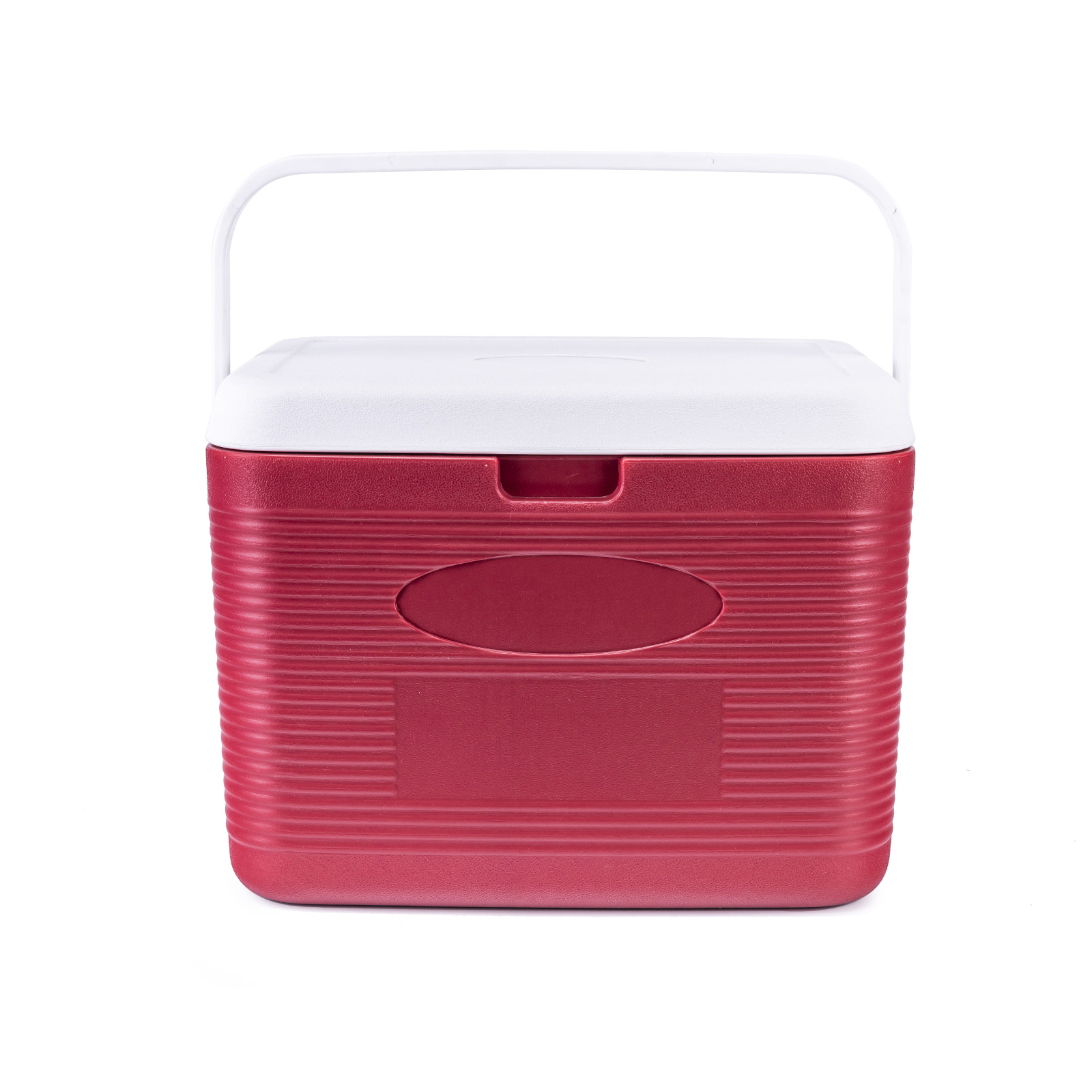
If you are buying packaging for temperature-sensitive distribution, the box is not just a container. An custom fiberboard insulated box matters because food, life science, and temperature-sensitive parcel shipments that need a fiber-led outer structure can lose value fast when weak compression under humid conditions or thermal loss from poor edge sealing happens. Design around the required hold time and target range, whether the shipment is chilled, beku, atau suhu ruangan terkontrol. ASTM D4169 continues to matter when buyers want proof that a shipping container can survive distribution handling, getaran, dampak, and compression stresses. You are not only buying insulation thickness. Anda mengulur waktu, konsistensi, and fewer expensive surprises at destination. This guide explains how to compare design, validasi, supplier fit, and sustainability without getting trapped by marketing language.
What this article will help you solve
• How custom fiberboard insulated box should be matched to route length, muatan, and fiberboard thermal packaging needs
• Bahan yang mana, sisipan, and refrigerants make custom corrugated insulated shipper or similar formats more practical
• Tes apa, standar, and supplier evidence matter for thermal performance proof, distribution durability, and disposal clarity
• Bagaimana cara mengurangi sampah, biaya pengiriman, and repacks while improving recyclable insulated fiberboard box decisions
What makes the best custom fiberboard insulated box in 2026?
The first point to understand is this: When you ship food, life science, and temperature-sensitive parcel shipments that need a fiber-led outer structure, the box must protect product quality against time, penanganan, dan penyimpangan suhu. With custom fiberboard insulated box, you do not only risk a damaged box. You risk lost thermal time, product shifts, and a design that looks sustainable but fails in handling. The right design buys you usable thermal time, better pack stability, and fewer receiving disputes. It also gives your team a repeatable packing method instead of a guess that changes by season.
That is why experienced teams start with the real lane, bukan foto katalog. They look at starting product temperature, parcel or pallet dwell time, delivery geography, and how the receiver will unload and inspect the shipment. Untuk makanan, life science, and temperature-sensitive parcel shipments that need a fiber-led outer structure, the best design usually combines corrugated board grade selection, laminated or nested fiber liners, and a pack-out that minimizes wasted air while keeping the product stable in transit. Bagi banyak pembeli, the big improvement comes from right-sizing and pack discipline rather than simply adding more insulation or more refrigerant.
How much hold time, struktur, and workflow fit do you need?
Hold time should be treated as a route-specific result, not a universal promise. A shipment that works for a 24-hour regional lane may fail on a 48-hour parcel route with hot depot exposure. ISTA 7E has become a strong reference for thermal transport packaging in parcel systems because it uses real-world heat and cold profiles rather than idealized assumptions. If you ask for one thing from a supplier, ask how the system performs under a realistic worst-case profile for your product.
| Shipment profile | Typical transit goal | Recommended packaging focus | Apa artinya bagimu |
| Flat-pack storage | Lower warehouse space | Faster carton handling | Helps you scale without overloading storage space |
| Custom cavity design | Less headspace | Better refrigerant efficiency | Can cut pack-out cost per shipment |
| Fiber-led disposal | Simpler end-user sorting | Better sustainability story | Improves post-delivery customer experience |
Tips praktis bisa langsung Anda gunakan
• Tip 1: Use a board grade chosen for stacked loads, not just empty-box appearance.
• Tip 2: Use panel joints and lid overlaps that reduce thermal leakage at the corners.
• Tip 3: Use dimensional data from real SKUs so the custom insert does not create wasted air volume.
Contoh: Consider a premium grocery dispatch programs. The biggest improvement usually does not come from adding more material. It comes from matching box size, refrigerant position, and handling instructions to the real route.
How do you choose structure, pendingin, dan ukuran kotak?
The best custom fiberboard insulated box in 2026 is rarely the thickest or the most heavily marketed option. It is the design that matches product sensitivity, realitas rute, warehouse workflow, and post-delivery disposal. That means you should lock the target temperature band, longest likely transit profile, acceptable excursion window, and receiving process before you compare materials.
Once those factors are clear, the structure decision becomes much easier. You can size the cavity around the real product footprint, choose the refrigerant plan, and decide whether the outer format should prioritize stacking, parcel handling, or end-user unboxing. This is where many optimized programs win margin: by removing wasted air, extra filler, and unnecessary refrigerant.
Which design variables should you lock first?
The design variables to lock first are product starting condition, cavity geometry, refrigerant placement, closure integrity, and the work instructions your pack team will follow. When those five items are controlled, material selection becomes a sharper and more honest decision.
• Tentukan jalurnya: write down the real transit promise, not the ideal carrier promise.
• Tentukan muatannya: include product count, unit weight, and how much empty space remains after packing.
• Define the work method: use a repeatable sequence so custom fiberboard insulated box performs like the qualified design.
Bahan yang mana, tes, and standards matter most?
The material and test conversation should start with function. What thermal margin do you need? What handling damage do you expect? How easy does the box need to be to assemble and dispose of? Setelah jawaban-jawaban itu jelas, materials can be judged on whether they help the shipment succeed, not just whether they sound advanced.
For optimized programs, the most useful comparison includes thermal behavior, moisture stability, crush strength, dimensional efficiency, and end-of-life practicality. Untuk makanan, life science, and temperature-sensitive parcel shipments that need a fiber-led outer structure, the best design usually combines corrugated board grade selection, laminated or nested fiber liners, and a pack-out that minimizes wasted air while keeping the product stable in transit. When teams compare materials across those five factors, weak options usually reveal themselves quickly.
What validation approach gives buyers real confidence?
The validation approach matters just as much as the material choice. Lab data, simulated parcel profiles, and limited field trials should work together so you do not overtrust a design that only performs under perfect conditions.
How do you balance compliance, biaya, dan keberlanjutan?
In an optimized review, tests and standards are used to reduce uncertainty. That is why buyers often ask about ASTM D3103 thermal insulation performance, ASTM D4169 distribution testing, ISTA 7E thermal parcel testing, and EPA paper packaging data when they review packaging options. They help you understand whether a design is thermally capable, mechanically durable, and suitable for the compliance expectations around your product.
The most useful evidence stack is layered. Start with laboratory thermal data, add handling or distribution simulation, then confirm the design on real qualification lanes. That three-part approach reduces the risk of selecting a box that performs well in one environment but not in the network you actually use.
How do you avoid good-looking but weak packaging decisions?
Buyers gain real confidence when suppliers can explain assumptions, batas, and corrective options. That is more valuable than a single headline test number with no context.
What supplier checklist helps you avoid bad fits?
Balancing compliance, biaya, and sustainability is easier when you stop treating them as separate topics. A well-chosen insulated shipper can reduce excursion risk, cut dimensional freight, and simplify disposal at the same time. A poorly chosen one can make all three worse.
The strongest supplier checklist asks about route profile, kondisi produk, metode pengepakan, seasonal assumptions, disposal path, and documentation support in one conversation. That integrated view helps you avoid impressive-looking packaging that does not fit your actual operation.
Which questions reveal whether a supplier really understands your lane?
The best supplier questions are usually the simplest. What lane was this validated for? What happens in summer? What changes if my payload drops? What if I need easier disposal? Those questions reveal real expertise quickly.
Quick self-check before you buy
Before you approve any custom fiberboard insulated box design, run a short self-check. The goal is to catch mismatch early, before packaging reaches routine use. If your team can answer the questions below clearly, supplier conversations become faster and qualification work becomes more useful.
• Pertanyaan 1: What is the real maximum transit profile, including handoff and dwell time?
• Pertanyaan 2: What product condition enters the box at pack-out, and how consistent is that step?
• Pertanyaan 3: What disposal route will the receiver actually use after unpacking?
• Pertanyaan 4: What evidence would prove the packaging is fit for your hardest likely lane?
2026 developments and trends for custom fiberboard insulated box
This category is moving fast in 2026, and a few signals matter more than the rest. Dalam kategori ini, fiber-first designs are gaining attention as disposal simplicity becomes a buying factor. Pada saat yang sama, right-sizing matters as parcel costs rise. The result is that buyers increasingly ask for data that proves fiberboard designs can survive both heat and handling. EPA’s latest packaging materials data still shows a strong recovery story for paper and paperboard packaging overall, with corrugated boxes maintaining particularly high recycling rates compared with many other packaging streams. Sebagai akibat, buyers are asking for better evidence, cerita materi yang lebih bersih, and packaging that stays workable for warehouse teams.
Perkembangan terbaru sekilas
• Perkembangan 1: Fiber-first designs are gaining attention as disposal simplicity becomes a buying factor.
• Perkembangan 2: Right-sizing matters as parcel costs rise.
• Perkembangan 3: Buyers increasingly ask for data that proves fiberboard designs can survive both heat and handling.
There is also a stronger expectation that packaging should support operational resilience. That means better route testing, instruksi kerja yang lebih jelas, and faster redesign cycles when channels change. ASTM D3103 is widely used to evaluate the thermal insulation performance of distribution packages for high-value and high-risk materials. Untuk tim pengadaan, pesannya jelas: choose designs that are easy to validate, mudah dijelaskan, and realistic for the markets you serve.
Pertanyaan yang sering diajukan
What makes a custom fiberboard insulated box different from a stock carton?
Custom design lets you tune wall structure, liner format, cavity size, gaya penutupan, and refrigerant placement for one specific product and route profile.
Is fiberboard strong enough for cold chain shipping?
Ya, when the board grade, flute profile, liner design, and moisture strategy are chosen for the actual load and transit environment.
Can a custom fiberboard insulated box work for both food and healthcare lanes?
The structure can, but the validation plan should change. Product risk, temperature tolerance, cleanliness expectations, and documentation needs are different.
Why do some fiberboard shippers fail early?
Failure often comes from humidity exposure, poor bottom support, weak edge crush, or a cavity that allows product and refrigerant to shift during transit.
Ringkasan dan Langkah Selanjutnya
The most reliable path is to match the box, pendingin, alur kerja, and validation plan to the actual shipment. For custom fiberboard insulated box, the most practical priorities are clear: menentukan rutenya, match the cavity to the payload, validate the pack-out, and choose materials that support both performance and disposal reality. If you keep those points in view, you are far more likely to reduce claims, menyusut, and avoidable freight waste.
The next step is to compare a few validated designs against your real shipment profile instead of comparing empty boxes by appearance alone. That approach usually saves more money over time. That process helps you move from a generic packaging purchase to a packaging system that supports quality, kepatuhan, dan kepercayaan pelanggan.
Tentang tempk
Dan Tempk, we focus on insulated packaging for temperature-sensitive shipping. We design box systems around product risk, panjang rute, metode pengepakan, dan menangani kenyataan, so you can choose a solution that is practical for cold chain use instead of just attractive on paper. We build projects around product condition, waktu tunggu target, risiko rute, and operational repeatability so you can choose a format that makes sense in the field.
If you are comparing custom fiberboard insulated box options now, a clear route brief and a sample qualification plan are the best next steps. They make supplier conversations faster, lebih teknis, dan lebih bermanfaat.
How to Choose the Best Custom Biodegradable Insulated Box in 2026
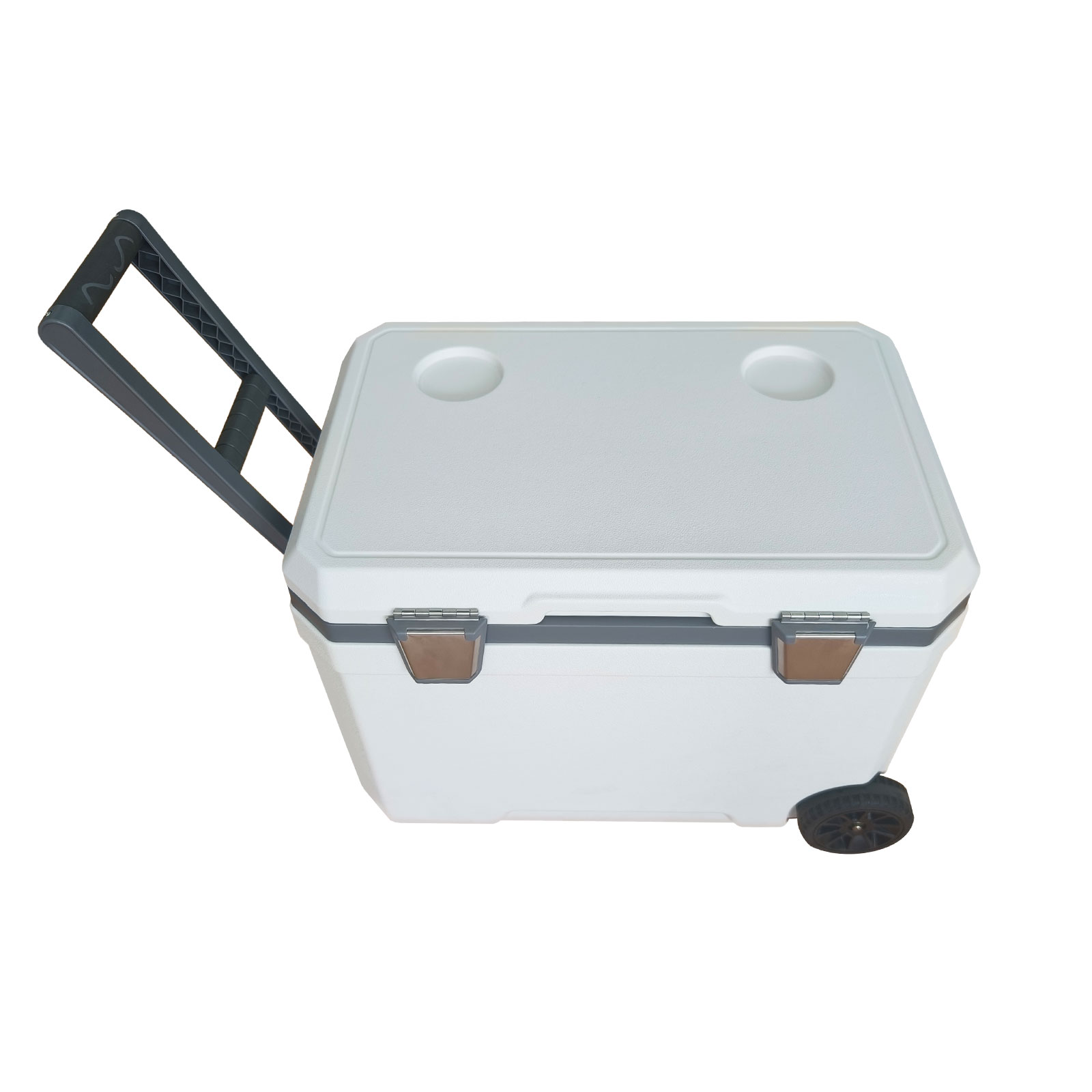
A strong insulated shipper does more than slow heat flow during transit. An custom biodegradable insulated box matters because temperature-sensitive consumer goods, makanan, and specialty products that need a custom insulated shipping format with a stronger end-of-life story can lose value fast when greenwashing claims or wrong disposal assumptions happens. Design the box around the real shipment temperature band and end-of-life pathway, not just the word biodegradable. Peraturan Pengemasan dan Limbah Pengemasan UE mulai berlaku pada bulan Februari 2025 and will generally apply from August 12, 2026, which is pushing more packaging teams to think ahead about recyclability, pengurangan materi, dan pelabelan. You are not only buying insulation thickness. Anda mengulur waktu, konsistensi, and fewer expensive surprises at destination. This guide explains how to compare design, validasi, supplier fit, and sustainability without getting trapped by marketing language.
What this article will help you solve
• How custom biodegradable insulated box should be matched to route length, muatan, and compostable insulated shipping box needs
• Bahan yang mana, sisipan, and refrigerants make custom sustainable cold chain box or similar formats more practical
• Tes apa, standar, and supplier evidence matter for truthful claims, disposal fit, and standard-based validation
• Bagaimana cara mengurangi sampah, biaya pengiriman, and repacks while improving biodegradable thermal packaging decisions
What makes the best custom biodegradable insulated box in 2026?
The practical answer is simple: When you ship temperature-sensitive consumer goods, makanan, and specialty products that need a custom insulated shipping format with a stronger end-of-life story, the box must protect product quality against time, penanganan, dan penyimpangan suhu. With custom biodegradable insulated box, you do not only risk a weak sustainability story. You risk poor hold time, disposal confusion, and a packaging claim that buyers stop trusting. The right design buys you usable thermal time, better pack stability, and fewer receiving disputes. It also gives your team a repeatable packing method instead of a guess that changes by season.
That is why experienced teams start with the real lane, bukan foto katalog. They look at starting product temperature, parcel or pallet dwell time, delivery geography, and how the receiver will unload and inspect the shipment. For temperature-sensitive consumer goods, makanan, and specialty products that need a custom insulated shipping format with a stronger end-of-life story, the best design usually combines cellulosic insulation media, bio-based liners, and a pack-out that minimizes wasted air while keeping the product stable in transit. Bagi banyak pembeli, the big improvement comes from right-sizing and pack discipline rather than simply adding more insulation or more refrigerant.
How much hold time, struktur, and workflow fit do you need?
Hold time should be treated as a route-specific result, not a universal promise. A shipment that works for a 24-hour regional lane may fail on a 48-hour parcel route with hot depot exposure. ASTM D3103 is widely used to evaluate the thermal insulation performance of distribution packages for high-value and high-risk materials. If you ask for one thing from a supplier, ask how the system performs under a realistic worst-case profile for your product.
| Shipment profile | Typical transit goal | Recommended packaging focus | Apa artinya bagimu |
| Fiber-based biodegradable build | Lower plastic dependency | Good branding appeal | Supports cleaner sustainability messaging |
| Certified compostable component | Defined end-of-life claim | Needs correct disposal route | Reduces risk of misleading communication |
| Custom right-sizing | Less material and refrigerant | Better freight efficiency | Improves both cost and sustainability |
Tips praktis bisa langsung Anda gunakan
• Tip 1: Use disposal wording that matches the real local waste stream instead of broad eco claims.
• Tip 2: Use custom dimensions to reduce filler, dead space, and refrigerant demand.
• Tip 3: Use standard-based validation so your sustainability story also protects product quality.
Contoh: One common example is a subscription boxes with sustainability positioning. When the team switched from a generic shipper to a route-matched design, pack consistency improved, receiving complaints dropped, and the operation gained a clearer seasonal packing rule.
How do you choose structure, pendingin, dan ukuran kotak?
The best custom biodegradable insulated box in 2026 is rarely the thickest or the most heavily marketed option. It is the design that matches product sensitivity, realitas rute, warehouse workflow, and post-delivery disposal. That means you should lock the target temperature band, longest likely transit profile, acceptable excursion window, and receiving process before you compare materials.
Once those factors are clear, the structure decision becomes much easier. You can size the cavity around the real product footprint, choose the refrigerant plan, and decide whether the outer format should prioritize stacking, parcel handling, or end-user unboxing. This is where many optimized programs win margin: by removing wasted air, extra filler, and unnecessary refrigerant.
Which design variables should you lock first?
The design variables to lock first are product starting condition, cavity geometry, refrigerant placement, closure integrity, and the work instructions your pack team will follow. When those five items are controlled, material selection becomes a sharper and more honest decision.
• Tentukan jalurnya: write down the real transit promise, not the ideal carrier promise.
• Tentukan muatannya: include product count, unit weight, and how much empty space remains after packing.
• Define the work method: use a repeatable sequence so custom biodegradable insulated box performs like the qualified design.
Bahan yang mana, tes, and standards matter most?
The material and test conversation should start with function. What thermal margin do you need? What handling damage do you expect? How easy does the box need to be to assemble and dispose of? Setelah jawaban-jawaban itu jelas, materials can be judged on whether they help the shipment succeed, not just whether they sound advanced.
For optimized programs, the most useful comparison includes thermal behavior, moisture stability, crush strength, dimensional efficiency, and end-of-life practicality. For temperature-sensitive consumer goods, makanan, and specialty products that need a custom insulated shipping format with a stronger end-of-life story, the best design usually combines cellulosic insulation media, bio-based liners, and a pack-out that minimizes wasted air while keeping the product stable in transit. When teams compare materials across those five factors, weak options usually reveal themselves quickly.
What validation approach gives buyers real confidence?
The validation approach matters just as much as the material choice. Lab data, simulated parcel profiles, and limited field trials should work together so you do not overtrust a design that only performs under perfect conditions.
How do you balance compliance, biaya, dan keberlanjutan?
In an optimized review, tests and standards are used to reduce uncertainty. That is why buyers often ask about ASTM D6400 compostability claims, DI DALAM 13432 concepts, EU PPWR direction, and ASTM D3103 when they review packaging options. They help you understand whether a design is thermally capable, mechanically durable, and suitable for the compliance expectations around your product.
The most useful evidence stack is layered. Start with laboratory thermal data, add handling or distribution simulation, then confirm the design on real qualification lanes. That three-part approach reduces the risk of selecting a box that performs well in one environment but not in the network you actually use.
How do you avoid good-looking but weak packaging decisions?
Buyers gain real confidence when suppliers can explain assumptions, batas, and corrective options. That is more valuable than a single headline test number with no context.
What supplier checklist helps you avoid bad fits?
Balancing compliance, biaya, and sustainability is easier when you stop treating them as separate topics. A well-chosen insulated shipper can reduce excursion risk, cut dimensional freight, and simplify disposal at the same time. A poorly chosen one can make all three worse.
The strongest supplier checklist asks about route profile, kondisi produk, metode pengepakan, seasonal assumptions, disposal path, and documentation support in one conversation. That integrated view helps you avoid impressive-looking packaging that does not fit your actual operation.
Which questions reveal whether a supplier really understands your lane?
The best supplier questions are usually the simplest. What lane was this validated for? What happens in summer? What changes if my payload drops? What if I need easier disposal? Those questions reveal real expertise quickly.
Quick self-check before you buy
Before you approve any custom biodegradable insulated box design, run a short self-check. The goal is to catch mismatch early, before packaging reaches routine use. If your team can answer the questions below clearly, supplier conversations become faster and qualification work becomes more useful.
• Pertanyaan 1: What is the real maximum transit profile, including handoff and dwell time?
• Pertanyaan 2: What product condition enters the box at pack-out, and how consistent is that step?
• Pertanyaan 3: What disposal route will the receiver actually use after unpacking?
• Pertanyaan 4: What evidence would prove the packaging is fit for your hardest likely lane?
2026 developments and trends for custom biodegradable insulated box
This category is moving fast in 2026, and a few signals matter more than the rest. Dalam kategori ini, buyers are becoming more skeptical of vague sustainability labels. Pada saat yang sama, certification and disposal fit matter more than broad biodegradable claims. The result is that custom design is increasingly used to balance performance and material reduction. ASTM D3103 is widely used to evaluate the thermal insulation performance of distribution packages for high-value and high-risk materials. Sebagai akibat, buyers are asking for better evidence, cerita materi yang lebih bersih, and packaging that stays workable for warehouse teams.
Perkembangan terbaru sekilas
• Perkembangan 1: Buyers are becoming more skeptical of vague sustainability labels.
• Perkembangan 2: Certification and disposal fit matter more than broad biodegradable claims.
• Perkembangan 3: Custom design is increasingly used to balance performance and material reduction.
There is also a stronger expectation that packaging should support operational resilience. That means better route testing, instruksi kerja yang lebih jelas, and faster redesign cycles when channels change. Peraturan Pengemasan dan Limbah Pengemasan UE mulai berlaku pada bulan Februari 2025 and will generally apply from August 12, 2026, which is pushing more packaging teams to think ahead about recyclability, pengurangan materi, dan pelabelan. Untuk tim pengadaan, pesannya jelas: choose designs that are easy to validate, mudah dijelaskan, and realistic for the markets you serve.
Pertanyaan yang sering diajukan
What does biodegradable really mean for an insulated box?
It should mean the material breaks down under defined conditions, but the exact claim depends on the standard, materi, and the disposal route available to the end user.
Is a custom biodegradable insulated box always compostable?
TIDAK. Dapat terurai secara hayati, kompos, and recyclable are different ideas. A good supplier explains which claim is valid and under what conditions.
Can biodegradable boxes perform like conventional insulated shippers?
They can perform very well in the right lane, but performance depends on structure, ketebalan, perilaku kelembaban, and pack-out validation.
How should brands evaluate sustainability claims?
Look for standard-based testing, realistic disposal instructions, and a design that reduces material waste as well as plastic intensity.
Ringkasan dan Langkah Selanjutnya
The main lesson is clear: the right insulated box is the one validated for your product, your lane, dan realitas penanganan Anda. For custom biodegradable insulated box, the most practical priorities are clear: menentukan rutenya, match the cavity to the payload, validate the pack-out, and choose materials that support both performance and disposal reality. If you keep those points in view, you are far more likely to reduce claims, menyusut, and avoidable freight waste.
Jika Anda sedang meninjau pemasok sekarang, start with your most difficult lane, your target hold time, and your receiving complaints. That gives you the fastest path to a packaging brief that suppliers can answer with useful data. That process helps you move from a generic packaging purchase to a packaging system that supports quality, kepatuhan, dan kepercayaan pelanggan.
Tentang tempk
Dan Tempk, we focus on insulated packaging for temperature-sensitive shipping. We design box systems around product risk, panjang rute, metode pengepakan, dan menangani kenyataan, so you can choose a solution that is practical for cold chain use instead of just attractive on paper. We build projects around product condition, waktu tunggu target, risiko rute, and operational repeatability so you can choose a format that makes sense in the field.
If you are comparing custom biodegradable insulated box options now, a clear route brief and a sample qualification plan are the best next steps. They make supplier conversations faster, lebih teknis, dan lebih bermanfaat.
How to Choose the Best Insulated Box Supplier for Frozen Foods in 2026
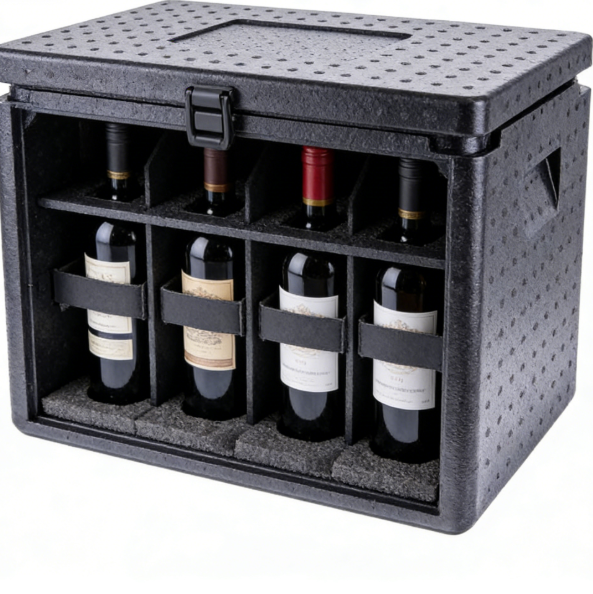
A strong insulated shipper does more than slow heat flow during transit. An insulated box supplier for frozen foods matters because frozen meals, frozen ingredients, es krim, and protein products shipped below 0°F / -18°C targets or tightly managed frozen ranges can lose value fast when thaw-refreeze damage or freezer burn happens. Build around frozen chain conditions, usually aiming to keep product at 0°F / -18°C or below and avoid thaw-refreeze cycles. FAO reported in 2026 itu 526 juta ton makanan, tentang 12% of the global total, are lost or wasted because of insufficient refrigeration, which turns packaging quality into a waste-reduction decision, not just a freight decision. You are not only buying insulation thickness. Anda mengulur waktu, konsistensi, and fewer expensive surprises at destination. This guide explains how to compare design, validasi, supplier fit, and sustainability without getting trapped by marketing language.
What this article will help you solve
• How insulated box supplier for frozen foods should be matched to route length, muatan, and frozen food insulated shipper needs
• Bahan yang mana, sisipan, and refrigerants make parcel box for frozen meals or similar formats more practical
• Tes apa, standar, and supplier evidence matter for frozen chain discipline, sanitary transportation expectations, dan validasi jalur
• Bagaimana cara mengurangi sampah, biaya pengiriman, and repacks while improving supplier for frozen food thermal packaging decisions
What makes the best insulated box supplier for frozen foods in 2026?
The practical answer is simple: When you ship frozen meals, frozen ingredients, es krim, and protein products shipped below 0°F / -18°C targets or tightly managed frozen ranges, the box must protect product quality against time, penanganan, dan penyimpangan suhu. With insulated box supplier for frozen foods, you do not only risk a soft shipment. You risk thaw-refreeze texture damage, product rejection, and a very expensive reship. The right design buys you usable thermal time, better pack stability, and fewer receiving disputes. It also gives your team a repeatable packing method instead of a guess that changes by season.
That is why experienced teams start with the real lane, bukan foto katalog. They look at starting product temperature, parcel or pallet dwell time, delivery geography, and how the receiver will unload and inspect the shipment. Untuk makanan beku, frozen ingredients, es krim, and protein products shipped below 0°F / -18°C targets or tightly managed frozen ranges, the best design usually combines high-insulation liners, dry ice compatibility where appropriate, and a pack-out that minimizes wasted air while keeping the product stable in transit. Bagi banyak pembeli, the big improvement comes from right-sizing and pack discipline rather than simply adding more insulation or more refrigerant.
How much hold time, struktur, and workflow fit do you need?
Hold time should be treated as a route-specific result, not a universal promise. A shipment that works for a 24-hour regional lane may fail on a 48-hour parcel route with hot depot exposure. ASTM D3103 is widely used to evaluate the thermal insulation performance of distribution packages for high-value and high-risk materials. If you ask for one thing from a supplier, ask how the system performs under a realistic worst-case profile for your product.
| Shipment profile | Typical transit goal | Recommended packaging focus | Apa artinya bagimu |
| Makanan beku | 24-48 jam | pengirim terisolasi + gel atau PCM | Supports parcel delivery with better texture retention |
| Ice cream or desserts | 24-48 jam | higher refrigerant density | Reduces soft-arrival complaints on hot lanes |
| Bulk frozen ingredients | 48-72 jam | reinforced outer box + optimized cavity | Improves pallet-to-parcel performance |
Tips praktis bisa langsung Anda gunakan
• Tip 1: Use frozen product as the starting point; packaging cannot reliably rescue product that enters the box too warm.
• Tip 2: Use a supplier that can recommend pack-outs for winter, shoulder season, and summer separately.
• Tip 3: Use route segmentation so long-zone and short-zone orders do not share one packaging formula.
Contoh: Consider a national frozen ready-meal subscriptions. The biggest improvement usually does not come from adding more material. It comes from matching box size, refrigerant position, and handling instructions to the real route.
How do you choose structure, pendingin, dan ukuran kotak?
The best insulated box supplier for frozen foods in 2026 is rarely the thickest or the most heavily marketed option. It is the design that matches product sensitivity, realitas rute, warehouse workflow, and post-delivery disposal. That means you should lock the target temperature band, longest likely transit profile, acceptable excursion window, and receiving process before you compare materials.
Once those factors are clear, the structure decision becomes much easier. You can size the cavity around the real product footprint, choose the refrigerant plan, and decide whether the outer format should prioritize stacking, parcel handling, or end-user unboxing. This is where many optimized programs win margin: by removing wasted air, extra filler, and unnecessary refrigerant.
Which design variables should you lock first?
The design variables to lock first are product starting condition, cavity geometry, refrigerant placement, closure integrity, and the work instructions your pack team will follow. When those five items are controlled, material selection becomes a sharper and more honest decision.
• Tentukan jalurnya: write down the real transit promise, not the ideal carrier promise.
• Tentukan muatannya: include product count, unit weight, and how much empty space remains after packing.
• Define the work method: use a repeatable sequence so insulated box supplier for frozen foods performs like the qualified design.
Bahan yang mana, tes, and standards matter most?
The material and test conversation should start with function. What thermal margin do you need? What handling damage do you expect? How easy does the box need to be to assemble and dispose of? Setelah jawaban-jawaban itu jelas, materials can be judged on whether they help the shipment succeed, not just whether they sound advanced.
For optimized programs, the most useful comparison includes thermal behavior, moisture stability, crush strength, dimensional efficiency, and end-of-life practicality. Untuk makanan beku, frozen ingredients, es krim, and protein products shipped below 0°F / -18°C targets or tightly managed frozen ranges, the best design usually combines high-insulation liners, dry ice compatibility where appropriate, and a pack-out that minimizes wasted air while keeping the product stable in transit. When teams compare materials across those five factors, weak options usually reveal themselves quickly.
What validation approach gives buyers real confidence?
The validation approach matters just as much as the material choice. Lab data, simulated parcel profiles, and limited field trials should work together so you do not overtrust a design that only performs under perfect conditions.
How do you balance compliance, biaya, dan keberlanjutan?
In an optimized review, tests and standards are used to reduce uncertainty. That is why buyers often ask about USDA freezer guidance, FDA sanitary transportation expectations, ASTM D3103, and ISTA 7E when they review packaging options. They help you understand whether a design is thermally capable, mechanically durable, and suitable for the compliance expectations around your product.
The most useful evidence stack is layered. Start with laboratory thermal data, add handling or distribution simulation, then confirm the design on real qualification lanes. That three-part approach reduces the risk of selecting a box that performs well in one environment but not in the network you actually use.
How do you avoid good-looking but weak packaging decisions?
Buyers gain real confidence when suppliers can explain assumptions, batas, and corrective options. That is more valuable than a single headline test number with no context.
What supplier checklist helps you avoid bad fits?
Balancing compliance, biaya, and sustainability is easier when you stop treating them as separate topics. A well-chosen insulated shipper can reduce excursion risk, cut dimensional freight, and simplify disposal at the same time. A poorly chosen one can make all three worse.
The strongest supplier checklist asks about route profile, kondisi produk, metode pengepakan, seasonal assumptions, disposal path, and documentation support in one conversation. That integrated view helps you avoid impressive-looking packaging that does not fit your actual operation.
Which questions reveal whether a supplier really understands your lane?
The best supplier questions are usually the simplest. What lane was this validated for? What happens in summer? What changes if my payload drops? What if I need easier disposal? Those questions reveal real expertise quickly.
Quick self-check before you buy
Before you approve any insulated box supplier for frozen foods design, run a short self-check. The goal is to catch mismatch early, before packaging reaches routine use. If your team can answer the questions below clearly, supplier conversations become faster and qualification work becomes more useful.
• Pertanyaan 1: What is the real maximum transit profile, including handoff and dwell time?
• Pertanyaan 2: What product condition enters the box at pack-out, and how consistent is that step?
• Pertanyaan 3: What disposal route will the receiver actually use after unpacking?
• Pertanyaan 4: What evidence would prove the packaging is fit for your hardest likely lane?
2026 developments and trends for insulated box supplier for frozen foods
This category is moving fast in 2026, and a few signals matter more than the rest. Dalam kategori ini, frozen brands are expanding beyond regional fulfillment, which raises parcel lane risk. Pada saat yang sama, buyers want less wasted refrigerant and smaller cube. The result is that thermal validation is becoming part of supplier selection rather than an afterthought. ISTA 7E has become a strong reference for thermal transport packaging in parcel systems because it uses real-world heat and cold profiles rather than idealized assumptions. Sebagai akibat, buyers are asking for better evidence, cerita materi yang lebih bersih, and packaging that stays workable for warehouse teams.
Perkembangan terbaru sekilas
• Perkembangan 1: Frozen brands are expanding beyond regional fulfillment, which raises parcel lane risk.
• Perkembangan 2: Buyers want less wasted refrigerant and smaller cube.
• Perkembangan 3: Thermal validation is becoming part of supplier selection rather than an afterthought.
There is also a stronger expectation that packaging should support operational resilience. That means better route testing, instruksi kerja yang lebih jelas, and faster redesign cycles when channels change. ASTM D3103 is widely used to evaluate the thermal insulation performance of distribution packages for high-value and high-risk materials. Untuk tim pengadaan, pesannya jelas: choose designs that are easy to validate, mudah dijelaskan, and realistic for the markets you serve.
Pertanyaan yang sering diajukan
How do you choose an insulated box supplier for frozen foods?
Look for a supplier that can show frozen-lane testing, refrigerant guidance, packaging consistency, and scale support, not just a catalog of box sizes.
Are all frozen food shippers designed for dry ice?
TIDAK. Some are optimized for gel packs or phase change materials, while others are engineered for dry ice use and the venting and durability that come with it.
What matters more for frozen foods, insulation thickness or pack-out design?
Keduanya penting, but pack-out design often decides whether the cold energy is used efficiently. Good insulation cannot fully fix poor product placement or extra air space.
Why do frozen products arrive soft even in a thick box?
Common reasons include warm product at pack-out, undercharged refrigerant, penundaan rute, or a box that was never validated for your lane profile.
Ringkasan dan Langkah Selanjutnya
The strongest takeaway is that packaging should be treated as a risk-control tool, not a commodity line item. For insulated box supplier for frozen foods, the most practical priorities are clear: menentukan rutenya, match the cavity to the payload, validate the pack-out, and choose materials that support both performance and disposal reality. If you keep those points in view, you are far more likely to reduce claims, menyusut, and avoidable freight waste.
A practical next move is to define the product condition at pack-out, the expected route profile, and the acceptable excursion window. Setelah semuanya jelas, box selection becomes much easier. That process helps you move from a generic packaging purchase to a packaging system that supports quality, kepatuhan, dan kepercayaan pelanggan.
Tentang tempk
Dan Tempk, we focus on insulated packaging for temperature-sensitive shipping. We design box systems around product risk, panjang rute, metode pengepakan, dan menangani kenyataan, so you can choose a solution that is practical for cold chain use instead of just attractive on paper. We build projects around product condition, waktu tunggu target, risiko rute, and operational repeatability so you can choose a format that makes sense in the field.
If you are comparing insulated box supplier for frozen foods options now, a clear route brief and a sample qualification plan are the best next steps. They make supplier conversations faster, lebih teknis, dan lebih bermanfaat.
How to Choose the Best Insulated Box Supplier for Fresh Produce in 2026

If you are buying packaging for temperature-sensitive distribution, the box is not just a container. An insulated box supplier for fresh produce matters because leafy greens, beri, tomat, Herbal, cut vegetables, and mixed fresh produce shipments can lose value fast when condensation and soggy packs or respiration heat happens. Maintain the recommended produce range for the specific commodity, often within a tightly managed chilled band, while balancing airflow and condensation control. FAO also notes that sustainable food cold chains carry a climate burden of their own, which is why better packaging is increasingly judged on both hold time and total material efficiency. You are not only buying insulation thickness. Anda mengulur waktu, konsistensi, and fewer expensive surprises at destination. This guide explains how to compare design, validasi, supplier fit, and sustainability without getting trapped by marketing language.
What this article will help you solve
• How insulated box supplier for fresh produce should be matched to route length, muatan, and fresh produce insulated box needs
• Bahan yang mana, sisipan, and refrigerants make supplier for produce cold chain packaging or similar formats more practical
• Tes apa, standar, and supplier evidence matter for commodity-specific handling, airflow and moisture control, dan pengurangan limbah
• Bagaimana cara mengurangi sampah, biaya pengiriman, and repacks while improving insulated box for vegetables and fruit decisions
What makes the best insulated box supplier for fresh produce in 2026?
Bagi sebagian besar pembeli, the decision becomes clearer when you look at the shipment as a whole. When you ship leafy greens, beri, tomat, Herbal, cut vegetables, and mixed fresh produce shipments, the box must protect product quality against time, penanganan, dan penyimpangan suhu. With insulated box supplier for fresh produce, you do not only risk a warm box. You risk moisture imbalance, memar, menyusut, and saleable life disappearing before the produce reaches the shelf. The right design buys you usable thermal time, better pack stability, and fewer receiving disputes. It also gives your team a repeatable packing method instead of a guess that changes by season.
That is why experienced teams start with the real lane, bukan foto katalog. They look at starting product temperature, parcel or pallet dwell time, delivery geography, and how the receiver will unload and inspect the shipment. Untuk sayuran berdaun hijau, beri, tomat, Herbal, cut vegetables, and mixed fresh produce shipments, the best design usually combines breathability where needed, moisture-managed liners, and a pack-out that minimizes wasted air while keeping the product stable in transit. Bagi banyak pembeli, the big improvement comes from right-sizing and pack discipline rather than simply adding more insulation or more refrigerant.
How much hold time, struktur, and workflow fit do you need?
Hold time should be treated as a route-specific result, not a universal promise. A shipment that works for a 24-hour regional lane may fail on a 48-hour parcel route with hot depot exposure. FAO reported in 2026 itu 526 juta ton makanan, tentang 12% of the global total, are lost or wasted because of insufficient refrigeration, which turns packaging quality into a waste-reduction decision, not just a freight decision. If you ask for one thing from a supplier, ask how the system performs under a realistic worst-case profile for your product.
| Shipment profile | Typical transit goal | Recommended packaging focus | Apa artinya bagimu |
| Sayuran hijau | high chill sensitivity to abuse | kotak terisolasi + kontrol kelembaban | Helps protect crispness and retail shelf life |
| buah beri | bruise and warmth sensitive | right-sized tray support + lapisan termal | Cuts soft fruit claims and shrink |
| Meal kit produce mix | mixed commodity risk | segmented cavity design | Improves performance for multi-item shipments |
Tips praktis bisa langsung Anda gunakan
• Tip 1: Use produce-specific pack plans so berries, sayuran hijau, and hard vegetables are not treated the same.
• Tip 2: Use liners and pads that manage condensation instead of trapping free moisture near the product.
• Tip 3: Use inbound cooling and fast pack-out so field heat does not consume your refrigerant budget.
Contoh: One common example is a farm-to-retail mixed produce. When the team switched from a generic shipper to a route-matched design, pack consistency improved, receiving complaints dropped, and the operation gained a clearer seasonal packing rule.
How do you choose structure, pendingin, dan ukuran kotak?
The best insulated box supplier for fresh produce in 2026 is rarely the thickest or the most heavily marketed option. It is the design that matches product sensitivity, realitas rute, warehouse workflow, and post-delivery disposal. That means you should lock the target temperature band, longest likely transit profile, acceptable excursion window, and receiving process before you compare materials.
Once those factors are clear, the structure decision becomes much easier. You can size the cavity around the real product footprint, choose the refrigerant plan, and decide whether the outer format should prioritize stacking, parcel handling, or end-user unboxing. This is where many optimized programs win margin: by removing wasted air, extra filler, and unnecessary refrigerant.
Which design variables should you lock first?
The design variables to lock first are product starting condition, cavity geometry, refrigerant placement, closure integrity, and the work instructions your pack team will follow. When those five items are controlled, material selection becomes a sharper and more honest decision.
• Tentukan jalurnya: write down the real transit promise, not the ideal carrier promise.
• Tentukan muatannya: include product count, unit weight, and how much empty space remains after packing.
• Define the work method: use a repeatable sequence so insulated box supplier for fresh produce performs like the qualified design.
Bahan yang mana, tes, and standards matter most?
The material and test conversation should start with function. What thermal margin do you need? What handling damage do you expect? How easy does the box need to be to assemble and dispose of? Setelah jawaban-jawaban itu jelas, materials can be judged on whether they help the shipment succeed, not just whether they sound advanced.
For optimized programs, the most useful comparison includes thermal behavior, moisture stability, crush strength, dimensional efficiency, and end-of-life practicality. Untuk sayuran berdaun hijau, beri, tomat, Herbal, cut vegetables, and mixed fresh produce shipments, the best design usually combines breathability where needed, moisture-managed liners, and a pack-out that minimizes wasted air while keeping the product stable in transit. When teams compare materials across those five factors, weak options usually reveal themselves quickly.
What validation approach gives buyers real confidence?
The validation approach matters just as much as the material choice. Lab data, simulated parcel profiles, and limited field trials should work together so you do not overtrust a design that only performs under perfect conditions.
How do you balance compliance, biaya, dan keberlanjutan?
In an optimized review, tests and standards are used to reduce uncertainty. That is why buyers often ask about USDA produce storage guidance, FAO cold chain and food loss data, ASTM D3103, and ISTA 7E when they review packaging options. They help you understand whether a design is thermally capable, mechanically durable, and suitable for the compliance expectations around your product.
The most useful evidence stack is layered. Start with laboratory thermal data, add handling or distribution simulation, then confirm the design on real qualification lanes. That three-part approach reduces the risk of selecting a box that performs well in one environment but not in the network you actually use.
How do you avoid good-looking but weak packaging decisions?
Buyers gain real confidence when suppliers can explain assumptions, batas, and corrective options. That is more valuable than a single headline test number with no context.
What supplier checklist helps you avoid bad fits?
Balancing compliance, biaya, and sustainability is easier when you stop treating them as separate topics. A well-chosen insulated shipper can reduce excursion risk, cut dimensional freight, and simplify disposal at the same time. A poorly chosen one can make all three worse.
The strongest supplier checklist asks about route profile, kondisi produk, metode pengepakan, seasonal assumptions, disposal path, and documentation support in one conversation. That integrated view helps you avoid impressive-looking packaging that does not fit your actual operation.
Which questions reveal whether a supplier really understands your lane?
The best supplier questions are usually the simplest. What lane was this validated for? What happens in summer? What changes if my payload drops? What if I need easier disposal? Those questions reveal real expertise quickly.
Quick self-check before you buy
Before you approve any insulated box supplier for fresh produce design, run a short self-check. The goal is to catch mismatch early, before packaging reaches routine use. If your team can answer the questions below clearly, supplier conversations become faster and qualification work becomes more useful.
• Pertanyaan 1: What is the real maximum transit profile, including handoff and dwell time?
• Pertanyaan 2: What product condition enters the box at pack-out, and how consistent is that step?
• Pertanyaan 3: What disposal route will the receiver actually use after unpacking?
• Pertanyaan 4: What evidence would prove the packaging is fit for your hardest likely lane?
2026 developments and trends for insulated box supplier for fresh produce
The newest shift is not one single material breakthrough. It is the combination of regulation, kompleksitas rute, and buyer scrutiny. Dalam kategori ini, fresh produce programs are trying to reduce food loss without adding too much packaging complexity. Pada saat yang sama, shorter replenishment cycles make pack consistency more important. The result is that buyers want simpler disposal and lower plastic intensity. ASTM D3103 is widely used to evaluate the thermal insulation performance of distribution packages for high-value and high-risk materials. Sebagai akibat, buyers are asking for better evidence, cerita materi yang lebih bersih, and packaging that stays workable for warehouse teams.
Perkembangan terbaru sekilas
• Perkembangan 1: Fresh produce programs are trying to reduce food loss without adding too much packaging complexity.
• Perkembangan 2: Shorter replenishment cycles make pack consistency more important.
• Perkembangan 3: Buyers want simpler disposal and lower plastic intensity.
There is also a stronger expectation that packaging should support operational resilience. That means better route testing, instruksi kerja yang lebih jelas, and faster redesign cycles when channels change. USDA produce storage guidance says refrigerators should maintain 41°F or less, but actual produce targets still depend on the commodity, because berries, Herbal, sayuran berdaun hijau, and tomatoes do not behave the same way. Untuk tim pengadaan, pesannya jelas: choose designs that are easy to validate, mudah dijelaskan, and realistic for the markets you serve.
Pertanyaan yang sering diajukan
How do you choose an insulated box supplier for fresh produce?
Choose a supplier that understands commodity differences, aliran udara, kontrol kelembaban, and bruising risk, not only thermal hold time.
Do all produce items need the same cold box design?
TIDAK. buah beri, sayuran berdaun hijau, Herbal, and tomatoes behave differently, so the best box system depends on respiration rate, kepekaan, dan kondisi rute.
Can insulated boxes help reduce produce waste?
Ya. Better temperature control and less handling damage can protect shelf life, penampilan, and saleable yield at the destination.
What is the most common packaging mistake for fresh produce?
Using a fully sealed cold shipper for a commodity that also needs careful airflow and moisture management.
Ringkasan dan Langkah Selanjutnya
The main lesson is clear: the right insulated box is the one validated for your product, your lane, dan realitas penanganan Anda. For insulated box supplier for fresh produce, the most practical priorities are clear: menentukan rutenya, match the cavity to the payload, validate the pack-out, and choose materials that support both performance and disposal reality. If you keep those points in view, you are far more likely to reduce claims, menyusut, and avoidable freight waste.
Jika Anda sedang meninjau pemasok sekarang, start with your most difficult lane, your target hold time, and your receiving complaints. That gives you the fastest path to a packaging brief that suppliers can answer with useful data. That process helps you move from a generic packaging purchase to a packaging system that supports quality, kepatuhan, dan kepercayaan pelanggan.
Tentang tempk
Dan Tempk, we focus on insulated packaging for temperature-sensitive shipping. We design box systems around product risk, panjang rute, metode pengepakan, dan menangani kenyataan, so you can choose a solution that is practical for cold chain use instead of just attractive on paper. We build projects around product condition, waktu tunggu target, risiko rute, and operational repeatability so you can choose a format that makes sense in the field.
If you are comparing insulated box supplier for fresh produce options now, a clear route brief and a sample qualification plan are the best next steps. They make supplier conversations faster, lebih teknis, dan lebih bermanfaat.
How to Choose the Best Insulated Box Producer for Seafood Distributors in 2026

When you ship sensitive product, insulation is only one part of the protection story. An insulated box producer for seafood distributors matters because fresh fish, kerang, Makanan laut beku, value-added seafood packs, and mixed seafood routes can lose value fast when temperature abuse and odor or drip and meltwater management happens. Keep fresh seafood as close to 32°F / 0°C as practical and keep frozen seafood at 0°F / -18°C or below where applicable. USDA and FDA cold storage guidance still anchors many North American food programs at 40°F / 4°C or below for refrigerated storage, with 0°F / -18°C or below as the standard frozen reference point. Dalam praktiknya, your packaging has to work for warehouse staff, operator, penerima, and end users at the same time. This guide explains how to compare design, validasi, supplier fit, and sustainability without getting trapped by marketing language.
What this article will help you solve
• How insulated box producer for seafood distributors should be matched to route length, muatan, and seafood insulated shipping box needs
• Bahan yang mana, sisipan, and refrigerants make producer for seafood cold chain packaging or similar formats more practical
• Tes apa, standar, and supplier evidence matter for fresh-versus-frozen handling discipline, kontrol kelembaban, and quality preservation
• Bagaimana cara mengurangi sampah, biaya pengiriman, and repacks while improving fresh fish insulated shipper decisions
What makes the best insulated box producer for seafood distributors in 2026?
What matters most in real shipments is not theory alone. When you ship fresh fish, kerang, Makanan laut beku, value-added seafood packs, and mixed seafood routes, the box must protect product quality against time, penanganan, dan penyimpangan suhu. With insulated box producer for seafood distributors, you do not only risk a late delivery. You risk odor, drip, kerusakan tekstur, and freshness complaints that damage the whole brand experience. The right design buys you usable thermal time, better pack stability, and fewer receiving disputes. It also gives your team a repeatable packing method instead of a guess that changes by season.
That is why experienced teams start with the real lane, bukan foto katalog. They look at starting product temperature, parcel or pallet dwell time, delivery geography, and how the receiver will unload and inspect the shipment. For fresh fish, kerang, Makanan laut beku, value-added seafood packs, and mixed seafood routes, the best design usually combines near-ice pack-out control, drainage or absorbent strategy, and a pack-out that minimizes wasted air while keeping the product stable in transit. Bagi banyak pembeli, the big improvement comes from right-sizing and pack discipline rather than simply adding more insulation or more refrigerant.
How much hold time, struktur, and workflow fit do you need?
Hold time should be treated as a route-specific result, not a universal promise. A shipment that works for a 24-hour regional lane may fail on a 48-hour parcel route with hot depot exposure. USDA and FDA cold storage guidance still anchors many North American food programs at 40°F / 4°C or below for refrigerated storage, with 0°F / -18°C or below as the standard frozen reference point. If you ask for one thing from a supplier, ask how the system performs under a realistic worst-case profile for your product.
| Shipment profile | Typical transit goal | Recommended packaging focus | Apa artinya bagimu |
| Ikan segar | near 32°F | pengirim terisolasi + paket dingin + kontrol kelembaban | Melindungi tekstur, bau, dan penampilan |
| Makanan laut beku | 0°F atau lebih rendah | higher cold-energy pack-out | Reduces thaw-softening on delayed routes |
| Mixed premium seafood | segmented control | custom cavity with barrier support | Improves presentation and lowers damage claims |
Tips praktis bisa langsung Anda gunakan
• Tip 1: Use product separators so delicate fillets do not slide into refrigerant or pooled meltwater.
• Tip 2: Use absorbent or drainage management for fresh seafood routes, especially on longer overnight lanes.
• Tip 3: Use separate packaging rules for fresh seafood and frozen seafood, even when the outer dimensions match.
Contoh: A good real-world case is a imported seafood transfer to regional DCs. These programs often discover that a cleaner pack-out and better box fit protect more quality than simply adding extra cold packs.
How do you choose structure, pendingin, dan ukuran kotak?
The best insulated box producer for seafood distributors in 2026 is rarely the thickest or the most heavily marketed option. It is the design that matches product sensitivity, realitas rute, warehouse workflow, and post-delivery disposal. That means you should lock the target temperature band, longest likely transit profile, acceptable excursion window, and receiving process before you compare materials.
Once those factors are clear, the structure decision becomes much easier. You can size the cavity around the real product footprint, choose the refrigerant plan, and decide whether the outer format should prioritize stacking, parcel handling, or end-user unboxing. This is where many optimized programs win margin: by removing wasted air, extra filler, and unnecessary refrigerant.
Which design variables should you lock first?
The design variables to lock first are product starting condition, cavity geometry, refrigerant placement, closure integrity, and the work instructions your pack team will follow. When those five items are controlled, material selection becomes a sharper and more honest decision.
• Tentukan jalurnya: write down the real transit promise, not the ideal carrier promise.
• Tentukan muatannya: include product count, unit weight, and how much empty space remains after packing.
• Define the work method: use a repeatable sequence so insulated box producer for seafood distributors performs like the qualified design.
Bahan yang mana, tes, and standards matter most?
The material and test conversation should start with function. What thermal margin do you need? What handling damage do you expect? How easy does the box need to be to assemble and dispose of? Setelah jawaban-jawaban itu jelas, materials can be judged on whether they help the shipment succeed, not just whether they sound advanced.
For optimized programs, the most useful comparison includes thermal behavior, moisture stability, crush strength, dimensional efficiency, and end-of-life practicality. For fresh fish, kerang, Makanan laut beku, value-added seafood packs, and mixed seafood routes, the best design usually combines near-ice pack-out control, drainage or absorbent strategy, and a pack-out that minimizes wasted air while keeping the product stable in transit. When teams compare materials across those five factors, weak options usually reveal themselves quickly.
What validation approach gives buyers real confidence?
The validation approach matters just as much as the material choice. Lab data, simulated parcel profiles, and limited field trials should work together so you do not overtrust a design that only performs under perfect conditions.
How do you balance compliance, biaya, dan keberlanjutan?
In an optimized review, tests and standards are used to reduce uncertainty. That is why buyers often ask about NOAA seafood handling guidance, FDA seafood HACCP expectations, FDA sanitary transportation concepts, and ASTM D3103 when they review packaging options. They help you understand whether a design is thermally capable, mechanically durable, and suitable for the compliance expectations around your product.
The most useful evidence stack is layered. Start with laboratory thermal data, add handling or distribution simulation, then confirm the design on real qualification lanes. That three-part approach reduces the risk of selecting a box that performs well in one environment but not in the network you actually use.
How do you avoid good-looking but weak packaging decisions?
Buyers gain real confidence when suppliers can explain assumptions, batas, and corrective options. That is more valuable than a single headline test number with no context.
What supplier checklist helps you avoid bad fits?
Balancing compliance, biaya, and sustainability is easier when you stop treating them as separate topics. A well-chosen insulated shipper can reduce excursion risk, cut dimensional freight, and simplify disposal at the same time. A poorly chosen one can make all three worse.
The strongest supplier checklist asks about route profile, kondisi produk, metode pengepakan, seasonal assumptions, disposal path, and documentation support in one conversation. That integrated view helps you avoid impressive-looking packaging that does not fit your actual operation.
Which questions reveal whether a supplier really understands your lane?
The best supplier questions are usually the simplest. What lane was this validated for? What happens in summer? What changes if my payload drops? What if I need easier disposal? Those questions reveal real expertise quickly.
Quick self-check before you buy
Before you approve any insulated box producer for seafood distributors design, run a short self-check. The goal is to catch mismatch early, before packaging reaches routine use. If your team can answer the questions below clearly, supplier conversations become faster and qualification work becomes more useful.
• Pertanyaan 1: What is the real maximum transit profile, including handoff and dwell time?
• Pertanyaan 2: What product condition enters the box at pack-out, and how consistent is that step?
• Pertanyaan 3: What disposal route will the receiver actually use after unpacking?
• Pertanyaan 4: What evidence would prove the packaging is fit for your hardest likely lane?
2026 developments and trends for insulated box producer for seafood distributors
This category is moving fast in 2026, and a few signals matter more than the rest. Dalam kategori ini, seafood buyers want tighter freshness control and less wet-box failure. Pada saat yang sama, premium direct-to-consumer seafood is pushing more parcel validation work. The result is that distributors are looking for better disposal stories without risking temperature performance. Peraturan Pengemasan dan Limbah Pengemasan UE mulai berlaku pada bulan Februari 2025 and will generally apply from August 12, 2026, which is pushing more packaging teams to think ahead about recyclability, pengurangan materi, dan pelabelan. Sebagai akibat, buyers are asking for better evidence, cerita materi yang lebih bersih, and packaging that stays workable for warehouse teams.
Perkembangan terbaru sekilas
• Perkembangan 1: Seafood buyers want tighter freshness control and less wet-box failure.
• Perkembangan 2: Premium direct-to-consumer seafood is pushing more parcel validation work.
• Perkembangan 3: Distributors are looking for better disposal stories without risking temperature performance.
There is also a stronger expectation that packaging should support operational resilience. That means better route testing, instruksi kerja yang lebih jelas, and faster redesign cycles when channels change. FAO reported in 2026 itu 526 juta ton makanan, tentang 12% of the global total, are lost or wasted because of insufficient refrigeration, which turns packaging quality into a waste-reduction decision, not just a freight decision. Untuk tim pengadaan, pesannya jelas: choose designs that are easy to validate, mudah dijelaskan, and realistic for the markets you serve.
Pertanyaan yang sering diajukan
What should seafood distributors ask from an insulated box producer?
Ask for route-specific testing, leak and moisture management, fresh-versus-frozen pack recommendations, and guidance for species with tighter risk profiles.
Why is seafood packaging different from meat packaging?
Seafood often needs colder fresh conditions, stronger odor and drip control, and more attention to texture and surface appearance on arrival.
Can one insulated shipper handle both fresh and frozen seafood?
Kadang-kadang, but the pack-out and qualification must change. Fresh and frozen seafood lose quality in different ways.
What causes seafood complaints even when product arrives cold?
Excess drip, crushed fillets, kontak air leleh, or long dwell after delivery can all hurt quality even if core temperature looks acceptable.
Ringkasan dan Langkah Selanjutnya
The main lesson is clear: the right insulated box is the one validated for your product, your lane, dan realitas penanganan Anda. For insulated box producer for seafood distributors, the most practical priorities are clear: menentukan rutenya, match the cavity to the payload, validate the pack-out, and choose materials that support both performance and disposal reality. If you keep those points in view, you are far more likely to reduce claims, menyusut, and avoidable freight waste.
A practical next move is to define the product condition at pack-out, the expected route profile, and the acceptable excursion window. Setelah semuanya jelas, box selection becomes much easier. That process helps you move from a generic packaging purchase to a packaging system that supports quality, kepatuhan, dan kepercayaan pelanggan.
Tentang tempk
Dan Tempk, we focus on insulated packaging for temperature-sensitive shipping. We design box systems around product risk, panjang rute, metode pengepakan, dan menangani kenyataan, so you can choose a solution that is practical for cold chain use instead of just attractive on paper. We build projects around product condition, waktu tunggu target, risiko rute, and operational repeatability so you can choose a format that makes sense in the field.
If you are comparing insulated box producer for seafood distributors options now, a clear route brief and a sample qualification plan are the best next steps. They make supplier conversations faster, lebih teknis, dan lebih bermanfaat.
How to Choose the Best Insulated Box Producer for Chemical Suppliers in 2026
Cold chain success usually fails or succeeds before the carrier even scans the parcel. An insulated box producer for chemical suppliers matters because temperature-sensitive chemicals, reagen, standar, enzim, and specialty materials can lose value fast when potency drift during excursions or leakage from secondary containment failure happens. Match the box system to the labeled storage band, which may be controlled room temperature, 2-8°C didinginkan, beku, or deep-frozen depending on the chemistry. ASTM D3103 is widely used to evaluate the thermal insulation performance of distribution packages for high-value and high-risk materials. That is why experienced buyers compare the full ship system: product temperature, pendingin, geometri kotak, handling stress, and disposal path. This guide explains how to compare design, validasi, supplier fit, and sustainability without getting trapped by marketing language.
What this article will help you solve
• How insulated box producer for chemical suppliers should be matched to route length, muatan, and reagent shipping insulated box needs
• Bahan yang mana, sisipan, and refrigerants make temperature-controlled box for chemical suppliers or similar formats more practical
• Tes apa, standar, and supplier evidence matter for temperature excursion control, secondary containment logic, and shipment documentation
• Bagaimana cara mengurangi sampah, biaya pengiriman, and repacks while improving cold chain packaging for lab chemicals decisions
What makes the best insulated box producer for chemical suppliers in 2026?
A good rule is to design around the hardest lane, not the average lane. When you ship temperature-sensitive chemicals, reagen, standar, enzim, and specialty materials, the box must protect product quality against time, penanganan, dan penyimpangan suhu. With insulated box producer for chemical suppliers, you do not only risk a late shipment. You risk potency drift, unstable assay inputs, and replacement costs that can exceed the freight many times over. The right design buys you usable thermal time, better pack stability, and fewer receiving disputes. It also gives your team a repeatable packing method instead of a guess that changes by season.
That is why experienced teams start with the real lane, bukan foto katalog. They look at starting product temperature, parcel or pallet dwell time, delivery geography, and how the receiver will unload and inspect the shipment. For temperature-sensitive chemicals, reagen, standar, enzim, and specialty materials, the best design usually combines secondary containment compatibility, chemical-resistant liners where needed, and a pack-out that minimizes wasted air while keeping the product stable in transit. Bagi banyak pembeli, the big improvement comes from right-sizing and pack discipline rather than simply adding more insulation or more refrigerant.
How much hold time, struktur, and workflow fit do you need?
Hold time should be treated as a route-specific result, not a universal promise. A shipment that works for a 24-hour regional lane may fail on a 48-hour parcel route with hot depot exposure. ASTM D3103 is widely used to evaluate the thermal insulation performance of distribution packages for high-value and high-risk materials. If you ask for one thing from a supplier, ask how the system performs under a realistic worst-case profile for your product.
| Shipment profile | Typical transit goal | Recommended packaging focus | Apa artinya bagimu |
| Cold reagent kit | 2-8° C. | pengirim terisolasi + Paket gel + penyerap | Helps keep assay inputs stable during transit |
| Reference standard | dibekukan atau didinginkan | higher control packaging + logger | Protects replacement cost and traceability |
| Routine lab chemical | controlled room or chilled | right-sized insulated box | Reduces overpack and freight waste |
Tips praktis bisa langsung Anda gunakan
• Tip 1: Use secondary containment sized for the real bottle or vial format, not just the carton footprint.
• Tip 2: Use temperature loggers on qualification lanes before removing them from routine shipments.
• Tip 3: Use pack-out work instructions so warehouse teams repeat the validated method every time.
Contoh: One common example is a reference standard shipments. When the team switched from a generic shipper to a route-matched design, pack consistency improved, receiving complaints dropped, and the operation gained a clearer seasonal packing rule.
How do you choose structure, pendingin, dan ukuran kotak?
The best insulated box producer for chemical suppliers in 2026 is rarely the thickest or the most heavily marketed option. It is the design that matches product sensitivity, realitas rute, warehouse workflow, and post-delivery disposal. That means you should lock the target temperature band, longest likely transit profile, acceptable excursion window, and receiving process before you compare materials.
Once those factors are clear, the structure decision becomes much easier. You can size the cavity around the real product footprint, choose the refrigerant plan, and decide whether the outer format should prioritize stacking, parcel handling, or end-user unboxing. This is where many optimized programs win margin: by removing wasted air, extra filler, and unnecessary refrigerant.
Which design variables should you lock first?
The design variables to lock first are product starting condition, cavity geometry, refrigerant placement, closure integrity, and the work instructions your pack team will follow. When those five items are controlled, material selection becomes a sharper and more honest decision.
• Tentukan jalurnya: write down the real transit promise, not the ideal carrier promise.
• Tentukan muatannya: include product count, unit weight, and how much empty space remains after packing.
• Define the work method: use a repeatable sequence so insulated box producer for chemical suppliers performs like the qualified design.
Bahan yang mana, tes, and standards matter most?
The material and test conversation should start with function. What thermal margin do you need? What handling damage do you expect? How easy does the box need to be to assemble and dispose of? Setelah jawaban-jawaban itu jelas, materials can be judged on whether they help the shipment succeed, not just whether they sound advanced.
For optimized programs, the most useful comparison includes thermal behavior, moisture stability, crush strength, dimensional efficiency, and end-of-life practicality. For temperature-sensitive chemicals, reagen, standar, enzim, and specialty materials, the best design usually combines secondary containment compatibility, chemical-resistant liners where needed, and a pack-out that minimizes wasted air while keeping the product stable in transit. When teams compare materials across those five factors, weak options usually reveal themselves quickly.
What validation approach gives buyers real confidence?
The validation approach matters just as much as the material choice. Lab data, simulated parcel profiles, and limited field trials should work together so you do not overtrust a design that only performs under perfect conditions.
How do you balance compliance, biaya, dan keberlanjutan?
In an optimized review, tests and standards are used to reduce uncertainty. That is why buyers often ask about WHO TTSPP guidance concepts, USP <1079> good storage and shipping principles, ASTM D3103, and ASTM D4169 when they review packaging options. They help you understand whether a design is thermally capable, mechanically durable, and suitable for the compliance expectations around your product.
The most useful evidence stack is layered. Start with laboratory thermal data, add handling or distribution simulation, then confirm the design on real qualification lanes. That three-part approach reduces the risk of selecting a box that performs well in one environment but not in the network you actually use.
How do you avoid good-looking but weak packaging decisions?
Buyers gain real confidence when suppliers can explain assumptions, batas, and corrective options. That is more valuable than a single headline test number with no context.
What supplier checklist helps you avoid bad fits?
Balancing compliance, biaya, and sustainability is easier when you stop treating them as separate topics. A well-chosen insulated shipper can reduce excursion risk, cut dimensional freight, and simplify disposal at the same time. A poorly chosen one can make all three worse.
The strongest supplier checklist asks about route profile, kondisi produk, metode pengepakan, seasonal assumptions, disposal path, and documentation support in one conversation. That integrated view helps you avoid impressive-looking packaging that does not fit your actual operation.
Which questions reveal whether a supplier really understands your lane?
The best supplier questions are usually the simplest. What lane was this validated for? What happens in summer? What changes if my payload drops? What if I need easier disposal? Those questions reveal real expertise quickly.
Quick self-check before you buy
Before you approve any insulated box producer for chemical suppliers design, run a short self-check. The goal is to catch mismatch early, before packaging reaches routine use. If your team can answer the questions below clearly, supplier conversations become faster and qualification work becomes more useful.
• Pertanyaan 1: What is the real maximum transit profile, including handoff and dwell time?
• Pertanyaan 2: What product condition enters the box at pack-out, and how consistent is that step?
• Pertanyaan 3: What disposal route will the receiver actually use after unpacking?
• Pertanyaan 4: What evidence would prove the packaging is fit for your hardest likely lane?
2026 developments and trends for insulated box producer for chemical suppliers
The newest shift is not one single material breakthrough. It is the combination of regulation, kompleksitas rute, and buyer scrutiny. Dalam kategori ini, chemical buyers now ask for better excursion control and clearer documentation. Pada saat yang sama, small-volume high-value shipments are increasing in parcel networks. The result is that sustainability pressure is pushing suppliers to replace heavy overpack where validation allows. ASTM D3103 is widely used to evaluate the thermal insulation performance of distribution packages for high-value and high-risk materials. Sebagai akibat, buyers are asking for better evidence, cerita materi yang lebih bersih, and packaging that stays workable for warehouse teams.
Perkembangan terbaru sekilas
• Perkembangan 1: Chemical buyers now ask for better excursion control and clearer documentation.
• Perkembangan 2: Small-volume high-value shipments are increasing in parcel networks.
• Perkembangan 3: Sustainability pressure is pushing suppliers to replace heavy overpack where validation allows.
There is also a stronger expectation that packaging should support operational resilience. That means better route testing, instruksi kerja yang lebih jelas, and faster redesign cycles when channels change. ASTM D3103 is widely used to evaluate the thermal insulation performance of distribution packages for high-value and high-risk materials. Untuk tim pengadaan, pesannya jelas: choose designs that are easy to validate, mudah dijelaskan, and realistic for the markets you serve.
Pertanyaan yang sering diajukan
Why would a chemical supplier need an insulated box producer instead of a general carton vendor?
Because sensitive chemicals need validated thermal performance, containment planning, and packaging consistency that a general carton supplier may not provide.
Can one insulated box design handle all chemical shipments?
Biasanya tidak. Reagen, enzim, standar, and hazardous materials can require very different pack-outs, Label, and control ranges.
How do you reduce excursion risk for high-value reagents?
Start with product stability data, then match hold time, pendingin, tingkat isolasi, and monitoring plan to the real shipping lane.
What documentation should chemical buyers ask for?
Ask for test reports, material specifications, petunjuk pengepakan, and guidance on when to use data loggers, penahanan sekunder, atau es kering.
Ringkasan dan Langkah Selanjutnya
The main lesson is clear: the right insulated box is the one validated for your product, your lane, dan realitas penanganan Anda. For insulated box producer for chemical suppliers, the most practical priorities are clear: menentukan rutenya, match the cavity to the payload, validate the pack-out, and choose materials that support both performance and disposal reality. If you keep those points in view, you are far more likely to reduce claims, menyusut, and avoidable freight waste.
Jika Anda sedang meninjau pemasok sekarang, start with your most difficult lane, your target hold time, and your receiving complaints. That gives you the fastest path to a packaging brief that suppliers can answer with useful data. That process helps you move from a generic packaging purchase to a packaging system that supports quality, kepatuhan, dan kepercayaan pelanggan.
Tentang tempk
Dan Tempk, we focus on insulated packaging for temperature-sensitive shipping. We design box systems around product risk, panjang rute, metode pengepakan, dan menangani kenyataan, so you can choose a solution that is practical for cold chain use instead of just attractive on paper. We build projects around product condition, waktu tunggu target, risiko rute, and operational repeatability so you can choose a format that makes sense in the field.
If you are comparing insulated box producer for chemical suppliers options now, a clear route brief and a sample qualification plan are the best next steps. They make supplier conversations faster, lebih teknis, dan lebih bermanfaat.
How to Choose the Best Insulated Box Factory for Medical Supplies in 2026

Di dalam 2026, buyers expect a thermal shipper to balance safety, biaya, dan realitas pembuangan. An insulated box factory for medical supplies matters because medical supplies, sterile consumables, selected temperature-sensitive devices, and healthcare replenishment kits can lose value fast when sterile barrier damage or temperature excursion happens. Use the labeled storage condition for each product and validate transport packaging so temperature, kebersihan, and package integrity stay within the intended range. Panduan WHO untuk waktu- and temperature-sensitive products remains a strong reference point for risk-based storage and transport, especially where excursion control and distribution discipline matter more than the box material alone. That means the best packaging decision is rarely the cheapest empty box. It is the system that protects margin after transport, klaim, and repacks are counted. This guide explains how to compare design, validasi, supplier fit, and sustainability without getting trapped by marketing language.
What this article will help you solve
• How insulated box factory for medical supplies should be matched to route length, muatan, and medical supply insulated shipper needs
• Bahan yang mana, sisipan, and refrigerants make temperature-controlled packaging for medical devices or similar formats more practical
• Tes apa, standar, and supplier evidence matter for package integrity, documented transport control, and healthcare receiving confidence
• Bagaimana cara mengurangi sampah, biaya pengiriman, and repacks while improving insulated box factory for healthcare logistics decisions
What makes the best insulated box factory for medical supplies in 2026?
The practical answer is simple: When you ship medical supplies, sterile consumables, selected temperature-sensitive devices, and healthcare replenishment kits, the box must protect product quality against time, penanganan, dan penyimpangan suhu. With insulated box factory for medical supplies, you do not only risk a warm parcel. You risk damaged sterile barriers, quarantine at receiving, and a breakdown in healthcare trust. The right design buys you usable thermal time, better pack stability, and fewer receiving disputes. It also gives your team a repeatable packing method instead of a guess that changes by season.
That is why experienced teams start with the real lane, bukan foto katalog. They look at starting product temperature, parcel or pallet dwell time, delivery geography, and how the receiver will unload and inspect the shipment. For medical supplies, sterile consumables, selected temperature-sensitive devices, and healthcare replenishment kits, the best design usually combines clean assembly environments, shock and thermal balance, and a pack-out that minimizes wasted air while keeping the product stable in transit. Bagi banyak pembeli, the big improvement comes from right-sizing and pack discipline rather than simply adding more insulation or more refrigerant.
How much hold time, struktur, and workflow fit do you need?
Hold time should be treated as a route-specific result, not a universal promise. A shipment that works for a 24-hour regional lane may fail on a 48-hour parcel route with hot depot exposure. Panduan WHO untuk waktu- and temperature-sensitive products remains a strong reference point for risk-based storage and transport, especially where excursion control and distribution discipline matter more than the box material alone. If you ask for one thing from a supplier, ask how the system performs under a realistic worst-case profile for your product.
| Shipment profile | Typical transit goal | Recommended packaging focus | Apa artinya bagimu |
| Diagnostic consumables | 2-8°C or labeled range | pengirim terisolasi + logger-ready design | Supports reliable receipt and intake checks |
| Sterile procedure kits | ambient or controlled range | insulated protective box | Adds thermal and handling margin without bulky overpack |
| Emergency replenishment | short urgent lanes | fast-pack design + label yang jelas | Helps receiving teams move faster with fewer errors |
Tips praktis bisa langsung Anda gunakan
• Tip 1: Use clear receiving labels so hospital or clinic staff know what to check first on arrival.
• Tip 2: Use logger pockets or external sleeves to avoid damaging sterile or primary packaging when monitoring temperature.
• Tip 3: Use package validation that includes both thermal and handling stress, not thermal only.
Contoh: A good real-world case is a hospital replenishment kits. These programs often discover that a cleaner pack-out and better box fit protect more quality than simply adding extra cold packs.
How do you choose structure, pendingin, dan ukuran kotak?
The best insulated box factory for medical supplies in 2026 is rarely the thickest or the most heavily marketed option. It is the design that matches product sensitivity, realitas rute, warehouse workflow, and post-delivery disposal. That means you should lock the target temperature band, longest likely transit profile, acceptable excursion window, and receiving process before you compare materials.
Once those factors are clear, the structure decision becomes much easier. You can size the cavity around the real product footprint, choose the refrigerant plan, and decide whether the outer format should prioritize stacking, parcel handling, or end-user unboxing. This is where many optimized programs win margin: by removing wasted air, extra filler, and unnecessary refrigerant.
Which design variables should you lock first?
The design variables to lock first are product starting condition, cavity geometry, refrigerant placement, closure integrity, and the work instructions your pack team will follow. When those five items are controlled, material selection becomes a sharper and more honest decision.
• Tentukan jalurnya: write down the real transit promise, not the ideal carrier promise.
• Tentukan muatannya: include product count, unit weight, and how much empty space remains after packing.
• Define the work method: use a repeatable sequence so insulated box factory for medical supplies performs like the qualified design.
Bahan yang mana, tes, and standards matter most?
The material and test conversation should start with function. What thermal margin do you need? What handling damage do you expect? How easy does the box need to be to assemble and dispose of? Setelah jawaban-jawaban itu jelas, materials can be judged on whether they help the shipment succeed, not just whether they sound advanced.
For optimized programs, the most useful comparison includes thermal behavior, moisture stability, crush strength, dimensional efficiency, and end-of-life practicality. For medical supplies, sterile consumables, selected temperature-sensitive devices, and healthcare replenishment kits, the best design usually combines clean assembly environments, shock and thermal balance, and a pack-out that minimizes wasted air while keeping the product stable in transit. When teams compare materials across those five factors, weak options usually reveal themselves quickly.
What validation approach gives buyers real confidence?
The validation approach matters just as much as the material choice. Lab data, simulated parcel profiles, and limited field trials should work together so you do not overtrust a design that only performs under perfect conditions.
How do you balance compliance, biaya, dan keberlanjutan?
In an optimized review, tests and standards are used to reduce uncertainty. That is why buyers often ask about ISO 11607 sterile barrier packaging, WHO TTSPP transport principles, EMA GDP concepts, and ASTM D3103 when they review packaging options. They help you understand whether a design is thermally capable, mechanically durable, and suitable for the compliance expectations around your product.
The most useful evidence stack is layered. Start with laboratory thermal data, add handling or distribution simulation, then confirm the design on real qualification lanes. That three-part approach reduces the risk of selecting a box that performs well in one environment but not in the network you actually use.
How do you avoid good-looking but weak packaging decisions?
Buyers gain real confidence when suppliers can explain assumptions, batas, and corrective options. That is more valuable than a single headline test number with no context.
What supplier checklist helps you avoid bad fits?
Balancing compliance, biaya, and sustainability is easier when you stop treating them as separate topics. A well-chosen insulated shipper can reduce excursion risk, cut dimensional freight, and simplify disposal at the same time. A poorly chosen one can make all three worse.
The strongest supplier checklist asks about route profile, kondisi produk, metode pengepakan, seasonal assumptions, disposal path, and documentation support in one conversation. That integrated view helps you avoid impressive-looking packaging that does not fit your actual operation.
Which questions reveal whether a supplier really understands your lane?
The best supplier questions are usually the simplest. What lane was this validated for? What happens in summer? What changes if my payload drops? What if I need easier disposal? Those questions reveal real expertise quickly.
Quick self-check before you buy
Before you approve any insulated box factory for medical supplies design, run a short self-check. The goal is to catch mismatch early, before packaging reaches routine use. If your team can answer the questions below clearly, supplier conversations become faster and qualification work becomes more useful.
• Pertanyaan 1: What is the real maximum transit profile, including handoff and dwell time?
• Pertanyaan 2: What product condition enters the box at pack-out, and how consistent is that step?
• Pertanyaan 3: What disposal route will the receiver actually use after unpacking?
• Pertanyaan 4: What evidence would prove the packaging is fit for your hardest likely lane?
2026 developments and trends for insulated box factory for medical supplies
Three developments are reshaping buyer expectations in 2026. Dalam kategori ini, healthcare buyers increasingly want both compliance confidence and easier disposal. Pada saat yang sama, supply chain teams are narrowing the gap between warehouse SOPs and parcel reality. The result is that validation is moving closer to real route mapping and data logging. ISTA 7E has become a strong reference for thermal transport packaging in parcel systems because it uses real-world heat and cold profiles rather than idealized assumptions. Sebagai akibat, buyers are asking for better evidence, cerita materi yang lebih bersih, and packaging that stays workable for warehouse teams.
Perkembangan terbaru sekilas
• Perkembangan 1: Healthcare buyers increasingly want both compliance confidence and easier disposal.
• Perkembangan 2: Supply chain teams are narrowing the gap between warehouse sops and parcel reality.
• Perkembangan 3: Validation is moving closer to real route mapping and data logging.
There is also a stronger expectation that packaging should support operational resilience. That means better route testing, instruksi kerja yang lebih jelas, and faster redesign cycles when channels change. Panduan WHO untuk waktu- and temperature-sensitive products remains a strong reference point for risk-based storage and transport, especially where excursion control and distribution discipline matter more than the box material alone. Untuk tim pengadaan, pesannya jelas: choose designs that are easy to validate, mudah dijelaskan, and realistic for the markets you serve.
Pertanyaan yang sering diajukan
What should you expect from an insulated box factory for medical supplies?
You should expect controlled specifications, produksi berulang, dukungan dokumentasi, and packaging designs aligned with product risk and transport conditions.
Is thermal performance the only issue in medical supply packaging?
TIDAK. You also need to think about sterile barrier protection, tamper evidence, penanganan yang bersih, and clear lot-level traceability.
Can one healthcare shipper cover every medical supply category?
Not safely. Sterile packs, Diagnostik, and temperature-sensitive kits often need different cushioning, pelabelan, and qualification steps.
How do buyers qualify medical insulated boxes?
They usually review specifications, asumsi rute, data validasi, work instructions, and the supplier’s ability to keep production consistent over time.
Ringkasan dan Langkah Selanjutnya
Pendeknya, thermal packaging works best when it is chosen as a system rather than as a single material decision. For insulated box factory for medical supplies, the most practical priorities are clear: menentukan rutenya, match the cavity to the payload, validate the pack-out, and choose materials that support both performance and disposal reality. If you keep those points in view, you are far more likely to reduce claims, menyusut, and avoidable freight waste.
The next step is to compare a few validated designs against your real shipment profile instead of comparing empty boxes by appearance alone. That approach usually saves more money over time. That process helps you move from a generic packaging purchase to a packaging system that supports quality, kepatuhan, dan kepercayaan pelanggan.
Tentang tempk
Dan Tempk, we focus on insulated packaging for temperature-sensitive shipping. We design box systems around product risk, panjang rute, metode pengepakan, dan menangani kenyataan, so you can choose a solution that is practical for cold chain use instead of just attractive on paper. We build projects around product condition, waktu tunggu target, risiko rute, and operational repeatability so you can choose a format that makes sense in the field.
If you are comparing insulated box factory for medical supplies options now, a clear route brief and a sample qualification plan are the best next steps. They make supplier conversations faster, lebih teknis, dan lebih bermanfaat.
How to Choose the Best Insulated Box Factory for Laboratory Shipments in 2026
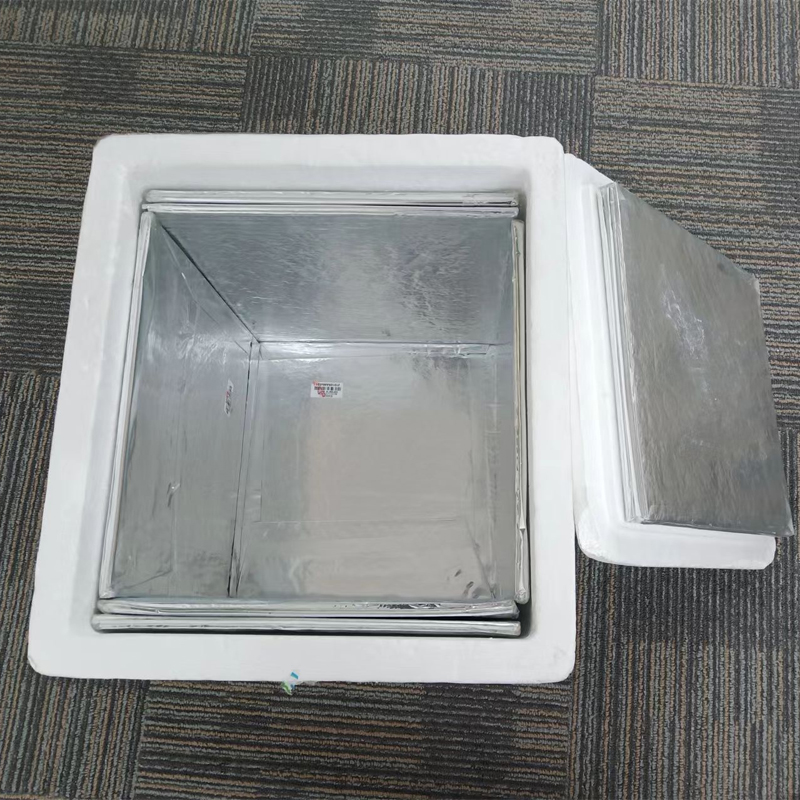
If you are buying packaging for temperature-sensitive distribution, the box is not just a container. An insulated box factory for laboratory shipments matters because samples, kontrol, reagen, reference materials, and laboratory support shipments can lose value fast when assay drift or sample mix-ups happens. Build around the product’s validated storage requirement and the laboratory workflow, from pickup timing to receiving and sample intake. Kapitel Umum USP <1079> is still a useful practical reference when teams need a disciplined way to think about storage risk, jalur pelayaran, and temperature excursion control. That means the best packaging decision is rarely the cheapest empty box. It is the system that protects margin after transport, klaim, and repacks are counted. This guide explains how to compare design, validasi, supplier fit, and sustainability without getting trapped by marketing language.
What this article will help you solve
• How insulated box factory for laboratory shipments should be matched to route length, muatan, and laboratory insulated shipper needs
• Bahan yang mana, sisipan, and refrigerants make sample transport box for labs or similar formats more practical
• Tes apa, standar, and supplier evidence matter for sample organization, kualifikasi rute, and audit-ready handling discipline
• Bagaimana cara mengurangi sampah, biaya pengiriman, and repacks while improving insulated box factory for laboratory logistics decisions
What makes the best insulated box factory for laboratory shipments in 2026?
Bagi sebagian besar pembeli, the decision becomes clearer when you look at the shipment as a whole. When you ship samples, kontrol, reagen, reference materials, and laboratory support shipments, the box must protect product quality against time, penanganan, dan penyimpangan suhu. With insulated box factory for laboratory shipments, you do not only risk a shipping issue. You risk repeat testing, lost sample credibility, and lab time that cannot be recovered. The right design buys you usable thermal time, better pack stability, and fewer receiving disputes. It also gives your team a repeatable packing method instead of a guess that changes by season.
That is why experienced teams start with the real lane, bukan foto katalog. They look at starting product temperature, parcel or pallet dwell time, delivery geography, and how the receiver will unload and inspect the shipment. For samples, kontrol, reagen, reference materials, and laboratory support shipments, the best design usually combines space for logger placement, sample organization inserts, and a pack-out that minimizes wasted air while keeping the product stable in transit. Bagi banyak pembeli, the big improvement comes from right-sizing and pack discipline rather than simply adding more insulation or more refrigerant.
How much hold time, struktur, and workflow fit do you need?
Hold time should be treated as a route-specific result, not a universal promise. A shipment that works for a 24-hour regional lane may fail on a 48-hour parcel route with hot depot exposure. ASTM D3103 is widely used to evaluate the thermal insulation performance of distribution packages for high-value and high-risk materials. If you ask for one thing from a supplier, ask how the system performs under a realistic worst-case profile for your product.
| Shipment profile | Typical transit goal | Recommended packaging focus | Apa artinya bagimu |
| Reference samples | didinginkan | organized insert + logger option | Supports cleaner receiving and audit traceability |
| Research biomaterials | beku | deep-freeze capable insulated shipper | Helps protect irreplaceable samples |
| Routine lab reagents | controlled range | repeatable modular packaging | Improves training and daily consistency |
Tips praktis bisa langsung Anda gunakan
• Tip 1: Use inserts that keep vials upright and clearly separated to reduce relabeling mistakes.
• Tip 2: Use receiving checklists so the laboratory can record temperature condition and box status on arrival.
• Tip 3: Use qualification reports to set clear route limits before routine rollout.
Contoh: One common example is a research sample transfers between campuses. When the team switched from a generic shipper to a route-matched design, pack consistency improved, receiving complaints dropped, and the operation gained a clearer seasonal packing rule.
How do you choose structure, pendingin, dan ukuran kotak?
The best insulated box factory for laboratory shipments in 2026 is rarely the thickest or the most heavily marketed option. It is the design that matches product sensitivity, realitas rute, warehouse workflow, and post-delivery disposal. That means you should lock the target temperature band, longest likely transit profile, acceptable excursion window, and receiving process before you compare materials.
Once those factors are clear, the structure decision becomes much easier. You can size the cavity around the real product footprint, choose the refrigerant plan, and decide whether the outer format should prioritize stacking, parcel handling, or end-user unboxing. This is where many optimized programs win margin: by removing wasted air, extra filler, and unnecessary refrigerant.
Which design variables should you lock first?
The design variables to lock first are product starting condition, cavity geometry, refrigerant placement, closure integrity, and the work instructions your pack team will follow. When those five items are controlled, material selection becomes a sharper and more honest decision.
• Tentukan jalurnya: write down the real transit promise, not the ideal carrier promise.
• Tentukan muatannya: include product count, unit weight, and how much empty space remains after packing.
• Define the work method: use a repeatable sequence so insulated box factory for laboratory shipments performs like the qualified design.
Bahan yang mana, tes, and standards matter most?
The material and test conversation should start with function. What thermal margin do you need? What handling damage do you expect? How easy does the box need to be to assemble and dispose of? Setelah jawaban-jawaban itu jelas, materials can be judged on whether they help the shipment succeed, not just whether they sound advanced.
For optimized programs, the most useful comparison includes thermal behavior, moisture stability, crush strength, dimensional efficiency, and end-of-life practicality. For samples, kontrol, reagen, reference materials, and laboratory support shipments, the best design usually combines space for logger placement, sample organization inserts, and a pack-out that minimizes wasted air while keeping the product stable in transit. When teams compare materials across those five factors, weak options usually reveal themselves quickly.
What validation approach gives buyers real confidence?
The validation approach matters just as much as the material choice. Lab data, simulated parcel profiles, and limited field trials should work together so you do not overtrust a design that only performs under perfect conditions.
How do you balance compliance, biaya, dan keberlanjutan?
In an optimized review, tests and standards are used to reduce uncertainty. That is why buyers often ask about CDC laboratory specimen transport guidance, WHO transport principles, USP <1079> concepts, and ASTM D3103 when they review packaging options. They help you understand whether a design is thermally capable, mechanically durable, and suitable for the compliance expectations around your product.
The most useful evidence stack is layered. Start with laboratory thermal data, add handling or distribution simulation, then confirm the design on real qualification lanes. That three-part approach reduces the risk of selecting a box that performs well in one environment but not in the network you actually use.
How do you avoid good-looking but weak packaging decisions?
Buyers gain real confidence when suppliers can explain assumptions, batas, and corrective options. That is more valuable than a single headline test number with no context.
What supplier checklist helps you avoid bad fits?
Balancing compliance, biaya, and sustainability is easier when you stop treating them as separate topics. A well-chosen insulated shipper can reduce excursion risk, cut dimensional freight, and simplify disposal at the same time. A poorly chosen one can make all three worse.
The strongest supplier checklist asks about route profile, kondisi produk, metode pengepakan, seasonal assumptions, disposal path, and documentation support in one conversation. That integrated view helps you avoid impressive-looking packaging that does not fit your actual operation.
Which questions reveal whether a supplier really understands your lane?
The best supplier questions are usually the simplest. What lane was this validated for? What happens in summer? What changes if my payload drops? What if I need easier disposal? Those questions reveal real expertise quickly.
Quick self-check before you buy
Before you approve any insulated box factory for laboratory shipments design, run a short self-check. The goal is to catch mismatch early, before packaging reaches routine use. If your team can answer the questions below clearly, supplier conversations become faster and qualification work becomes more useful.
• Pertanyaan 1: What is the real maximum transit profile, including handoff and dwell time?
• Pertanyaan 2: What product condition enters the box at pack-out, and how consistent is that step?
• Pertanyaan 3: What disposal route will the receiver actually use after unpacking?
• Pertanyaan 4: What evidence would prove the packaging is fit for your hardest likely lane?
2026 developments and trends for insulated box factory for laboratory shipments
This category is moving fast in 2026, and a few signals matter more than the rest. Dalam kategori ini, laboratories want fewer receiving disputes and stronger audit trails. Pada saat yang sama, small but high-value shipments are growing. The result is that packaging is being judged on workflow fit as much as on hold time. ISTA 7E has become a strong reference for thermal transport packaging in parcel systems because it uses real-world heat and cold profiles rather than idealized assumptions. Sebagai akibat, buyers are asking for better evidence, cerita materi yang lebih bersih, and packaging that stays workable for warehouse teams.
Perkembangan terbaru sekilas
• Perkembangan 1: Laboratories want fewer receiving disputes and stronger audit trails.
• Perkembangan 2: Small but high-value shipments are growing.
• Perkembangan 3: Packaging is being judged on workflow fit as much as on hold time.
There is also a stronger expectation that packaging should support operational resilience. That means better route testing, instruksi kerja yang lebih jelas, and faster redesign cycles when channels change. ASTM D3103 is widely used to evaluate the thermal insulation performance of distribution packages for high-value and high-risk materials. Untuk tim pengadaan, pesannya jelas: choose designs that are easy to validate, mudah dijelaskan, and realistic for the markets you serve.
Pertanyaan yang sering diajukan
What matters most in an insulated box factory for laboratory use?
Consistency matters most. A laboratory box should make sample organization, kontrol suhu, and receiving checks easy to repeat.
Do laboratories need data loggers in every insulated shipment?
Tidak selalu. Many labs use them for qualification, lane risk review, pengecualian, and high-value loads rather than every routine box.
Why do some lab shipments fail even when the box looks intact?
The issue may be hidden: wrong pack-out, poor preconditioning, terlalu banyak ruang kosong, or a sample stability limit that was tighter than expected.
Can one lab insulated box serve ambient and frozen programs?
Only if the design and instructions account for both use cases. The safer approach is often a modular system with separate pack-out rules.
Ringkasan dan Langkah Selanjutnya
Pendeknya, thermal packaging works best when it is chosen as a system rather than as a single material decision. For insulated box factory for laboratory shipments, the most practical priorities are clear: menentukan rutenya, match the cavity to the payload, validate the pack-out, and choose materials that support both performance and disposal reality. If you keep those points in view, you are far more likely to reduce claims, menyusut, and avoidable freight waste.
A practical next move is to define the product condition at pack-out, the expected route profile, and the acceptable excursion window. Setelah semuanya jelas, box selection becomes much easier. That process helps you move from a generic packaging purchase to a packaging system that supports quality, kepatuhan, dan kepercayaan pelanggan.
Tentang tempk
Dan Tempk, we focus on insulated packaging for temperature-sensitive shipping. We design box systems around product risk, panjang rute, metode pengepakan, dan menangani kenyataan, so you can choose a solution that is practical for cold chain use instead of just attractive on paper. We build projects around product condition, waktu tunggu target, risiko rute, and operational repeatability so you can choose a format that makes sense in the field.
If you are comparing insulated box factory for laboratory shipments options now, a clear route brief and a sample qualification plan are the best next steps. They make supplier conversations faster, lebih teknis, dan lebih bermanfaat.
















