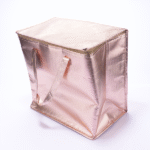
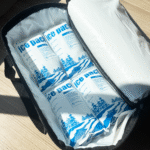
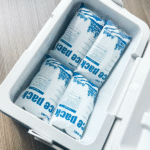
Bepergian dengan membawa barang beku bisa terasa seperti misi berisiko tinggi. Baik Anda membawa pulang ASI dari perjalanan bisnis, delivering frozen meals to a loved one, or embarking on a cross country camping adventure, the challenge is the same: keep your cargo cold without leaks or spoilage. Lapisan es kering have emerged as a flexible, eco friendly solution, offering ultra cold temperatures that traditional gel packs can’t match. In this guide you’ll learn why they’re ideal for travel, how to activate them properly, and how to navigate airline regulations so you stay compliant and stress free.
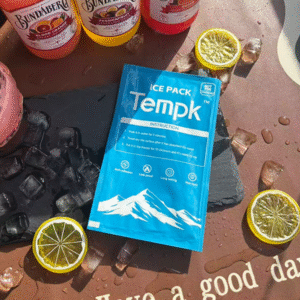
Fitur utama: Understand how dry ice sheets work and why they’re different from blocks or pellets.
Kepatuhan Pengaturan: Learn TSA and airline rules for flying with dry ice.
Pengaktifan & Penanganan: Follow step by step instructions to hydrate and freeze your sheets safely.
Tips Pengepakan: Get practical advice on packing coolers and luggage for road trips and flights.
Keberlanjutan & Tren: Discover eco friendly innovations and 2025 wawasan pasar.
FAQ & Studi Kasus: Find answers to common questions and read real world examples of travelers using dry ice sheets.
Why Are Dry Ice Sheets Ideal for Travel?
They Provide Even Ultra Cold Coverage
Dry ice sheets are thin panels or blankets filled with carbon dioxide snow. Each cell holds solid CO₂ encased in biodegradable film, allowing the gas to sublimate evenly across your goods. Compared with loose pellets that shift during transit or blocks that create cold spots, sheets deliver consistent, ultra cold coverage as low as −109.3 °F (−78.5 ° C.). This ensures that even delicate items like vaccines or breast milk remain safely frozen.
Fleksibel, Space Saving Design
Traditional dry ice often comes in bulky blocks or small pellets that take up valuable space. Sheets are flexible and can be cut to fit any cooler or luggage compartment. Because they lie flat, they create an even layer of cold and maximize contact with the product. When you’re juggling suitcases or working with limited carry on dimensions, this space saving quality is a game changer.
Bahan Ramah Lingkungan
Many dry ice sheets today use biodegradable films made of paper, cellulose or plant based polymers. After the CO₂ sublimates, you’re not left with plastic waste. This sustainability is particularly appealing when traveling through airports and national parks where trash disposal is regulated. Some manufacturers even use compostable materials, aligning with broader trends toward extended producer responsibility.
Non hazardous Classification
Because dry ice sheets encapsulate CO₂ snow within sealed cells, they are typically categorized as non hazardous by carriers. Unlike loose dry ice blocks or pellets, which fall under UN1845 hazardous materials regulations, many sheet products avoid strict documentation requirements while still delivering ultra cold temperatures. This makes shipping them or taking them through TSA screenings less burdensome, provided you follow weight limits and label requirements.
Mixed Shipment Capability
If you’re transporting both frozen and chilled items (Misalnya, ice cream and fresh produce), dry ice sheets can be paired with phase change material (PCM) gel packs to create separate temperature zones. Position sheets below the frozen items and gel packs above the chilled goods to maintain –20 °C or colder at the bottom and 2–8 °C at the top. This hybrid arrangement is ideal for camping trips or cross country relocations where you need multi temperature storage in one cooler.
Understanding Regulations: TSA & Aturan maskapai
Carry on vs Checked Luggage Limits
AS. Administrasi Keamanan Transportasi (TSA) allows passengers to travel with hingga 2.5 kg (5.5 lbs) es kering per orang, whether in carry on or checked luggage. The packaging must allow gas to vent—meaning you can’t tape the container shut—and it must be labeled “Dry Ice” or “Carbon dioxide, padat” beserta berat bersihnya. Airlines may require you to declare the dry ice at check in and obtain approval, so always call ahead to confirm.
In carry on baggage, the frozen items must remain frozen solid. If any liquid is present (like partially thawed milk), it’s subject to the 3.4 oz (100 ml) liquid limit for security. In checked bags, the same 2.5 kg limit applies, but your container can be larger—just ensure it vents CO₂.
| Aturan | Carry On | Bagasi Terdaftar | Arti Praktis |
| Max dry ice weight | 2.5 kg (5.5 lbs) per penumpang | 2.5 kg (5.5 lbs) per penumpang | Keep your sheet weight below 5 lbs; cut sheets if necessary |
| Persyaratan ventilasi | Pengemasan harus memungkinkan CO₂ keluar | Sama | Use vented coolers or punch holes in lids; don’t seal airtight |
| Pelabelan | Must label as “Dry ice” with weight | Sama | Use a permanent marker or printed sticker |
| Approval | Airline approval often required | Airline approval often required | Call ahead to verify |
International Flights & Hazardous Declarations
Untuk perjalanan internasional, guidelines mirror TSA rules but carriers such as FedEx and DHL require additional documentation. Air waybills must include “Dry ice, 9, UN1845” for shipments containing loose dry ice. Dry ice sheets may bypass this classification when they contain encapsulated CO₂, but you should still note the weight and label the package to avoid confusion. Check each airline’s website for specifics; some carriers require specialized packaging or limit dry ice use altogether.
TSA Screening Tips
Pack Early: Pre freeze your goods and dry ice sheets so they stay solid at security. Partially thawed items can trigger additional screening.
Declare at Check in: Inform the airline agent about your dry ice sheet and show the label. They may ask for the weight or require an approval tag.
Use a Hard Cooler: TSA recommends a rigid container; rotomolded mini coolers or HDPE mailers are ideal.
Lubang angin & Label: Leave vents open or drill holes; attach a label to the cooler lid and keep a spare inside in case it falls off.
Dengan mengikuti langkah -langkah ini, you can breeze through airport security without stress.
How to Activate and Freeze Dry Ice Sheets
Dry ice sheets are sold dry to minimize weight and cost. Anda harus hidrat Dan membekukan them before use. Here’s a step by step guide based on manufacturer instructions:
Hydrate the Sheets: Submerge the sheet in warm water (100–110 °F) for 5–15 minutes. Warm water speeds absorption. Massage the sheet to remove air pockets.
Mengeringkan & Kering: Remove the sheet and hang it or lay it flat on a clean towel to drain. Do not wring out the cells; they should swell as they absorb water.
Freeze Thoroughly: Place the hydrated sheet in your freezer for at least 24 jam. For maximum cold, use the coldest setting. The sheet will freeze to – 0.4 °F to –5.8 °F in a standard domestic freezer. In commercial freezers or contact freezers, they can reach –190 °F.
Cut to Size: Jika perlu, cut the sheet along the dotted lines before hydration (easier when dry). This allows you to customize the shape for your cooler or lunch box.
Wrap for Cleanliness: Wrap the frozen sheet in a thin cloth or place it in a plastic bag. This prevents condensation from wetting your goods when used as a gel pack; for dry ice version, vent holes are built in.
Combine with Dry Ice: If you need extreme cold, place activated sheets above or below dry ice blocks or slabs to extend cooling time. This combination can keep goods frozen for 48–72 hours.
Store When Not Used: Hydrated but unused sheets can be dried and stored in a closet or trunk; just rehydrate before the next trip.
Tindakan pencegahan keselamatan
Kenakan Sarung Tangan: Dry ice and frozen sheets can cause frostbite. Always handle with heavy duty or insulated gloves.
Ventilasi: Jangan pernah menyimpan es kering dalam wadah kedap udara; CO₂ gas builds up pressure that can cause an explosion.
Keep Away from Kids and Pets: Dry ice can burn skin and is harmful if ingested. Inform your traveling companions about its presence.
Buang Secara Bertanggung Jawab: Let leftover sheets or dry ice sublimate outdoors. Don’t throw them in trash bins or sinks.
Packing Strategies for Road Trips and Flights
Road Trip Packing Guide
Dalam perjalanan darat, you have more flexibility with weight but must manage sublimation and safety. Use these tips:
Pre freeze Everything: Freeze your food and beverages a day in advance. Pre chill your cooler or suitcase to reduce the thermal load.
Layer Strategically: Place dry ice sheets at the bottom or top of your cooler depending on your plan. If you want to keep all items frozen, place them at the bottom and lay sheets on top so cold air sinks down. If you need two temperature zones, put sheets at the bottom for the frozen items and gel packs on top for chilled goods.
Gunakan isolasi: Choose a rotomolded or hard sided cooler. Soft coolers can leak and degrade when exposed to – 109 °F dry ice. Fill empty spaces with crumpled newspaper or towels to reduce air pockets and slow sublimation.
Memantau & Mengganti: Dry ice sublimates at a rate of 5–10 lbs per 24 jam. For a two day road trip, plan for at least 10–15 lbs of dry ice (termasuk lembaran) for a medium cooler. Keep a backup sheet in a secondary cooler or freezer if available.
Vent Your Vehicle: CO₂ gas can accumulate in enclosed spaces. Crack a window and avoid sleeping in a closed car with dry ice. Transport the cooler in the trunk or bed of a truck.
Flight Packing Guide
Flying with dry ice sheets requires careful preparation:
Weigh Your Sheets: Measure the total weight of dry ice (termasuk lembaran) to ensure it is under 5.5 lbs (2.5 kg). If your sheet is heavier, cut it down or remove cells.
Gunakan Wadah yang Tepat: TSA approves rigid plastic or rotomolded coolers. Consider small mailer boxes designed for pharmaceutical shipments; they often come with vent caps and labels.
Label Everything: Write “Dry Ice” and note the weight on the outside. Keep the labeling legible and water resistant by using a permanent marker or waterproof sticker.
Declare at the Gate: Bring the cooler to the check in counter. Airlines may ask you to open the container for inspection or to verify venting.
Keep Vents Open: Do not tape the lid shut. Use latch straps or bungee cords instead. Punch small holes if the cooler’s seal is too tight.
Tips for Multi Day Travel
Check for Replenishment: When traveling long distances, identify local grocery stores or dry ice suppliers along your route. Many supermarkets sell dry ice for $2–$4 per pound.
Swap Sheets at Rest Stops: To keep goods frozen, exchange sublimated sheets for fresh ones after 24–48 hours. Store the extra sheets in an insulated bag with gel packs.
Gunakan monitor suhu: Small data loggers or Bluetooth temperature sensors let you monitor the internal temperature of your cooler without opening it. This reduces lid openings that let warm air in.
Dry Ice Sheets vs Blocks vs Pellets vs Gel Packs
To choose the best dry ice sheet for your trip, compare it with other options. Each form has unique benefits and drawbacks.
| Membentuk | Kisaran suhu | Lamanya | Pro | Kontra | Kasus Penggunaan Terbaik |
| Lapisan es kering | –109 °F to –40 °F | 24–72 jam | Fleksibel; dipotong sesuai ukuran; even cooling; eco friendly films | May require hydration and more preparation time | Flights with weight limits; pendingin kecil; mixed shipments |
| Balok es kering | –109 ° F. | 24–96 h | Longest lasting; lebih sedikit potongan untuk ditangani | Create cold spots; berat; diatur sebagai berbahaya; more cost | Long road trips; large commercial shipments |
| Pelet es kering | –109 ° F. | 12–24 h | Isi kekosongan; easy to pour | Shift easily; durasi lebih pendek; messy sublimation | Perjalanan singkat; quick packaging |
| Paket gel | 32 °F to 45 °F | 6–12 jam | Murah; dapat digunakan kembali; aman | Only keeps items chilled, tidak beku | salad, pharmaceuticals requiring 2–8 °C |
| Paket PCM (Bahan perubahan fase) | –4 °F to 8 °F | 24–96 h | Tidak berbahaya; maintain specific temperature windows | Mahal; memerlukan pengondisian awal | Pengiriman campuran, vaksin |
Why Sheets Often Win for Travelers
If you’re flying or carrying personal goods, weight and compliance are top priorities. Sheets allow you to control weight by cutting or leaving cells behind. Their flat shape fits neatly in carry on coolers without leaving large pockets of warm air. Because many sheets use non hazardous materials, you avoid complicated shipping paperwork. Gel packs alone cannot keep items fully frozen, while blocks and pellets are heavier and less flexible. For multi temperature shipments, combine sheets with PCM or gel packs to optimize each zone.
Calculating How Much Dry Ice You Need
The amount of dry ice depends on container insulation, suhu luar, and trip length. A simple approximation uses heat leak and sublimation rate. One method from cold chain experts suggests equal weight of dry ice to product weight for 48 hour shipments. Untuk 72 jam, use 1.5× the product weight. Another rule: 10–15 lbs keeps a medium cooler frozen for two days. Use the following formula for a rough estimate:
dry_ice_mass (lbs) = (heat_leak BTU/h × duration h × 3.6) / 571 × buffer
Kebocoran Panas: For rotomolded coolers, heat leak ranges from 5–10 BTU/h per sq ft. For soft coolers, itu bisa saja 20 BTU/h.
Penyangga: Multiply by 1.1–1.3 to account for lid openings and warm air intrusion.
Misalnya, if your cooler has 3 sq ft of surface area and heat leak is 8 BTU/h, then Q = 24 BTU/h. For a 48 hour trip, m ≈ (24 × 48 × 3.6)/571 ≈ 7.3 lbs. Tambahkan a 20% buffer to get about 8.8 lbs es kering. If you’re using sheets that weigh 0.5 lb each when hydrated, rencanakan secara kasar 18 lembaran.
Pertimbangan biaya & Sumber
Dry ice sheets and supplies vary in price based on thickness, jumlah sel, dan merek. Berikut rincian umumnya:
| Barang | Harga Khas | Catatan | Tempat membeli |
| Lapisan es kering (hydrated) | $5–$15 per lembar | Price depends on size and eco materials | Specialized shipping suppliers (Tempk, Techni Ice) |
| Es kering longgar | $2–$4 per lb | Available at grocery stores, some gas stations | Supermarket lokal |
| Paket gel | $1–$3 masing-masing | Dapat digunakan kembali; can supplement sheets | Amazon, big box stores |
| Rotomolded mini cooler | $50–$200 | Provides superior insulation | Outdoor retailers, on line |
| Mailers & Label | $10–$20 per kit | Includes vented box and label | Shipping suppliers |
| Temperature monitors | $30–$100 | Bluetooth sensors for remote monitoring | Electronics stores |
Saving Money
Reuse Sheets: Many dry ice sheet products are reusable. Setelah perjalananmu, dry and store them; you only need to hydrate before the next use.
Pembelian Massal: Suppliers often offer discounts for packs of 10 or more sheets. This is useful if you travel often or operate a small business shipping frozen goods.
Kemasan Hibrida: Untuk perjalanan yang lebih pendek, combine dry ice sheets with gel or PCM packs. This reduces the amount of dry ice required while still maintaining safe temperatures.
2025 Tren & Inovasi
Industri rantai dingin berkembang pesat, and dry ice sheets are at the forefront of innovation. Inilah yang baru di 2025:
Bahan berkelanjutan & PFAS Restrictions
Due to growing environmental concerns and regulations on per and poly fluoroalkyl substances (PFAS), manufacturers are shifting to biodegradable films and plant based polymers. These materials break down naturally, Mengurangi limbah TPA. Some companies use paper or cellulose to encase the CO₂, eliminating plastic entirely.
Pelacakan Cerdas & QR Labels
Travelers can now attach QR codes or NFC tags to their coolers. These labels sync with smartphone apps to track temperature, kelembaban dan lokasi. Airlines are testing reusable vent caps with integrated sensors that alert you when CO₂ buildup exceeds safe levels. This technology ensures compliance and provides peace of mind.
PCM hibrida & Paket es kering
Hybrid packs combine dry ice with phase change materials in one sheet. They deliver –20 °C to –60 °C for 36–72 hours, bridging the gap between standard dry ice and PCM products. These packs are non hazardous, avoiding the regulatory burden of loose dry ice while providing colder temperatures than gel packs.
Pertumbuhan Pasar & Supply Concerns
The cold chain packaging market is projected to grow from $36.02 miliar masuk 2025 ke $63.48 miliar oleh 2029 (tingkat pertumbuhan tahunan gabungan sebesar 15.2 %). Demand for CO₂ is rising by about 5 % setiap tahun, sementara pasokan hanya bertambah 0.5 %, menyebabkan kekurangan secara berkala. Sebagai akibat, many consumers are turning to alternative sheet technologies that reduce CO₂ consumption.
Pertanyaan yang sering diajukan
Q1: Do dry ice sheets qualify as hazardous materials?
Dry ice sheets that encapsulate CO₂ snow are often classified as non hazardous and may not require the full UN1845 declaration. Namun, you must still label them as “Dry Ice” and adhere to the 5.5 lb limit for air travel. Check your product documentation and airline policies.
Q2: Berapa lama lapisan es kering bertahan?
Hydrated dry ice sheets maintain ultra cold temperatures for 24–72 hours depending on thickness, isolasi dan kondisi sekitar. Combined with blocks or additional sheets, they can extend cooling to 96 jam atau lebih.
Q3: Can I refreeze used dry ice sheets?
Ya, many sheets are reusable. Setelah digunakan, allow them to warm and dry completely. Store them in a dry place, then hydrate and freeze again when needed. Note that performance may degrade slightly over time.
Q4: Are there alternatives to dry ice sheets?
Paket gel, PCM packs and hybrid sheet technologies provide different temperature ranges. Gel packs keep items chilled (2–8 ° C.) for shorter periods. PCM packs maintain specific temperatures (–4 °F to 8 °F) for longer but cost more. Hybrid sheets combine CO₂ and PCM for 36–72 hours at –20 °C to –60 °C.
Q5: What size sheet should I buy?
Common sizes include 16 cell 11×16 in sheets, 24 cell 15×20 in and 48 cell 15×30 in. Each cell weighs about 0.3 lb when hydrated. Choose a size that fits your cooler with minimal trimming. For small lunch coolers, cut a sheet down; for large rotomolded boxes, use multiple sheets layered between items.
Real World Case Study
Studi kasus: Sarah, a pharmaceutical sales rep, needed to transport vaccine samples from Los Angeles to Seattle. She used two hydrated dry ice sheets weighing 4 lbs total and a small rotomolded cooler. After pre freezing the vaccines and cooler, she layered one sheet on the bottom, the samples in the middle, and a second sheet on top. She declared the dry ice at the check in counter and boarded the 2 hour flight. Sesampainya disana, the internal temperature was –18 °C, and the vaccines remained fully frozen. Sarah reused the sheets for her next trip a week later.
Ringkasan & Rekomendasi
Dry ice sheets are fleksibel, eco friendly and highly effective solutions for keeping goods frozen during travel. They provide even ultra cold coverage, fit snugly into compact spaces, and often avoid hazardous classification when encapsulated. Airline and TSA rules allow up to 5.5 lbs of dry ice per passenger, so weigh your sheets and label them properly. Activate sheets by hydrating and freezing them for 24 jam, and always wear gloves when handling. Untuk perjalanan panjang, combine sheets with gel or PCM packs and monitor temperature with sensors. As sustainability and technology advance in 2025, expect to see biodegradable films, smart tracking labels and hybrid dry ice solutions in the market.
Rencana aksi
Evaluate Needs: Determine whether you need freezing or chilling. Choose dry ice sheets for –20 °C to –40 °C freezing and gel packs or PCM for chilled goods.
Purchase Quality Sheets: Select biodegradable or reusable sheets that fit your container. Hydrate and freeze them 24 hours before departure.
Mengemas & Menimbang: Item pra-pembekuan, layer sheets correctly and weigh the total dry ice to ensure it’s under 5.5 lbs for flights.
Label & Menyatakan: Mark the container clearly and inform airline staff. Use vented packaging and keep a spare label inside your cooler.
Memantau & Penggunaan kembali: Use a temperature sensor to track conditions. Setelah perjalananmu, dry and store sheets for future use.
Dengan mengikuti langkah -langkah ini, you can confidently transport frozen goods anywhere—whether it’s across the country on a plane or across town in your car.
Tentang tempk
Tempk adalah pemimpin dalam solusi rantai dingin, offering a range of dry ice sheets, PCM packs and smart packaging. We design sustainable products using biodegradable films and hybrid technologies that keep your goods frozen or chilled for longer. Our research team stays ahead of industry trends, ensuring that you benefit from the latest innovations—like QR enabled vent caps and reusable pack options. Dengan memilih Tempk, you join a growing community committed to safe, responsible and efficient temperature controlled transport.