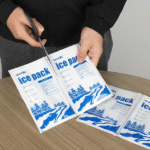
Jika Anda pernah menjalani operasi penggantian lutut atau sedang mengalami cedera olahraga, memilih paket es gel terbaik untuk cedera olahraga penggantian lutut dapat secara dramatis meningkatkan pemulihan Anda. Terapi dingin mengurangi rasa sakit dan bengkak dengan menyempitkan pembuluh darah dan membuat jaringan mati rasa. Studi klinis menunjukkan bahwa menggabungkan terapi dingin dan kompresi setelah artroplasti lutut total (TKA) menyebabkan pengurangan pembengkakan dan nyeri yang lebih besar, dan peningkatan rentang gerak yang lebih cepat dibandingkan lapisan gula standar. Panduan ini menjelaskan mengapa paket gel bekerja dengan baik, bagaimana memilih yang benar, dan cara menggunakannya dengan aman untuk penggantian lutut dan cedera olahraga.
Apa yang Dicakup Artikel Ini
Manfaat paket es gel: bagaimana terapi dingin mengurangi peradangan dan nyeri, dengan bukti dari uji klinis.
Memilih paket terbaik: fitur utama seperti fleksibilitas, daya tahan dan kesesuaian berdasarkan 2025 inovasi produk.
Aplikasi yang aman: pedoman mengenai waktu, frekuensi dan tindakan pencegahan untuk menghindari kerusakan kulit.
Tren dan inovasi: pertumbuhan pasar, bahan ramah lingkungan dan perangkat pintar yang membentuk industri kantong es gel.
FAQ dan tip: jawaban atas pertanyaan umum dan saran praktis untuk pemulihan setelah operasi lutut atau cedera olahraga.
Mengapa Paket Es Gel Penting untuk Penggantian Lutut dan Cedera Olahraga?
Manfaat Terapi Dingin Berdasarkan Bukti
Terapi dingin (Cryotherapy) bekerja dengan menurunkan suhu kulit, mengurangi aktivitas saraf dan menyempitkan pembuluh darah. Efek ini mengurangi peradangan dan membuat area tersebut mati rasa untuk menghilangkan rasa sakit. Dalam uji coba terkontrol secara acak yang membandingkan cryotherapy kompresi dengan kompres es standar setelah artroplasti lutut total, pasien yang menerima kompresi dinamis dan dingin mengalami pengurangan pembengkakan yang jauh lebih besar, nyeri saat beraktivitas, jarak berjalan kaki dan rentang gerak sendi dibandingkan mereka yang menggunakan kompres dingin saja. Lain 2025 penelitian menerapkan terapi dingin tekan dengan a 30 tekanan mmHg untuk 20 menit sekaligus; pasien melaporkan skor nyeri yang lebih rendah dan membutuhkan lebih sedikit obat. Temuan ini menegaskan bahwa terapi dingin—terutama bila dikombinasikan dengan kompresi ringan—membantu mempercepat pemulihan.
Cara Kerja Terapi Dingin (Sederhana)
Paket gel mengirimkan dingin melalui kantong lembut berisi zat pendingin. Saat dingin, mereka menyerap panas dari lutut atau jaringan yang terluka. Secara fisiologis, proses ini:
| Mekanisme | Efek pada Tubuh Anda | Manfaat praktis |
| Vasokonstriksi | Pendinginan menyebabkan pembuluh darah menyempit, penurunan aliran darah | Mengurangi pembengkakan dan pendarahan internal, yang sangat penting setelah operasi atau cedera akut |
| Mengurangi konduksi saraf | Dingin memperlambat transmisi sinyal saraf | Mematikan area tersebut dan mengurangi sinyal rasa sakit |
| Tingkat metabolisme yang lebih rendah | Pendinginan mengurangi aktivitas metabolisme dan fungsi enzim | Membatasi kerusakan jaringan dan peradangan, mempercepat penyembuhan |
| Dukungan aktivasi otot | Suhu sendi yang lebih rendah dapat meningkatkan aktivasi paha depan setelah TKA | Meningkatkan jangkauan gerak dan mendukung rehabilitasi |
Karena kemasan gel tetap fleksibel ketika dibekukan, mereka membentuk kontur lutut untuk pendinginan yang seragam. Hal ini memungkinkan dilakukannya terapi yang ditargetkan tanpa tetesan es batu yang berantakan.
Pedoman Aplikasi yang Aman
Waktu dan teknik yang tepat sangat penting. Para ahli di Johns Hopkins merekomendasikan untuk membungkus paket gel dengan handuk tipis dan mengaplikasikannya 10 ke 20 menit beberapa kali sehari. Klinik Cleveland menyarankan untuk membatasi sesi penggunaan es 20 menit atau kurang untuk menghindari vasodilatasi reaktif dan radang dingin. Tanda-tanda over icing antara lain kulit menjadi merah atau pucat, sensasi kesemutan atau mati rasa. Yang terbaik adalah menunggu setidaknya satu jam di antara sesi dan jangan pernah tertidur dengan kompres dingin.
Tip Praktis untuk Bantuan Maksimal
Mulailah lebih awal: Oleskan paket gel segera setelah cedera atau operasi untuk meminimalkan pembengkakan.
Gunakan penghalang: Selalu letakkan kain atau selongsong di antara kemasan gel dan kulit Anda untuk mencegah cedera akibat dingin.
Ikuti prinsip BERAS: Gabungkan istirahat, es, kompresi dan elevasi untuk pemulihan optimal.
Sesi jeda: Berikan waktu pada jaringan Anda untuk melakukan pemanasan; tunggu setidaknya satu jam di antara sesi icing.
Contoh Dunia Nyata: A 2024 Percobaan BMC menugaskan pasien TKA untuk menjalani cryotherapy kompresif atau pembekuan standar. Setelah 21 hari -hari, kelompok cryotherapy kompresi menunjukkan perbaikan efusi sendi yang jauh lebih besar, nyeri saat beraktivitas, jarak berjalan kaki dan skor KOOS. Hal ini menunjukkan bagaimana kombinasi kompres dingin dan kompresi dapat mempercepat penyembuhan dibandingkan dengan paket gel saja.
Fitur Apa yang Menjadikan Paket Es Gel Pilihan Terbaik?
Bahan dan Konstruksi
Paket gel berkualitas tinggi tahan lama, bahan kelas medis. A 2025 uji coba acak kompres es wajah mencatat bahwa paket gel dapat digunakan kembali, fleksibel dan terbuat dari vinil premium dengan lapisan nilon kokoh untuk mencegah kebocoran. Di dalam kantong, campuran karboksimetilselulosa dan gliserin menjaga kemasan tetap lentur saat dibekukan, memungkinkannya menyesuaikan diri dengan nyaman di sekitar wajah. Saat memilih paket lutut, mencari:
Desain anti bocor: jahitan tertutup ganda dan kulit luar yang kuat mencegah kebocoran gel.
Gel bebas lateks dan tidak beracun: aman untuk kulit sensitif dan ramah lingkungan.
Daya tahan: nilon atau PVC yang diperkuat memastikan penggunaan jangka panjang dan ketahanan terhadap robek.
Fit dan Ergonomi
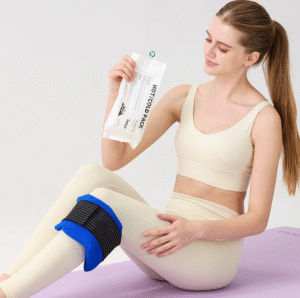
Kompres es gel terbaik untuk cedera olahraga pengganti lutut harus membungkus sendi Anda dengan pas. Kemasan gel yang fleksibel membentuk kurva, dan tali pengikat yang dapat disesuaikan menjaga tas tetap di tempatnya selama bergerak. Menurut pelatih atletik Cleveland Clinic, paket gel beku sangat populer karena mereka biasanya fleksibel dan mudah dibentuk di sekitar area cedera. Pembungkus lutut berkontur dengan Velcro atau tali elastis memungkinkan penggunaan handsfree, yang sangat berguna setelah operasi ketika mobilitas terbatas.
Ukuran dan Retensi Dingin
Paket gel tersedia dalam berbagai ukuran. Kemasan yang lebih besar atau kemasan dengan volume gel ekstra dapat bertahan lebih lama di suhu dingin, namun mungkin lebih besar. Untuk pasien penggantian lutut, kemasan pembungkus yang menutupi bagian depan dan belakang sambungan memberikan cakupan pendinginan yang lebih baik dibandingkan kemasan persegi panjang kecil. Waktu retensi dingin biasanya 15–30 menit; Namun, mengikuti pedoman keselamatan berarti Anda harus melepas kemasannya setelahnya 20 menit tidak peduli seberapa dinginnya suhu di sana.
Fleksibilitas Panas/Dingin
Beberapa paket gel memiliki tujuan ganda: mereka dapat dimasukkan ke dalam microwave untuk terapi panas ketika pembengkakan mereda. Panas meningkatkan aliran darah dan mengendurkan otot-otot yang kaku, yang dapat membantu dalam fase rehabilitasi selanjutnya. Periksa apakah bahan kemasannya aman untuk microwave dan ikuti instruksi pabriknya dengan cermat.
Perbandingan Fitur Utama
| Fitur | Mengapa itu penting | Apa yang Harus Diperhatikan | Manfaat bagi Anda |
| Fleksibilitas saat membeku | Memungkinkan paket membungkus lutut dan menyesuaikan dengan bentuk yang tidak beraturan | Gel dengan gliserin atau karboksimetilselulosa tetap lentur | Memastikan pendinginan dan kenyamanan yang merata |
| Tali yang bisa disesuaikan | Simpan paket dengan aman pada sambungannya | Velcro atau tali elastis yang dapat disesuaikan dengan berbagai ukuran kaki | Lapisan gula bebas tangan; sempurna untuk pasca operasi |
| Tahan lama, bahan anti bocor | Mencegah kebocoran gel dan memperpanjang umur produk | Vinil atau nilon kelas medis dengan jahitan yang diperkuat | Menghindari kebocoran yang berantakan dan mengurangi biaya penggantian |
| Formulasi gel tidak beracun | Aman untuk kulit dan lingkungan | Bebas lateks, Bebas BPA, gel tidak beracun | Ketenangan pikiran untuk penggunaan jangka panjang |
| Ukuran dan cakupan | Menentukan seberapa baik pendinginan lutut atau area cedera | Besar, pelindung lutut atau lengan berkontur | Cakupan yang lebih baik berarti pereda nyeri yang lebih efektif |
Tips Membeli Praktis
Ukur lingkar lutut Anda untuk memilih ukuran bungkus yang tepat.
Pilihlah paket dengan sisipan gel yang dapat dilepas sehingga Anda dapat memutar sisipan tanpa melepaskan seluruh bungkusnya.
Periksa ulasan produk untuk umpan balik tentang durasi dan kenyamanan dingin; kemasan yang dapat digunakan kembali biasanya memiliki peringkat yang lebih baik daripada kemasan sekali pakai.
Pertimbangkan paket tujuan ganda jika Anda berencana untuk bergantian antara terapi dingin dan panas.
Paket Es Gel vs. Metode Pendinginan Lainnya
Paket gel bukan satu-satunya cara untuk mendinginkan cedera. Sangat membantu untuk membandingkannya dengan opsi lain:
| Metode | Keterangan | Pro | Kontra |
| Es serut atau kantong es | Es dalam kantong tertutup yang dibungkus kain | Murah dan mudah didapat | Berantakan saat meleleh; tidak menempel dengan baik pada sambungannya |
| Sayuran beku | Sekantong kacang polong atau jagung digunakan seperti kompres es | Fleksibel seperti es serut; murah | Menghangat dengan cepat dan tidak boleh dibekukan kembali untuk makanan |
| Paket dingin kimia | Paket sekali pakai diaktifkan dengan meremas | Dingin instan untuk keadaan darurat | Dapat mencapai suhu yang sangat rendah; risiko radang dingin jika dibiarkan terlalu lama |
| Gel Ice Pack | Kantong yang dapat digunakan kembali berisi gel | Fleksibel saat dibekukan; tahan bocor; dapat digunakan kembali | Biaya awal; harus dibekukan terlebih dahulu |
| Mesin cryotherapy | Perangkat yang mengalirkan air dingin dan udara di bawah tekanan (MISALNYA., Permainan Siap) | Berikan terus menerus, dingin dan kompresi yang dapat disesuaikan; bukti menunjukkan pemulihan lebih cepat setelah TKA | Mahal; memerlukan listrik dan pemeliharaan |
Keseluruhan, paket gel memberikan keseimbangan antara fleksibilitas, kemudahan penggunaan dan biaya. Bagi sebagian besar pengguna rumahan yang baru pulih dari operasi lutut atau cedera olahraga, paket gel yang bagus dengan tali pengikat memberikan terapi yang efektif tanpa kerumitan peralatan medis.
Praktik Terbaik untuk Menggunakan Paket Es Gel Setelah Penggantian Lutut
Waktu dan Frekuensi
Dalam dua hingga tiga minggu pertama setelah operasi penggantian lutut, icing adalah alat utama untuk mengendalikan rasa sakit. Banyak fisioterapis merekomendasikan penggunaan kompres es gel 15–20 menit, tiga hingga empat kali sehari. Setelah fase akut, Anda dapat mengurangi frekuensinya secara bertahap seiring dengan berkurangnya pembengkakan. Selalu ikuti rekomendasi dokter bedah atau terapis Anda.
Teknik Aplikasi
Siapkan paketnya: Bekukan paket gel setidaknya selama dua jam. Letakkan di dalam wadah pelindung atau bungkus dengan handuk tipis untuk melindungi kulit Anda.
Tinggikan kaki Anda: Duduk atau berbaring dengan lutut terangkat di atas ketinggian jantung untuk mendorong drainase cairan.
Terapkan paketnya: Amankan paket gel di sekitar lutut Anda. Pastikan itu menutupi bagian depan, sisi dan belakang sambungan untuk pendinginan yang merata.
Batasi durasi sesi: Hapus paket setelahnya 20 menit. Tunggu setidaknya satu jam sebelum mengajukan permohonan kembali.
Kombinasikan dengan kompresi: Kompresi ringan meningkatkan aliran balik vena dan meningkatkan efek terapi dingin. Gunakan tali pengikat untuk memberikan tekanan lembut namun menghindari penyempitan aliran darah.
Anjuran dan Larangan
Melakukan:
Ikuti instruksi pasca operasi dari tim kesehatan Anda.
Pantau kulit Anda apakah ada kemerahan atau mati rasa yang berlebihan dan hentikan jika Anda melihat tanda-tanda ini.
Jaga agar area luka tetap kering; gunakan penghalang kedap air jika diperlukan.
Jangan:
Jangan menempelkan es langsung ke kulit atau sayatan bedah.
Jangan es lebih dari 20 menit sekaligus.
Jangan tertidur dengan paket gel di lutut Anda.
Studi kasus: Seorang pasien berusia 75 tahun menggunakan paket gel berkontur dengan kompresi ringan 20 menit, empat kali sehari selama minggu pertama setelah TKA. Dia melaporkan rasa sakit dan bengkaknya berkurang secara signifikan dibandingkan dengan operasi sebelumnya, dimana dia hanya menggunakan kantong es. Paket gel kompresi memungkinkannya untuk berpartisipasi dalam fisioterapi lebih cepat dan mengurangi ketergantungannya pada obat pereda nyeri.
Menggunakan Paket Es Gel untuk Cedera Olahraga
Cedera olahraga seperti keseleo, strain dan tendonitis mendapat manfaat dari prinsip pendinginan yang sama. Cryotherapy sangat efektif jika nyeri disertai pembengkakan. Klinik Cleveland merekomendasikan penggunaan es serut atau kemasan gel fleksibel karena dapat terbentuk di sekitar bagian tubuh yang cedera dan mudah digunakan.
Pendekatan RICE untuk Cedera Akut
Itu metode BERAS-Istirahat, Es, Kompresi, Ketinggian—adalah standar emas untuk menangani cedera muskuloskeletal akut:
Istirahat: Hindari aktivitas yang memberi tekanan pada area cedera.
Es: Oleskan paket gel selama 10-20 menit, dengan setidaknya satu jam antar sesi.
Kompresi: Gunakan perban elastis atau tali kemasan gel untuk memberikan tekanan ringan dan mengurangi pembengkakan.
Ketinggian: Angkat anggota tubuh yang cedera di atas jantung Anda untuk mengurangi aliran darah dan meningkatkan drainase.
Transisi dari Dingin ke Panas
Setelah 48–72 jam pertama, setelah pembengkakan sudah berkurang, beralih ke panas dapat meningkatkan aliran darah dan membantu perbaikan jaringan. Banyak paket gel yang berfungsi ganda; Anda bisa memasukkannya ke dalam microwave untuk membuat kompres hangat. Namun, jangan pernah memberikan panas langsung setelah cedera akut, dan hindari panas jika area tersebut masih bengkak atau memar.
Tip Khusus Olahraga
Tendinitis lutut pelari atau patela: Es segera setelah berlari. Pertimbangkan selongsong lutut dengan sisipan gel bawaan untuk kenyamanan.
Keseleo pergelangan kaki: Bungkus paket gel di sekitar pergelangan kaki dengan balutan kompresi untuk mengurangi pembengkakan dan mendorong kembalinya olahraga lebih cepat.
Ketegangan otot: Ganti lapisan gula dan gerakan lembut untuk mencegah kekakuan; hindari lapisan es yang berlebihan karena dapat memperlambat penyembuhan.
Contoh Atlet: Seorang pemain sepak bola kompetitif mengalami keseleo pergelangan kakinya saat pertandingan. Dengan menggunakan paket gel yang dapat digunakan kembali 15 menit setiap dua jam pada hari pertama, dia berhasil mengendalikan pembengkakan dan kembali melakukan latihan ringan dalam waktu seminggu. Tanpa lapisan gula awal, pemulihannya mungkin akan memakan waktu lebih lama.
Kategori Paket Es Gel Teratas untuk 2025
Paket es gel modern hadir dalam berbagai desain yang disesuaikan dengan kebutuhan berbeda. Daripada menyebutkan merek tertentu, kategori berikut menyoroti fitur yang harus dicari 2025:
1. Pembungkus Lutut Berkontur
Paket ini memiliki fitur yang besar, sisipan gel berbentuk yang menutupi bagian depan, samping dan belakang lutut. Tali pengikat yang dapat disesuaikan memberikan kompresi lembut dan memungkinkan Anda bergerak sambil melakukan icing. Mereka ideal untuk pasien TKA dan atlet yang baru pulih dari operasi ligamen atau meniskus.
2. Lengan Lutut dengan Gel Terintegrasi
Terbuat dari bahan neoprene atau kain elastis, selongsong ini berisi sisipan gel yang dapat dilepas. Mereka tergelincir seperti kaus kaki dan memberikan kompresi yang seragam. Desain handsfree ini nyaman untuk aktivitas sehari-hari maupun penggunaan malam hari.
3. Paket Panas/Dingin Serbaguna
Paket gel persegi atau persegi dapat digunakan pada lutut, bahu atau punggung. Banyak yang dapat di-microwave dan dapat dibekukan, menjadikannya serbaguna untuk terapi panas dan dingin. Mereka berguna untuk rumah tangga di mana banyak anggota keluarga mungkin memerlukan terapi.
4. Paket Rol Gel
Paket silinder ini dirancang untuk digulung di bawah kaki atau di belakang lutut untuk menargetkan otot yang lebih kecil. Mereka menggabungkan pijatan dengan pendinginan, yang dapat membantu meringankan plantar fasciitis atau ketegangan hamstring.
Tabel Perbandingan Fitur
| Kategori | Kesesuaian dan Cakupan | Kompresi | Tujuan Ganda | Ideal untuk |
| Bungkus lutut berkontur | Cakupan penuh pada lutut; membungkus bagian depan dan belakang | Ya, melalui tali pengikat | Seringkali ya (beberapa menyertakan selongsong pemanas) | Pemulihan penggantian lutut, robekan ligamen mayor |
| Selongsong lutut dengan gel | Kompresi seragam di seluruh sendi | Dibangun di | Beberapa model | Atlet aktif membutuhkan lapisan gula bebas genggam |
| Paket serba guna | Bervariasi tergantung pada ukuran | Membutuhkan perban eksternal | Ya | Rumah tangga dan perjalanan (penggunaan serbaguna) |
| Paket rol gel | Menargetkan area kecil seperti di belakang lutut | Minimal | Kadang-kadang | Ketegangan otot, plantar fasciitis |
2025 Tren dan Inovasi Paket Es Gel
Pasar kantong es gel berkembang pesat. Menurut a 2025 analisis pasar, pendapatan paket es gel global diperkirakan akan tumbuh dari USD 311.2 juta masuk 2025 ke USD 572.5 juta oleh 2032, mencerminkan a 9.1% tingkat pertumbuhan tahunan gabungan (CAGR). Paket yang dapat digunakan kembali diproyeksikan untuk memperhitungkan 55.6% pendapatan sebesar 2025, sedangkan bahan gel yang tidak beracun akan dibuat 56.8%. Pemulihan pasca operasi diperkirakan menjadi segmen aplikasi terbesar, menangkap 32.1% dari pasar. Amerika Utara diperkirakan akan memimpin dengan a 36.3% membagikan, sementara Asia Pasifik akan menjadi kawasan dengan pertumbuhan tercepat.
Tren yang Muncul
Bahan ramah lingkungan: Produsen sedang berkembang Paket gel yang dapat terurai secara hayati dan menggunakan polimer berbahan dasar pati dan selulosa untuk mengurangi dampak terhadap lingkungan. Hal ini menanggapi permintaan konsumen akan produk berkelanjutan.
Perangkat cryotherapy pintar: Sensor terintegrasi dan pengaturan suhu yang dikontrol aplikasi memudahkan menjaga waktu pembekuan yang aman dan memantau suhu kulit.
Sistem terapi kombinasi: Produk yang memadukan dingin, kompresi dan terapi pneumatik intermiten (mirip dengan sistem Game Ready) menjadi lebih terjangkau untuk digunakan di rumah. Bukti menunjukkan bahwa kompresi dinamis meningkatkan rasa sakit dan bengkak lebih dari sekedar dingin.
Pertumbuhan layanan kesehatan di rumah: Meningkatnya prevalensi kondisi kronis dan peralihan ke arah rehabilitasi di rumah meningkatkan permintaan akan kemasan gel yang dapat digunakan kembali.
Pertanyaan yang sering diajukan
Q1: Berapa lama saya harus menggunakan kompres es gel setelah penggantian lutut?
Kebanyakan dokter merekomendasikan 15–Sesi 20 menit, tiga hingga empat kali sehari dalam beberapa minggu pertama. Selalu gunakan kain pelindung dan lepaskan kemasannya jika kulit Anda menjadi sangat merah atau mati rasa.
Q2: Bisakah saya menggunakan paket gel yang sama untuk terapi panas?
Ya—banyak paket gel yang memiliki tujuan ganda. Ikuti petunjuk pemanasan dari pabriknya dengan hati-hati, dan jangan pernah memanaskan kemasan yang ditujukan hanya untuk terapi dingin.
Q3: Apakah kemasan gel lebih baik daripada kantong es?
Paket gel lebih fleksibel dan dapat terbentuk di sekitar sendi. Mereka anti bocor dan dapat digunakan kembali, membuatnya lebih nyaman daripada kantong es atau sayuran beku, yang cepat meleleh.
Q4: Kapan saya harus berhenti mengompres dan beralih ke pemanas?
Untuk cedera akut atau segera setelah operasi, lanjutkan mengompres dengan icing selama 48–72 jam sampai pembengkakan mereda. Setelah peradangan berkurang, Anda bisa bergantian dengan panas untuk melancarkan aliran darah. Jangan pernah mengoleskan panas jika bengkak atau memar masih berlanjut.
Q5: Apakah ada situasi di mana saya harus menghindari penggunaan kompres es gel?
Hindari icing jika sensasi kulit Anda berkurang, neuropati atau masalah sirkulasi (Misalnya, karena diabetes). Jangan mengoleskan es pada luka terbuka, lecet atau luka bakar.
Ringkasan dan Rekomendasi
Memilih paket es gel terbaik untuk cedera olahraga penggantian lutut berarti mencari yang fleksibel, paket anti bocor yang pas dan tetap dingin 20 menit. Bukti menunjukkan bahwa terapi dingin—terutama bila dikombinasikan dengan kompresi—mengurangi pembengkakan, meringankan rasa sakit dan mempercepat rehabilitasi setelah operasi lutut. Untuk cedera olahraga, paket gel itu sederhana, komponen efektif dari metode RICE, memberikan bantuan yang ditargetkan dan mendukung kembalinya aktivitas dengan cepat. Riset pasar menunjukkan bahwa dapat digunakan kembali, kemasan gel tidak beracun mendominasi industri ini dan inovasi ramah lingkungan serta perangkat pintar akan membentuk masa depan. Baik Anda sedang dalam masa pemulihan setelah penggantian lutut total atau sedang mengobati keseleo, berinvestasi pada kemasan gel berkualitas dan mengikuti praktik icing yang aman dapat membuat perbedaan yang terukur.
Langkah selanjutnya yang dapat ditindaklanjuti
Pilih paket yang tepat: Ukur lutut Anda, pilih bungkus berkontur dengan tali yang bisa disesuaikan, dan pastikan itu terbuat dari bahan yang tahan lama, bahan tidak beracun.
Ikuti jadwal: Es selama 15-20 menit, tiga hingga empat kali sehari selama fase akut, dan pasangkan terapi dingin dengan kompresi dan elevasi.
Pantau kulit Anda: Gunakan penghalang pelindung dan perhatikan tanda-tanda lapisan es berlebih, terutama jika Anda memiliki kondisi medis yang mempengaruhi sirkulasi.
Konsultasikan dengan profesional: Bicaralah dengan ahli bedah atau fisioterapis Anda untuk menyesuaikan rutinitas pemberian es dengan tujuan pemulihan spesifik Anda.
Rencanakan keberlanjutan: Carilah paket gel ramah lingkungan dan pertimbangkan perangkat yang menawarkan dingin dan kompresi untuk memaksimalkan manfaat.
Tentang tempk
Tempk berspesialisasi dalam solusi rantai dingin dan paket es gel yang dapat digunakan kembali yang dirancang untuk aplikasi medis dan atletik. Kami memanfaatkan pengalaman bertahun-tahun dalam logistik rantai dingin untuk mengembangkan produk yang memberikan hasil yang konsisten, dingin yang tahan lama sekaligus memenuhi standar keamanan dan kualitas yang ketat. Pelindung lutut dan paket gel serbaguna kami menggunakan bahan kelas medis dan gel tidak beracun, memastikan fleksibilitas dan kinerja anti bocor. Kami juga berinvestasi pada kemasan ramah lingkungan dan bahan-bahan yang dapat terbiodegradasi untuk meminimalkan dampak terhadap lingkungan.
Jika Anda sedang menjalani pemulihan setelah operasi lutut atau membutuhkan bantuan dari cedera olahraga, Tempk menawarkan alat dan keahlian untuk membantu Anda menyembuhkan dengan nyaman dan efisien.
Panggilan untuk bertindak
Siap menemukan paket es gel yang ideal untuk kebutuhan Anda? Hubungi pakar terapi dingin Tempk untuk mendapatkan rekomendasi yang dipersonalisasi dan mempelajari lebih lanjut tentang lini produk ramah lingkungan kami. Anda juga dapat menjelajahi artikel terkait tentang topik seperti terapi dingin untuk pemulihan ortopedi, memilih perban kompresi yang tepat Dan mengoptimalkan rehabilitasi pasca operasi untuk lebih meningkatkan perjalanan pemulihan Anda.