Bahan Makanan Laut Terbaik: Apakah Anda Memenuhi Persyaratan Cold Chain?
Diperbarui bulan Desember 28 2025
Ikan segar, kerang dan krustasea adalah bahan berharga dalam budaya kuliner, tapi mereka juga termasuk makanan yang paling mudah rusak. Menjaga makanan lezat ini dalam suhu yang ketat dan standar penanganan mulai dari tangkapan hingga dapur akan mencegah pembusukan, melindungi kesehatan masyarakat dan menjaga rasa. Dalam panduan ini Anda akan mempelajari mengapa rantai dingin itu penting, kerangka peraturan apa yang berlaku, teknologi pengemasan dan pemantauan apa yang akan digunakan dan bagaimana menerapkan ketertelusuran dan jaminan kualitas. Pada akhirnya, Anda akan mengerti cara bertemu persyaratan rantai dingin dan pertahankan bahan makanan laut Anda dalam kondisi terbaiknya.
Artikel ini akan menjawab:
Mengapa persyaratan rantai dingin penting untuk bahan makanan laut? Pelajari tentang standar suhu makanan laut, pencegahan penyakit bawaan makanan dan ilmu pembusukan.
Kerangka peraturan dan kualitas manakah yang mengatur rantai dingin makanan laut? Mengeksplorasi Haccp, Aturan ketertelusuran FSMA, Persyaratan Kode Makanan FDA Dan Peraturan UE.
Solusi pengemasan dan isolasi apa yang menjaga kualitas makanan laut? Menemukan wadah terisolasi, Paket gel, kemasan vakum dan suasana termodifikasi, label pintar Dan bahan berkelanjutan.
Bagaimana sensor dan pemantauan waktu nyata melindungi keamanan makanan laut? Memahami Sensor IoT, analitik prediktif, Peringatan AI dan perbedaan antara rantai dingin tradisional dan rantai dingin yang didukung teknologi.
Seperti apa keterlacakan makanan laut yang efektif?? Pelajari tentang Kode QR, Tag RFID, pencatatan digital Dan pelatihan di seluruh rantai pasokan.
Bagaimana Anda dapat menerapkan prosedur jaminan kualitas mulai dari dermaga hingga distribusi? Tinjau a 10cetak biru langkah, menerima daftar periksa inspeksi Dan pedoman pendinginan dua tahap.
Tren apa yang membentuk rantai pendingin makanan laut 2025? Mengeksplorasi integrasi sensor, Keberlanjutan, otomatisasi Dan jadwal peraturan.
Mengapa Persyaratan Rantai Dingin Penting untuk Bahan Makanan Laut?
Persyaratan rantai dingin sangat penting karena makanan laut cepat rusak ketika suhu naik di atas kisaran aman. Bakteri berkembang biak dengan cepat pada ikan kaya protein, sehingga tidak aman dan tidak menggugah selera jika memasuki “zona bahaya” (dengan kasar 5 ° C ke 57 ° C.) untuk waktu yang lama. Makanan laut segar harus disimpan di antaranya 0 °C dan 5 ° C. (32 °F sampai 41 ° f), sedangkan makanan laut beku harus tetap pada suhu −18 °C (0 ° f) atau lebih dingin. Batasan ini ditetapkan di AS. Kode Makanan FDA dan pedoman internasional untuk memperlambat pembusukan dan mencegah penyakit bawaan makanan.
Makanan laut adalah salah satu penyebab paling umum wabah penyakit bawaan makanan karena penyimpanan dan penanganan yang tidak tepat. AS. Pusat Pengendalian dan Pencegahan Penyakit memperkirakan hal itu 48 juta orang Amerika menderita penyakit bawaan makanan setiap tahunnya. Pembusukan tidak hanya mengancam kesehatan tetapi juga menyebabkan kerugian ekonomi dan pemborosan sumber daya. Mempertahankan rantai dingin yang berkesinambungan – jaringan bejana yang suhunya dikontrol, fasilitas, kendaraan dan peralatan – menjaga tekstur, rasa dan nilai gizi sejak ditangkap hingga dikonsumsi.
Standar suhu untuk ikan, kerang dan krustasea
Kategori makanan laut yang berbeda memerlukan suhu penanganan khusus untuk menjaga kualitas. Tabel di bawah ini merangkum rentang yang direkomendasikan dan menyoroti manfaat kepatuhan terhadap rentang tersebut bagi Anda dan pelanggan Anda.
| Kategori makanan laut | Suhu yang disarankan | Manfaat berkualitas | Apa artinya bagimu |
| Ikan segar (ikan salmon, ikan tuna, cod) | 0 ° C ke 4 ° C. (32 °F sampai 39 ° f) | Memperlambat pertumbuhan mikroba, mempertahankan kekencangan dan mengurangi kehilangan tetesan | Pendinginan yang cepat akan mempertahankan warna dan tekstur; lapisan gula yang tepat memperpanjang umur simpan beberapa hari. |
| Kerang (tiram, kerang, kerang) | 0 ° C ke 5 ° C. (32 °F sampai 41 ° f) | Mencegah perkembangbiakan vibrio dan norovirus; mempertahankan vitalitas hidup | Gunakan es serpihan atau air laut yang didinginkan; hindari menumpuk wadah yang membatasi aliran udara. |
| krustasea (udang, lobster, kepiting) | −1 °C sampai 4 ° C. (30 °F sampai 39 ° f) untuk dingin, −18 °C atau lebih rendah untuk dibekukan | Mempertahankan rasa manis dan tekstur; mencegah degradasi enzimatik | Tangani dengan lembut agar tidak hancur; bungkus dengan kantong es gel untuk menstabilkan suhu selama pengangkutan. |
| Produk makanan laut beku | −18 °C atau lebih rendah | Menghentikan aktivitas mikroba dan reaksi enzimatik, mengunci kualitas | Gunakan kotak berinsulasi dengan bahan pengubah fasa; memantau kinerja freezer secara teratur. |
Tips praktis menjaga suhu makanan laut
Dinginkan segera setelah ditangkap: Pendinginan cepat di kapal menggunakan es bubur atau air laut berpendingin mencegah pertumbuhan bakteri. Ikan harus mencapai 0 °C dalam waktu dua jam setelah pendaratan untuk kesegaran maksimal.
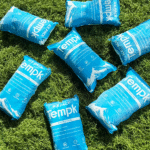
Gunakan kemasan yang sesuai: Wadah berinsulasi dan kantong es gel menciptakan iklim mikro yang stabil. Pengemasan vakum atau pengemasan atmosfer yang dimodifikasi (PETA) selanjutnya mengurangi paparan oksigen dan memperlambat oksidasi.
Pantau terus menerus: Sensor IoT dan pencatat data memberikan visibilitas suhu dan kelembapan secara real-time, memperingatkan Anda tentang penyimpangan sebelum menyebabkan kerusakan.
Jaga agar peralatan tetap terkalibrasi: Kalibrasi termometer secara teratur, freezer dan perangkat pemantauan untuk memastikan keakuratan.
Pisahkan segar dan beku: Simpan produk dingin dan beku di zona berbeda untuk mencegah kontaminasi silang dan fluktuasi suhu.
Kerangka Peraturan dan Kualitas Mana yang Mengatur Rantai Dingin Makanan Laut?
Rantai pendingin makanan laut diatur oleh kerangka internasional dan nasional yang menetapkan batas suhu, standar sanitasi dan persyaratan pencatatan. Memahami aturan-aturan ini sangat penting untuk kepatuhan dan melindungi kesehatan masyarakat. Kerangka kerja utama mencakup Analisis Bahaya dan Titik Kendali Kritis (Haccp) rencana, Amerika Serikat. Undang-Undang Modernisasi Keamanan Pangan (FSMA), Kode Makanan FDA, Peraturan Uni Eropa 852/2004 dan Organisasi Pangan dan Pertanian (FAO) Pedoman.
Jawaban langsung dan poin-poin penting
Kode Makanan FDA mewajibkan makanan dingin, termasuk makanan laut, untuk disimpan di 41 ° f (5 ° C.) atau di bawah, dan makanan beku di 0 ° f (−18 ° C.) atau di bawah. peraturan HACCP (21 Bagian CFR 123) mengamanatkan agar pengolah makanan laut mengidentifikasi titik kendali kritis, menetapkan prosedur pemantauan dan menerapkan tindakan perbaikan. Aturan terakhir FSMA mengenai ketertelusuran (Bagian 204) mewajibkan pelaku rantai pasokan untuk menyimpan Elemen Data Utama pada Peristiwa Pelacakan Kritis dan memberikannya kepada FDA di dalamnya 24 jam. Batas waktu kepatuhan terhadap aturan ini telah diperpanjang hingga Juli 20 2028, memberikan waktu bagi dunia usaha untuk mengadopsi sistem pencatatan digital. Peraturan UE 852/2004 dan pedoman FAO juga menekankan pengendalian suhu, kebersihan dan ketertelusuran di seluruh perdagangan makanan laut internasional.
Kerangka kerja dan persyaratan
| Kerangka | Apa yang dicakupnya | Persyaratan utama | Pentingnya bagi Anda |
| Haccp (21 Bagian CFR 123) | Rencana keselamatan ikan dan produk perikanan | Identifikasi bahaya, memantau titik-titik kritis, memverifikasi prosedur | Mencegah kontaminasi, memastikan kualitas yang konsisten dan diperlukan untuk A.S. prosesor. |
| Kode Makanan FDA | Pedoman layanan makanan dan ritel | Pertahankan makanan dingin di 41 °F atau lebih rendah dan makanan beku pada 0 °F atau lebih rendah | Menetapkan suhu pengoperasian untuk penyimpanan, transportasi dan tampilan. |
| Aturan Akhir FSMA tentang Ketertelusuran (Bagian 204) | Pencatatan dan ketertelusuran | Kumpulkan Elemen Data Penting pada Peristiwa Pelacakan Kritis; memberikan catatan kepada FDA di dalamnya 24 jam | Memfasilitasi penarikan kembali secara cepat dan transparansi; batas waktu kepatuhan bulan Juli 20 2028. |
| Peraturan UE 852/2004 | Kebersihan bahan makanan | Pertahankan rantai dingin selama penyimpanan dan pengangkutan; menerapkan prosedur berbasis HACCP | Importir UE memerlukan bukti kepatuhan; kegagalan untuk memenuhi standar dapat menghalangi masuknya negara tersebut. |
| Kode Etik dan Pedoman FAO | Perikanan dan pengolahan yang berkelanjutan | Menyarankan 0 °C penyimpanan ikan segar, sistem penanganan dan penelusuran yang higienis | Memberikan praktik terbaik global dan mendukung akses ke pasar internasional. |
Elemen data utama dan garis waktu kepatuhan
Aturan ketertelusuran FSMA mewajibkan setiap entitas yang memproduksi, proses, mengemas atau menyimpan makanan laut pada Daftar Ketertelusuran Pangan untuk mengumpulkan Elemen Data Utama (KDE) di Peristiwa Pelacakan Kritis (CTE) seperti memanen, menerima, pengiriman dan transformasi. KDE menyertakan pengidentifikasi unit, deskripsi produk, tanggal dan waktu, jumlah dan informasi kontak bisnis. Sistem digital harus memungkinkan pengambilan data di dalamnya dengan mudah 24 jam. Dengan batas waktu kepatuhan diperpanjang hingga Juli 20 2028, bisnis dapat secara proaktif menerapkan sistem pencatatan dan berkoordinasi dengan pemasok. Kegagalan untuk memenuhi persyaratan ini dapat mengakibatkan tindakan penegakan hukum dan kerusakan reputasi.
Kiat praktis dan praktik terbaik
Tetapkan rencana HACCP: Identifikasi bahaya seperti pembentukan histamin, pertumbuhan patogen atau kontaminasi fisik dan menentukan protokol pemantauan di setiap titik kendali kritis.
Mengadopsi pencatatan digital: Gunakan platform berbasis cloud untuk menangkap KDE secara otomatis. Templat digital menstandarkan format data (MISALNYA., GS1 atau GSSI) dan memastikan ketertelusuran di seluruh mitra dagang.
Staf kereta: Pastikan karyawan memahami persyaratan peraturan, tahu cara melengkapi dokumentasi dan dapat menanggapi audit atau inspeksi.
Tetap terinformasi tentang pembaruan: Tinjau FDA secara teratur, Pedoman FSMA dan UE. Tanggal kepatuhan dapat berubah, dan kontrol baru (MISALNYA., inspeksi berbasis risiko) mungkin diperkenalkan.
Berkolaborasi dengan pemasok: Mendorong pemasok untuk mengadopsi sistem yang sebanding; meninjau sertifikat mereka, riwayat kepatuhan dan daya tanggap selama audit.
Solusi Pengemasan dan Isolasi Apa yang Menjaga Kualitas Makanan Laut?
Pengemasan yang tepat sama pentingnya dengan pengendalian suhu karena melindungi makanan laut dari fluktuasi suhu, kerusakan fisik dan paparan oksigen. Solusi pengemasan berkisar dari kotak berinsulasi sederhana dan kemasan gel hingga pengemasan vakum canggih dan atmosfer termodifikasi (PETA). Pemilihan kombinasi yang tepat bergantung pada jenis produk, durasi transit, dan tujuan keberlanjutan.
Jawaban langsung dan wawasan inti
Wadah berinsulasi dan pelat eutektik merupakan tulang punggung transportasi makanan laut, menjaga suhu dalam kisaran aman selama berjam-jam atau bahkan berhari-hari. Paket es gel dan es kering memberikan pendinginan tambahan, sementara kemasan vakum dan MAP mengurangi kadar oksigen, memperlambat oksidasi dan memperpanjang umur simpan. Paket pintar berkemampuan IoT mengintegrasikan sensor ke dalam kemasan untuk memantau suhu dan kelembapan, dan beberapa bahkan mendeteksi gas pembusuk. Pilihan yang ramah lingkungan seperti pelapis kertas yang dapat didaur ulang, biopolimer dan film biodegradable semakin populer seiring permintaan konsumen terhadap solusi ramah lingkungan.
Pilihan dan pertimbangan pengemasan
| Solusi pengemasan | Keuntungan | Pertimbangan | Apa artinya bagimu |
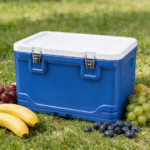
| Kotak dan pelapis berinsulasi | Berikan isolasi termal, menjaga makanan laut tetap dingin selama 24–48 jam bila dikombinasikan dengan kemasan gel | Harus disegel dengan benar; penggunaan kembali terbatas tergantung pada bahan | Ideal untuk pengiriman jarak jauh; pilih bahan yang menyeimbangkan isolasi dan keberlanjutan. |
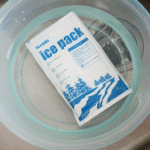
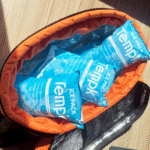
| Gel Ice Packs & pelat eutektik | Menawarkan pendinginan yang konsisten dan menyerap panas laten | Berat menambah biaya pengiriman; risiko kebocoran jika tertusuk | Pilih kemasan gel dengan lapisan luar yang kuat; bekukan pada suhu yang tepat untuk memaksimalkan retensi dingin. |
| Kemasan vakum & PETA | Buang udara atau ganti dengan gas seperti karbon dioksida dan nitrogen; mengurangi oksidasi dan pertumbuhan mikroba | Membutuhkan peralatan khusus dan staf terlatih; risiko roboh jika tertusuk | Berguna untuk fillet ikan dan potongan bernilai tinggi; memperpanjang umur simpan tanpa bahan pengawet kimia. |
| Sensor IoT & Data Loggers | Tanamkan sensor ke dalam kemasan untuk memantau suhu, kelembaban dan guncangan; data dapat diakses secara real-time | Memerlukan konektivitas jaringan dan daya baterai; pertimbangan privasi data | Berikan visibilitas penuh; memungkinkan tindakan perbaikan segera dan dokumentasi kepatuhan. |
| Kendaraan multi suhu | Kendaraan dengan kompartemen terpisah untuk barang dingin dan beku memastikan produk berbeda dibawa pada suhu yang tepat | Biaya modal lebih tinggi; memerlukan pengemudi yang terlatih | Berguna untuk beban campuran; mengurangi risiko kontaminasi silang dan fluktuasi suhu. |
| Film yang dapat terbiodegradasi & pelapis kertas yang dapat didaur ulang | Tawarkan alternatif ramah lingkungan; beberapa bahan mempertahankan kekuatan pada suhu rendah | Mungkin memiliki durasi isolasi yang lebih pendek; mungkin memerlukan film penghalang sekunder | Menarik bagi konsumen yang sadar lingkungan; selaras dengan tujuan keberlanjutan perusahaan. |
Tren pengemasan yang ramah lingkungan dan cerdas 2025
Industri makanan laut mengadopsi inovasi kemasan yang tidak hanya menjaga kualitas namun juga mengurangi dampak lingkungan dan meningkatkan transparansi. Film biodegradable terbuat dari pektin dan selulosa, sering kali diresapi dengan antimikroba seperti zeolit yang mengandung ion perak, secara dramatis mengurangi pertumbuhan mikroba. Label pintar dengan komunikasi jarak dekat (NFC) atau kode QR memungkinkan pelaku rantai pasokan memindai paket dan mengakses log suhu, data asal dan tanggal terbaik. Solusi tersebut memungkinkan konsumen untuk memverifikasi kesegaran dan mendorong konsumsi yang bertanggung jawab. Selain itu, menaikkan titik setel freezer dari −18 °C menjadi −15 °C dapat mengurangi penggunaan energi 10 % dengan tetap menjaga keselamatan, sebuah strategi yang semakin banyak diadopsi oleh penyedia 3PL.
Tips praktis untuk pengemasan
Sesuaikan kemasan dengan spesies: Ikan berminyak seperti salmon teroksidasi dengan cepat; kemasan vakum atau MAP memperlambat ketengikan. Kerang membutuhkan wadah yang dapat bernapas agar tetap hidup, sedangkan krustasea mendapat manfaat dari kompres es gel untuk menstabilkan suhu.
Minimalkan ruang kepala: Udara berlebih mempercepat oksidasi. Gunakan wadah berukuran sesuai dan isi lubang dengan es atau bahan pengemas.
Gunakan liner penyerap: Saat menggunakan es, termasuk bantalan penyerap untuk menyerap air lelehan dan mencegah kontaminasi silang.
Pertimbangkan penggunaan kembali dan daur ulang: Pilih kemasan yang dapat digunakan kembali atau mudah didaur ulang untuk mengurangi limbah dan selaras dengan tujuan keberlanjutan.
Bagaimana Sensor dan Pemantauan Waktu Nyata Menjamin Keamanan Makanan Laut?
Sensor waktu nyata dan teknologi pemantauan memberikan visibilitas suhu secara terus menerus, kelembaban dan kondisi penanganan, memungkinkan intervensi proaktif sebelum kualitas produk terganggu. Rantai dingin tradisional mengandalkan pencatat data manual dan pencatatan kertas, yang hanya mengungkapkan masalah setelah kiriman mencapai tujuannya. Sistem modern mengintegrasikan sensor nirkabel, analitik prediktif dan peringatan otomatis untuk mengubah rantai dingin dari reaktif menjadi prediktif.
Jawaban dan ringkasan langsung
Sensor IoT yang dipasang di unit penyimpanan dan kendaraan mengukur suhu, kelembaban, bukaan pintu dan getaran secara real time, mengirimkan data ke platform cloud yang menghasilkan peringatan ketika pembacaan berada di luar jangkauan. Platform analitik prediktif menggunakan data historis dan masukan lingkungan untuk memperkirakan kapan peralatan mungkin rusak atau kapan suhu sekitar mungkin meningkat selama transit. Peralihan dari pengelolaan reaktif ke pengelolaan prediktif mengurangi pembusukan, memastikan kepatuhan terhadap peraturan dan memberikan ketenangan pikiran kepada pelanggan.
Rantai dingin tradisional vs yang didukung teknologi
Tabel di bawah membandingkan karakteristik rantai dingin tradisional dengan rantai dingin yang ditingkatkan teknologi, mengilustrasikan mengapa sistem cerdas semakin banyak diadopsi.
| Fitur | Rantai dingin tradisional | Rantai dingin yang didukung teknologi | Apa artinya bagimu |
| Pengumpulan data | Pencatatan suhu dan spreadsheet manual; risiko kesalahan manusia | Data sensor IoT berkelanjutan dikirimkan secara real time | Pengumpulan data otomatis menghilangkan kesenjangan dan mengurangi biaya tenaga kerja. |
| Deteksi masalah | Reaktif; penyimpangan yang ditemukan setelah melahirkan | Proaktif; analitik prediktif memperingatkan kenaikan suhu atau kelelahan peralatan | Peringatan dini memungkinkan tindakan perbaikan, menghemat produk dan uang. |
| Rekam aksesibilitas | Catatan kertas disimpan secara offline | Dasbor langsung dapat diakses oleh semua pemangku kepentingan | Meningkatkan transparansi dan memfasilitasi audit. |
| Pelaporan peraturan | Dokumentasi manual dan audit berkala | Laporan kepatuhan yang dibuat secara otomatis | Menyederhanakan kepatuhan terhadap HACCP, standar FSMA dan BRCGS. |
| Visibilitas klien | Terbatas; pelanggan mengandalkan jaminan pemasok | Dasbor waktu nyata dan sertifikat digital | Membangun kepercayaan dan memungkinkan diferensiasi merek. |
Analisis prediktif dan AI
Platform analitik prediktif mengumpulkan data dari sensor, umpan cuaca dan perencana rute untuk mengantisipasi perubahan suhu atau kerusakan peralatan. Algoritme AI mungkin merekomendasikan pengalihan rute pengiriman, menyesuaikan titik setel pendingin atau mengerahkan kru pemeliharaan sebelum kerusakan terjadi. Misalnya, menaikkan titik setel freezer ke suhu −15 °C dapat menghemat energi, sementara analisis prediktif memastikan hal ini tidak membahayakan keamanan pangan. Seiring waktu, sistem ini meningkatkan akurasi dengan mempelajari pola dalam operasi Anda.
Tip praktis untuk penerapan sensor
Identifikasi poin-poin penting: Pasang sensor di lokasi yang paling rentan terhadap penyimpangan suhu – di dekat pintu, di rak atas, dan di dalam kontainer pengiriman.
Integrasikan dengan perangkat lunak: Pilih platform yang menggabungkan data dari berbagai sensor dan menyediakan dasbor yang ramah pengguna. Cari fitur seperti geofencing, peringatan otomatis dan integrasi dengan sistem manajemen gudang Anda.
Uji peringatan dan tetapkan ambang batas: Kalibrasi sensor dan konfigurasikan ambang peringatan berdasarkan rentang suhu aman produk Anda. Lakukan tes simulasi untuk memastikan peringatan dipicu dengan benar.
Latih staf dalam merespons: Kembangkan protokol untuk merespons peringatan, seperti menambahkan es, menyesuaikan peralatan atau mengubah rute pengiriman. Latihan rutin memperkuat kesiapan.
Studi kasus
Contoh dunia nyata: Distributor makanan laut memasang sensor IoT di kendaraan dan gudang berpendinginnya. Saat sensor mendeteksi sedikit kenaikan di atas 4 °C selama pengiriman musim panas, sistem segera mengirimkan peringatan. Staf mengubah rute truk ke fasilitas yang lebih dekat, menambahkan paket gel tambahan dan menurunkan suhu kompartemen. Produk sampai dalam batas aman, dan perusahaan menghindari penolakan yang mahal. Analisis prediktif juga mengidentifikasi pola kenaikan suhu pada kendaraan tertentu, mendorong pemeliharaan preventif yang mencegah kegagalan di masa depan.
Seperti Apa Ketertelusuran Makanan Laut yang Efektif?
Ketertelusuran yang efektif berarti mampu melacak makanan laut mulai dari panen hingga disajikan, memastikan bahwa setiap langkah didokumentasikan, dapat diverifikasi dan transparan. Ketertelusuran mengurangi kesalahan pelabelan, memfasilitasi penarikan kembali dan membangun kepercayaan konsumen. Analisis meta menemukan tingkat kesalahan pelabelan pada rata-rata makanan laut 39.1 %, dengan 26.2 % substitusi. Sistem ketertelusuran digital yang menggabungkan kode QR, Tag RFID dan blockchain mengurangi risiko ini.
Jawaban langsung dan praktik terbaik
Sistem penandaan seperti kode QR dan tag RFID menjaga informasi lacak balak dari kapal penangkap hingga pengecer, memungkinkan pemindaian pada setiap titik kritis dan menghubungkan ke catatan digital. Format data standar (GS1, GSSI) dan templat memastikan konsistensi dan interoperabilitas di seluruh mitra rantai pasokan. Alat pelacakan waktu nyata menggunakan GPS dan sensor untuk menyediakan data lokasi dan suhu, sementara blockchain menawarkan catatan yang tidak dapat diubah yang mencegah gangguan. Ketertelusuran yang efektif juga bergantung pada pelatihan personel untuk memasukkan data dengan benar dan menggunakan alat digital.
Komponen sistem ketertelusuran
| Komponen | Keterangan | Keuntungan | Pentingnya bagi Anda |
| Pengidentifikasi unik | Tetapkan ID unik atau kode batch untuk setiap lot; menggunakan barcode, Kode QR atau tag RFID | Mencegah campur aduk dan memungkinkan penarikan kembali secara akurat | Memungkinkan identifikasi cepat terhadap lahan yang terkena dampak, menghemat waktu dan uang dalam penarikan kembali. |
| Data terstandar | Gunakan standar GS1 atau GSSI untuk nama produk, daerah tangkapan, ID dan tanggal kapal | Memastikan data dapat dibagikan ke seluruh sistem | Menghilangkan kebingungan dan mendukung perdagangan internasional. |
| Pencatatan digital | Sistem berbasis cloud menangkap hasil panen, pengolahan, penyimpanan dan pengiriman data; dapat diakses melalui perangkat seluler | Memberikan visibilitas waktu nyata dan memenuhi persyaratan FSMA KDE | Mempercepat pelaporan peraturan dan membangun kepercayaan dengan pelanggan. |
| Pelacakan waktu nyata | GPS dan sensor memantau lokasi, suhu dan kelembaban selama pengangkutan | Menandai penundaan atau perubahan suhu sebelum berdampak pada kualitas | Memungkinkan intervensi proaktif dan mengurangi pembusukan. |
| Pelatihan dan kolaborasi | Mendidik para nelayan, prosesor, distributor dan pengecer tentang entri data dan penggunaan alat | Meminimalkan kesalahan dan memastikan catatan yang konsisten | Membangun budaya akuntabilitas dan perbaikan berkelanjutan. |
| Penyimpanan aman (MISALNYA., blockchain) | Blockchain atau buku besar terdistribusi menyimpan catatan secara permanen; setiap langkah diberi stempel waktu dan dapat diverifikasi | Mencegah gangguan dan meningkatkan transparansi | Mengurangi penipuan dan kesalahan pelabelan, melindungi merek Anda. |
Pelatihan dan kolaborasi di seluruh rantai pasokan
Kemampuan penelusuran hanya akan sekuat tautan terlemahnya. Investasi dalam teknologi harus dibarengi dengan pelatihan dan kolaborasi. Menyediakan dasbor berbasis peran yang hanya menampilkan data yang relevan bagi pengguna, dan menyelenggarakan lokakarya tentang prosedur entri data dan pemindaian. Mendorong nelayan untuk mencatat waktu panen, metode penangkapan dan koordinat GPS secara akurat. Prosesor harus mencatat waktu penerimaan, suhu dan kondisi penanganan. Distributor harus memindai kiriman saat bongkar muat, dan pengecer harus memverifikasi ID produk pada saat kedatangan. Audit rutin dan tinjauan kinerja memperkuat kepatuhan.
Kiat praktis untuk meningkatkan ketertelusuran
Mulailah dari yang kecil: Terapkan penandaan dan pencatatan digital pada spesies berisiko tinggi terlebih dahulu. Perluas setelah Anda menyempurnakan proses Anda.
Gunakan hubungan orangtua-anak: Ketika produk dipecah atau digabungkan, menjaga hubungan antara lot asli dan baru untuk memastikan ketertelusuran penuh.
Integrasikan dengan sensor: Gabungkan data ketertelusuran dengan pembacaan suhu dan kelembapan dari sensor untuk mendapatkan gambaran lengkap tentang riwayat produk.
Uji sistem Anda: Lakukan penarikan tiruan untuk memastikan catatan Anda memungkinkan identifikasi cepat dan penghapusan produk yang terpengaruh.
Prosedur Penjaminan Mutu: Cetak Biru dari Dock hingga Pengiriman
Jaminan kualitas (QA) memastikan bahwa protokol rantai dingin dijalankan secara konsisten, mengurangi kemungkinan pembusukan dan memastikan kepatuhan terhadap peraturan. Tanpa program QA formal, kesalahan kecil dalam kontrol suhu, penanganan atau dokumentasi dapat terakumulasi dan menyebabkan penolakan atau penyakit produk.
Jawaban langsung dan poin utama
Program QA yang komprehensif dimulai dengan persetujuan pemasok dan diperluas melalui pemeriksaan pra pengiriman, menerima inspeksi, rencana pengambilan sampel, zonasi penyimpanan, praktik sanitasi, kontrol proses, mengemas aturan, pemantauan dan peninjauan catatan, dan tindakan korektif. Kegagalan umum termasuk waktu yang berlebihan di dermaga, pendinginan yang tidak merata, produk yang bersentuhan dengan air leleh, dan kemampuan penelusuran yang lemah. Mengatasi masalah ini memerlukan protokol yang jelas, pelatihan dan perbaikan berkelanjutan.
cetak biru QA: sepuluh langkah untuk makanan laut
| Melangkah | Kegiatan utama | Tujuan | Pentingnya bagi Anda |
| 1. Persetujuan pemasok & kartu skor | Evaluasi pemasok berdasarkan kontrol suhu, integritas kemasan, dokumentasi, daya tanggap dan konsistensi | Memastikan bahan baku aman dan berkualitas tinggi | Gunakan kartu skor untuk mengkategorikan pemasok ke dalam kategori rendah, risiko sedang atau tinggi. |
| 2. Persyaratan pra pengiriman | Konfirmasikan suhu produk, kondisi pengemasan dan dokumentasi sebelum pengiriman | Mencegah produk cacat atau tidak patuh memasuki fasilitas Anda | Mengurangi risiko pembusukan dan memastikan kepatuhan terhadap peraturan. |
| 3. Menerima pemeriksaan | Periksa suhu pada saat kedatangan, periksa kemasan dan kebersihannya, verifikasi label dan dokumentasi dan putuskan untuk menerimanya, menahan atau menolak | Memberikan kontrol langsung pada titik pertama proses Anda | Gunakan daftar periksa digital untuk mendokumentasikan temuan dan membuat jejak audit. |
| 4. Pengambilan sampel dan pengujian | Uji suhu produk secara acak, kadar air, kadar histamin atau patogen | Mendeteksi cacat tersembunyi dan memverifikasi klaim pemasok | Membantu mengidentifikasi masalah sistemik dalam rantai pasokan. |
| 5. Zonasi penyimpanan | Tetapkan zona terpisah untuk dingin, produk beku dan hidup; memantau suhu dan kelembaban | Mencegah kontaminasi silang dan menjaga kondisi optimal | Gunakan zona berkode warna untuk menyederhanakan pelatihan dan audit. |
| 6. Sanitasi dan kebersihan | Peralatan bersih, wadah dan fasilitas secara teratur; menerapkan Cara Manufaktur yang Baik (GMP) dan SOP Sanitasi | Mengurangi kontaminasi mikroba dan bau | Dokumentasikan jadwal pembersihan dan verifikasi penyelesaiannya. |
| 7. Kontrol proses | Memantau dan mengontrol proses seperti kaca, porsi dan pengemasan; menjaga suhu dan mencegah kontaminasi silang | Memastikan keseragaman dan keamanan produk | Gunakan log kalibrasi dan bagan proses untuk melacak penyimpangan. |
| 8. Kemas aturan | Gunakan kemasan yang sesuai, bungkus es atau gel; memastikan penyegelan dan pelabelan yang tepat | Melindungi produk selama pengiriman dan memenuhi kebutuhan pelanggan | Standarisasi prosedur pengepakan dan latih staf. |
| 9. Pemantauan & tinjauan rekaman | Pantau suhu secara terus menerus, kelembaban dan penanganan; meninjau log untuk tren dan anomali | Memberikan jaminan berkelanjutan dan mendukung perbaikan berkelanjutan | Gunakan dasbor digital untuk menyederhanakan peninjauan dan berbagi wawasan. |
| 10. Tindakan korektif & perbaikan berkelanjutan | Tentukan tindakan yang harus diambil ketika terjadi penyimpangan; melakukan analisis akar masalah dan memperbarui prosedur | Mencegah terulangnya kembali dan mendorong pembelajaran | Dokumentasikan tindakan perbaikan dan verifikasi efektivitasnya. |
Menerima inspeksi dan pendinginan dua tahap
Setelah menerima makanan laut, periksa suhu setiap pengiriman, kemasan dan kondisinya. Gunakan termometer atau probe inframerah untuk mengukur suhu permukaan dan internal. Jika suhu produk melebihi kisaran yang dapat diterima, tunda dan selidiki dengan pemasok. Saat berhadapan dengan makanan laut yang dimasak, ikuti pedoman pendinginan dua tahap FDA: keren dari 135 ° f (57 ° C.) ke 70 ° f (21 ° C.) dalam waktu dua jam, dan dari 70 °F sampai 41 ° f (5 ° C.) dalam waktu empat jam tambahan. Pendinginan yang cepat mencegah perkecambahan spora dan produksi racun.
Tip praktis untuk implementasi QA
Buat daftar periksa dan diagram alur: Alat visual membantu staf memahami dan mengikuti prosedur secara konsisten.
Digitalisasi inspeksi: Gunakan aplikasi seluler untuk mengambil pembacaan suhu dan foto; secara otomatis menghasilkan laporan untuk audit.
Tinjau kinerja pemasok: Gunakan kartu skor dan analisis tren untuk mengidentifikasi pemasok berisiko tinggi dan bekerja sama dengan mereka untuk melakukan peningkatan.
Melakukan audit internal: Tinjau program QA Anda secara teratur untuk mengidentifikasi kesenjangan dan memperbarui prosedur.
Dorong umpan balik: Undang karyawan untuk melaporkan masalah dan menyarankan perbaikan. Perbaikan berkelanjutan memerlukan kolaborasi.
2025 Tren dan Inovasi Rantai Dingin Makanan Laut
Rantai pendingin makanan laut berkembang pesat seiring dengan teknologi dan ekspektasi konsumen yang membentuk cara ikan dan kerang ditangani dan dijual. Dari sensor hingga keberlanjutan, tetap menjadi yang terdepan dalam tren ini akan membantu Anda membuktikan operasi Anda di masa depan.
Tinjauan Tren
Pasar rantai dingin global sedang booming, dengan prediksi pertumbuhan yang stabil yang didorong oleh peraturan yang lebih ketat dan meningkatnya permintaan akan makanan berkualitas tinggi yang mudah rusak. Adopsi sensor waktu nyata, Analisis prediktif yang digerakkan oleh AI dan ketertelusuran blockchain meningkatkan transparansi dan mengurangi pembusukan. 3Penyedia PL berinvestasi dalam otomatisasi dan robotika untuk penyortiran dan pengemasan, serta strategi berkelanjutan seperti menaikkan titik setel freezer dari −18 °C menjadi −15 °C untuk mengurangi penggunaan energi sebesar 10 % dengan tetap menjaga keselamatan. Pengemasan cerdas berbasis IoT kini mendapatkan momentum, memungkinkan konsumen memverifikasi kesegaran dengan pemindaian cepat.
Kemajuan terbaru sekilas
Jaringan sensor terintegrasi: Sensor IoT dan pencatat data kini memantau suhu, kelembaban, guncangan dan getaran di seluruh kapal, gudang dan kendaraan, memberikan peringatan waktu nyata.
Analisis prediktif dan AI: Platform menganalisis data sensor dan faktor lingkungan untuk memperkirakan kegagalan peralatan dan merekomendasikan tindakan perbaikan.
Kemasan dan label cerdas: Tag NFC, Kode QR dan indikator waktu-suhu memungkinkan pemangku kepentingan dan konsumen memindai paket dan melihat catatan suhu serta asalnya.
Operasi berkelanjutan: Menaikkan titik setel freezer dan menggunakan film biodegradable mengurangi jejak karbon tanpa mengorbankan keselamatan.
Otomasi dan robotika: Sistem pengambilan dan penyortiran robotik menangani makanan laut dengan hati-hati dan cepat, mengurangi kesalahan manusia dan biaya tenaga kerja. Dikombinasikan dengan AI, mereka mengoptimalkan tata letak penyimpanan dan pola pemuatan.
Pemenuhan mikro dan lokalisasi: Kecil, hub penyimpanan dingin yang berlokasi strategis mengurangi waktu pengiriman dan mendukung pengiriman di hari yang sama, memenuhi harapan konsumen akan kesegaran dan kenyamanan.
Kembar digital dan simulasi: Model virtual fasilitas rantai dingin memungkinkan operator menguji skenario, mengoptimalkan penggunaan energi dan memperkirakan kebutuhan pemeliharaan.
Ketertelusuran dan kepatuhan global: Bagian FSMA yang diperluas 204 tenggat waktu memberi waktu bagi bisnis untuk mengadopsi sistem digital. Industri ini bergerak menuju standar data universal untuk menyederhanakan perdagangan lintas batas.
Wawasan pasar
Konsumen semakin sadar akan keberlanjutan dan transparansi. Survei menunjukkan semakin besarnya keinginan untuk membayar lebih untuk kemasan ramah lingkungan dan sumber makanan laut yang bertanggung jawab. Pada saat yang sama, pertimbangan biaya tetap penting bagi produsen dan distributor. Mencapai keseimbangan antara keberlanjutan, kepatuhan dan profitabilitas memerlukan penerapan teknologi yang meningkatkan efisiensi sekaligus menyelaraskan dengan tuntutan peraturan. Pasar di Asia dan Amerika Latin mengadopsi sistem penelusuran digital untuk memenuhi persyaratan impor di Eropa dan Amerika Utara. Mereka yang beradaptasi sejak dini akan mendapatkan akses ke pasar premium dan membangun loyalitas merek.
Pertanyaan yang sering diajukan
Q1: Berapa kisaran suhu aman untuk makanan laut segar dan beku?
Ikan segar dan kerang harus disimpan di antaranya 0 °C dan 5 ° C., sedangkan produk beku harus disimpan pada suhu −18 °C atau lebih dingin. Kisaran ini mencegah pertumbuhan bakteri dan menjaga tekstur. Gunakan termometer digital dan pemantauan berkelanjutan untuk memastikan kepatuhan.
Q2: Berapa lama ikan bisa bertahan di luar rantai dingin sebelum rusak?
Ikan harus didinginkan 0 °C dalam waktu dua jam setelah panen. Pada suhu kamar, bakteri berkembang biak dengan cepat, dan kualitasnya menurun dalam beberapa jam. Selalu simpan makanan laut dalam es atau lemari es selama penanganan dan pengangkutan.
Q3: Apa yang harus saya cari dari pemasok makanan laut untuk memastikan kualitasnya?
Gunakan kartu skor pemasok untuk mengevaluasi pengendalian suhu, kemasan, dokumentasi, daya tanggap dan konsistensi. Minta rencana HACCP, sertifikat kepatuhan dan catatan suhu. Lakukan audit dan tetapkan harapan yang jelas untuk tindakan perbaikan.
Q4: Bagaimana ketertelusuran digital meningkatkan keamanan pangan?
Sistem ketertelusuran digital mencatat Elemen Data Utama pada Peristiwa Pelacakan Kritis, memungkinkan identifikasi cepat dari lot yang terkena dampak selama penarikan. Mereka mengurangi kesalahan pelabelan dan penipuan, meningkatkan transparansi dan memenuhi persyaratan peraturan. Tag yang dapat dipindai menghubungkan produk fisik dengan riwayat digitalnya, memberikan kepercayaan kepada pemangku kepentingan dan konsumen.
Q5: Apa manfaat penggunaan sensor IoT dalam rantai dingin makanan laut??
Sensor IoT memberikan kontinuitas, data waktu nyata tentang suhu, kelembaban dan variabel lainnya, mengurangi kesalahan manusia dan memungkinkan intervensi proaktif. Analisis prediktif memperingatkan kegagalan peralatan, sementara dasbor cloud menyederhanakan kepatuhan dan membangun kepercayaan. Seiring waktu, sistem ini mengurangi pembusukan, memotong biaya energi dan meningkatkan efisiensi.
Q6: Apakah pilihan pengemasan yang ramah lingkungan cukup tahan lama untuk transportasi makanan laut??
Ya. Film modern yang dapat terbiodegradasi dan pelapis kertas yang dapat didaur ulang mempertahankan kekuatannya pada suhu rendah dan dapat mengandung zat antimikroba. Meskipun beberapa mungkin memiliki durasi isolasi yang lebih pendek, menggabungkannya dengan kemasan gel dan pelapis berinsulasi memberikan kinerja yang sebanding dengan plastik tradisional sekaligus mengurangi dampak terhadap lingkungan.
Q7: Kapan Bagian FSMA 204 batas waktu kepatuhan aturan ketertelusuran?
Batas waktu kepatuhan telah diperpanjang hingga Juli 20 2028. Namun, mengadopsi pencatatan digital sejak dini memungkinkan Anda menyempurnakan proses, mengurangi dokumen manual dan mendapatkan keunggulan kompetitif.
Ringkasan dan Rekomendasi
Kunci takeaways:
Persyaratan rantai dingin untuk makanan laut mandat menjaga produk segar di 0 ° C ke 5 °C dan produk beku pada suhu −18 °C atau lebih rendah. Pengendalian yang tidak tepat menyebabkan pembusukan, penyakit bawaan makanan dan kerugian finansial.
Kerangka peraturan seperti HACCP, Peraturan FSMA dan UE 852/2004 memerlukan kontrol suhu, sanitasi dan ketertelusuran; Batas waktu FSMA Bagian 204 adalah Juli 20 2028.
Solusi pengemasan berkisar dari kotak berinsulasi dan kemasan gel hingga kemasan vakum, PETA dan cerdas, bahan ramah lingkungan. Pemilihan kombinasi yang tepat bergantung pada jenis produk, durasi transit dan tujuan keberlanjutan.
Pemantauan waktu nyata dan analisis prediktif mengubah manajemen rantai dingin dari reaktif menjadi proaktif; Sensor IoT memberikan data berkelanjutan dan peringatan dini.
Ketertelusuran dan jaminan kualitas memerlukan pengidentifikasi unik, data terstandar, pencatatan dan pelatihan digital di seluruh rantai pasokan. Makanan laut yang diberi label yang salah masih menjadi perhatian, menekankan perlunya sistem yang kuat.
Langkah selanjutnya yang dapat ditindaklanjuti
Audit rantai pendingin makanan laut Anda: Petakan setiap tahap mulai dari penangkapan hingga konsumen, mencatat titik-titik potensial penyimpangan suhu atau kesenjangan dokumentasi.
Menerapkan protokol HACCP dan QA: Kembangkan rencana bahaya, menetapkan titik kendali penting dan merancang daftar periksa untuk penerimaan, penyimpanan dan pengiriman. Gunakan alat digital untuk menangkap dan meninjau data.
Berinvestasi dalam sensor dan sistem digital: Mulailah dengan sensor suhu dan kelembapan IoT dan integrasikan dengan platform cloud yang mendukung analisis prediktif dan persyaratan FSMA KDE.
Tingkatkan kemasan: Pilih isolasi yang sesuai, kemasan gel dan larutan vakum atau MAP berdasarkan spesies dan waktu transit. Evaluasi film yang dapat terurai secara hayati dan lapisan yang dapat didaur ulang agar selaras dengan tujuan keberlanjutan.
Memperkuat ketertelusuran: Mengadopsi standar GS1 atau GSSI, menerapkan penandaan QR atau RFID, dan melatih staf dalam entri dan pemindaian data. Uji sistem Anda dengan penarikan tiruan dan sesuaikan proses.
Berkolaborasi di seluruh rantai pasokan: Bagikan harapan dengan pemasok, operator dan pengecer. Lakukan sesi pelatihan bersama dan dorong umpan balik untuk mendorong perbaikan berkelanjutan.
Tentang tempk
Tempk adalah pionir dalam pengemasan rantai dingin, sensor dan solusi pemantauan. Kami merancang wadah terisolasi, bahan pengubah fase dan kemasan gel yang menjaga makanan laut pada suhu yang tepat selama pengangkutan. Kita kemasan cerdas mengintegrasikan sensor yang memantau suhu dan kelembapan secara real time, memberikan peringatan untuk mencegah kunjungan. Kami juga menawarkan platform digital untuk ketertelusuran, memungkinkan pelanggan mengumpulkan Elemen Data Utama dan mematuhi Bagian FSMA 204. Keberlanjutan adalah inti dari misi kami; kita Rangkaian produk ini mencakup film yang dapat terbiodegradasi dan lapisan yang dapat didaur ulang untuk melindungi produk Anda dan planet ini. Bermitralah dengan kami untuk mengamankan rantai pasokan makanan laut Anda dan memuaskan pelanggan dengan bahan-bahan segar.
Panggilan untuk bertindak: Siap untuk meningkatkan operasi makanan laut Anda? Hubungi Tempk hari ini untuk solusi khusus dalam pengemasan, pemantauan dan ketertelusuran yang menjaga bahan-bahan Anda tetap aman, berkelanjutan dan patuh.