Paket Es Kering Massal untuk Pengiriman Bunga: Sistem Pengadaan Enam Gerbang
Sebagian besar Paket es kering untuk pengiriman bunga harus dilepaskan hanya setelah enam pertanyaan memiliki pemilik dan bukti yang jelas. Refrigeran apa itu? Apa yang ditoleransi bunga itu? Bisakah stasiun pengepakan mengkondisikannya secara konsisten? Apakah karton lengkap mengontrol titik hangat dan dingin? Bisakah volume produksi sesuai dengan sampel? Apakah hasil rute dan total biaya membenarkan sistem?? Urutan ini mencegah dua pergantian pemain yang mahal: memperlakukan karbon dioksida padat dan lembaran hidrat yang diaktifkan air sebagai produk yang sama, dan memperlakukan semua bunga sebagai satu komoditas berpendingin. Bunga mekar hidup dapat membeku jika bersentuhan langsung dengan sumber dingin, sedangkan bunga tropis mungkin terluka pada suhu yang tidak beku.
Enam gerbang pengadaan
Gerbang tersebut dapat digunakan untuk pemasok baru, format paket baru, atau perubahan pada rute yang ada.
| Gerbang | Keputusan | Bukti yang diperlukan | Kondisi berhenti |
|---|---|---|---|
| 0. Identitas produk | Apa itu refrigeran dan konstruksinya? | Nama teknis, deskripsi bahan, informasi keselamatan, menggambar, dan kode lot | “Kantong es kering” masih bersifat ambigu |
| 1. Amplop bunga | Suhu berapa, kelembaban, etilen, dan batasan kualitas berlaku? | Spesifikasi spesies dan kultivar yang disetujui dengan kondisi awal | Satu rangkaian bunga generik mencakup spesies yang tidak kompatibel |
| 2. Kesiapan fasilitas | Bisakah pihak asal menyiapkan komponen dengan kecepatan penuh? | Hidrasi, freezer, temper, inspeksi, tenaga kerja, dan uji kapasitas keselamatan | Proses pengambilan sampel tidak dapat diulangi pada volume puncak |
| 3. Arsitektur paket | Bagaimana kartonnya, isolasi, pendingin, hambatan, bunga, dan aliran udara bekerja sama? | Memperbaiki gambar, tagihan bahan, memuat instruksi, dan uji fisik | Cairan pendingin dapat berpindah ke bunga atau menghalangi ventilasi |
| 4. Kualifikasi | Apakah sistem yang tepat bertahan pada profil musiman dan penundaan? | Berulang kali panas- dan data titik dingin, pemeriksaan fisik, dan hasil berkualitas bunga | Data rata-rata saja atau cedera tertunda tidak dinilai |
| 5. Skala dan kontrol | Akankah produksi, rute, dan menerima tetap setara? | Perbandingan produksi pertama, keterlacakan, pelatihan, mengubah kendali, dan tinjauan tren | Bahan atau metode kerja dapat berubah tanpa persetujuan |
Tidak ada gerbang adalah latihan dokumen. Gerbang 0 melindungi keselamatan dan klasifikasi peraturan. Gerbang 1 melindungi bunganya. Gerbang 2 melindungi pengulangan. Gerbang 3 mengubah komponen menjadi konfigurasi. Gerbang 4 memberikan bukti. Gerbang 5 menyimpan bukti itu setelah volume pembelian meningkat.
Gerbang 0: beri nama zat pendinginnya
Es kering sebenarnya adalah karbon dioksida padat, biasanya diidentifikasi sebagai karbon dioksida, padat, UN1845 dalam konteks transportasi yang berlaku. Ia menyublim pada suhu sekitar −78,3°C. Paket tersebut harus mengizinkan pelepasan gas, karbon dioksida dapat terakumulasi di area terbatas, dan kontak kulit langsung dapat menyebabkan cedera dingin. Suhu ekstrim yang sama dapat membekukan kelopak bunga, dedaunan, batang, lengan baju, dan komponen kemasan basah.
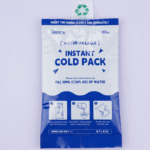
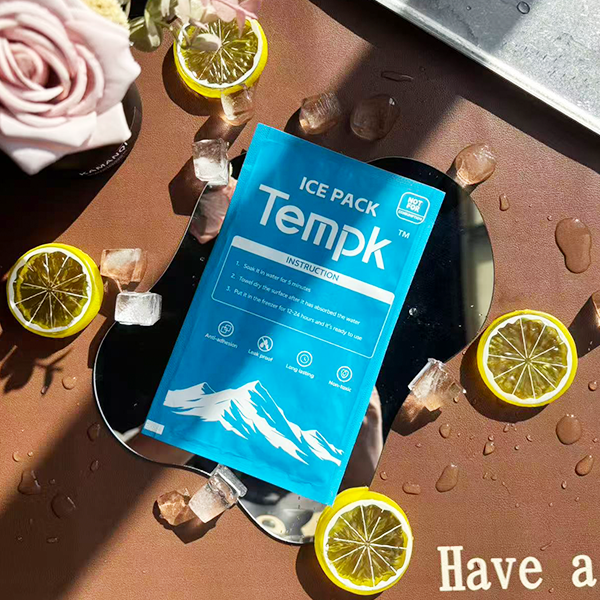
Lembaran dingin hidrat menggunakan struktur penyerap air yang diaktifkan dan dibekukan. Pejabat Tempk paket es kering hidrat deskripsi mengidentifikasi membran permeabel, penyerap polimer, dan film komposit. Ini bukan karbon dioksida padat dan tidak menghasilkan aliran gas es kering. Permukaan awalnya mungkin masih di bawah 0°C setelah pengkondisian freezer, sehingga perlu pembatas dan tata letak khusus bunga.
Sudah diisi sebelumnya Paket gel, Batu bata yang kaku, dan paket PCM membentuk kategori lain. Catat kategori teknis dalam bill of material yang disetujui. Jangan sampai ada pemasok atau pembeli yang mengganti suatu produk karena dimensi atau label pemasarannya terlihat mirip.
Jika es kering yang sebenarnya sedang dipertimbangkan, libatkan tim kepatuhan transportasi dan keselamatan di gerbang ini. Di bawah AS. aturan untuk pesawat atau air, 49 CFR 173.217 mengatasi kemasan yang melepaskan gas karbon dioksida untuk mencegah penumpukan tekanan. Ketentuan udara termasuk pengaturan operator, penandaan massa bersih, dan informasi tertulis dalam kondisi tertentu. Materi penerimaan IATA saat ini mengacu pada Instruksi Pengepakan 954, ventilasi, UN1845, nama pengiriman yang tepat, informasi pesta dan paket, dan kuantitas es kering bersih, tunduk pada variasi operator dan status saat ini.
Persyaratan tersebut tidak berlaku untuk lapisan air hanya karena situs web menyebutnya “paket es kering”. Penamaan yang akurat menghindari ketidakpatuhan terhadap karbon dioksida padat dan kebingungan pembawa yang tidak perlu dibandingkan karbon dioksida biasa paket dingin.
Gerbang 1: menyetujui amplop bunga
Buat satu spesifikasi per kelompok spesies dan rute, bukan lembaran bunga generik.
Amplop tersebut harus mengidentifikasi spesies, kultivar jika relevan, kematangan panen, pengepakan kering atau basah, suhu produk target, batas tindakan atas dan bawah, logika ekskursi yang disetujui, kelembaban relatif atau pendekatan kelembaban, sensitivitas etilen, perawatan awal yang dimiliki oleh tim bunga, pengaturan karton, dan kualitas yang dibutuhkan pada saat diterima dan setelah dipamerkan.
Gunakan referensi pascapanen resmi sebagai masukan. UC Davis merekomendasikan mawar dan anyelir pada suhu mendekati 0°C hingga 1°C berdasarkan praktik penyimpanan tertentu. Hal ini menggambarkan anthurium sangat sensitif terhadap suhu dingin di bawah 10°C dan memberikan wilayah penyimpanan yang jauh lebih hangat. Heliconia tidak boleh disimpan di bawah sekitar 10°C hingga 12,5°C. Kelompok kompatibilitas ekspor USDA juga menjangkau bunga beriklim hampir beku hingga bunga tropis hangat.
Referensi ini menggambarkan penyebarannya; data tersebut tidak menggantikan data kultivar petani, kebutuhan pelanggan, atau validasi rute. Beberapa kultivar mawar merespons etilen secara berbeda. Kematangan panen mengubah perilaku anyelir. Pengepakan basah versus pengepakan kering mengubah beban termal dan risiko kelembapan.
Batas bawah harus diperlakukan sama seriusnya dengan batas atas. Ketika tes paket dirancang hanya untuk mencegah pemanasan, tim mungkin menambahkan massa beku secukupnya untuk melukai bunga di dinding atau tutupnya. Gerbang 1 harus mendefinisikan gejala yang dianggap sebagai kegagalan sisi dingin: tisu yang direndam air, perubahan warna, layu, cedera bract atau kelopak, kegagalan untuk membuka, atau hilangnya kinerja vas sebagaimana berlaku.
Gerbang 2: membuktikan kesiapan stasiun pengepakan
Kinerja massal bisa gagal sebelum karton ditutup.
Untuk lembar hidrasi, memetakan alur kerja dari kotak kering ke paket sisi garis. Tentukan kualitas air jika material, waktu rendam, metode pembuangan, orientasi lembar, kondisi terhidrasi yang dapat diterima, tata letak rak, ukuran batch freezer, jarak, titik akhir pengkondisian, temper, inspeksi, identifikasi banyak, dan waktu penyimpanan maksimum yang disiapkan. Ukur throughput pada puncak yang direncanakan, bukan minggu rata-rata.
Untuk paket yang sudah diisi sebelumnya, konfirmasi pemuatan freezer, sirkulasi udara, jejak penyimpanan, rotasi, pemisahan paket, dan kondisi setelah penanganan berulang kali. Palet padat berisi paket gel bersuhu ruangan dapat membebani freezer yang dapat menangani percobaan kecil dengan mudah.
Es kering sejati memerlukan proses penerimaan dan penyimpanan terpisah. Sertakan keandalan pasokan lokal, kehilangan sebelum pengepakan, ventilasi, pemantauan gas jika diperlukan oleh penilaian keselamatan, alat terisolasi, peralatan pelindung, penimbangan terkontrol, pembuangan, dan personel terlatih. Informasi massa bersih dan paket yang digunakan untuk pengangkutan harus mencerminkan peraturan yang berlaku dan pengoperasian sebenarnya.
Pekerja sementara harus berpartisipasi dalam uji kapasitas. Instruksi memerlukan gambaran yang jelas dan titik akhir yang terukur. Jika hanya dua insinyur terlatih yang dapat menghidrasi lembaran secara seragam atau memasang penghalang dengan benar, sistem belum siap untuk program bunga liburan.
Tetapkan kontrol di sisi garis untuk kemasan yang terlalu hangat, terlalu dingin, rusak, saling menempel, tidak terhidrasi secara sempurna, bocor, terkontaminasi, atau di luar massa yang disetujui. Disposisi harus didokumentasikan daripada diputuskan dengan menambahkan paket lain.
Gerbang 3: membekukan arsitektur paket
Gambar harus menunjukkan karton dan struktur internal yang tepat. Sertakan dimensi luar, dimensi internal yang dapat digunakan, lubang ventilasi, sambungan isolasi, liner, lengan baju, reservoir batang, pelindung kepala, pengatur jarak, kantong pendingin, hambatan, isi kosong, penutup, Label, dan orientasi paket.
Geometri bunga menjadikan hal ini penting. Batang yang panjang memiliki massa termal yang relatif rendah dibandingkan dengan muatan makanan yang padat, dan kepala mekar dapat berkumpul di salah satu ujungnya. Pencatat udara pusat mungkin melewatkan antarmuka kelopak beku. Seprai fleksibel dapat bergerak di sekitar lengan atau melorot ke ruang kepala. Paket yang kaku dapat merusak batang saat ditekan.
Lindungi kekuatan karton. Panduan ekspor USDA mencatat gabungan tantangan penanganan yang kasar, getaran, kompresi, dan kelembaban tinggi. Pola ventilasi dan pegangan tangan tidak boleh melemahkan kotak melebihi muatan palet. Lapisan basah, kondensasi, atau kantong batang yang bocor dapat mengurangi kekuatan bergelombang. Uji karton setelah siklus termal, tidak hanya saat kering dan baru.
Lindungi aliran udara. Pendinginan awal dengan udara paksa bergantung pada kesejajaran bukaan dan jalur melalui beban. Selama pengangkutan kendaraan, penumpukan dan penyangga harus menjaga sirkulasi dan mencegah pergerakan. Selembar yang ditempel di ventilasi dapat meningkatkan pembacaan suhu dingin lokal sambil membiarkan bagian tengah karton tetap hangat.
Kontrol kelembapan sesuai desain. Mawar dapat dikemas kering dalam karton berlapis, namun air bebas pada kelopak bunga dapat mendukung Botrytis. Bunga mekar tropis mungkin menggunakan bahan parut yang lembab. Lembar hidrasi mungkin memiliki permukaan lembap setelah aktivasi. Tentukan kelembapan apa yang dimaksudkan, kemana ia dapat melakukan perjalanan, dan bagaimana hal itu terkandung.
Sebelum pengujian, melakukan getaran, penanganan, dan uji inversi cukup untuk mengungkap pergerakan. Buka karton dan konfirmasikan paket itu, hambatan, batang, dan kepala tetap berada di zona yang ditentukan. Perbarui gambar sebelum kualifikasi termal.
Gerbang 4: memenuhi syarat rute, termasuk kualitas yang tertunda
Tulis protokolnya sebelum melihat datanya.
Tentukan suhu awal bunga dan kondisi hidrasi yang disetujui, muatan dan pengaturan, bahan yang tepat, kondisi paket dan massa, profil sekitar, lamanya, menangani peristiwa, model sensor dan kalibrasi, interval pengambilan sampel, peta sensor, kriteria kualitas bunga, berulang, dan aturan penyimpangan.
Gunakan profil musim panas untuk menantang masuknya panas dan profil musim dingin untuk menantang pendinginan berlebih. Tambahkan penundaan yang dibenarkan atau acara dok. Untuk ekspor udara, memperhitungkan penanganan asal, jalan, penerbangan, transfer, bea cukai, dan tujuan. Profil rute harus cukup konservatif untuk mendukung keputusan bisnis namun tidak boleh ditampilkan secara universal.
Sensor harus mencakup prediksi posisi panas dan dingin: dekat tutupnya, di dinding luar, di samping penghalang pendingin, di antara kepala mekar, sepanjang batang, dan di tengah. Dimana praktis, membedakan udara dari jaringan atau suhu permukaan. Amankan probe agar tidak berpindah ke titik kontak buatan.
Evaluasi kemasannya setelah dijalankan. Periksa kebocoran paket, perpindahan penghalang, basahnya karton, menghancurkan, penyumbatan ventilasi, adhesi label, dan integritas batang-reservoir.
Kemudian evaluasi bunganya. Pemeriksaan spesifik spesies mungkin mencakup perubahan warna kelopak atau spathe, daerah yang terendam air, layu, jatuhnya daun atau kelopak, leher bengkok, kepala hancur, Botrytis, bau, kegagalan untuk membuka, dan kinerja vas. Cedera dingin dapat muncul setelah dihangatkan kembali, jadi tentukan titik observasi pasca kedatangan.
Uji coba bunga tropis hipotetis
Bayangkan seorang eksportir anthurium dan heliconia menerima proposal untuk lembaran beku yang sama yang digunakan dalam bungkusan mawar. Kutipannya menjanjikan pendinginan yang lama dan menggunakan karton berinsulasi tebal.
Di Gerbang 0, eksportir memastikan bahwa lembaran tersebut adalah polimer terhidrasi, bukan karbon dioksida padat. Di Gerbang 1, tim mutu mendokumentasikan kebutuhan penyimpanan hangat dan batas dingin kedua bunga tropis. Di Gerbang 2, hal ini menegaskan bahwa stasiun dapat mengkondisikan alternatif PCM pada keadaan awal yang diinginkan.
Di Gerbang 3, dua prototipe dibuat: PCM di saluran samping tetap dan desain khusus insulasi untuk rute udara yang dikontrol ketat. Tidak ada air beku yang menempel pada bunga. Kemasan parutan lembab yang digunakan untuk spesies ini disertakan karena dapat mengubah massa, perpindahan panas, dan kelembaban karton.
Alat pengambilan keputusan yang berguna
Periksa detailnya sebelum Anda memilih kemasan
Alat cepat ini dapat membantu Anda membandingkan risiko rute, kebutuhan ukuran, pilihan pendingin, dan detail kemasan sebelum Anda meminta penawaran.
Pembuat Daftar Periksa Kepatuhan
Buatlah daftar periksa praktis untuk tinjauan kemasan, pengiriman, dan dokumentasi.
Buat daftar periksaPelapis Kotak & Ukuran Penutup Palet
Centang kotak logika ukuran penutup palet dan liner untuk proyek pengemasan berinsulasi.
Perkiraan ukuranKalkulator Es Kering
Perkirakan kebutuhan es kering untuk pengiriman beku atau sangat dingin sebelum pengepakan.
Perkirakan es keringGerbang 4 berlaku asal panas, jalan dingin, dan menunda eksposur. Sensor memetakan saluran samping dan bunga pusat. Pemeriksaan kualitas mencari anthurium yang berwarna ungu atau kecoklatan, cedera helikonia, memar, penyumbatan batang, dan tampilan pasca kedatangan. Keputusan tersebut kemudian dapat membandingkan dua sistem yang didukung daripada menanyakan apakah lembaran generik “membuat bunga tetap dingin.”
Contoh ini tidak mengasumsikan pemenang atau menciptakan hasil. Ini menunjukkan bagaimana amplop bunga mengontrol eksperimen.
Gerbang 5: menjaga kesetaraan dalam skala besar
Setelah persetujuan, merilis konfigurasi master yang tepat. Kontrol pemasok harus mencakup dimensi, massa, film atau cangkang, penyerap atau pengisi, segel, pola sel, pencetakan, ketertelusuran banyak, inspeksi, ketidaksesuaian, dan mengubah pemberitahuan.
Bandingkan produksi pertama dengan sampel yang disetujui. Periksa kesesuaian dimensi, massa yang terkondisi, integritas fisik, keseragaman hidrasi, fleksibilitas suhu rendah, dan kinerja paket sesuai kebutuhan risiko. Lot massal tidak diterima karena satu lembar praproduksi telah terlewati.
Situs asal harus mengaudit hidrasi, pembekuan, temper, jumlah paket, penempatan, kondisi awal bunga, dan penutupan karton. Penerima harus mencatat kerusakan, kebasahan, posisi bungkusan, suhu yang dipilih, cacat bunga, dan data logger hilang. Buat tren hasil berdasarkan lot pemasok, menggeser, rute, musim, dan spesies.
Tentukan pemicu rekualifikasi. Mereka mungkin menyertakan kultivar baru, perubahan kematangan panen, pergantian paket basah ke kering, lengan baru, penggantian karton atau ventilasi, substitusi isolasi, reformulasi zat pendingin, penggantian film atau segel, lokasi produksi yang berbeda, peningkatan freezer, perubahan rute atau maskapai penerbangan, musim baru, atau durasi lebih lama.
Pengendalian perubahan harus bersifat bilateral. Pemasok memberi tahu pembeli tentang perubahan komponen penting, dan pembeli memberi tahu pemasok bila terjadi perubahan muatan atau kondisi pengoperasian. Jika tidak, kedua belah pihak dapat percaya bahwa bukti lama masih berlaku meskipun sistemnya telah berbeda.
Kumpulkan file penerimaan massal
File penerimaan praktis harus cukup pendek untuk digunakan dan cukup lengkap untuk direproduksi:
spesifikasi bunga dan rute yang disetujui;
nama teknis produk, deskripsi bahan, informasi keselamatan, dan menggambar;
spesifikasi manufaktur pemasok, toleransi, inspeksi, dan ketertelusuran banyak;
aktivasi paket, pengkondisian, penyimpanan, dan instruksi penolakan;
tagihan akhir bahan karton dan gambar kemasan;
protokol pengujian terkontrol, data mentah, penyimpangan, foto, dan pengamatan yang berkualitas;
ringkasan jalur-pilot dan menerima umpan balik;
dokumen pengangkutan dan penerimaan pengangkut yang berlaku untuk karbon dioksida padat;
catatan uji coba dan pelatihan kapasitas stasiun pengepakan;
perbandingan produksi pertama;
perjanjian pemberitahuan perubahan dan pemicu kualifikasi ulang;
asumsi total biaya dan tanggal peninjauan.
Hindari file yang seluruhnya terbuat dari sertifikat. Sertifikat manajemen mutu dapat mendukung kepercayaan pemasok, pernyataan material mungkin mendukung kontak yang dimaksudkan, dan laporan termal mungkin mendukung satu konfigurasi. Tidak ada yang bisa menggantikan amplop bunga atau kemampuan situs untuk mereproduksi paket tersebut.
Kepemilikan dokumen itu penting. Kualitas produk memiliki batasan biologis. Rekayasa pengemasan memiliki konfigurasi dan protokol. Operasi memiliki pengkondisian dan pengepakan. Pengadaan memiliki persyaratan komersial dan koordinasi pemasok. Keselamatan dan kepatuhan memiliki aturan penanganan dan pengangkutan es kering yang sebenarnya. Menerima data hasil perbekalan. Tetapkan nama sebelum peluncuran.
Harga program dan mode kegagalannya
Bandingkan akuisisi, persiapan, distribusi, pemulihan, dan biaya kegagalan.
Akuisisi termasuk lembaran atau bungkus, karton terisolasi, hambatan, liner, pencetakan, perkakas, sampel, angkutan masuk, inspeksi, dan inventaris. Persiapan meliputi hidrasi, air, rak, drainase, freezer dan energi ruang dingin, tenaga kerja, temper, penyimpanan, hilangnya es kering, peralatan pelindung, dan pelatihan.
Distribusi mencakup berat dan volume keluar, biaya operator, dokumentasi, pemantauan, ruang palet, dan tingkat layanan. Pemulihan termasuk transportasi kembali, penyortiran, pembersihan, pengeringan, inspeksi, memperbaiki, refreezing, kehilangan aset, dan pembuangan.
Kegagalan mencakup batang yang terdegradasi, karton yang ditolak, penggantian acara, klaim, mengolah lagi, umur vas lebih pendek, gejala dingin yang tertunda, investigasi, dan pengiriman darurat. Biaya model per batang yang diterima atau karton yang berhasil, bukan per kemasan dingin.
| Modus kegagalan | Bukti awal | Kemungkinan mekanisme untuk diselidiki | Respon terkendali |
|---|---|---|---|
| Perubahan warna di sebelah cairan pendingin | Sensor dingin atau pola kontak | Bungkus terlalu dingin, penghalang yang hilang, atau pergerakan lembaran | Pegang produk, memulihkan tata letak yang disetujui, dan mengkualifikasi ulang perubahan tersebut |
| Pusat hangat dengan dinding dingin | Jejak sensor divergen | Aliran udara tersumbat, kekosongan yang berlebihan, atau distribusi yang buruk | Tinjau ventilasi, kepadatan beban, isolasi, dan posisi paket |
| Kelopak dan karton basah | Kondensasi atau kebocoran | Perputaran suhu, air permukaan lembaran hidrat, reservoir batang, atau kapal | Identifikasi sumber kelembapan dan rancang ulang wadah atau penanganannya |
| Kelopak jatuh atau mengantuk | Penurunan kualitas spesifik spesies | Paparan etilen, kematangan, atau kesenjangan pengobatan | Selidiki sumber rute; jangan menambahkan cairan pendingin sebagai default |
| Kepala hancur | Deformasi karton atau kemasan kaku yang bergeser | Hilangnya kekuatan basah, menumpuk, atau pengendalian yang buruk | Spesifikasi kotak ulasan, yg menguatkan, bungkus saku, dan pola palet |
| Lot massal berbeda dengan sampel | Massa, segel, ukuran, atau variasi pengkondisian | Perubahan pemasok atau proses | Karantina banyak dan gunakan proses ketidaksesuaian dan pengendalian perubahan yang disepakati |
| Pengiriman udara ditolak | Kegagalan daftar periksa penerimaan | Penandaan es kering salah, dokumentasi, ventilasi, atau pengaturan operator | Benar dengan personel kepatuhan yang terlatih sebelum tender |
Tabel risiko menjaga tindakan korektif tetap terikat pada mekanisme. Pusat yang hangat tidak selalu membutuhkan lebih banyak zat pendingin, dan jatuhnya kelopak belum tentu menunjukkan kegagalan termal. Pekerjaan akar penyebab melindungi kualitas bunga dan efisiensi bahan.
Pertanyaan yang sering diajukan
Dapatkah lembar hidrat yang sama disetujui untuk beberapa spesies bunga?
Komponen fisiknya mungkin umum, tapi pengondisian, kuantitas, penempatan, penghalang, dan karton bisa berbeda. Persetujuan harus berdasarkan kelompok spesies dan rute yang ditentukan. Kesamaan hanya berguna jika bukti termal dan kualitas mendukungnya.
Apakah pembelian massal memerlukan audit pemasok?
Levelnya tergantung pada risiko dan volume. Pembeli setidaknya harus meninjau seberapa penting bahan tersebut, ukuran, massa, segel, perilaku hidrasi, inspeksi, keterlacakan, ketidaksesuaian, dan perubahan dikendalikan. Program berisiko tinggi mungkin memerlukan audit jarak jauh atau audit lapangan berdasarkan proses kualitas pembeli.
Apa yang membuat tes rute representatif?
Ini menggunakan bunga yang disetujui, kondisi awal, karton, isolasi, pendingin, hambatan, urutan paket, paparan musiman, lamanya, serah terima, dan metode penerimaan. Ini juga mencatat penyimpangan. Satu pengiriman yang berhasil dapat mendukung suatu proyek percontohan, namun jarang sekali dapat menghasilkan pengulangan musiman yang luas saja.
Haruskah pemasok menjamin waktu tunggu universal?
TIDAK. Waktu tunggu tergantung pada sistem penuh, muatan, suhu awal, pengkondisian, profil lingkungan, sensor dan kriteria penerimaan, dan menangani. Mintalah konfigurasi dan kondisi yang telah diuji. Durasi universal yang terlepas dari input tersebut bukanlah spesifikasi pembelian yang dapat diandalkan.
Kapan paket massal harus dikualifikasi ulang?
Kunjungi kembali setelah perubahan spesies, kultivar, tahap panen, suhu produk, metode kelembaban, muatan, karton, ventilasi, isolasi, pendingin, penghalang, peralatan pengkondisian, bahan pemasok, rute, pembawa, musim, atau durasi. Kunjungan berulang atau keluhan kualitas juga menjadi pemicunya.
Aturan rilis
Setujui volume hanya ketika organisasi dapat mereproduksi mengapa sistem aman untuk bunga yang disebutkan di rute yang disebutkan. Jawabannya harus mengidentifikasi zat pendingin, amplop biologis, kapasitas pengkondisian, geometri tetap, panas- dan bukti-bukti dingin, hasil kualitas yang tertunda, kontrol pemasok, persyaratan transportasi, dan total biaya.
Aturan itu sering kali menjauhkan bunga segar dari es kering yang sebenarnya. Ini mungkin mendukung lembaran hidrat, Paket gel, PCM, transportasi berpendingin, atau kontrol isolasi saja dalam aplikasi yang berbeda. Caranya tetap sama: memenuhi syarat rute, bukan nama produknya.
Tentang tempk
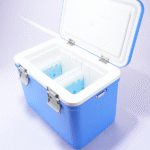
Tempk menawarkan lembaran dingin hidrat yang diaktifkan air, Paket gel, batu bata es, kotak terisolasi, dan terkait kemasan rantai dingin komponen. Paket es kering hidratnya dibekukan setelah menyerap air dan berbeda dari karbon dioksida padat. Kita bisa bekerja dari amplop bunga, gambar karton, rute, throughput puncak, dan menggunakan kembali rencana untuk mendiskusikan format kandidat dan masukan uji coba. Rilis final harus bergantung pada konfigurasi yang disetujui pembeli, bukti, dan pengendalian operasi.
CTA: Bawalah Tempk karton Anda saat ini, matriks spesies, profil rute, asumsi tingkat puncak, dan kriteria kualitas untuk mengidentifikasi gerbang pengadaan berikutnya dan sampel yang sesuai.