Distributor Paket Es Kering untuk Logistik Biologis: Gerbang Persetujuan
Seorang distributor es kering paket untuk logistik biologis harus digunakan secara rutin hanya setelah produk, bahan, jalur, kualifikasi, inventaris, pemantauan, dan gerbang kualitas ditutup. Ini melindungi distributor dari mengolah karbon dioksida padat, lembar hidrasi yang diaktifkan air, Paket gel, dan paket PCM sebagai sumber dingin yang dapat dipertukarkan. Hal ini juga menjaga kondisi biologis yang disetujui sebelum kenyamanan gudang. Program terakhir harus mengidentifikasi muatan dan rute mana yang dicakup oleh setiap kode paket, bagaimana komponen dikondisikan dan ditelusuri, apa yang dimaksud dengan data pemantauan, siapa yang memutuskan tamasya, dan bagaimana pemasok berubah, CAPA, logistik terbalik, dan keberlanjutan tetap terkendali setelah diluncurkan.
Gerbang 1: Menyetujui Identitas Produk dan Material
Mulailah dengan profil distribusi biologis yang terkontrol. Catat kondisi penyimpanan dan pengangkutan yang disetujui atau didukung, membekukan sensitivitas, dasar tamasya, wadah utama, perakitan sekunder, orientasi, kekhawatiran ringan atau agitasi, muatan minimum dan maksimum, dan proses disposisi resmi.
Biologi beragam; Kategori FDA mencakup vaksin, produk darah, protein, sel, jaringan, dan terapi gen. Tidak ada tekanan universal yang harus diterapkan pada semuanya. Kriteria pengemasan dan distribusi berasal dari label produk yang tepat dan program stabilitas.
Kemudian selesaikan istilah cairan pendingin.
Es kering padat adalah karbon dioksida, padat. Itu menyublimkan, menciptakan suhu dingin yang ekstrim, kehilangan massa sebelum dan selama pengiriman, dapat merusak produk yang sensitif terhadap beku atau bahan rapuh, dan membutuhkan pelepasan gas karbon dioksida.
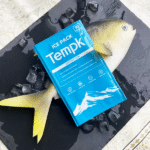
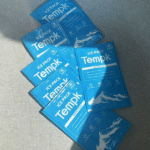
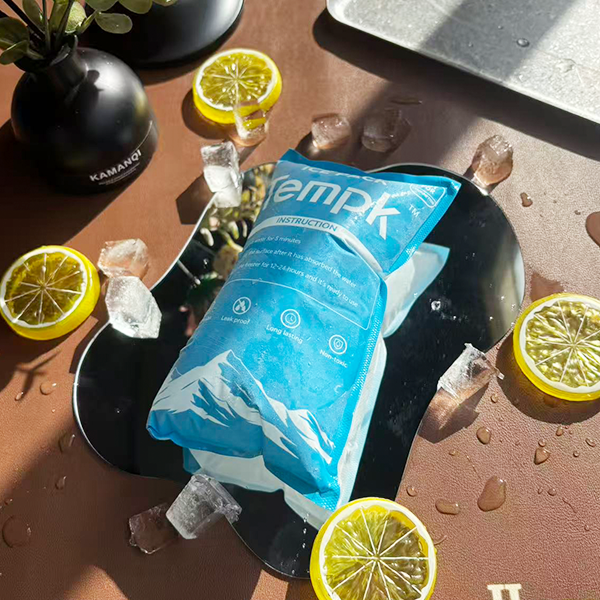
A paket es kering hidrat dapat berupa lembaran yang diaktifkan air, bukan karbon dioksida. Instruksi resmi Tempk mengidentifikasi lembar hidrasinya sebagai bukan es kering dan mengarahkan pengguna untuk menambahkan air dan membekukannya. Oleh karena itu ia diperlakukan sebagai pendingin berair beku dengan hidrasi, ekspansi, pengkondisian, segel, dan pengendalian kebocoran.
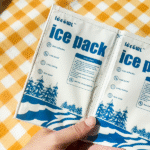
Paket gel dan PCM menerima identitas terpisah berdasarkan formulasi sebenarnya, wadah, perilaku fase, dan instruksi. Kode bahan distributor harus dipetakan hanya ke kode kemasan yang disetujui; kemiripan fisik tidak dapat membenarkan substitusi.
Gerbang 1 ditutup ketika kualitas menyetujui persyaratan produk dan master material.
Gerbang 2: Buat Katalog Paket Distributor
Katalog terkontrol menghubungkan setiap kelompok biologis dan jalur ke revisi sistem pelayaran tertentu.
Entri katalog mengidentifikasi:
paket primer dan sekunder;
benda pendingin atau zat pendingin, kuantitas, kondisi, dan posisi;
wadah terisolasi dan struktural luar;
pemisah, mendukung, penyerap, dan dunnage;
muatan minimum dan maksimum;
memantau dan memetakan penempatannya;
penutup, ventilasi, tanda, dan label;
pengepakan dan penerimaan SOP;
profil hangat dan dingin yang berkualitas;
jalur yang diizinkan, layanan, musim, dan kontingensi.
Fungsi terpisah tetap terlihat. Pendingin menyerap panas; isolasi memperlambat masuknya panas; penahanan melindungi isinya; bagian luarnya bertahan dalam distribusi; monitor mencatat kondisi; kualifikasi mendukung sistem. Tidak ada komponen saja yang membuat suhu pengiriman terkontrol atau sesuai.
Pengelompokan jalur memerlukan alasan tertulis. Layanan regional langsung, jalur udara internasional, rute akhir pekan, dan lokasi terpencil mungkin memerlukan cakupan pengoperasian yang berbeda. Gunakan aturan manajemen pesanan atau pemeriksaan kode batang sehingga operator tidak dapat memilih paket hanya berdasarkan ukuran kotak.
Pengelompokan muatan juga memerlukan batasan. Beban minimum dapat menjadi tantangan sisi dingin atau sisi hangat. Beban maksimum dapat memenuhi cairan pendingin atau menciptakan area hangat di dalam. Jika dummy load atau dunnage digunakan, katalogkan sebagai item yang disetujui dan tentukan penempatannya.
Gerbang 2 ditutup dengan gambar terkontrol, tagihan bahan, aturan kelayakan, dan revisi.
Gerbang 3: Tinjau Bukti Sebelum Kualifikasi
| Gerbang bukti | Pertanyaan persetujuan | Diperlukan bukti |
|---|---|---|
| Produk | Kondisi dan tamasya apa yang didukung? | Label, dasar stabilitas, informasi kontainer, prosedur mutu |
| Pendingin | Apa yang dimaksud dengan keadaan material dan kondisi yang sebenarnya? | Spesifikasi teknis, informasi keselamatan, instruksi, sampel produksi |
| Pabrikan | Bisakah lot rutin cocok dengan sampel pengembangan? | Kontrol banyak, inspeksi, keterlacakan, perjanjian kualitas, mengubah pemberitahuan |
| Muatan | Pesanan minimum dan maksimum mana yang tercakup? | Memuat gambar, geometri, dunnage, alasan braket |
| Jalur | Eksposur dan penundaan apa yang dapat dipercaya? | Peta rute, melayani, serah terima, data musiman, kemungkinan |
| Tes termal | Apakah risiko panas dan dingin telah dipetakan? | Protokol, profil, peta sensor, instrumen, data mentah, kriteria lulus |
| Tes fisik | Kerjakan materi, segel, Label, dan dukungan bertahan? | Tes distribusi yang dikondisikan dan inspeksi pasca-tes |
| Operasi | Bisakah gudang memperbanyak paketnya? | Studi pengkondisian, Sop, pelatihan, pilot, kontrol kesalahan |
| Pemantauan | Apakah perangkat mendukung keputusan yang ditentukan? | Alasan penempatan, konfigurasi, bukti kalibrasi atau akurasi, alur kerja data |
| Keberlanjutan | Apakah perbandingannya menggunakan pengiriman yang berhasil? | Batas yang ditentukan, kemasan, energi, kembali, kerusakan, tamasya, kehilangan produk |
Jangan menutup kesenjangan bukti dengan sertifikat generik atau jaminan pemasok. Tandai mereka untuk pengujian, dokumentasi, atau keputusan berkualitas. Laporan pabrikan dapat mendukung persetujuan jika konfigurasinya sebanding, tetapi distributor harus menilai penerapannya.
Gerbang 3 ditutup ketika protokol kualifikasi dapat ditulis tanpa menebak masukan penting.
Gerbang 4: Kualifikasi Sistem dan Amplop Jalur
Protokol yang disetujui menentukan komponen setara produksi yang tepat, kurung muatan, kondisi awal, pengkondisian, profil, lamanya, posisi sensor, instrumen, tantangan fisik, dan kriteria penerimaan.
Gunakan profil panas dan dingin yang dibenarkan. ISTA 7E menyediakan profil termal paket, dan Standar 20 menyediakan proses desain dan kualifikasi wadah terisolasi. Panduan WHO membahas kualifikasi kontainer pengiriman dan pembuatan profil rute untuk waktu dan-Produk yang peka terhadap suhu. Kapitel Umum USP 1079 mendukung kerangka penyimpanan dan transportasi berbasis risiko. Tes yang dipilih harus sesuai dengan pembagian soal.
Alat pengambilan keputusan yang berguna
Periksa detailnya sebelum Anda memilih kemasan
Alat cepat ini dapat membantu Anda membandingkan risiko rute, kebutuhan ukuran, pilihan pendingin, dan detail kemasan sebelum Anda meminta penawaran.
Pemilih Kemasan
Bandingkan opsi kemasan berinsulasi berdasarkan produk, rute, dan kebutuhan suhu.
Temukan kemasannyaPelapis Kotak & Ukuran Penutup Palet
Centang kotak logika ukuran penutup palet dan liner untuk proyek pengemasan berinsulasi.
Perkiraan ukuranKalkulator Paket Es
Perkirakan jumlah paket es gel untuk pengiriman dingin dan perencanaan rute yang praktis.
Perkirakan kantong esMemetakan sensor di lokasi hangat dan dingin yang kredibel. Nyatakan apa yang diwakili oleh setiap pengukuran. Sensor di samping es kering bukanlah pengukuran muatan yang lengkap. Rentang instrumen, selang, bukti keakuratan, tanggapan, status kalibrasi, dan kapasitas data harus sesuai dengan pengujian.
Menguji atau membenarkan muatan minimum dan maksimum serta kelompok produk. Tantang komponen dan toleransi pengoperasian yang wajar dapat terjadi. Jangan menambahkan pelecehan sewenang-wenang, tapi jangan hanya menguji perakitan yang ideal.
Menilai kinerja fisik dan termal bersama-sama. Pada suhu rendah, plastik, film, Label, perekat, dan segel bisa berubah. Getaran dan tetesan dapat menggerakkan cairan pendingin atau merusak wadah. Kondensasi dapat melemahkan identifikasi luar atau tidak jelas. Pastikan ventilasi tetap berfungsi setelah penutupan dan tekanan fisik ketika terdapat es kering padat.
Jalankan uji coba operasional. Kondisi personel gudang, memilih, memindai, berkumpul, monitor, tanda, lembut, dan menerima paket menggunakan sistem dan waktu yang dimaksudkan.
Gerbang 4 ditutup dengan laporan yang disetujui, penyimpangan yang terselesaikan, dan jalur yang ditentukan serta selubung muatan.
Gerbang 5: Rilis Inventaris, Pemantauan, dan Ketertelusuran
Kontrol masuk memverifikasi item, revisi, banyak, kuantitas, kondisi, dan dokumen yang diperlukan. Karantina perubahan atau kerusakan yang tidak dapat dijelaskan.
Es kering padat memerlukan penyimpanan berventilasi, penanganan terlindungi, alat yang aman, staf terlatih, dan metode untuk menentukan jumlah bersih pada tender. Kehilangan persediaan melalui sublimasi harus direncanakan dan diukur.
Lembar hidrasi memerlukan kontrol status dari kondisi kering hingga terhidrasi dan terkondisi. Catatan pengkondisian harus mengidentifikasi metode, peralatan, waktu atau penerimaan, kelompok, melepaskan, dan penyimpanan. Paket gel dan PCM memerlukan kontrol pengkondisian yang setara. Kemasan yang terasa dingin belum tentu dalam keadaan disetujui.
Ketertelusuran menghubungkan banyak pemasok, kuitansi, melepaskan, pengkondisian, revisi paket, produk, muatan, operator, monitor, pengiriman, jalur, dan disposisi sesuai kebutuhan risiko. Hal ini mendukung penangguhan yang ditargetkan dan investigasi pemasok.
Pemantauan data memerlukan integritas dan kepemilikan. Tautkan ID perangkat, konfigurasi, posisi yang dipetakan, jam, mulai dan berhenti, berkas asli, pengulas, dan keputusan. Tentukan cakupan dan intervensi peringatan secara real-time. Saat diterima, melindungi produk, memeriksa sistem, mengambil data, dan meningkatkan penyimpangan.
Kesinambungan persediaan harus direncanakan tanpa mengizinkan penggantian secara diam-diam. Tentukan pemasok atau komponen alternatif yang disetujui hanya setelah penilaian perbandingan dan pengujian yang diperlukan. Selama kekurangan, gudang harus menempatkan kode paket yang terpengaruh pada penyimpanan terkendali daripada mengganti cairan pendingin dengan barang yang tampak serupa. Pengadaan, kemasan, kualitas, dan operasi memutuskan apakah konfigurasi lain yang disetujui dapat melayani pesanan. Peramalan harus mencakup waktu tunggu pengkondisian, keluaran freezer, ketersediaan es kering, umur simpan komponen jika didukung, volume musiman, dan stok karantina. Hal ini mencegah gangguan pasokan menjadi perubahan tidak terdokumentasi pada sistem pengiriman yang memenuhi syarat.
Gerbang 5 ditutup ketika pengiriman rutin dapat direkonstruksi dari catatan terkendali.
Gerbang 6: Operasikan Deviasi, CAPA, Pemasok, dan Loop Kembali
Penyimpangan dimulai ketika persyaratan atau proses yang disetujui tidak dipenuhi: alarm suhu, pendingin yang kurang terkondisi, kode paket salah, ventilasi tersumbat, bagian luarnya rusak, kebocoran komponen, data yang hilang, penundaan operator, atau penggantian yang tidak disetujui.
Lindungi produk dan simpan bukti. Disposisi kualitas produk menggunakan informasi dan prosedur stabilitas yang disetujui. Investigasi merekonstruksi perangkat, lokasi, jejak, muatan, banyak komponen, pengkondisian, perakitan, rute, dan tanda terima.
Akar penyebabnya mungkin adalah produk, kemasan, proses, peralatan, orang, pemasok, pembawa, data, atau kombinasi. Koreksi mengatasi kejadian yang segera terjadi. CAPA mengatasi risiko sistemik dengan tindakan, pemilik, tanggal jatuh tempo, pemeriksaan efektivitas, dan tinjauan tren.
Perjanjian kualitas pemasok mendukung pengaduan dan investigasi. Perubahan materi, perumusan, mengisi, segel, ukuran, proses, lokasi, subkontraktor, isolasi, atau label dinilai sebelum digunakan. Risiko menentukan apakah dokumentasi, inspeksi, pengujian perbandingan, atau diperlukan kualifikasi ulang.
Logistik terbalik adalah putaran terkontrol lainnya. Sistem yang dikembalikan tetap dikarantina hingga dibersihkan, inspeksi, rekondisi, dan lepaskan. Lacak kerugian, kerusakan, sejarah, perbaikan jika diperbolehkan, dan pensiun. Gunakan data pengembalian dan kinerja yang terukur untuk klaim keberlanjutan.
Investigasi Gerbang-6 Hipotetis
Distributor menerima peringatan hangat berulang kali di satu jalur internasional dengan menggunakan kemasan es kering padat yang memenuhi syarat. Produk disimpan sesuai prosedur dan ditinjau berdasarkan data stabilitas.
Analisis tren menunjukkan peringatan terjadi setelah hub operator tertentu. Namun, catatan pengepakan juga menunjukkan kuantitas es kering bersih yang lebih rendah pada tender pada pengiriman sore hari karena zat pendingin ditimbang lebih awal dan ditempatkan terlalu lama.
Investigasi mengidentifikasi dua kontributor: pementasan kerugian dalam proses distributor dan penundaan hub di luarnya. CAPA memindahkan penimbangan final mendekati tender, menambahkan waktu pementasan terkontrol maksimum, merevisi pengambilan data, dan bekerja dengan operator dalam layanan dan kontinjensi. Paket tersebut dievaluasi ulang berdasarkan paparan kasus terburuk yang telah direvisi. Pemantauan efektivitas melacak kuantitas es kering, tingkat kewaspadaan, dan durasi jalur.
Contoh hipotetis ini menghindari menyalahkan cairan pendingin atau pembawa sebelum bukti dihubungkan.
Gerbang 6 tetap aktif sepanjang siklus hidup program.
Pertanyaan yang sering diajukan
Dapatkah distributor menyetujui cairan pendingin baru berdasarkan kesesuaian dimensi saja?
TIDAK. Kesesuaian hanyalah salah satu atribut. Identitas pendingin, perilaku fase, pengkondisian, kapasitas termal, efek samping dingin, integritas segel, dokumentasi materi, interaksi muatan, kinerja fisik, dan kontrol pemasok dapat mengubah sistem yang memenuhi syarat. Lakukan penilaian perubahan yang terdokumentasi dan pengujian yang sesuai. Perbarui garis dasar setelah disetujui. Jangan melakukan penggantian secara diam-diam.
Siapa yang memiliki kualifikasi jalur ketika pihak ketiga mengemas produk?
Tanggung jawab dapat dialokasikan dengan kesepakatan, namun akuntabilitasnya harus eksplisit. Pemilik produk menentukan persyaratan stabilitas; distributor atau pengepakan mengontrol eksekusi; operator mengendalikan segmen transportasi; kualitas menyetujui bukti dan disposisi. Sebuah kontrak harus mendefinisikan kualifikasi, catatan, penyimpangan, perubahan, audit, dan komunikasi. Dokumentasikan setiap antarmuka operasional.
Apakah es kering padat diperlukan untuk logistik biologis beku??
Tidak secara universal. Gunakan hanya ketika stabilitas produk, bahan paket, kinerja yang berkualitas, keamanan, dan peraturan transportasi mendukungnya. Solusi pasif atau aktif lainnya dapat dipertimbangkan. Pilihan yang tepat bergantung pada produk dan jalur, bukan kata “beku” saja. Tinjau alternatif dengan kualitas. Dokumentasikan alasan pemilihan.
Data apa yang harus dimasukkan dalam tinjauan tren distributor?
Tinjau suhu, peringatan, muatan, jalur, Durasi, acara pembawa, kerusakan, kondisi pendingin, penyimpangan pengkondisian, banyak komponen, revisi paket, keluhan, disposisi produk, kembali, dan pengiriman ulang. Normalisasikan hasil jika berguna sehingga pertumbuhan volume pengiriman tidak menyembunyikan tarif. Tinjau tarif dan jumlah. Selidiki pola merugikan yang berulang.
Dapatkah tujuan pengemasan yang berkelanjutan mengesampingkan persyaratan bahan baku yang memenuhi syarat??
TIDAK. Perubahan keberlanjutan harus mengikuti desain ulang yang terkendali, tinjauan risiko, dan kualifikasi. Kurangi kelebihan jika bukti mendukungnya, tetapi lindungi kondisi dan penahanan biologis yang disetujui. Bandingkan kandidat berdasarkan kriteria keberhasilan pengiriman yang setara dan sertakan kehilangan produk, energi, kembali, dan akhir kehidupan. Setujui perubahan sebelum digunakan.
Menyetujui Program Distribusi Penghidupan
Persetujuan distributor bukanlah tes kotak satu kali saja. Dimulai dengan identitas produk dan material, membuat paket terkontrol dan kode jalur, memenuhi syarat hangat, dingin, dan risiko fisik, dan merilis inventaris dan sistem data. Pemantauan, penyimpangan, CAPA, perubahan pemasok, logistik terbalik, dan keberlanjutan menjaga baseline tetap efektif. Es kering padat dan lembaran hidrasi tetap berbeda, dan tidak ada cairan pendingin, isolasi, logger, atau sertifikat menggantikan sistem yang memenuhi syarat dan keputusan kualitas produk.
Tentang tempk
Katalog resmi Tempk mencakup lembaran pendingin hidrasi yang dijelaskan sebagai menghidrasi paket es kering, Paket gel, Dan kemasan terisolasi kategori. Petunjuk lembar hidrasinya membedakan produk dari es kering padat dan mengarahkan aktivasi air yang diikuti dengan pembekuan. Distributor dapat menilai Tempk melalui spesifikasi barang yang tepat, instruksi, sampel yang setara dengan produksi, banyak informasi, dan dokumentasi yang relevan. Komponen tempk kemudian harus masuk kualifikasi distributor, inventaris, keterlacakan, dan sistem kendali perubahan. Rentang biologis spesifik produk, muatan, Durasi, sertifikasi, dan kepatuhan tidak boleh diasumsikan tanpa bukti yang berlaku.
Berikan Tempk persyaratan komponen yang dikontrol dan tabel bukti distributor. Mintalah sampel dan dokumentasi yang diperlukan untuk memenuhi syarat kode paket yang disetujui, bukan janji pendinginan umum.