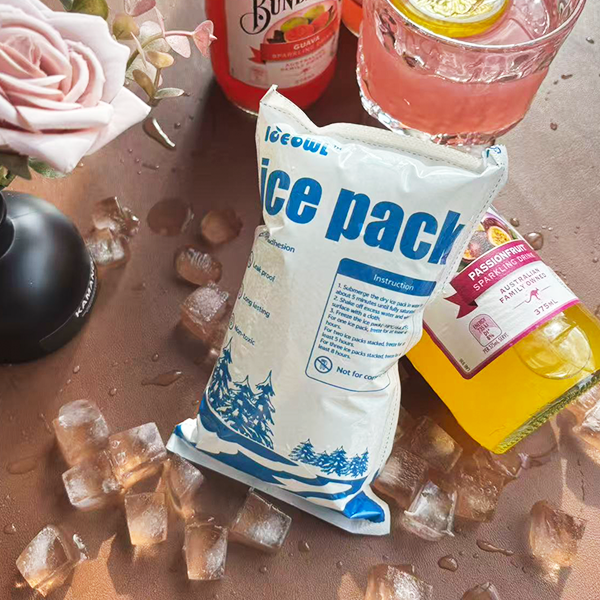
Kerangka Kerja Siap Rute untuk Paket Es Kering Massal untuk Logistik Buah
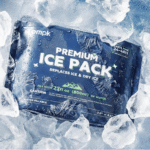
Jumlah yang tepat Paket es kering untuk logistik buah bukanlah yang memiliki klaim dingin terkuat. Ini adalah salah satu yang cocok dengan buah tertentu, kemasan, rute, dan proses pengoperasian tanpa menimbulkan cedera beku, aliran udara tersumbat, kondensasi, atau persiapan yang tidak konsisten. Dalam kerangka ini, produk ini adalah lembaran pendingin yang diaktifkan air yang dihidrasi dan dibekukan sebelum dikemas. Ini bukan es kering karbon dioksida padat. Pembeli sebaiknya menyatakan identitas tersebut secara eksplisit karena kedua produk memiliki suhu yang berbeda, bahaya, persyaratan penanganan, dan implikasi transportasi. Dari sana, pengadaan menjadi suatu urutan yang disiplin: mendefinisikan buahnya, memetakan paparan panas, merancang paketnya, mengujinya, dan menskalakannya di bawah kendali perubahan.
Gerbang 1: Tetapkan Batasan Produk dan Rute
Mulailah dengan persyaratan pengiriman internal, bukan katalog pemasok. Persyaratan harus menjawab:
- Buah yang mana, variasi, kematangan, dan nilai akan dikirimkan?
- Apakah pengiriman ditujukan untuk menjaga kondisi, terus matang, atau sampai pada kematangan tertentu?
- Paket primer dan sekunder apa yang digunakan?
- Berapa suhu produk yang disetujui pada perakitan kemasan?
- Ketentuan minimum dan maksimum apa yang berlaku, termasuk kekhawatiran paparan singkat?
- Berapa panjang rutenya, dan dimana tempat tinggal yang tidak terkendali dapat terjadi?
- Apakah transportasi didinginkan, ambient, atau dicampur?
- Apa yang dilakukan penerima segera setelah melahirkan?
Jika jawaban ini berbeda-beda antar produk, membuat kumpulan persyaratan terpisah. "Buah segar" bukan merupakan spesifikasi termal.
Memperjelas pengertian kantong es kering
Bahasa pengadaan harus membedakan lembaran hidrasi dengan es kering karbon dioksida. Cantumkan identitas material pada deskripsi barang, spesifikasi, pesanan pembelian, instruksi kerja, dan label gudang. Pastikan lembaran sudah basah kuyup, terkuras, beku, dan digunakan sebagai pendingin pasif.
Hal ini mencegah beberapa kegagalan: operator yang menerapkan asumsi barang berbahaya yang tidak relevan, operator mengharapkan sublimasi, pembeli membandingkan produk yang berbeda, atau tim teknis yang merancang suhu karbon dioksida padat. Jika pengoperasiannya sebenarnya membutuhkan es kering padat, itu membutuhkan keamanan tersendiri, kemasan, ventilasi, dan penilaian kepatuhan.
Gerbang 2: Putuskan Apakah Lembar Pasif Sesuai dengan Pekerjaannya
Lembar hidrasi masuk akal jika luas, penempatan cairan pendingin yang fleksibel melengkapi paket berinsulasi dan tantangan rute tetap dalam desain yang telah diuji. Mereka bisa berguna dalam kotak parsel, liner, Tas yang lebih dingin, atau tas jinjing, terutama ketika penyimpanan inbound kering dan penempatan yang dapat disesuaikan penting.
Mereka tidak secara otomatis sesuai kapan:
- Buah tiba dalam keadaan hangat setelah dipanen dan dibutuhkan dengan cepat, pendinginan awal yang seragam.
- Komoditas ini sangat sensitif terhadap pendinginan atau pembekuan kontak.
- Ventilasi sangat penting bagi kualitas produk dan lembaran akan menghalanginya.
- Rute tersebut secara rutin mengalami penundaan yang tidak terkendali di luar desain.
- Muatannya memerlukan kendali aktif atau pengangkutan berpendingin.
- Fasilitas ini tidak dapat menghidrasi, mengeringkan, membekukan, dan pisahkan lembar secara konsisten.
- Paparan kelembapan akan membahayakan karton, label, atau paket utama.
Keputusan yang tepat ini harus dilakukan sebelum negosiasi harga massal. Biaya unit yang rendah tidak dapat menyelamatkan model operasi yang tidak cocok.
Gerbang 3: Ubah Fisiologi Buah Menjadi Aturan Paket
Buah terus bernafas setelah dipanen, yang berarti terus menghasilkan panas dan kelembapan. Pendinginan umumnya memperlambat aktivitas biologis, tetapi suhu dingin yang berlebihan akan merusak jaringan yang rentan. Produksi dan sensitivitas etilen selanjutnya dapat membatasi pemuatan campuran. Karakteristik ini diterjemahkan ke dalam aturan desain praktis.
| Ciri-ciri biologis atau fisik | Implikasi paket | Keputusan pembeli yang diperlukan |
|---|---|---|
| Sensitivitas dingin | Hindari paparan lokal yang terlalu dingin | Tentukan kondisi minimum spesifik komoditas |
| Kerentanan terhadap pembekuan | Kelola kontak cairan pendingin langsung | Pilih dan uji buffer atau spasi |
| Respirasi tinggi | Pertahankan jalur penghilangan panas | Konfirmasikan pendinginan awal dan ventilasi |
| Produksi etilen | Hindari konsolidasi yang tidak kompatibel | Tetapkan aturan beban campuran |
| Sensitivitas etilen | Kontrol komoditas tetangga dan tinggal | Definisikan segregasi dan ventilasi |
| Kehilangan kelembaban yang tinggi | Seimbangkan retensi kelembaban dan kondensasi | Pilih paket dan liner dengan sengaja |
| Struktur halus | Hindari tekanan dari sel yang membesar | Periksa kecocokan dan bantalan terhidrasi |
Tabel adalah alat terjemahan, bukan buku pegangan produksi. Spesifikasi pascapanen Anda tetap menjadi sumber batasan komoditas.
Pendinginan awal adalah kondisi pelepasan
Perlakukan suhu buah pada saat pengepakan sebagai atribut kualitas yang masuk. Pendingin di dalam a kotak pengiriman terutama dimaksudkan untuk membantu mempertahankan kondisi tertentu terhadap perolehan panas. Jika digunakan untuk menghilangkan panas lapangan yang besar, buah bagian tepi mungkin menjadi dingin sedangkan buah bagian dalam tetap hangat, dan cairan pendingin mungkin habis lebih awal.
Tentukan di mana dan bagaimana suhu produk diperiksa, variasi yang dapat diterima di seluruh beban, pegang aturan untuk produk hangat, dan siapa yang bisa melepaskannya. Spesifikasi cairan pendingin tercanggih akan gagal jika buah hangat terus-menerus masuk ke dalam kotak.
Pertahankan aliran udara dengan sengaja
Lubang ventilasi, saluran yang selaras, celah palet, dan headspace adalah elemen fungsional. Lembaran fleksibel dapat menyesuaikan diri dengan baik sehingga menutup ventilasi atau menutup saluran vertikal. Gambar paket harus menunjukkan penempatan lembaran dan jalur aliran udara.
Selama uji coba, memotret geometri yang dimuat sebelum penutupan dan setelah pengujian. Buah mengendap, sel yang terhidrasi berubah bentuk, bergelombang melunak, dan pergeseran pengisian kekosongan. Geometri akhir mungkin menjelaskan variasi suhu lebih baik daripada gambar awal.
Gerbang 4: Kontrol Proses Aktivasi
Pembeli menerima komponen kering tetapi menggunakan komponen terhidrasi, yang beku. Transformasi harus menjadi bagian dari rencana mutu.
Alur aktivasi praktis
Menerima dan mengidentifikasi. Cocokkan kode barang, tata letak sel, banyak, ukuran, kuantitas, dan kondisi sesuai spesifikasi yang disetujui.
Hidrat. Gunakan instruksi pemasok dan bersihkan, sumber air yang ditentukan. Kontrol perendaman, penanganan, dan penerimaan sel yang diperluas.
Mengeringkan. Hapus kelebihan air permukaan dengan metode berulang. Lembaran yang menetes menambah kelembapan yang belum tentu ada dalam pengujian.
Membekukan. Muat rak atau freezer dengan akses udara yang memadai dan dalam kapasitas pengoperasian yang divalidasi. Status kontrol jadi lembaran beku sebagian tidak tertukar dengan stok siap pakai.
Periksa dan panggung. Tolak kebocoran, jahitan terbuka, kontaminasi, kehilangan identifikasi, atau ekspansi abnormal. Batasi kondisi pementasan sebelum perakitan.
Tempatkan dan tutup. Ikuti urutan lapisan yang disetujui, orientasi, penyangga, memantau lokasi, penutup, dan instruksi label.
Setiap langkah pasti ada pemiliknya, kriteria rilis, dan respons pengecualian. Hindari nomor aktivasi universal kecuali nomor tersebut tercantum dalam petunjuk produk yang disetujui dan telah dikonfirmasi dalam kondisi lokasi.
Gerbang 5: Kembangkan Bukti Berlapis
Sampel pemasok dapat menjawab pertanyaan kesesuaian dan kegunaan. Itu tidak bisa membuktikan rute komersial.
Mulailah dengan karakterisasi komponen: dimensi terhidrasi, penanganan, kondisi jahitan, kebocoran, kemampuan lipat, dan kesesuaian dengan kemasan yang dimaksudkan. Kemudian lakukan pengembangan paket menggunakan kotak sebenarnya dan muatan yang representatif. Tantang titik kontak, sudut, penutup, dan kemungkinan jalur masuknya panas.
Pindah ke pengujian kinerja yang relevan dengan rute. Dokumen:
1. Bill of material yang tepat.
2. Beban buah dan kondisi awal.
3. Persiapan lembar, kondisi, menghitung, dan orientasi.
4. Wadah terisolasi dan penutupan.
Alat pengambilan keputusan yang berguna
Periksa detailnya sebelum Anda memilih kemasan
Alat cepat ini dapat membantu Anda membandingkan risiko rute, kebutuhan ukuran, pilihan pendingin, dan detail kemasan sebelum Anda meminta penawaran.
Pemeriksa Risiko Rute
Tinjau kondisi jalur sebelum memilih kemasan untuk mengetahui kebutuhan pengoperasian sebenarnya.
Periksa risiko rutePendingin & Referensi PCM
Bandingkan opsi cairan pendingin dan PCM ketika suatu rute memerlukan dukungan suhu tambahan.
Bandingkan pilihanPelapis Kotak & Ukuran Penutup Palet
Centang kotak logika ukuran penutup palet dan liner untuk proyek pengemasan berinsulasi.
Perkiraan ukuran5. Tantangan dan alasan sekitar.
6. Identitas sensor, status kalibrasi, selang, dan lokasi.
7. Kriteria penerimaan suhu dan kondisi paket.
8. Penyimpangan dan observasi uji.
Jalankan build secukupnya untuk mengevaluasi keterulangan. Hasil tunggal yang menguntungkan harus diperlakukan sebagai informasi pembangunan, bukan bukti luas.
Gunakan penempatan sensor untuk mencari kegagalan
Tempatkan sensor di tempat yang desainnya mungkin gagal: dekat antarmuka pendingin, dalam beban terpusat, di sudut atau penutup, dan pada ekstrem vertikal. Jika perilaku inti buah penting, gunakan metode yang sesuai daripada berasumsi suhu udara mewakili suhu pulp.
Tinjau jejak dengan foto dan pengamatan fisik. Lonjakan dingin di salah satu dinding mungkin mengindikasikan adanya kontak; pendinginan tengah yang lambat mungkin menunjukkan pembebanan hangat atau aliran udara tersumbat; pemanasan bagian atas yang cepat dapat menunjukkan kebocoran penutupan. Tindakan perbaikan harus menyasar mekanisme tersebut.
Gerbang 6: Kualifikasi Pemasok dan Item Produksi
Pesanan dalam jumlah besar menimbulkan risiko lot-to-lot dan sampel-ke-produksi. Tinjauan pemasok harus mencakup lebih dari sekadar dimensi nominal dan harga.
Kontrol spesifikasi
Sepakati nama produk, konstruksi, dimensi kering dan terhidrasi, geometri sel, identifikasi, kemasan, penyimpanan, instruksi persiapan, kriteria cacat, dan mengubah pemberitahuan. Jika pencetakan khusus atau tata letak sel digunakan, mengontrol karya seni yang disetujui dan revisi gambar.
Kontrol bukti
Minta pernyataan material yang relevan dengan tujuan penggunaan, deskripsi pengujian komponen, banyak informasi, dan dokumen kualitas yang sesuai dengan penilaian risiko pembeli. Hindari meminta sertifikat generik yang seharusnya membuktikan semua logistik buah. Kewajiban kepatuhan berbeda-beda berdasarkan kondisi kontak, produk, pasar, dan peran.
Kontrol komersial dan kontinuitas
Konfirmasi pesanan minimum, waktu tunggu, jendela perkiraan, perencanaan kapasitas musim puncak, konfigurasi pengiriman, stok pengaman, penanganan ketidaksesuaian, dan proses penggantian. Program buah musiman sering kali memiliki jendela terkompresi, jadi jalur eskalasi yang jelas itu penting.
Konfirmasi produksi
Saat diterima, memverifikasi identitas dan kualitas yang terlihat. Bandingkan perilaku hidrasi secara berkala dan sesuaikan dengan kondisi yang disetujui. Banyaknya cacat tren. Jika dimensi, bahan, jahitan, inti penyerap, lokasi, atau instruksi berubah, menilai dampak sebelum penggunaan normal.
Gerbang 7: Bangun Rute di Sekitar Perilaku Manusia
Bahkan desain yang bagus pun bisa gagal di dermaga atau di depan pintu. Terjemahkan paket ke dalam kontrol operasional sederhana.
Buat instruksi visual yang menunjukkan lapisan yang benar, orientasi, jumlah lembar, penyangga, logger, penutup, dan label. Latih operator tentang alasan setiap elemen. Gunakan jarak bebas garis saat mengganti format buah atau kotak. Pisahkan status lembar secara fisik.
Saat serah terima, mendefinisikan tanggung jawab. Pembawa harus menerima instruksi pengendalian suhu dan penanganan yang diperlukan. Layanan pelanggan harus mengetahui cara mengelola penundaan tanpa mengizinkan improvisasi paket. Penerima harus segera memeriksa dan memindahkan buah ke lingkungan yang diperlukan.
Misalnya, misalkan sebuah paket disimpan semalaman di sebuah hub. Tanggapan yang disetujui mungkin akan dilanjutkan, kembali, atau menilai pengiriman menggunakan pemantauan dan kriteria produk. Seharusnya tidak demikian "tambahkan dua lembar" kecuali konfigurasi pemulihan tersebut telah dirancang dan disetujui. Membuka kotak dan memasukkan cairan pendingin akan mengubah suhu dan risiko kontaminasi.
Gerbang 8: Kelola Kelembapan, Kebersihan, dan Tanggung Jawab Keamanan Pangan
Operasi hidrasi memasukkan air ke dalam lingkungan pengemasan makanan. Sertakan tank, selang, rak, saluran air, sarung tangan, permukaan, dan freezer dalam prosedur sanitasi. Cegah seprai basah menyentuh lantai atau permukaan yang tidak terkontrol. Tentukan pembuangan unit yang rusak dan pemisahan yang bersih antara lembaran yang tidak terpakai dan lembaran yang dikembalikan.
Di Amerika Serikat, persyaratan transportasi sanitasi mungkin berlaku bagi pihak-pihak yang terlibat dalam perpindahan makanan yang dilindungi. Kontrol suhu yang memadai jika diperlukan untuk keselamatan, peralatan sanitasi, komunikasi, pelatihan jika memungkinkan, dan catatan semuanya bisa relevan. Persyaratan dan pengecualian bergantung pada pengoperasiannya. Lembar hidrasi bukanlah sertifikat kepatuhan dan pengemasan bukanlah pengganti proses pangan yang aman.
Jika buah dalam kemasan utama, catat apakah cairan pendingin menyentuh paket itu, lapisan dalam, atau makanan secara langsung. Mintalah informasi penting yang spesifik mengenai skenario kontak aktual dan pasar tujuan. Hindari mengubah deklarasi terbatas menjadi deklarasi universal "kelas makanan" mengeklaim.
Gerbang 9: Tingkatkan Dengan Data Tanpa Mengejar Setiap Variasi
Setelah peluncuran, meninjau data dengan irama yang berguna. Observasi kelompok berdasarkan buah-buahan, rute, musim, pembawa, kotak, dan revisi paket. Lacak hasil suhu dan fisik seperti karton basah, kebocoran, paket hancur, ketidakkonsistenan pematangan, dan keluhan pengiriman.
Tidak semua variasi memerlukan desain ulang. Tetapkan pemicu investigasi. Satu sensor yang salah tempat dapat menjelaskan suatu anomali; pola dingin yang berulang di sisi dinding mungkin memerlukan tindakan. Ketika perubahan dilakukan, mendokumentasikan alasannya, menyetujui revisi baru, pengguna kereta api, dan mencegah pencampuran konfigurasi lama dan baru.
Peningkatan keberlanjutan harus mengikuti disiplin yang sama. Lembaran yang lebih tipis, kotak korek api, atau program penggunaan kembali harus menjaga perlindungan dan sanitasi buah. Bandingkan materi, kargo, air, energi beku, logistik pengembalian, pembersihan, dan kehilangan produk dalam batas sistem yang sama. Buat klaim hanya berdasarkan data yang dapat didukung oleh program.
Pertanyaan yang sering diajukan
Apa spesifikasi pertama yang harus dikonfirmasi saat membeli lembaran ini?
Konfirmasikan identitas produk: lembaran pendingin hidrasi yang diaktifkan air yang dibekukan sebelum digunakan, bukan karbon dioksida padat. Kemudian konfirmasikan geometri kering dan terhidrasi yang tepat, karena perluasan kecocokan dapat mempengaruhi kompresi muatan dan aliran udara. Persyaratan komersial harus mengikuti, tidak mendahului, batasan teknis ini.
Sebaiknya setiap kemasan buah menyertakan buffer antara sheet dan payload?
Belum tentu, namun risiko kontak langsung harus dinilai. Sensitivitas komoditas, kemasan primer, kondisi pendingin, dan rute menentukan kebutuhan. Buffer dapat mengurangi paparan dingin lokal sekaligus mengurangi perpindahan panas, jadi bahan dan ketebalannya harus diuji sebagai bagian dari kemasan yang tepat.
Bagaimana pernyataan waktu tunggu pemasok dievaluasi?
Minta wadahnya, isolasi, muatan, suhu awal, persiapan cairan pendingin dan menghitungnya, profil lingkungan, posisi sensor, dan lulus kriteria. Jika kondisi tersebut berbeda dari program Anda, hasilnya hanyalah informasi referensi saja. Tetapkan durasi untuk rute yang dituju melalui evaluasi terkontrol Anda sendiri.
Bisakah lembar hidrasi dipotong?
Hanya jika desain dan instruksi produk mengizinkannya. Memotong sel dapat melepaskan media terhidrasi dan mengganggu penahanan. Jika fleksibilitas atau ukuran itu penting, meminta tata letak sel dengan jahitan yang ditentukan dan mendapatkan persiapan tertulis dan panduan pelipatan.
Bagaimana jika satu program buah mempunyai banyak ukuran kotak?
Buat matriks konfigurasi daripada satu instruksi fleksibel. Tautkan setiap kotak dan muatan ke item lembar yang disetujui, menghitung, orientasi, penyangga, posisi monitor, dan penutupan. Batasi jumlah varian operasional jika memungkinkan dan gunakan kontrol visual tingkat item untuk mencegah penggantian.
Siapa yang menyetujui paket akhir?
Pembeli harus memberikan persetujuan melalui teknisnya, pascapanen, kualitas, dan tata kelola keamanan pangan. Pemasok komponen dapat memberikan informasi dan sampel produk, tetapi tidak mengetahui setiap kondisi komoditas, rute, pembawa, fasilitas, atau tugas regulasi. Tanggung jawab harus jelas dalam rencana proyek.
Kesimpulan
Program buah yang siap rute mengikuti gerbang: mendefinisikan komoditas tersebut, konfirmasikan identitas cairan pendingin, putuskan apakah lembar pasif cocok, aktivasi kontrol, mengembangkan bukti paket, memenuhi syarat pasokan produksi, operasional kereta api, mengelola sanitasi, dan meninjau data rute. Proses ini mencegah paket es kering massal untuk logistik buah menjadi tidak terkendali "ekstra dingin" komponen. Hal ini juga membuat pengadaan menjadi lebih jelas karena harganya, volume, dan waktu tunggu dievaluasi berdasarkan satu spesifikasi dan kemasan yang disetujui, bukan janji kesegaran yang tidak jelas.
Tentang tempk
Merek Tempk milik Shanghai Tempk Industrial Co., Ltd. dan termasuk lembaran cairan pendingin hidrasi dan kemasan terisolasi untuk distribusi yang sensitif terhadap suhu. Tempk dapat mendiskusikan format lembar ketika pembeli membagikan jenis buah, geometri paket, kondisi rute, volume harian, dan kemampuan persiapan. Masukan tersebut membantu mempersempit sampel untuk evaluasi. Batasan komoditas, protokol pengujian, pengendalian keamanan pangan, keputusan kualifikasi, dan disposisi pengiriman harus dimiliki oleh tim yang bertanggung jawab pembeli.
CTA: Memberi Tempk satu persyaratan jalur buah lengkap dan gambar kemasan untuk memulai evaluasi sampel-ke-rute yang terkontrol.