Kotak Busa EPP Tahan Bahan Kimia: Panduan Pembeli
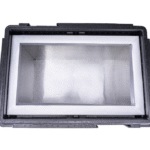
Cara terbaik untuk mengevaluasi ketahanan terhadap bahan kimia Kotak busa EPP adalah memulai dengan pekerjaan yang harus dilakukan oleh kotak tersebut. Keputusan kotak EPP yang tepat dimulai dengan muatannya, bukan gambar katalog. Ukuran, isolasi, daya tahan, harga, dan dukungan pemasok hanya masuk akal setelah Anda menentukan cara pengemasan kotak, terharu, dibuka, kembali, dan diperiksa. Untuk laboratorium, industri, pemeliharaan, dan pembeli logistik khusus meninjau wadah busa pelindung, itu berarti memeriksa batas kontainer, muatannya, persyaratan termal atau perlindungan, dan bukti pemasok sebelum berfokus pada harga, penampilan, atau klaim katalog.
Jawaban praktis: Kotak EPP layak dipertimbangkan ketika desain cetakannya, volume yang dapat digunakan, tutup, metode pembersihan, dan bukti operasi sesuai dengan pekerjaannya. Jangan membelinya hanya karena bahannya terdengar tahan lama atau ramah lingkungan. Beli karena sampelnya membuktikan cocok dengan muatan Anda, rute Anda, staf Anda, dan kebutuhan dokumentasi Anda.
Mulailah Dengan Payload dan Rute
Tinjauan praktis kotak busa EPP tahan bahan kimia dimulai dengan muatannya. Berapa ukuran produknya, berat, kerapuhan, sensitivitas suhu, format kemasan, dan pergerakan yang dapat diterima di dalam kotak? Wadah yang secara teknis kuat masih bisa rusak jika produknya bergetar, jika tutupnya menekan permukaan yang halus, atau jika ruang yang dapat digunakan hilang setelah sisipan dan cairan pendingin ditambahkan.
Berikutnya, menentukan rute atau menggunakan lingkungan. Penggunaan di luar ruangan, pengiriman makanan, pemindahan laboratorium, pengiriman elektronik, transportasi produk segar, dan pengiriman farmasi semuanya menanyakan pertanyaan yang berbeda. Dinding EPP yang sama mungkin berguna untuk semuanya, tapi buktinya berubah. Produk berkemah konsumen mungkin memerlukan uji kenyamanan dan pembersihan. Paket farmasi mungkin memerlukan bukti kualifikasi, pemantauan, dan persetujuan kualitas. Rute produksi mungkin memerlukan kontrol kelembapan dan ventilasi.
Pelajaran inti pembelian itu sederhana: ketahanan terhadap bahan kimia harus diperiksa terhadap bahan sebenarnya dan kondisi paparan, tidak diperlakukan sebagai jaminan menyeluruh. Ketika rutenya tidak jelas, langkah pertama yang paling aman adalah peninjauan sampel dengan bahan pengemas nyata dan daftar asumsi tertulis.
Cocokkan Kotak dengan Sistem, Bukan Slogannya
Kotak Epp sering dipromosikan dengan kata-kata seperti terisolasi, tahan lama, dapat didaur ulang, panas, atau tahan bahan kimia. Kata-kata ini mungkin bermanfaat, tapi masing-masing punya batasnya. Terisolasi berarti kotak memperlambat perpindahan panas. Ini tidak berarti ia mempertahankan setiap rentang suhu. Tahan lama berarti bahan tersebut dapat menahan benturan lebih baik dibandingkan bahan yang lebih lemah. Ini tidak berarti setiap desain bertahan setiap tetes atau tumpukan. Dapat didaur ulang berarti bahan tersebut dapat memiliki jalur akhir masa pakainya di mana terdapat pengumpulan dan daur ulang lokal. Hal ini tidak berarti program pembelian secara otomatis berkelanjutan.
Jika kontrol suhu penting, tentukan paketnya. Itu termasuk jenis cairan pendingin, proses pengkondisian awal, suhu awal muatan, lokasi Paket gel atau paket PCM, isi kosong, penyegelan tutup, posisi pencatat data, profil lingkungan, dan kriteria penerimaan. Jika perlindungan dampak penting, menentukan sistem pengekangan. Itu termasuk rongga yang dibentuk, sisipan, tekanan tutup, pemisah, dan ekspektasi penurunan atau getaran. Jika kebersihan itu penting, mendefinisikan pembersihan dan inspeksi.
Pertanyaan Pemasok yang Mencegah Pengerjaan Ulang yang Mahal
Tanyakan kepada pemasok masalah apa yang awalnya dirancang untuk dipecahkan oleh kotak standar. Beberapa model dibuat untuk pesan-antar makanan, beberapa untuk dibawa ke luar ruangan, beberapa untuk logistik medis, dan beberapa untuk kemasan pelindung. Model standar dapat diadaptasi, namun adaptasi harus didiskusikan secara terbuka. Jika tidak, pembeli mungkin akan terlambat mengetahui bahwa kotak stok tidak memiliki area label, penutup yang aman, dimensi internal yang tepat, atau kompatibilitas dengan sumber dingin yang dimaksud.
Pertanyaan terbaik bersifat konkret. Apa saja dimensi internal dan eksternalnya? Berapa volume praktis yang dapat digunakan setelah aksesori? Bisakah pemasok memberikan gambar? Apa yang berubah antara produksi sampel dan produksi massal? Bahan pembersih mana yang cocok? Apakah ada bukti uji untuk klaim termal atau dampak? Apa kemasan yang diharapkan untuk pengiriman ekspor? Bagaimana warna khusus, logo, sisipan, atau pegangan mempengaruhi biaya dan waktu tunggu? Jika pemasok tidak dapat segera menjawab, tanggapannya harus berupa rencana untuk dikonfirmasi, bukan janji yang samar-samar.
Kerangka Keputusan untuk Persetujuan Sampel
| Pertanyaan pembeli | Mengapa itu penting | Bagaimana cara memverifikasinya |
|---|---|---|
| Berapa muatan sebenarnya dan volume yang dapat digunakan? | Volume internal kotor mungkin tidak sama dengan ruang pemuatan praktis setelah dimasukkan, Paket gel, sampel, atau baki produksi ditambahkan. | Kemas sampel dengan muatan nyata atau muatan tiruan yang realistis dan tinjau penutupan, pergerakan, dan kecepatan memuat. |
| Apakah kotak itu protektif, terisolasi, atau bagian dari sistem termal yang memenuhi syarat? | Ini adalah klaim yang berbeda. Kontainer berinsulasi tahan lama tidak secara otomatis merupakan pengirim tervalidasi untuk barang yang diatur. | Tanyakan tujuan penggunaan, metode pengujian, asumsi paket, dan dokumentasi kualitas yang mendukung klaim tersebut. |
| Bagaimana perilaku tutupnya selama penanganan? | Tutup yang longgar dapat menyebabkan kebocoran panas, pergerakan produk, atau risiko kontaminasi meskipun dindingnya kuat. | Periksa kesesuaian tutup setelah memuat, menumpuk, pergerakan kendaraan, dan pembukaan berulang. |
| Dapatkah pemasok mendukung konsistensi sampel hingga produksi?? | Sampel yang baik tidak cukup jika pesanan massal mengubah dimensi, struktur dinding, permukaan akhir, atau aksesori. | Konfirmasikan gambar, toleransi, deskripsi bahan, kepemilikan cetakan, dan komunikasi kendali perubahan. |
| Pembersihan apa, kembali, atau rute pembuangannya realistis? | Klaim yang dapat digunakan kembali dan didaur ulang hanya penting jika pembeli memiliki jalur operasional untuk menggunakannya. | Tentukan bahan pembersihnya, titik pemeriksaan, pemilik kembali, dan proses akhir masa pakainya sebelum peningkatan skala. |
Tabel ini bukan pengganti komunikasi pemasok. Ini adalah cara untuk menjaga diskusi tetap konkrit, terutama ketika beberapa pemasok menggunakan nama produk yang serupa tetapi asumsinya berbeda.
Tinjauan yang disiplin juga melindungi pembeli dari pemesanan aksesori yang berlebihan atau meremehkan biaya penyesuaian. Setelah muatan sebenarnya dan pola penanganannya terlihat, spesifikasi menjadi lebih mudah dipertahankan secara internal.
Batasan Bukti yang Harus Diingat Pembeli
Referensi industri menggambarkan polipropilen yang diperluas sebagai busa manik sel tertutup yang digunakan dengan bobot rendah, penyerapan energi, Isolasi Termal, Resistensi air, dan penanganan berulang berguna. Hal ini mendukung EPP sebagai kandidat material, tetapi hal ini tidak membuktikan bahwa desain kotak tertentu memenuhi rute tertentu, muatan, atau persyaratan kualitas.
Spesifikasi yang Layak Mendapatkan Jawaban Tertulis
- Kompatibilitas zat: tanyakan bagaimana faktor ini dimasukkan ke dalam desain kotak atau proses pemesanan, dan bukti atau tinjauan sampel apa yang dapat memastikannya.
- Durasi dan konsentrasi paparan: tanyakan bagaimana faktor ini dimasukkan ke dalam desain kotak atau proses pemesanan, dan bukti atau tinjauan sampel apa yang dapat memastikannya.
- Penahanan sekunder: tanyakan bagaimana faktor ini dimasukkan ke dalam desain kotak atau proses pemesanan, dan bukti atau tinjauan sampel apa yang dapat memastikannya.
- Metode pembersihan: tanyakan bagaimana faktor ini dimasukkan ke dalam desain kotak atau proses pemesanan, dan bukti atau tinjauan sampel apa yang dapat memastikannya.
- Kondisi permukaan setelah digunakan berulang kali: tanyakan bagaimana faktor ini dimasukkan ke dalam desain kotak atau proses pemesanan, dan bukti atau tinjauan sampel apa yang dapat memastikannya.
Jawaban tertulis ini melindungi kedua belah pihak. Pembeli menghindari asumsi kinerja yang tidak pernah dijanjikan, sedangkan pemasok dapat merekomendasikan model yang lebih sesuai, menyisipkan, kombinasi pendingin, atau jalur penyesuaian. Untuk menangani alat, sampel, kit, atau bahan dengan paparan bahan kimia sedang, tumpah, dan pembersihan perlu dipertimbangkan, langkah ini sangat berguna karena nama produk yang sama mungkin menyembunyikan persyaratan praktis yang sangat berbeda.
Alat pengambilan keputusan yang berguna
Periksa detailnya sebelum Anda memilih kemasan
Alat cepat ini dapat membantu Anda membandingkan risiko rute, kebutuhan ukuran, pilihan pendingin, dan detail kemasan sebelum Anda meminta penawaran.
Pendingin & Referensi PCM
Bandingkan opsi cairan pendingin dan PCM ketika suatu rute memerlukan dukungan suhu tambahan.
Bandingkan pilihanKalkulator Paket Es
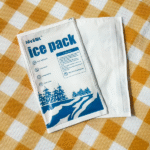
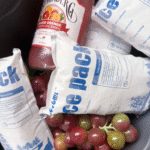
Perkirakan jumlah paket es gel untuk pengiriman dingin dan perencanaan rute yang praktis.
Perkirakan kantong esReferensi Bahan Isolasi
Bandingkan pilihan bahan insulasi untuk kebutuhan pengemasan rantai dingin yang berbeda.
Bandingkan bahanContoh praktis: Uji Alur Kerja, Bukan Hanya Kotaknya
Situasi pembeli industri yang umum melibatkan kit yang mungkin bersentuhan dengan bahan pembersih atau tumpahan kecil selama penanganan. Daripada mengasumsikan ketahanan terhadap bahan kimia secara umum, pembeli mencantumkan bahan tertentu, konsentrasi, waktu kontak, dan metode pembersihan. Kotak busa EPP mungkin tahan terhadap paparan tertentu dengan baik, namun prosedur penahanan sekunder dan tumpahan masih diperlukan jika isinya bisa bocor. Pendekatan ini memisahkan kesesuaian material dari manajemen keselamatan.
Nilai dari contoh ini bukanlah jenis produk persisnya. Ini menunjukkan metode peninjauan. Masukkan alur kerja sebenarnya ke dalam tahap sampel: memuat, penutupan, membawa, menyimpan, pembukaan, pembersihan, kembali, memeriksa, dan mendokumentasikan. Ketika uji sampel mencakup langkah-langkah ini, pembeli menemukan masalah cukup dini untuk menyesuaikan dimensi, aksesoris, Atau instruksi sebelum pesanan lebih besar.
Kesalahan yang Membuat Materi Bagus Berkinerja Buruk
Sebagian besar kegagalan pada kotak busa EPP yang tahan bahan kimia berasal dari asumsi yang tidak sesuai dan bukan karena cacat material yang sederhana. Pembeli melihat kata EPP dan mengharapkan isolasi, resistensi dampak, reusability, dan keberlanjutan muncul secara otomatis. Dalam praktiknya, setiap manfaat memerlukan detail desain dan proses pengoperasian.
- Dengan asumsi resistensi terhadap setiap bahan kimia: ubah ini menjadi pertanyaan tes atau pemasok sebelum melakukan pemesanan massal.
- Mengabaikan kompatibilitas bahan pembersih: ubah ini menjadi pertanyaan tes atau pemasok sebelum melakukan pemesanan massal.
- Tidak menggunakan penahanan sekunder: ubah ini menjadi pertanyaan tes atau pemasok sebelum melakukan pemesanan massal.
- Memilih insulasi tanpa pengelolaan tumpahan: ubah ini menjadi pertanyaan tes atau pemasok sebelum melakukan pemesanan massal.
Kesalahan umum lainnya adalah mengabaikan orang. Sebuah kotak yang terlihat kuat secara teknis mungkin terlalu janggal bagi pengemudi, staf gudang, pengguna lapangan, atau pelanggan. Jika staf membiarkan tutupnya terbuka, membebani kotak secara berlebihan, lewati pengkondisian awal, atau lupa mengembalikannya, kinerja yang terlihat dalam tinjauan terkontrol tidak akan muncul dalam penggunaan rutin. Pengemasan yang baik bukan hanya rekayasa material; itu juga desain alur kerja.
Catatan Operasional untuk Tim Pembelian yang Berbeda
Tim pengadaan harus menerjemahkan kotak busa EPP yang tahan bahan kimia ke dalam spesifikasi yang dibiayai, Operasi, dan kualitas semua bisa mengerti. Bagian keuangan akan menanyakan harga satuan dan biaya penggantian. Pengoperasian akan menanyakan apakah kotak memperlambat pemuatan atau meningkatkan penanganan. Mutu akan menanyakan apakah klaim tersebut didokumentasikan, terutama ketika sensitif terhadap suhu, makanan, laboratorium, atau barang farmasi terlibat. Tim-tim ini mungkin menggunakan bahasa yang berbeda, tetapi mereka sedang meninjau risiko yang sama: apakah wadah akan berperilaku seperti yang diharapkan setelah pembelian.
Insinyur pengemasan harus memperhatikan perbedaan antara dimensi gambar dan dimensi pemuatan praktis. Ruang pemuatan sebenarnya mungkin menyusut setelah dimasukkan, jangka pembagi garis, pendingin, bahan penyerap, paket utama, atau karton ritel ditambahkan. Insinyur juga harus memeriksa apakah dinding yang dibentuk menciptakan titik-titik tekanan, apakah tutupnya bergesekan dengan muatan, dan apakah label atau indikator kerusakan dapat diterapkan tanpa menghalangi penutupan.
Tim gudang dan pengiriman harus meninjau alur kerja manusia. Sebuah kotak yang secara teknis benar tetapi sulit dibuka, menutup, tumpukan, membersihkan, atau identifikasi akan menciptakan penggunaan yang tidak konsisten. Jika tim harus mengikuti instruksi paket, instruksi harus cukup singkat untuk digunakan selama pekerjaan rutin dan cukup jelas sehingga operator baru dapat mengikutinya tanpa menebak-nebak.
FAQ
Apakah kotak busa EPP tahan bahan kimia cocok untuk semua pengiriman rantai dingin?
TIDAK. Kotak EPP dapat menjadi wadah berinsulasi atau pelindung yang berguna, tetapi kesesuaiannya tergantung pada persyaratan suhu produk, durasi rute, muatan, konfigurasi pendingin, proses penanganan, dan kebutuhan dokumentasi. Untuk farmasi, laboratorium, atau pengiriman bernilai tinggi, pembeli harus memverifikasi bukti kemasan dan persyaratan kualitas sebelum memperlakukan kotak tersebut sebagai solusi pengiriman.
Apa yang harus saya tanyakan kepada pemasok sebelum memesan sampel?
Tanyakan dimensi internal dan eksternal, deskripsi bahan, penggunaan yang dimaksudkan, aksesori yang kompatibel, desain tutup, panduan pembersihan, pengendalian sampel-ke-produksi, dan bukti pengujian apa pun yang mendukung klaim termal atau dampak. Jika pengiriman sensitif terhadap suhu, tanyakan juga cairan pendinginnya apa, muatan, profil lingkungan, dan asumsi pemantauan digunakan dalam pengujian.
Apakah EPP secara otomatis menjadikan suatu paket ramah lingkungan?
Tidak secara otomatis. EPP dapat digunakan kembali dan didaur ulang jika terdapat rute yang sesuai, namun keberlanjutan bergantung pada tingkat pengembalian, pembersihan, pengendalian kerusakan, frekuensi penggantian, dan penanganan di akhir masa pakainya. Bahan yang dapat didaur ulang tanpa pengumpulan atau a kotak yang dapat digunakan kembali tanpa disiplin pengembalian mungkin tidak memberikan manfaat lingkungan yang diharapkan.
Bisakah satu kotak EPP digunakan untuk makanan, farmasi, Sampel lab, dan produk luar ruangan?
Kelompok materi yang sama dapat muncul di banyak aplikasi, tetapi spesifikasinya harus berubah berdasarkan kasus penggunaan. Pengiriman makanan mungkin memerlukan sanitasi dan kontrol kondensasi. Farmasi mungkin memerlukan dokumentasi paket. Sampel laboratorium mungkin memerlukan penahanan dan pelabelan sekunder. Produk luar ruangan mungkin memerlukan kenyamanan dan pembersihan konsumen. Gunakan aplikasi untuk menentukan kotak.
Bagaimana saya mengetahui apakah sampel siap untuk pemesanan massal?
Sampel siap hanya setelah muatan sebenarnya dikemas, ditangani, tertutup, berlabel, dibersihkan, dan ditinjau dalam kondisi yang mendekati alur kerja yang dimaksudkan. Jika pembeli masih kekurangan informasi mengenai dimensi, aksesoris, pengujian, atau konsistensi produksi, tahap sampel harus dilanjutkan sebelum pesanan massal.
Kesimpulan
Memilih kotak busa EPP yang tahan bahan kimia tidak boleh direduksi menjadi perbandingan katalog sederhana. Keputusan yang lebih baik menghubungkan materi, desain cetakan, volume yang dapat digunakan, perilaku tutup, kondisi rute, aksesoris, dokumentasi, dan total biaya operasional.
Gunakan sampel untuk menguji alur kerja, bukan hanya penampilan. Ajukan pertanyaan spesifik, menghindari asumsi yang tidak didukung, dan melibatkan kualitas, logistik, atau tim operasi lebih awal ketika pengiriman sensitif atau diatur terhadap suhu.