Badan artikel
Memilih Pemasok Bantalan Pendingin Sampel Tisu Tanpa Mengorbankan Protokol
Cara teraman untuk mendapatkan sumber dalam kategori ini adalah dengan memperlakukan paket sebagai bagian dari sistem kerja. Sistem itu mungkin merupakan pengirim rantai dingin, protokol spesimen, produk terapi ritel, atau karton e-commerce premium. Setelah Anda menyusun keputusan seperti itu, pemilihan pemasok menjadi jauh lebih praktis dan tidak perlu menebak-nebak.
Kompres dingin berada di luar wadah primer dan sekunder. Detail tersebut penting karena bantalan pendingin yang baik tidak dapat mengimbangi penahanan sekunder yang buruk, bahan penyerap tidak mencukupi, atau wadah luar yang kurang terisolasi.
Apa yang seharusnya dilakukan oleh produk—dan apa yang tidak diharapkan dari produk tersebut
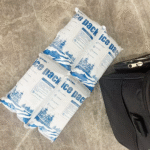
A gel cooling pad is used to help hold a specimen or tissue shipment within a target handling window while the sample moves from collection point to laboratory. Ini mungkin diletakkan di wadah luar berinsulasi di sekitar kemasan sekunder, atau dapat ditempatkan di kompartemen yang mendinginkan muatan dengan lebih lembut dibandingkan kontak langsung dengan media yang dibekukan. Tujuan sebenarnya adalah integritas spesimen, bukan hanya eksterior yang dingin.
Pengiriman jaringan dan diagnostik sangat sensitif karena suhu yang tepat bergantung pada jenis spesimen, metode pengujian, menstabilkan media, dan waktu transit. Pad yang berfungsi untuk satu protokol mungkin salah untuk protokol lainnya. Itulah mengapa Anda harus menganggap bantalan pendingin sebagai salah satu bagian dari prosedur pengiriman spesimen, bukan sebagai jawaban universal.
Panduan spesimen publik untuk laboratorium penyakit menular menempatkan spesimen dalam lemari es pada suhu 2-8°C sebelum pengiriman dan menunjukkan cold pack di sekitar kemasan sekunder yang disegel dengan insulasi tambahan.. Untuk beberapa spesimen suhu kamar, targetnya adalah 15-25°C. Jika berlaku, pengepakan rangkap tiga dan aturan pengepakan IATA masih mengatur pengiriman. Panduan pengiriman spesimen untuk umum juga menjelaskan bahwa spesimen yang didinginkan dikemas dengan kemasan sekunder, bahan penyerap jika diperlukan, dan media pendingin dalam wadah luar berinsulasi. Bantalan pendingin berguna, tetapi klasifikasi dan metode pengemasan ditentukan oleh spesimen dan aturan pengangkutan, bukan oleh refrigeran saja.
Bagaimana format yang tepat dipilih
Mekanisme pendinginan harus disesuaikan dengan protokol sampel. Beberapa pengiriman tisu dan diagnostik memerlukan penanganan dalam lemari pendingin sekitar 2-8°C. Lainnya dikirim dalam keadaan beku, dan ada pula yang distabilkan untuk suhu ruangan yang terkontrol. That is why a generic ‘cold pad’ description is not enough. Pemasok perlu mengetahui apakah bantalan tersebut diharapkan dapat mempertahankan penyangga berpendingin, mencegah panas berlebih untuk transfer singkat, atau hindari kontak langsung antara sumber yang beku dan wadah spesimen.
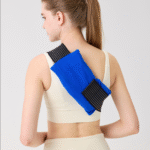
Paket rantai dingin komersial biasanya menggunakan gel tidak beracun yang disegel di dalam film berbahan dasar polietilen atau poli-nilon, sementara beberapa format menambahkan lapisan luar penyerap untuk menangani kondensasi. Paket terapi dapat menambahkan penutup tekstil lembut, bungkus berbentuk, atau tali pengikat. Dalam setiap kasus, format yang terlihat penting karena lapisan luar mempengaruhi ketahanan tusukan, kemampuan bersih, fleksibilitas, dan bagaimana kemasan memindahkan suhu dingin ke produk atau tubuh. Bentuk juga lebih penting daripada yang diperkirakan banyak pembeli. Bantalan datar mungkin menempel rapi pada kemasan sekunder, sedangkan kantong yang besar dapat menimbulkan titik-titik tekanan atau pendinginan yang tidak merata. Untuk pekerjaan spesimen, pemasok harus dapat mendiskusikan kebersihan, perilaku kondensasi, dan apakah format kemasan sesuai dengan kemasan sekunder dan luar tanpa merusak label atau bahan penyerap yang diperlukan.
Kasus penggunaan yang umum mencakup pengangkutan sampel penelitian antara lokasi pengumpulan dan laboratorium, pengiriman jaringan diagnostik dalam penanganan yang didinginkan, dan transfer biobank jarak pendek yang mengkhawatirkan terhadap pendinginan berlebih. Dalam setiap kasus, bantalan pendingin ada untuk melindungi kualitas atau pelestarian pengujian, not to create an impression of ‘cold shipping’ for its own sake. Sampelnya mungkin kecil, namun konsekuensi dari pengendalian suhu yang buruk bisa sangat besar: pengujian tidak valid, morfologi terdegradasi, atau kebutuhan untuk mengingat materi.
Dimana pembeli mendapatkan nilai dan dimana kesalahan dimulai
Keuntungan dari bantalan pendingin yang baik adalah kontrolnya. Ini bisa membuat pengirimnya lebih lembut, lebih kompak, dan sumber dingin yang lebih mudah ditempatkan dibandingkan es lepas atau kantong beku yang terlalu banyak. Hal ini sangat berguna ketika protokol sampel memerlukan pendinginan tetapi tidak pembekuan, atau ketika bungkusan tersebut perlu dipasang di sekitar wadah sekunder tanpa mengompresnya.
Keterbatasannya adalah tidak ada bantalan pendingin yang dapat menentukan sendiri persyaratan spesimen. Batas suhu, jendela stabilitas, klasifikasi, dan lapisan pengemasan berasal dari sampel dan prosedur pengangkutan. Pemasok dapat membantu dengan komponen pendingin, namun lab atau tim kualitas Anda masih perlu menentukan jendela target yang benar dan memverifikasi perakitan lengkap.
Untuk transportasi sampel, data teknis yang berguna termasuk dimensi pad, ketebalan yang dikondisikan, perkiraan massa zat pendingin, bahan permukaan, dan penempatan yang direkomendasikan relatif terhadap paket sekunder. Pembeli juga harus menanyakan apakah bantalan tersebut dimaksudkan untuk digunakan dalam keadaan beku sepenuhnya, dinginkan, atau disetimbangkan sebagian sebelum pemuatan. Detail tersebut memengaruhi perlindungan sampel dan kecepatan alur kerja di meja pengepakan.
Kegagalan yang umum terjadi berasal dari kontak langsung yang membuat spesimen menjadi terlalu dingin, kecocokan buruk yang mendistorsi paket sekunder, atau bantalan pendingin berukuran besar yang memaksa kotak berinsulasi lebih besar dari kebutuhan protokol. Dalam kategori ini, ukuran yang tepat bukanlah masalah efisiensi yang kecil. Ini adalah bagian dari perlindungan spesimen.
Daftar pemasok yang praktis
Untuk pekerjaan jaringan dan diagnostik, daftar periksa pemasok harus terhubung langsung ke protokol sampel. Transportasi sampel jaringan dimulai dengan protokol spesimen, bukan katalog bantalan pendingin. Jaringan yang berbeda, tes, dan jendela transportasi dapat memerlukan pendingin, ambient, atau penanganan beku, dan format paket harus mendukung persyaratan tersebut.
Daftar pilihan yang tepat dibangun berdasarkan kemampuan pengulangan, bugar, dan batasan operasi yang jujur. Minta pemasok untuk menjawab poin-poin di bawah ini secara tertulis sehingga persetujuan sampel dan persetujuan massal tetap selaras.
Alat pengambilan keputusan yang berguna
Periksa detailnya sebelum Anda memilih kemasan
Alat cepat ini dapat membantu Anda membandingkan risiko rute, kebutuhan ukuran, pilihan pendingin, dan detail kemasan sebelum Anda meminta penawaran.
Kalkulator Paket Es
Perkirakan jumlah paket es gel untuk pengiriman dingin dan perencanaan rute yang praktis.
Perkirakan kantong esPendingin & Referensi PCM
Bandingkan opsi cairan pendingin dan PCM ketika suatu rute memerlukan dukungan suhu tambahan.
Bandingkan pilihanKetahanan Jatuh Bahan Isolasi
Tinjau ketahanan jatuh dan faktor penanganan sebelum memilih bahan insulasi.
Periksa resistensi- Konfirmasikan dimensi internal dan eksternal, mengisi berat, dan jumlah kotak sehingga paket sesuai dengan pengirim Anda saat ini tanpa ruang udara yang terbuang.
- Tanyakan film atau bahan luar apa yang digunakan, bagaimana segel terbentuk, dan pengendalian apa yang diterapkan untuk mencegah penyimpangan lot-to-lot.
- Mintalah instruksi pengkondisian tertulis daripada mengandalkan kebiasaan freezer informal di meja pengepakan.
- Periksa apakah paket sampel dan paket produksi berasal dari bill of material yang sama, rutinitas pengisian yang sama, dan standar kualitas yang sama.
- Tanyakan bagaimana pemasok mengkomunikasikan formulasi apa pun, film, mencetak, atau perubahan dimensi paket sebelum pengiriman.
- Target suhu dan apakah jalur sampel didinginkan, dikendalikan lingkungan, atau dibekukan
- Ketebalan bantalan dan geometri kontak di dalam pengirim berinsulasi yang dipilih
- Kompatibilitas dengan kemasan sekunder anti bocor dan lapisan penyerap
- Panduan penempatan logger dan dukungan pengujian rute
- Perbedaan yang jelas antara komponen pendingin umum dan kemasan sampel yang memenuhi syarat
- Perjelas apakah kemasan tersebut dimaksudkan sebagai salah satu komponen dalam pengirim yang memenuhi syarat atau sekadar pendingin umum untuk penggunaan yang lebih luas.
- Jalankan uji coba kecil dengan logger sebelum melakukan penskalaan. Pemasok yang dapat diandalkan harus merasa nyaman mendukung langkah tersebut.
Cara memvalidasi sebelum melakukan penskalaan
Sebelum pesanan besar, uji coba sepadan dengan waktu yang dihabiskan. Gunakan paket tujuan produksi di pengirim berinsulasi yang tepat, dengan massa muatan nyata, praktik pengondisian nyata, dan seorang penebang. Latihan kecil itu sering kali mengungkapkan apakah masalahnya ada pada pilihan zat pendingin, penempatan paket, rutinitas freezer, karton sesuai, atau menerima disiplin. Catat tidak hanya jejak logger, tetapi juga suhu pemuatan produk, jumlah pasti dan penempatan paket, waktu karton terbuka selama pengepakan, dan kondisi sekitar saat pengiriman.
Setelah pilotnya, meninjau lebih dari lulus/gagal. Carilah duri dingin, pemanasan yang terlambat, kondensasi, kerusakan paket, dan menangani gesekan. Banyak tim menemukan bahwa masalah utamanya bukanlah kimia gel sama sekali; itu adalah penempatan paket, ukuran kotak, rutinitas freezer, atau ketidaksesuaian antara paket sampel dan pasokan tujuan produksi.
Itulah sebabnya persyaratan dapat berbeda-beda menurut rute dan jenis sampel. Beberapa pengiriman ditangani sebagai zat biologis yang didinginkan berdasarkan instruksi pengemasan khusus. Orang lain mungkin dikecualikan atau mengikuti prosedur laboratorium setempat. Gunakan diskusi pemasok untuk menyempurnakan pilihan zat pendingin, namun biarkan prosedur kualitas atau pengiriman Anda menentukan batasan kepatuhan.
Kuncinya adalah membuat pemasok membuktikan bahwa kemasan yang disebutkan dapat diproduksi dan dikondisikan dengan cara yang sama setiap saat. Dalam pekerjaan laboratorium yang sensitif, reproduktifitas seringkali menjadi faktor penentu pembelian.
Arah prioritas pengadaan saat ini
Tim logistik sampel kini mengharapkan lebih banyak dukungan pemasok seputar penempatan paket, posisi pencatat, dan pengujian khusus rute karena integritas pengujian dapat dipengaruhi oleh panas berlebih dan pendinginan berlebihan. Pergeseran jelas lainnya adalah menuju sumber berbasis protokol. Laboratorium kurang bersedia menerima aksesori dingin generik tanpa menanyakan kesesuaiannya dengan alur kerja spesimen sebenarnya. Hal ini menguntungkan pemasok yang dapat menyesuaikan dimensi, panduan pengkondisian, dan dokumentasi untuk kasus penggunaan alih-alih menggunakan kantong pendingin satu ukuran untuk semua.
Diskusi keberlanjutan biasanya fokus pada pengurangan limbah tanpa merusak integritas sampel. Dalam praktiknya, itu mungkin berarti memilih pad terkecil yang efektif, mengurangi ruang kosong, dan menghindari zat pendingin yang terlalu besar sehingga memerlukan kotak luar yang lebih besar dari yang sebenarnya dibutuhkan protokol.
Pengemasan sekunder dan penempatan cairan pendingin
Untuk pengiriman spesimen, Pemilihan pad tidak lepas dari kemasan sekunder. Media pendingin harus sesuai dengan wadah sampel yang dilindungi tanpa merusak lapisan penyerap, integritas penutupan, atau tanda wajib pada kemasan sekunder atau luar. Pemasok yang hanya berbicara tentang pad dan tidak pernah bertanya tentang kemasan sekunder kehilangan bagian penting dari alur kerja.
Penempatan juga sama pentingnya. Kemasan yang langsung menempel pada sampel dapat menimbulkan kejutan dingin yang tidak perlu, sementara paket yang terlalu jauh mungkin tidak banyak berpengaruh. Itulah sebabnya geometri sederhana seringkali sama pentingnya dengan massa gel total.
Kesimpulan
Untuk pekerjaan jaringan dan diagnostik, bantalan pendingin yang benar adalah yang mendukung protokol tanpa berpura-pura menggantinya. Pola pikir tersebut menjaga disiplin pengadaan dan melindungi integritas sampel.
Saat paket, kemasan sekunder, dan rutenya semuanya dipertimbangkan bersama, pemilihan pemasok menjadi lebih tepat dan risikonya jauh lebih kecil.
Tentang Tempk
Dan Tempk, kami fokus pada rantai dingin Kemasan yang dikendalikan suhu untuk makanan, obat, dan pengiriman sensitif suhu lainnya. Rangkaian produk publik kami meliputi Gel Ice Packs, batu bata es freezer, liner kotak terisolasi, Kotak Epp, penutup palet, dan bahan kemasan terkait. Kami juga menjelaskan pekerjaan kami solusi rantai dingin pengembangan dengan in-house R&D dan dukungan pengujian termal. Hal ini membantu kita mendiskusikan masing-masing zat pendingin dan sistem pengemasan yang lebih luas di sekitarnya.
Langkah selanjutnya
Jika Anda meninjau pemasok atau merencanakan paket baru, mulai dengan kisaran suhu produk sebenarnya dan panjang rute. Kemudian mintalah kumpulan sampel yang cocok dengan pesanan massal yang Anda inginkan dan ujilah sebelum melakukan penskalaan.
FAQ
Ini adalah pertanyaan yang paling sering muncul setelah perbandingan awal selesai.
Apakah bantalan pendingin gel cocok untuk setiap sampel jaringan?
TIDAK. Persyaratan suhu tergantung pada spesimen dan metode pengujian. Beberapa sampel dipindahkan dalam keadaan dingin, beberapa lingkungan, dan ada pula yang beku. Mulailah dengan protokol, lalu pilih refrigeran. Protokol sampel harus tetap menjadi otoritas akhir mengenai target suhu dan metode pengemasan.
Di mana bantalan pendingin harus dimasukkan dalam kemasannya?
Biasanya di sekitar paket sekunder yang disegel dan di dalam wadah luar yang terisolasi, tidak bersentuhan langsung dengan wadah utama. Penempatan yang tepat tergantung pada desain paket. Periksa jawabannya terhadap kemasan sekunder dan pengkondisian rutin yang digunakan oleh laboratorium.
Kapan es kering merupakan pilihan yang lebih baik?
Ketika spesimen harus tetap dibekukan sepanjang perjalanan atau ketika protokol mengharuskan keadaan beku melebihi batas yang dapat dipertahankan dengan aman oleh bantalan pendingin. Untuk penggunaan rutin, pastikan bahwa bantalan yang diusulkan sesuai dengan alur kerja spesimen tanpa membuat muatan menjadi terlalu dingin.