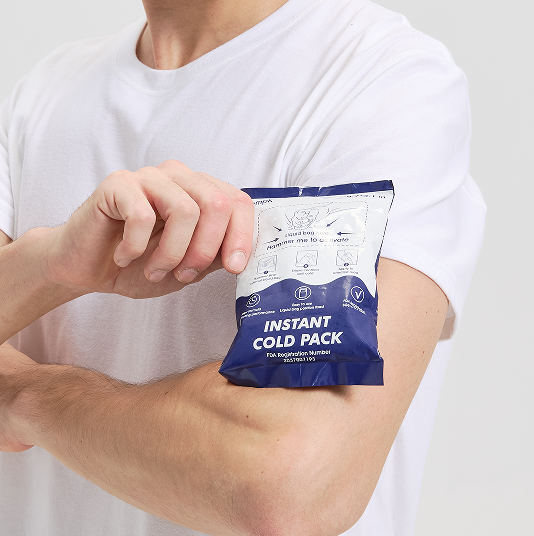
Memilih Bantalan Pendingin Gel Pemasok Uji Klinis untuk Kondisi Rantai Dingin dan Penanganan Nyata
Pendekatan yang tepat untuk pemasok uji klinis bantalan pendingin gel adalah dengan mencocokkan format zat pendingin dengan rutenya, produk, dan kondisi penanganan sebelum membandingkan harga.
Untuk logistik uji klinis, distribusi produk investigasi, dan transportasi sampel, jawaban yang paling dapat diandalkan biasanya sama: pilih paket hanya setelah Anda mengetahui kisaran suhu target, durasi rute atau jendela penanganan, geometri muatan, dan tingkat dokumentasi yang dibutuhkan tim Anda. Hal ini membuat pengadaan tetap terikat pada kinerja dan bukan pada bahasa pemasaran.
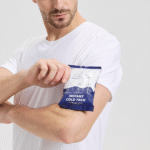
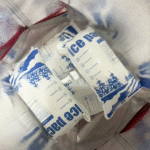
Dalam logistik uji klinis, bantalan pendingin gel dapat merujuk pada elemen pendingin datar yang digunakan dalam kotak peralatan, pengiriman sampel pasien, atau pengirim produk investigasi yang mengutamakan efisiensi ruang dan bahkan kontak. Daya tarik format pad adalah dapat mendinginkan tanpa membuang ruang dalam perangkat uji coba yang ringkas.
Namun uji klinis tidak mempunyai toleransi terhadap ambiguitas. Pertanyaan yang relevan bukan hanya apakah pembalutnya cukup dingin. Pertanyaannya adalah apakah format zat pendingin mendukung kisaran suhu yang ditentukan protokol, durasi transit yang diharapkan, dan perilaku penerimaan di situs.
Mulailah dengan definisi yang tepat
Bantalan pendingin gel dalam paket uji klinis hanyalah salah satu komponen dalam sistem logistik berbasis protokol. Bantalan ini dapat meningkatkan kontrol suhu dan efisiensi ruang, tapi itu tidak menggantikan kualifikasi rute, penempatan logger, SOP pengemasan, perencanaan kepabeanan, atau disiplin penerimaan tingkat lokasi.
Perbedaan tersebut menjadi sangat penting dalam uji coba karena nilai materialnya tinggi dan toleransi operasionalnya rendah. Bantalan yang secara teori terlihat memadai secara termal mungkin masih merupakan pilihan yang buruk jika lokasinya tidak dapat mengkondisikannya dengan benar, rute kurir tidak stabil, atau geometri paket membingungkan staf belajar.
Program uji klinis biasanya memerlukan disiplin dokumentasi yang lebih kuat daripada pengiriman paket biasa karena bahannya, protokol, dan lacak balak semuanya penting. Pemasok yang dapat mendukung kontrol spesifikasi seringkali lebih berguna daripada pemasok yang hanya menawarkan banyak stok SKU.
Cara kerjanya dan mengapa format itu penting
Refrigeran uji klinis adalah pertanyaan desain, bukan hanya pertanyaan materi. Suhu transisi pad, geometri, dan posisi relatif terhadap payload dan data logger semuanya mengubah hasil termal sebenarnya. Bantalan datar dapat meningkatkan kontak dalam perangkat uji coba yang ringkas, namun batu bata dapat memberikan stabilitas yang lebih baik untuk jalur yang panjang atau tidak menentu.
Performa termal tidak hanya berasal dari pengisian bagian dalam. Cangkang atau film harus tetap cukup fleksibel untuk kondisi pengkondisian yang diinginkan, tahan tusukan atau kelelahan jahitan, dan mempertahankan geometri berulang di sekitar muatan. Bahkan bahan kimia pendingin yang baik pun dapat mengecewakan jika bentuk isian berubah terlalu banyak setelah pembekuan, jika sel mendistribusikan massa secara tidak merata, atau jika bagian luarnya menjadi sulit untuk ditangani dalam alur kerja sebenarnya.
Geometri sangat penting karena panas tidak masuk ke pengirim atau pengaturan penanganan secara seragam. Format datar menciptakan kontak yang lebih luas dan dapat mengurangi ruang mati. Batu bata yang lebih tebal atau kemasan yang lebih padat dapat menyimpan energi pendinginan lebih lama, namun mereka juga menempati lebih banyak volume dan dapat menciptakan titik kontak lokal yang lebih dingin. Keseimbangan yang benar tergantung pada apakah Anda memerlukan cakupan yang merata, waktu tahan lebih lama, pengepakan lebih mudah, penanganan yang lebih bersih, atau jendela suhu yang lebih terkontrol.
Pilihan PCM seringkali berharga dalam uji coba karena dapat menargetkan pendingin, beku, atau jendela dengan suhu ruangan terkontrol lebih tepat dibandingkan gel generik 0°C. Hal ini menjadi semakin penting ketika bahan percobaan memiliki stabilitas terbatas atau bernilai tinggi.
Tempat yang paling cocok dan perbedaan formatnya
Kasus penggunaan yang paling sesuai bergantung pada trade-off yang paling Anda pedulikan: cakupan, lamanya, penanganan, pengulangan, kontrol kondensasi, pengalaman penerima, atau buffering suhu yang lebih ketat. Pola umum di bawah ini membantu pembeli membandingkan trade-off tersebut dengan cepat.
| Format | Paling cocok | Kekuatan utama | Batasan utama | Apa yang harus diverifikasi pembeli |
| Bantalan pendingin gel datar | Kit uji coba ringkas dan kotak sampel | Efisiensi ruang dan cakupan permukaan yang baik | Mungkin tidak memberikan waktu tunggu terlama | Ketebalan dan pola kontak yang dikondisikan |
| bantalan PCM | Bahan uji suhu terkontrol | Penargetan jangkauan yang lebih baik | Perlu SOP pengondisian yang ketat | Suhu transisi dan instruksi operator |
| Bata PCM yang kaku | Jalur yang lebih panjang atau berisiko lebih tinggi | Geometri yang dapat diulang untuk kualifikasi | Kurang fleksibel dalam kit kompak | Kesesuaian muatan dan peta paket |
| Pengirim VIP dengan sistem pendingin | Studi global bernilai tinggi | Keamanan termal yang lebih kuat | Biaya dan kompleksitas lebih tinggi | Dukungan kualifikasi dan rencana penggunaan kembali |
Distribusi produk obat investigasi
Peralatan uji coba sering kali berpindah melalui jalur multi-negara, pos pemeriksaan bea cukai, dan jadwal lokasi yang tidak sepenuhnya dapat diprediksi. Di lingkungan ini, pad harus berfungsi di dalam paket yang direkayasa, bukan sebagai aksesori dingin yang longgar.
Sponsor peduli dengan pengulangan karena setiap perjalanan yang tidak dapat dijelaskan dapat menimbulkan pertanyaan disposisi produk dan penundaan operasional.
Logistik pengembalian sampel biologis
Uji klinis sering kali melibatkan pemindahan sampel biologis dari lokasi yang terdesentralisasi ke laboratorium pusat. Di Sini, bantalan pendingin dapat digunakan karena cocok dengan kotak kompak dan dapat menciptakan pendinginan yang merata di sekitar botol atau selongsong.
Tetap, faktor kritisnya tetap waktu rute, penempatan logger, klasifikasi spesimen, dan bagaimana situs tersebut mempersiapkan kiriman di bawah tekanan waktu.
Uji coba langsung ke pasien dan terdesentralisasi
Studi berbasis rumah dan desentralisasi telah meningkatkan standar kesederhanaan. Sistem pendingin harus mudah digunakan di lokasi, kurir, atau bahkan pasien untuk memahaminya, because the rantai dingin can now begin or end outside a controlled depot.
Alat pengambilan keputusan yang berguna
Periksa detailnya sebelum Anda memilih kemasan
Alat cepat ini dapat membantu Anda membandingkan risiko rute, kebutuhan ukuran, pilihan pendingin, dan detail kemasan sebelum Anda meminta penawaran.
Kalkulator Paket Es
Perkirakan jumlah paket es gel untuk pengiriman dingin dan perencanaan rute yang praktis.
Perkirakan kantong esPembuat Daftar Periksa Kepatuhan
Buatlah daftar periksa praktis untuk tinjauan kemasan, pengiriman, dan dokumentasi.
Buat daftar periksaReferensi Bahan Isolasi
Bandingkan pilihan bahan insulasi untuk kebutuhan pengemasan rantai dingin yang berbeda.
Bandingkan bahanItu membuat instruksi pengkondisian menjadi jelas, geometri paket sederhana, dan perencanaan kontinjensi kemampuan pemasok yang penting.
Daftar periksa pemasok yang praktis sebelum peningkatan skala
Ketika tim pasokan klinis, Manajer logistik CRO, dan pengadaan bioteknologi menghasilkan volume pembelian, percakapan pemasok terbaik bersifat rinci dan spesifik. Ini harus mencakup dimensi dalam penggunaan yang dikondisikan, pilihan bahan, kualitas penutupan atau jahitan, menangani stres, ketertelusuran banyak, dan petunjuk praktis yang diperlukan bagi orang-orang yang akan membeku, mengemas, bergerak, membersihkan, atau menerima produknya. Daftar pendek yang dibuat berdasarkan poin-poin tersebut biasanya lebih dapat diandalkan dibandingkan daftar panjang yang hanya didasarkan pada harga dan MOQ.
Kebanyakan kesalahan pembelian terjadi ketika tim membandingkan paket sebelum mereka menuliskan kebutuhan pengoperasian sebenarnya. Untuk logistik uji klinis, distribusi produk investigasi, dan transportasi sampel, keputusan harus dimulai dengan jendela suhu protokol dan kebijakan ekskursi yang diperbolehkan, kemudian bergerak melalui risiko rute yang sebenarnya, termasuk adat istiadat, serah terima, dan perilaku penerimaan situs, geometri pad versus ukuran muatan, penempatan logger, dan desain isolasi, dan realitas penanganan di balik kesederhanaan pengkondisian tingkat lokasi dan beban pelatihan. Jika pengiriman atau kasus penggunaan memiliki pengguna akhir yang terlihat, evaluasi juga harus mencakup kemampuan pemasok untuk mendukung dokumentasi, kualifikasi, dan mengubah kendali. Urutan tersebut membuat diskusi terikat pada hasil rute dan bukan pada bahasa katalog.
- Tanyakan apakah pemasok mempunyai pengalaman dengan jalur uji klinis dan bukan hanya pengiriman makanan komersial.
- Minta dokumentasi suhu transisi dan pengkondisian dalam bahasa yang ramah operator.
- Konfirmasikan apakah format zat pendingin telah digunakan dalam pengujian gaya ISTA atau pekerjaan kualifikasi rute.
- Tinjau instruksi penanganan lokasi dan pastikan instruksi tersebut realistis untuk staf non-spesialis.
- Tanyakan tentang ketertelusuran lot, pengendalian formulasi, dan apa yang terjadi jika materi atau film berubah.
- Diskusikan siap pakai, sudah dikondisikan sebelumnya, atau opsi logistik balik jika kapasitas freezer di lokasi terbatas.
- Uji dengan kit sebenarnya, Label, dan monitor, karena geometri kit dan penempatan logger mengubah kinerja.
Untuk pengadaan jangka panjang, pengendalian perubahan sama pentingnya dengan kinerja lintasan pertama. Pembeli harus mengetahui apa yang terjadi jika pemasok mengubah struktur film, kelas resin, mengisi formulasi, pola segel, karya seni, atau tempat produksi. Jika perubahan tersebut tidak dikomunikasikan dan dievaluasi kembali, seorang pilot yang sukses dapat beralih ke hasil produksi yang kurang dapat diandalkan tanpa ada yang menyadarinya hingga keluhan lapangan dimulai.
Poin kualifikasi dan dokumentasi yang penting
Logistik uji klinis berada di bawah beban dokumentasi yang tinggi meskipun format zat pendinginnya sendiri terlihat sederhana. Oleh karena itu, pemasok harus mampu mendukung pengendalian spesifikasi, ketertelusuran banyak, dan dokumentasi pengujian atau kualifikasi yang dapat dimasukkan ke dalam file logistik sponsor.
Penyedia rantai dingin uji klinis semakin banyak menggunakan solusi PCM karena mereka menawarkan rentang suhu yang dapat disesuaikan dan dapat disesuaikan dengan rute dan kebutuhan produk. Hal ini tidak menghilangkan kebutuhan akan perencanaan rute, pemantauan, kontinjensi bea cukai, atau aturan pengiriman khusus spesimen ketika sampel terlibat.
Pendeknya, pad harus sesuai dengan protokol dan sistem pengiriman. Materi percobaan terlalu berharga untuk memisahkan keputusan-keputusan tersebut.
Paket data pemasok yang berguna biasanya mencakup dimensi yang dikondisikan, berat atau kisaran pengisian nominal, deskripsi bahan, instruksi pengkondisian, jendela penggunaan yang direkomendasikan, panduan penyimpanan, dan informasi pengujian yang relevan tentang kebocoran, daya tahan, atau kinerja rute. Untuk program yang diatur atau sensitif terhadap kualitas, pembeli seringkali juga menginginkan keterlacakan lot, kontrol revisi pada spesifikasi dan karya seni, dan pernyataan yang jelas tentang apa yang telah divalidasi oleh pemasok versus apa yang masih memerlukan kualifikasi khusus rute oleh pihak pengirim.
Kualifikasi harus mencerminkan jalur yang sebenarnya Anda rencanakan untuk dijalankan. Itu berarti menentukan suhu muatan saat pengemasan, jumlah dan lokasi refrigeran, konfigurasi isolasi, durasi transit yang diharapkan, dan profil eksposur paling kredibel. Pencatat suhu atau alat pemantauan lainnya membantu memastikan apakah paket tersebut melindungi kisaran target di lokasi yang paling hangat dan paling rentan, tidak hanya di pusat geometris pengirim.
Pengujian uji klinis harus mencerminkan realitas protokol sedekat mungkin. Pembeli harus bertanya bagaimana perilaku pad di dalam pengirim yang memenuhi syarat, bagaimana ia berinteraksi dengan payload dan posisi logger, dan apakah pengkondisian rutin ini praktis untuk situs yang benar-benar akan menggunakannya.
Hal ini juga bijaksana untuk mengevaluasi mode kegagalan seperti penerimaan situs yang tertunda, penggunaan kit parsial, logistik pengembalian, dan skenario penahanan bea cukai. Dalam uji coba, format refrigeran harus bekerja tidak hanya pada profil pengiriman yang ideal tetapi juga pada pengecualian operasional yang terjadi di lapangan.
Pertanyaan umum
Bisakah bantalan pendingin gel berfungsi untuk IMP dan sampel?
Kadang-kadang, tetapi hanya jika jendela suhu, sistem pengemasan, dan klasifikasi pengiriman cocok untuk kedua aplikasi. Kesesuaiannya harus diverifikasi, bukan diasumsikan.
Mengapa uji klinis sering kali lebih memilih format PCM??
Karena PCM dapat menargetkan rentang suhu tertentu dengan lebih tepat, yang berharga ketika bahan uji coba sensitif terhadap stabilitas dan risiko rutenya tinggi.
Apa yang harus disediakan pemasok selain pad itu sendiri?
Instruksi pengkondisian yang jelas, pengendalian spesifikasi, ketertelusuran banyak, dan dukungan untuk pengujian atau kualifikasi rute adalah tambahan minimum yang berguna.
Intinya
Dalam uji klinis, pemasok bantalan pendingin gel yang baik adalah yang mendukung realitas protokol, bukan hanya pasokan produk. Risiko rute, perilaku situs, dan disiplin dokumentasi sama pentingnya dengan bantalan pendingin itu sendiri.
Hasil pengadaan yang paling kuat biasanya berasal dari pencocokan zat pendingin dengan rute atau kasus penggunaan yang tepat, kemudian menguji hasilnya dalam kondisi realistis, dan terakhir memilih pemasok yang dapat mereproduksi hasil tersebut secara konsisten. Pendekatan itu lebih lambat dibandingkan membeli berdasarkan deskripsi katalog, namun biasanya jauh lebih murah dibandingkan pemecahan masalah kegagalan setelah peluncuran.
Percontohan singkat dengan tim operasi sebenarnya sering kali mengungkapkan lebih dari sekadar tinjauan spesifikasi yang panjang. Ini menunjukkan apakah paket tersebut mudah dikondisikan, apakah itu cocok dengan jalur atau stasiun penanganan, apakah label tetap dapat dibaca, dan apakah tim penerima memahami apa yang harus dilakukan dengannya. Detail alur kerja kecil ini sering kali menentukan apakah suatu produk terasa dapat diandalkan setelah diluncurkan.
Tentang Tempk
Dan Tempk, kami mengembangkan berorientasi biofarmasi Kemasan yang dikendalikan suhu, termasuk Paket gel, solusi PCM, pengirim terisolasi, dan adat kemasan rantai dingin mendukung. Situs kami juga menjelaskan in-house R&D dan sumber daya laboratorium. Untuk pembeli uji klinis, itu penting karena desain pad, desain pengirim, dan dukungan pengujian biasanya harus berfungsi sebagai satu paket, bukan sebagai pembelian yang tidak terhubung.
Langkah selanjutnya
Jika Anda membandingkan pilihan, mintalah rekomendasi berdasarkan kisaran suhu target, durasi transit, proses pengkondisian, dan kebutuhan dokumentasi jalur Anda.