Menjaga kue tetap segar dan indah bukan hanya tentang keterampilan membuat kue—ini tentang penguasaan logistik kue rantai dingin. Saat makanan penutup yang mudah rusak seperti kue isi krim atau gateaux dengan topping buah, tinggalkan oven, mereka harus memasuki perjalanan dengan suhu terkendali dari produksi ke penyimpanan, mengangkut, tampilan dan akhirnya piring pelanggan Anda. Kegagalan pada titik mana pun dapat menyebabkan pembusukan, frosting yang basah atau pertumbuhan bakteri yang berbahaya. Panduan ini, diperbarui pada bulan Desember 2025, menjelaskan mengapa kontrol suhu dan manajemen kelembapan sangat penting, cara membangun rantai pendingin kue yang lancar dan apa arti teknologi serta peraturan baru bagi bisnis Anda. Apakah Anda menjalankan toko kue, kafe, hotel atau perusahaan katering, Anda akan belajar cara melindungi kualitas produk, mematuhi 2025 Undang-Undang Modernisasi Keamanan Pangan (FSMA) memperbarui dan memanfaatkan inovasi seperti IoT dan blockchain.
Panduan ini akan membantu Anda:
Pahami mengapa integritas rantai dingin penting bagi kualitas dan keamanan kue, dan risiko yang terkait dengan suhu di 5 °C–63 °C zona bahaya.
Pelajari kisaran suhu dan kelembapan yang disarankan untuk persiapan kue, penyimpanan, tampilan dan transportasi, dengan tip praktis tentang pendinginan cepat, penyimpanan dingin dan pembekuan.
Kuasai pengangkutan kue yang aman menggunakan kendaraan yang didinginkan sebelumnya, wadah terisolasi, optimalisasi rute dan pemantauan waktu nyata.
Navigasi 2025 persyaratan peraturan, termasuk aturan transportasi FSMA, Pedoman Badan Standar Makanan dan persyaratan sertifikasi BRCGS.
Jelajahi teknologi baru dan tren pasar, seperti sensor IoT, Analisis yang digerakkan oleh AI, ketertelusuran blockchain dan kemasan berkelanjutan, yang membentuk kembali logistik kue.
Dapatkan daftar periksa dan FAQ yang dapat ditindaklanjuti yang membantu Anda segera menerapkan perbaikan dan menjawab pertanyaan umum tentang penyimpanan kue, tampilan dan transportasi.
Mengapa Kontrol Suhu Kue Rantai Dingin Penting dalam 2025?
Mempertahankan rantai dingin yang berkelanjutan membuat kue tetap aman dan lezat. Kue yang mengandung krim, custard atau buah segar dianggap makanan berisiko tinggi karena bakteri berkembang biak dengan cepat di atas 5 ° C.; regulator memperingatkan bahwa makanan disimpan di 5 Zona bahaya °C–63 °C dapat menampung patogen dalam beberapa jam. Dengan menyimpan kue di bawah 5 °C dan di atas titik beku selama penyimpanan dan pengangkutan, Anda menghambat pertumbuhan mikroba sekaligus menjaga tekstur dan rasa. Pembaruan peraturan pada tahun 2025—khususnya aturan transportasi FSMA—memerlukan sensor yang dikalibrasi, pencatat data dan pencatatan. Ini berarti toko roti harus mendokumentasikan data suhu di setiap tahap atau risiko terkena penalti. Rantai dingin yang dikelola dengan baik akan menjaga kesehatan konsumen, mengurangi pemborosan dan melindungi reputasi merek Anda.
Zona Bahaya Suhu dan Rentang Aman
| Panggung | Kisaran suhu | Kelembaban yang Direkomendasikan | Apa artinya bagimu |
| Persiapan & Pendinginan Cepat | Dinginkan kue dari suhu pemanggangan hingga di bawah 4 °C dalam waktu dua jam | Kelembapan sedang | Pendinginan yang cepat mencegah pertumbuhan mikroba dan menjaga kelembapan |
| Penyimpanan Dingin | 0–4 °C (32–39 °F); kelembaban ≥ 85 % | Kelembapan yang tinggi mencegah retaknya permukaan dan menjaga kelembutan remah | Menjaga isian krim tetap aman dan mengurangi limbah |
| Tampilan Pendinginan | 2–8 ° C. (35.6–46,4 °F) tergantung jenis kuenya (krim segar 2–4 °C; busa 2–6°C; meleleh pada suhu 5–8°C; buah mencapai suhu 2–6 °C) | Kelembapan sedang | Menyajikan kue dengan menarik sekaligus menjaganya tetap dingin dan mencegah pengembunan |
| Mengangkut (perjalanan singkat <2 H) | 8–12 °C untuk sebagian besar kue; di bawah 8 °C untuk kue berbahan dasar krim | Kontrol kelembaban melalui kemasan terisolasi | Memungkinkan pengiriman yang aman menggunakan pendingin portabel atau van berpendingin |
| Pembekuan Jangka Panjang | ≤ –18 °C (0 ° f) dengan kelembaban rendah | Kelembaban rendah | Memperpanjang penyimpanan hingga tiga bulan untuk kue yang tidak dibekukan |
Lebih dari Sekadar Suhu: Kelembaban dan Pengemasan
Kelembapan sama pentingnya dengan suhu. Udara kering menyebabkan kue menjadi basi atau pecah-pecah, sementara kelembapan berlebih menyebabkan rasa basah. Studi yang dikutip dalam 2025 penelitian rantai dingin menunjukkan bahwa kemasan dengan perforasi mikro dapat mempertahankan suhu 85–90 % kelembaban dan mengurangi kehilangan air 60 %, menjaga kelembutan. Gunakan kotak kedap udara atau cling film foodgrade untuk mengunci kelembapan. Pilih lemari pajangan dengan pendingin berbantuan kipas dan kaca tempered untuk memastikan distribusi suhu merata dan mencegah kondensasi.
Cara Menyimpan Kue yang Benar dalam Kondisi Dingin atau Beku
Penyimpanan yang tepat adalah tulang punggung kontrol suhu kue rantai dingin. Kue adalah struktur yang halus: lapisan spons, krim mentega, mouse dan fondant merespons dingin dan kelembapan secara berbeda. Menyimpannya pada suhu yang tepat tidak hanya mencegah penyakit bawaan makanan tetapi juga menjaga rasa dan tekstur.
Penyimpanan Dingin: Menyeimbangkan Keamanan dan Kualitas
Gunakan termometer yang terkalibrasi: Pasang termometer digital di dalam setiap lemari es dan periksa silang secara berkala dengan probe terpisah untuk memverifikasi keakuratannya. Pedoman FSMA memerlukan catatan suhu.
Pertahankan kelembapan tinggi: Jaga kelembapan tetap tinggi 85 %. Tempatkan wadah berisi air di lemari es atau gunakan pelembab udara.
Atur berdasarkan risiko: Pisahkan bahan mentah dari kue jadi untuk mencegah kontaminasi silang.
Jaga agar kemasan tetap tersegel: Gunakan kotak roti atau cling film foodgrade untuk mencegah penyerapan bau dan hilangnya kelembapan.
Pembekuan dan Penyimpanan Jangka Panjang
Bungkus kue atau lapisan spons yang belum dibekukan satu per satu dalam bungkus plastik dan kertas timah sebelum dimasukkan ke dalam wadah kedap udara. Freezer harus mempertahankan suhu –18 °C atau lebih dingin. Hindari sering membuka untuk menjaga suhu tetap stabil. Lelehkan kue di lemari es untuk mencegah pengembunan.
Melindungi Fondant dan Dekorasi
Dekorasi fondant dan gula sensitif terhadap perubahan kelembapan dan suhu. Untuk mencegah berkeringat:
Atur lemari es pajangan dan penyimpanan pada tingkat yang lebih tinggi dari kisaran aman (5–8 ° C.) untuk kue fondant.
Gunakan paket silika gel dalam etalase untuk menyerap kelembapan berlebih.
Biarkan kue mencapai suhu kamar secara perlahan sebelum disajikan untuk menghindari kondensasi.
Aplikasi Dunia Nyata
Sebuah toko kue butik menerapkan pemantauan waktu nyata di seluruh lemari es dan freezernya. Dengan menjaga kue isi krim pada suhu 2–4 °C dan memantau kelembapannya, mereka mengurangi pembusukan sebesar 25 % dan memperpanjang umur simpan dari tiga menjadi lima hari. Buku catatan reguler juga menyederhanakan audit tahunan mereka berdasarkan sertifikasi BRCGS.
Cara Mengangkut Kue dengan Aman Sambil Menjaga Rantai Dingin
Transportasi sering kali merupakan mata rantai terlemah dalam pengendalian suhu kue rantai dingin. Kue yang didinginkan dengan indah dapat rusak dalam perjalanan singkat jika suhu naik. Ikuti panduan ini:
Mempersiapkan Transportasi
Dinginkan kendaraan terlebih dahulu: Sebelum memuat, jalankan AC atau unit pendingin untuk membawa interior ke bawah 8 ° C..
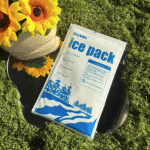
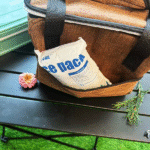
Gunakan wadah berinsulasi: Amankan kue dalam kotak kokoh di dalam wadah berinsulasi atau kotak pendingin. Mengemas Paket es berkeliling tetapi tidak langsung menyentuh kuenya; pertahankan suhu total dalam kisaran 8–12 °C untuk perjalanan jarak pendek atau lebih rendah 8 °C untuk kue berbahan dasar krim.
Letakkan kue di tempat datar, permukaan rata: Gunakan bagasi/bagasi daripada tempat duduk agar tidak miring.
Pantau dengan termometer portabel: Gunakan probe digital atau sensor nirkabel yang terhubung ke ponsel Anda.
Selama Transit
Rencanakan rute: Gunakan GPS atau alat perencanaan rute untuk meminimalkan waktu perjalanan dan menghindari kemacetan; Pembaruan FSMA mendorong optimalisasi rute.
Hindari sinar matahari langsung: Jauhkan kue dari sinar matahari untuk mencegah titik panas.
Minimalkan bukaan kontainer: Membuka kotak memungkinkan udara dingin keluar; hanya periksa jika perlu.
Pengiriman dan Penanganan
Pemeriksaan suhu pada saat kedatangan: Gunakan termometer baca instan; kue berisiko tinggi harus berada pada atau di bawah 5 ° C..
Biarkan kue beristirahat sebelum disajikan: Untuk kue fondant, biarkan mereka duduk di ruangan yang sejuk (~20 °C) setidaknya 30 menit untuk mencegah kondensasi.
Contoh Dunia Nyata: Sebuah perusahaan katering yang mengantarkan kue pengantin beralih ke van berpendingin listrik yang sudah didinginkan sebelumnya 5 °C dan digunakan custom kotak terisolasi dengan sensor suhu Bluetooth. Sebagai akibat, mereka menghilangkan keluhan dan meningkatkan ulasan bintang lima mereka.
Berapa Suhu yang Harus Dipertahankan di Kulkas Pajangan Kue?
Lemari es display harus sedikit lebih hangat daripada lemari es penyimpanan untuk menghindari kondensasi namun cukup dingin untuk mencegah pembusukan. Pengaturan yang direkomendasikan (seperti yang dirangkum di atas) sertakan 2–4 °C untuk kue krim, 2–6 °C untuk mousse dan kue keju, 5–8 °C untuk kue fondant dan 2–6 °C untuk kue dengan topping buah. Lemari pajangan berbeda dengan unit penyimpanan karena mengutamakan pendinginan dan estetika. Investasikan pada lemari dengan pendingin berbantuan kipas, termostat digital dan kaca tempered; bersihkan secara teratur dan putar stok untuk mencegah penumpukan embun beku.
2025 Pedoman Peraturan dan Standar Pengendalian Suhu Kue
Pembaruan FSMA dan BRCGS
Di dalam 2025, aturan transportasi FSMA (bagian dari Undang-Undang Modernisasi Keamanan Pangan) persyaratan sanitasi yang diperketat. Operator harus menggunakan sensor yang dikalibrasi, menyimpan catatan dan memverifikasi bahwa unit pendingin menjaga suhu aman. Pengirim dan penerima makanan harus mengembangkan prosedur tertulis dan program pelatihan; ketidakpatuhan dapat mengakibatkan hukuman. Skema sertifikasi seperti BRCGS dan SQF juga menekankan integritas rantai dingin: audit memeriksa apakah kue disimpan pada suhu 0–4 °C, lemari es memiliki sertifikat kalibrasi dan staf menyimpan catatan.
Alat pengambilan keputusan yang berguna
Periksa detailnya sebelum Anda memilih kemasan
Alat cepat ini dapat membantu Anda membandingkan risiko rute, kebutuhan ukuran, pilihan pendingin, dan detail kemasan sebelum Anda meminta penawaran.
Pelapis Kotak & Ukuran Penutup Palet
Centang kotak logika ukuran penutup palet dan liner untuk proyek pengemasan berinsulasi.
Perkiraan ukuranPembuat Daftar Periksa Kepatuhan
Buatlah daftar periksa praktis untuk tinjauan kemasan, pengiriman, dan dokumentasi.
Buat daftar periksaPemeriksa Risiko Rute
Tinjau kondisi jalur sebelum memilih kemasan untuk mengetahui kebutuhan pengoperasian sebenarnya.
Periksa risiko rutePeraturan Inggris dan UE
Badan Standar Makanan Inggris mewajibkan makanan berisiko tinggi untuk dijaga pada atau di bawahnya 5 ° C.. Panduan setempat merekomendasikan lemari es beroperasi pada suhu antara 0–5 °C dan freezer pada suhu –18 °C atau lebih dingin. Dewan lokal sering menyarankan agar hanya suhu udara yang dipantau, suhu udara lemari es harus lebih dingin untuk memastikan makanan tetap di bawah 8 ° C..
Kode Makanan FDA
Kode Makanan FDA menyarankan bahwa makanan dingin harus disimpan pada atau di bawahnya 41 ° f (5 ° C.). Kue dengan krim susu dianggap sebagai Kontrol Waktu/Suhu untuk Keamanan (TCS) makanan; kode memerlukan pendinginan 135 °F sampai 70 °F dalam waktu dua jam dan dari 70 °F sampai 41 °F dalam waktu empat jam.
Kiat untuk Kepatuhan terhadap Peraturan
Tulis Prosedur Operasi Standar (Sops): Dokumentasikan bagaimana kue didinginkan, tersimpan, ditampilkan dan diangkut; mencakup tindakan perbaikan.
Staf kereta: Pastikan semua orang memahami pentingnya pengendalian suhu dan mengetahui cara menggunakan termometer dan buku catatan.
Gunakan sensor yang dikalibrasi: Simpan sertifikat kalibrasi dan simpan log setidaknya selama dua tahun.
Mempersiapkan audit: Lakukan audit tiruan, meninjau log dan catatan pemeliharaan dan memperbarui prosedur secara teratur.
Teknologi dan Tren yang Muncul dalam Manajemen Suhu Kue Rantai Dingin
Industri rantai dingin sedang mengalami revolusi digital. Inovasi-inovasi yang tadinya ditujukan untuk bidang farmasi kini menjangkau bisnis roti dan katering. Merangkul teknologi mengurangi limbah, meningkatkan kualitas dan memberikan keunggulan kompetitif.
Pemantauan IoT, Blockchain dan AI
Sensor IoT dan Pemantauan RealTime: Perangkat InternetofThings terus memantau suhu, kelembaban dan lokasi. Sensor ini mengirimkan peringatan ketika terjadi penyimpangan, Mengaktifkan tindakan korektif langsung. Mereka juga mengurangi pencatatan manual dan mendukung pemeliharaan prediktif.
Ketertelusuran Blockchain: Blockchain menciptakan catatan abadi dari setiap langkah dalam perjalanan sebuah kue. Hal ini meningkatkan transparansi dan memastikan kepatuhan terhadap undang-undang keamanan pangan, sehingga memungkinkan untuk melacak batch atau bahan jika terjadi penarikan.
Optimasi Rute Berbasis AI: Kecerdasan buatan menganalisis pola lalu lintas, cuaca dan jendela pengiriman untuk menyarankan rute yang efisien, mengurangi penggunaan bahan bakar dan menjaga kue tetap dingin. AI juga memprediksi kegagalan peralatan bila dikombinasikan dengan data IoT.
Pengemasan Berkelanjutan dan Pendinginan Tenaga Surya
Pengemasan ramah lingkungan dan energi terbarukan semakin meningkat 2025. Perusahaan sedang mengembangkan yang ringan, wadah terisolasi yang terbuat dari bahan yang dapat terbiodegradasi, beberapa dengan sensor IoT terintegrasi untuk memantau suhu dan kelembapan. Unit pendingin bertenaga surya mulai mendapatkan daya tarik, khususnya di daerah dengan pasokan listrik yang tidak dapat diandalkan.
Kendaraan Lebih Ringan dan Pemenuhan Mikro
Kendaraan niaga ringan berpendingin (LCV) muncul sebagai segmen dengan pertumbuhan tercepat di transportasi rantai dingin. Mereka menawarkan efisiensi bahan bakar dan dapat menavigasi daerah perkotaan yang padat. Pusat pemenuhan mikro yang terletak di dekat pelanggan mengurangi jarak perjalanan, meningkatkan kesegaran dan menurunkan emisi.
Pertumbuhan Pasar dan Peluang Global
Pasar rantai dingin global sedang booming. Precedence Research melaporkan bahwa ukuran pasar logistik rantai dingin global adalah USD 436.3 miliar masuk 2025 dan diperkirakan akan tercapai USD 1.36 triliun sebesar 2034 (CAGR 13.46 %). Asia Pasifik diproyeksikan tumbuh pada CAGR tertinggi 14.3 %, dan segmen produk susu dan makanan penutup beku mempunyai bagi hasil terbesar 36.1 %. Sementara itu, itu 2025 panduan kue rantai dingin mencatat bahwa pasar rantai dingin secara keseluruhan (makanan ditambah obat-obatan) adalah USD 278 miliar masuk 2023 dan diproyeksikan untuk mencapai USD 428 miliar oleh 2028. Menurut Pembuat Roti Dunia laporan, pasar pendingin komersial diproyeksikan akan tumbuh USD 45.6 miliar masuk 2023 ke USD 62.7 miliar oleh 2028, didorong oleh perluasan jaringan ritel dan toko serba ada. Amerika Serikat mengekspor makanan panggang senilai USD 4.21 miliar masuk 2022, menyoroti peluang penjualan kue internasional.
Tetap Terdepan dalam Kurva
Untuk tetap kompetitif dalam 2025 dan seterusnya:
Mengadopsi pemantauan dan analisis waktu nyata: Integrasikan sensor IoT ke dalam lemari es, freezer dan kotak pengiriman dan menganalisis data untuk memprediksi masalah.
Jelajahi energi terbarukan: Pendinginan tenaga surya dan peralatan hemat energi mengurangi biaya dan jejak karbon.
Mendidik pelanggan: Promosikan komitmen Anda terhadap keamanan pangan, transparansi dan keberlanjutan. Sertakan kode QR yang tertaut ke data blockchain.
Berpartisipasi dalam inisiatif industri: Bergabunglah dengan asosiasi perdagangan dan berkolaborasi dengan pemasok dalam inovasi pengemasan dan standar baru.
Pertanyaan yang sering diajukan
Q1: Apakah semua kue perlu didinginkan?
Tidak semua kue memerlukan tingkat pendinginan yang sama. Kue bolu tanpa krim dapat disimpan pada suhu kamar dalam wadah kedap udara selama dua hingga tiga hari. Namun, kue dengan krim, custard atau buah segar harus didinginkan pada suhu 1–5 °C dan dikonsumsi dalam tiga hingga empat hari. Bila ragu, perlakukan kue sebagai risiko tinggi dan jaga agar tetap dingin.
Q2: Bagaimana cara menyimpan kue fondant dalam semalam?
Kue fondant paling baik disimpan di ruangan sejuk (~20 °C) untuk mencegah berkeringat. Jika kue berisi isian yang mudah rusak, dinginkan pada suhu 5–8 °C dan tutupi dengan kotak atau kubah.
Q3: Berapa suhu optimal untuk mengangkut kue mousse?
Transportasi kue mousse di bawah 8 °C dan gunakan wadah terisolasi dengan kantong es. Untuk perjalanan lebih dari dua jam, bidik pada suhu 2–6 °C dan pantau suhu dengan termometer digital.
Q4: Apakah saya memerlukan lemari pajangan khusus untuk kue?
Ya. Lemari pajangan dirancang untuk mempertahankan suhu 2–8 °C dengan aliran udara yang merata dan kaca tempered. Lemari es rumah tangga terlalu dingin dan menyebabkan frosting mengeluarkan keringat.
Q5: Apa zona bahaya kue?
Zona bahaya berkisar dari 5 ° C ke 63 ° C. (41 °F sampai 145 ° f). Bakteri berkembang biak dengan cepat dalam kisaran ini; hindari meninggalkan kue di dalamnya lebih dari dua jam.
Q6: Apakah ada peraturan khusus untuk pengangkutan kue masuk 2025?
Sedangkan peraturannya mencakup semua makanan berisiko tinggi, itu 2025 Pembaruan FSMA menekankan pada transportasi sanitasi dan pemantauan waktu nyata. Operator harus mendokumentasikan prosedur, memelihara peralatan, melatih staf dan segera merespons perubahan suhu.
Ringkasan dan Rekomendasi
Kunci takeaways
Simpan kue dalam kisaran suhu yang aman: Dinginkan kue pada suhu antara 0–4 °C, tampilkan pada suhu 2–8 °C, mengangkutnya ke bawah 8 °C dan bekukan kue yang belum dibekukan pada suhu –18 °C atau lebih dingin.
Kontrol kelembaban dan pengemasan: Kelembaban tinggi (≥85 %) mencegah pengeringan; kemasan berlubang mikro mengurangi kehilangan air sebesar 60 %.
Pantau terus menerus: Gunakan termometer yang terkalibrasi, Sensor IoT dan catatan log untuk mematuhi persyaratan FSMA dan FSA.
Investasikan pada peralatan yang tepat: Pilih lemari pajangan yang dirancang untuk kue, kontainer transportasi terisolasi dan unit pendingin hemat energi.
Tetap terinformasi tentang tren: Rangkullah blockchain, AI dan pengemasan berkelanjutan untuk mendukung operasi Anda di masa depan.
Rencana aksi
Audit rantai dingin Anda: Petakan setiap tahap mulai dari pembuatan kue hingga pengiriman; mengidentifikasi titik lemah di mana suhu melebihi 5 °C dan menerapkan tindakan perbaikan.
Tingkatkan sensor dan pelacakan: Instal pemantauan IoT di lemari es, freezer dan kotak pengiriman; mengatur peringatan otomatis.
Merevisi SOP dan melatih staf: Perbarui prosedur untuk mencerminkan 2025 peraturan; melakukan pelatihan rutin tentang pengendalian suhu, kebersihan dan dokumentasi.
Jelajahi solusi berkelanjutan: Evaluasi kemasan ramah lingkungan dan pilihan energi terbarukan; bermitra dengan pemasok untuk mengembangkan bahan yang lebih ramah lingkungan.
Terlibat dengan pelanggan: Bagikan praktik rantai dingin Anda melalui materi pemasaran, menekankan transparansi dan keberlanjutan.
Tentang Tempk
Tempk adalah penyedia terkemuka Kemasan rantai dingin solusi untuk makanan, industri farmasi dan ecommerce. Kami mengembangkan dapat digunakan kembali, kotak terisolasi dan kantong es yang ramah lingkungan dirancang untuk mempertahankan rentang suhu yang tepat. R&D center berfokus pada material inovatif seperti panel berisolasi vakum dan busa yang dapat terbiodegradasi, membantu pelanggan mengurangi limbah dan mematuhi peraturan yang ketat. Dengan memilih solusi Tempk, manfaat dari bisnis kontrol suhu yang andal, mengurangi konsumsi energi dan menurunkan jejak karbon.
Siap meningkatkan logistik kue Anda? Hubungi tim kami untuk menjelajahi kebiasaan solusi rantai dingin yang sesuai dengan kebutuhan toko roti Anda. Dari kotak berinsulasi hingga sensor cerdas, kami akan membantu Anda menjaga kue tetap segar dan pelanggan puas.