Bagaimana Solusi Rantai Dingin Farmasi Menjaga Keamanan Obat?
Terakhir diperbarui: November 24 2025
Menjaga potensi vaksin, biologics and other temperaturesensitive medicines requires more than just kotak busa Dan Paket es. Solusi rantai dingin farmasi have evolved into a sophisticated blend of phasechange materials (PCMS), panel isolasi vakum (VIP), realtime sensors and reusable designs that help manufacturers, pengirim dan rumah sakit menyimpan produk dalam kisaran suhu yang ketat. nyatanya, analysts estimate that the global Kemasan rantai dingin market will expand from about USD 27.7 miliar masuk 2025 ke USD 102.1 miliar oleh 2034. Artikel ini membahas teknologi, peraturan dan dinamika pasar yang membentuk logistik rantai dingin dan menawarkan tip praktis untuk memilih solusi yang tepat.
Apa itu solusi rantai dingin farmasi dan mengapa hal itu penting – dari PCM dan VIP hingga pasif, sistem aktif dan hybrid.
Cara kerja material tingkat lanjut – ilmu di balik PCM, Bahan VIP dan penghalang yang menjaga kestabilan suhu.
Peran teknologi digital – bagaimana sensor IoT, blockchain and AI enable realtime monitoring and predictive analytics.
Keberlanjutan dan kegunaan kembali – why industry trends are shifting from singleuse EPS to circular, kemasan yang dapat digunakan kembali dan bagaimana peraturan mendorong perubahan.
Tren pasar untuk 2025 dan seterusnya – perkiraan pertumbuhan, merger, regional dynamics and emerging innovations like solarpowered storage and portable cryogenic freezers.
Saran praktis dan skenario pengguna – alat untuk menilai kebutuhan Anda, plus clear action steps and a realworld case study.
Apa Itu Solusi Rantai Dingin Farmasi dan Mengapa Penting??
Pharma rantai dingin solutions encompass specialised packaging systems that protect temperaturesensitive medicines across the supply chain. Mereka memadukan isolasi, pendingin dan terkadang pendinginan aktif untuk menyimpan vaksin, biologis dan suntikan steril dalam rentang suhu yang ketat. Seperti yang dicatat oleh peneliti dari Precedence Research, the market for temperaturecontrolled packaging spans insulated containers, sistem pendingin, perangkat pemantauan, selimut termal dan bahan lainnya. Apabila pengiriman menyimpang dari suhu target, kemanjuran terapi dapat dikompromikan, membahayakan keselamatan pasien dan pendapatan produsen.
Badan pengatur di seluruh dunia—dari AS. Undang-Undang Keamanan Rantai Pasokan Obat FDA sesuai dengan pedoman Praktik Distribusi yang Baik di UE—memerlukan bukti terdokumentasi bahwa obat-obatan tetap berada dalam spesifikasi suhu. Cold chain solutions provide this assurance through realtime data logging and traceability systems. Misalnya, pencatat data dan sensor nirkabel dapat mengirimkan suhu, data kelembaban dan lokasi ke platform cloud setiap 1–5 menit, memungkinkan intervensi cepat jika terjadi perjalanan. Pengemasan yang efektif juga mengurangi emisi CO₂ dengan membatasi pembusukan dan memungkinkan moda transportasi yang lebih efisien seperti angkutan laut.
Jenis Solusi Kemasan Rantai Dingin
Solusi termal aktif menggunakan listrik atau baterai untuk menyalakan kompresor atau perangkat termoelektrik, functioning like minirefrigerators. They deliver precise temperature control for highvalue medicines but are expensive and require power sources.
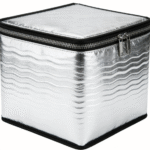
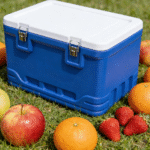
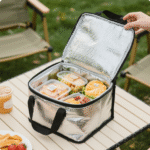
Sistem pasif rely on insulation and refrigerants such as phasechange materials or Paket gel. PCM menyerap dan melepaskan panas laten saat bertransisi antara wujud padat dan cair, mempertahankan suhu konstan tanpa daya eksternal. Passive solutions are costeffective for routine pharmaceuticals and reusable shippers.
Solusi hibrida menggabungkan inti pasif dengan cadangan aktif. Jika unit aktif gagal atau kehilangan daya, lapisan PCM terus mengatur suhu. Hybrid systems are gaining popularity for longdistance shipments where redundancy is valuable.
Desain yang berkelanjutan dan dapat digunakan kembali menggunakan bahan tahan lama dan model sewaan untuk mengurangi limbah. Tingkat pemanfaatan kotak pendingin yang dapat digunakan kembali diperkirakan akan meningkat 30 % ke 70 % di tahun -tahun mendatang. Companies like Peli BioThermal offer Crēdo Cube containers that maintain ultralow temperatures for more than 144 jam dan dapat diperbaharui berulang kali.
| Jenis kemasan | Contoh & Teknologi | Signifikansi praktis |
| Aktif | Kontainer bertenaga dengan kompresor atau modul termoelektrik; builtin data loggers | Provide precise temperature control for highvalue pharmaceuticals where deviations are unacceptable |
| Pasif | Kotak terisolasi dengan paket gel atau PCM; pengirim yang dapat digunakan kembali; selimut palet | Costeffective for many drugs; PCM menjaga suhu (+5 ° C., +1 °C or subzero) tanpa daya |
| Hibrida | Pendingin aktif dikombinasikan dengan modul PCM pasif | Tawarkan redundansi; mempertahankan kendali ketika sumber listrik tidak dapat diandalkan |
| Berkelanjutan/Dapat digunakan kembali | Rentalbased reusable boxes, panel isolasi melingkar, VIPbased containers | Mengurangi limbah dan emisi CO₂; mendukung tujuan-tujuan ESG perusahaan |
Tip praktis dan skenario pengguna
Prioritise highrisk products: Use active or hybrid systems for ultracold vaccines and highvalue biologics, dimana perubahan suhu dapat merusak pengiriman.
Pertimbangkan model sewaan: Menyewa cold box yang dapat digunakan kembali menurunkan biaya di muka dan menyederhanakan manajemen aset.
Integrasikan sistem pemantauan: Choose packaging with builtin sensors, blockchain atau konektivitas cloud untuk meningkatkan ketertelusuran.
Evaluasi rute: Sesuaikan solusi pengemasan dengan waktu transit dan iklim; mengkondisikan PCM pada suhu yang tepat dan menyebarkan VIP secara strategis untuk rute panjang.
Kasus dunia nyata: Sebuah organisasi penelitian klinis mengirimkan terapi sel antara A.S. dan Asia mengadopsi kemasan hibrida dengan isolasi VIP dan modul PCM. Solusinya menjaga suhu dalam ±1 °C 96 jam dan menghemat sekitar $300,000 setiap tahunnya dengan mencegah pembusukan.
Studi kasus: Selama distribusi vaksin mRNA secara global, sensors monitored conditions every 1–5 minutes and ensured ultracold ranges were maintained. Pemantauan proaktif ini mencegah hilangnya produk dan menunjukkan nilai solusi rantai dingin digital.
How Do PhaseChange Materials and Vacuum Insulation Panels Work?
Bahan perubahan fase (PCMS) dan panel isolasi vakum (VIP) adalah inti dari pengemasan rantai dingin modern. PCM menyerap atau melepaskan panas pada titik leleh tertentu, mempertahankan suhu yang hampir konstan saat bertransisi antara wujud padat dan cair. Misalnya, PCM yang dirancang untuk meleleh +5 °C dapat menjaga kestabilan vaksin yang disimpan di lemari es, while subzero PCMs maintain frozen goods. Mikroenkapsulasi mencegah kebocoran dengan melapisi partikel PCM dengan cangkang pelindung, memungkinkan mereka untuk diintegrasikan ke dalam kantong fleksibel, wadah kaku dan panel komposit. Reusable PCM systems deliver economic benefits for highfrequency routes because they can be conditioned repeatedly.
VIP, di sisi lain, menghilangkan udara untuk menciptakan ruang hampa, hampir menghilangkan konduksi dan konveksi. Lapisan penghalang seperti film berlapis logam atau pelapis keramik menjaga ruang hampa, memberikan kinerja termal yang unggul di dinding tipis. Panel ini memungkinkan pengirim untuk memaksimalkan volume muatan sekaligus mengurangi berat—sebuah keuntungan penting untuk angkutan udara. Namun, VIP lebih mahal untuk diproduksi dan memerlukan penanganan yang hati-hati untuk menghindari tusukan. Desain hibrida sering kali menggabungkan VIP di area kritis dengan insulasi standar di tempat lain untuk menyeimbangkan kinerja dan biaya.
Membandingkan PCM dan VIP
| Teknologi | Cara kerjanya | Manfaat | Pengorbanan |
| Bahan Perubahan Fase (PCMS) | Menyerap/melepaskan panas pada titik leleh tertentu; dimikroenkapsulasi untuk mencegah kebocoran | Memberikan suhu yang tepat tanpa listrik; PCM yang dapat digunakan kembali mengurangi biaya dan limbah | Harus dikondisikan dengan baik; pengondisian yang salah dapat mengganggu kinerja |
| Panel isolasi vakum (VIP) | Ciptakan ruang hampa di antara lapisan penghalang, menghilangkan konduksi dan konveksi | Memberikan kinerja termal tinggi pada dinding tipis; meningkatkan kapasitas muatan dan mengurangi berat | Biaya yang lebih tinggi; memerlukan penanganan yang hati-hati untuk menghindari tusukan; sering dikombinasikan dengan insulasi lainnya |
| Bahan Penghalang Tingkat Lanjut | Gunakan film berlapis logam, pelapis keramik atau komposit multilapis untuk menghalangi kelembapan dan oksigen | Memperpanjang umur simpan dan melindungi integritas produk; mendukung daur ulang dan otomatisasi | Teknologi yang muncul dapat menambah biaya; kompatibilitas dengan aliran daur ulang bervariasi |
Tip praktis untuk bahan termal
Kondisikan PCM dengan benar: Pastikan PCM dibekukan sepenuhnya atau dikondisikan pada suhu target sebelum dikemas; pengkondisian yang tidak tepat mengurangi kinerja.
Gunakan VIP secara strategis: Deploy VIPs for longhaul shipments or highly sensitive products; kombinasikan dengan isolasi standar di area yang tidak terlalu kritis untuk mengendalikan biaya.
Manfaatkan bahan penghalang: Pilih paket dengan lapisan penghalang untuk melindungi dari kelembapan dan oksigen, terutama untuk biologi dan terapi sel.
Contoh praktis: A seafood exporter shipping fresh fish from Norway to Japan used VIPbased packaging with IoT sensors. Tingkat pembusukan turun dari 5 % ke 1 % dan perusahaan menghemat lebih dari €50.000 untuk biaya bahan bakar dan pendingin.
Apa Peran Sensor IoT, Blockchain dan AI Bermain di Pharma rantai dingins?
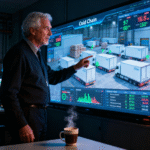
Teknologi digital mengubah logistik rantai dingin dari pengendalian reaktif menjadi proaktif, datadriven optimisation. Sensor nirkabel mengukur suhu, kelembaban, terkejut, paparan cahaya dan lokasi GPS, transmitting data to cloud platforms for realtime analysis. Predictive analytics identify highrisk routes and optimise shipments, mengurangi pembusukan. Selama peluncuran vaksin COVID19, sensors with 1–5 minute interval monitoring ensured ultracold ranges were maintained.
Blockchain adds a tamperproof record of conditions across the supply chain. Hal ini memastikan bahwa setiap langkah pengangkutan produk dilakukan secara transparan dan aman, mencegah manipulasi data dan memastikan kepatuhan terhadap peraturan. Perusahaan dapat menerapkan blockchain untuk memantau pengiriman vaksin, berbagi catatan suhu dan kelembapan dengan pemangku kepentingan dan mengidentifikasi penyimpangan dengan cepat. Kontrak pintar dapat memicu tindakan otomatis—seperti peringatan atau pengalihan pengiriman—berdasarkan data sensor.
Kecerdasan buatan semakin meningkatkan keandalan rantai dingin. AI algorithms process realtime traffic and weather data to optimise routes for temperaturesensitive deliveries. Analisis prediktif yang dikombinasikan dengan perangkat IoT membantu mengidentifikasi perubahan suhu yang akan datang dan menghasilkan peringatan. Integrasi AI dan digital twins juga memungkinkan perusahaan melakukan simulasi kinerja pengemasan, mengurangi downtime dan mengantisipasi kegagalan.
Ikhtisar teknologi digital
| Teknologi | Aplikasi | Keuntungan | Contoh |
| Sensor IoT | Suhu monitor, kelembaban, kejutan dan lokasi | Provide realtime data and early warnings; memungkinkan kepatuhan terhadap peraturan | Realtime tracking ensures shipments stay within specification and reduces product loss |
| Blockchain | Creates tamperproof records of shipments | Meningkatkan transparansi, keamanan dan kepatuhan | Catatan suhu bersama membangun kepercayaan dan memungkinkan tindakan perbaikan yang cepat |
| Kecerdasan buatan | Pengoptimalan rute, analitik prediktif, kembar digital | Mengurangi waktu transit, mengantisipasi risiko dan meningkatkan efisiensi | AIpowered route planning for remote deliveries; peringatan prediktif mencegah perubahan suhu |
| Analisis prediktif | Analyse historical and realtime data to forecast excursions | Mendukung intervensi proaktif dan alokasi sumber daya yang efisien | Algoritme pengiriman vaksin menyesuaikan rute untuk menghindari lalu lintas dan suhu ekstrem |
Kiat pengguna dan alat interaktif
Penilaian diri: Petakan rantai dingin Anda saat ini dengan membuat daftar titik kontrol penting—manufaktur, pergudangan, transportasi dan mil terakhir. Untuk setiap tahap, perhatikan apakah pemantauan suhu terus menerus, terputus-putus atau tidak ada. Kemudian identifikasi di mana sensor IoT atau blockchain dapat mengisi kesenjangan tersebut.
Alat keputusan: Kembangkan sistem penilaian untuk pengiriman berdasarkan nilai, sensitivitas suhu dan jarak. Gunakan skor ini untuk memutuskan apakah akan berinvestasi secara aktif, kemasan pasif atau hibrida dan apakah akan menambahkan sensor IoT.
Langkah-langkah tindakan: Implement realtime dashboards that consolidate sensor and blockchain data. Use AIdriven analytics to model alternative routes and simulate temperature excursions.
Sorotan inovasi: Di Asia Tenggara, blockchain dan AI digunakan untuk memantau pengiriman vaksin. Log suhu waktu nyata, kelembaban dan waktu perjalanan dibagikan kepada pemangku kepentingan, memastikan kepercayaan dan kepatuhan. Dikombinasikan dengan sensor IoT dan analisis prediktif, alat-alat ini mengubah manajemen rantai dingin menjadi manajemen yang berketahanan, sistem transparan.
Bagaimana Keberlanjutan dan Penggunaan Kembali Mengubah Kemasan Rantai Dingin?
Keberlanjutan tidak lagi menjadi pilihan bagi logistik farmasi. Regulatory pressure and corporate environmental goals are driving a shift away from singleuse expanded polystyrene (EPS) menuju dapat digunakan kembali, sistem yang dapat didaur ulang. Peraturan Pengemasan dan Limbah Pengemasan UE (Pp) mengamanatkan peningkatan konten daur ulang dan kemasan yang dapat digunakan kembali, menjadikan model melingkar sebagai kebutuhan finansial. Di Amerika Utara, segmen kemasan yang dapat digunakan kembali berkontribusi 65 % dari pangsa pasar di 2024, dan para analis memperkirakan tingkat pemanfaatan akan meningkat 70 % di tahun-tahun mendatang.
Menghasilkan sistem rantai dingin yang berkelanjutan tidaklah mudah: cargo must remain rigorously temperaturecontrolled, membatasi bahan mana yang dapat digunakan. As the lifescience logistics company Biocair notes, perusahaan harus mempertimbangkan rute, variasi musiman dan durasi transit saat memilih bahan termal; opsi yang dapat digunakan kembali tidak selalu memungkinkan. Namun, dengan meningkatkan keselamatan kargo dan efisiensi armada, perusahaan dapat mengurangi emisi dan limbah. Stephen Cawley, Kepala Global ESG dan Risiko di Biocair, menekankan bahwa mencapai target keberlanjutan yang ambisius memerlukan dukungan dari setiap tahap rantai pasokan dan teknologi baru.
Penggerak peraturan dan pasar
| Pengemudi | Keterangan | Dampak pada kemasan rantai dingin |
| Peraturan Pemerintah | Hukum seperti DSCSA FDA, Pedoman PDB UE, Visi Farmasi India 2020 dan standardisasi rantai dingin Tiongkok yang mewajibkan ketertelusuran dan kontrol suhu yang ketat | Meningkatkan permintaan akan kepatuhan, sistem pengemasan dan pemantauan yang canggih |
| Mandat keberlanjutan | PPWR UE dan target keberlanjutan global mendorong perusahaan untuk mengadopsi bahan yang dapat digunakan kembali dan didaur ulang | Mempercepat transisi dari EPS ke kemasan melingkar; memerlukan investasi dalam model sewa dan logistik terbalik |
| Pangsa pasar barang yang dapat digunakan kembali | Solusi yang dapat digunakan kembali diperhitungkan 65.34 % pendapatan pasar di 2024; singleuse solutions still grow but at slower rates | Companies that invest early in reusable systems gain longterm cost and environmental benefits |
| Tingginya biaya pengemasan canggih | Teknologi seperti PCM, Sensor IoT dan VIP meningkatkan biaya | Perusahaan-perusahaan kecil mungkin kesulitan untuk mengadopsi solusi yang lebih canggih, mendorong kemitraan dan model persewaan |
| Kemitraan kolaboratif | Konsolidasi dan kemitraan industri (MISALNYA., Smurfit Kappa bergabung dengan WestRock; Sonoco mengakuisisi Eviosys) memperluas cakupan global dan kemampuan digital | Memberikan penawaran layanan yang lebih luas dan mengintegrasikan pemantauan digital, memungkinkan pemain kecil untuk mengakses sistem canggih |
Kiat dan contoh keberlanjutan
Optimalkan campuran Anda: Use reusable boxes for highfrequency routes and passive boxes for occasional shipments. Program sewa mengurangi belanja modal dan meningkatkan pemanfaatan.
Alat pengambilan keputusan yang berguna
Periksa detailnya sebelum Anda memilih kemasan
Alat cepat ini dapat membantu Anda membandingkan risiko rute, kebutuhan ukuran, pilihan pendingin, dan detail kemasan sebelum Anda meminta penawaran.
Pemeriksa risiko rute
Tinjau kondisi jalur sebelum memilih kemasan untuk mengetahui kebutuhan pengoperasian sebenarnya.
Periksa risiko rutePemilih Kemasan
Bandingkan opsi kemasan berinsulasi berdasarkan produk, rute, dan kebutuhan suhu.
Temukan kemasannyaKalkulator Ice Pack
Perkirakan jumlah paket es gel untuk pengiriman dingin dan perencanaan rute yang praktis.
Perkirakan kantong esRencanakan logistik terbalik: Sistem yang dapat digunakan kembali memerlukan proses pengembalian yang efisien; berkoordinasi dengan mitra untuk mengkonsolidasikan pengembalian dan mengurangi mil kosong.
Berinvestasilah dalam pendidikan: Latih staf tentang penanganan yang benar terhadap wadah dan PCM yang dapat digunakan kembali untuk memperpanjang umur dan mencegah kerusakan.
Contoh kasus: rantai dingin Technologies dan Peli BioThermal berinvestasi pada isolasi yang dapat didaur ulang dan kolam sewa. The Crēdo Go program provides reusable containers for lastmile deliveries, menurunkan total biaya kepemilikan sekaligus memenuhi mandat UE.
Wawasan ahli: Strategi rantai dingin yang berkelanjutan tidak hanya terbatas pada bahan kemasan. Dengan meningkatkan efisiensi armada, mengurangi kesalahan dan menggunakan alat digital, perusahaan dapat mengurangi emisi tanpa mengorbankan integritas produk.
Apa yang Diungkapkan oleh Tren dan Perkembangan Pasar Terkini 2025?
Itu rantai dingin farmasi lanskap berkembang pesat. Forecasts indicate that the global pharmaceutical temperaturecontrolled packaging market will grow from USD 6.36 miliar masuk 2025 ke USD 11.50 miliar oleh 2034, tingkat pertumbuhan tahunan gabungan sekitar 6.80 %. Sektor pengemasan rantai dingin secara keseluruhan—yang melayani obat-obatan dan makanan—dapat meningkat USD 27.7 miliar masuk 2025 ke USD 102.1 miliar oleh 2034. Berikut tren yang sedang terbentuk 2025:
Tren dan inovasi pasar utama
Lonjakan dalam bidang biologi dan terapi sel: Highvalue biologics and mRNA vaccines demand strict temperature control, mendorong investasi dalam pengemasan canggih.
Digitalisasi dan AI: Realtime sensors with 1–5 minute monitoring intervals, predictive analytics and AIdriven route optimisation are becoming standard. Perusahaan mengintegrasikan digital twins dan platform cloud untuk mensimulasikan kinerja dan memperkirakan risiko.
Tekanan keberlanjutan: Pemangku kepentingan beralih dari EPS ke sistem yang dapat digunakan kembali. Peraturan UE dan tujuan ESG perusahaan mendorong pengemasan sirkular.
Peraturan keamanan pangan: Aturan ketertelusuran baru, seperti Amerika. Aturan FSMA 204, require 24hour traceability and encourage blockchain adoption.
Pengiriman e-niaga dan lastmile: Meningkatnya permintaan akan pengiriman obat-obatan ke rumah meningkatkan kebutuhan akan obat-obatan ringan, kemasan andal yang dioptimalkan untuk pembawa paket.
Konsolidasi dan kemitraan: Penggabungan besar-besaran (Smurfit Kappa dan WestRock; Sonoco dan Eviosys) dan ekspansi ke Asia oleh rantai dingin Technologies menunjukkan adanya dorongan menuju skala dan penawaran digital yang terintegrasi.
Freezer kriogenik portabel: Innovations such as portable freezers maintain ultralow temperatures (−80 °C hingga −150 °C) untuk biologi dan terapi sel, bahkan di lokasi terpencil. They feature realtime temperature tracking and alerts.
Bertenaga surya penyimpanan dingin unit: Di daerah yang listriknya tidak bisa diandalkan, solarpowered storage reduces energy costs and supports rural vaccine distribution.
Blockchain untuk ketertelusuran: Blockchain memastikan transparan, catatan anti rusak, enabling stakeholders to share realtime data logs and meet compliance requirements.
Pengoptimalan rute AI: AI menganalisis data lalu lintas dan cuaca untuk merencanakan rute optimal, mengurangi waktu transit dan menjaga kualitas produk.
Dinamika dan tantangan regional
Amerika Utara: Memegang pangsa pasar terbesar, didorong oleh persyaratan peraturan yang ketat dan tingginya adopsi kemasan yang dapat digunakan kembali.
AsiaPasifik: Diharapkan tumbuh pada tingkat tercepat (CAGR ≈ 8.08 %) karena peningkatan investasi kesehatan dan modernisasi infrastruktur. Lingkungan logistik yang kompleks menuntut solusi pengemasan modular.
Eropa: The PPWR and GDP guidelines push for kemasan berkelanjutan and strict temperature control. Investasi pada sistem yang dapat digunakan kembali dan pemantauan digital semakin cepat.
Pasar negara berkembang: Negara-negara seperti India dan Tiongkok meningkatkan infrastruktur rantai dingin melalui inisiatif seperti Pharma Vision 2020 dan program standardisasi nasional. Solarpowered storage and portable freezers address power constraints.
2025 Inovasi dan Tren Rantai Dingin Farmasi Terbaru
Tahun 2025 introduces cuttingedge solutions that enhance reliability and reach.
Ikhtisar perkembangan terkini
Blockchainenabled endtoend traceability: Buku besar terdistribusi mencatat setiap transaksi dalam rantai pasokan, membuat data tamperproof dan transparan.
Penyimpanan bertenaga surya: Unit penyimpanan dingin tenaga surya mengurangi ketergantungan pada jaringan listrik yang tidak stabil dan menurunkan biaya operasional.
Sensor pintar berkemampuan IoT: Sensor menyediakan data suhu dan lokasi secara terus menerus, mengirimkan peringatan ketika ambang batas terlampaui.
Perencanaan rute bertenaga AI: Algoritme AI mengoptimalkan rute pengiriman untuk mengurangi waktu transit dan mencegah penyimpangan suhu.
Freezer kriogenik portabel: Unit kompak mempertahankan suhu −80 °C hingga −150 °C untuk terapi sel dan gen, with realtime tracking and warning notifications.
Solusi pengemasan yang berkelanjutan: Wadah terisolasi yang dapat didaur ulang, pembungkus termal biodegradable dan dapat digunakan kembali paket dingin are increasingly adopted.
Wawasan pasar
Laporan Precedence Research mencatat bahwa kemasan yang dapat digunakan kembali menyumbang sebagian besar pangsa pasar 2024. Singleuse solutions will still grow but at a slower rate. Inisiatif pemerintah seperti AS. DSCSA, Pedoman PDB UE dan PQS WHO mendorong permintaan akan kemasan yang sesuai. Tarif yang diperkenalkan di AS. di dalam 2025 telah meningkatkan biaya komponen untuk sistem aktif dan pasif, mendorong perusahaan untuk menjajaki pendekatan ke wilayah pesisir dan melakukan diversifikasi pemasok. Market leaders continue to invest in IoT integration and phasechange materials to gain competitive advantage.
Pertanyaan yang sering diajukan (FAQ)
Q1: Why are phasechange materials important in pharma rantai dingin solutions?
PCM menyerap dan melepaskan panas pada titik leleh tertentu, memungkinkan paket untuk mempertahankan suhu konstan tanpa daya eksternal. PCM yang dikondisikan dengan baik menjaga vaksin dan bahan biologis tetap stabil selama transit dan dapat digunakan kembali untuk beberapa pengiriman.
Q2: Bagaimana blockchain meningkatkan keamanan rantai dingin?
Blockchain creates a tamperproof record of each transaction and temperature log across the supply chain. Realtime data sharing builds trust among stakeholders and helps meet regulatory requirements for traceability.
Q3: Apa perbedaan antara aktif, sistem rantai dingin pasif dan hybrid?
Sistem aktif menggunakan pendinginan bertenaga untuk mengontrol suhu; sistem pasif menggunakan isolasi dan PCM; solusi hybrid menggabungkan keduanya untuk memberikan redundansi.
Q4: Are reusable rantai dingin packages costeffective?
Meskipun biaya di muka lebih tinggi, paket yang dapat digunakan kembali dapat mengurangi total biaya kepemilikan dengan menurunkan limbah, meningkatkan pemanfaatan dan memenuhi mandat keberlanjutan. Model sewa semakin mengurangi belanja modal.
Q5: Peraturan apa yang mengatur logistik rantai dingin farmasi?
Peraturan utama mencakup AS. DSCSA, Pedoman PDB UE, Standar PQS WHO dan berbagai kebijakan nasional. Aturan-aturan ini memerlukan ketertelusuran, kontrol suhu dan dokumentasi di seluruh rantai pasokan.
Ringkasan dan Rekomendasi
Solusi rantai dingin farmasi telah bertransformasi dari pendingin dasar menjadi ekosistem canggih yang terdiri dari bahan-bahan canggih, teknologi digital dan desain berkelanjutan. By combining phasechange materials, panel isolasi vakum dan sensor IoT, sistem saat ini mempertahankan suhu yang tepat tanpa limbah. Mandat peraturan dan tujuan keberlanjutan mempercepat peralihan menuju kemasan yang dapat digunakan kembali dan solusi digital yang dapat dilacak. Proyeksi pasar menunjukkan pertumbuhan yang pesat, konsolidasi dan inovasi melalui 2034.
Langkah selanjutnya yang dapat ditindaklanjuti
Nilai portofolio produk Anda: Identifikasi obat mana yang memerlukan kontrol suhu yang ketat dan klasifikasikan pengiriman berdasarkan tingkat risiko.
Pilih kemasan yang tepat: Pertandingan aktif, sistem pasif atau hibrida terhadap skor risiko produk Anda; consider reusable options for highfrequency routes.
Integrasikan pemantauan digital: Implement IoT sensors and cloud dashboards for realtime visibility; explore blockchain for endtoend traceability.
Rencanakan keberlanjutan: Selaras dengan persyaratan peraturan dengan mengadopsi model pengemasan melingkar dan program penyewaan; berinvestasi dalam pelatihan staf.
Tetap mendapat informasi: Pantau tren pasar, pembaruan peraturan dan inovasi teknologi; bermitra dengan para ahli untuk menavigasi logistik global yang kompleks.
Panggilan untuk bertindak: Hubungi spesialis rantai dingin Tempk untuk penilaian yang disesuaikan dan lihat bagaimana sistem pengemasan modern dapat melindungi terapi Anda dan mengurangi biaya.
Tentang Tempk
Tempk is a leading provider of temperaturecontrolled packaging and rantai dingin logistics solutions. Kami specialise in designing and manufacturing kotak terisolasi, phasechange materials and reusable containers tailored for pharmaceuticals, biologis dan makanan. R&D center terus berinovasi untuk menghadirkan bobot yang ringan, highperformance packaging that meets FDA, standar EMA dan WHO. By combining cuttingedge materials with digital monitoring technologies, Kami membantu klien menjaga integritas produk, mengurangi emisi dan menyederhanakan kepatuhan. Dengan jaringan fasilitas dan mitra global, Tempk menawarkan layanan yang andal di seluruh Amerika Utara, Eropa dan Asia.
Langkah selanjutnya: Reach out to Tempk for an expert consultation and discover how our rantai dingin solutions can support your supplychain needs.