Pengiriman Cold Chain Express untuk Makanan: 2025 Buku pedoman
Anda menggunakan cold chain express delivery for food when you need speed Dan temperature control to land quality at the doorstep. That matters because food safety risk rises fast when products warm up in the “danger zone,” and your customers feel the damage as taste changes, kebocoran, and refunds. CDC estimates 48 juta people in the U.S. get sick from foodborne illness each year, so “probably fine” is not a strategy.
Apa yang akan Anda pelajari dalam panduan ini
-
How cold chain express delivery for food stays safe during overnight and same-day lanes
-
Which temperature targets reduce risk for chilled, beku, and controlled-ambient foods
-
How to pack cold chain express delivery for food with a repeatable 6-step method
-
When to choose gel packs vs dry ice for food shipping (Tanpa tebakan)
-
How to cut last-mile risks in cold chain express delivery for food with simple SOPs
-
How to prove performance with monitoring, catatan, and acceptance rules
-
2025 trends you can act on now (keterlacakan, Keberlanjutan, and smarter packaging)
What is cold chain express delivery for food, Sungguh?
Cold chain express delivery for food is fast shipping built to keep food inside a safe temperature range from pack-out to handoff. It is not “ship faster and hope.” It is a connected system: product pre-chill, kemasan terisolasi, pendingin, aturan penanganan, dan bukti. Anggap saja sebagai moving fridge that also survives messy real life: penundaan, dermaga hangat, dan melewatkan pengiriman.
Dalam praktiknya, most failures come from small gaps, not big disasters. A warm product packed “on time.” A gel pack that was never frozen. A box left on a sunny porch. If you standardize the process, you remove these silent leaks and your results become predictable.
Passive vs active options for cold chain express delivery for food
Di dalam cold chain express delivery for food, passive systems use kemasan terisolasi + pendingin (Paket gel, es kering, atau bahan perubahan fasa). Penggunaan sistem aktif pendingin bertenaga (reefers or powered containers). Passive is common for DTC and shorter express lanes. Active is common for longer lanes and tight temperature precision.
| Faktor keputusan | Pasif (terisolasi + pendingin) | Aktif (pendingin bertenaga) | The practical value for you |
|---|---|---|---|
| Paling cocok | short express lanes | longer or strict lanes | match method to lane risk |
| Profil biaya | lower per shipment | lebih tinggi, lebih dapat diprediksi | avoid overpaying on low-risk lanes |
| Operational load | disiplin paket | peralatan + pemeliharaan | choose what your team can run |
| Presisi suhu | good if designed well | strongest when managed well | monitoring still matters |
-
If you are early-stage: start passive, memvalidasi jalur, then upgrade only where needed.
-
If you ship premium frozen: consider active for longer routes or high summer risk.
The Time–Temp–Touch model you can use today
Waktu, suhu, and “touch” (every handoff) memutuskan kesuksesan. Faster shipping helps, but extra handoffs add risk.
| Model element | Apa artinya | Apa yang Anda kendalikan | The practical value for you |
|---|---|---|---|
| Waktu | Jam kerja dari pintu ke pintu | Pemotongan, lane choice, buffer | Fewer warm windows |
| Suhu | Starting temps | Pra-dingin, memanggungkan, coolant prep | More repeatable outcomes |
| Touch | Poin penanganan | Sops, Label, no-drop rules | Fewer last-mile failures |
Tips praktis yang bisa Anda terapkan sekarang
-
Jika Anda mengirimkan DTC: design for a missed first attempt at least once per season.
-
If you ship mixed items: separate chilled and frozen into different shippers first.
-
If you are scaling: lock one “pack-out recipe” before adding more SKUs.
Contoh nyata: One meals brand reduced “arrived warm” claims after enforcing a simple rule: seal every box within 3 minutes of loading.
Which temperature targets make cold chain express delivery for food safer?
Cold chain express delivery for food works best when your targets match your product’s real failure mode. Some foods fail by safety first (daging, hidangan laut, susu). Others fail by quality first (chocolate bloom, soggy produce). Your plan should protect both.
A common U.S. food-safety guideline describes a “danger zone” around 40°F hingga 140°F, dimana bakteri dapat berkembang biak dengan cepat. In that range, USDA notes bacteria can double in as little as 20 menit. 美国农业部食品安全和检查服务 You do not need to memorize regulations to act on this. You just need clear targets by product bucket. A simple mental model is time in the danger zone: CDC advises never leaving perishable food out for more than 2 jam (atau 1 hour if temperatures are above 90°F). Pusat Pengendalian dan Pencegahan Penyakit
Simple temperature buckets (tidak ada jargon)
| Product bucket | Sasaran yang khas | Contoh umum | Apa artinya bagimu |
|---|---|---|---|
| Dinginkan | ~0–5°C (32–41 ° F.) | susu, makanan segar, hidangan laut, menghasilkan | Isolasi + gel/ice + serah terima yang cepat |
| Beku | ≤ -18°C (0° f) | Makanan beku, es krim, daging beku | Sangat dingin + penyegelan yang ketat + buffer |
| Lingkungan yang terkendali | product-specific | cokelat, toko roti, minyak | Avoid heat spikes and moisture swings |
Tip dan saran praktis
-
Jika Anda tidak yakin: treat the item as chilled and monitor your first 20 Pengiriman.
-
If you ship dairy: avoid “cool but not cold” pack-outs in warm lanes.
-
If you ship chocolate: do not over-chill into condensation, then warm later.
Kasus praktis: A dessert seller stopped sticky labels by switching from heavy ice to controlled-ambient liners and lower moisture.
How do you pack cold chain express delivery for food in 6 tangga?
Cold chain express delivery for food packing should be repeatable, not creative. The goal is to reduce warm air, prevent direct coolant contact, and seal fast. You are building a “cold sandwich” around your product: coolant outside, product protected inside.
Most pack failures come from two causes: (1) the product starts warm, atau (2) air gaps let heat circulate. Fix those first before you buy “better” materials.
The 6-step pack-out method you can train in one day
-
Dinginkan produk terlebih dahulu to its target range before packing.
-
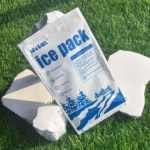
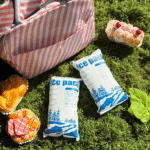
Pre-condition the coolant (paket gel beku, bagged ice, or dry ice handled safely).
-
Build a cold base on the bottom and sides, tidak hanya di atas.
-
Tambahkan lapisan penghalang so food does not touch coolant directly.
-
Load tight and right-size to reduce air pockets and shifting.
-
Seal fast and label clearly untuk penerima.
| Faktor pengepakan | Praktik yang baik | Praktek yang buruk | The practical value for you |
|---|---|---|---|
| Product start temp | packed cold | packed warm | Lebih sedikit limbah pendingin |
| Celah udara | pas | ruang kosong | Waktu tahan lebih lama |
| Contact control | barrier layer | kontak langsung | Less freezing/sogginess |
| Waktu segel | fast closure | long open time | Lebih sedikit paku hangat |
Tip dan saran praktis
-
Soups/sauces: add a leak-proof secondary container before insulation.
-
Menghasilkan: isolate humidity-sensitive items in a dry inner bin.
-
Makanan penutup beku: keep dry ice away from items that crack or over-dry.
Contoh nyata: A meal-kit operator eliminated “warm corner” complaints by adding side coolant instead of adding lagi top coolant.
Gel packs vs dry ice in cold chain express delivery for food: apa yang harus kamu pilih?
In cold chain express delivery for food, gel packs are usually best for chilled lanes, and dry ice is usually best for frozen lanes. The mistake is treating them as interchangeable “cold weight.”
Gel packs absorb heat slowly and are easier to handle. Dry ice is colder and lasts longer, but it can freeze or dry out sensitive products. Use the option that matches your product state and your maximum door-to-door time.
Pemilih cepat: coolant decision tool
Answer these two questions:
-
Apakah produknya dinginkan (0–5 ° C. / 32–41 ° F.) atau beku (≤ -18°C / 0° f)?
-
Is your “worst day” lane ≤24 jam, 24–36 jam, atau 36–72 jam?
Then start here:
-
Dinginkan + ≤24 jam: Paket gel + tight insulation + no-drop rule.
-
Dinginkan + 24–36 jam: more gel + isolasi lebih tebal + monitoring sample.
-
Beku + 24–72 jam: es kering (or frozen-range PCM) + penyegelan yang ketat + penyangga.
Tip dan saran praktis
-
If you see sogginess: add a moisture barrier and separate melt water.
-
If you see freezing: add a barrier layer and move coolant off direct contact.
-
If you see partial thaw: increase insulation before increasing dry ice.
Contoh nyata: A dairy shipper cut gel packs after right-sizing the box and removing headspace.
How do you cut last-mile risks in cold chain express delivery for food?
The last mile is the most common break point in cold chain express delivery for food because boxes sit in warm places. A van, lobi, and sunny porch can undo a strong pack-out. You cannot assume the receiver is ready. You must design for real behavior.
The fix is simple and operational: clear delivery rules, waktu yang lebih baik, and exception handling. Your packaging is armor. Your SOP is your battlefield plan.
Skor Risiko Jalur (0–10): a fast self-check
Skor setiap item 0–2 and add them up:
-
Delivery window control (appointment or tight window)
-
First-attempt success rate (tanda tangan, secure handoff, or reliable access)
-
Paparan cuaca (panas, matahari, or long outdoor waits)
-
Handoff clarity (driver knows “do not leave” expectation)
-
Receiver readiness (can refrigerate immediately)
0–4: high risk lane
5–7: medium risk lane
8–10: low risk lane
| Risk band | Apa yang harus diubah terlebih dahulu | The practical value for you |
|---|---|---|
| 0–4 | upgrade packaging + enforce no-drop rules | pengembalian dana yang lebih sedikit |
| 5–7 | add monitoring + tighten handoff messaging | faster troubleshooting |
| 8–10 | optimize cost and weight | better margins |
Tip dan saran praktis
-
High-risk lanes: require signature or secure pickup for perishables.
-
Office deliveries: avoid Friday unless receiving is guaranteed cold.
-
Pengiriman ke rumah: use SMS alerts and bold “refrigerate immediately.”
Kasus praktis: A subscription brand reduced spoilage by shifting deliveries to earlier-in-day routes.
What monitoring proves cold chain express delivery for food stayed in range?
Monitoring turns cold chain express delivery for food from a guess into a controlled process. It helps you learn where failures happen and defend decisions when customers dispute quality.
Start with a simple rule: you do not need to monitor every box forever in cold chain express delivery for food. You need to monitor enough to map risk by lane and season. Then you standardize what works.
Monitoring options that fit different budgets
| Tingkat | Tool type | Penggunaan terbaik | The practical value for you |
|---|---|---|---|
| Dasar | time/temperature indicator | jalur berisiko rendah | quick proof for customers |
| Standar | single-use temperature logger | medium-risk lanes | better root-cause learning |
| Canggih | real-time sensor + peringatan | high value/high risk | intervene before loss |
Simple acceptance rules your team will actually follow
-
Dinginkan: set a max temperature Dan max time above it.
-
Beku: set “softening risk” thresholds and time limits.
-
Lingkungan yang terkendali: set max heat exposure windows.
Example rule format: Accept if excursions stayed under X minutes. Escalate if excursions exceeded X minutes.
Bagaimana Anda bertemu 2025 compliance expectations in cold chain express delivery for food?
Compliance in cold chain express delivery for food is about documented control, not perfect shipping. You show you have a plan, you follow it, and you improve it. Keep it practical: a one-page checklist beats a forgotten binder.
FDA’s FSMA Sanitary Transportation rule is designed to prevent transportation practices that create food safety risks, termasuk kegagalan untuk mendinginkan makanan dengan benar. KITA. Administrasi Makanan dan Obat -obatan
Di AS. peraturan, vehicles and transport equipment for foods requiring temperature control must be equipped as needed to provide adequate temperature control. ECFR
If you are planning for traceability, note that FDA has proposed a 30-month extension for the Food Traceability Rule compliance date to Juli 20, 2028, and Congress directed FDA not to enforce the rule before that date. You have time, but you do not have less responsibility. KITA. Administrasi Makanan dan Obat -obatan
The shipment documentation checklist (simple but strong)
-
Identitas produk: SKU, banyak, kuantitas
-
Pack-out recipe used: pengirim + tata letak pendingin
-
Stempel waktu: pack-out and pickup times
-
Monitoring record: indicator/logger ID (jika digunakan)
-
Exception notes: penundaan, failed attempts, kerusakan
-
Instruksi penerima: what to do on arrival
Tip dan saran praktis
-
Jika Anda mengirim lintas batas: build a lane document packet once, reuse it.
-
If you ship to retailers: align receiving rules with their cold storage flow.
-
Jika Anda mengirimkan DTC: include a one-card “what to do on arrival” guide.
How do you control cost in cold chain express delivery for food without losing quality?
Cost control in cold chain express delivery for food comes from lowering variability, not cutting corners. The cheapest box is expensive if it creates reships. The most expensive box is wasteful if your lane is stable.
Use a total-cost view, then optimize by lane in cold chain express delivery for food. Your goal is the lowest cost per successful delivery, not the lowest packaging line item.
The delivered-cost equation (use this monthly)
Delivered Cost per Successful Shipment =
( Kemasan + Kargo + Tenaga kerja + Claims Cost ) / Successful Shipments
The levers that actually move cost
-
Ukuran yang tepat: kotak yang lebih kecil, less void, lower dimensional weight
-
Lane timing: better cutoffs reduce hub delays and warm windows
-
SKU grouping: separate chilled and frozen to reduce mixed failures
-
Pack-out training: faster sealing reduces warm exposure
Aturan praktis: If claims exceed 2–3%, fix lanes before you cut packaging.
2025 trends shaping cold chain express delivery for food
Di dalam 2025, cold chain express delivery for food is being reshaped by proof, penggunaan kembali, and smarter lane design. Customers want speed, but they also want evidence in cold chain express delivery for food. Operations teams want growth, but they need repeatability.
Latest progress you can act on
-
Proof-of-temperature expectations are rising for premium categories.
-
Right-sizing tools and better insulation designs are cutting freight waste.
-
Exception workflows are getting faster: detect delays before quality drops.
-
Reusable/returnable packaging programs are expanding in repeat-customer models.
Wawasan pasar (bahasa sederhana)
If your product value goes up, your tolerance for failure goes down. That is why lane-based pack-outs and sampling monitoring are becoming a competitive advantage.
Elemen interaktif: Cold Chain Express Delivery for Food Readiness Score
Menjawab Ya/tidak. Berikan dirimu sendiri 1 point per “Yes.”
-
We have lane-specific pack-outs for summer vs winter.
-
We enforce a maximum doorstep time for chilled/frozen items.
-
We log pack-out time and pickup time for express shipments.
-
We run routine temperature logging (tidak hanya setelah keluhan).
-
We have written SOPs for staging, serah terima, dan pengecualian.
-
We can explain our temperature targets in simple ranges.
-
We have a traceability and record-sharing plan for key SKUs.
Score 0–2: Risiko tinggi. Fix basics before scaling.
Score 3–5: Stable but leaky. Expect losses in heat waves and peaks.
Score 6–7: Strong foundation. Now optimize cost and customer experience.
Common questions about cold chain express delivery for food
Q1: What is cold chain express delivery for food in one sentence?
It is fast delivery designed to keep food within safe temperatures across every handoff, especially last mile.
Q2: Is express always safer than standard shipping?
TIDAK. Express cuts time, but it can add variability. Safety comes from packaging + Sops + pemantauan.
Q3: How long should I design for in overnight cold chain express delivery for food?
Desain untuk 24–36 jam so your packaging survives delays, not only clean days.
Q4: Apakah saya memerlukan pencatat suhu untuk setiap pengiriman?
Tidak selalu. Sample by lane first, then increase monitoring on high-loss lanes and premium SKUs.
Q5: Can I ship chilled and frozen together in cold chain express delivery for food?
It is risky unless you have validated a dual-zone pack-out. Separate shippers are often safer.
Ringkasan dan rekomendasi praktis
Cold chain express delivery for food succeeds when you set clear targets, pack with repeatable recipes, and design for last-mile reality. Right-size your shipper to reduce warm air. Choose coolant that matches the product state. Seal fast and label clearly so the receiver acts quickly. Add a lane risk score and sampling monitoring so you improve by data, bukan karena dugaan.
Langkah Anda selanjutnya (CTA)
These steps help you run cold chain express delivery for food as a repeatable system, not a daily fire drill.
-
Memilih satu jalur Dan one product family.
-
Berlari 10–30 test shipments using a single pack-out recipe.
-
Review exceptions weekly and update your recipe by season.
-
Upgrade only what the data demands (isolasi, pendingin, Sop, or monitoring).
Tentang tempk
Dan Tempk, we support cold chain express delivery for food with practical insulated packaging systems, coolant strategies, and shipment-ready workflows. Kami fokus pada pengulangan: paket yang divalidasi, lane assumptions you can explain, and monitoring-friendly designs that perform when handling gets rough. Tujuan kami sederhana: help you deliver better food quality with fewer exceptions and less waste in cold chain express delivery for food.
Langkah selanjutnya: Bagikan jenis produk Anda (dinginkan, beku, or controlled ambient), your lane time goal, and your delivery region. We will recommend a pack-out recipe and a testing plan you can apply immediately.