Menjaga makanan laut tetap segar dari hasil tangkapan hingga ke piring adalah tantangan besar. Ikan segar cepat rusak, dan studi global memperkirakan sekitar 35 % makanan laut terbuang karena penanganan pasca panen yang buruk dan kegagalan rantai dingin. Pada saat yang sama, pasar rantai dingin global sedang booming – bernilai sekitar US$436 miliar 2025 dengan proyeksi melebihi US$1,3 triliun pada tahun ini 2034. Apakah Anda seorang nelayan, prosesor, pengecer atau pemilik restoran, solusi pelacakan yang efisien sangat penting untuk melindungi kualitas, mematuhi peraturan dan memuaskan konsumen yang cerdas. Panduan ini menunjukkan Bagaimana solusi pelacakan makanan laut segar rantai dingin bekerja, Mengapa mereka penting, dan bagaimana Anda dapat menerapkannya untuk menjaga produk dan reputasi Anda.
Pahami mengapa pemantauan dan ketertelusuran yang efektif sangat penting untuk makanan laut, termasuk tantangan seperti pembusukan, penangkapan ikan ilegal dan pemberian label yang salah.
Bandingkan teknologi pelacakan modern, dari pencatat data dan sensor IoT hingga RFID, GPS dan blockchain, dan memahami kegunaan terbaiknya.
Pilih kemasan berinsulasi dan zat pendingin yang tepat (EPS, EPP, VIP) berdasarkan durasi pengiriman, daya tahan dan keberlanjutan.
Menerapkan strategi penelusuran ujung ke ujung, termasuk kepatuhan terhadap FSMA 204, Standar GDST dan peraturan Eropa.
Jelajahi tren yang muncul untuk 2025, seperti analitik yang digerakkan oleh AI, pendingin bertenaga surya dan blockchain memungkinkan transparansi.
Mengapa Pelacakan Makanan Laut Segar Cold Chain Penting?
Alasan Inti
Makanan laut sangat mudah rusak. Tanpa pendinginan tepat waktu, pertumbuhan mikroba meningkat dan kualitas menurun. Organisasi Pangan dan Pertanian (FAO) memperingatkan itu secara kasar 35 % makanan laut terbuang secara global karena penanganan pasca panen yang tidak efisien dan kegagalan rantai dingin. Perubahan suhu selama pengangkutan atau penyimpanan sering kali menyebabkan seluruh kiriman ditolak, menyebabkan hilangnya penjualan, klaim asuransi dan kerusakan reputasi merek.
Kegagalan rantai dingin mengikis kepercayaan dan pendapatan. Ketika pengiriman rusak karena deteksi yang tertunda, bisnis menghadapi penarikan yang mahal, tanggung jawab hukum dan kerusakan reputasi. Dalam rantai pasokan di mana makanan laut sering kali menempuh perjalanan ribuan mil dan melintasi beberapa perbatasan, mempertahankan kontrol berkelanjutan sangat penting.
Ketertelusuran mencegah penipuan dan penangkapan ikan ilegal. Studi menunjukkan bahwa hampir satu dari tiga produk makanan laut mungkin diberi label yang salah, sementara ilegal, tidak dilaporkan dan tidak diatur (IUU) penangkapan ikan menyumbang secara kasar 20 % penangkapan ikan liar secara global dan merugikan perekonomian hingga US$36,4 miliar per tahun. Pelacakan yang kuat mencegah penipuan, memastikan keaslian produk dan mendukung penangkapan ikan yang berkelanjutan.
Peraturan menuntut transparansi. Standar global seperti Analisis Bahaya dan Titik Kendali Kritis (Haccp), Undang-Undang Modernisasi Keamanan Pangan (FSMA) dan peraturan Pengendalian Perikanan Eropa memerlukan pengendalian suhu dan ketertelusuran yang terdokumentasi. Pemantauan otomatis menyederhanakan kepatuhan dan mengurangi risiko penalti.
Wawasan Lebih Dalam: Tantangan dalam Rantai Pasokan Makanan Laut
Rantai pasokan makanan laut melibatkan beberapa tahapan – mulai dari penangkapan di kapal hingga pemrosesan, penyimpanan dingin, distribusi dan tampilan ritel. Setiap tahap menimbulkan risiko yang unik:
| Panggung | Tantangan Utama | Apa artinya bagimu |
| Penanganan di atas kapal | Ikan harus segera didinginkan setelah ditangkap untuk mencegah pertumbuhan mikroba. | Memastikan sistem pembekuan cepat atau sistem pendingin onboard melindungi kualitas sejak awal. |
| Pendaratan & pra pemrosesan | Keterlambatan di dermaga dapat mempercepat pembusukan. | Koordinasi dengan fasilitas pemrosesan mengurangi waktu tunggu dan menjaga suhu. |
| Gudang penyimpanan dingin | Penumpukan atau aliran udara yang tidak tepat menciptakan “kantong panas”. | Sensor membantu mengidentifikasi pendinginan yang tidak merata dan menyesuaikan susunan palet. |
| Transportasi yang didinginkan | Truk memerlukan pendinginan awal, aliran udara yang benar dan pelacakan suhu waktu nyata. | Pra-dinginkan kendaraan dan gunakan sensor untuk menghindari start dalam kondisi hangat dan menjaga suhu tetap konsisten. |
| Tampilan ritel | Penghitung tampilan harus memiliki kondisi di bawah 2 °C untuk umur simpan dan keamanan. | Pemantauan berkelanjutan memastikan etalase Anda tetap dalam batas aman. |
Tantangan-tantangan ini menggarisbawahi perlunya solusi terintegrasi menggabungkan pengemasan yang kuat dengan pemantauan waktu nyata. Log manual dan sistem siled sering kali menunda deteksi masalah dan menyebabkan kesalahan manusia. Mengadopsi alat pelacakan digital menciptakan aliran data terpadu di seluruh kapal, gudang, transportasi dan ritel.
Tips dan nasihat praktis
Petakan rantai pasokan Anda: Buat daftar setiap tahap – tangkap, pendaratan, pengolahan, penyimpanan, mengangkut, tampilan – dan identifikasi titik potensial variasi atau penundaan suhu.
Prioritaskan pelatihan: Pastikan kru, pengemudi dan staf gudang tahu cara menangani makanan laut, membaca data sensor dan merespons peringatan. Penolakan terhadap adopsi digital merupakan hal yang umum terjadi di kalangan usaha kecil; pelatihan teratur membangun kepercayaan diri dan akuntabilitas.
Gunakan pengidentifikasi unik: Tetapkan nomor batch, Kode QR atau tag RFID untuk setiap tangkapan atau lot pemrosesan. Hal ini menghubungkan ikan dengan asal ikannya dan memungkinkan isolasi cepat terhadap kelompok ikan yang bermasalah selama penarikan kembali.
Contoh kasus: A 2024 studi dari CJ Logistics America menunjukkan bagaimana fasilitas penyimpanan dingin baru di dekat Kansas City mengintegrasikan pemantauan IoT dan AI untuk mengurangi konsumsi energi dan mencegah perubahan suhu. Dengan memasangkan kotak pendingin EPP yang dapat digunakan kembali dengan sensor pintar, fasilitas ini mempertahankan suhu yang tepat dan memenuhi standar peraturan.
Teknologi Apa yang Mendukung Pelacakan Makanan Laut Rantai Dingin?
Ringkasan
Pelacakan rantai dingin modern bergantung pada kombinasi sensor, jaringan komunikasi dan platform data. Setiap teknologi memainkan peran tertentu, dan memahami kekuatan mereka membantu Anda membangun solusi yang disesuaikan dengan kebutuhan Anda.
Data Loggers: Catatan Sejarah yang Terjangkau
Pencatat data berukuran kecil, perangkat bertenaga baterai yang terus mencatat suhu dan kelembapan di dalam unit penyimpanan dingin, kendaraan atau paket. Mereka menyimpan data secara internal dan seringkali memerlukan pengambilan manual setelah pengiriman. Keuntungan utama mereka adalah keterjangkauan, kemudahan penerapan dan keandalan, menjadikannya cocok untuk pengiriman jarak pendek atau audit peraturan. Namun, mereka tidak memiliki peringatan waktu nyata – pada saat log dibaca, pembusukan mungkin sudah terjadi.
Sensor Nirkabel Berbasis IoT: Visibilitas Waktu Nyata
Internet Segalanya (IoT) sensor mengirimkan data suhu dan lokasi ke platform cloud melalui Wi Fi, jaringan seluler atau LoRaWAN. Sensor ini menyediakan aksesibilitas jarak jauh dan pelacakan berkelanjutan, menghilangkan pengumpulan data manual dan memastikan peringatan segera ketika ambang batas dilanggar. Algoritme prediktif menganalisis tren untuk memperkirakan kegagalan peralatan dan mengoptimalkan rute. Sisi negatifnya adalah biaya yang lebih tinggi dan ketergantungan pada konektivitas jaringan.
Sensor Suhu RFID: Pos Pemeriksaan Otomatis
Identifikasi frekuensi radio (RFID) sensor menyematkan sensor suhu di dalam tag yang ditempelkan pada palet atau paket. Pembaca RFID secara otomatis memindai tag ini saat pengiriman melewati pos pemeriksaan, menyederhanakan manajemen inventaris dan mengurangi kesalahan manusia. Mereka ideal untuk gudang bervolume tinggi dan pusat distribusi. Keterbatasannya mencakup jangkauan sinyal yang terbatas dan potensi interferensi dari permukaan logam atau cairan.
Pelacak Berbasis GPS: Menggabungkan Lokasi dan Suhu
Pelacak GPS mengintegrasikan pemantauan lokasi dan suhu, memberikan visibilitas waktu nyata ke dalam pengiriman saat bepergian. Peringatan dikirimkan jika kendaraan menyimpang dari rutenya atau jika muatan mengalami fluktuasi suhu. Pelacak GPS mendukung optimalisasi rute dan keamanan kargo tetapi memerlukan sumber daya yang stabil dan menimbulkan biaya transmisi data.
Sensor BLE: Jarak Pendek, Pemantauan Daya Rendah
Bluetooth Hemat Energi (Ble) tawaran sensor pelacakan suhu hemat biaya untuk jarak pendek, seperti gudang dan penyimpanan ritel. Mereka mengirimkan data ke ponsel pintar atau gateway terdekat dan mengonsumsi daya minimal. Namun, jangkauan mereka yang terbatas (30–100 m) menjadikannya tidak cocok untuk pengiriman jarak jauh kecuali digabungkan dengan gateway cloud.
Wadah Pendingin Cerdas (Reefers): Solusi Pengaturan Mandiri
Smart reefer adalah kontainer pengiriman terisolasi yang dilengkapi dengan sistem pendingin dan sensor otomatis. Mereka mengatur sendiri suhu internal dan menyediakan pemantauan waktu nyata. Reefer ideal untuk pengiriman jarak jauh atau volume tinggi namun memerlukan banyak energi dan mahal.
Platform Awan & Analisis
Platform berbasis cloud mengumpulkan data dari sensor IoT, Tag RFID dan pelacak GPS, menawarkan a dasbor terpusat untuk analitik dan kepatuhan. Kecerdasan buatan (Ai) alat menganalisis data sensor untuk memprediksi kegagalan peralatan dan mengoptimalkan rute. StartUs Insights melaporkan bahwa industri rantai dingin telah menyerah 2,800 paten dan ditambahkan 26,800 karyawan baru-baru ini, mencerminkan inovasi yang cepat.
Blockchain: Catatan Kepercayaan yang Tidak Dapat Diubah
Sistem ketertelusuran tradisional berbasis kertas rentan terhadap kesalahan dan penipuan. Teknologi Blockchain menciptakan buku besar digital anti rusak yang mencatat setiap perubahan hak asuh dari hasil tangkapan hingga konsumsi. Dengan mendesentralisasikan informasi, blockchain memastikan transparansi dan mencegah manipulasi data. Ini memungkinkan pelacakan asal, verifikasi lacak balak dan dokumentasi sertifikasi keberlanjutan yang aman. Blockchain juga mengurangi limbah dan mencegah penangkapan ikan ilegal dengan mempersulit memasukkan produk terlarang ke dalam rantai pasokan.
Perbandingan Teknologi Pelacakan
| Teknologi | Waktu Nyata? | Biaya & Kompleksitas | Kasus penggunaan terbaik | Membawa pergi |
| Pencatat data | TIDAK; data diambil pasca transit | Rendah | Catatan sejarah dan audit | Verifikasi kepatuhan; tidak dapat mencegah pembusukan selama transit. |
| Sensor IoT + GPS | Ya | Sedang–Tinggi | Perjalanan panjang; pengiriman bernilai tinggi | Berikan peringatan terus menerus, data lokasi dan optimasi rute. |
| Sensor RFID | Setengah waktu nyata; dipindai di pos pemeriksaan | Sedang | Gudang dan pusat distribusi | Otomatiskan pemindaian dan inventaris; memerlukan infrastruktur. |
| sensor BLE | Ya, dalam jarak pendek | Rendah | Pengiriman eceran dan lokal | Daya rendah; jangkauan terbatas; bagus untuk pemantauan mil terakhir. |
| Reefer yang cerdas | Ya | Tinggi | Angkutan laut; volume besar | Pendinginan mandiri; padat energi tetapi diperlukan untuk transit yang lama. |
Tips dan nasihat praktis
Kombinasikan teknologi: Gunakan pencatat data untuk catatan sejarah dan sensor IoT atau pelacak GPS untuk pemantauan waktu nyata. Pendekatan berlapis ini memastikan kepatuhan dan intervensi proaktif.
Pilih sensor berdasarkan panjang pengiriman: Untuk pengiriman di hari yang sama atau distribusi jarak pendek, Sensor BLE atau RFID yang dipasangkan dengan kotak EPP terjangkau dan efektif. Untuk pengiriman lintas negara multi hari, berinvestasi pada sensor IoT dengan konektivitas GSM dan kendaraan yang sudah didinginkan sebelumnya.
Rencanakan konektivitas: Pastikan jangkauan jaringan di sepanjang rute Anda. LoRaWAN menawarkan jangkauan jauh, konektivitas daya rendah di daerah pedesaan; seluler atau satelit mungkin diperlukan untuk angkutan laut.
Contoh kasus: Eksportir yang mengirimkan makanan laut beku ke seluruh negeri menggunakan kotak pendingin EPP atau VIP, es kering dan sensor IoT dengan konektivitas GSM. Mereka pra-mendinginkan truk, menghitung berat zat pendingin berdasarkan berat produk dan kondisi sekitar, dan menggunakan perencanaan rute yang didukung AI untuk menjadwalkan perhentian untuk pengisian ulang es kering. Hasilnya: mengurangi kerusakan dan klaim asuransi.
Cara Memilih Solusi Pengemasan dan Pendinginan Terisolasi
Memahami Bahan Kemasan
Tidak semua kotak pendingin diciptakan sama. Bahan isolasi mempengaruhi kinerja termal, daya tahan, biaya dan keberlanjutan. Pilihan umum termasuk Polystyrene yang Diperluas (EPS), Polypropylene yang diperluas (EPP) dan Panel Terisolasi Vakum (VIP). Masing-masing memiliki kekuatan dan trade off.
| Bahan | Kinerja isolasi | Daya tahan & Penggunaan kembali | Manfaat Dunia Nyata |
| Busa EPS | Cocok untuk perjalanan singkat (≤24 h) | Daya tahan sedang; sering menggunakan tunggal | Ringan dan murah; ideal untuk pengiriman lokal atau pengiriman sampel. |
| Busa Epp | Sangat bagus; tetap dingin 48–72 jam | Daya Daya Tinggi; dapat digunakan kembali 100+ kali | Isolasi dan keberlanjutan yang kuat; tentang 20 % lebih baik daripada EPS. |
| Kertas/Serat | Bagus untuk hingga 48 H | Daya tahan sedang; penggunaan kembali tunggal atau terbatas | Ramah lingkungan dan dapat didaur ulang di tepi jalan; baik untuk strategi pengemasan yang berkelanjutan. |
| VIP | Bagus sekali; nilai R tertinggi | Daya tahan sedang hingga tinggi; dapat digunakan kembali | Solusi premium untuk waktu yang lama, pengiriman bernilai tinggi memerlukan kontrol suhu yang tepat. |
| Liner terisolasi | Isolasi sedang; tergantung pada karton luar | Penggunaan tunggal atau terbatas | Fleksibel dan hemat biaya untuk pengiriman jarak jauh. |
Pasif vs. Pendinginan Aktif
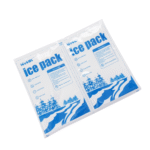
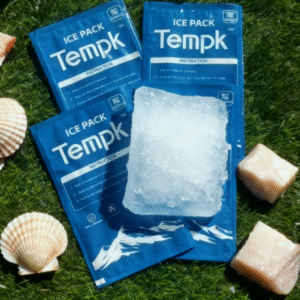
Pendinginan pasif bergantung pada insulasi dan zat pendingin seperti paket gel, es kering atau bahan perubahan fasa. Kemasan gel menjaga produk pada suhu 0–10 °C hingga 72 jam, sedangkan es kering menjaga makanan beku pada suhu –18 °C hingga 48 jam. Sistem pasif itu sederhana, portabel dan tidak memerlukan listrik, tetapi hal ini bergantung pada pemuatan yang tepat dan perhitungan kuantitas zat pendingin yang cermat.
Pendinginan aktif menggunakan unit pendingin bertenaga, dari pendingin listrik portabel hingga wadah pendingin cerdas. Sistem aktif memberikan kontrol durasi lebih lama dan membutuhkan daya (baterai kendaraan, jaringan atau surya). Mereka ideal untuk perjalanan panjang atau pengiriman besar namun memerlukan biaya dan pemeliharaan yang lebih tinggi.
Fitur Desain Yang Penting
Kotak pendingin berkualitas tinggi menggabungkan fitur-fitur di luar isolasi:
Penanganan mudah: Entri garpu/palet dua arah dan fitur penumpukan tersembunyi memfasilitasi pemuatan yang aman dan meminimalkan kerusakan.
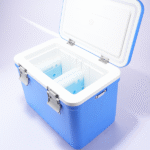
Konstruksi yang kuat: Cangkang luar polietilen dengan insulasi poliuretan dapat menawarkan hingga isolasi R28.
Segel yang rapat: Kait karet satu bagian meminimalkan lonjakan suhu selama transit.
Komponen yang dapat digunakan kembali: Bantalan aus yang dapat diganti dan permukaan yang mudah dibersihkan memungkinkan kebersihan dan daya tahan.
Panduan Seleksi Praktis
Nilailah lamanya perjalanan: Gunakan EPS untuk pengiriman lokal singkat (<24 H). Untuk perjalanan lintas negara atau ekspor (48–72 jam), berinvestasi di kotak EPP atau VIP.
Cocokkan zat pendingin dengan produk: Paket gel untuk makanan laut dingin, es kering untuk ikan beku, dan bahan perubahan fasa untuk rentang presisi.
Kotak dan truk pra-pendinginan: Selalu dinginkan peralatan Anda hingga suhu yang diinginkan sebelum memuat.
Pilih kemasan yang dapat digunakan kembali: Kotak EPP yang dapat digunakan kembali mengurangi limbah, meraih 20 % isolasi yang lebih baik dan bertahan hidup 100 perjalanan.
Skenario: Sebuah restoran yang menerima pengiriman pada hari yang sama menggunakan kotak pendingin EPP dengan paket gel dan menambahkan sensor BLE atau RFID. Pengemudi memeriksa kondisi melalui aplikasi seluler dan memastikan penghitung tampilan tetap di bawah 2 ° C..
Bagaimana Menerapkan Penelusuran Ujung ke Ujung
Kerangka Peraturan
Ketertelusuran ujung ke ujung memerlukan kepatuhan terhadap berbagai peraturan dan standar:
FSMA 204 (Undang-Undang Modernisasi Keamanan Pangan – Aturan Penelusuran Pangan): AS. Administrasi Makanan dan Obat -obatan (FDA) aturan terakhir mengharuskan bisnis untuk menyimpan catatan Elemen Data Utama (KDE) untuk Peristiwa Pelacakan Kritis (CTE) dan memberikan informasi kepada FDA di dalamnya 24 jam. Makanan di Daftar Penelusuran Makanan (FTL) – yang termasuk ikan bersirip, krustasea dan kerang moluska – harus mematuhi. Tanggal kepatuhan awal adalah bulan Januari 20 2026, namun FDA telah mengusulkan untuk memperpanjangnya hingga Juli 20 2028.
Dialog Global tentang Ketertelusuran Makanan Laut (GDST): GDST memberikan standar interoperabilitas sehingga sistem penelusuran “berbicara dalam bahasa yang sama” lintas batas. Indonesia baru-baru ini berkomitmen untuk menyelaraskan sistem nasionalnya dengan GDST, menunjukkan pentingnya harmonisasi internasional.
Peraturan Pengendalian Perikanan Eropa: mandat peraturan Eropa pelacakan kapal, pelaporan tangkapan elektronik dan ketertelusuran digital bertahap untuk makanan laut segar dan beku. Peraturan ini berlaku baik untuk produk dalam negeri maupun impor.
Haccp & HACCP Makanan Laut berbasis HACCP: Persyaratan Analisis Bahaya dan Titik Pengendalian Kritis menekankan pada identifikasi bahaya dan penerapan pengendalian di sepanjang rantai pasokan makanan laut.
Membangun Sistem Penelusuran: Langkah-Langkah Penting
Mulailah dengan Dokumentasi Tangkapan yang Akurat: Tanggal pencatatan, waktu, metode penangkapan ikan, spesies dan lokasi pada saat panen. Keterlambatan atau perkiraan membuka pintu terjadinya kesalahan atau penipuan.
Gunakan Pengidentifikasi Unik untuk Setiap Batch: Tetapkan nomor batch, Kode QR atau tag RFID ke setiap tangkapan atau tempat pemrosesan. Saat memisahkan atau menggabungkan batch selama pemrosesan ulang, membuat nomor sub batch dan memelihara hubungan orang tua-anak.
Standarisasi Format Data: Mengadopsi kerangka kerja bersama seperti standar GS1 untuk pengkodean produk dan Pertukaran Data Elektronik GS1. Gunakan templat digital bersama dan konvensi penamaan yang konsisten untuk memastikan aliran data di seluruh peserta rantai pasokan.
Terapkan Pelacakan Waktu Nyata: Menyebarkan GPS, Sensor IoT dan blockchain untuk memantau lokasi dan suhu, dan menyimpan catatan yang tidak dapat diubah. Blockchain menyediakan catatan bukti kerusakan dan meningkatkan transparansi konsumen.
Mendidik & Berkolaborasi: Latihlah nelayan, prosesor, distributor dan pengecer. Gunakan dasbor berbasis peran dan daftar periksa SOP. Mendorong kemitraan dengan lembaga pemerintah dan LSM, yang seringkali menyediakan alat dan pendanaan untuk mendukung kepatuhan.
Otomatiskan Pelaporan: Platform IoT dapat menghasilkan HACCP, Laporan kepatuhan FSMA dan GFSI secara otomatis, menghilangkan dokumen manual dan mengurangi kesalahan manusia.
Manfaat Penelusuran Ujung ke Ujung
Penarikan kembali lebih cepat dan lebih sedikit penyakit: Mempertahankan KDE dan CTE memungkinkan pihak berwenang mengidentifikasi sumber kontaminasi dan menghapus produk yang terkena dampak dengan cepat.
Peningkatan kepercayaan merek: Pelanggan dan pengecer mendapatkan kepercayaan diri ketika mereka dapat memverifikasi di mana makanan laut ditangkap dan bagaimana cara penanganannya.
Akses pasar & kepatuhan: Pertemuan FSMA 204, Persyaratan GDST dan Eropa memastikan produk Anda dapat memasuki pasar ekspor utama.
Pencegahan penipuan & IUU: Catatan yang dapat ditelusuri mencegah terjadinya kesalahan pelabelan, substitusi yang curang dan penangkapan ikan ilegal.
Contoh kasus: Pemroses menggunakan kode QR untuk memungkinkan pembeli memindai perjalanan ikan. Di gudang, Tag RFID mengotomatiskan pelacakan suhu dan pergerakan. Transparansi ini mengurangi penundaan, meningkatkan akurasi dan memungkinkan penarikan yang ditargetkan.
2025 Tren dan Perkembangan Rantai Dingin Makanan Laut
Pertumbuhan & Proyeksi Pasar
Sektor rantai dingin berkembang pesat. Penelitian Prioritas memperkirakan pasar akan tumbuh US$436,30 miliar masuk 2025 menjadi US$1.359,78 miliar pada 2034 (13.46 % CAGR). Wawasan StartUs memperkirakan pertumbuhan dari US$454,48 miliar masuk 2025 menjadi US$776,01 miliar pada tahun ini 2029. Dinamika regional menunjukkan Asia-Pasifik memimpin dengan jumlah yang lebih besar 14.3 % CAGR, sementara Amerika Latin berinvestasi pada energi terbarukan dan pemantauan IoT. Perangkat keras (sensor, kotak, reefers) bertahan 76 % dari pasar pelacakan rantai dingin.
Itu pasar perangkat lunak ketertelusuran makanan laut juga sedang booming. Itu tercapai masuknya US$705 juta 2024 dan diperkirakan akan melonjak menjadi US$1,84 miliar pada 2033. Pertumbuhan ini mencerminkan meningkatnya mandat digital di lebih dari 80 negara dan meningkatnya tekanan untuk membuktikan keaslian produk.
Inovasi Teknologi
Ai & Analisis Prediktif: AI menganalisis data sensor untuk memperkirakan kegagalan peralatan, memprediksi penundaan transit dan mengoptimalkan rute. Hal ini mengurangi pembusukan dan biaya operasional.
IoT sekitar & Sensor Bebas Baterai: Tag Ambient IoT yang muncul mengumpulkan energi dari gelombang radio dan memberikan biaya rendah, pemantauan bebas baterai. Mereka memungkinkan visibilitas real-time untuk barang-barang bervolume tinggi seperti makanan laut dan mengurangi kebutuhan pemeliharaan.
Adopsi Blockchain: Semakin banyak perusahaan yang menguji coba sistem blockchain untuk membuat catatan bukti kerusakan dan memungkinkan transparansi tingkat konsumen. Dikombinasikan dengan kontrak pintar, blockchain dapat mengotomatiskan kepatuhan dan pembayaran.
Rantai Dingin Bertenaga Surya: Meningkatnya harga listrik mendorong penerapan sistem pendingin bertenaga surya dan gudang hemat energi. Di AS, tarif tenaga surya komersial berkisar dari 3.2–15,5 sen per kWh, dibandingkan dengan tingkat utilitas rata-rata sebesar 13.1 sen per kWh di dalam 2024. Tenaga surya mengurangi biaya operasional dan jejak karbon.
Fokus Keamanan Siber: Pemerintah menekankan pengamanan sistem IoT untuk melindungi integritas data. Perusahaan harus berinvestasi pada jaringan yang aman, enkripsi dan kepatuhan terhadap Praktik Distribusi yang Baik (PDB) dan standar ISO.
Pasar & Pembaruan Peraturan
Ekstensi Kepatuhan: FDA mengusulkan untuk memperpanjang tanggal kepatuhan Aturan Penelusuran Makanan menjadi Juli 20 2028, memberi industri lebih banyak waktu untuk menerapkan sistem pencatatan.
Ketertelusuran Digital Eropa: Eropa mengamanatkan pelacakan kapal, pelaporan tangkapan elektronik dan penelusuran digital bertahap untuk makanan laut. Pembaruan serupa sedang dilakukan di Amerika Serikat, Chili dan Jepang.
Boom Inovasi: Industri rantai dingin mengajukan lebih 2,800 paten dan ditambahkan 26,800 karyawan dalam satu tahun terakhir, mencerminkan kemajuan teknologi yang pesat dan pertumbuhan lapangan kerja.
Wawasan pasar
Perbedaan regional mempengaruhi investasi:
Asia–Pasifik: Tingkat pertumbuhan tertinggi (~14.3 %), didorong oleh meningkatnya permintaan kelas menengah dan pasar ekspor.
Amerika Latin: Meningkatnya ekspor produk segar dan makanan laut mengarah pada investasi pada energi terbarukan dan pemantauan IoT.
Eropa: Infrastruktur penyimpanan dingin yang menua mendorong upaya modernisasi dan keberlanjutan.
Amerika Serikat: Fokus pada keamanan siber dan kepatuhan terhadap FSMA 204 dan Strategi Keamanan Siber Nasional.
Pertanyaan yang sering diajukan (FAQ)
- Apa itu pemantauan rantai dingin IoT?Ini adalah sistem yang menggunakan sensor yang terhubung untuk melacak suhu, kelembaban dan lokasi secara real time. Peringatan instan memungkinkan tindakan perbaikan cepat sebelum produk menurun.
- Mengapa manajemen rantai dingin yang cerdas penting untuk makanan laut?Sistem cerdas memastikan kesegaran, mengurangi limbah dan menjaga keamanan pangan selama pengangkutan, penyimpanan dan tampilan ritel. Mereka juga mengotomatiskan kepatuhan dan membangun kepercayaan konsumen.
- Bagaimana IoT mengurangi pembusukan makanan laut?IoT mengirimkan peringatan instan ketika suhu melampaui batas aman, memungkinkan tindakan cepat. Analisis prediktif dapat memperkirakan kegagalan peralatan dan menjadwalkan pemeliharaan.
- Dapatkah IoT membantu pelaporan kepatuhan??Ya. Platform otomatis menghasilkan HACCP, FSMA dan GFSI melaporkan secara instan, memastikan kesiapan audit dan mengurangi dokumen manual.
- Apa perbedaan antara kotak pendingin EPP dan EPS?EPP menawarkan secara kasar 20 % isolasi yang lebih baikdari EPS dan dapat digunakan kembali lebih dari 100 kali. EPS lebih murah dan cocok untuk perjalanan jarak dekat tetapi biasanya sekali pakai.
- Apa itu FSMA 204 dan bagaimana penerapannya pada makanan laut?FSMA 204 mewajibkan pencatatan Elemen Data Utama pada Peristiwa Pelacakan Kritis untuk pangan yang termasuk dalam Daftar Ketertelusuran Pangan – termasuk ikan bersirip, krustasea dan kerang moluska. Informasi harus diberikan kepada FDA di dalamnya 24 jam kerja dan kepatuhan mungkin diperlukan pada bulan Juli 20 2028.
- Seberapa umum kesalahan pelabelan makanan laut?Penelitian menunjukkan hal itu hingga 20–30 % produk makanan laut diberi label yang salah, dengan substitusi spesies atau asal usul yang salah. Ketertelusuran yang kuat membantu mencegah kesalahan pelabelan dan penipuan.
- Teknologi apa yang membantu mencegah penangkapan ikan ilegal?Alat ketertelusuran (Kode QR, RFID, GPS dan blockchain) melacak makanan laut dari tangkapan hingga konsumen, sehingga lebih sulit untuk memperkenalkan produk dari ilegal, tidak dilaporkan atau tidak diatur (IUU) penangkapan ikan.
- Bagaimana cara memilih refrigeran yang tepat?Gunakan kemasan gel untuk makanan laut dingin (0–10 ° C.), es kering untuk makanan laut beku (–18 °C) dan bahan pengubah fasa untuk rentang suhu yang tepat. Jumlahnya harus sesuai dengan berat produk, durasi transit dan suhu lingkungan.
- Bisakah usaha kecil mampu membeli teknologi ini?Ya. Mulailah dengan data logger dan kotak EPS/EPP yang terjangkau, lalu skalakan ke sensor IoT dan blockchain seiring pertumbuhan bisnis Anda. Banyak pemerintah dan LSM menawarkan hibah dan bantuan teknis untuk mendukung adopsi digital.
Kesimpulan & Rekomendasi
Kunci takeaways
Kontrol suhu tidak dapat dinegosiasikan: Ikan cepat rusak; 35 % makanan laut hilang karena kegagalan rantai dingin. Pemantauan terus menerus dan menjaga kualitas kemasan terisolasi.
Kotak EPP atau VIP yang dapat digunakan kembali penting: Busa EPP menyediakan 20 % isolasi yang lebih baik daripada EPS dan dapat digunakan kembali 100 kali. VIP menawarkan kinerja terbaik untuk pengiriman bernilai tinggi.
Integrasikan teknologi pemantauan: Menggabungkan sensor IoT, Pelacak GPS dan analitik AI memberikan visibilitas waktu nyata, pemeliharaan prediktif dan kepatuhan otomatis.
Menerapkan ketertelusuran ujung ke ujung: Dokumentasi yang akurat, pengidentifikasi unik, format data standar dan blockchain melindungi produk Anda dan mendukung kepatuhan terhadap FSMA 204, GDST dan peraturan Eropa.
Tetap di depan 2025 tren: Pertumbuhan pasar yang cepat, ledakan inovasi dan pengetatan peraturan memerlukan investasi proaktif dalam teknologi dan keberlanjutan.
Rencana aksi
Nilai Operasi Anda: Gunakan alat penilaian mandiri untuk memetakan tahapan rantai pasokan Anda, mengidentifikasi risiko dan memprioritaskan perbaikan.
Pilih Kemasan yang Sesuai: Pilih EPS untuk pengiriman lokal, EPP atau VIP untuk pengiriman yang lebih lama atau berulang. Pra-dinginkan kotak dan hitung beban zat pendingin.
Melaksanakan Pemantauan: Mulailah dengan pencatat data untuk catatan sejarah. Tambahkan sensor IoT dan pelacak GPS untuk visibilitas waktu nyata, menghubungkan mereka ke platform cloud untuk analisis dan kepatuhan.
Digitalisasi Ketertelusuran: Mengadopsi standar GS1, menetapkan pengidentifikasi batch dan mengintegrasikan blockchain atau platform digital untuk memastikan konsistensi data dan transparansi konsumen.
Melatih dan Berkolaborasi: Memberikan pelatihan dan dasbor berbasis peran; bekerja dengan mitra rantai pasokan untuk berbagi data dan menstandardisasi praktik.
Tinjau Peraturan Secara Teratur: Pantau pembaruan pada FSMA 204, Aturan Eropa dan strategi keamanan siber nasional. Berinteraksi dengan kelompok industri dan inisiatif penelusuran untuk tetap mematuhi kebijakan.
Tentang tempk
Tempk adalah perusahaan berbasis riset yang mengkhususkan diri pada bidang ini Kemasan rantai dingin yang dapat digunakan kembali Dan teknologi pemantauan. Kami mengembangkan yang tahan lama Kotak pendingin busa EPP yang menyampaikan isolasi superior dan tahan lebih dari 100 perjalanan. Produk kami meliputi paket gel, Paket es kering, liner terisolasi dan sistem pemantauan cerdas. Dengan menggabungkan pengemasan berkinerja tinggi dengan sensor berkemampuan IoT dan platform cloud, kami membantu pelanggan menjaga integritas suhu, mengurangi pemborosan dan mencapai kepatuhan. Dengan pengalaman puluhan tahun dalam logistik rantai dingin, kami berkomitmen untuk inovatif, solusi ramah lingkungan yang melindungi produk Anda dan planet ini.
Hubungi kami: Untuk saran yang dipersonalisasi mengenai optimalisasi rantai pasokan makanan laut Anda, berbicara dengan spesialis Tempk. Kami akan membantu Anda memilih kotak pendingin yang tepat, pendingin dan teknologi pemantauan untuk melindungi barang Anda yang mudah rusak dan membangun kepercayaan konsumen.