Solusi Isolasi Rantai Dingin untuk Produk Makanan Laut?
Anda membutuhkan cold chain insulation solutions for seafood products when “mostly cold” is not good enough. If a box warms for even a short window, seafood can lose texture, smell, dan kepercayaan. Di dalam 2025, most programs design for fresh seafood near melting ice (~ 0 ° C.) atau chilled 0–4°C, Dan frozen seafood at ≤ -18°C, with buffer for delays. This guide shows you how to choose materials, pack consistently, and validate performance with simple data.
Artikel ini akan membantu Anda menjawabnya:
-
Bagaimana cold chain insulation solutions for seafood products protect fresh vs frozen lanes
-
Bagaimana cara memilih EPS vs EPP vs VIP insulation for seafood products without overspending
-
Bagaimana meltwater drainage seafood shipping packaging prevents leaks and odor
-
Bagaimana right-size insulated box for fresh seafood delivery to stop shipping air
-
Bagaimana a last-mile cold chain insulation strategy for seafood reduces porch-time failures
-
Bagaimana validate insulated packaging for seafood cold chain with a repeatable test plan
What are cold chain insulation solutions for seafood products?
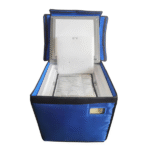
Cold chain insulation solutions for seafood products are packaging systems that slow heat gain and stabilize temperature from packout to receipt. Think of insulation like a winter coat: it does not create cold, but it helps you keep the cold you packed. A complete system includes the outer carton, isolasi, liner, pendingin, penahanan, and a consistent closure method.
Dalam pengiriman nyata, the weakest link usually wins. A loose lid, big air gaps, or messy meltwater can ruin strong insulation. Itulah sebabnya cold chain insulation solutions for seafood products must work in hubs, Van, and doorsteps—not just in lab specs.
The seafood failure map (suhu + air + waktu)
Seafood is wet and odor-sensitive. So your system has to manage suhu, kelembaban, and containment bersama. If you fix only one, kamu masih kalah.
| Failure risk | Typical cause | Fix you can standardize | Apa artinya bagimu |
|---|---|---|---|
| Temperature spike | Isolasi tipis, celah udara | Cocok lebih ketat + better closure | Lebih sedikit klaim pembusukan |
| Kebocoran air leleh | Weak bagging, no drainage | Double-bag + absorbents/drain layer | Pengiriman yang lebih bersih, fewer carrier issues |
| Perpindahan bau | Poor seals, udara yang terperangkap | Tight liner + sealed inner bags | Pengalaman membuka kotak yang lebih baik |
| Hancurkan kerusakan | Weak carton, soft structure | Stronger carton + rigid liner | Lebih sedikit pengembalian uang dan pengiriman ulang |
Practical tips you can use this week
-
Jalur pendek (≤24 jam): prioritize sealing, pas, and moisture control first.
-
Mid lanes (24-48 jam): meningkatkan isolasi atau add balanced coolant coverage (sisi + atas).
-
Jalur panjang (48–72h+): redesign the whole system, not just “add more ice.”
Realitas praktis: Many failures come from small gaps—lid not tight, packs placed wrong, or liners too loose.
What temperature targets should cold chain insulation solutions for seafood products hit?
Your cold chain insulation solutions for seafood products must match the product state, not the marketing promise. Fresh seafood often aims for melting-ice conditions (~ 0 ° C.) or a controlled 0–4 ° C. pita. Frozen seafood typically targets ≤ -18°C to avoid thaw-refreeze damage. If you ship histamine-risk fish, tighter time–temperature control is critical.
Don’t guess your “temperature truth.” Define a target band, a max excursion rule, and a time assumption. Then train and audit against that standard.
A simple target table your team can follow
| Seafood type | Sasaran praktis | Pendingin tipikal | Key watch-out | Apa artinya bagimu |
|---|---|---|---|---|
| Makanan laut segar (iced) | ~ 0 ° C. (melting ice) | Flake/slurry ice | Meltwater contact | Drainage and containment are mandatory |
| Makanan laut dingin (no wet ice) | 0–4 ° C. | Paket gel / PCM | Edge-freezing risk | Avoid direct coolant contact on delicate SKUs |
| Makanan laut beku | ≤ -18°C | Es kering / frozen PCM | Thaw-refreeze cycling | Isolasi + buffer time matter most |
| Histamine-risk fish (contoh) | <4.4°C with minimal warm time | Ice/PCM + SOP yang ketat | “small warm-ups” | Monitoring matters more than you think |
| Superchilled (advanced) | -3 to -1°C (kontrol ketat) | PCM yang disetel | Partial freezing risk | Use only with validated SOPs |
Practical tips to avoid common traps
-
Separate fresh and frozen packouts. One “universal” packout causes silent failures.
-
Design for the last 2–6 hours. Doorstep time can be worse than linehaul.
-
If quality complaints persist, log the route. “Arrives cold” can hide mid-route spikes.
Skenario nyata: One shipper reduced complaints by splitting SOPs: one for fresh-on-ice, one for hard frozen.
Which insulation materials work best for cold chain insulation solutions for seafood products?
The best cold chain insulation solutions for seafood products are the ones that hold temperature Dan survive wet, berat, penanganan yang kasar. Ketebalan membantu, but fit and closure often matter more. Untuk makanan laut, you also need moisture tolerance and compression strength.
Mulailah dengan kesulitan jalur (jam + panas + last-mile exposure), then choose the smallest upgrade that removes your top failure mode.
EPS vs EPP vs VIP insulation for seafood products
| Opsi isolasi | Kekuatan yang khas | Typical trade-offs | Jalur yang paling sesuai | Apa artinya bagimu |
|---|---|---|---|---|
| Busa EPS | Biaya rendah, solid thermal value | Rentan, disposal varies | One-way lanes | Good starter option, needs waste plan |
| Busa Epp | Tahan lama, dapat digunakan kembali, tahan benturan | Biaya dimuka yang lebih tinggi | Loop tertutup, jalur berulang | Lower waste over many trips |
| PU foam panels | Isolasi kuat per ketebalan | Damage/disposal complexity | Mid–long lanes | Performa stabil, higher friction |
| Panel VIP | Insulasi sangat tinggi pada dinding tipis | Biaya, membutuhkan perlindungan | Premium/long lanes | Longer hold time without huge boxes |
| Liner reflektif | Reduce radiant heat | Not enough alone | Add-on layer | Works best as a “booster,” not a core |
Practical tips for better insulation performance
-
Tutup celah udara. A loose lid can erase thick insulation gains.
-
Right-size before you upgrade materials. Smaller air volume holds longer.
-
Choose ruggedness first in wet programs. A collapsed box fails faster than a thinner box.
Contoh nyata: Some teams gain hours of performance by improving closure and liner fit—without changing insulation thickness.
Which coolants pair best with cold chain insulation solutions for seafood products?
Cold chain insulation solutions for seafood products work when insulation slows heat and coolant absorbs it—together. For fresh seafood, wet ice is naturally stable around melting temperature, but it creates meltwater. Untuk dingin (0–4 ° C.), gel packs or PCMs often reduce mess. Untuk beku, dry ice or frozen-range PCMs usually provide the strongest buffer.
Choose coolant based on the target band, then validate placement. “Top-only” coolant placement commonly creates hot corners.
Coolant selection table (sederhana dan praktis)
| Pendingin | Best around | Terbaik untuk | Hati-Hati | Apa artinya bagimu |
|---|---|---|---|---|
| Es basah | ~ 0 ° C. | Fresh-on-ice programs | Kebocoran air leleh | Requires drainage + containment discipline |
| Paket gel | 0–5 ° C. (bervariasi) | Short–mid chilled lanes | Pendinginan tidak merata | Needs conditioning + balanced placement |
| PCM (tuned) | Specific setpoint | Stable chilled control | Biaya yang lebih tinggi | Reduces swings and edge-freezing risk |
| Es kering | Sangat beku | Jalur beku, durasi yang lama | Venting/label rules | Kuat, but requires training and SOPs |
meltwater drainage seafood shipping packaging that actually works
Your meltwater plan should be designed, tidak diimprovisasi. Treat moisture like a second product.
| Elemen pengepakan | Praktik terbaik | Mengapa itu penting | Manfaat Anda |
|---|---|---|---|
| Bagging | Double-bag + tight seals | Prevent leaks and odor | Fewer carrier issues |
| Drain layer | Raised tray or drain channel | Keeps product out of meltwater | Better texture and smell |
| Absorbents | Pads sized for worst-case | Captures leakage | Unboxing Cleaner |
| Penutup | Same tape pattern every time | Stops “lid leaks” | Repeatable results |
Tips dan saran praktis
-
Use side + top coolant for coverage. Corners fail first.
-
Avoid direct coolant contact when partial freezing hurts quality.
-
Jika Anda menggunakan es kering, document handling rules and keep it consistent.
Kasus praktis: A shipper improved customer trust by making boxes arrive clean and dry—without changing temperature targets.
How do you right-size cold chain insulation solutions for seafood products to stop shipping air?
Right-sizing is the fastest cost and performance win in cold chain insulation solutions for seafood products. When you ship air, you pay freight for empty space and you pay coolant to control it. Lebih kecil, tighter shipper often holds temperature longer with less refrigerant.
Think “thermos, not suitcase.” Tight fit reduces air movement and hot spots.
The “3 measurements” right-size tool (5 menit)
-
Ukuran product footprint (P×L×T) including inner bags/trays
-
Ukuran coolant footprint (packs/ice/dry ice space)
-
Menambahkan buffer space only for crush protection and void control
| Faktor | Apa yang harus diukur | Aturan sederhana | Kesalahan umum | Apa artinya bagimu |
|---|---|---|---|---|
| Product footprint | Packed product size | No rattling | Oversized “just in case” | Higher heat gain, Biaya yang lebih tinggi |
| Coolant footprint | Volume + penempatan | Mengelilingi, don’t float | Top-only placement | Hot corners and warm ends |
| Buffer space | Batal isi + perlindungan | Enough to prevent crush | Terlalu banyak ruang kosong | You end up “shipping air” |
Kiat Praktis yang Dapat Anda Gunakan Hari Ini
-
Gunakan a fit gauge (simple template) so packers pick the right size fast.
-
Membakukan packout layouts by SKU family (photos beat paragraphs).
-
Pertahankan a seasonal “hot-day” packout, not year-round overspec.
Contoh nyata: Many programs cut freight spend Dan reduce excursions after shrinking box size one step.
How should you pack seafood using cold chain insulation solutions for seafood products?
Packing is where cold chain insulation solutions for seafood products succeed or fail. Your design must be repeatable at peak volume. If packout varies by person, results vary by day.
Below are two SOP-friendly flows you can train in minutes.
Packing flow for chilled seafood (0–4°C or ~0°C)
-
Pre-chill product to the target range before packing
-
Pre-condition gel packs/PCM to a consistent setpoint
-
Add a bottom absorbent or drain layer
-
Double-bag seafood and seal tightly
-
Tempatkan cairan pendingin sisi + atas, then fill voids
-
Close liner fully and seal carton with a consistent tape pattern
Packing flow for frozen seafood (≤ -18°C)
-
Confirm product core is fully frozen before packout
-
Use insulation matched to duration + risiko lingkungan
-
Add dry ice/frozen PCM with safe separation and venting approach
-
Reduce void space to limit convection
-
Close and seal consistently, then label per your SOP
Tips dan saran praktis
-
Time matters: set a hard “max staging time” between packout and pickup.
-
Pentingnya penempatan: make coolant placement a diagram, bukan tebakan.
-
Clean matters: a dry outer carton improves carrier handling and customer trust.
Hasil sebenarnya: Teams often gain reliability by standardizing closure and placement—before buying premium insulation.
How do you validate and monitor cold chain insulation solutions for seafood products in 2025?
Di dalam 2025, cold chain insulation solutions for seafood products should be proven with data, bukan harapan. Mulailah dari yang kecil: a sampling plan with low-cost temperature loggers, penempatan yang konsisten, dan aturan lulus/gagal yang jelas. Hal ini mengurangi perselisihan, improves SOPs, and prevents overspending.
Validation also helps you upgrade the right variable. If warming happens late, fix closure or top coverage. If it warms early, upgrade insulation level.
A validation plan you can run this week
| Tes | What you simulate | Apa yang harus direkam | Ide lulus/gagal | Apa artinya bagimu |
|---|---|---|---|---|
| Average day | Normal route time | Max temp + waktu di atas batas | Stays in target band | Confident baseline |
| Hari yang panas | High ambient + sun risk | Kurva suhu | No long warm plateau | Summer readiness |
| Skenario penundaan | +12–24h hold | End temp + kecenderungan | Still safe at receipt | Fewer surprise failures |
Seafood cold chain monitoring checklist (salin ke SOP)
| Melangkah | Apa yang Anda periksa | Example standard | Apa yang Anda lakukan selanjutnya |
|---|---|---|---|
| Pre-pack | Suhu produk | Meets target band | Re-chill or reject |
| Paket | Layout photos | Matches standard | Retrain if drift |
| Transit | Logger peak | No spikes above limit | Adjust process/coolant |
| Receipt | Kondisi | No leak, tidak ada pelunakan | Root-cause review |
Tes mandiri cepat: are you under-protected?
Berikan dirimu sendiri 1 poin untuk setiap “ya”:
-
Do excursions happen mostly near delivery time?
-
Do failures cluster on hot days or Mondays?
-
Do you “add more ice” instead of fixing closure?
-
Does your liner fit loosely inside the carton?
-
Do you lack consistent pre-conditioning steps?
Score 3–5: you likely need a system upgrade.
Score 1–2: process and placement may fix it first.
How do you reduce last-mile risk with cold chain insulation solutions for seafood products?
Cold chain insulation solutions for seafood products often fail in the last mile, not the linehaul. Waktu teras, pengiriman terlewat, and hot-vehicle dwell can “spend” shelf life quickly. Your best lever is operational: attended delivery rules, peringatan, and lane segmentation.
Treat last mile like a relay race. If handoffs break, insulation cannot save the lane.
last-mile cold chain insulation strategy for seafood (aturan sederhana)
| Risiko jarak jauh | Seperti apa bentuknya | Best control | Packaging implication | Apa artinya bagimu |
|---|---|---|---|---|
| Doorstep exposure | Box in sun | Jendela pengiriman + peringatan | You can reduce “overkill” | Biaya lebih rendah, pengembalian dana yang lebih sedikit |
| Pengiriman terlewat | Retry next day | Signature/pickup | Waktu tinggal lebih sedikit | Higher success rate |
| Hot van dwell | Long route delay | Routing rules | Stronger insulation needed | Consistency on peak days |
Practical tips you can implement fast
-
Menggunakan earlier delivery windows for fresh seafood and premium kits.
-
Membuat two delivery modes: attended vs unattended (validated only).
-
Upgrade only risky lanes, not every order.
Pola dunia nyata: The final 2–6 hours can be the most dangerous window.
How do you cut total cost and carbon without sacrificing quality?
The lowest-cost cold chain insulation solutions for seafood products are the ones that prevent failures. Pengembalian dana, pengiriman ulang, and brand damage are the hidden budget killers. Setelah itu, right-size, simplify materials, and consider reuse only when returns are real.
The most “eco-friendly” move is often fewer replacement shipments. Waste prevention beats perfect materials.
Cost and sustainability levers (in the right order)
| Tuas | Apa yang Anda ubah | Mengapa itu berhasil | Risiko untuk diperhatikan | Apa artinya bagimu |
|---|---|---|---|---|
| Lebih sedikit kegagalan | Better SOP + last-mile control | Avoids reships and waste | Perlu disiplin | Biggest impact fast |
| Ukuran yang tepat | Karton yang lebih kecil | Pengiriman lebih rendah + better hold | SKU complexity | Lower cost per order |
| Material simplification | Fewer mixed parts | Easier disposal | Performance variance | Better customer compliance |
| Gunakan kembali program | Reusable EPP systems | Lower waste per trip | Return rates | Best long-term option |
Tips Praktis
-
Melacak tingkat penggantian like a KPI (it is cost Dan carbon).
-
Pertahankan a summer packout that prevents seasonal claim spikes.
-
Write disposal instructions in plain language customers will follow.
2025 latest developments and trends in seafood cold chain insulation
Di dalam 2025, cold chain insulation solutions for seafood products are moving from “thicker is safer” to “validated, berukuran tepat, lane-specific.” Teams are adopting two-tier packouts (standar + hot-risk), improving moisture-tolerant liners, and using lightweight monitoring to reduce disputes. High-performance insulation is also trending where dimensional weight penalties are painful.
Kemajuan terbaru sekilas
-
Lane-based packouts: fewer “one box for everything” policies
-
Moisture-smart designs: better drainage layers and leak-resistant containment
-
Pemantauan yang lebih cerdas: sampling loggers and clear pass/fail standards
-
Thinner high-performance builds: stronger hold time without oversized boxes
-
Selective superchilling: only where SOP control is tight and validated
Pertanyaan yang sering diajukan
Q1: What are cold chain insulation solutions for seafood products in simple terms?
They are packaging and SOP choices that keep seafood in its target temperature range during real shipping delays.
Q2: Do fresh and frozen seafood need different packouts?
Ya. Fresh needs near-ice stability and moisture control, while frozen needs deep cold and minimal thaw-refreeze cycling.
Q3: Is thicker insulation always better?
TIDAK. Ukuran yang tepat, penutupan ketat, and consistent placement often beat thicker insulation in oversized boxes.
Q4: What is the easiest first improvement to make?
Standardize packout layout (foto), tighten closure, and add a drain/absorbent plan for wet programs.
Q5: How often should I test packaging?
At least seasonally, and any time you change lanes, ukuran kotak, pendingin, or carriers.
Ringkasan dan Rekomendasi
Cold chain insulation solutions for seafood products work best as a complete system: isolasi, pendingin, penahanan, and repeatable packing steps. Start by defining targets (fresh vs frozen) and segmenting lanes by difficulty. Then fix the basics: pas, strong closure, balanced coolant placement, dan kontrol kelembaban. Akhirnya, validate with a simple hot-day and delay test so you upgrade only what the data proves.
Rencana tindakan Anda selanjutnya (sederhana dan cepat)
-
Define one target band per SKU family (fresh vs frozen).
-
Build two packouts: standar Dan hot-risk.
-
Right-size cartons using the “3 measurements” method.
-
Berlari 3 tes (rata-rata / panas / menunda) with one logger placement standard.
-
Add last-mile controls for high-risk lanes and seasons.
Tentang tempk
Dan Tempk, we build cold chain insulation solutions for seafood products as practical, sistem yang dapat diulang. We focus on insulation selection, strategi pendingin, kontrol kelembaban, and packout SOPs your team can follow at speed. We also help you validate performance with a simple seasonal test plan, so you reduce claims without overspending on packaging.
Langkah selanjutnya: Share your product state (segar atau beku), durasi jalur, and last-mile risk (attended vs unattended). We’ll outline a lane-specific system direction and a validation checklist you can run this week.