Mempertahankan suhu yang tepat selama siklus hidup obat-obatan bukan hanya tugas teknis – ini adalah janji bagi pasien. Manajemen rantai dingin produk farmasi memastikan bahwa vaksin, Biologi, insulin dan terapi penyelamat nyawa lainnya tetap ampuh mulai dari produksi hingga administrasi. Dengan pasar rantai dingin farmasi global bernilai USD 6.4 miliar masuk 2024 dan diperkirakan akan tumbuh pesat, Anda perlu memahami prosesnya, teknologi dan peraturan yang menjaga produk ini tetap aman. Panduan ini menjelaskan pentingnya manajemen rantai dingin, memanfaatkan pedoman resmi dan tren industri untuk membantu Anda menjaga kualitas dan kepatuhan.
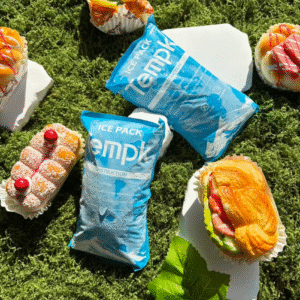
Mengapa pengendalian suhu penting dalam logistik farmasi? Pahami risiko perubahan suhu dan pengaruhnya terhadap vaksin dan bahan biologis.
Komponen apa yang membentuk rantai dingin farmasi yang kuat? Pelajari tentang kemasan khusus, penyimpanan, sistem transportasi dan pemantauan.
Bagaimana peraturan dan pedoman membentuk praktik rantai dingin yang baik? Jelajahi praktik distribusi yang baik dari WHO dan panduan nasional mengenai pelabelan, kualifikasi dan dokumentasi kontainer.
Teknologi apa yang mendefinisikan ulang manajemen rantai dingin 2025? Temukan bagaimana sensor IoT, data waktu nyata dan analisis berbasis AI meningkatkan visibilitas dan kepatuhan.
Apa saja tren yang muncul dan pertimbangan keberlanjutan? Dapatkan wawasan tentang pertumbuhan pasar, kemasan ramah lingkungan dan model logistik baru.
Mengapa Manajemen Rantai Dingin Penting untuk Produk Farmasi?
Manajemen rantai dingin melindungi potensi dan keamanan obat-obatan dengan menjaganya dalam rentang suhu yang ketat. Biologi, vaksin dan banyak obat bermolekul kecil akan rusak jika terkena suhu di luar rentang labelnya, menyebabkan berkurangnya kemanjuran dan potensi bahaya bagi pasien. Misalnya, Vaksin mRNA harus disimpan pada suhu –60°C hingga –80°C, sementara beberapa vaksin tetap stabil pada suhu –20°C. Praktik distribusi yang baik dari Organisasi Kesehatan Dunia menekankan bahwa setiap kegiatan distribusi produk farmasi harus menjaga kualitas asli dan identitas produk..
Perubahan suhu tidak hanya membuang produk tetapi juga menyebabkan kerugian finansial dan pelanggaran peraturan. Rantai dingin yang komprehensif memitigasi risiko ini dengan mengintegrasikan kontrol suhu ke dalam setiap tahap—manufaktur, penyimpanan, transportasi dan penyaluran. Meningkatnya permintaan akan produk biologis dan terapi gen berarti semakin banyak produk yang memerlukan pendinginan atau penyimpanan kriogenik. Tanpa kontrol yang tepat, bahkan penyimpangan singkat pun dapat membuat suatu kumpulan tidak dapat digunakan. Intinya, rantai dingin yang andal adalah tulang punggung keselamatan pasien dan integritas produk.
Memahami Kisaran Suhu dan Sensitivitas Produk
Terapi yang berbeda memiliki persyaratan suhu tertentu, mulai dari suhu ruangan terkontrol hingga kondisi kriogenik. Menyimpan produk dalam rentang ini akan menjaga struktur dan aktivitas molekul. Di bawah ini adalah tabel referensi sederhana yang merangkum kategori-kategori umum:
| Kisaran suhu | Contoh Terapi | Mode Pengiriman | Apa artinya bagimu |
| –150°C ke bawah (Kriogenik) | Terapi gen dan beberapa perawatan berbasis sel | Wadah nitrogen cair, es kering | Membutuhkan wadah khusus dan pengangkutan cepat untuk mencegah pencairan. Protokol penanganannya ketat dan mahal namun penting untuk terapi bernilai tinggi ini. |
| –80°C hingga –60°C (Sangat dingin) | vaksin mRNA seperti Pfizer BioNTech | Freezer yang sangat dingin, pengirim es kering | Logistik rantai sangat dingin memastikan potensi vaksin. Pemantauan waktu nyata sangat penting untuk mendeteksi penyimpangan. |
| –20°C (Beku) | Vaksin masa kini, beberapa biologi | freezer, kotak terisolasi dengan kantong es | Memerlukan pengemasan yang tervalidasi dan verifikasi suhu konstan. Penggunaan es kering tidak boleh membahayakan obat atau kemasannya. |
| 2° C - 8 ° C. (Didinginkan) | Kebanyakan vaksin, Antibodi monoklonal, insulin | Truk berpendingin, pengirim pasif | Rangkaian rantai dingin farmasi yang paling umum. Pengemasan dan pengangkutan harus memastikan suhu yang seragam. |
| 15°C–25 °C (Suhu Ruangan Terkendali) | Formulasi lisan, beberapa suntikan | Karton terisolasi, wadah standar | Masih memerlukan pengawasan agar tidak terjadi hal yang ekstrem, terutama di daerah beriklim hangat. |
Tip Praktis untuk Memastikan Kepatuhan Suhu
Petakan profil termal produk Anda: Pahami batas suhu spesifik berdasarkan data stabilitas dan persyaratan label. Hal ini menginformasikan pemilihan kontainer dan perencanaan transportasi.
Pilih kontainer yang divalidasi: Gunakan kemasan berkualitas yang dirancang untuk tahan terhadap suhu lingkungan ekstrem yang diperkirakan dan menjaga suhu internal sesuai spesifikasi.
Rencanakan Kontinjensi: Mengembangkan prosedur operasi standar (Sops) menguraikan tindakan selama penundaan, perubahan rute atau pemadaman listrik. Sertakan panduan tentang penanganan produk jika terjadi perubahan suhu.
Contoh Kasus: Selama peluncuran vaksin COVID 19 secara global, pengiriman vaksin mRNA yang disimpan pada suhu –70°C tiba di klinik terpencil. Karena kontainernya menyertakan pencatat data dengan peringatan waktu nyata, staf melihat sedikit kenaikan hingga –60°C selama transit dan menerapkan es kering ekstra. Respon cepat ini menjaga potensi vaksin dan menghindari pemborosan yang mahal.
Apa Saja Komponen Rantai Dingin Farmasi yang Kuat?
Manajemen rantai dingin yang efektif adalah sistem terintegrasi yang menggabungkan infrastruktur, peralatan dan proses. CDMO dan penyedia logistik harus mengoordinasikan pengemasan, penyimpanan, pemantauan dan transportasi untuk mencegah perubahan suhu.
Komponen utama mencakup infrastruktur khusus, kemasan tervalidasi dan pemantauan waktu nyata. Infrastruktur terintegrasi melibatkan ruang produksi yang dikontrol suhunya, gudang penyimpanan dingin dan laboratorium kendali mutu yang dirancang untuk menjaga integritas produk. Peralatan khusus meliputi freezer kriogenik, penyimpanan nitrogen cair dan sistem pemetaan suhu untuk memastikan kondisi seragam. Pemantauan waktu nyata menggunakan sensor IoT dan pencatat data untuk menangkap suhu, kelembaban dan lokasi, memungkinkan intervensi segera ketika terjadi penyimpangan.
Solusi Pengemasan: Pasif vs. Sistem Aktif
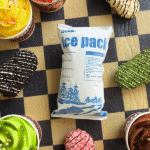
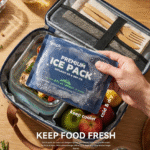
Produk farmasi dikirim dalam wadah pasif atau aktif. Kemasan pasif bergantung pada bahan isolasi dan elemen perubahan fasa (Paket es, Paket gel, bahan perubahan fase) untuk mempertahankan suhu untuk waktu terbatas tanpa daya eksternal. Sistem aktif gunakan unit pendingin atau pemanas bertenaga untuk mengatur suhu secara dinamis.
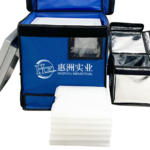
Solusi pasif tingkat lanjut mencakup kotak berinsulasi yang dapat digunakan kembali dengan panel berinsulasi vakum dan bahan pengubah fasa. Menurut panduan Logistik Atomix, kemasan inovatif mengintegrasikan sensor cerdas dan bahan pengubah fase untuk menjaga suhu tetap stabil, sementara kemasan terisolasi yang dapat digunakan kembali mengurangi limbah. Kontainer aktif memberikan durasi yang lebih lama dan kontrol yang lebih konsisten namun lebih berat dan mahal. Pemilihan tergantung pada sensitivitas produk, durasi pengiriman dan kondisi sekitar.
| Jenis pengemasan | Manfaat | Pertimbangan | Keputusan Anda |
| Wadah pasif | Ringan, hemat biaya, cocok untuk waktu transit pendek hingga menengah. Opsi yang dapat digunakan kembali mengurangi limbah dan biaya. | Durasi terbatas, kinerja tergantung pada kondisi sekitar. Perlu pengkondisian awal paket es yang tepat dan pengemasan yang hati-hati. | Ideal untuk pengiriman rutin dalam 24–72 jam. Pastikan wadah memenuhi syarat untuk suhu ekstrem yang diperkirakan. |
| Kontainer aktif | Sediakan pendinginan/pemanasan terus menerus menggunakan sistem listrik atau es kering. Cocok untuk pengiriman yang sangat dingin atau jarak jauh. | Lebih mahal, lebih berat dan membutuhkan tenaga. Pemeliharaan dan ketersediaan dapat menjadi tantangan. | Pilih yang biologis bernilai tinggi, penerbangan jarak jauh atau pengiriman yang mungkin mengalami penundaan. |
Fasilitas Penyimpanan dan Manajemen Inventaris
Fasilitas penyimpanan rantai dingin harus mempertahankan rentang suhu yang tervalidasi dan menyertakan sistem cadangan. Gudang memerlukan zona terpisah untuk kebutuhan suhu yang berbeda dan harus berintegrasi dengan sistem manajemen inventaris canggih yang melacak lokasi, riwayat suhu dan tanggal kedaluwarsa. Otomatisasi dan robotika dapat meningkatkan akurasi dan mengurangi kesalahan manusia. Misalnya, 3Penyedia penyimpanan dingin PL menawarkan sistem otomatis untuk rotasi inventaris, mencegah pembusukan dan memastikan distribusi pertama yang habis masa berlakunya.
Tips penyimpanan dingin yang efektif:
Kalibrasi perangkat pemantauan secara teratur dan pertahankan sertifikat kalibrasi untuk memenuhi audit.
Gunakan pencatatan suhu terus menerus dengan alarm dan notifikasi otomatis. Daya cadangan memastikan peralatan beroperasi selama pemadaman listrik.
Latih personel tentang penanganan rantai dingin, termasuk prosedur bongkar muat yang tepat untuk meminimalkan paparan terhadap suhu sekitar.
Skenario dunia nyata: Sebuah produsen biologi menerapkan sistem penyimpanan dingin otomatis dengan pengambilan robot. Hal ini mengurangi waktu penanganan produk sebesar 30 persen dan mengurangi perubahan suhu selama pementasan 40 persen, menghasilkan penghematan biaya yang signifikan dan peningkatan kepatuhan.
Bagaimana Peraturan dan Pedoman Membentuk Praktik Rantai Dingin?
Kepatuhan terhadap kerangka peraturan memastikan bahwa operasi rantai dingin farmasi memenuhi persyaratan kualitas dan keselamatan. Praktik distribusi yang baik dari Organisasi Kesehatan Dunia (PDB) menyatakan bahwa seluruh kegiatan dalam rantai distribusi harus menjaga mutu asli produk farmasi. Proses distribusi harus mematuhi praktik manufaktur yang baik (GMP), praktik penyimpanan yang baik (GSP) dan PDB untuk mencegah campur aduk, pemalsuan dan kontaminasi.
Praktik Distribusi yang Baik dan Pedoman Nasional WHO
Pedoman PDB WHO menyoroti tanggung jawab utama bagi distributor:
Manajemen Mutu: Menetapkan sistem mutu yang mencakup pengadaan, penyimpanan, angkutan, dokumentasi dan pencatatan. Hal ini termasuk memastikan identitas produk dipertahankan melalui pelabelan dan pengemasan yang tepat.
Tempat dan Peralatan: Fasilitas harus dirancang untuk mencegah kontaminasi dan menjaga kontrol suhu. Kendaraan dan peralatan harus sesuai untuk mengangkut barang yang sensitif terhadap suhu.
Dokumentasi dan Catatan: Catatan suhu yang akurat, penanganan dan distribusi harus disimpan untuk audit dan penelusuran.
Pencegahan Pemalsuan: Semua pihak dalam rantai pasokan harus berkolaborasi untuk mencegah produk palsu. Titik lemah dalam distribusi memberikan peluang bagi obat-obatan palsu atau di bawah standar.
Otoritas kesehatan nasional sering kali mengembangkan pedoman ini. Misalnya, “Pedoman Manajemen Rantai Dingin yang Baik untuk Produk Farmasi yang Sensitif terhadap Suhu” dari Kementerian Kesehatan Lebanon menekankan bahwa produk yang sensitif terhadap suhu harus disimpan dan diangkut sesuai dengan kondisi yang telah ditentukan yang didukung oleh data stabilitas. Kontainer pengiriman harus memenuhi syarat untuk tahan terhadap suhu lingkungan yang ekstrem dan diberi label dengan jelas (MISALNYA., “Jangan Membekukan”). Prosedur harus mempertimbangkan kondisi setempat, moda transportasi dan variasi musim.
Pelabelan, Kualifikasi dan Dokumentasi Kontainer
Pelabelan yang tepat membantu penangan mengenali kiriman yang sensitif terhadap suhu. Label harus menunjukkan kondisi penyimpanan dan peringatan serta harus ditempel dengan aman. Pemilihan wadah harus didasarkan pada kebutuhan produk, suhu lingkungan yang ekstrim dan durasi transportasi. SOP tertulis harus mencakup persiapan pengemasan, penempatan kompres es, dan tindakan selama penundaan atau pemadaman listrik.
Praktik terbaik untuk kepatuhan:
Melaksanakan pelatihan rutin mengenai PDB bagi seluruh staf yang terlibat dalam penanganan, transportasi dan penyimpanan.
Menerapkan protokol validasi untuk rute pengemasan dan transportasi. Ini termasuk kualifikasi kinerja (PQ) dalam kondisi ambien kasus terburuk.
Memelihara dokumentasi yang mendukung klaim stabilitas dan membenarkan penerimaan perubahan suhu kecil.
Contoh: Sebuah program kesehatan masyarakat nasional menerapkan dokumentasi digital di seluruh jaringan distribusi vaksinnya. Dengan mencatat data suhu dan langkah penanganan secara real time, program ini meningkatkan kepatuhan terhadap peraturan dan mengurangi kerugian produk sebesar 25 persen.
Teknologi Apa yang Mentransformasikan Manajemen Rantai Dingin 2025?
Inovasi teknologi mengubah cara pengelolaan rantai dingin farmasi. Sensor IoT, analisis data waktu nyata dan AI memberdayakan pemantauan proaktif, pemeliharaan prediktif dan pengambilan keputusan berdasarkan data. Menurut IoT Untuk Semua, pemantauan IoT waktu nyata memungkinkan pelacakan suhu secara terus menerus, kelembaban dan lokasi; peringatan dipicu ketika kondisi menyimpang dari ambang batas aman, memungkinkan intervensi cepat. Sistem ini memberikan kontrol proaktif terhadap rantai dingin, mengganti pencatat data reaktif yang ditinjau hanya setelah transit.
Pemantauan IoT Waktu Nyata
Sensor berkemampuan IoT mengirimkan data melalui jaringan berdaya rendah (seluler, LoRaWAN, LTE M) ke platform cloud, memberikan visibilitas ujung ke ujung di seluruh rantai pasokan. Pemantauan waktu nyata menyederhanakan kepatuhan dengan mencatat data suhu secara otomatis, menghasilkan laporan siap audit dan memastikan ketertelusuran digital.
Manfaat utama:
Pencegahan pembusukan: Peringatan waktu nyata memungkinkan tindakan perbaikan (MISALNYA., menambahkan es kering, mengubah rute pengiriman) sebelum perubahan suhu menyebabkan kerusakan.
Kepatuhan Pengaturan: Perekaman data otomatis memenuhi FDA 21 Bagian CFR 11 dan persyaratan PDB serta mengurangi beban administratif.
Keamanan mil terakhir: Pemantauan meluas hingga tahap pengiriman akhir, memastikan bahwa vaksin dan bahan biologis tetap sesuai spesifikasi sampai diserahkan kepada penyedia layanan kesehatan.
Wawasan praktis: Sebuah perusahaan bioteknologi yang mengirimkan terapi sel menerapkan sensor IoT dalam wadah dan kendaraan. Data waktu nyata memungkinkan mereka melakukan intervensi selama kemacetan lalu lintas, memindahkan kiriman ke van dengan pengatur suhu. Mereka menghindari potensi perubahan suhu dan menghemat jutaan dolar.
Analisis Prediktif dan AI
Kecerdasan buatan memanfaatkan data historis dan real-time untuk memperkirakan potensi risiko seperti penundaan, lonjakan suhu dan kegagalan peralatan. Model prediktif dapat menyarankan rute yang optimal, mengidentifikasi titik panas dalam rantai pasokan dan menjadwalkan pemeliharaan untuk unit pendingin. Panduan Atomix mencatat bahwa analisis prediktif membantu perusahaan mengantisipasi gangguan dan menyesuaikan logistik secara proaktif. AI juga mendorong otomatisasi di gudang, meningkatkan akurasi inventaris dan mengurangi kesalahan manual.
Menara kendali yang sedang berkembang mengintegrasikan pembelajaran mesin dengan data dari sensor IoT, prakiraan cuaca dan pola lalu lintas untuk menjaga kondisi produk. Visibilitas holistik ini mendorong pengambilan keputusan yang tangkas dan meningkatkan ketahanan terhadap kejadian tak terduga.
Blockchain untuk Ketertelusuran
Teknologi Blockchain menyediakan catatan data suhu dan peristiwa lacak balak yang tidak dapat diubah. Kontrak pintar dapat mengotomatiskan pemeriksaan kepatuhan dan ketentuan rilis, memastikan bahwa hanya pengiriman yang memenuhi kriteria suhu yang diterima. Sementara adopsi masih bermunculan, kemampuan blockchain untuk memastikan integritas dan transparansi data menjawab meningkatnya permintaan akan rantai pasokan yang dapat dipercaya.
Otomatisasi, Robotika dan Drone
Otomatisasi mengubah penyimpanan dan distribusi pendingin. Pemetik robot dan kendaraan berpemandu otonom (AGV) mengurangi paparan manusia terhadap lingkungan dingin dan meningkatkan kecepatan pemrosesan. Drone yang dilengkapi dengan muatan yang dikontrol suhu sedang diujicobakan untuk pengiriman jarak jauh ke lokasi-lokasi terpencil, meningkatkan akses terhadap terapi yang menyelamatkan jiwa.
2025 Tren dan Wawasan Pasar
Industri rantai dingin farmasi mengalami ekspansi pesat yang didorong oleh permintaan akan produk biologis, vaksin dan obat-obatan yang dipersonalisasi. Pasar logistik rantai dingin global, termasuk makanan dan obat-obatan, dihargai USD 293.58 miliar masuk 2023 dan diproyeksikan mencapai USD 862.33 miliar oleh 2032. Dalam bidang farmasi, pasar diperkirakan akan tumbuh dari USD 6.4 miliar masuk 2024 ke USD 6.6 miliar masuk 2025 dan Rp 9.6 miliar oleh 2035.
Perkembangan terbaru sekilas
Perubahan Pasar: Kerusuhan geopolitik dan peristiwa angsa hitam telah membebani kapasitas logistik, mempengaruhi waktu transit dan ketersediaan penyimpanan dingin. Meskipun ada gangguan, sektor rantai dingin telah menunjukkan ketahanan, dengan peningkatan kapasitas dan diversifikasi antar moda transportasi.
Visibilitas Lebih Besar: Investasi pada perangkat lunak dan platform digital memberikan visibilitas menyeluruh, memungkinkan aliran data tanpa gangguan dan pemantauan suhu.
Peningkatan Keberlanjutan: Infrastruktur penyimpanan dingin yang sudah tua digantikan dengan fasilitas hemat energi. Peraturan menghapuskan secara bertahap zat pendingin dengan GWP tinggi, mendorong perusahaan untuk mengadopsi teknologi ramah lingkungan.
Produk Baru: Munculnya terapi sel dan gen, bersama dengan vaksin nabati dan biologi, menuntut solusi rantai dingin yang disesuaikan dengan rentang sangat dingin dan kriogenik. Pengiriman dalam jumlah kecil dan obat-obatan yang dipersonalisasi meningkatkan kompleksitas logistik.
Wawasan pasar
Pendapatan sektor farmasi diperkirakan mencapai USD 1.454 triliun sebesar 2029 dengan CAGR sebesar 4.71%. Ketika terapi baru beralih dari penelitian ke produksi komersial, permintaan akan solusi rantai dingin yang terukur dan patuh akan semakin meningkat. Perusahaan membentuk kemitraan strategis dan merger untuk memperluas jaringan mereka dan mempercepat inovasi. Ketahanan rantai pasokan tetap menjadi prioritas, dengan penekanan pada diversifikasi strategi logistik dan penguatan kemitraan.
Pertanyaan yang sering diajukan
Apa itu tamasya suhu?
Penyimpangan suhu terjadi ketika suatu produk farmasi terkena suhu di luar kisaran yang ditentukan oleh produsennya. Kunjungan kecil mungkin dapat diterima jika data stabilitas membenarkan hal tersebut, namun penyimpangan yang signifikan membahayakan kualitas produk.
Bagaimana cara memilih antara kemasan aktif dan pasif?
Pertimbangkan durasi pengiriman, sensitivitas produk dan kondisi sekitar. Pengemasan pasif berfungsi baik untuk pengiriman rutin hingga 72 jam, sedangkan kontainer aktif lebih baik untuk rute yang sangat dingin atau jarak jauh.
Mengapa pemantauan waktu nyata itu penting?
Pencatat data tradisional memberikan informasi hanya setelah transit, terlambat untuk mencegah pembusukan. Sensor IoT mengirimkan data secara terus menerus, memicu peringatan dan memungkinkan intervensi yang menyelamatkan produk dan memastikan kepatuhan.
Apa peran peraturan dalam manajemen rantai dingin??
Peraturan seperti PDB WHO dan pedoman nasional memastikan semua pihak menjaga kualitas produk selama distribusi. Mereka menetapkan standar untuk fasilitas, peralatan, pelabelan, dokumentasi dan pelatihan.
Bagaimana operasi rantai dingin menjadi lebih berkelanjutan?
Gunakan bahan kemasan yang dapat digunakan kembali, pendingin hemat energi dan pendingin alternatif dengan potensi pemanasan global rendah. Kemasan ramah lingkungan dengan bahan pengubah fasa mengurangi limbah dan jejak karbon.
Ringkasan dan Rekomendasi
Manajemen rantai dingin produk farmasi yang efektif memerlukan pendekatan holistik. Kontrol suhu sangat penting untuk menjaga keampuhan produk dan keselamatan pasien. Infrastruktur dan peralatan yang kuat—termasuk kemasan yang tervalidasi, penyimpanan yang terkalibrasi dan pemantauan waktu nyata—sangat penting. Kepatuhan terhadap PDB dan pedoman nasional melindungi terhadap produk palsu dan memastikan kualitas di seluruh distribusi. Teknologi yang muncul seperti sensor IoT, AI dan blockchain menyediakan pemantauan proaktif, analitik prediktif dan ketertelusuran. Keberlanjutan dan ketahanan akan menentukan masa depan, mendorong investasi dalam kemasan ramah lingkungan dan peningkatan fasilitas. Tetap waspada, berinvestasi dalam pelatihan, dan mengadopsi inovasi yang selaras dengan kebutuhan produk Anda dan kewajiban peraturan.
Langkah selanjutnya yang dapat ditindaklanjuti
Lakukan analisis kesenjangan operasi rantai dingin Anda saat ini. Identifikasi titik lemah dalam kemasan, penyimpanan, transportasi dan dokumentasi.
Validasi solusi pengemasan Anda dalam kondisi ambien kasus terburuk. Pastikan semua wadah memenuhi syarat dan diberi label dengan benar.
Menerapkan pemantauan waktu nyata menggunakan sensor IoT dan platform cloud untuk mendapatkan visibilitas menyeluruh dan kontrol proaktif.
Latih tim Anda pada PDB, penanganan sensitif terhadap suhu dan prosedur darurat. Kembangkan SOP untuk pemadaman listrik dan penundaan yang tidak terduga.
Berinvestasi dalam solusi berkelanjutan—kemasan yang dapat digunakan kembali, pendinginan hemat energi dan pendingin GWP rendah—untuk mengurangi dampak lingkungan dan memenuhi persyaratan peraturan.
Tentang tempk
Tempk adalah pemimpin dalam solusi rantai dingin, menyediakan kemasan canggih yang dikontrol suhunya, sistem pemantauan waktu nyata dan konsultasi logistik. Pengalaman kami mencakup vaksin, Biologi, makanan dan produk sensitif suhu lainnya. Kami merancang kotak berinsulasi dengan bahan pengubah fasa, mengembangkan platform pemantauan IoT dan bermitra dengan operator untuk memastikan kepatuhan terhadap peraturan PDB dan FDA. Dengan menggabungkan teknologi inovatif dengan keahlian industri yang mendalam, kami membantu Anda melindungi integritas produk, mengurangi limbah dan menyederhanakan operasi.
Panggilan untuk bertindak: Siap untuk meningkatkan strategi rantai dingin Anda? Hubungi pakar Tempk untuk penilaian yang disesuaikan dan temukan bagaimana solusi kami dapat mengoptimalkan logistik farmasi Anda.