Pernahkah Anda bertanya-tanya bagaimana cara vaksin, produk segar atau produk biologis menjaga kualitasnya dari pabrik hingga ke rumah Anda? Jaringan transportasi berpendingin yang tak terlihat itu, penyimpanan terisolasi dan sensor berteknologi tinggi disebut rantai dingin, dan pemantauannya menjadi lebih penting dari sebelumnya. Di dalam 2025, pasar rantai dingin sedang booming—sebuah laporan memproyeksikan pasar ini akan tumbuh USD 454.48 miliar masuk 2025 ke USD 776.01 miliar oleh 2029. Pertumbuhan ini didorong oleh peraturan yang lebih ketat, kebangkitan e-commerce dan konsumen menuntut produk yang lebih segar, barang yang lebih aman. Namun sedikit saja penyimpangan suhu dapat merusak produk dan menimbulkan kerugian jutaan dolar. Pemantauan rantai dingin—proses pelacakan suhu secara terus menerus, kelembaban dan lokasi—memastikan integritas di seluruh penyimpanan dan transportasi. Dalam panduan komprehensif ini, Anda akan mempelajari bagaimana teknologi terkini, seperti sensor IoT, analitik prediktif dan blockchain, sedang membentuk kembali industri ini dan bagaimana Anda dapat memanfaatkannya.

Apa itu pemantauan rantai dingin dan mengapa hal ini penting?
Bagaimana sensor real-time dan perangkat IoT meningkatkan visibilitas rantai dingin?
Apa saja inovasi terbaru—AI, blockchain, pendingin bertenaga surya—yang harus diketahui oleh setiap bisnis?
Bagaimana Anda dapat mengatasi tantangan umum seperti kepatuhan terhadap peraturan, ketertelusuran dan keberlanjutan?
Tips praktis dan strategi yang dapat ditindaklanjuti akan membantu bisnis Anda mengurangi pembusukan dan meningkatkan efisiensi?
Apa itu pemantauan rantai dingin dan mengapa hal itu penting 2025?
Pemantauan rantai dingin mengacu pada teknologi dan prosedur yang melacak, mengatur dan menjaga suhu dan kondisi produk yang sensitif terhadap suhu di seluruh produksi, penyimpanan, transportasi dan distribusi. Rantai dingin yang kuat mencegah pembusukan, kontaminasi dan pelanggaran peraturan. Di dalam 2025, Taruhannya tinggi:
Pertumbuhan pasar sangat eksplosif. Pasar rantai dingin diperkirakan akan tumbuh USD 454.48 miliar masuk 2025 ke USD 776.01 miliar oleh 2029 pada tingkat pertumbuhan tahunan gabungan (CAGR) dari 12.2 %. Studi lain memperkirakan peningkatan dari USD 436.30 miliar masuk 2025 hingga lebih dari USD 1.3 triliun sebesar 2034 dengan a CAGR dari 13.46 %.
Permintaan mencakup beragam industri. Farmasi, vaksin, Biologi, hidangan laut, produk susu dan bahkan makanan nabati bergantung pada kontrol suhu yang ketat.
Kesehatan dan keselamatan masyarakat dipertaruhkan. Perubahan suhu tunggal dapat mengurangi kemanjuran vaksin, merusak makanan atau menyebabkan penarikan yang mahal.
Sangat penting bagi bisnis dan konsumen
Produk seperti vaksin dan produk biologi harus berada dalam kisaran suhu yang sempit—seringkali 32–50 °F (didinginkan) atau –22–32 °F (beku). Penyimpangan menyebabkan hilangnya kualitas dan pemborosan. Pemantauan waktu nyata melindungi barang-barang di seluruh rentang ini dan memastikan kepatuhan terhadap peraturan seperti Undang-Undang Modernisasi Keamanan Pangan AS (FSMA) dan standar Uni Eropa.
Meja 1: Kisaran Suhu Khas dan Contohnya
| Jangkauan | Suhu (° f) | Contoh Produk | Apa Artinya Bagi Anda |
| Ambient | 59–86 °F | Makanan kering, obat-obatan tertentu | Pendinginan minimal; Pastikan ventilasi |
| Dingin | 50–59 °F | Keju, produk segar | Memerlukan wadah berinsulasi dan waktu pengangkutan yang singkat |
| Didinginkan | 32–50 °F | Vaksin, produk susu | Kontrol yang ketat; Sensor IoT membantu pemantauan waktu nyata |
| Beku | –22–32 °F | Daging, hidangan laut, Makanan penutup beku | Memerlukan peralatan pembekuan dalam dan rencana redundansi |
Manfaat utama pemantauan rantai dingin
Jaminan kualitas: Pelacakan berkelanjutan memastikan produk tetap berada dalam rentang aman, melestarikan potensi dan rasa.
Kepatuhan Pengaturan: Pengumpulan data otomatis membantu memenuhi standar FSMA dan UE dengan menyediakan catatan suhu yang dapat diverifikasi.
Pengurangan limbah: Peringatan waktu nyata memungkinkan intervensi cepat, mencegah pembusukan dan menghemat uang.
Kepercayaan pelanggan: Data yang transparan menumbuhkan kepercayaan di antara konsumen dan mitra.
Bagaimana sensor real-time dan perangkat IoT meningkatkan visibilitas rantai dingin?
Pemantauan waktu nyata merevolusi manajemen rantai dingin. Metode tradisional mengandalkan pemeriksaan berkala dan pencatatan manual, menyebabkan terbatasnya ketertelusuran dan respons reaktif. Sistem saat ini menggunakan beragam sensor dan konektivitas untuk memberikan wawasan instan.
Sensor nirkabel berbasis IoT: mata digital Anda dalam rantai dingin
Sensor IoT yang dipasang di unit penyimpanan dan kendaraan mengirimkan data suhu dan kelembapan secara terus menerus ke platform cloud melalui Wi Fi, seluler atau LoRaWAN. Sensor ini menghilangkan pengumpulan data manual dan memungkinkan pemantauan jarak jauh di berbagai lokasi.
Keuntungan:
Peringatan waktu nyata: Pemberitahuan segera ketika kondisi berada di luar rentang aman.
Pemeliharaan prediktif: Menganalisis data sensor membantu mengantisipasi kegagalan peralatan, mengurangi waktu henti.
Otomatisasi: Sensor terintegrasi dengan dasbor terpusat, memberikan tampilan pengiriman ujung ke ujung.
Pertimbangan:
Membutuhkan daya yang stabil dan konektivitas jaringan.
Biaya investasi bisa lebih tinggi dibandingkan data logger pasif.
Keamanan dan privasi data harus diperhatikan.
Pencatat data suhu dan kelembaban
Perangkat bertenaga baterai ini terus mencatat kondisi dari waktu ke waktu dan dapat mengirimkan data secara manual atau melalui Bluetooth. Harganya terjangkau, mudah diterapkan dan dapat diandalkan untuk catatan sejarah.
Terbaik untuk: operasi kecil atau pengiriman di mana data waktu nyata tidak penting. Keterbatasan: data diambil setelah pengiriman, sehingga tindakan perbaikan tertunda.
Sensor suhu RFID dan sensor BLE
Sensor RFID menanamkan pemantauan suhu dalam tag yang ditempelkan pada palet atau paket. Pemindaian otomatis mengurangi kesalahan manusia dan meningkatkan manajemen inventaris. Bluetooth Hemat Energi (Ble) sensor hemat biaya untuk lingkungan jarak pendek seperti gudang, mentransmisikan data ke ponsel pintar atau gateway.
Tip: Gabungkan sensor RFID dengan gateway BLE untuk pemindaian otomatis di fasilitas besar.
Pelacak berbasis GPS
Untuk pengiriman jarak jauh, Pelacak GPS memantau lokasi dan suhu secara bersamaan. Peringatan dikirimkan jika kendaraan menyimpang dari rutenya atau jika suhu naik di luar batas yang diperbolehkan. Perangkat ini ideal untuk obat-obatan, makanan laut atau barang bernilai tinggi lainnya.
Platform pemantauan berbasis cloud
Peralihan ke platform cloud memusatkan data, memungkinkan visibilitas dan analisis ujung ke ujung. Solusi cloud mendukung algoritma prediktif, terintegrasi dengan perencanaan sumber daya perusahaan (ERP) sistem dan memungkinkan pemangku kepentingan untuk mengakses data dari mana saja.
Inovasi apa yang mendorong pemantauan rantai dingin 2025?
2025 menghadirkan teknologi transformatif yang meningkatkan efisiensi, ketertelusuran dan keberlanjutan. Inilah yang perlu Anda ketahui:
Pengoptimalan rute dan analisis prediktif yang didukung AI
Kecerdasan buatan menganalisis data historis dan real-time untuk memprediksi kegagalan peralatan, mengoptimalkan rute, memperkirakan permintaan dan mengubah rute kendaraan sebagai respons terhadap lalu lintas atau cuaca. Manfaatnya meliputi:
Pengoptimalan rute: Algoritma menemukan jalur yang paling efisien, mengurangi konsumsi bahan bakar dan memastikan barang tetap berada dalam kisaran suhu yang ditentukan.
Pemeliharaan prediktif: AI mendeteksi pola yang menunjukkan kegagalan peralatan, memungkinkan perbaikan proaktif.
Perkiraan permintaan: Prediksi permintaan yang akurat meminimalkan pemborosan dan mengoptimalkan inventaris.
Blockchain untuk meningkatkan ketertelusuran
Teknologi Blockchain menciptakan catatan perjalanan produk yang tahan terhadap kerusakan, memungkinkan ketertelusuran ujung ke ujung. Dengan mencatat data suhu dan lokasi pada buku besar yang didistribusikan, semua pemangku kepentingan mempunyai catatan yang sama dan tidak dapat diubah. Hal ini meningkatkan transparansi, mengurangi penipuan dan menyederhanakan audit.
Pendinginan bertenaga surya dan inovasi berkelanjutan
Konsumsi energi merupakan pemicu biaya utama. Unit bertenaga surya menggunakan panel fotovoltaik untuk memberi daya pada penyimpanan dingin di wilayah dengan akses listrik terbatas. Mereka mengurangi biaya operasional dan jejak karbon. Inovasi berkelanjutan lainnya mencakup pembungkus termal yang dapat terbiodegradasi, paket dingin yang dapat digunakan kembali dan ringan, kontainer pengiriman pintar dengan sensor terintegrasi.
Ringan, kontainer cerdas dan pemantauan berkemampuan IoT
Kontainer inovatif dirancang dengan isolasi canggih dan sensor IoT bawaan untuk memantau suhu, kelembaban dan lokasi secara real time. Wadah ini mengurangi berat keseluruhan, menurunkan konsumsi bahan bakar dan menjaga integritas produk selama transit.
5G dan konektivitas bandwidth tinggi
Jaringan berkecepatan tinggi memungkinkan video waktu nyata, analitik kompleks dan integrasi dengan robotika tingkat lanjut. 5G mengurangi latensi dalam transfer data, memungkinkan intervensi segera ketika kunjungan terjadi.
Kecerdasan buatan di bidang pergudangan dan robotika
Sistem penyimpanan dan pengambilan otomatis (AS/RS) dan solusi pengambilan robot yang terintegrasi dengan AI mengurangi kesalahan manusia, meningkatkan throughput dan menjaga suhu stabil di dalam gudang.
Apa tren pasar terkini dan statistik yang membentuk pemantauan rantai dingin?
Memahami dinamika pasar membantu bisnis merencanakan investasi dan mengantisipasi area pertumbuhan.
Perluasan pasar global
Ukuran pasar rantai dingin: Pasar diproyeksikan akan tumbuh USD 316.34 miliar masuk 2024 ke USD 1,611.0 miliar oleh 2033, di a CAGR dari 20.1 %.
Investasi industri: Lebih dari 1880 putaran pendanaan telah dicatat di sektor rantai dingin, dengan nilai investasi rata-rata sebesar USD 56.2 juta per putaran. Investor top seperti Oxford Properties, BentallGreenOak dan Newmark Group secara kolektif telah berinvestasi USD 5.32 miliar.
Aktivitas paten: Industri telah melihatnya 2800+ paten yang diserahkan oleh 640+ pelamar, dengan a 36.6 % pertumbuhan tahunan dalam pengajuan paten. Hal ini menggarisbawahi laju inovasi.
Memantau pertumbuhan segmen
Segmen komponen pemantauan diproyeksikan tumbuh pada a CAGR dari 22.5 % dari 2025 ke 2033. Meningkatnya adopsi sensor IoT, Perangkat RFID dan telematika mendorong lonjakan ini, ketika perusahaan berupaya memastikan integritas dan efisiensi pengiriman.
Wawasan regional dan pasar negara berkembang
Amerika Utara: Diselenggarakan lebih dari 33 % dari bagi hasil di 2024 dan diperkirakan mencapai USD 289.58 miliar oleh 2034. Kuatnya sektor biofarmasi dan pertumbuhan perdagangan elektronik di kawasan ini mendorong permintaan.
Asia–Pasifik: Perkiraan akan mengalami tingkat pertumbuhan tertinggi (kira-kira. 14.3 % CAGR) dengan permintaan yang kuat untuk ritel terorganisir dan makanan olahan. Sektor produk susu dan restoran cepat saji yang berkembang pesat di India menyoroti kebutuhan akan logistik rantai dingin yang andal.
Eropa: Didorong oleh peraturan keberlanjutan yang ketat dan modernisasi infrastruktur yang sudah tua.
Pasar negara berkembang: Di Afrika dan Amerika Latin, inovasi seperti pendingin bertenaga surya dan ketertelusuran blockchain membantu mengatasi tantangan peraturan dan listrik yang tidak dapat diandalkan.
Penggerak pasar dan faktor pertumbuhan
Memperluas perdagangan global: Hambatan perdagangan yang lebih rendah memungkinkan pengangkutan barang-barang yang mudah rusak ke seluruh dunia.
E commerce dan toko kelontong online: Meningkatnya pesanan online untuk makanan segar dan beku menuntut pengiriman jarak jauh yang tepat.
Booming bidang farmasi dan biologi: Bahan biologi dan vaksin memerlukan penyimpanan sangat dingin dan logistik presisi tinggi.
Persyaratan peraturan: Peraturan FSMA dan Kebersihan Pangan UE mengamanatkan pemantauan dan dokumentasi suhu yang ketat.
Tekanan keberlanjutan: Perusahaan mengadopsi teknologi hemat energi dan kemasan ramah lingkungan untuk memenuhi tujuan lingkungan.
Bagaimana dunia usaha dapat mengatasi tantangan dan menerapkan pemantauan rantai dingin yang efektif?
Penerapan sistem pemantauan yang kuat memerlukan penyelesaian beberapa tantangan:
Tantangan 1: Ketertelusuran dan metode manual yang terbatas
Manajemen rantai dingin tradisional mengandalkan pemeriksaan berkala dan pencatatan manual, kurang visibilitas waktu nyata.
Larutan:
Mengadopsi sensor IoT dan pelacakan waktu nyata untuk menyediakan data berkelanjutan dan peringatan segera.
Integrasikan platform cloud untuk memusatkan data dan mengaktifkan analitik.
Tantangan 2: Ketidakefisienan dalam menanggapi permasalahan
Pemantauan manual mengarah pada respons reaktif setelah kerusakan terjadi.
Larutan:
Menggunakan AI dan analisis prediktif untuk mengidentifikasi anomali sebelum menyebabkan pembusukan.
Pemeliharaan prediktif mengurangi waktu henti dan menjaga unit pendingin tetap berfungsi.
Tantangan 3: Kepatuhan Pengaturan
Tanpa data yang akurat, memenuhi persyaratan peraturan yang ketat menjadi sulit.
Larutan:
Pencatatan data otomatis memastikan catatan rinci untuk audit.
Ketertelusuran Blockchain menyediakan log bukti kerusakan untuk regulator.
Tantangan 4: Intensitas dan skalabilitas sumber daya
Pemeriksaan manual menghabiskan sumber daya manusia dan tidak dapat diukur dengan mudah.
Larutan:
Menyebarkan sensor RFID dan BLE untuk mengotomatisasi pengumpulan data dan mengurangi tenaga kerja.
Platform berbasis cloud skala di beberapa gudang dan armada.
Tantangan 5: Keberlanjutan dan biaya energi
Operasi rantai dingin membutuhkan banyak energi, berkontribusi terhadap emisi karbon.
Larutan:
Mengadopsi pendinginan bertenaga surya untuk mengurangi konsumsi energi dan biaya.
Gunakan wadah cerdas dan kemasan ramah lingkungan untuk mengurangi limbah.
Tantangan 6: Keamanan dan privasi data
Saat pemantauan menjadi digital, melindungi data sensitif sangatlah penting.
Larutan:
Melaksanakan enkripsi dan API yang aman untuk data sensor.
Menggunakan blockchain atau teknologi buku besar terdistribusi untuk mengurangi gangguan dan menyediakan catatan yang tidak dapat diubah.
Tip dan rekomendasi praktis untuk operator rantai dingin
Rencanakan Kontinjensi: Buat protokol darurat untuk kegagalan peralatan dan pemadaman listrik. Gunakan generator cadangan dan sistem redundansi.
Gunakan sensor IoT: Pasang sensor di seluruh unit penyimpanan dan kendaraan; mengotomatiskan peringatan ketika ambang batas dilanggar.
Latih tim Anda: Secara teratur mendidik staf tentang prosedur penanganan, pencatatan data dan tanggap darurat.
Integrasikan AI dan keahlian manusia: Gunakan AI sebagai alat pendukung keputusan dan gabungkan rekomendasi algoritmik dengan pengalaman operasional.
Berinvestasi dalam energi terbarukan: Jelajahi panel surya untuk gudang dan truk berpendingin; membandingkan penghematan jangka panjang dengan biaya di muka.
Proyek percontohan blockchain: Mulailah dengan lini produk kecil untuk menguji manfaat dan skala blockchain setelah membuktikan nilainya.
Gunakan analisis prediktif: Analisis data historis untuk memperkirakan permintaan dan menjadwalkan pemeliharaan preventif.
Pertimbangkan solusi multi-teknologi: Gabungkan pencatat data untuk catatan sejarah dengan sensor IoT untuk visibilitas waktu nyata dan pelacak GPS untuk data lokasi.
Studi kasus: Di dalam 2024 CJ Logistics America membuka fasilitas penyimpanan dingin baru di dekat Kansas City yang menampilkan sistem otomatis, pendinginan hemat energi dan pemantauan IoT. Fasilitas ini menunjukkan bagaimana menggabungkan teknologi dan keberlanjutan meningkatkan kapasitas dan keandalan.
2025 pembaruan: perkembangan dan tren terkini
Kemajuan teknologi
Sensor suhu: Lebih 2300 perusahaan beroperasi di bidang manufaktur sensor suhu, mempekerjakan 122,900+ rakyat dan menambahkan 4400 pekerja baru tahun lalu. Kebutuhan akan analisis waktu nyata dan pemantauan yang presisi mendorong a 6.94 % tingkat pertumbuhan tahunan. Pasar sensor suhu global, dihargai pada USD 8.5 miliar masuk 2024, diperkirakan akan tumbuh menjadi USD 18.3 miliar oleh 2033, di a CAGR dari 8.75 %.
Visibilitas rantai pasokan: Lebih 2100 perusahaan fokus pada solusi visibilitas rantai pasokan, mendukung 986,100 karyawan dengan 35,500 karyawan baru ditambahkan tahun lalu. Pelacakan real-time dan analisis prediktif mendorong transparansi dan dorongan 22.62 % pertumbuhan tahunan.
Pengoptimalan rute: Pengoptimalan rute yang digerakkan oleh AI kini melibatkan lebih dari itu 1000 perusahaan Dan 42,300 karyawan, dengan 6000 pekerja baru dalam satu tahun terakhir. Dengan mengoptimalkan rute dan mengurangi penggunaan bahan bakar, segmen tersebut mencapainya 13.51 % pertumbuhan tahunan.
Evolusi pasar
Tenaga kerja dan pekerjaan: Sektor rantai dingin mempekerjakan 576,300 rakyat, menambahkan 26,800 karyawan baru dalam setahun terakhir.
Pendanaan dan investasi: 1880+ putaran pendanaan dengan investasi rata-rata sebesar USD 56.2 juta menunjukkan kepercayaan investor yang kuat.
Jalur inovasi: Lebih 140 startup tahap awal Dan 3200 perusahaan beroperasi dalam teknologi rantai dingin. Area seperti pendinginan alami (MISALNYA., bahan beku nano) dan teknologi termodinamika untuk dekarbonisasi pendinginan mulai mendapat perhatian.
Penggerak pertumbuhan regional
India: Urbanisasi yang pesat, konsumsi susu yang tinggi (427 g per kapita per hari) dan munculnya restoran cepat saji (diproyeksikan 20–25 % pertumbuhan di TA 2024) mendorong permintaan untuk logistik rantai dingin.
Ekspor Amerika dan Inggris: Itu AS mengekspor USD 4.21 miliar makanan yang dipanggang masuk 2022, naik dari USD 3.73 miliar masuk 2021. Itu Program ekspor susu Inggris, dengan USD 1.2 juta pendanaan, mendukung proyek susu yang berfokus pada ekspor.
Cina: Permintaan logistik rantai dingin tercapai 365 juta ton masuk 2024, peningkatan dari tahun ke tahun sebesar 4.3 %.
Pertanyaan yang sering diajukan
- Apa itu pemantauan rantai dingin?
Hal ini mengacu pada sistem dan teknologi yang melacak dan menjaga suhu dan kondisi lingkungan produk yang mudah rusak di seluruh rantai pasokan, memastikan keamanan, kualitas dan kepatuhan. - Mengapa pemantauan waktu nyata lebih unggul daripada pencatatan manual?
Pemantauan waktu nyata menyediakan data berkelanjutan dan peringatan instan, memungkinkan tindakan perbaikan segera. Metode manual melibatkan pemeriksaan berkala dan dapat melewatkan perubahan suhu. - Apa peran blockchain dalam logistik rantai dingin??
Blockchain menciptakan catatan perjalanan produk yang tidak dapat diubah, memastikan integritas data dan meningkatkan transparansi, kepatuhan dan kepercayaan konsumen. - Apakah sensor IoT mahal untuk diterapkan??
Sedangkan solusi IoT memerlukan investasi, mereka mengurangi limbah, memastikan kepatuhan dan memungkinkan pemeliharaan prediktif, memberikan penghematan jangka panjang yang signifikan. - Bagaimana AI meningkatkan efisiensi rantai dingin?
AI menganalisis data sensor untuk mengoptimalkan rute, memprediksi kegagalan peralatan dan memperkirakan permintaan, mengurangi penggunaan bahan bakar dan mencegah pembusukan. - Langkah-langkah keberlanjutan apa yang ada untuk operasi rantai dingin?
Pendinginan bertenaga surya, kemasan biodegradable dan peralatan hemat energi mengurangi jejak karbon dan biaya operasional. - Kerangka peraturan mana yang mengatur operasi rantai dingin?
Peraturan utama mencakup Amerika Serikat Undang-Undang Modernisasi Keamanan Pangan (FSMA)dan Peraturan Kebersihan Makanan Uni Eropa, yang mengamanatkan kontrol suhu dan dokumentasi.
Ringkasan dan Rekomendasi
Pemantauan rantai dingin masuk 2025 bukan lagi sebuah pilihan—hal ini merupakan kebutuhan bisnis dan upaya perlindungan kesehatan masyarakat. Pertumbuhan industri yang sangat besar, dari USD 454.48 miliar masuk 2025 ke USD 776.01 miliar masuk 2029, mencerminkan peningkatan permintaan untuk logistik yang dikontrol suhu, peraturan yang lebih ketat dan harapan keberlanjutan. Pemantauan waktu nyata, Analisis berbasis AI Dan ketertelusuran blockchain mengubah cara produk berpindah dari pertanian atau laboratorium ke konsumen. Bisnis yang mengadopsi sensor IoT, pemeliharaan prediktif, dan solusi energi terbarukan akan mengurangi limbah, meningkatkan kepatuhan dan membangun kepercayaan pelanggan. Untuk tetap kompetitif, berinvestasi dalam platform pemantauan terintegrasi, latih tim Anda dan prioritaskan keberlanjutan.
Langkah selanjutnya yang dapat ditindaklanjuti
Nilai kematangan rantai dingin Anda: Identifikasi kesenjangan dalam kemampuan pemantauan Anda—apakah Anda mengandalkan log manual, atau apakah Anda menggunakan sensor IoT dan platform cloud?
Investasikan dalam pemantauan waktu nyata: Menyebarkan sensor IoT, Pelacak GPS dan pencatat data di seluruh penyimpanan dan transportasi. Pilih solusi yang terintegrasi dengan sistem yang ada agar lebih mudah diadopsi.
Manfaatkan AI dan analisis prediktif: Gunakan platform perangkat lunak yang menganalisis data sensor untuk mengoptimalkan rute, mengantisipasi pemeliharaan dan memperkirakan permintaan.
Menerapkan blockchain untuk produk-produk penting: Mulailah dengan proyek percontohan untuk mengevaluasi manfaat ketertelusuran secara menyeluruh.
Mengadopsi solusi energi terbarukan: Pertimbangkan pendingin bertenaga surya dan peralatan hemat energi untuk mengurangi biaya dan jejak karbon.
Didik dan latih tim Anda: Pelatihan berkelanjutan memastikan staf dapat mengoperasikan sistem pemantauan secara efektif dan merespons peringatan.
Berkolaborasi dengan mitra: Berbagi data dan praktik terbaik dengan pemasok dan penyedia logistik untuk meningkatkan kinerja rantai pasokan secara keseluruhan.
Tetap perbarui peraturan: Tinjau FSMA secara teratur, Arahan UE dan undang-undang setempat untuk memastikan kepatuhan.
Tentang tempk
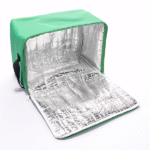
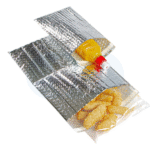
Tempk mengembangkan solusi pengemasan dan pemantauan rantai dingin yang inovatif. Produk kami—mulai dari kotak berinsulasi dan kantong es hingga perangkat pelacak berkemampuan IoT—dirancang untuk menjaga integritas suhu selama transit. Kami memprioritaskan Keberlanjutan, dengan bahan kemasan yang dapat digunakan kembali dan didaur ulang serta komponen hemat energi. Tim kami menggabungkan keahlian industri yang mendalam dengan teknologi mutakhir untuk menghasilkan produk yang andal, solusi rantai dingin yang patuh dan ramah lingkungan.
Panggilan untuk bertindak: Siap memperkuat rantai dingin Anda? Hubungi kami untuk konsultasi dan temukan bagaimana solusi khusus kami dapat mengurangi pembusukan, meningkatkan kepatuhan dan mendukung tujuan keberlanjutan Anda.