Kemasan rantai dingin untuk sampel lab dan biologi harus melakukan dua pekerjaan sekaligus: melindungi persyaratan suhu dan melindungi orang dari kebocoran atau paparan selama pengangkutan. Kotak dingin yang dapat menampung 2-8°C tidaklah cukup jika spesimen tidak disimpan dengan benar. Paket triple yang sesuai tidak cukup jika sampel menjadi hangat, membeku, kebocoran, atau tidak memiliki dokumentasi yang tepat. Untuk pengirim B2B, desain kemasan harus menghubungkan klasifikasi sampel, sasaran suhu, moda transportasi, penahanan, pendingin, isolasi, pelabelan, dan alur kerja penerima.
Panduan ini ditujukan untuk insinyur pengemasan, tim operasi laboratorium, pemasok penelitian klinis, penyedia kit diagnostik, distributor biologi, dan tim pengadaan rantai dingin. Ini bukan nasihat hukum atau pelatihan barang berbahaya. Selalu ikuti peraturan yang berlaku, persyaratan operator, dan melatih prosedur barang berbahaya untuk pengiriman spesifik Anda.
Mulailah Dengan Klasifikasi dan Kisaran Suhu
Sampel laboratorium dan biologi dapat mencakup spesimen manusia yang dikecualikan, Zat biologis kategori B, sampel klinis, spesimen diagnostik, bahan penelitian, enzim, reagen, bahan pendukung terapi sel, vaksin, dan produk kesehatan sensitif suhu lainnya. Spesifikasi kemasan harus dimulai dengan dua pertanyaan: apa klasifikasi transportasinya, dan berapa kisaran suhu yang harus dipertahankan?
Untuk zat menular Kategori B di A.S., 49 CFR 173.199 membutuhkan kemasan rangkap tiga: wadah utama, kemasan sekunder, dan kemasan luar yang kaku. IATA Packing Instruction 650 juga menjelaskan persyaratan Bahan Biologis, Pengiriman kategori B melalui udara, termasuk penandaan UN3373 dan nama pengiriman yang tepat. Panduan transportasi zat menular WHO menekankan pada pelatihan, klasifikasi, kemasan, tanda, pelabelan, dokumentasi, dan pengiriman yang aman.
Meja 1. Keputusan pertama untuk sampel laboratorium dan kemasan rantai dingin biologis.
| Pertanyaan Desain | Mengapa itu penting | Arah Referensi |
|---|---|---|
| Apa klasifikasi sampelnya? | Klasifikasi menentukan kemasan, tanda, pelabelan, dan aturan dokumentasi. | UN3373 Kategori B, pengecualian spesimen, Kategori A, es kering, atau klasifikasi lain yang berlaku. |
| Berapa kisaran suhunya? | Pendingin dan insulasi harus sesuai dengan kebutuhan stabilitas produk. | Rentang umum mencakup ambien, 2-8° C., beku, atau sangat rendah, tetapi persyaratan produk mengontrol. |
| Apakah sampelnya cair?? | Cairan memerlukan pengendalian kebocoran dan bahan penyerap. | Kemasan rangkap tiga dan bahan penyerap merupakan inti dari banyak sistem pengiriman sampel. |
| Apakah es kering digunakan? | Es kering memberikan penandaan tambahan, ventilasi, dan persyaratan peraturan. | PHMSA mewajibkan paket es kering untuk mengizinkan pelepasan gas dan menunjukkan penandaan yang tepat seperti Es kering/UN1845 dan massa bersih. |
| Moda transportasi apa yang digunakan? | Udara, jalan, kurir, dan pengiriman internasional dapat memiliki persyaratan yang berbeda. | Peraturan pengangkut dan modal harus diperiksa sebelum pengiriman. |
Kemasan Tiga Kali Lipat: Penahanan Dilakukan Sebelum Isolasi
Untuk pengiriman sampel biologis yang diatur, penahanan tidak dapat diganti dengan pendingin busa atau pengirim terisolasi. Sistem pengemasan rangkap tiga pada umumnya mencakup wadah utama, kemasan sekunder anti bocor atau anti ayak, bahan penyerap cairan, dan kemasan luar yang kaku. Lapisan rantai dingin dapat ditambahkan di sekitar sistem penahanan ini, namun hal ini tidak boleh mengganggu penutupan, tanda, atau integritas paket.
Meja 2. Komponen kemasan rangkap tiga dan catatan desain termal.
| Lapisan | Fungsi Khas | Catatan Desain Rantai Dingin |
|---|---|---|
| Wadah utama | Memegang sampel secara langsung. | Harus disegel dan dilindungi dari kerusakan; jangan mengandalkan isolasi untuk mencegah kebocoran. |
| Bahan penyerap | Menyerap cairan jika wadah utama bocor. | Tempatkan dengan benar agar kebocoran tidak sampai ke bagian luar pengirim. |
| Kemasan sekunder | Menyediakan penahanan anti bocor atau anti ayak. | Harus muat di dalam pengirim berinsulasi tanpa gangguan pada penutup atau penghancuran. |
| Kemasan luar yang kaku | Melindungi paket dan membawa tanda yang diperlukan. | Harus tetap terlihat meskipun ditempatkan di dalam kemasan layang atau pengirim termal. |
| Lapisan termal | Isolasi, pendingin, dan komponen pengatur suhu. | Harus dirancang berdasarkan sistem penahanan yang sesuai, bukan sebaliknya. |
Opsi Paket Terkendali Suhu
Pengemasan yang tepat bergantung pada apakah sampel harus tetap disimpan di lemari es, beku, atau terlindung dari suhu ekstrem. Kemasan berpendingin 2-8°C sering kali menggunakan AC Paket gel atau paket PCM dengan pemisahan produk. Pengiriman beku mungkin memerlukan es kering atau bungkus beku, tergantung pada produk dan aturan operator. Beberapa bahan biologis mungkin sensitif terhadap pembekuan, yang berarti kontak langsung dengan cairan pendingin beku harus dihindari. Bahan lain mungkin memerlukan penyimpanan beku atau sangat rendah dan memerlukan kemasan yang benar-benar berbeda.
Meja 3. Arah pengemasan rantai dingin berdasarkan kebutuhan suhu.
| Kebutuhan Suhu | Kemungkinan Arah Pengemasan | Risiko Utama |
|---|---|---|
| Perlindungan lingkungan | Pengirim terisolasi, lapisan termal, atau penyangga suhu. | Kejutan panas berlebih atau dingin selama paparan musiman. |
| 2-8°C didinginkan | Pengirim berinsulasi berkualifikasi dengan pendingin terkondisi atau PCM. | Membekukan kerusakan akibat kontak langsung dengan cairan pendingin atau pengondisian yang buruk. |
| Beku | Es kering atau sistem pendingin beku jika diperbolehkan dan sesuai. | Ventilasi es kering, tanda, sublimasi, dan keamanan produk. |
| Sangat rendah | Pengirim aktif/pasif berbasis es kering atau khusus. | Lamanya, batas es kering, penanganan yang terlatih, dan kesiapan destinasi. |
| Kurir lokal pendek | Pendingin yang berkualitas, Data Logger, dan proses handoff yang ditentukan. | Frekuensi pembukaan, penundaan rute, dan dokumentasi suhu. |
Penempatan Cairan Pendingin dan Perlindungan Pembekuan
Kegagalan rantai dingin yang umum adalah menempatkan cairan pendingin beku secara langsung pada sampel atau bahan biologis yang sensitif terhadap pembekuan. Untuk bahan 2-8°C, paket tersebut mungkin memerlukan pengkondisian cairan pendingin, ruang produk, jangka pembagi garis, bahan penyangga, atau paket PCM dengan suhu perubahan fasa yang sesuai. Desainnya harus menentukan di mana data logger berada, tempat sampel berada, tempat pendingin berada, dan bagaimana pengirim harus dimuat setelah pengkondisian awal.
Alat pengambilan keputusan yang berguna
Periksa detailnya sebelum Anda memilih kemasan
Alat cepat ini dapat membantu Anda membandingkan risiko rute, kebutuhan ukuran, pilihan pendingin, dan detail kemasan sebelum Anda meminta penawaran.
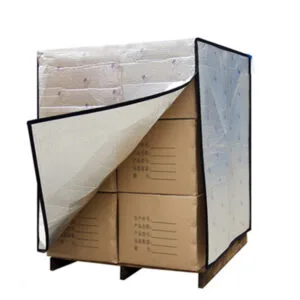
Pelapis Kotak & Ukuran Penutup Palet
Centang kotak logika ukuran penutup palet dan liner untuk proyek pengemasan berinsulasi.
Perkiraan ukuranPemeriksa Risiko Rute
Tinjau kondisi jalur sebelum memilih kemasan untuk mengetahui kebutuhan pengoperasian sebenarnya.
Periksa risiko ruteKetahanan Jatuh Bahan Isolasi
Tinjau ketahanan jatuh dan faktor penanganan sebelum memilih bahan insulasi.
Periksa resistensiSumber daya penyimpanan dan penanganan vaksin CDC menekankan metode penyimpanan dan transportasi yang tepat, penggunaan pemantauan suhu, dan prosedur yang dirancang untuk mencegah kondisi penyimpanan terganggu. Meskipun vaksin tidak sama dengan semua sampel biologi atau laboratorium, prinsipnya relevan: pengemasan rantai dingin harus dapat diulang, didokumentasikan, dan dipantau ketika kualitas produk bergantung pada suhu.
Pertimbangan Es Kering dan UN1845
Es kering berguna untuk pengiriman beku dan sangat rendah, tetapi hal ini diatur karena gas karbon dioksida dilepaskan saat menyublim. Panduan PHMSA menyatakan bahwa Paket es kering harus mengizinkan pelepasan gas untuk mencegah penumpukan tekanan, dan paket harus menunjukkan nama pengiriman/nomor ID yang benar seperti Es kering, UN1845, dan massa bersih es kering. UPS dan FedEx juga memberikan instruksi khusus bagi operator untuk es kering dan makanan yang mudah rusak. Jika es kering digunakan dengan sampel biologis, pengirim harus mengkonfirmasi semua persyaratan barang berbahaya yang berlaku.
Pengujian dan Dokumentasi Paket
Paket sampel laboratorium harus diuji sebagai sistem yang lengkap: wadah, isolasi, pendingin, sampel massa atau muatan pengganti, bahan penyerap, posisi pencatat, karton, dan profil sekitar. Menguji hanya paket gel atau hanya a kotak busa tidaklah cukup. Jika kirimannya bernilai tinggi, berulang, atau diatur, menyiapkan instruksi pengepakan tertulis dan melatih tim pengepakan.
Meja 4. Dokumen yang direkomendasikan untuk paket rantai dingin sampel laboratorium.
| Dokumen | Tujuan |
|---|---|
| Instruksi pengepakan | Menampilkan setiap lapisan, kondisi pendingin, penempatan, dan metode penutupan. |
| Ringkasan tes suhu | Merekam profil sekitar, lamanya, muatan, massa pendingin, posisi pencatat, dan hasil. |
| Instruksi penutupan | Memastikan paket ditutup seperti yang telah diuji atau disertifikasi. |
| Daftar periksa penandaan dan label | Mencegah hilangnya UN3373, es kering, panah orientasi, atau rincian pihak yang bertanggung jawab. |
| Daftar periksa penerima | Dokumentasikan suhu kedatangan, kondisi paket, dan keputusan penerimaan. |
Daftar Periksa RFQ untuk Sampel Lab dan Kemasan Biologis
- Jenis sampel dan klasifikasi transportasi.
- Kisaran suhu dan batas ekskursi maksimum yang diperbolehkan.
- Moda transportasi: kurir, paket, jalan, udara, domestik, atau internasional.
- Volume sampel, jumlah kontainer utama, dan status cair/padat.
- Sistem penahanan yang diperlukan dan apakah UN3373 atau merek lain berlaku.
- Jenis isolasi, tipe pendingin, desain ruang produk, dan posisi pencatat.
- Durasi pengiriman, profil lingkungan, kesiapan tujuan, dan alur kerja penerima.
- Persyaratan dokumentasi, persyaratan pelatihan, dan persyaratan persetujuan operator.
FAQ
Apakah kotak busa berinsulasi cukup untuk sampel laboratorium?
TIDAK. Itu pengirim termal harus dikombinasikan dengan sistem penahanan yang benar, tanda, pelabelan, dan dokumentasi untuk klasifikasi sampel.
Apa yang dimaksud dengan UN3373?
UN3373 digunakan untuk Zat Biologis, Pengiriman kategori B. Persyaratannya mencakup kemasan khusus, tanda, dan dokumentasi berdasarkan aturan yang berlaku seperti IATA PI650 dan 49 CFR 173.199.
Bisakah paket gel ditempatkan tepat di sebelah produk biologis?
Hanya jika produk mengizinkannya dan kemasannya dirancang untuk itu. Produk yang sensitif terhadap pembekuan sering kali memerlukan pemisahan, pendingin yang dikondisikan, atau paket PCM.
Kapan es kering dibutuhkan?
Es kering mungkin diperlukan untuk pengiriman beku atau sangat rendah, tapi itu memperkenalkan penandaan es kering, ventilasi, dan persyaratan kepatuhan operator.
Sebaiknya pengiriman sampel laboratorium menggunakan pencatat suhu?
Untuk bernilai tinggi, diatur, atau pengiriman berulang yang sensitif terhadap suhu, pencatat data sangat disarankan untuk mendokumentasikan kinerja paket dan kondisi kedatangan.