Truffle coklat lebih sensitif dalam perjalanan dibandingkan kebanyakan coklat batangan. Seringkali berbentuk bulat, dilapisi, berdebu, dipenuhi, atau dikemas dalam cangkir kertas dan nampan pajangan. Sedikit panas, tekanan, atau kelembapan dapat mengubah tampilan cangkang, meratakan bentuknya, tandai permukaannya, atau merusak isiannya.
Untuk merek kembang gula premium, penjual hadiah, dan toko coklat e-niaga, pengiriman truffle membutuhkan lebih dari sekadar paket dingin di dalam kotak. Dibutuhkan lingkungan sejuk yang stabil, kelembaban terkontrol, kontrol gerakan lembut, dan perlindungan dari kontak langsung dengan cairan pendingin.
Apa yang membuat truffle coklat berbeda
Truffle coklat bisa mengandung ganache, pasta kacang, karamel, isian berbahan dasar krim, tambalan alkohol, atau pusat lunak. Persyaratan pengiriman pastinya bergantung pada resepnya, aktivitas air, desain umur simpan, dan format ritel.
Truffle yang dapat disimpan di rak biasanya dikelola di tempat yang sejuk, kisaran suhu kering. Truffle ganache krim segar mungkin memerlukan penanganan dingin yang lebih ketat sesuai dengan spesifikasi kualitas merek. Sebelum membuat paket, selalu pastikan apakah truffle stabil di rak, dinginkan, atau umur simpan yang pendek.
Risiko transit utama adalah:
- Pelunakan cangkang atau penandaan permukaan selama pengiriman hangat
- Pertumbuhan lemak setelah siklus hangat-dingin berulang kali
- Kondensasi pada debu, bubuk kakao, atau permukaan yang dihias
- Potongan rata karena tekanan tutup atau gerakan longgar
- Mengisi kebocoran ketika produk memanas di atas kisaran stabilnya
- Perpindahan bau dari barang atau bahan kemasan di dekatnya
- Pergeseran baki yang membuat kotak premium terlihat salah penanganan
Truffle lebih rentan terhadap tekanan dibandingkan batangan datar, jadi kemasannya harus mengontrol suhu dan guncangan mekanis.
Pendekatan suhu dan kelembaban yang disarankan
Untuk banyak truffle coklat yang tahan di rak, rute yang sejuk dan kering 15-18 C adalah target praktis. Untuk ganache segar atau truffle yang umur simpannya pendek, gunakan kisaran suhu yang disyaratkan oleh tim keamanan dan kualitas pangan merek tersebut.
Kelembapan harus dijaga tetap rendah dan stabil. Truffle yang ditaburi, truffle berlapis coklat, dan truffle yang dihias sangat rentan terhadap bekas kelembapan. Pengembunan juga dapat melemahkan cangkir kertas, sisipan baki, dan kotak hadiah premium.
Pengiriman truffle yang baik menghindari perubahan suhu yang tiba-tiba. Memindahkan produk dari ruangan dingin ke udara hangat dan lembab, lalu segera menyegelnya, dapat memerangkap kelembapan di dalam pengirim.
Pra-pengkondisian sebelum pengepakan
Truffle harus distabilkan sebelum dikemas. Kotak produk, sisipan, nampan, Dan pengirim terisolasi tidak boleh hangat ketika kiriman dikemas untuk rute panas.
Persiapan yang disarankan:
- Konfirmasikan jangkauan pengiriman dan status umur simpan produk yang diperlukan.
- Simpan truffle di ruangan sejuk yang stabil sebelum dikemas.
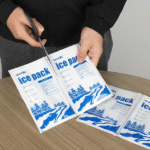
- Kondisikan paket gel atau PCM ke kondisi yang benar sebelum memuat.
- Tutup kotak truffle selama pengepakan untuk mengurangi pertukaran kelembapan.
- Gunakan penyangga baki atau sisipan kotak kado yang pas sehingga potongan tidak dapat tergulung atau terangkat.
- Pisahkan cairan pendingin dari kotak display dengan kantong liner, pembagi, atau celah udara.
Persiapan ini lebih penting untuk truffle daripada coklat batangan karena truffle memiliki lebih banyak detail permukaan dan lebih banyak risiko terkait isian..
Penempatan cairan pendingin untuk truffle
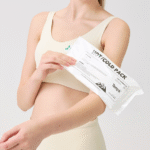
Cairan pendingin harus melindungi zona produk tanpa menyentuh kotak truffle. Kontak langsung dapat menimbulkan titik dingin, kelembaban, dan kerusakan permukaan. Tata letak perimeter biasanya lebih aman daripada menempatkan yang berat paket gel tepat di atas kotak tampilan.
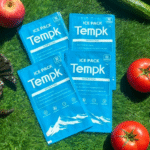
Paket truffle Tempk mungkin termasuk:
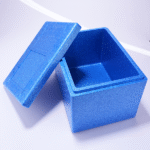
- Pengirim berinsulasi kaku sesuai ukuran kotak hadiah atau karton ritel
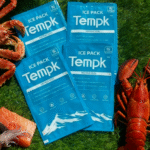
- Paket gel terkondisi atau PCM ditempatkan di sekitar produk, bukan di permukaan truffle
- Pemisah termal antara cairan pendingin dan kotak coklat
- Bantalan kertas atau busa yang mencegah pergerakan kotak tanpa merusak tutupnya
- Bahan pengontrol kelembapan saat penyerahan dalam keadaan lembab diperkirakan terjadi
- Pencatat data untuk rute panjang, pesanan premium, atau validasi musim panas
Untuk truffle kotak, menjaga tingkat kotak tampilan. Kalau kotaknya bisa miring atau meluncur, truffle dapat bergeser meskipun suhunya tepat.
Tekanan pengepakan dan kontrol gerakan
Truffle coklat membutuhkan tekanan yang lebih rendah dibandingkan coklat batangan. Tujuannya adalah untuk menghentikan gerakan tanpa menekan tutupnya atau meratakan bagian-bagiannya.
Alat pengambilan keputusan yang berguna
Periksa detailnya sebelum Anda memilih kemasan
Alat cepat ini dapat membantu Anda membandingkan risiko rute, kebutuhan ukuran, pilihan pendingin, dan detail kemasan sebelum Anda meminta penawaran.
Pembuat Daftar Periksa Kepatuhan
Buatlah daftar periksa praktis untuk tinjauan kemasan, pengiriman, dan dokumentasi.
Buat daftar periksaKalkulator Paket Es
Perkirakan jumlah paket es gel untuk pengiriman dingin dan perencanaan rute yang praktis.
Perkirakan kantong esReferensi Bahan Isolasi
Bandingkan pilihan bahan insulasi untuk kebutuhan pengemasan rantai dingin yang berbeda.
Bandingkan bahanHindari yang berat paket pendingin tepat di atas produk. Jika pendinginan atas diperlukan, gunakan pemisah dan pastikan beratnya ditanggung oleh struktur karton, bukan di dekat tutup kotak truffle.
Untuk set hadiah, uji paket dengan menggoyangkan perlahan pengirim yang tertutup. Jika kotak bagian dalam bergeser, tambahkan dukungan samping. Jika tutupnya menunjukkan tanda tekanan setelah uji rute, ubah lokasi cairan pendingin atau gunakan karton bagian dalam yang lebih kuat.
Panduan durasi rute
Untuk truffle premium, rute yang lebih pendek biasanya lebih aman. Banyak merek lebih memilih pengiriman 24 jam atau 48 jam selama musim panas.
Untuk rute hingga 24 jam, sebuah kompak kotak terisolasi dengan pendingin yang dikondisikan dengan baik dan dukungan bagian dalam yang kuat bisa efektif.
Untuk 24-48 rute jam, gunakan insulasi yang lebih tebal, tata letak cairan pendingin yang seimbang, dan validasi dalam kondisi hangat yang realistis.
Untuk 48-72 rute jam, truffle harus diuji rutenya sebelum pengiriman langsung. Truffle ganache segar mungkin memerlukan pengemasan dingin yang lebih ketat dan perencanaan pengangkutan yang lebih ketat.
Hindari pengiriman sebelum akhir pekan atau hari libur jika paket mungkin berada di depot yang tidak terkendali.
Pola kerugian umum yang harus diperhatikan
Jika truffle tiba dengan tanda permukaan kusam atau abu-abu, periksa siklus suhu dan paparan kelembapan.
Jika potongan sudah rata, masalahnya biasanya adalah tekanan dari tutupnya, pendingin, atau penumpukan karton luar.
Jika tambalan bocor atau cangkang retak, produk mungkin terlalu panas, dipindahkan ke dalam baki, atau mengalami penanganan yang kasar.
Jika cangkir kertas lembab, kemasannya mungkin memerangkap kondensasi atau menggunakan cairan pendingin yang terlalu dingin untuk zona produk.
Rekomendasi kemasan Tempk
Untuk truffle coklat, Tempk dapat membangun solusi yang telah teruji berdasarkan resep produk, format kotak, dan jalur pengiriman:
- Kotak terisolasi untuk e-niaga premium dan pengiriman hadiah
- Paket gel terkondisi atau PCM dipilih untuk pendinginan, pegangan yang stabil
- Kantong dan sekat pendingin untuk mencegah kontak langsung
- Bantalan dan penyangga kotak bagian dalam untuk menjaga tingkat truffle
- Detail pengontrol kelembapan untuk rute lembab
- Validasi pencatat data sebelum peluncuran musim panas
Truffle harus diuji di kotak ritelnya, dengan jumlah barang sebenarnya dan rute pengangkutan yang diharapkan. Kemasan yang sukses melindungi rasa dan tampilan premium yang diharapkan pelanggan saat mereka membuka kotaknya.
FAQ
Apakah coklat truffle dikirim dengan cara yang sama seperti coklat batangan?
TIDAK. Truffle lebih sensitif terhadap tekanan, pergerakan, stabilitas pengisian, dan penandaan permukaan. Mereka membutuhkan penyangga baki dan pemisahan cairan pendingin yang lebih hati-hati.
Apakah semua truffle coklat memerlukan pengiriman berpendingin?
Tidak semua truffle membutuhkan kisaran yang sama. Truffle yang tahan di rak sering kali dikirim dalam keadaan dingin, kemasan kering, sedangkan ganache segar atau truffle yang umur simpannya pendek mungkin memerlukan penanganan dingin berdasarkan spesifikasi produk.
Ke mana cold pack harus dikirim dalam pengiriman truffle?
Paket dingin harus ditempatkan di sekitar zona produk dengan pemisah, tidak langsung di kotak pajangan atau permukaan truffle. Tata letaknya harus mendinginkan kiriman secara merata tanpa menambah tekanan titik.
Panggilan untuk bertindak
Jika truffle Anda kehilangan kilapnya, berpindah ke dalam nampan, atau tiba dengan tanda kondensasi selama rute hangat, Tempk dapat meninjau format produk dan jalur pengiriman Anda untuk merekomendasikan paket terisolasi untuk pengujian.