[Diperbarui 11 Desember 2025]
Saat Anda menangani ikan atau kerang, kontrol suhu adalah alat terpenting Anda. Standar dan peralatan rantai dingin untuk produk makanan laut pastikan fillet segar tiba di restoran atau toko Anda dalam keadaan aman dan beraroma seperti saat pertama kali dipanen. Menjaga ikan dalam rentang suhu yang tepat akan memperlambat pertumbuhan mikroba dan melindungi kualitas. Panduan komprehensif ini menjelaskan standar mana yang berlaku, bagaimana mematuhinya dan perangkat apa yang Anda perlukan untuk menjaga rantai dingin.
Artikel ini akan menjawab:
Persyaratan suhu apa yang mengatur rantai dingin makanan laut? Standar global mewajibkan suhu 0–5 °C untuk ikan segar dan ≤ –18 °C untuk produk beku. Kami akan menerjemahkannya menjadi pedoman praktis untuk pengoperasian Anda.
Peraturan apa yang berlaku bagi pemasok dan eksportir ikan? Haccp, GMP, Peraturan kebersihan FSMA dan UE menuntut pengendalian suhu dan ketertelusuran yang terdokumentasi.
Peralatan dan kemasan apa yang penting? Dari kotak berinsulasi dan paket gel hingga sensor berkemampuan IoT, kami merinci alat-alat yang menjaga makanan laut di zona aman.
Bagaimana cara menjaga ikan tetap segar selama penyimpanan dan pengangkutan? Pelajari praktik terbaik untuk kebersihan, kontrol kelembaban dan rotasi FIFO.
Apa yang terbaru 2025 tren logistik rantai dingin? Temukan pengoptimalan rute AI, ketertelusuran blockchain dan inovasi pengemasan yang berkelanjutan.
Persyaratan suhu apa yang mengatur rantai dingin makanan laut 2025?
Segar vs. pedoman yang dibekukan – Ikan segar cepat rusak karena enzim dan bakteri alami merusak jaringan. Untuk memperlambat pembusukan, standar internasional mengharuskan Anda menyimpan ikan segar 0 °C dan 5 ° C. dan ikan beku di –18 °C atau lebih dingin. AS. Kode Makanan FDA menetapkan makanan dingin, termasuk makanan laut, harus diadakan pada 41 ° f (5 ° C.) atau di bawah. Melebihi ambang batas ini akan mempercepat pertumbuhan mikroba dan mengurangi umur simpan.
Memahami batas suhu maksimum untuk ikan dingin
Itu Perjanjian tentang Pengangkutan Internasional Bahan Makanan yang Mudah Rusak (ATP) menetapkan suhu maksimum untuk mengangkut berbagai makanan. Untuk ikan, maksimum selama pengangkutan dan penyimpanan adalah 2 ° C.. Maksimum ini merupakan pedoman yang baik untuk seluruh tahapan produksi, distribusi dan tampilan ritel.
Memelihara ikan di 0 °C–5 °C mempertahankan tekstur dan memperlambat pertumbuhan bakteri. Es yang mencair dalam wadah terisolasi secara alami mengatur suhu di sekitarnya 0 °C dan menjaga kelembapan. Pemantauan berkelanjutan dengan termometer yang terkalibrasi membantu memastikan produk tetap berada dalam batas aman.
Persyaratan suhu untuk makanan laut beku
Ikan beku harus tetap berada di –18 °C atau lebih dingin. ATP mengizinkan peningkatan singkat menjadi –15 °C selama transportasi atau distribusi lokal, tapi lemari pajangan ritel harus tetap dirawat –18 °C dan tidak pernah lebih hangat dari –12 °C. Freezer domestik bervariasi: freezer bintang tiga mencapai di bawah –18 °C, freezer bintang dua tetap di bawah –12 °C dan freezer bintang satu hanya mencapai –6 °C, membatasi waktu penyimpanan hingga beberapa hari.
Menyimpan ikan beku di bawah –18 °C mencegah aktivitas mikroba dan memperpanjang umur simpan, tapi ingat bahwa pembekuan bukanlah biosida; reaksi fisik dan biokimia lainnya masih dapat terjadi. Pembekuan cepat, pengemasan yang tepat dan suhu yang konsisten menjaga kualitas.
Meja 1 – Kisaran suhu utama dan artinya bagi Anda
| Kisaran suhu | Contoh produk & panggung | Keuntungan | Apa artinya bagimu |
| 0 °C–5 °C | Ikan segar, fillet dingin | Mempertahankan tekstur, memperlambat pertumbuhan bakteri | Gunakan ruangan berpendingin atau es; Pantau terus menerus |
| ≤ –18 °C | Ikan beku, blok ikan | Menghentikan aktivitas mikroba dan memperpanjang umur simpan | Investasikan pada freezer yang tervalidasi; jangan pernah membiarkan produk mencair selama pengangkutan |
| 41 ° f (≈5 °C) | Makanan berisiko tinggi seperti makanan laut | Menjaga makanan keluar dari zona bahaya | Periksa unit penyimpanan dan tampilan secara teratur untuk memastikan unit beroperasi dalam suhu 0–5 °C |
| 2 ° C. (ATP maks) | Transportasi ikan | Maksimum internasional untuk transportasi | Gunakan termometer yang dikalibrasi selama pengiriman; menghindari penyalahgunaan suhu |
Tips Praktis
Dinginkan dengan cepat: Panduan Perennia merekomendasikan untuk mendinginkan makanan laut 0 °C segera setelah ditangkap dan disimpan di sana sepanjang rantai pasokan.
Pantau terus menerus: Gunakan pencatat data atau sensor IoT untuk mencatat suhu secara real-time. Peringatan akan memberi tahu Anda ketika pembacaan menyimpang di luar rentang aman.
Gunakan zat pendingin yang tepat: Es yang mencair efektif untuk ikan segar; es dalam jumlah yang cukup dan wadah berinsulasi tetap terjaga 0 ° C..
Kalibrasi peralatan: Pastikan termometer dan sensor akurat. Kode Makanan FDA merekomendasikan pemeriksaan suhu setidaknya setiap empat jam.
Contoh dunia nyata: Sebuah prosesor menerapkan kode QR dan log digital untuk setiap tangkapan. Ketika terjadi penyimpangan suhu selama pengangkutan, mereka menelusurinya kembali ke kelompok tertentu dan menghubungi distributor dalam beberapa menit. Penarikan kembali yang ditargetkan ini menyelamatkan mereka dari penarikan seluruh kiriman dari rak.
Peraturan mana yang mengatur kepatuhan rantai dingin makanan laut??
Rantai pendingin makanan laut diatur berdasarkan peraturan nasional dan internasional. Mengabaikannya dapat mengakibatkan denda, keterlambatan pengiriman atau penarikan produk.
Haccp, GMP dan SSOP
Landasan keamanan makanan laut adalah Analisis Bahaya dan Titik Kendali Kritis (Haccp) sistem. Hal ini memerlukan pengolah untuk mengidentifikasi bahaya, menetapkan titik kendali kritis dan menerapkan prosedur pemantauan. Praktik Manufaktur yang Baik (GMP) dan Prosedur Operasi Standar Sanitasi (SSOP) melengkapi HACCP dengan memberikan aturan kebersihan yang rinci untuk fasilitas, peralatan dan personel. Bersama, kerangka kerja ini mengurangi risiko kontaminasi dan menjadi dasar sebagian besar standar nasional.
Aturan FSMA di Amerika Serikat
Itu Undang-Undang Modernisasi Keamanan Pangan (FSMA) memperkenalkan beberapa aturan yang relevan dengan pemasok ikan:
Aturan Transportasi Sanitasi: Pengirim, pemuat dan pengangkut harus menggunakan kendaraan dan peralatan yang mampu menjaga suhu aman dan mencegah kontaminasi silang. Mereka juga harus menyimpan catatan pembersihan dan pelatihan.
Aturan Penelusuran Pangan (FSMA 204): Diselesaikan pada 2022, aturan ini mengharuskan bisnis untuk menyimpan catatan dengan Elemen Data Utama pada Peristiwa Pelacakan Kritis. Produk makanan laut dalam Daftar Ketertelusuran Makanan harus memberikan informasi kepada FDA di dalamnya 24 jam. Tanggal kepatuhan awal adalah bulan Januari 20 2026 tetapi dapat diperpanjang hingga Juli 20 2028.
Program Verifikasi Pemasok Asing (FSVP): Importir harus memverifikasi bahwa pemasok asing mereka mematuhi peraturan AS. standar keselamatan dan menjaga visibilitas menyeluruh terhadap sumber makanan laut, penanganan dan penyimpanan.
Aturan kebersihan dan perikanan Uni Eropa
Peraturan UE 852/2004 menyatakan bahwa untuk makanan yang tidak dapat disimpan dengan aman pada suhu kamar, menjaga rantai dingin sangatlah penting. Pelaku usaha makanan harus mematuhi persyaratan pengendalian suhu dan menjaga rantai dingin. Peraturan pengendalian perikanan Uni Eropa mengamanatkan pelacakan kapal, pelaporan tangkapan elektronik dan penelusuran digital bertahap untuk makanan laut domestik dan impor.
Dokumentasi dan sertifikasi
Dokumen yang tepat melindungi konsumen dan memfasilitasi perdagangan. Dokumen penting termasuk tagihan penjualan, catatan pengiriman, surat keterangan asal, sertifikat kesehatan dan HACCP atau FSSC 22000 sertifikasi. Tinjau peraturan secara berkala, mengotomatiskan dokumentasi melalui alat digital dan mempertimbangkan sertifikasi pihak ketiga untuk menunjukkan kepatuhan.
Daftar periksa: apakah kamu patuh?
Tahukah kamu persyaratan suhu (0–5 °C untuk segar, ≤ –18 °C untuk beku)?
Sudahkah Anda menerapkan Haccp dengan titik kendali kritis dan prosedur pemantauan yang ditentukan?
Apakah kamu menjaga catatan suhu Dan log ketertelusuran untuk setiap batch?
Apakah transportasi Anda bertemu Transportasi sanitasi FSMA persyaratan?
Sudahkah Anda memperhitungkannya FSMA 204 tenggat waktu pencatatan Dan Aturan ketertelusuran digital UE?
Peralatan apa yang menjaga makanan laut tetap berada dalam rantai dingin?
Mempertahankan suhu yang tepat bukan hanya tentang truk berpendingin. Hal ini memerlukan kombinasi kemasan, pendingin, perangkat pemantauan dan personel terlatih.
Kemasan terisolasi dan pendingin
Pengemasan penting: Ikan segar atau beku harus dilindungi dari kontaminasi, hilangnya kelembaban dan kerusakan fisik. Pengemasan harus memberikan penghalang terhadap oksigen dan memungkinkan ketertelusuran. Kotak isotermal, kemasan vakum dan bahan tahan lembab memperpanjang umur simpan dan mempertahankan penampilan.
Itu Panduan Makanan Laut merekomendasikan kotak busa atau pelapis foil/gelembung untuk insulasi, kemasan anti bocor seperti kotak lilin atau pendingin plastik, dan menggunakan zat pendingin untuk menjaga suhu. Jenis dan jumlah kemasan tergantung pada spesies, kuantitas, jarak dan moda transportasi. Bahan ramah lingkungan harus dipertimbangkan untuk mengurangi dampak lingkungan.
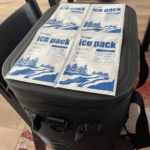
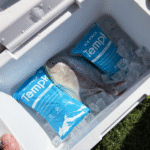
Refrigeran: Paket gel (bahan perubahan fase) umum terjadi pada barang yang mudah rusak karena dapat dicairkan tanpa menghasilkan air berlebih. Es basah berfungsi untuk jarak pendek tetapi membutuhkan drainase untuk menampung air lelehan. Es kering (karbon dioksida padat) sering digunakan untuk produk beku; Namun, ini bisa berbahaya dan banyak pengirim barang memiliki peraturan ketat dalam penggunaannya.
Peralatan pemantauan dan penelusuran
Sensor IoT dan pencatat data – Pemantauan real-time di seluruh rantai dingin semakin diperlukan. Operator terkemuka menyebarkan jaringan sensor IoT di gudang, truk dan kendaraan jarak jauh untuk melacak suhu, kelembaban dan lokasi. Ketika terjadi penyimpangan, peringatan memungkinkan tindakan perbaikan sebelum pembusukan terjadi.
Platform terintegrasi – Menghubungkan Sistem Manajemen Gudang (WMS), Sistem Manajemen Transportasi (TMS), Perencanaan Sumber Daya Perusahaan (ERP) dan dasbor IoT memberikan visibilitas menyeluruh. Integrasi tersebut memungkinkan manajer untuk melacak setiap palet secara real time, mendeteksi kemacetan dan menyederhanakan audit regulasi.
Kemasan termal tingkat lanjut – Bahkan dengan sensor, pengemasan yang buruk dapat merusak pengiriman. Perusahaan rantai dingin tingkat lanjut menggunakan wadah berinsulasi, material pengubah fase dan pelapisan palet yang dioptimalkan untuk menjaga suhu selama pengangkutan multimoda. Mereka menguji kemasan dalam skenario terburuk seperti panas lingkungan yang tinggi atau waktu transit yang lama untuk mengurangi risiko.
Perencanaan rute prediktif – Perencanaan rute berbasis AI mengantisipasi lalu lintas, ketersediaan cuaca dan penyimpanan dingin. Truk berpendingin dapat dialihkan rutenya jika sensor mendeteksi kenaikan suhu, mencegah tamasya.
Pelatihan dan penegakan SOP – Teknologi saja tidak dapat mencegah kesalahan jika personelnya tidak terlatih. Pelatihan berbasis skenario, prosedur operasi standar digital dan program sertifikasi membantu staf menangani produk sensitif suhu dengan benar.
Meja 2 – Pilihan peralatan dan pengemasan
| Peralatan/kemasan | Keterangan | Contoh manfaat |
| Kotak busa / wadah isotermal | Kotak terisolasi yang meminimalkan perpindahan panas; sering dikombinasikan dengan paket gel | Menjaga 0 °C–5 °C untuk ikan segar selama pengangkutan semalaman |
| Paket gel (bahan perubahan fase) | Kemasan yang dapat digunakan kembali akan mengeras pada suhu tertentu dan mengeluarkan suhu dingin saat meleleh | Kontrol suhu tanpa kelebihan air; aman untuk angkutan udara |
| Es basah | Es tradisional, cocok untuk perjalanan singkat ketika drainase tersedia | Memberikan pendinginan yang cepat; ideal untuk pengiriman lokal |
| Es kering | CO₂ padat digunakan untuk menjaga produk beku di bawah –18 °C | Mempertahankan kondisi sangat dingin untuk pengiriman jarak jauh |
| Pencatat data/sensor IoT | Perangkat yang mencatat suhu, kelembaban dan lokasi terus menerus | Memberikan peringatan dan ketertelusuran secara real-time untuk audit peraturan |
| Kamar dingin dan freezer | Kamar berpendingin untuk 0 °C–5 °C dan fasilitas penyimpanan beku pada suhu –18 °C atau lebih rendah | Menghambat pertumbuhan mikroba dan memperpanjang umur simpan |
| Kemasan vakum & suasana yang dimodifikasi | Paket dengan oksigen berkurang; memperpanjang umur simpan dan mencegah freezer burn | Memperbaiki penampilan, mengurangi oksidasi dan memungkinkan pengangkutan lebih lama |
Tip praktis untuk pemilihan peralatan
Menilai kebutuhan Anda: Pertimbangkan spesies, kuantitas, waktu transit dan tujuan. Produk bernilai tinggi membenarkan investasi pada sensor IoT dan pengemasan canggih.
Validasi peralatan: Kalibrasi termometer dan sensor secara teratur dan simpan log servis untuk audit.
Gabungkan solusi: Gunakan kombinasi insulasi, pendingin dan pemantauan waktu nyata. Misalnya, paket gel dengan sensor IoT dapat menjaga suhu dan memberikan peringatan.
Pikirkan keberlanjutan: Pilih kemasan yang dapat digunakan kembali dan bahan ramah lingkungan untuk mengurangi limbah. Unit pendingin bertenaga surya menjadi pilihan baru bagi wilayah dengan pasokan listrik terbatas.
Kasus praktis: Seorang eksportir menggunakan es yang mencair dalam wadah terisolasi untuk memelihara ikan 0 °C sambil menggunakan sensor IoT untuk pelacakan waktu nyata. Peringatan memungkinkan tim menyesuaikan rute dan menghindari penyimpangan suhu, mengurangi pembusukan dan meningkatkan kepuasan pelanggan.
Bagaimana cara menjaga ikan tetap segar selama penyimpanan dan pengangkutan?
Menjaga makanan laut tetap aman membutuhkan lebih dari sekedar peralatan; hal ini menuntut proses yang disiplin.
Kebersihan dan sanitasi
Menjaga kebersihan tempat penyimpanan mencegah kontaminasi silang. Ruangan dan peralatan dingin harus menjalani pembersihan menyeluruh dengan produk yang disetujui; lantai, dinding, rak dan peralatan harus sering dibersihkan. Operator harus mengenakan alat pelindung diri dan membuang limbah dengan benar.
Kepatuhan terhadap standar kesehatan
Standar kesehatan menetapkan persyaratan untuk instalasi, prosedur operasional dan ketertelusuran. Perusahaan yang mengikuti peraturan ini menunjukkan komitmen terhadap kualitas dan kesehatan konsumen. Menyimpan catatan suhu dan sanitasi sangat penting terutama bagi eksportir yang menghadapi beragam peraturan internasional.
Pengemasan yang tepat dan kontrol kelembapan
Pengemasan harus melindungi ikan dari kontaminasi, hilangnya kelembaban dan kerusakan fisik. Gunakan bahan yang tahan terhadap kelembapan dan suhu rendah; kemasan vakum dan kotak isotermal dapat memperpanjang umur simpan. Mengontrol kelembapan mencegah pengeringan atau pembentukan es dan menjaga tekstur.
Pemantauan dan teknologi
Sensor yang terhubung dan sistem IoT memungkinkan pemantauan suhu dan kelembapan secara real-time. Peringatan otomatis memungkinkan tindakan perbaikan segera ketika kondisi menyimpang. Otomatisasi seperti ini mengurangi kesalahan manusia, meningkatkan ketertelusuran dan mengurangi limbah.
Manajemen transportasi
Kendaraan makanan berpendingin atau beku harus divalidasi secara berkala dan menjaga kestabilan suhu selama perjalanan. Perutean yang cerdas, pengemasan termal dan proses bongkar/muat yang gesit menghindari osilasi termal. KE FIFO (Masuk Pertama, Keluar Pertama) strategi memastikan bahwa stok lama digunakan terlebih dahulu, mengurangi limbah dan mengatur tanggal kadaluwarsa.
Pelatihan staf dan SOP
Staf yang tidak terlatih dapat menyebabkan kesalahan kritis. Berikan pelatihan berbasis skenario tentang membaca log suhu, merespons peringatan dan menangani inventaris bernilai tinggi. SOP digital dan dasbor gamified meningkatkan kepatuhan dan mengurangi kesalahan manusia.
Contoh dunia nyata: Seorang eksportir makanan laut memperoleh FSSC 22000 sertifikasi setelah menerapkan pemantauan suhu dan kelembapan secara terus-menerus dengan peringatan pelanggaran yang memicu tindakan segera. Sistem ini mengurangi pemborosan dan meningkatkan kesiapan audit.
2025 tren yang membentuk logistik rantai dingin makanan laut
Logistik rantai dingin berkembang pesat. Teknologi baru dan inisiatif keberlanjutan mengubah cara makanan laut diangkut dan disimpan.
Pengoptimalan rute berbasis AI dan analisis prediktif
Kecerdasan buatan memungkinkan penyesuaian rute secara real-time berdasarkan lalu lintas, cuaca dan jendela pengiriman. Hal ini meningkatkan efisiensi, mengurangi konsumsi bahan bakar dan meningkatkan keandalan pengiriman. Analisis prediktif memperkirakan permintaan, mengantisipasi pemeliharaan peralatan dan mendeteksi pengiriman berisiko tinggi. Perkiraan permintaan berbasis AI sangat berguna bagi pemasok makanan laut yang menghadapi fluktuasi volume tangkapan dan perubahan preferensi konsumen.
Blockchain dan ketertelusuran ujung ke ujung
Blockchain sedang diintegrasikan ke dalam operasi rantai dingin untuk membuat catatan perjalanan produk yang tidak dapat diubah. Hal ini meningkatkan transparansi, memastikan kepatuhan terhadap peraturan keamanan pangan dan membangun kepercayaan konsumen. Dikombinasikan dengan sensor IoT, blockchain dapat mencatat suhu, lokasi dan kondisi penanganan pada setiap tahap, memberikan bukti yang dapat diverifikasi untuk audit dan klaim.
Kemasan yang berkelanjutan dan ringan
Bahan ramah lingkungan, seperti insulasi yang dapat terurai secara hayati atau dapat didaur ulang, mendapatkan daya tarik untuk mengurangi limbah. Ringan, kontainer pengiriman terisolasi yang dilengkapi dengan sensor IoT memantau suhu, kelembaban dan lokasi secara real time. Solusi pendinginan bertenaga surya sedang diterapkan di wilayah dengan akses listrik terbatas, mengurangi jejak lingkungan sekaligus meningkatkan ketahanan pangan.
Pemantauan waktu nyata dan visibilitas ujung ke ujung
Pemantauan berkelanjutan dan pelacakan real-time menjadi standar. Perangkat IoT tingkat lanjut menyediakan data suhu real-time, kelembaban dan lokasi. Platform terintegrasi memungkinkan visibilitas menyeluruh dan memungkinkan tindakan perbaikan segera. Visibilitas real-time meningkatkan kepuasan pelanggan dengan memberikan informasi terkini tentang pesanan mereka.
Otomasi dan robotika
Fasilitas rantai dingin mengadopsi sistem penyimpanan dan pengambilan otomatis (AS/RS) dan penanganan robotik untuk mengatasi kekurangan tenaga kerja dan meningkatkan efisiensi. Sistem otomatis beroperasi terus menerus, mengurangi kesalahan dalam pelacakan inventaris dan memberikan kontrol suhu yang tepat. Penelitian menunjukkan bahwa sekitar 80 % gudang belum terotomatisasi, menyoroti potensi pertumbuhan yang signifikan.
Keberlanjutan sebagai nilai inti
Keprihatinan terhadap lingkungan dan peraturan yang lebih ketat mendorong keberlanjutan ke garis depan logistik rantai dingin. Pendinginan hemat energi, sumber energi terbarukan dan pengemasan berkelanjutan mengurangi jejak karbon dan meminimalkan limbah. Praktik berkelanjutan juga membantu perusahaan mematuhi peraturan lingkungan hidup dan menghindari hukuman.
Meja 3 – Tren yang muncul dan signifikansi praktisnya
| Kecenderungan | Keterangan | Apa artinya bagimu |
| Ai & optimalisasi rute | AI menyesuaikan rute secara real time berdasarkan lalu lintas, cuaca dan jadwal | Kurangi waktu transit, biaya bahan bakar dan penyimpangan suhu |
| Ketertelusuran Blockchain | Catatan suhu yang tidak dapat diubah, lokasi dan penanganannya | Membangun kepercayaan konsumen, menyederhanakan audit dan merespons penarikan dengan cepat |
| Kemasan berkelanjutan & pendingin tenaga surya | Bahan ramah lingkungan dan unit bertenaga surya | Memenuhi tujuan keberlanjutan dan mengurangi biaya energi |
| Kontainer berkemampuan IoT | Wadah ringan dengan sensor suhu, kelembaban dan lokasi | Pemantauan berkelanjutan dan peningkatan umur simpan |
| Otomatisasi & robotika | Penyimpanan otomatis, sistem pengambilan dan penanganan | Biaya tenaga kerja lebih rendah, mengurangi kesalahan dan mempertahankan suhu yang konsisten |
| Visibilitas terintegrasi & analitik prediktif | Platform IoT dan AI ujung ke ujung | Manajemen risiko yang proaktif, peningkatan kepatuhan dan perkiraan permintaan yang lebih baik |
Wawasan pasar
Perdagangan internasional dan ekspansi ritel mendorong pertumbuhan rantai dingin. Menurut MarketsandMarkets, pasar rantai dingin diproyeksikan akan tercapai USD 372 miliar oleh 2029, naik dari USD 228.3 miliar masuk 2024. Tren makanan yang didorong oleh influencer dan media sosial juga meningkatkan permintaan akan beragam produk makanan laut. Kawasan Asia-Pasifik, khususnya India, siap untuk pertumbuhan yang kuat karena tingginya konsumsi produk susu dan perluasan restoran cepat saji.
Pertanyaan yang sering diajukan
Pada suhu berapa ikan segar dan beku sebaiknya disimpan? Ikan segar harus disimpan di antaranya 0 °C dan 5 ° C., sedangkan ikan beku harus tetap di –18 °C atau lebih dingin. Mempertahankan suhu ini akan menjaga rasa dan mencegah pembusukan.
Mengapa pemantauan berkelanjutan diperlukan dalam rantai dingin makanan laut?? Pemantauan berkelanjutan menggunakan pencatat data atau sensor IoT memberikan peringatan real-time ketika suhu dan kelembapan berubah. Hal ini memungkinkan tindakan perbaikan segera dan mendukung ketertelusuran.
Apa pilihan kemasan terbaik untuk pengiriman makanan laut? Gunakan kotak berinsulasi berisi kemasan gel untuk ikan segar dan es kering untuk produk beku. Kemasan harus tahan lembab dan memberikan penghalang terhadap oksigen.
Apakah saya perlu mengikuti HACCP jika saya hanya mengangkut makanan laut? Ya. Prinsip HACCP berlaku pada seluruh tahapan rantai pasok makanan laut, termasuk penyimpanan dan transportasi. HACCP membantu mengidentifikasi bahaya, menetapkan titik kontrol kritis dan memastikan keamanan pangan.
Bagaimana blockchain meningkatkan ketertelusuran makanan laut? Blockchain membuat catatan anti kerusakan pada setiap langkah, dari panen hingga pengiriman. Ditambah dengan sensor IoT, itu dapat mendokumentasikan suhu dan lokasi, membuat audit lebih mudah dan membangun kepercayaan konsumen.
Ringkasan dan Rekomendasi
Kunci takeaways: Mempertahankan rantai dingin makanan laut memerlukan kontrol suhu yang tepat (0–5 °C untuk segar, ≤ –18 °C untuk beku), kepatuhan terhadap peraturan seperti HACCP, Aturan kebersihan FSMA dan UE, pengemasan dan pendingin yang tepat, pemantauan berkelanjutan dan sistem penelusuran yang kuat. Tren yang muncul seperti pengoptimalan rute yang didorong oleh AI, blockchain dan pengemasan berkelanjutan mengubah industri ini. Kebersihan, pelatihan staf dan pencatatan tetap penting.
Rencana aksi:
Tentukan titik kontrol kritis Anda menggunakan HACCP dan mengatur pemantauan real-time di setiap tahap.
Investasikan pada peralatan yang tepat: Pilih kemasan berinsulasi, bungkus gel atau es kering, dan sensor IoT untuk pemantauan berkelanjutan. Kalibrasi perangkat secara teratur.
Menerapkan platform terintegrasi untuk menghubungkan WMS Anda, TMS dan ERP, memastikan visibilitas menyeluruh dan kepatuhan yang disederhanakan.
Tetap patuh: Tinjau persyaratan FSMA dan UE, menyimpan catatan suhu dan mencari sertifikasi pihak ketiga.
Rangkullah inovasi: Percontohan optimasi rute AI, ketertelusuran blockchain dan solusi pengemasan berkelanjutan untuk mengurangi limbah dan meningkatkan efisiensi.
Tentang tempk
Profil Perusahaan: Dan Tempk, kami berspesialisasi dalam solusi rantai dingin yang berkelanjutan. Wadah berinsulasi dan paket gel pengubah fase kami dirancang untuk menjaga makanan laut tetap berada 0 °C–5 °C selama lebih dari 48 jam, sementara alternatif es kering kami mampu mempertahankan suhu –18 °C untuk produk beku. Kami merancang kemasan yang dapat digunakan kembali yang terbuat dari bahan yang dapat didaur ulang, membantu Anda menghemat biaya dan mengurangi dampak lingkungan. Dengan huruf R&Pusat D berfokus pada pendingin inovatif, kami terus meningkatkan kinerja dan keselamatan.
Mengapa memilih kami? Kami menawarkan rangkaian lengkap kemasan yang sensitif terhadap suhu, Perangkat pemantauan dan layanan kepatuhan berkemampuan IoT. Pakar kami membantu Anda menerapkan HACCP, Persyaratan FSMA dan UE, dan kami memberikan pelatihan untuk memastikan tim Anda menangani makanan laut dengan aman. Kami juga menawarkan solusi khusus untuk pengiriman suhu campuran dan ekspor jarak jauh. Untuk mempelajari bagaimana produk kami dapat melindungi makanan laut Anda dan meningkatkan rantai dingin Anda, hubungi tim kami untuk konsultasi.