Cara Mengoptimalkan Rantai Pasokan Sayuran Cold Chain di 2025?
Diperbarui pada 25 Desember 2025
Memastikan sayur-sayuran tetap segar dari pertanian hingga ke meja makan tidak pernah sepenting dan sekompleks ini. Dikelola dengan baik rantai pasokan sayuran rantai dingin meminimalkan pemborosan dan memaksimalkan keuntungan, namun sampai 12 % produksi pangan global hilang setiap tahunnya karena tidak memadainya rantai dingin. Panduan komprehensif ini menjelaskan mengapa rantai pendingin sayuran yang efisien itu penting, apa yang mendorong pasar masuk 2025, teknologi mana yang membentuk kembali industri ini dan bagaimana Anda dapat tetap menjadi yang terdepan. Apakah Anda seorang petani, distributor, pengecer atau manajer logistik, artikel ini akan menunjukkan kepada Anda cara melakukan cut loss, mengurangi emisi dan memberikan produk yang lebih segar kepada pelanggan Anda.
Artikel ini akan menjawab:
Mengapa rantai pasokan sayuran rantai dingin yang andal sangat penting? — Memahami dampak kehilangan makanan, persyaratan peraturan dan pedoman suhu.
Apa yang menjadi penggerak pasar? 2025? — Jelajahi meningkatnya permintaan makanan beku, peraturan yang lebih ketat, perdagangan lintas batas dan preferensi konsumen.
Teknologi apa yang mengubah rantai dingin sayuran?? — Lihat bagaimana AI, IoT, blockchain dan energi terbarukan meningkatkan ketertelusuran dan keberlanjutan.
Bagaimana Anda bisa mengelola risiko dan mengatasi tantangan? — Dapatkan strategi praktis untuk mengontrol suhu, meningkatkan visibilitas dan meminimalkan limbah.
Apa tren terkini dan apa yang akan terjadi selanjutnya? — Temukan inisiatif keberlanjutan, perkiraan pertumbuhan pasar dan perkiraan harga.
Mengapa Rantai Pasokan Sayuran Rantai Dingin yang Andal Penting??
Tanpa rantai dingin yang efisien, sayuran cepat rusak. Pendinginan yang tidak memadai menyebabkan hilangnya banyak hal 526 juta ton makanan setiap tahunnya. Petani kecil di beberapa bagian Afrika mengalami kerugian lebih dari itu 50 % panen sayuran mereka karena pendinginan yang tidak memadai. Rantai dingin yang tepat mengurangi pertumbuhan mikroba dan reaksi enzimatik, memperpanjang umur simpan dan menjaga nutrisi. Mereka juga menurunkan emisi gas rumah kaca – jumlah kehilangan dan limbah pangan mencapai 8–10 % emisi global, sementara proses pendinginan saja menghabiskan energi 17 % listrik dunia.
Kepatuhan terhadap peraturan adalah pendorong lainnya. AS. Undang-Undang Modernisasi Keamanan Pangan (FSMA) Aturan 204 memerlukan ketertelusuran 24 jam untuk makanan berisiko tinggi, termasuk banyak sayuran. Mempertahankan suhu 0 - - 5 ° C. (32 - - 41 ° f) mencegah patogen dan menjaga tekstur. Oleh karena itu, pemantauan waktu nyata dan dokumentasi yang tepat sangat penting untuk memenuhi persyaratan hukum dan menghindari penarikan kembali yang memakan biaya.
Persyaratan Suhu dan Praktik Terbaik untuk Berbagai Sayuran
Sayuran yang berbeda memerlukan rentang suhu dan kelembapan yang berbeda. Penanganan yang tidak tepat menyebabkan kristal es, kerusakan tekstur atau layu. Gunakan tabel di bawah ini sebagai referensi cepat:
| Jenis Sayuran | Suhu yang Direkomendasikan & Kelembaban | Dampak Jika Diabaikan | Apa artinya ini bagi Anda |
| Sayuran beku | −18 °C hingga −23 °C; kelembaban rendah | Fluktuasi membentuk kristal es dan merusak struktur sel | Suhu ultra rendah yang konsisten mencegah pertumbuhan bakteri dan menjaga rasa. |
| Sayuran berdaun segar | 0 - - 4 °C dengan kelembaban tinggi | layu, dehidrasi dan kehilangan nutrisi | Pertahankan kelembapan tinggi dengan menggunakan film bernapas atau kabut untuk menjaga daun tetap segar. |
| Sayuran akar (kentang, bawang) | 10 - - 13 ° C. | Cedera dingin atau tumbuh | Penyimpanan yang lebih hangat menghindari cedera namun tetap memperlambat pembusukan. |
| Sayuran tropis (tomat, mentimun) | 10 - - 13 °C dengan kelembapan sedang | Pelunakan dan pembusukan | Hindari suhu di bawah ini 10 °C untuk mencegah cedera dingin. |
Tip Penanganan Praktis untuk 2025
Gunakan wadah berpendingin: Atur kontrol suhu dan kelembapan yang tepat; kebutuhan sayuran segar 0 - - 4 °C sedangkan varietas tropis memerlukannya 10 - - 13 ° C..
Rencanakan bongkar muat: Kurangi paparan terhadap suhu sekitar dengan mengoordinasikan pemindahan cepat.
Menerapkan pemantauan waktu nyata: Terapkan sensor IoT dan pelacak GPS untuk mendapatkan data berkelanjutan dan memperingatkan penanganan terhadap penyimpangan.
Memiliki daya cadangan dan energi terbarukan: Generator dan tenaga surya atau angin mencegah gangguan selama pemadaman listrik. Distributor di Asia Tenggara melaporkan bahwa penggunaan cold storage bertenaga surya dan pemantauan IoT memangkas biaya energi 13.10 sen per kWh ke 3.2 sen sambil mempertahankan suhu sangat rendah.
Pra-dinginkan dengan cepat: Gunakan pendingin ledakan atau pendingin udara paksa segera setelah panen untuk menghindari pembentukan kristal es.
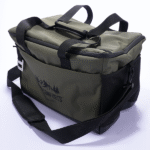
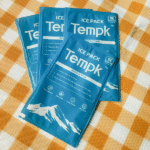
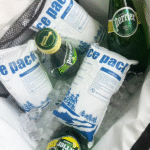
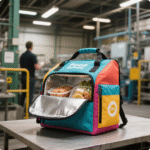
Gunakan kemasan yang tepat: Wadah busa terisolasi, kantong bersegel vakum dan kemasan gel membantu menjaga suhu.
Pantau kelembapan: Kelembapan yang seimbang mencegah layu; film bernapas memungkinkan pertukaran gas sambil mempertahankan kelembapan.
Pasang sensor: Pencatat IoT menyediakan data suhu dan kelembapan yang berkelanjutan, memungkinkan intervensi cepat.
Studi kasus: Pada bulan Juli 2025 UNICEF mengirimkannya 500 000 dosis vaksin melalui laut; perencanaan rute yang cermat dan logistik ramah lingkungan mengurangi emisi gas rumah kaca sebesar 90 % dan memotong biaya pengiriman sebesar 50 % dibandingkan dengan angkutan udara. Strategi serupa dapat membantu eksportir sayuran menghemat uang dan menurunkan jejak karbon mereka.
Apa Penggerak Pasarnya 2025?
Pasar sayuran rantai dingin berkembang pesat berkat perubahan kebiasaan konsumen, peraturan yang lebih ketat dan inovasi teknologi. Berikut adalah pendorong utamanya:
Meningkatnya permintaan makanan beku dan olahan — Gaya hidup perkotaan dan popularitas peralatan makan telah meningkatkan konsumsi sayuran beku dan makanan siap saji. Riset Pasar Persistensi menghargai pasar rantai makanan dingin KITA $65.8 miliar di dalam 2025 dan memproyeksikan hal itu untuk dicapai KITA $205.3 miliar oleh 2032, tumbuh di 17.5 % setiap tahun. Pasar sayur beku itu sendiri bernilai KITA $57 miliar dan diperkirakan akan tercapai KITA $102.3 miliar oleh 2035.
Peraturan keamanan pangan dan lingkungan yang lebih ketat — Aturan FSMA 204 mengamanatkan pencatatan digital dan ketertelusuran 24 jam. Inisiatif Pindah ke 15 °C mendorong peningkatan suhu freezer dari –18 °C menjadi –15 °C, menyampaikan 10–15 % penghematan energi tanpa mengorbankan keselamatan. Petunjuk Pengemasan UE mewajibkan kemasan yang dapat didaur ulang dan digunakan kembali.
Pertumbuhan perdagangan lintas batas dan infrastruktur — Ekspor yang mudah rusak telah meningkat 5.6 % setiap tahun sejak itu 2018. Kapasitas penyimpanan dingin di India meningkat 35 % di antara 2020 Dan 2024, sementara kapasitas Tiongkok melebihi 200 juta m³. Pasar Asia Pasifik diperkirakan akan tumbuh 11 % oleh 2025, meskipun kesenjangan regional menciptakan peluang investasi.
Digitalisasi dan teknologi sensor — Platform IoT dan analisis prediktif membantu mengurangi waktu henti hingga 50 %, mengurangi biaya perbaikan sebesar 10–20 % dan simpan 10–30 % energi. Blockchain menyediakan catatan bukti kerusakan dari setiap penyerahan, memastikan ketertelusuran ujung ke ujung.
Mengubah preferensi konsumen — Konsumen menuntut produk segar, sayuran yang diproses secara minimal dan menghargai kenyamanan. Langganan paket makanan, layanan grosir online dan restoran cepat saji mengandalkan logistik berpendingin yang andal. Sektor restoran cepat saji di India diproyeksikan akan tumbuh 20–25 % setiap tahun.
Statistik Pasar dan Tren di 2025
| Metrik | 2025 Nilai | Ramalan / Dampak | Signifikansi Praktis |
| Pasar logistik rantai dingin global | KITA $436 miliar | Diperkirakan melebihi KITA $1.36 triliun oleh 2034 | Pertumbuhan yang pesat menyoroti peluang investasi yang kuat dan kebutuhan akan logistik yang efisien. |
| Pasar rantai dingin makanan (keseluruhan) | KITA $65.8 miliar | Diproyeksikan untuk mencapai KITA $205.3 miliar oleh 2032 (CAGR 17.5 %) | Menunjukkan peningkatan permintaan di seluruh kategori makanan, including vegetables. |
| Pasar sayur beku | KITA $57 miliar | Perkiraan untuk dicapai KITA $102.3 miliar oleh 2035 (CAGR 6 %) | Menunjukkan pertumbuhan yang kuat pada sayuran beku; prosesor harus memperluas kapasitas. |
| Bagian makanan yang hilang karena kurangnya rantai dingin | 12 % (526 juta ton) | Makanan yang cukup untuk diberi makan 1 miliar rakyat | Berinvestasi dalam infrastruktur pendingin dapat meningkatkan ketahanan pangan secara signifikan. |
| Bagian rantai dingin terhadap emisi GRK global | 4 % emisi global; 17 % konsumsi listrik dunia | Mengurangi emisi melalui praktik hemat energi dan energi terbarukan sangatlah penting. | |
| Prakiraan harga sayur segar (KITA) | Harga eceran sebagian besar tidak berubah 2025 (–1.3 % ke 1.3 % mengubah); harga di tingkat petani diperkirakan akan menurun 14.1 % | Harga eceran yang stabil menguntungkan konsumen namun memberikan tekanan kepada petani; efisiensi dalam rantai dingin membantu mempertahankan margin. | |
| Pasar rantai dingin Amerika Utara | KITA. perkiraan pasar sebesar KITA $91 miliar di dalam 2025, diproyeksikan untuk dicapai KITA $109 miliar oleh 2030; Kanada AS $6 miliar naik ke AS $7 miliar; Meksiko AS $7 miliar naik ke AS $8 miliar | Gabungan KITA $124 miliar Pasar Amerika Utara menyoroti dominasi dan peluang regional. | |
| Pemain cold storage yang dominan | Logistik Lineage memiliki 2.1 miliar kaki³ kapasitas; Logistik Americold memiliki 1.3 miliar kaki³ | Bersama-sama mereka mengendalikan 50 % dari A.S.. kapasitas penyimpanan dingin, memberi mereka kekuatan harga. | |
| Volatilitas harga sayuran | USDA memperkirakan harga sayur segar bisa turun 0.8 % di dalam 2025 (kamu o kamu); Namun, harga grosir meningkat 38.9 % pada bulan Juli 2025 karena cuaca dan tarif | Fluktuasi harga menggarisbawahi perlunya sistem rantai dingin yang tangguh yang dapat menahan guncangan pasokan dan permintaan. |
Teknologi Mana yang Mengubah Rantai Dingin Sayuran?
Inovasi teknologi merevolusi cara penyimpanan sayuran, diangkut dan dipantau. Solusi berikut memberikan keunggulan kompetitif dalam 2025 dan seterusnya:
Ai, Aplikasi IoT dan Blockchain
Kecerdasan buatan dan analisis prediktif: AI mengoptimalkan rute pengiriman, memperkirakan permintaan dan memprediksi kegagalan peralatan. Hal ini dapat mengurangi konsumsi bahan bakar, mengurangi penundaan dan menurunkan biaya pemeliharaan. Perkiraan permintaan yang didorong oleh AI membantu mengatasi ketidakpastian pasokan dan permintaan.
IoT diaktifkan pemantauan: Sensor terus melacak suhu, kelembaban dan lokasi. Peringatan waktu nyata memungkinkan tindakan perbaikan dan mengurangi pembusukan. Di dalam 2022 segmen perangkat keras menyumbang lebih dari itu 76.4 % pasar pelacakan dan pemantauan rantai dingin.
Blockchain untuk ketertelusuran: Blockchain membuat catatan yang tidak dapat diubah dari setiap penyerahan, memastikan transparansi dan kepatuhan terhadap peraturan keamanan pangan.
Robotika dan otomatisasi: Sistem penyimpanan dan pengambilan otomatis (AS/RS) dan sistem penanganan robotik mengatasi kekurangan tenaga kerja dan mengurangi kesalahan. Sekitar 80 % gudang tidak otomatis, menunjukkan potensi pertumbuhan yang signifikan. Robot beroperasi terus menerus, meningkatkan throughput dan memastikan kontrol suhu yang konsisten.
Pemeliharaan prediktif: Analitik yang digerakkan oleh AI menjadwalkan perbaikan sebelum kerusakan, mengurangi waktu henti sebesar hingga 50 % dan menurunkan biaya perbaikan sebesar 10–20 %.
Energi Terbarukan dan Pendinginan Berkelanjutan
Penyimpanan dingin bertenaga surya: Terdesentralisasi, unit penyimpanan dingin di luar jaringan, seperti yang diadopsi di Andhra Pradesh, membantu petani kecil mengurangi kerugian pasca panen. Unit penyimpanan dingin tenaga surya seberat 10 ton berharga ₹12,5 lakh (dengan tentang 75 % disubsidi) dan memungkinkan petani untuk menyimpan hasil panen di lokasi, menghemat biaya transportasi dan mengurangi pembusukan. Fasilitas di daerah penghasil cabai di India beroperasi pada pukul 70–80 % pemanfaatan oleh 2024, menunjukkan efisiensi energi dan adopsi tenaga surya.
Refrigeran alami: Mengganti refrigeran GWP tinggi dengan CO₂, amonia atau hidrokarbon sejalan dengan Amandemen Kigali dan membantu mengurangi emisi langsung.
Inisiatif beralih ke –15 °C: Menaikkan suhu freezer dari –18 °C menjadi –15 °C dapat menghemat 10–15 % energi dengan tetap menjaga keamanan pangan, memperpanjang umur peralatan dan menurunkan biaya pengoperasian.
Dibangun agar sesuai dengan pusat pemenuhan mikro: Fasilitas baru dirancang dengan beberapa zona suhu, Insulasi Tingkat Lanjut (seperti panel berinsulasi vakum dan bahan pengubah fasa), integrasi dan otomatisasi energi terbarukan. Penyedia Amerika Utara seperti NewCold dan RLS Logistics menginvestasikan ratusan juta dolar dalam fasilitas penyimpanan dingin yang sangat otomatis untuk menyediakan fleksibilitas, kapasitas hemat energi.
Optimasi Rute dan Platform Digital
Perencanaan rute yang cerdas: Analisis tingkat lanjut meminimalkan paparan terhadap cuaca buruk dan mengurangi waktu transit. Optimalisasi rute otomatis dan pelacakan waktu nyata menurunkan konsumsi bahan bakar dan biaya operasional.
Platform visibilitas ujung ke ujung: Pelacakan waktu nyata memberikan catatan suhu dan lokasi yang dapat diverifikasi, memastikan kepatuhan dan meningkatkan kepuasan pelanggan. Standardisasi data semakin meningkat, dengan 74 % data logistik yang diharapkan dapat distandarisasi oleh 2025.
Tren yang Muncul dan Inovasi Khusus
Wadah berpendingin tenaga surya Dan truk reefer listrik mengurangi ketergantungan pada generator diesel. Perusahaan seperti Eja Ice Nigeria menerapkan penyimpanan dingin bertenaga surya dan pemantauan IoT untuk mengurangi tagihan energi dan menjaga kualitas.
Wadah pintar dengan sensor tertanam memantau suhu dan lokasi, mengurangi bobot dan mendukung rantai pasokan melingkar.
Pendinginan terdesentralisasi sebagai model layanan: Koperasi petani dan FPO berbagi unit penyimpanan pendingin tenaga surya untuk menurunkan biaya modal.
Bagaimana Anda Mengelola Risiko dan Mengatasi Tantangan?
Rantai pendingin sayuran menghadapi banyak risiko, dari penyimpangan suhu hingga kesenjangan komunikasi. Manajemen risiko yang proaktif sangatlah penting.
Tantangan Umum dan Dampaknya
Kontrol suhu dan stabilitas: Fluktuasi selama pengangkutan menyebabkan kristalisasi es, kerusakan tekstur dan pembusukan.
Kurangnya visibilitas dan koordinasi: Kesenjangan dalam pemantauan membuat sulit untuk menentukan dengan tepat di mana penyalahgunaan suhu terjadi. Koordinasi yang buruk antar pemasok, operator dan pengecer menyebabkan penundaan dan kerusakan produk.
Limbah pengepakan dan kesalahan perencanaan: Penyalahgunaan kemasan gel akan membuang-buang bahan dan meningkatkan risiko penyimpangan suhu.
Ketidakpatuhan terhadap peraturan: Catatan yang hilang atau kondisi penyimpanan yang tidak tepat dapat mengakibatkan denda dan penarikan kembali.
Kesenjangan infrastruktur: Fasilitas ketinggalan jaman, rute transportasi yang buruk dan biaya energi yang tinggi menghambat efisiensi.
Strategi Manajemen Risiko
Pemantauan dan peringatan waktu nyata: Menyebarkan sensor dan pelacak GPS untuk terus memantau suhu, kelembaban dan lokasi.
Pemeliharaan prediktif: Gunakan analitik berbasis AI untuk menjadwalkan perbaikan sebelum kerusakan, mengurangi downtime dan biaya perbaikan.
Visibilitas ujung ke ujung: Integrasikan sistem manajemen transportasi dengan perencanaan sumber daya perusahaan untuk melacak pengiriman dan inventaris. Gunakan RFID dan kode batang untuk menjaga tingkat stok optimal.
Pengoptimalan rute: Gunakan AI untuk mengoptimalkan rute pengiriman, mengurangi penundaan dan konsumsi bahan bakar.
Pelatihan dan komunikasi: Standarisasi prosedur pemuatan, pembongkaran dan pemantauan; melakukan pelatihan dan latihan rutin.
Cadangan listrik dan energi terbarukan: Pasang generator dan gunakan tenaga surya atau angin untuk memastikan pendinginan tidak terganggu.
Kemasan berkelanjutan: Kalibrasi ukuran kemasan dengan volume pengiriman; mengadopsi wadah yang dapat digunakan kembali dan sistem pengumpulan loop tertutup.
Tip dan Rekomendasi Praktis
Perlengkapan makan dalam jumlah kecil: Gunakan wadah berinsulasi dan kemasan gel yang dapat bertahan pada suhu 0–5 °C, dikombinasikan dengan logger IoT untuk pemantauan pengiriman jarak jauh.
Pengiriman beku jarak jauh: Pertahankan –18 °C atau lebih rendah; menggunakan kontainer pintar dengan sensor dan optimalisasi rute. Pertimbangkan angkutan laut untuk mengurangi emisi dan biaya.
Pemrosesan potongan segar: Gunakan alat pengupas dan pengupas robotik untuk meminimalkan waktu penanganan; bungkus dalam film bernapas dan dinginkan dengan cepat.
Berinvestasi pada infrastruktur yang berketahanan: Kembangkan zona multi suhu, mengintegrasikan energi terbarukan dan membangun pusat pemenuhan mikro untuk meningkatkan pengiriman jarak jauh.
Kolaborasi dan pendidikan: Mendidik petani kecil dan koperasi tentang pengendalian suhu; menyediakan penyimpanan dan pembiayaan dingin yang terjangkau.
Studi kasus: Eksportir sayuran beku di Asia Tenggara memasang sensor IoT dan sistem tenaga cadangan. Peningkatan suhu menurun 90 %, keluhan mengenai umur simpan menurun drastis dan menaikkan suhu freezer hingga –15 °C mengurangi biaya energi 10–15 %.
Apa Tren Terbaru dan Berikutnya?
Keberlanjutan adalah Inti dari Operasional
Kelestarian lingkungan bukan lagi sebuah pilihan; itu diharapkan. Rantai makanan dingin bertanggung jawab 4 % emisi dan konsumsi gas rumah kaca global 17 % listrik dunia. Perusahaan mengintegrasikan energi matahari dan angin ke dalam fasilitas dan menggunakan biofuel untuk transportasi. Sistem sertifikasi seperti EDGE Advanced menunjukkan operasi nol karbon. Itu Pindah ke –15 °C prakarsa, didukung oleh pengecer besar, janji 10–15 % penghematan energi dan memperpanjang umur peralatan. Pengemasan melingkar dan sistem pengumpulan loop tertutup mengurangi limbah.
Otomatisasi dan AI
Sistem penyimpanan dan pengambilan otomatis, robotika dan AI menjadi pusat perhatian. Hampir 80 % gudang belum terotomatisasi, menyisakan ruang yang signifikan untuk peningkatan efisiensi. AI memberikan wawasan prediktif yang mengoptimalkan operasi gudang, memperkirakan permintaan dan menjadwalkan pemeliharaan. Robot meningkatkan keamanan, mengurangi biaya tenaga kerja dan memastikan kontrol suhu yang konsisten.
Logistik Ramah Lingkungan dan Infrastruktur Modern
Investasi dalam sistem pendingin modern, peralatan penanganan otomatis dan energi terbarukan di lokasi sedang meningkatkan fasilitas penyimpanan dingin yang sudah tua. Perusahaan sedang bergerak menuju dibangun agar sesuai solusi yang menyesuaikan kapasitas dan meningkatkan efisiensi energi. Itu Pasar logistik rantai dingin makanan Amerika Utara diperkirakan akan tercapai KITA $86.67 miliar di dalam 2025, mencerminkan peningkatan investasi dalam logistik makanan segar. Kemitraan strategis dan integrasi rantai pasokan membantu perusahaan mendapatkan visibilitas dan ketahanan; oleh 2025, 74 % data logistik diharapkan terstandarisasi.
Booming Produk Berbasis Tanaman dan Organik
Alternatif nabati dan produk bersertifikat organik semakin mendapat perhatian. Bloomberg Intelligence memproyeksikan pasar makanan nabati dapat mengimbanginya 7.7 % pasar protein global oleh 2030. Produk-produk ini memperkenalkan persyaratan suhu dan peraturan baru dan sering kali berasal dari perusahaan rintisan yang tidak memiliki pengalaman logistik. Penyedia rantai dingin harus beradaptasi terhadap pertumbuhan ini dengan menawarkan keahlian, penyimpanan fleksibel dan pengemasan berkelanjutan.
Volatilitas Harga dan Perilaku Konsumen
Peristiwa cuaca, inflasi dan tarif menyebabkan harga grosir sayuran segar di AS. untuk melonjak 38.9 % tahun ke tahun pada bulan Juli 2025. Sayuran utama seperti selada dan bayam mengalami kenaikan harga 133 % Dan 157.4 %, masing-masing. Namun, USDA memperkirakan harga sayuran segar mungkin akan turun 0.8 % tahun demi tahun di kemudian hari 2025. Harga eceran yang stabil dengan turunnya harga di tingkat petani menggarisbawahi perlunya rantai dingin yang efisien untuk menjaga profitabilitas.
Ekspansi dan Ketahanan
Permintaan penyimpanan dingin meningkat karena variabilitas iklim dan gangguan rantai pasokan. Perusahaan memperluas kapasitas atau melakukan outsourcing penyimpanan dan menggunakan pusat pemenuhan mikro untuk meningkatkan pengiriman jarak jauh. Strategi ketahanan mencakup membangun stok strategis dan mendiversifikasi pemasok. Kemitraan baru memungkinkan integrasi di seluruh rantai pasokan, memastikan bahwa perusahaan dapat beradaptasi dengan cepat terhadap guncangan.
Pertanyaan yang sering diajukan
- Pada suhu berapa sayuran segar harus disimpan selama pengangkutan?Sayuran segar umumnya membutuhkan 0 - - 4 ° C. (32 - - 40 ° f), sedangkan sayuran tropis seperti tomat dan mentimun perlu 10 - - 13 ° C. (50 - - 55 ° f); menjaga kelembaban mencegah layu.
- Bagaimana AI meningkatkan logistik rantai dingin untuk sayuran?AI mengoptimalkan rute pengiriman, memprediksi kegagalan peralatan dan memberikan perkiraan persediaan dan permintaan secara real-time. Wawasan ini mengurangi konsumsi bahan bakar, meminimalkan downtime dan meningkatkan kesegaran produk.
- Apa tantangan terbesar dalam pengiriman sayuran beku secara internasional?Tantangan utamanya adalah menjaga suhu di antara keduanya –18 °C dan –23 °Csepanjang perjalanan, menghindari pemadaman listrik, memastikan kepatuhan terhadap peraturan dan mencapai visibilitas di berbagai serah terima. Pemantauan waktu nyata, daya cadangan dan praktik penanganan yang terlatih membantu mengatasi masalah ini.
- Mengapa inisiatif Pindah ke –15 °C penting??Menaikkan suhu freezer standar dari –18 °C hingga –15 °Cbisa menghemat 10–15 % energi dan memperpanjang umur peralatan. Hal ini mengurangi emisi tanpa mengorbankan keamanan pangan dan membantu perusahaan mencapai tujuan keberlanjutan.
- Bagaimana petani kecil dapat memperoleh manfaat dari sistem rantai dingin yang lebih baik??Akses terhadap penyimpanan dingin yang terjangkau mengurangi kerugian pasca panen, meningkatkan pendapatan dan memungkinkan petani menjangkau pasar yang jauh. Unit bertenaga surya yang dioperasikan oleh organisasi produsen petani menawarkan solusi hemat biaya.
Ringkasan dan Rekomendasi
Di dalam 2025 itu rantai pasokan sayuran rantai dingin sedang berkembang dengan cepat. Poin-poin penting yang dapat diambil meliputi:
Berinvestasi dalam pengendalian suhu yang tepat akan mengurangi hilangnya makanan dan menjaga nutrisi. Sayuran yang berbeda memiliki persyaratan suhu yang berbeda, dan pra-pendinginan yang cepat serta kemasan berinsulasi melindungi kualitas.
Permintaan pasar terhadap makanan beku dan olahan mendorong pertumbuhan pesat; pasar rantai makanan dingin diproyeksikan meningkat tiga kali lipat 2032. Peraturan yang lebih ketat, perdagangan lintas batas dan preferensi konsumen juga mendorong ekspansi.
Inovasi teknologi seperti AI, IoT, blockchain dan robotika memberikan visibilitas yang lebih baik, efisiensi dan keberlanjutan. Energi terbarukan dan bahan pendingin alami membantu mengurangi emisi dan biaya energi.
Manajemen risiko proaktif — termasuk pemantauan waktu nyata, pemeliharaan prediktif, optimalisasi dan pelatihan rute — mengurangi pembusukan dan meningkatkan ketahanan.
Keberlanjutan, otomatisasi, infrastruktur modern dan tren produk nabati membentuk masa depan. Volatilitas harga menggarisbawahi perlunya rantai dingin (cold chain) yang kuat untuk melindungi margin.
Rencana Aksi untuk Praktisi
Nilai rantai dingin Anda saat ini: Gunakan alat penilaian mandiri untuk mengevaluasi pengendalian suhu Anda, dokumentasi dan kepatuhan. Identifikasi celah pada sensor, pelatihan dan daya cadangan.
Investasikan dalam pemantauan waktu nyata: Menerapkan sensor IoT, pencatat data dan sistem blockchain untuk menjaga transparansi dan memenuhi persyaratan FSMA. Pertimbangkan untuk menggunakan platform digital yang mengintegrasikan optimalisasi rute dan pemeliharaan prediktif.
Mengadopsi energi terbarukan dan praktik hemat energi: Jelajahi penyimpanan dingin bertenaga surya, pindahkan freezer Anda ke –15 °C dan ganti zat pendingin dengan GWP tinggi. Gunakan panel berinsulasi vakum dan bahan pengubah fasa untuk meningkatkan insulasi.
Modernisasi infrastruktur: Tingkatkan atau alihkan ke fasilitas yang dibangun agar sesuai dengan otomatisasi dan berbagai zona suhu. Rencanakan ekspansi dan ketahanan dengan mendiversifikasi pemasok dan membangun pusat pemenuhan mikro.
Melatih dan berkolaborasi: Berikan pelatihan staf secara teratur tentang pemuatan, prosedur pembongkaran dan pemantauan. Bekerja sama dengan FPO dan koperasi untuk membuat penyimpanan berpendingin dapat diakses oleh petani kecil.
Tentang tempk
Tempk adalah penyedia terpercaya solusi pengemasan terisolasi dan rantai dingin berkinerja tinggi. Kami berspesialisasi dalam produk rantai dingin ramah lingkungan, termasuk paket es gel, tas terisolasi, panel berisolasi vakum dan wadah pintar dengan sensor tertanam. Produk kami menjaga suhu yang tepat untuk sayuran, obat-obatan dan barang-barang mudah rusak lainnya, membantu dunia usaha mengurangi limbah dan memenuhi standar peraturan. Kami juga berinvestasi dalam penelitian dan pengembangan untuk meningkatkan efisiensi dan keberlanjutan energi, selaras dengan inisiatif global seperti Menuju –15 °C.
Panggilan untuk bertindak: Siap mengoptimalkan rantai dingin Anda? Hubungi Tempk untuk konsultasi pribadi. Tim kami akan membantu Anda memilih kemasan berinsulasi yang tepat, solusi pemantauan dan opsi energi terbarukan untuk melindungi sayuran Anda dan meningkatkan keuntungan Anda.