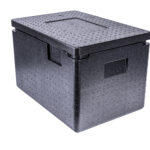
Tentukan Kompak Wadah Penyimpanan EPP Di Sekitar Pekerjaan
Membeli wadah penyimpanan EPP kompak berdasarkan kapasitas nominalnya seperti memilih laci berdasarkan ukuran ruangan: angka tersebut tidak menjelaskan apa yang cocok atau bagaimana orang akan menggunakannya. Spesifikasi yang baik dimulai dengan muatan dan menghabiskan “anggaran ruang” yang terbatas untuk perlindungan, isolasi jika diperlukan, akses operator, penutup, dan fitur penanganan. Kemudian memeriksa bagian luar terhadap rak, kendaraan, meja kerja, dan pengembalian kosong. EPP membawa bobot rendah yang bermanfaat, isolasi, dan perilaku material yang tangguh, namun atribut tersebut harus diterjemahkan ke dalam bukti tingkat bagian dan tingkat penerapan. Hasilnya harus berupa format terkecil yang melewati seluruh siklus pengoperasian, bukan hanya kotak terkecil yang tersedia.
Tetapkan Anggaran Ruang untuk Wadah Penyimpanan EPP Ringkas
Sebuah wadah kompak memiliki dua batas yang saling bersaing. Bagian luarnya harus sesuai dengan pengoperasiannya, sedangkan bagian dalamnya harus sesuai dengan kemasan lengkap. Tidak ada batasan yang dapat disimpulkan secara andal dari satu angka kapasitas saja.
Tentukan batas luarnya terlebih dahulu. Catat panjang maksimumnya, lebar, dan ketinggian yang diizinkan oleh lokasi sebenarnya yang paling ketat. Itu mungkin celah yang jelas di antara rak-rak van, kedalaman yang tersedia di bawah meja penerima, jejak gerobak, atau tinggi tumpukan di bawah balok rak. Sertakan tonjolan dan kondisi penggunaan: pegangan yang dibentuk, tutup rusuk, Label, penutupan yang terangkat, atau ruangan yang diperlukan untuk mengangkat tutupnya. Sebuah kotak yang hanya muat saat ditutup mungkin tidak muat untuk pekerjaan itu.
Berikutnya, menentukan zona muatan. Ukur muatan terbesar yang disetujui dalam kemasan dan orientasi normalnya. Jangan gunakan dimensi nominal produk jika membungkusnya secara berlebihan, topi, dokumen terlipat, atau karton sekunder ikut bepergian bersamanya. Jika beberapa item berbagi kotak, menunjukkan susunannya dan variasi yang sah antara muatan.
Jarak antara batas-batas tersebut harus membayar untuk setiap fungsi:
Bagian dinding EPP dan pengikatan penutup;
jari-jari sudut dan lancip dinding apa pun;
sisipan yang dipasang, pemisah, bahan penyerap, atau pengekangan;
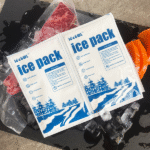
komponen pendingin atau pengubah fasa jika desain benar-benar memerlukannya;
jarak bebas di sekitar monitor suhu atau perangkat identifikasi;
akses jari dan jalur penghapusan yang aman;
ruang kepala yang memungkinkan tutupnya terpasang tanpa menekan muatan.
Inilah sebabnya mengapa volume internal bruto jarang menjadi nilai pengadaan yang menentukan. Botol berbentuk silinder dapat menyia-nyiakan sudut rongga persegi panjang. Baki yang dangkal mungkin memerlukan bukaan yang lebar tetapi tingginya sedikit. A paket pendingin ditempatkan di dinding dapat menciptakan zona muatan pusat yang sempit meskipun kapasitas yang dinyatakan tetap tidak berubah. Gambar internal harus menunjukkan bagian tersempit yang dapat digunakan, bukan hanya pengukuran rongga terbesar.
Anggaran ruang juga terlihat ketika kompak adalah tujuan yang salah. Kalau muatannya harus diperas, pendingin harus dihilangkan, penutupan blok logger, atau penerima harus membalikkan kotak untuk mengeluarkannya, format yang diusulkan telah melebihi anggarannya. Pindah ke geometri lain, merevisi sisipan, membagi pesanan, atau pilih wadah yang lebih besar. Ukuran kecil bukanlah suatu efisiensi ketika memindahkan pekerjaan dan risiko ke setiap pengiriman.
Tiga Izin yang Menentukan Kegunaan
Gambar berdimensi diperlukan, tapi mereka tidak menunjukkan gerakan. Tiga jenis jarak bebas menentukan apakah suatu kompak kotak EPP akan bekerja pada kecepatan normal.
Izin paket
Jarak pengepakan adalah ruang yang dibutuhkan untuk merakit muatan dalam urutan yang benar. Sisipan yang terpasang mungkin perlu dimasukkan secara miring. Komponen cairan pendingin mungkin memerlukan penjarak yang mencegah kontak langsung dengan produk. Kantong dokumen mungkin melewati fitur cetakan. Amati urutan pemuatan sebenarnya dan pastikan bahwa tidak ada langkah yang bergantung pada kompresi karton, melenturkan paket utama, atau menahan tutupnya sementara operator lain menutupnya.
Izin paket harus mencakup penghapusan. Sebuah rongga dapat menampung nampan namun tidak menyediakan tempat untuk memegangnya. Tarik tab, sumur jari, tali yang bisa dilepas, atau bukaan yang sedikit lebih lebar dapat mengatasi hal ini, namun setiap pilihan memerlukan tinjauan kebersihan dan ketahanan yang sesuai dengan penggunaannya.
Izin alur kerja
Jarak bebas alur kerja adalah ruang di sekitar kotak saat dibawa, dibuka, dipindai, ditumpuk, atau ditempatkan di dalam kendaraan. Mengukur lebih dari sekedar jejak statis. Tutupnya bisa berayun atau terangkat ke rak. Label di bagian atas mungkin tidak dapat dibaca di bawah unit lain. Pegangan samping yang rendah mungkin terhalang ketika kotak-kotak diletakkan berdekatan.
Amati penanganan muatan dari posisi terendah dan tertinggi yang diharapkan. EPP dapat mengurangi massa tara, tapi muatan kompak sering kali padat. Lokasi pegangan, jarak angkut, sarung tangan, garis pandang, dan kecenderungan untuk memegang tutup semuanya mempengaruhi risiko ergonomis. Jangan menyetujui klaim carry dengan sampel kosong.
Izin pengembalian
Izin pengembalian adalah volume dan ruang proses yang dibutuhkan setelah pengiriman. Sebuah kontainer yang menggunakan van secara efisien keluar dapat menghabiskan seluruh kubusnya dalam keadaan kosong. Bersarang atau melipat mungkin membantu, tetapi fitur tersebut mengubah geometri bagian, perakitan, inspeksi, dan sering membersihkan. Jika kotaknya tetap kaku, buat pola tumpukan kosong dan posisi penahan yang ditentukan di penerima.
Izin pengembalian mencakup waktu dan volume. Unit kosong mungkin menunggu backhaul, inspeksi, pembersihan, pengeringan, atau rilis. Kelompok tersebut harus mencakup negara bagian tersebut. Tanpa data siklus, pembeli tidak dapat secara bertanggung jawab menetapkan ukuran kolam umum atau mengklaim bahwa desain yang dapat digunakan kembali akan menggantikan sejumlah kotak sekali pakai tertentu.
Kegagalan izin hipotetis
Pertimbangkan distributor yang merencanakan perlengkapan khusus tujuan untuk rute multi-penurunan. Kotak kandidat EPP dapat memuat enam unit di seluruh rak kendaraan saat ditutup. Selama persidangan, pengemudi menemukan bahwa hanya unit depan yang dapat dibuka di tempatnya. Unit belakang harus dilepas dan diletakkan di lantai, label disembunyikan ketika dua kotak ditumpuk, dan tutup yang kosong tidak menempel pada alasnya.
Tidak diperlukan hasil penyampaian yang ditemukan untuk mencapai keputusan. Jumlah rak statis melebih-lebihkan efisiensi karena alur kerja dan izin pengembalian dihilangkan. Tim dapat menguji tutup lepas landas dengan metode retensi terkontrol, wajah label yang berbeda, lebih sedikit unit per rak, atau proporsi eksterior lainnya. Metrik praktisnya bukanlah jumlah kotak tertutup maksimum; ini adalah seberapa andal penghentian total dapat dieksekusi dan dibalik.
Pilih Format Terkecil yang Melewati Rute
Tinjauan bertahap menjaga keputusan pembelian tetap pada urutan yang benar. Kandidat yang gagal dalam tahap awal tidak boleh maju karena kekuatan klaim material atau harga satuan yang menarik.
| Gerbang | Pertanyaan yang harus dijawab oleh kandidat | Metode peninjauan | Kondisi berhenti |
|---|---|---|---|
| Peran | Apakah penyimpanan ini, penanganan yang protektif, isolasi, atau paket dengan suhu yang dikontrol tertentu? | Pernyataan penggunaan tertulis yang disetujui oleh operasi dan kualitas | Peran produk masih ambigu |
| Muatan | Apakah beban normal terbesar sesuai dengan semua komponen fungsional dan akses pelepasan? | Sampel yang dimuat secara representatif atau model paket berdimensi | Kompresi, gangguan, atau konten yang tidak dapat diakses |
| Luar | Apakah amplop lengkap cocok untuk setiap rak penting, keranjang, kendaraan, dan permukaan kerja? | Rute fisik berjalan dengan langkah pembukaan dan pemindaian | Hanya cocok statis, tanpa izin kerja |
| Penanganan | Bisakah operator mengangkat, mengenali, menyerahkan, dan menutupnya melalui kondisi normal? | Uji coba kegunaan yang dimuat dengan pengguna yang dituju | Pegangan yang tidak aman, pandangan diblokir, pengemasan ulang berulang kali |
| Bukti | Apakah dokumen mendukung materi yang sebenarnya, bagian, peran kontak, dan kinerja apa pun yang diklaim? | Tinjauan file teknis terhadap daftar klaim | Sertifikat generik digunakan untuk kesimpulan tertentu |
| Pemulihan | Bisakah operasi mengidentifikasi, memeriksa, membersihkan, kering, kembali, dan pensiun unit? | Peta percontohan dan tanggung jawab logistik terbalik | Tidak ada pemilik atau proses pelepasan untuk aset yang dikembalikan |
| Produksi | Akankah unit yang dipesan sesuai dengan sampel yang disetujui dan gambar yang dikontrol? | Rencana inspeksi, keterlacakan, dan perjanjian kendali perubahan | Fitur atau perubahan penting tidak terkendali |
Urutan ini mencegah dua kesalahan umum. Pertama, konsep yang mengesankan secara termal tidak akan bertahan jika muatannya tidak dapat diambil dengan aman. Kedua, kotak yang dapat digunakan kembali dengan ukuran yang pas tidak boleh dianggap berkelanjutan sampai sistem pengembalian dan pemulihannya dapat dipercaya. Setiap gerbang menghasilkan catatan keputusan yang dapat dibandingkan dengan bagian pembelian antar pemasok tanpa menemukan data yang hilang.
“Yang terkecil yang lolos” juga memberikan ruang untuk variabilitas. Jika salah satu konfigurasi payload luar biasa besar namun sah, putuskan apakah format utama harus mengakomodasi itu. Terkadang ukuran kedua yang disetujui lebih efisien. Terkadang standarisasi satu kotak yang sedikit lebih besar mengurangi kesalahan, persediaan cadangan, dan pelatihan. Kekompakan harus dioptimalkan pada tingkat sistem, bukan per unit secara terpisah.
Rute multi-drop layak mendapatkan perbandingan konfigurasi yang eksplisit. Satu kotak konsolidasi berarti lebih sedikit aset dan acara pembersihan, tetapi pembukaan berulang kali dapat mengganggu pesanan lainnya. Kotak khusus tujuan meningkatkan pemisahan dan pengambilan, namun meningkatkan pemindaian, Label, dan pengembalian kosong. Jalankan kedua konfigurasi melalui urutan penghentian sebenarnya. Perhitungkan mosi dan pengecualian daripada mengandalkan keyakinan umum bahwa lebih kecil lebih cepat.
Tulis Spesifikasi Penerimaan yang Dapat Dijawab Pemasok
Permintaan kutipan yang baik berisi pertanyaan yang dapat dijawab dengan gambar, sampel, dokumen, dan tes yang ditentukan. Ia tidak menanyakan apakah produk tersebut sekadar “berkualitas tinggi”.
Alat pengambilan keputusan yang berguna
Periksa detailnya sebelum Anda memilih kemasan
Alat cepat ini dapat membantu Anda membandingkan risiko rute, kebutuhan ukuran, pilihan pendingin, dan detail kemasan sebelum Anda meminta penawaran.
Pendingin & Referensi PCM
Bandingkan opsi cairan pendingin dan PCM ketika suatu rute memerlukan dukungan suhu tambahan.
Bandingkan pilihanPemilih Kemasan
Bandingkan opsi kemasan berinsulasi berdasarkan produk, rute, dan kebutuhan suhu.
Temukan kemasannyaPembuat Daftar Periksa Kepatuhan
Buatlah daftar periksa praktis untuk tinjauan kemasan, pengiriman, dan dokumentasi.
Buat daftar periksaMulailah dengan identitas material. Mintalah nilai EPP atau spesifikasi material yang dikontrol dan bukti yang relevan dengan permohonan. Produsen EPP yang sudah mapan mendeskripsikan kelompok material sebagai bahan yang ringan, ulet, isolasi, tahan secara kimia, dan dapat didaur ulang, tetapi nilainya berbeda-beda. Bahkan rentang kepadatan cetakan yang diterbitkan BASF untuk portofolio Neopolen standarnya adalah rentang pemasok, bukan persyaratan kepadatan untuk kotak Anda. Tanyakan pengendalian kepadatan dan proses mana yang berlaku pada bagian yang diusulkan, dan mengapa mereka sesuai dengan geometri dan fungsinya.
Kontrol bagian cetakan selanjutnya. Gambarnya harus mengidentifikasi:
selubung luar dan data pengukuran;
dimensi internal tersempit yang dapat digunakan;
antarmuka pengikatan dan penutupan tutup;
menyisipkan, tumpukan, dan antarmuka pegangan;
label atau area identifikasi;
dimensi kritis dan toleransi yang disepakati;
komponen yang terpisah dan identitas materialnya;
revisi gambar dan referensi sampel yang disetujui.
Kriteria visual harus membahas fusi manik, pengisian tidak lengkap, kerusakan permukaan, kontaminasi, tepian, dan detail yang dibentuk tanpa berpura-pura menjadi penampilan saja yang membuktikan kinerja. Pengukur fungsional atau pemeriksaan kesesuaian bisa lebih berguna daripada mengukur setiap dimensi yang tidak kritis. Jika penutup dan sisipan harus bekerja sama, uji perakitan itu seperti yang diterima.
Untuk penggunaan berulang, mintalah bukti mekanis yang relevan dengan aplikasi dan tentukan batas inspeksi. Ketahanan EPP tidak menetapkan peringkat penurunan atau jumlah penggunaan kembali secara universal. Banyak, ketinggian, permukaan benturan, kondisi penutupan, penuaan, dan kriteria penerimaan itu penting. Spesifikasi yang masuk akal menyatakan bahaya apa yang harus ditanggung oleh wadah tersebut dan seberapa lulus atau gagalnya wadah tersebut akan dinilai; itu tidak menyalin nomor yang tidak didukung dari brosur umum.
Pembersihan memerlukan bahasa yang sama spesifiknya. Identifikasi pembersih yang diusulkan, konsentrasi, suhu proses, waktu kontak, membilas, pengeringan, dan pengulangan yang diharapkan dalam uji coba. Konfirmasikan kompatibilitas untuk tingkatan yang tepat dan bagian yang lengkap, termasuk label, perekat, sisipan, atau penutup terpasang. Tentukan perubahan permukaan apa, bau, distorsi, atau kehilangan kebugaran tidak dapat diterima. Jika makanan atau barang sensitif terlibat, tinjauan mutu atau keamanan pangan harus menyetujui proses pelepasan.
Dokumentasi kontak makanan harus sesuai dengan tujuan penggunaan. Materi FDA memperjelas bahwa komponen kemasan makanan dan otorisasinya dipertimbangkan sehubungan dengan kondisi penggunaan. Tanyakan tentang materi yang tepat, pewarna dan bahan tambahan, kontak langsung atau tidak langsung, jenis makanan, suhu, dan durasi. Pernyataan bahwa polipropilena biasa digunakan dalam makanan tidak menentukan status setiap tingkatan EPP dan konstruksi akhir.
Akhirnya, menghubungkan sampel ke produksi. Tentukan cek masuk, identifikasi banyak, penanganan ketidaksesuaian, dan pemberitahuan sebelumnya mengenai perubahan materi, kepadatan, perkakas, proses, komponen, atau lokasi produksi di mana perubahan tersebut dapat mempengaruhi persetujuan. Pengendalian yang diperlukan harus mencerminkan risiko aplikasi. Tujuannya sederhana: produk yang dikirim dalam skala besar harus tetap menjadi produk yang melewati gerbang rute.
Putuskan Apakah Kontrol Suhu Sebenarnya Diperlukan
Isolasi EPP sangat berharga, tapi wadah penyimpanan terisolasi dan pasif yang memenuhi syarat pengirim termal adalah produk yang berbeda. Perjelas kebutuhannya sebelum menambahkan cairan pendingin atau memberikan waktu tunggu.
Untuk penyimpanan umum, kit layanan, atau dunnage pelindung, isolasi mungkin bersifat insidental. Pembeli dapat fokus pada geometri, bahaya dampak, kebersihan, dan menangani. Untuk bahan makanan dingin atau makanan siap saji dengan rute yang dikelola, isolasi dapat mengurangi pertukaran panas, sedangkan rencana keamanan pangan menentukan suhu dan pengendalian operasional. Untuk obat-obatan, bahan biologis, atau yang lainnya Produk yang peka terhadap suhu, rangkaian produk yang dibutuhkan, durasi rute, tantangan lingkungan, dan dokumentasi kualitas menjadi hal yang penting.
Sistem pengontrol suhu pasif terdiri dari lebih dari sekadar cangkang EPP. Ini termasuk komponen pendingin atau perubahan fasa, pengondisiannya, jumlah muatan dan geometri, jarak, urutan pemuatan, penutup, kemasan luar apa pun, dan petunjuk pengoperasian. Sensor atau data logger dapat merekam kondisi, tapi mereka tidak mendinginkan kirimannya. Mengganti satu komponen dapat mengubah perilaku sistem meskipun kotak luarnya tidak berubah.
Jika pemasok menyajikan bukti termal, meninjau ruang lingkupnya. Konfirmasikan konstruksi kontainer yang tepat, muatan, pendingin, metode pengkondisian, profil lingkungan, durasi tes, penempatan sensor, rentang penerimaan, dan asumsi pembuka. Tanyakan apakah rute dan muatan yang diusulkan termasuk dalam bukti tersebut. Standar ISTA 20 dan 7E dapat mendukung kualifikasi dan pekerjaan pengujian kontainer berinsulasi tertentu; memberi nama pada kotak tersebut tidak menyatakan kotak yang tidak berhubungan atau menjamin setiap jalur. Panduan WHO untuk waktu- dan obat-obatan yang sensitif terhadap suhu juga menekankan sistem penyimpanan dan distribusi yang terkendali, dengan persyaratan lokal diutamakan.
“Kapan kompak saja tidak cukup?” memiliki jawaban termal yang jelas. Tidaklah cukup bila diperlukan muatan, pendingin yang dikondisikan, pemisahan, logger, dan penutupan tidak dapat hidup berdampingan dalam pengaturan yang diuji. Menghapus cairan pendingin atau mengurangi jarak bebas untuk mempertahankan ruang muatan nominal akan mengubah sistem. Pilih ukuran atau desain lain, kemudian menilai konfigurasi lengkap. Jangan biarkan target kapasitas mengubah persyaratan suhu produk.
Rancang Lingkaran Penggunaan Kembali Sebelum Membeli Kolam
Suku cadang yang tahan lama tanpa proses pengembalian hanya berpotensi dapat digunakan kembali. Penggunaan kembali operasional memerlukan kepemilikan, koleksi, identifikasi, inspeksi, pembersihan, pengeringan, melepaskan, dan pensiun. Iso 18603 memperlakukan kemasan yang dapat digunakan kembali bersama dengan sistem penggunaan kembali yang terkait, yang merupakan batasan pengadaan yang berguna bahkan ketika kesesuaian formal tidak diklaim.
Mulailah dengan peta keadaan aset. Kapan saja, sebuah wadah mungkin sudah siap, sarat, dalam perjalanan, menunggu di penerima, kembali dalam keadaan kosong, menunggu pembersihan, pengeringan, dikarantina, atau pensiun. Berikan setiap negara bagian pemilik dan lokasinya. Putuskan bagaimana unit kembali ke "siap" dan rekaman mana yang menunjukkan pelepasan.
Detail pelacakan harus sesuai dengan risiko. Loop internal tertutup mungkin menggunakan kontrol batch atau lokasi. Jaringan yang kompleks mungkin memerlukan identifikasi dan pemindaian aset yang unik. Acara yang berguna dapat mencakup pengiriman, kuitansi, pengembalian kosong, inspeksi, pembersihan, karantina, dan pensiun. Jangan tambahkan bidang data yang tidak digunakan siapa pun, tetapi jangan biarkan pengoperasian tidak dapat membedakan unit yang dilepaskan dengan bersih dari unit yang dikembalikan yang tidak diperiksa.
Klaim lingkungan harus mengikuti sirkulasi yang terukur. Produsen EPP menggambarkan bahan tersebut dapat didaur ulang, namun pemulihan sebenarnya bergantung pada pengumpulan lokal, kontaminasi, lampiran, Label, dan penerimaan pendaur ulang. Hasil penggunaan kembali juga bergantung pada jarak pengembalian, kubus kosong, pembersihan, kehilangan, kerusakan, dan jumlah perjalanan yang diselesaikan. AS. Perspektif material siklus hidup EPA mendukung pandangan lebih dari satu atribut material. Klaim dampak yang terukur memerlukan suatu produk- dan penilaian khusus sistem.
Aturan pasar saat ini menjadikan disiplin ini lebih relevan. Peraturan Pengemasan dan Limbah Pengemasan UE umumnya berlaku mulai bulan Agustus 2026 dan menangani pengemasan di seluruh siklus hidupnya. Hal ini tidak membuat desain EPP secara otomatis memenuhi persyaratan. Pembeli yang menempatkan kemasan di pasar harus menentukan peran dan kewajiban spesifik mereka, termasuk implementasi apa pun, pelabelan, komposisi, penggunaan kembali, dan kebutuhan limbah, dengan tinjauan hukum atau kepatuhan yang sesuai.
Rencanakan pensiun selagi produk masih ditentukan. Tanyakan apakah label dan bagian yang terpasang dapat dilepas, apakah nilai pastinya diterima melalui jalur pemulihan yang teridentifikasi, dan bagaimana unit yang terkontaminasi atau berbahan campuran ditangani. Tentukan ambang batas kerusakan yang menghapus unit dari layanan. Pernyataan yang kredibel bukanlah “kotak ini dapat digunakan kembali tanpa henti”; itu adalah “sistem ini memeriksa setiap pengembalian, mencatat pensiun, dan memiliki jalur terverifikasi untuk materi yang dapat diterima.”
Kesimpulan: Ringkas Adalah Kesesuaian Pengoperasian yang Terverifikasi
Wadah penyimpanan EPP yang ringkas harus menjadi hasil dari proses pengukuran, bukan masukannya. Tetapkan batas eksterior dari ruang kerja nyata. Bangun zona muatan dari muatan penuh ke arah luar. Lindungi paket, alur kerja, dan izin pengembalian. Kemudian pilih format terkecil yang lolos penanganan, bukti, pemulihan, dan gerbang produksi.
EPP menawarkan kombinasi massa rendah yang berguna, ketangguhan, isolasi, dan kebebasan desain yang dibentuk. Pertahankan manfaat tersebut pada tingkat material dan komponen sampai pengujian membenarkan klaim yang lebih luas. Jika kontrol suhu diperlukan, mengevaluasi sistem dan rute pasif yang tepat. Jika penggunaan kembali atau daur ulang mendukung pembelian, verifikasi loop dan jalur pemulihan. Langkah praktis berikutnya adalah uji coba rute sarat yang didukung oleh spesifikasi pemasok yang berkualitas, Operasi, dan pengadaan semuanya bisa dibaca dengan cara yang sama.
Tentang tempk
Dan Tempk, jangkauan resmi kami termasuk terisolasi Kotak pendingin EPP dan produk pendingin untuk kemasan rantai dingin. Kami dapat membantu menerjemahkan permintaan kontainer kompak menjadi pertanyaan tentang bentuk muatan, ruang yang dapat digunakan, titik penanganan, kondisi pengembalian, dan paket yang diusulkan. Dimana barang-barang yang sensitif terhadap suhu terlibat, kami menyimpan kotak EPP dalam konteks konfigurasi lengkap dan bukti yang diperlukan untuk rute tersebut. Pembeli harus meninjau dokumen spesifik produk dan kebutuhan kualifikasi dengan tim kualitas atau logistik mereka sebelum penerapan.
Siap untuk menentukan daripada menebak? Kirimkan Tempk muatannya, batas ruang luar, langkah rute, metode pembersihan, dan persyaratan suhu apa pun untuk membahas konfigurasi wadah penyimpanan EPP kompak yang representatif.