Rantai Pasokan Kotak Terisolasi: Dari Persyaratan Rute hingga Skala Terkendali
Rantai pasokan kotak berinsulasi yang dapat diandalkan dibangun sebagai loop kontrol. Informasi produk dan rute menentukan paket; kualifikasi dan uji coba operasi mengujinya; pengendalian produksi dan stasiun pengepakan melestarikannya; data pengiriman dan pengecualian menunjukkan apakah tetap sesuai. Perulangan ini mencegah organisasi meminta kotak kosong untuk melakukan pekerjaan sistem termal yang lengkap. Hal ini juga memberikan pengadaan dasar yang lebih baik untuk pemilihan massal: muatan yang dapat digunakan, kualitas bukti, konsistensi produksi, kesesuaian operasi, dan biaya jaringan penuh, bukan nama material atau durasi yang tidak didukung.
Buat Paspor Rute Rantai Pasokan Kotak Terisolasi
Spesifikasi kemasan menjelaskan apa yang harus dibeli. Paspor rute menjelaskan alasannya. Buat satu catatan untuk setiap segmen pengiriman yang berarti, dimulai dengan kondisi penyimpanan dan pengangkutan produk yang disetujui. Sertakan kepekaan terhadap pembekuan, pemanasan, waktu, kelembaban, terkejut, atau orientasi. Pemilik produk dan tim kualitas harus menentukan aturan penerimaan dan ekskursi; pemasok pengemasan tidak boleh menyimpulkannya dari kata tersebut "dinginkan" atau "beku."
Tambahkan konfigurasi payload yang benar-benar akan menggunakan sistem. Catat dimensi produk jadi, massa, kondisi awal, kemasan sekunder, orientasi, beban minimum dan maksimum, dan frekuensi pemesanan. Volume kotak kotor bukanlah kapasitas muatan. Isolasi, pendingin, jangka pembagi garis, kesenjangan yang diperlukan, dan geometri penutupan memakan ruang, jadi gunakan dimensi bersih dari paket akhir.
Bagian rute harus mencakup satu jam penuh dari awal pengemasan hingga penerima mengembalikan produk ke tempat penyimpanan yang sesuai. Sertakan jendela koleksi operator, konsolidasi, tempat tinggal terminal, izin perbatasan, paparan akhir pekan, upaya pengiriman, dan penundaan pembongkaran. Petakan wilayah mana saja yang terkendali dan mana yang tidak. Tambahkan kondisi musiman atau profil termal yang dapat dibenarkan, moda transportasi, orientasi paket, dan gangguan yang kredibel.
Kendala operasional penyelesaian paspor. Identifikasi kemampuan pengkondisian zat pendingin, ruang stasiun paket, tenaga kerja yang tersedia, batas pengangkatan, memantau proses, kemampuan barang berbahaya jika relevan, jam penerima, dan putaran balik apa pun. Sebuah desain yang memerlukan material perubahan fasa yang dikontrol secara ketat tidak akan berguna jika lokasi regional tidak dapat mengkondisikan atau memisahkannya dengan andal.
Gunakan paspor untuk memutuskan risiko mana yang termasuk dalam kemasan dan mana yang memerlukan perubahan layanan. Jika risiko datang dari penjemputan yang sering terlewat, menyesuaikan pengiriman. Jika masih ada perbatasan yang tidak terkendali, pertimbangkan buffer pengemasan yang sesuai. Jika penerima tidak hadir, gunakan peringatan atau opsi pengambilan di samping kemasan. Tujuannya bukan isolasi maksimal; itu adalah pengiriman produk yang terkontrol.
Pilih Arsitektur Sistem, Bukan Pemenang Materi
Arsitekturnya mencakup casing luar atau cangkang, isolasi, tutup dan jahitannya, pendingin, pengekangan muatan, kendali kosong, manajemen kelembaban, penutup, Label, dan pemantauan jika dibenarkan. Ini harus memberikan perlindungan termal dan fisik namun tetap dapat diulang pada kecepatan pengoperasian.
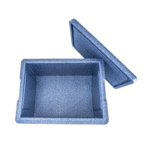
Pilihan isolasi umum memiliki kekuatan bersyarat. Busa diperluas yang dibentuk dapat memberikan insulasi ringan dan geometri lokasi. Format cetakan yang dapat digunakan kembali mungkin mendukung penanganan berulang saat putaran pengembalian dan inspeksi berfungsi. Panel busa kaku dapat dirakit menjadi struktur lain. Panel isolasi vakum dapat memberikan ketahanan yang tinggi melalui area luas yang relatif tipis, tapi tepi panel, perlindungan tusukan, dan deteksi kerusakan memerlukan perhatian. Pelapis berbahan dasar serat dapat mendukung tujuan pembuangan atau pemulihan tertentu, tergantung pada kelembapan dan kinerja tingkat kemasan.
Jangan memilih hanya berdasarkan angka konduktivitas termal. Nilai tersebut menggambarkan spesimen yang diuji dalam kondisi tertentu. Performa kotak akhir juga bergantung pada ketebalan, sendi, daerah, penutup, penuaan, kelembaban, kompresi, pembuatan, dan aliran udara internal. Jalur terlemah mungkin adalah bagian penutup, bukan bagian tengah dinding.
Pilihan refrigeran harus mengikuti persyaratan produk. Paket berbahan dasar air, Batu bata yang kaku, bahan perubahan fase, dan es kering berperilaku berbeda. Pengkondisian, kuantitas, penempatan, kontak, dan suhu awal membentuk lingkungan muatan. Komponen yang lebih dingin dapat menimbulkan risiko pembekuan lokal; lebih banyak cairan pendingin dapat mengurangi muatan yang dapat digunakan dan menambah beban pengkondisian. Es kering juga membawa permukaan yang sangat dingin, gas sublimasi, dan persyaratan transportasi yang harus diperiksa untuk rute dan moda.
Bangun ketahanan kesalahan ke dalam arsitektur. Gunakan bentuk yang dikunci, label yang berbeda, urutan lapisan sederhana, sisipan terkontrol untuk beban parsial, dan penutupan yang dapat diverifikasi secara visual. Hindari beberapa panel serupa yang dapat dibalik oleh pengemas. Rancang paket sehingga metode yang benar jelas bahkan pada saat permintaan puncak.
Bayangkan sebuah jaringan laboratorium yang mengirimkan dua ukuran kit spesimen dari beberapa klinik. Satu kotak besar mengurangi kode pembelian, tetapi klinik mengisi ruang kosong secara berbeda dan menempatkan cairan pendingin sesuai kebutuhan. Tim proyek membuat sisipan muatan kecil yang terkontrol dan satu peta komponen, kemudian menguji pengaturan minimum dan maksimum. Hal ini juga menegaskan bahwa penahanan spesimen dan penandaan pengangkutan yang diperlukan masih sesuai. Contoh hipotetis ini menunjukkan bahwa standardisasi bekerja melalui varian yang terkontrol, bukan improvisasi.
Jadikan Setiap Klaim yang Lulus sebagai Gerbang Bukti
Atur bukti sesuai dengan pertanyaan yang dapat dijawabnya. Data material membantu isolasi layar. Gambar dan toleransi menggambarkan bagian tersebut. Tes pengembangan mengungkapkan lokasi panas dan dingin. Kualifikasi mengevaluasi paket yang ditentukan berdasarkan tantangan yang disetujui. Uji coba operasional menunjukkan apakah orang dapat melaksanakannya. Catatan produksi menunjukkan apakah unit yang dipasok tetap sesuai dengan kondisi yang disetujui.
| Gerbang bukti | Keputusan | Kondisi yang harus tetap terlihat |
|---|---|---|
| Bahan dan komponen | Apakah konsep tersebut cocok untuk dikembangkan? | Metode pengujian, kondisi spesimen, ketebalan, sumber, geometri, keterbatasan |
| Pengembangan paket jadi | Lokasi paket dan sensor mana yang layak mendapatkan kualifikasi? | Revisi kotak, pendingin, muatan, keadaan awal, tantangan lingkungan |
| Kualifikasi | Apakah sistem yang dikendalikan memenuhi kriteria yang telah ditentukan? | Profil, lamanya, sampel, instrumentasi, aturan penerimaan, penyimpangan |
| Pilot stasiun paket | Dapatkah operator rutin mereproduksi desain tersebut? | Staf, peralatan, petunjuk, variasi pesanan, kesalahan, perubahan korektif |
| Rilis produksi | Apakah lot yang dikirimkan sesuai dengan persetujuan? | Revisi gambar, pemeriksaan kritis, identitas banyak, status perubahan yang disetujui |
| Tinjauan lanjutan | Apakah sistem masih layak untuk jalur tersebut? | Alarm, kerusakan, penundaan, perubahan, keluhan, data pengembalian dan pemeriksaan |
Urutan ini mencegah inflasi bukti. Konduktivitas material yang rendah tidak menentukan durasi rute. Uji ruang tidak menentukan konsistensi produksi. Pengiriman lapangan yang lewat tidak mencakup setiap musim. Setiap hasil harus mempertahankan konfigurasinya dan menggunakan batasnya.
Laporan termal harus mengidentifikasi status produksi sampel, bill of material yang tepat, muatan atau simulasi yang dibenarkan, kondisi awal, identitas dan pengkondisian refrigeran, paket, profil lingkungan, lamanya, lokasi logger dan kalibrasi, interval pengambilan sampel, Kriteria penerimaan, Hasil, dan penyimpangan. Hindari laporan yang hanya menampilkan kurva rata-rata. Lokasi pengukuran panas dan dingin mungkin penting secara terpisah.
Standar ISTA 20 menyediakan proses untuk kontainer pengiriman terisolasi desain dan kualifikasi, dan ISTA 7E menyediakan profil termal untuk pengujian pengiriman paket. Panduan teknis WHO membahas kualifikasi peti kemas, pembuatan profil rute, dan pemantauan transportasi untuk waktu- dan produk farmasi yang sensitif terhadap suhu. Sumber daya ini dapat memperkuat program jika memungkinkan. Mereka tidak mensertifikasi setiap kotak untuk setiap produk atau jalur.
Batasan peraturan memerlukan disiplin yang sama. Praktik Distribusi yang Baik UE dan Kapitel Umum USP 1079 dapat menginformasikan pengendalian distribusi produk obat. Persyaratan transportasi sanitasi FDA mungkin berlaku untuk operasi dan alamat makanan tertentu di AS, antara lain, suhu dan praktik sanitasi. Spesimen dan es kering dapat memicu tugas pengangkutan lainnya. Kualitas yang bertanggung jawab, keamanan, dan personel hukum harus memastikan penerapannya saat ini.
Pertahankan Status yang Disetujui Melalui Pengadaan dan Operasi
Kontrak massal harus mengidentifikasi lebih dari sekedar harga dan dimensi eksternal. Referensi gambar yang disetujui, toleransi kritis, isolasi dan deskripsi komponen, penutup, Label, identifikasi banyak, perlindungan pengiriman, harapan inspeksi, dan revisi dokumen. Tentukan bagaimana lot yang tidak sesuai ditampung dan bagaimana materialnya, sumber, perkakas, proses, lokasi, atau perubahan dimensi diberitahukan sebelum implementasi.
Alat pengambilan keputusan yang berguna
Periksa detailnya sebelum Anda memilih kemasan
Alat cepat ini dapat membantu Anda membandingkan risiko rute, kebutuhan ukuran, pilihan pendingin, dan detail kemasan sebelum Anda meminta penawaran.
Pemilih Kemasan
Bandingkan opsi kemasan berinsulasi berdasarkan produk, rute, dan kebutuhan suhu.
Temukan kemasannyaPendingin & Referensi PCM
Bandingkan opsi cairan pendingin dan PCM ketika suatu rute memerlukan dukungan suhu tambahan.
Bandingkan pilihanKalkulator Paket Es
Perkirakan jumlah paket es gel untuk pengiriman dingin dan perencanaan rute yang praktis.
Perkirakan kantong esKontrol artikel pertama menghubungkan sampel dengan skala. Konfirmasikan apakah unit evaluasi menggunakan alat dan sumber produksi yang dimaksudkan. Periksa lot produksi pertama sebelum penggunaan tidak terbatas. Simpan catatan terkontrol yang menunjukkan bagaimana tim yang masuk akan membedakan lot yang dapat diterima. Jika pemasok mengusulkan alternatif selama kekurangan, memerlukan tinjauan risiko daripada menerima kata yang setara.
Ketahanan komersial harus direncanakan dengan kesetaraan teknis. Identifikasi komponen lead panjang atau sumber tunggal, kepemilikan perkakas, peningkatan pesanan, fleksibilitas perkiraan, dan kebutuhan penyimpanan. Evaluasi terlebih dahulu paket alternatif jika konsekuensi pengiriman memerlukannya. Gudang yang penuh dengan kotak tidak mengatasi kekurangan cairan pendingin atau panel di masa depan.
Di stasiun paket, tetapkan setiap konfigurasi yang disetujui kode unik. Instruksi yang dikontrol harus menyatakan kisaran muatan, urutan komponen, keadaan dingin, posisi produk, pemeriksaan penutupan, memantau aktivasi dan penempatan saat digunakan, Label, dan verifikasi akhir. Pisahkan varian musiman secara fisik dan elektronik. Hapus salinan usang.
Latih karyawan untuk berhenti pada pengecualian: produk pada kondisi awal yang salah, pendingin tidak tersedia, kotak retak, panel hilang, penutupan gagal, muatan yang salah, kesalahan monitor, atau penundaan operator. Koreksi yang diimprovisasi dapat menciptakan konfigurasi tanpa bukti pendukung. Eskalasi harus cukup mudah digunakan di bawah tekanan produksi.
Penerimaan melengkapi rantai kendali. Definisikan inspeksi, transfer ke penyimpanan, pengambilan perangkat, ulasan alarm, karantina, retensi catatan, dan komunikasi. Untuk pengiriman ke rumah, membuat instruksi pembongkaran dan kontak jelas tanpa mengharapkan penerima menafsirkan data termal yang rumit.
Aset yang dapat digunakan kembali memerlukan kondisi pengembalian yang disetujui. Tentukan pembersihan, pengeringan, inspeksi, memperbaiki, penggantian komponen, pelabelan ulang, dan pensiun. Lacak unit yang rusak dan hilang sehingga model inventaris dan siklus hidup menggunakan kinerja sebenarnya. Pisahkan aset yang ditolak dari stok yang dapat dikemas.
Gunakan Data Operasi untuk Meningkatkan Biaya dan Keberlanjutan
Dasbor yang paling berguna menghubungkan kualitas, melayani, biaya, dan aliran material. Lacak pengiriman berdasarkan jalur dan konfigurasi; penyimpangan paket; alarm suhu; data yang hilang; kerusakan; pengiriman terlambat; waktu disposisi produk; ketidaksesuaian pemasok; pemanfaatan muatan; Dan, untuk sistem yang dapat digunakan kembali, kembali, kehilangan, memperbaiki, penolakan pembersihan, dan perjalanan per aset. Pilih kumpulan yang dapat dikelola dan terkait dengan keputusan.
Tinjau berdasarkan segmen. Satu transfer bandara atau stasiun paket mungkin tidak stabil sementara keseluruhan program tampak normal. Periksa kejadian nyaris celaka seperti komponen hilang yang ditemukan pada pemeriksaan akhir. Mereka mengungkapkan kelemahan pengendalian sebelum keputusan produk diperlukan.
Total biaya harus dihitung per pengiriman berguna atau unit produk yang dilindungi. Sertakan pembelian kemasan, angkutan masuk, ruang gudang, pengkondisian pendingin, tenaga kerja, kubus luar, transportasi keluar, pemantauan, limbah, logistik terbalik, pembersihan, memperbaiki, kehilangan aset, dan investigasi. Gunakan rentang untuk pengembalian dan penundaan di masa depan yang tidak pasti. Ini memperlihatkan ketika sistem yang lebih berat dapat digunakan kembali, dinding tipis berkinerja tinggi, atau paket sekali pakai yang lebih sederhana masuk akal secara ekonomi.
Perbandingan lingkungan memerlukan batasan fungsional yang sama. Pendekatan pengelolaan material berkelanjutan EPA mempertimbangkan material berdasarkan siklus hidupnya. Untuk kemasan terisolasi, itu berarti perlindungan produk, produksi materi, mengangkut, pengkondisian, penggunaan kembali, dan akhir kehidupan. Label yang dapat didaur ulang atau digunakan kembali tidak mencerminkan hasilnya sendiri.
Untuk sistem yang dapat dikembalikan, memodelkan jarak balik sebenarnya, transportasi kosong, pembersihan, memperbaiki, dan kerugian. Untuk sekali pakai, periksa ukuran yang tepat, pemisahan materi, pemulihan tujuan, dan pembuangan. Sertakan kehilangan produk dengan hati-hati; mencegah kehilangan adalah fungsi pengemasan yang sebenarnya, namun perkiraan penghindaran yang tidak didukung dapat merusak hasil. Jika penilaian siklus hidup formal digunakan, menjaga geografinya, energi, alokasi, dan asumsi umur layanan terlihat.
Perbaikan kemudian menjadi praktis. Ukuran pemanfaatan muatan yang buruk mungkin membenarkan konfigurasi yang lebih kecil. Kerusakan tutup yang sering terjadi mungkin memerlukan perubahan desain atau penanganan. Pengembalian yang rendah mungkin memerlukan insentif penerima atau kumpulan aset yang berbeda. Alarm yang berulang pada satu rute mungkin memerlukan peninjauan layanan atau profil, bukan peningkatan pengemasan di seluruh jaringan.
Pertanyaan yang sering diajukan
Apa langkah pertama dalam mendesain ulang rantai pasokan kotak terisolasi?
Buat paspor rute untuk segmen pengiriman utama dan pengecualian dengan risiko tertinggi. Hubungkan batas produk, muatan, jam rute, tantangan lingkungan, serah terima, kemampuan operasi, kuitansi, dan akhir penggunaan. Hal ini mengungkap apakah masalah saat ini berasal dari kemasan, melayani, instruksi, variasi pemasok, atau kombinasi sebelum kotak baru dibeli.
Dapatkah sekelompok kecil kotak mencakup jaringan global?
Ini mungkin mencakup beberapa segmen jika pengelompokan muatan dan bukti rute mendukung rencana tersebut. Iklim, moda transportasi, tinggal di perbatasan, batasan produk, kemampuan staf, dan sistem akhir kehidupan bervariasi. Standarisasi logika konfigurasi dan dokumentasi terlebih dahulu. Pertahankan paket atau sistem terpisah untuk rute yang risikonya tidak dapat dibenarkan dalam platform umum.
Bagaimana seharusnya data waktu tunggu pemasok digunakan?
Perlakukan itu sebagai bukti hanya untuk konfigurasi dan kondisi pengujian yang dilaporkan. Tinjau muatan, keadaan awal, pendingin, profil lingkungan, lamanya, lokasi sensor, aturan penerimaan, dan status sampel. Kemudian putuskan apakah tantangan tersebut mewakili rute Anda. Jangan memperpanjang durasinya ke ukuran kotak yang berbeda, beban parsial, musim, atau produk tanpa penilaian teknis.
Kapan pemantauan paling berharga?
Pemantauan sangat berharga ketika data mendukung tindakan yang ditentukan, seperti pelepasan pengiriman, investigasi penyimpangan, ulasan jalur, atau intervensi. Pilih perangkat dan posisi untuk keputusan itu dan tentukan kalibrasi, pengaktifan, kepemilikan, tinjauan data, dan penanganan data yang hilang. Lebih banyak data tidak secara otomatis memiliki lebih banyak kontrol, dan perangkat tidak menggantikan perlindungan termal.
Kesimpulan
Rantai pasokan kotak terisolasi menjadi andal ketika beroperasi sebagai satu lingkaran: paspor rute menentukan kebutuhan, arsitektur sistem mengatasi mode kegagalan, gerbang bukti membatasi klaim, pengendalian sumber dan stasiun pengepakan mempertahankan kondisi yang disetujui, dan peningkatan drive data pengiriman. Struktur ini mendukung pembelian massal tanpa mengizinkan harga, reputasi materi, atau hasil pengujian tunggal untuk menggantikan penilaian teknis.
Mulailah dengan satu konfigurasi dan lacak dari ujung ke ujung. Jika gambarnya, laporan pengujian, banyak produksi, catatan paket, data pengiriman, dan menerima keputusan tidak dapat dihubungkan, itulah kesenjangan kontrol pertama yang ditutup.
Tentang tempk
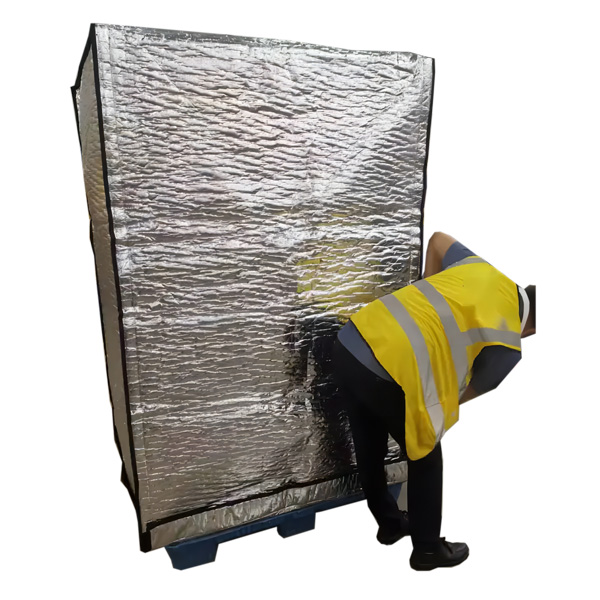
Tempk memasok kategori produk berinsulasi dan pendingin untuk aplikasi rantai dingin, termasuk Kotak berinsulasi EPP, kotak pengiriman dingin, liner terisolasi, kantong termal, penutup palet, Paket gel, Dan Paket es kering. Kita dapat meninjau paspor rute dan mendiskusikan format kontainer dan zat pendingin mana yang layak dievaluasi untuk muatan dan pengoperasian yang ditentukan. Kesesuaian harus dikonfirmasi pada tingkat sistem yang lengkap, dengan bukti yang mewakili produksi dan penggunaan yang terkendali, bukan diasumsikan dari komponen individual.
CTA: Kirimi Tempk paspor rute untuk pengiriman target Anda guna memulai pengemasan terfokus dan diskusi peningkatan skala.