Kotak Transportasi EPP Ringkas: Cara yang Lebih Baik untuk Menentukan Pengirim Kecil
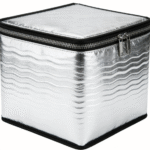
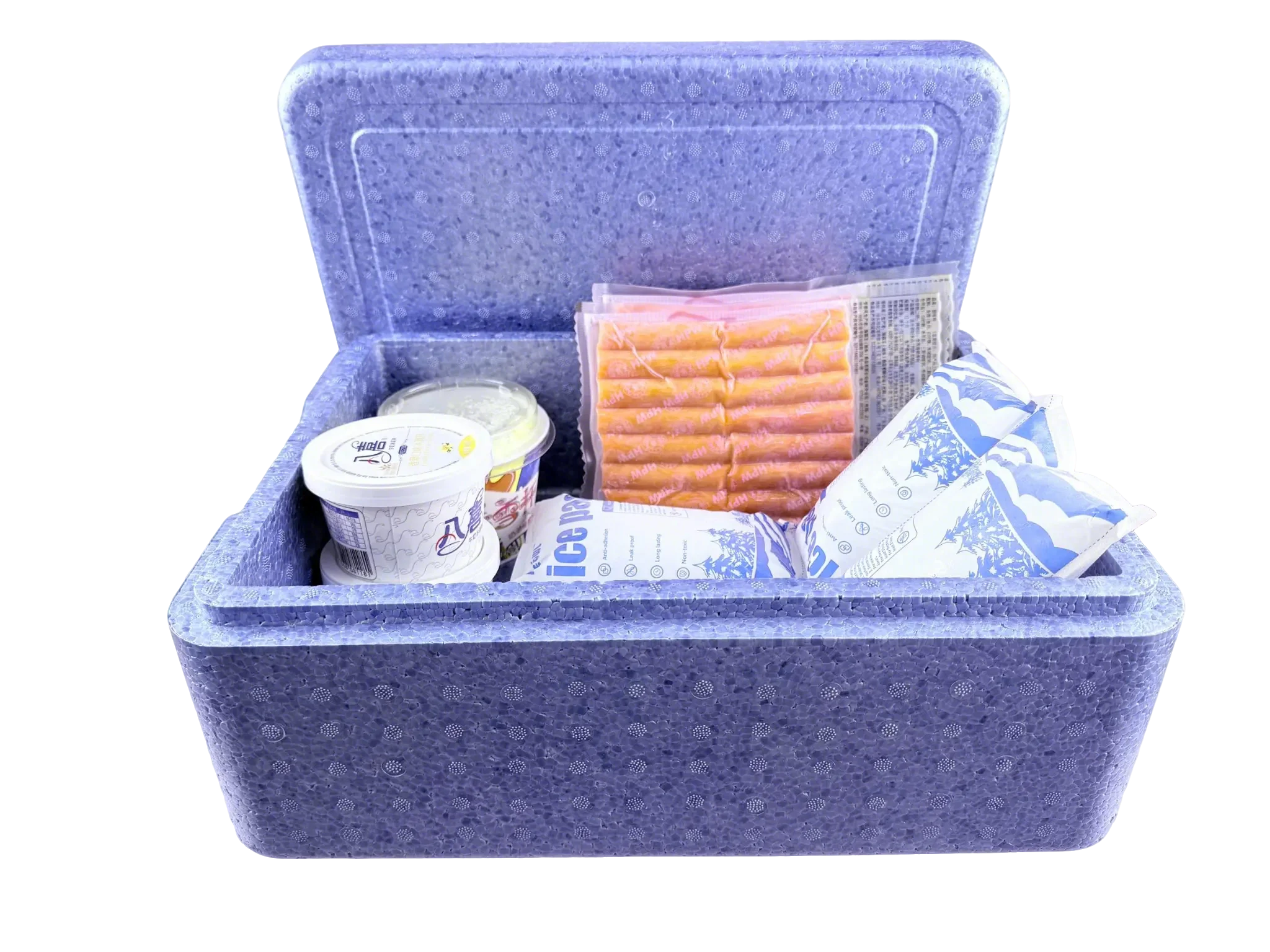
Dua penemuan yang merugikan adalah bahwa cairan pendingin menyisakan terlalu sedikit ruang muatan dan klaim termal pemasok mencakup paket yang berbeda. Sebuah kompak Kotak transportasi EPP dapat menjadi pilihan praktis untuk dilindungi, gerakan terisolasi, terutama jika massa paket rendah dan penanganannya berulang kali. Pembelian tetap harus dimulai dengan pengiriman, bukan busanya. Tentukan kondisi produk, paparan rute, ruang yang dapat digunakan, pengaturan pendingin, bukti, dan proses operasi terlebih dahulu. Kemudian kotak tersebut dapat dievaluasi untuk pekerjaan sebenarnya dan bukan berdasarkan daftar sifat material yang menarik.
Keputusan Produk Memiliki Tiga Lapisan
Pembeli sering kali menanyakan satu barang dan menerima jawaban tentang tiga hal berbeda. Memisahkannya akan mencegah kebingungan pada tahap kutipan.
Lapisan pertama adalah pembawa fisik. Ini termasuk alas dan penutup EPP yang dibentuk, geometri dinding, penutup, menangani, sisipan, daerah identifikasi, dan dimensi. Tugasnya mungkin termasuk isolasi, perlindungan dampak, penanganan yang nyaman, dan interaksi tumpukan. Fungsi-fungsi tersebut dapat diperiksa dan diuji, tetapi mereka tidak menentukan sendiri kondisi suhu suatu produk.
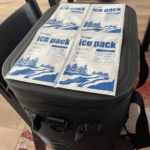
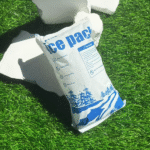
Lapisan kedua adalah konfigurasi termal. Paket pasif yang dikontrol suhu menggabungkan kotak isolasi dengan AC Paket gel atau bahan perubahan fase, muatan, kemasan sekunder, pengatur jarak, hambatan, dan pola pemuatan yang tepat. Suhu awal dan waktu perakitan yang diizinkan adalah bagian dari lapisan ini. Ganti zat pendingin, kuantitas muatan, pengaturan, atau desain kotak dan perilaku termal dapat berubah.
Lapisan ketiga adalah proses pengiriman terkontrol. Ini mencakup tempat komponen disimpan, yang mengkondisikan cairan pendingin, bagaimana operator memuat dan menutup kotak, logger mana yang ditempatkan di mana, bagaimana pengiriman diberi label, bagaimana serah terima dikelola, apa yang diperiksa staf penerima, dan bagaimana data atau kunjungan ditinjau. Penggunaan kembali menambah koleksi, pembersihan, inspeksi, melepaskan, dan pensiun.
Lapisan-lapisan ini menjawab pertanyaan yang berbeda:
- Dapatkah kontainer secara fisik membawa dan melindungi muatan?? Tinjau dimensi, struktur, penutup, ergonomi, dan bahaya distribusi.
- Bisakah paket yang ditentukan mempertahankan kondisi yang diperlukan? Kembangkan dan uji konfigurasi lengkap di bawah tantangan termal yang dapat dibenarkan.
- Bisakah organisasi mereproduksi dan mengendalikannya?? Tetapkan instruksi, pelatihan, catatan, pemantauan, mengubah kendali, dan penanganan penyimpangan.
Pernyataan material dapat mendukung pertanyaan pertama. Laporan termal dapat mendukung yang kedua jika cocok dengan konfigurasi yang tepat. Tidak ada yang membuktikan yang ketiga. Inilah sebabnya mengapa frasa luas seperti tingkat farmasi, materi yang divalidasi, atau kepatuhan rantai dingin memerlukan klarifikasi. Harapan kualitas biasanya berlaku untuk suatu produk, kemasan, proses, atau organisasi dalam lingkup tertentu, tidak untuk EPP secara abstrak.
Ubah Jalur Menjadi Spesifikasi
Permintaan kutipan yang berguna dimulai dengan ringkasan rute singkat. Tidak perlu berisi rincian produk yang bersifat rahasia, namun hal ini harus memberikan informasi yang cukup kepada pemasok untuk melihat kendalanya. Jika faktanya belum diketahui, tandai hal tersebut sebagai keputusan, bukan mengisi kekosongan dengan asumsi.
| Pertanyaan pengiriman | Apa yang harus direkam | Mengapa hal ini mengubah solusinya |
|---|---|---|
| Dalam kondisi apa produk harus tetap berada dalam kondisi tersebut? | Persyaratan pengangkutan atau penyimpanan yang disetujui dan pembekuan apa pun, panas, atau sensitivitas cahaya | Memandu pemilihan zat pendingin, pemisahan, Kriteria penerimaan, dan pemantauan |
| Jam berapa perjalanannya? | Pengepakan dimulai, transit yang direncanakan, serah terima, menerima penundaan, dan tunjangan penundaan yang dibenarkan | Menentukan periode pemaparan yang harus dipenuhi oleh kualifikasi |
| Apa yang sebenarnya menempati kotak itu? | Jumlah produk, kemasan sekunder, ukuran, massa, orientasi, dan memuat ekstrem | Menentukan ruang muatan yang dapat digunakan dan massa termal |
| Tantangan lingkungan apa yang dapat dipercaya? | Data rute musiman, kendaraan, fasilitas, landai, paparan di depan pintu, dan acara pembuka | Mendukung pemilihan profil pengujian yang relevan daripada pengaturan ruang yang nyaman |
| Bagaimana unit tersebut akan ditangani? | Jaringan parsel atau pengangkutan, tetes, getaran, kompresi, menumpuk, membawa manual, dan kebutuhan keamanan | Mendorong desain struktural dan pemilihan uji mekanis |
| Apakah sekali jalan atau pulang pergi? | Kepemilikan, jalur pemulihan, lokasi pembersihan, perubahan haluan, pengendalian kerugian, dan jalan akhir kehidupan | Menentukan apakah format yang dapat digunakan kembali kredibel secara operasional dan lingkungan |
| Bukti apa yang diperlukan? | Persetujuan kualitas internal, dokumen pelanggan, pedoman yang berlaku, laporan pengujian, dan catatan perjalanan | Menetapkan cakupan dokumentasi lebih awal |
Tabel ini mengubah preferensi yang tidak jelas menjadi masukan desain. Hal ini juga mencegah dimensi eksternal menjadi satu-satunya dasar perbandingan. Sebuah kotak dapat terlihat kompak namun memberikan sedikit muatan yang dapat digunakan setelah berdinding tebal, pendingin, jangka pembagi garis, dan peralatan pemantauan disertakan. Mintalah gambar pemuatan atau uji coba paket fisik, bukan sekadar angka volume kotor.
Waktu transit mungkin tidak termasuk pementasan, koneksi yang terlewat, tempat tinggal pembawa, dan menunda pembongkaran. Durasi kualifikasi dan kondisi sekitar harus mencakup risiko jalur yang dapat dibenarkan; klaim waktu tunggu yang mengesankan pada muatan atau profil yang tidak terkait tidaklah lebih berguna.
Perilaku pembukaan adalah masukan spesifikasi lainnya. Paket tersegel dan kotak layanan multi-stop adalah sistem yang berbeda. Setiap pembukaan pertukaran udara internal dan eksternal, mengganggu posisi komponen, dan dapat mengekspos muatannya saat staf mencari suatu barang. Jika akses selama rute dimaksudkan, sertakan dalam instruksi pengembangan dan pengujian daripada memperlakukannya sebagai detail operator.
Dimana EPP Mendapatkan Tempatnya
Polipropilena yang diperluas adalah cetakan, terutama busa polipropilena sel tertutup. Struktur seluler memberikan kombinasi massa rendah yang berguna, Isolasi Termal, penyerapan energi, ketangguhan, serapan air yang rendah, dan ketahanan terhadap bahan kimia tertentu. Itu dapat dibentuk menjadi bentuk yang terintegrasi, memungkinkan reses, tulang rusuk, genggaman, menemukan fitur, dan antarmuka penutup untuk dirancang menjadi suatu bagian.
Properti tersebut dapat sangat membantu dalam wadah kompak. Massa cangkang yang rendah memberikan lebih banyak ruang untuk penanganan muatan dan cairan pendingin. Ketahanan dapat disesuaikan dengan gerakan berulang di mana sisipan yang rapuh akan mengalami benturan biasa. Fitur lokasi yang dibentuk dapat membuat paket lebih mudah direproduksi. Tutup dan alas EPP juga dapat ditangani tanpa cangkang kaku terpisah pada beberapa aplikasi, mengurangi jumlah komponen yang lepas.
Setiap keuntungan memiliki batasnya. Perilaku bagian cetakan bergantung pada kualitas material, kepadatan, pengolahan, geometri, dan kondisi. Ketahanan bahan kimia harus diperiksa terhadap pembersih sebenarnya, desinfektan, perekat label, dan paparan. Penyerapan air yang rendah tidak membuat sambungan tutup menjadi anti bocor atau membuat proses sanitasi menjadi lancar. Ketahanan terhadap benturan tidak berarti kotak tersebut dapat digunakan tanpa batas waktu tanpa pemeriksaan. Daur ulang sebagai termoplastik tidak menjamin pengumpulan lokal atau keberhasilan pemulihan.
Alternatif harus tetap ada dalam percakapan. Satu arah pengirim terisolasi mungkin cocok dengan rute tanpa arus balik. Casing luar yang kaku mungkin lebih disukai jika aman, perangkat keras, atau perlindungan mekanis yang parah mendominasi. Sistem bertenaga aktif dapat dipertimbangkan saat melakukan rute, lamanya, nilai muatan, atau strategi pengendalian membuat kemasan pasif tidak cocok. Tas jinjing yang tidak berinsulasi dan dapat digunakan kembali mungkin cukup untuk bergerak sepenuhnya dalam lingkungan yang terkendali. Pertanyaannya bukanlah apakah EPP merupakan material terbaik secara umum; apakah keseimbangan massanya, isolasi, perlindungan, kebebasan mencetak, dan penggunaan kembali sesuai dengan model operasi ini.
Uji sampel representatif dengan kemasan sekunder dan cairan pendingin. Periksa izin, tempat duduk tutup, pergerakan, keseimbangan, pemindaian label, menumpuk, dan membongkar barang dalam kondisi tempat kerja yang realistis. Tinjauan kegunaan ini tidak menggantikan kualifikasi, tapi itu bisa menghilangkan desain yang buruk sejak dini.
Buat Buktinya Ikuti Konfigurasinya
Buktinya harus menjadi lebih spesifik seiring dengan semakin spesifiknya klaim. Informasi teknis material dapat memastikan bahwa busa tersebut adalah EPP dan menjelaskan sifat yang diukur berdasarkan metode yang disebutkan. Gambar bagian yang sudah jadi dan catatan inspeksi menetapkan dimensi dan konstruksi. Pengujian mekanis memeriksa bahaya seperti jatuh, getaran, dan kompresi. Kualifikasi termal memeriksa paket lengkap. Catatan operasional menunjukkan apakah pengiriman rutin mengikuti proses yang disetujui.
Untuk sistem parsel terisolasi, Standar ISTA 20 menyediakan desain terstruktur dan proses kualifikasi, dan ISTA 7E menyediakan profil termal standar yang diperoleh untuk lingkungan pengiriman paket. Sebuah bisnis mungkin menggunakan sumber daya tersebut atau membenarkan pendekatan lain, tetapi tidak boleh mencantumkan nama profil seolah-olah itu adalah hasil paket. ASTM D4169 dapat menginformasikan pengujian distribusi melalui urutan bahaya pengiriman yang diantisipasi. Pertanyaan termal dan mekanis dapat berinteraksi, namun masing-masing memerlukan metode dan kriteria penerimaan yang jelas.
Alat pengambilan keputusan yang berguna
Periksa detailnya sebelum Anda memilih kemasan
Alat cepat ini dapat membantu Anda membandingkan risiko rute, kebutuhan ukuran, pilihan pendingin, dan detail kemasan sebelum Anda meminta penawaran.
Kalkulator Paket Es
Perkirakan jumlah paket es gel untuk pengiriman dingin dan perencanaan rute yang praktis.
Perkirakan kantong esPelapis Kotak & Ukuran Penutup Palet
Centang kotak logika ukuran penutup palet dan liner untuk proyek pengemasan berinsulasi.
Perkiraan ukuranPendingin & Referensi PCM
Bandingkan opsi cairan pendingin dan PCM ketika suatu rute memerlukan dukungan suhu tambahan.
Bandingkan pilihanLaporan termal yang berguna mengidentifikasi versi kotak yang diuji, sampel produksi, pendingin dan pengkondisian, muatan dan pembebanan yang ekstrem, Diagram Paket, kondisi awal, profil lingkungan, lokasi sensor, peralatan pemantauan, pengulangan, batas penerimaan, penyimpangan, dan hasil. Hal ini juga harus menyatakan apa yang tercakup dalam kesimpulan. Jika pembeli merencanakan paket gel yang berbeda, menambahkan pemisah, mengurangi muatan, mengubah tutupnya, atau memperluas rute, relevansi laporan harus ditinjau.
Pemetaan suhu dalam paket penting karena satu sensor udara dapat mendeteksi lokasi lokal yang panas atau dingin. Studi pembangunan dapat membantu mengidentifikasi posisi-posisi yang menantang; penempatan sensor kualifikasi kemudian harus dibenarkan. Pencatat pengiriman yang digunakan dalam operasi memiliki tujuan berbeda. Akurasi mereka, status kalibrasi, selang, tanggapan, penempatan, metode mulai, alarm, pengambilan data, dan alur kerja laporan harus mendukung keputusan yang dimaksudkan. Seorang logger memberikan bukti kondisi pada titik pengukurannya. Itu tidak dapat mengkompensasi paket yang tidak memadai.
Referensi peraturan dan industri harus diterapkan dengan perhatian yang sama terhadap ruang lingkupnya. Praktik distribusi obat yang baik mungkin memerlukan kondisi penyimpanan dan tanggung jawab tertentu yang harus dipertahankan melalui transportasi. Kerangka kerja pengendalian suhu IATA mungkin berlaku untuk kargo perawatan kesehatan yang dipesan dan ditangani sesuai waktunya- dan proses yang sensitif terhadap suhu. WHO menerbitkan sumber daya kinerja dan verifikasi spesifik untuk kotak pendingin vaksin, paket pendingin, dan perangkat pemantauan. Tak satu pun dari ini yang menjadi hal biasa kotak EPP cocok secara universal. Tim mutu dan logistik yang bertanggung jawab harus mengidentifikasi persyaratan untuk produk tertentu, jalur, dan pasar.
Akhirnya, mengontrol dokumen yang mereproduksi bukti: tagihan bahan, gambar, instruksi paket, prosedur pengkondisian pendingin, penyimpanan komponen, waktu perakitan maksimum, langkah penutupan dan pelabelan, pengaturan pencatat, menerima pemeriksaan, dan proses ekskursi. Kualifikasi berguna hanya ketika operasi dapat mengulangi apa yang telah memenuhi syarat.
Perlakukan Penggunaan Kembali sebagai Armada Terkelola
Alasan finansial dan lingkungan untuk penggunaan kembali bergantung pada sirkulasi yang dicapai, bukan label. Kotak EPP yang ringkas mungkin secara fisik mampu melakukan banyak perjalanan, namun organisasi memerlukan unit yang cukup di tempat yang tepat, layanan pengembalian, proses pembersihan dan pengeringan, kapasitas pemeriksaan, stok karantina, dan identifikasi yang dapat diandalkan. Kerugian dan pengembalian yang lambat dapat memaksa pembelian darurat atau mengganggu pengiriman meskipun kotaknya masih dalam keadaan baik.
Pertimbangkan sebuah perusahaan hipotetis yang memindahkan bahan kontrol yang sensitif terhadap suhu antara fasilitas pusat dan dua laboratorium satelit. Rutenya dijadwalkan, kendaraan kembali ke hub, dan staf penerima dapat memindai sebuah kotak sebelum menempatkannya di area pengembalian. Hal ini membuat format EPP yang dapat digunakan kembali perlu ditelusuri, tapi itu tidak menyelesaikan keputusan.
Tim pertama-tama memperbaiki kondisi pengangkutan yang disetujui dari dokumentasi produk dan memetakan tempat tinggal terburuk yang kredibel pada setiap serah terima. Ini mengembangkan paket dengan pengaturan pendingin yang ditentukan dan menjalankan studi termal dan distribusi. Secara paralel, kotak serial pilot operasi. Catatan staf kembali, waktu pembersihan, kerusakan penutupan, residu label, sisipan yang hilang, kesalahan pemuatan, dan kegagalan pemindai. Pilot mengungkapkan bahwa selongsong dokumen yang dapat dilepas mengganggu penumpukan, jadi lokasi didesain ulang sebelum konfigurasi dibekukan dan diuji lagi sesuai kebutuhan.
Untuk penggunaan rutin, setiap unit yang dikembalikan bergerak melalui aliran status sederhana: digunakan, diterima, diperiksa, dibersihkan, kering, dilepaskan, atau dikarantina. Inspeksi berfokus pada risiko fungsional seperti deformasi kelopak mata, dinding yang hancur, luka yang dalam, kontaminasi, komponen yang hilang, dan identifikasi yang tidak terbaca. Pensiun didasarkan pada kriteria tersebut dan bukan berdasarkan perhitungan siklus universal yang tidak didukung.
Kontrol perubahan pemasok juga melindungi armada. Pembeli harus menyetujui perubahan mana yang akan dikomunikasikan, termasuk kelas materi, proses pencetakan, alat, sasaran kepadatan, ukuran, pewarna jika relevan, geometri tutup, sisipan, dan produksi yang dialihdayakan. Tim mutu kemudian dapat memutuskan apakah akan dilakukan peninjauan dokumen, perbandingan sampel, tes yang ditargetkan, atau rekualifikasi yang lebih luas adalah tepat. Tanpa koneksi itu, kotak pengganti mungkin terlihat sama namun tidak lagi cocok dengan file bukti.
Di akhir layanan, bisnis harus mengetahui apakah pemulihan lokal menerima EPP bersih dan bagaimana label terpasang, kaset, tali pengikat, atau bahan lain dihilangkan. Jika tidak ada rute pemulihan, Klaim mengenai kemampuan untuk didaur ulang harus dinyatakan sebagai potensi material, bukan hasil yang dicapai. Kejujuran yang sama harus diterapkan untuk penggunaan kembali: melacak pengembalian aktual, kerusakan, pembersihan, dan pensiun, kemudian perbaiki loop dengan bukti.
Pertanyaan yang sering diajukan
Apakah EPP selalu lebih baik dari EPS untuk kotak transportasi kecil?
Tidak ada materi yang selalu lebih baik. EPP sering dipertimbangkan ketika ketahanan dan penanganan berulang-ulang merupakan hal yang penting, sementara pengirim busa atau komposit lainnya mungkin mengenakan biaya satu arah, pemulihan lokal, geometri, atau kebutuhan termal berbeda. Bandingkan sistem lengkap menggunakan muatan yang sama, rute, tantangan lingkungan, penanganan risiko, ruang lingkup dokumentasi, dan model operasi. Jangan memilih hanya dari nama materialnya saja.
Bagaimana cara menghitung ruang muatan yang dapat digunakan?
Mulailah dengan geometri internal yang sebenarnya, lalu tempatkan semua cairan pendingin yang dibutuhkan, pemisah, kemasan sekunder, bagian kendali kekosongan, dan logger sesuai kebutuhan rencana pemuatan yang disetujui. Amplop yang tersisa yang dapat diakses adalah muatan yang dapat digunakan, tunduk pada batas massa dan orientasi. Konfirmasikan dengan uji coba pemuatan fisik. Volume internal kotor yang dipublikasikan mungkin tidak mewakili volume yang dapat dikirimkan dengan aman.
Bisakah kotak EPP yang sama menggunakan paket gel atau PCM?
Mungkin, tetapi komponen-komponennya tidak dapat dipertukarkan secara otomatis. Refrigeran yang berbeda dapat memiliki perilaku fase yang berbeda, instruksi pengkondisian, ukuran, risiko kontak, dan kapasitas termal. Mengubahnya dapat mengubah suhu muatan dan ruang yang dapat digunakan. Perlakukan zat pendingin dan pengaturannya sebagai bagian kemasan yang terkendali, dan meninjau atau menguji substitusi apa pun sebelum digunakan.
Perubahan apa yang dapat memicu pengujian ulang?
Pemicu potensial mencakup perubahan pada material kotak, kepadatan, geometri dinding atau tutup, perkakas, pendingin, pengkondisian, muatan, kemasan sekunder, pola pemuatan, posisi sensor, durasi rute, profil lingkungan, atau petunjuk pengoperasian. Efek dan risiko dari setiap perubahan harus menentukan responsnya. Tidak setiap perubahan memerlukan upaya yang sama, namun setiap perubahan yang relevan memerlukan penilaian yang terdokumentasi.
Kesimpulan: Beli Kiriman yang Dapat Direproduksi
Spesifikasi kotak kompak terkuat tidak dimulai dengan janji tentang EPP. Ini dimulai dengan muatan dan kondisi yang ditentukan, jam perjalanan yang kredibel, profil risiko ambien dan penanganan, dan keputusan tentang operasi satu arah atau kembali. EPP kemudian dapat dinilai berdasarkan kontribusinya: sebuah cahaya, dibentuk, isolasi, cangkang penyerap benturan.
Bangun cairan pendingin, muatan, pemisah, pemantauan, dan instruksi ke dalam satu konfigurasi terkontrol. Mintalah bukti yang cocok. Uji coba proses manusia dan pengembalian, mendefinisikan inspeksi dan mengubah kontrol, dan konfirmasikan persyaratan yang berlaku dengan spesialis yang bertanggung jawab. Saat potongan-potongan itu sejajar, kotak transportasi EPP yang ringkas menjadi lebih dari sekadar wadah; hal ini menjadi elemen yang dapat direproduksi dalam proses rantai dingin yang dikelola.
Tentang tempk
Persediaan sementara kemasan rantai dingin opsi yang dapat dianggap sebagai bagian dari sistem pengiriman yang ditentukan. Ini termasuk paket gel standar, opsi material perubahan fase yang direkayasa, kemasan terisolasi dengan desain EPP, dan desain paket atau dukungan pengujian. Peran kita bisa termasuk mendiskusikan bagaimana payloadnya, paparan rute, penempatan zat pendingin, ruang yang dapat digunakan, pemantauan yang dipilih pelanggan, dan bukti mempengaruhi pilihan kemasan. Kinerja akhir dan kesesuaian harus ditentukan untuk produk aktual pelanggan, konfigurasi, jalur, dan persyaratan kualitas.
Tentukan pengiriman sebelum memesan: Bagikan rute Anda, muatan, kondisi yang diperlukan, model kembali, dan kebutuhan bukti dengan Tempk untuk membandingkan pilihan yang tepat.