Peran Rantai Dingin Bata Keren, Kualifikasi, dan Bukti
Rantai dingin batu bata yang dingin hanya berfungsi jika batu bata tersebut memiliki peran yang ditentukan di dalam paket yang ditentukan. Pendingin menyimpan energi panas; isolasi memperlambat aliran panas; muatan dan komponen internal mempengaruhi respons suhu; dan pekerja menciptakan kondisi awal melalui persiapan dan pengepakan. Tak satu pun dari elemen tersebut mengkualifikasi elemen lainnya. Batu bata yang kaku dapat meningkatkan penempatan dan penanganan, tapi itu tidak mengubah kotak sembarang menjadi a pengirim dengan pengatur suhu.
Untuk kualitas, kemasan, dan tim pengadaan, pertanyaan utamanya bukanlah apakah batu bata terasa dingin. Pertanyaannya adalah apakah payload yang disebutkan dapat tetap berada dalam kondisi yang disetujui dalam konfigurasi yang dapat direproduksi, melalui tantangan yang beralasan, dengan bukti yang bertahan dari penggunaan operasional.
Tempatkan Batu Bata Keren pada Peran Sistem yang Tepat
Kemasan termal pasif mengelola panas daripada menghasilkan pendinginan aktif. Panas melintasi dinding, tutup, sendi, dan kesenjangan dari sebuah wadah terisolasi. Batu bata yang dingin menyerap sebagian energi tersebut seiring perubahan suhu dan, untuk formulasi perubahan fasa, seiring dengan perubahan fase material. Muatannya juga menyimpan dan melepaskan panas. Penempatannya mengontrol bagian mana dari energi pertukaran beban paling kuat dengan cairan pendingin.
Ini menciptakan gradien. Inti pendingin, permukaan cangkang, udara di dekatnya, permukaan produk, dan pusat produk semuanya dapat berada pada suhu yang berbeda pada waktu yang sama. Oleh karena itu, nilai transisi PCM nominal tidak sama dengan suhu muatan. Ini menggambarkan satu karakteristik material dalam kondisi tertentu; ini bukan termostat atau klaim durasi pengiriman.
Geometri mengubah jalur termal. Pelat yang lebar dapat menyebarkan kontak di sepanjang dinding namun dapat menciptakan zona dingin yang lebih luas. Blok padat dapat memusatkan massa termal dan mengonsumsi lebih banyak ruang sentral. Pemisah mengurangi kontak langsung, namun hal ini juga menambah resistensi dan dapat menciptakan area hangat lainnya. kapal, isi kosong, karton muatan, dan perangkat pemantauan semuanya berpartisipasi dalam paket.
Muatannya bukanlah pemberat uji yang dapat dipertukarkan. Massanya, membentuk, kemasan primer, suhu awal, dan posisi mempengaruhi kurva. Peralatan diagnostik kecil dapat merespons dengan cepat terhadap panas sekitar dan permukaan dingin; muatan makanan yang padat mungkin memiliki inersia termal yang lebih besar. Beban penuh dapat membatasi aliran udara, sedangkan beban minimum dapat meninggalkan celah yang besar. Tentukan kasus muatan yang benar-benar akan dilepaskan oleh program pengiriman.
Perilaku pembukaan juga menentukan peran sistem. Paket tersegel dan tas pengantaran yang dibuka di perhentian berulang kali merupakan penerapan yang berbeda, meskipun mereka menggunakan wadah dan batu bata yang sama. Pembukaan pertukaran udara internal, mengganggu penempatan, dan memperkenalkan muatan dengan kondisi awal yang baru. Kualifikasi tertutup tidak boleh diperluas untuk mencakup alur kerja multi-drop tanpa penilaian.
Oleh karena itu, spesifikasi komponen yang paling berguna mencakup identitas, ukuran, cangkang dan penutup, definisi pendingin, dasar pengisian, persiapan, penerimaan fisik, kontrol lot atau revisi, dan penanganan yang aman. Sebaiknya hindari mengklaim suhu paket universal atau waktu tunggu. Kesimpulan tersebut termasuk dalam bukti sistem.
Bangun Kualifikasi Dari Persyaratan Produk ke Luar
Mulailah dengan persyaratan produk resmi. Untuk obat, biologis, sampel laboratorium, atau makanan, mengidentifikasi kondisi yang diperlukan, risiko atas dan bawah, keadaan awal, batasan kontak langsung, rentang beban yang dapat diterima, dan proses untuk menilai tamasya. Pemasok cairan pendingin tidak boleh membuat batasan ini, dan operator tidak boleh memutuskan disposisi produk.
Berikutnya, memetakan rute sebagai peristiwa paparan. Sertakan persiapan, sedang mengemas, waktu dermaga, menjemput, kendaraan, hub paket, sisi udara atau tempat tinggal bea cukai, koneksi yang terlewat, upaya pengiriman, jam penerima, dan perpindahan ke penyimpanan terkendali. Jarak saja merupakan proksi yang buruk. Rute pendek dengan penundaan akhir pekan yang tidak terkontrol mungkin akan lebih menantang paket dibandingkan rute yang lebih panjang, jalur yang dikelola dengan baik.
Kemudian pilih isolasi, format dan kuantitas cairan pendingin, pengaturan, pemisah, penutup, dan rencana pemantauan. Setiap keputusan harus menelusuri risiko produk atau rute. Paket tagihan bahan memerlukan nomor komponen dan revisi yang terkontrol sehingga pasokan komersial dapat mereproduksi pengujian yang dievaluasi.
| Lapisan bukti | Pertanyaan yang bisa dijawabnya | Informasi yang harus tetap dapat dilacak | Klaim itu tidak dapat mendukung dengan sendirinya |
|---|---|---|---|
| Data bahan pendingin | Karakteristik termal dan keamanan apa yang ditunjukkan oleh bahan yang diuji? | Metode, mencicipi, hubungan kumpulan, hasil dan toleransi | Muatan tetap berada dalam jangkauan dalam pengiriman |
| Cek bata isi | Apakah komponen memenuhi identitas, mengisi, persyaratan dimensi dan integritas? | Revisi produk, banyak, persiapan dan metode pengujian | Setiap wadah berinsulasi memperoleh durasi yang ditentukan |
| Bukti kontainer | Berapakah hambatan fisik atau termal yang diberikan oleh wadah bernama tersebut? | Konstruksi, ukuran, penutupan dan kondisi | Setiap kombinasi cairan pendingin dan muatan akan berfungsi |
| Studi paket lengkap | Apakah sistem yang ditentukan memenuhi kriteria yang ditentukan dalam profil yang ditentukan? | Semua komponen, memuat, pengaturan, negara bagian awal, sensor dan penyimpangan | Beban yang berubah, jalur, kotak atau batu bata setara |
| Catatan pengiriman | Apa yang terjadi dengan salah satu gerakan komersial? | Versi paket, kali, logger, acara rute dan tanda terima | Semua pengiriman di masa depan memenuhi syarat |
| Proses berkualitas | Bisakah konfigurasinya direproduksi, ditinjau dan diubah dengan sengaja? | Pelatihan, melepaskan, kalibrasi, penyimpangan dan persetujuan | Kinerja termal tanpa bukti teknis |
Tabel ini mencegah bukti untuk dipromosikan di luar cakupannya. Kurva material membantu para insinyur memilih cairan pendingin; itu tidak memenuhi syarat rute. File logger mendukung peninjauan satu pengiriman; itu tidak menciptakan kepercayaan sebelumnya pada paket yang belum teruji. Pembeli harus bertanya kepada pemasok lapisan mana yang didukung oleh setiap dokumen.
Protokol untuk paket lengkap harus menyatakan kriteria penerimaan sebelum pengujian. Itu harus mengidentifikasi wadah dan revisinya, muatan atau simulator yang dibenarkan, kasus beban minimum dan maksimum, model bata dan hitung, persiapan, waktu perakitan, pengaturan, pemisah, penutup, profil lingkungan, posisi pemantauan, peralatan pengukuran, penyimpangan, dan melaporkan persetujuan. Menguji hanya bagian tengah kotak kosong membuat pertanyaan paling penting tidak terjawab.
Jadikan Pengkondisian dan Perakitan Dapat Direproduksi
Batu bata yang sama dapat masuk ke dalam paket dalam kondisi termal yang sangat berbeda. “Dibeku semalaman” bukanlah kondisi yang terkendali karena memuat freezer, aliran udara, suhu awal, menumpuk, pembukaan pintu, mencairkan es, dan pemulihan peralatan semuanya mempengaruhi kesiapan. Percobaan kecil dengan batu bata yang disusun secara longgar mungkin tidak mewakili pusat beban operasi yang padat.
Tentukan peralatan persiapan, pola pemuatan, jarak atau rak, orientasi, dasar waktu atau kriteria pelepasan, metode verifikasi, label negara, dan paparan pementasan maksimum. Konfirmasikan proses pada beban harian yang representatif. Tampilan udara freezer dapat menjadi bagian kendali, namun hal ini tidak secara otomatis membuktikan inti atau seluruh populasi telah mencapai kondisi yang disyaratkan.
Jika cairan pendingin beku harus dikondisikan sebelum digunakan, tentukan titik akhir dan bagaimana operator mengenalinya. Panduan vaksin Organisasi Kesehatan Dunia sengaja membedakan antara vaksin beku, dikondisikan, Dingin, dan paket air hangat untuk skenario imunisasi tertentu. Kategori prakualifikasi E005 WHO juga berlaku untuk produk dan protokol kemasan pendingin yang telah ditentukan. Petunjuk ini bukan merupakan spesifikasi menyeluruh untuk bahan makanan komersial atau obat-obatan, namun hal ini menunjukkan mengapa kondisi awal dan sensitivitas produk harus dipertimbangkan secara bersamaan.
Instruksi pengepakan harus menyebutkan batu bata yang tepat, wadah, konfigurasi muatan, pemisah, isi kosong, memantau lokasi, penutup, dan label. Gunakan diagram yang jelas, namun tetap mengontrol status revisinya. Pendingin yang tampak serupa memerlukan kode komponen dan penyimpanan terpisah; warna dapat membantu identifikasi tetapi tidak menjadi satu-satunya perlindungan.
Sebelum berkemas, periksa cangkangnya, penutup, identitas, dan kondisi. Retak, kebocoran, pembengkakan, deformasi yang parah, kontaminasi, atau identitas yang hilang harus memicu karantina sesuai program. Dapat digunakan kembali tidak membuat unit yang rusak dapat diterima. Stok yang dikembalikan perlu dipisahkan dari stok yang dikeluarkan hingga pembersihan dan pemeriksaan selesai.
Di telepon, mengontrol tempat tinggal cairan pendingin dan muatan. Batu bata yang sudah disiapkan mulai memperoleh panas ketika dikeluarkan dari lingkungan pengondisiannya. Produk yang ditempatkan di luar penyimpanan terkendali juga mengalami perubahan status. Jika kualifikasi menggunakan muatan yang telah dikondisikan sebelumnya, Pengoperasian tidak boleh berasumsi bahwa batu bata dapat menarik beban hangat ke dalam jangkauan sambil mempertahankan durasi dan gradien yang sama.
Alat pengambilan keputusan yang berguna
Periksa detailnya sebelum Anda memilih kemasan
Alat cepat ini dapat membantu Anda membandingkan risiko rute, kebutuhan ukuran, pilihan pendingin, dan detail kemasan sebelum Anda meminta penawaran.
Kalkulator Paket Es
Perkirakan jumlah paket es gel untuk pengiriman dingin dan perencanaan rute yang praktis.
Perkirakan kantong esPemilih Kemasan
Bandingkan opsi kemasan berinsulasi berdasarkan produk, rute, dan kebutuhan suhu.
Temukan kemasannyaPelapis Kotak & Ukuran Penutup Palet
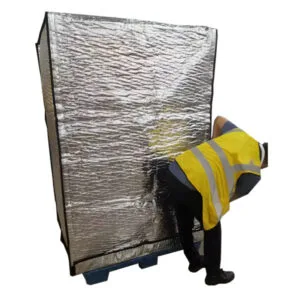
Centang kotak logika ukuran penutup palet dan liner untuk proyek pengemasan berinsulasi.
Perkiraan ukuranUji coba perakitan harus melibatkan personel terlatih yang tidak merancang sistem. Amati pemilihan bagian, orientasi, menghitung, penempatan sensor, penutupan tutupnya, dan solusinya. Sebuah paket yang hanya berhasil jika seorang insinyur merakitnya secara perlahan belum siap untuk didistribusikan secara rutin.
Kualifikasi Terpisah, Verifikasi Jalur, dan Pemantauan
Ketiga kegiatan ini menjawab pertanyaan yang berbeda. Kualifikasi menanyakan apakah paket dan proses tertentu dapat memenuhi kriteria penerimaan yang dinyatakan dalam tantangan yang dipilih. Verifikasi jalur memeriksa apakah asumsi desain dan pengendalian operasi tetap dapat dipercaya pada rute distribusi yang diinginkan. Pemantauan kiriman mencatat kondisi pada satu atau lebih lokasi sensor selama pergerakan tertentu.
Standar ISTA 20 menyediakan proses untuk desain dan kualifikasi tertentu kontainer pengiriman terisolasi. Standar ISTA 7E mengatasi termal kemasan transportasi untuk pengiriman paket menggunakan profil panas dan dingin yang ditentukan. Alat-alat tersebut mungkin sesuai, tapi itu bukan data jalur khusus, dan batu bata yang lepas tidak mendapatkan “sertifikasi ISTA” karena digunakan dalam pengujian. Periksa metode yang tepat, versi, status laboratorium jika relevan, konfigurasi laporan, dan otorisasi di balik klaim sertifikasi apa pun.
Kualifikasi harus menantang kedua sisi persyaratan produk. Pendingin ekstra atau lebih dingin dapat meningkatkan suhu di lokasi yang hangat dan menimbulkan risiko pembekuan di dekat batu bata. Oleh karena itu, pemetaan sensor harus mencakup posisi panas dan dingin yang kredibel, tidak hanya ruang udara atau pusat geometris. Simulasi produk harus dibenarkan, dan laporan tersebut harus menjelaskan apa itu udara, permukaan, atau rata-rata pengukuran yang mewakili produk.
Verifikasi jalur kemudian memeriksa pelaksanaan dan penyerahan pengemasan yang sebenarnya. Apakah beban freezer sesuai dengan proses yang dikembangkan? Apakah pengepak mereproduksi pengaturan dengan kecepatan kerja? Apakah waktu penjemputan dan penerima realistis? Apakah rute pengangkut melalui hub diasumsikan dalam penilaian risiko? Percontohan yang sukses akan berguna, namun satu perjalanan yang menguntungkan tidak bisa mewakili setiap musim atau gangguan.
Rencana pemantauan mendefinisikan perangkat, pengaturan, logika logging dan alarm sebagaimana berlaku, lokasi sensor, pengaktifan, hak asuh, pengambilan, tinjauan berkas, dan retensi data. Monitor tidak menambahkan pendinginan. Sensor yang menempel pada batu bata dapat memperbesar paparan dingin lokal, sementara seseorang di headspace mungkin kehilangan posisi produk. Tempatkan sesuai dengan pertanyaan yang perlu dijawab oleh pemilik produk.
Bukti operasional harus tetap terhubung dengan konfigurasi. Tanpa kode paket atau revisi, data dari batu bata yang berbeda, banyak, atau pengaturan dapat digabungkan dan salah dibaca. Simpan hasil kualifikasi, catatan pengiriman, penyimpangan, dan perubahan terkait dengan identitas terkontrol yang sama.
Kelola Perubahan, Tamasya, dan Digunakan Kembali sebagai Satu Siklus Hidup
Kualifikasi dapat secara diam-diam dibatalkan oleh keputusan bisnis biasa. Pengadaan menggantikan batu bata dengan volume nominal yang sama. Pemasok kotak mengubah sambungan. Operasi mempersingkat persiapan karena permintaan memuncak. Operator menambahkan hub. Penerimaan memindahkan peninjauan data ke tim lain. Masing-masing dapat mengubah perilaku atau bukti termal.
Gunakan penilaian perubahan untuk konfigurasi penuh. Pertimbangkan formula atau sumber cairan pendingin, mengisi, ukuran, cangkang dan penutup, konstruksi kontainer, muatan, pengaturan, pemisah, persiapan, monitor, rute, dan prosedur. Tidak setiap pembaruan memerlukan pengujian ulang yang lengkap, namun pemilik produk dan kualitas harus mendokumentasikan mengapa bukti yang ada masih dapat diterapkan atau pekerjaan tambahan apa yang diperlukan.
Contoh risiko musiman
Bayangkan seorang distributor yang studi musim panasnya menunjukkan pemanasan di dekat tutupnya. Batu bata atas yang diusulkan memperbaiki lokasi tersebut, jadi pihak operasional ingin menstandarkan tata letak yang lebih kuat untuk sepanjang tahun. Produk, Namun, sensitif terhadap pembekuan, dan pemuatan musim dingin dapat terjadi di dermaga yang terbuka.
Tim menilai risiko sisi dingin sebelum dilepaskan. Ini membandingkan keadaan persiapan, pemisahan, pilihan pendingin, dan paparan musiman, kemudian menguji konfigurasi yang dibenarkan pada posisi tantangan hangat dan dingin. Jika paket musiman terpisah diperlukan, identitas bata mereka, memanggungkan, dan instruksi menjadi sulit untuk dibingungkan. Pelajarannya bukanlah bahwa setiap rute memerlukan dua tata letak; penyelesaian masalah batas atas tidak membuktikan batas bawah tetap terlindungi.
Saat ada alarm pengiriman, melestarikan bukti sebelum beralih ke penjelasan yang disukai. Simpan file dan identitas logger, catatan paket, lot komponen atau revisi jika diperlukan, catatan pengkondisian, rute dan waktu serah terima, foto, kondisi paket, dan mengembalikan suku cadang. Pemilik produk resmi mengevaluasi kegunaan menggunakan informasi stabilitas atau keselamatan spesifik produk. Kembali ke jangkauan tidak secara otomatis membalikkan eksposur sebelumnya, dan batu bata dingin yang tetap dingin tidak membuktikan bahwa muatannya dapat diterima.
Selidiki seluruh sistem. Suhu tinggi dapat disebabkan oleh muatan yang hangat, persiapan yang tidak lengkap, cairan pendingin hilang, tutup terbuka, isolasi yang rusak, atau penundaan. Suhu rendah dapat timbul akibat kontak langsung, keadaan awal yang terlalu dingin, atau tata letak yang tidak disetujui. Tindakan korektif harus menargetkan penyebab yang sudah terbukti, bukan menambahkan cairan pendingin secara otomatis.
Penggunaan kembali adalah transisi keadaan terkendali lainnya. Definisikan segregasi pengembalian, pembersihan, pengeringan, inspeksi, identitas, pengkondisian, dan pensiun. Lacak retakan, kebocoran, melengkung, kerusakan penutupan, kontaminasi, kehilangan, dan rotasi sebenarnya. Perbandingan lingkungan juga harus mencakup material dan isi, daya tahan yang berguna, energi persiapan, transportasi terbalik, pembersihan, rute akhir kehidupan, dan perlindungan muatan. Batu bata yang dapat digunakan kembali tidak secara otomatis merupakan pilihan yang berdampak lebih rendah.
Klaim rantai dingin yang matang bersifat sempit dan dapat dilacak: sistem bernama memenuhi kriteria yang ditentukan dalam kondisi yang ditentukan dan dioperasikan dalam proses yang terkendali. Kesimpulan tersebut lebih berharga daripada janji universal karena pembeli dapat menilai di mana kesimpulan tersebut berlaku, apa yang telah berubah, dan bukti apa yang mendukung keputusan selanjutnya.
Pertanyaan yang sering diajukan
Berapa banyak batu bata keren yang dimasukkan ke dalam kotak rantai dingin?
Tidak ada penghitungan universal yang dapat diandalkan. Jawabannya tergantung pada nama batu bata dan keadaan awal, isolasi, massa muatan dan geometri, suhu awal, pengaturan, profil lingkungan, lamanya, bukaan, dan kondisi produk yang diizinkan. Menentukan kuantitas melalui pengembangan dan kualifikasi paket lengkap, kemudian mengontrol hitungan dan posisi yang disetujui dalam instruksi kerja.
Apakah nilai transisi PCM sama dengan suhu paket?
TIDAK. Nilai tersebut menggambarkan perilaku bahan pendingin dalam metode yang dinyatakan. Resistansi termal dan waktu menciptakan gradien di antara inti pendingin, kerang, udara dalam, permukaan produk, dan pusat produk. Mintalah karakterisasi materi, tetapi gunakan pengujian paket lengkap yang dipantau untuk memahami suhu yang relevan dengan muatan.
Apakah pemantauan pengiriman menggantikan kualifikasi paket?
Tidak. Kualifikasi memberikan bukti awal untuk desain dan proses yang ditentukan; pemantauan mencatat apa yang terjadi di sensor selama satu pengiriman. Pemantauan dapat mengungkapkan masalah pelaksanaan atau rute tetapi tidak dapat mencegah perjalanan. Program berbasis risiko dapat menggunakan keduanya, dengan kontrol konfigurasi dan proses peninjauan data resmi.
Bisakah batu bata yang dapat digunakan kembali tetap digunakan selama tidak bocor?
Kebocoran hanyalah salah satu kondisi penolakan. Warpage dapat mengubah kecocokan, penutupan yang rusak bisa menjadi kegagalan di masa depan, kontaminasi dapat mengalahkan pembersihan, dan kehilangan identitas dapat menempatkan batu bata yang salah dalam satu paket. Tetapkan kriteria inspeksi dan penghentian untuk putaran pengembalian yang sebenarnya, dan mendasarkan pernyataan masa pakai apa pun pada bukti yang relevan, bukan hanya pada penampilannya saja.
Tentang tempk
Dan Tempk, kami menawarkan format batu bata es yang kaku dan opsi pengemasan berinsulasi terkait untuk proyek rantai dingin. Kita bisa mendiskusikan dimensi komponen, format cangkang, pilihan pendingin, Label, dan pengepakan dalam konteks muatan Anda, wadah, peralatan persiapan, rute, dan proses penggunaan kembali. Peran kami adalah membantu mempersempit pilihan komponen dan memberikan informasi produk spesifik proyek untuk evaluasi. Bagikan kondisi target Anda, risiko panas dan beku, memuat kasus, dan buktikan ekspektasi bersama kami; tim kualitas dan pengemasan Anda harus memenuhi syarat sistem perwakilan produksi sebelum penggunaan rutin.